

Night Suits for Women | Cotton & Modal Sleepwear - Trendia

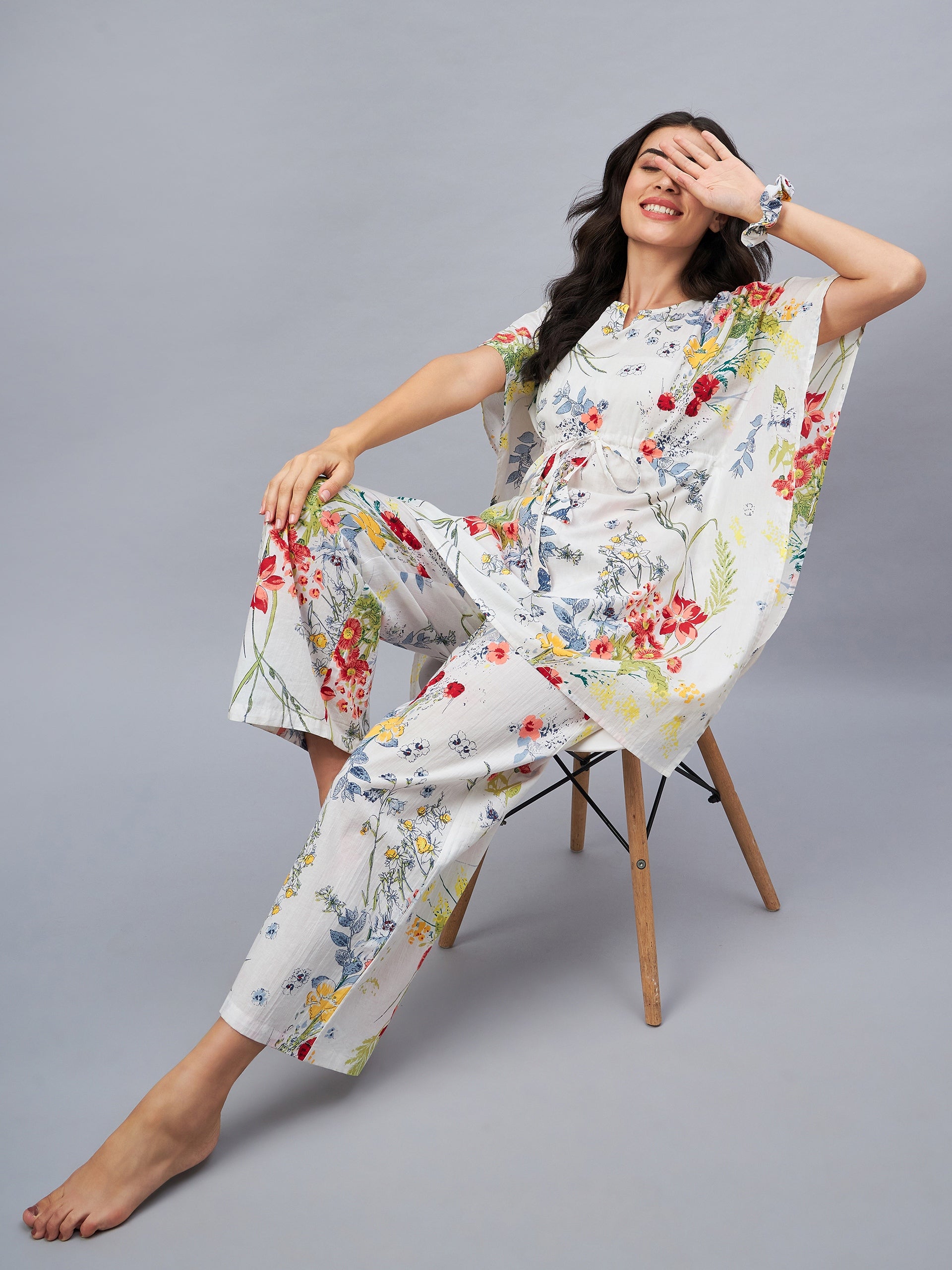

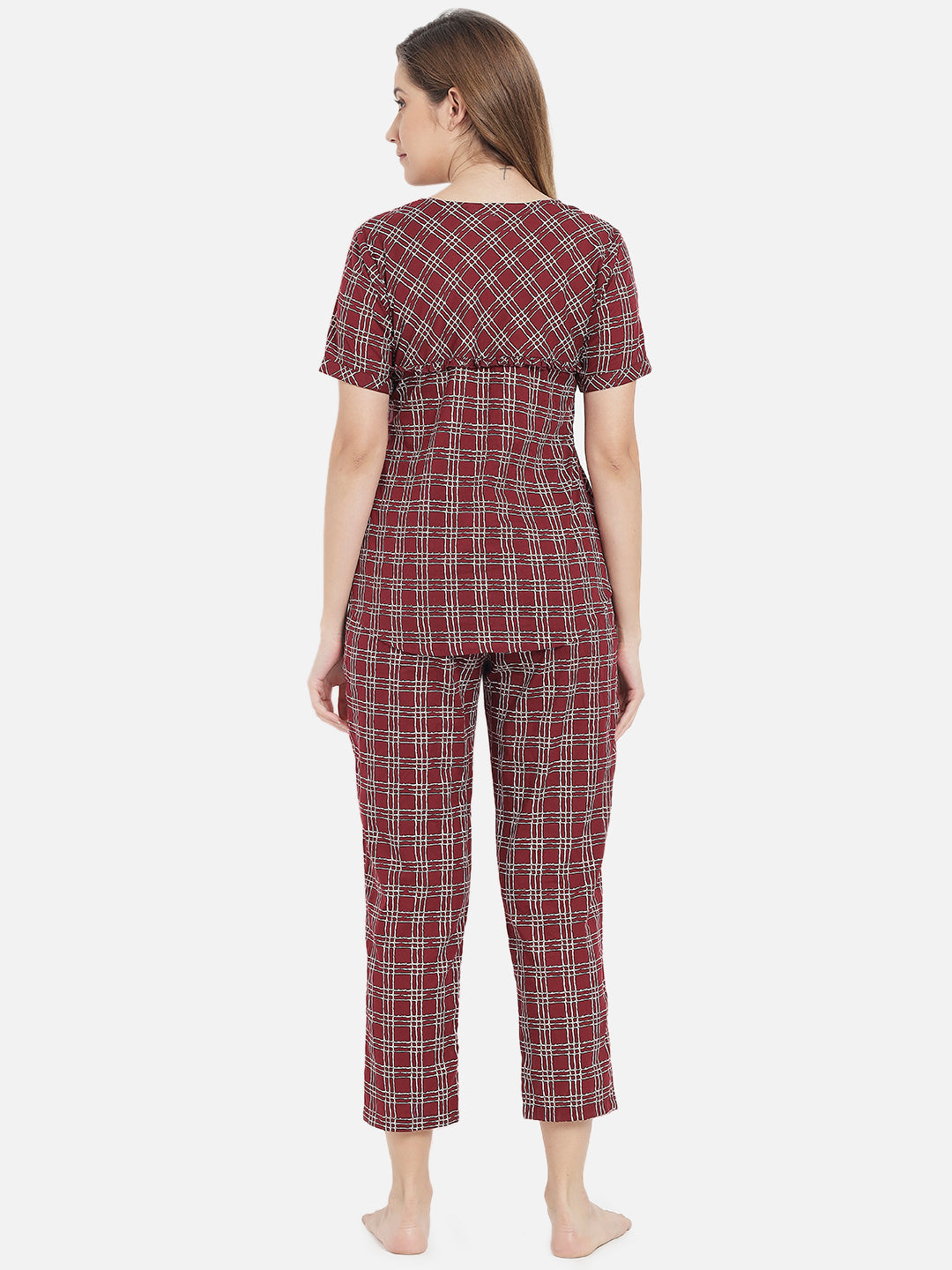

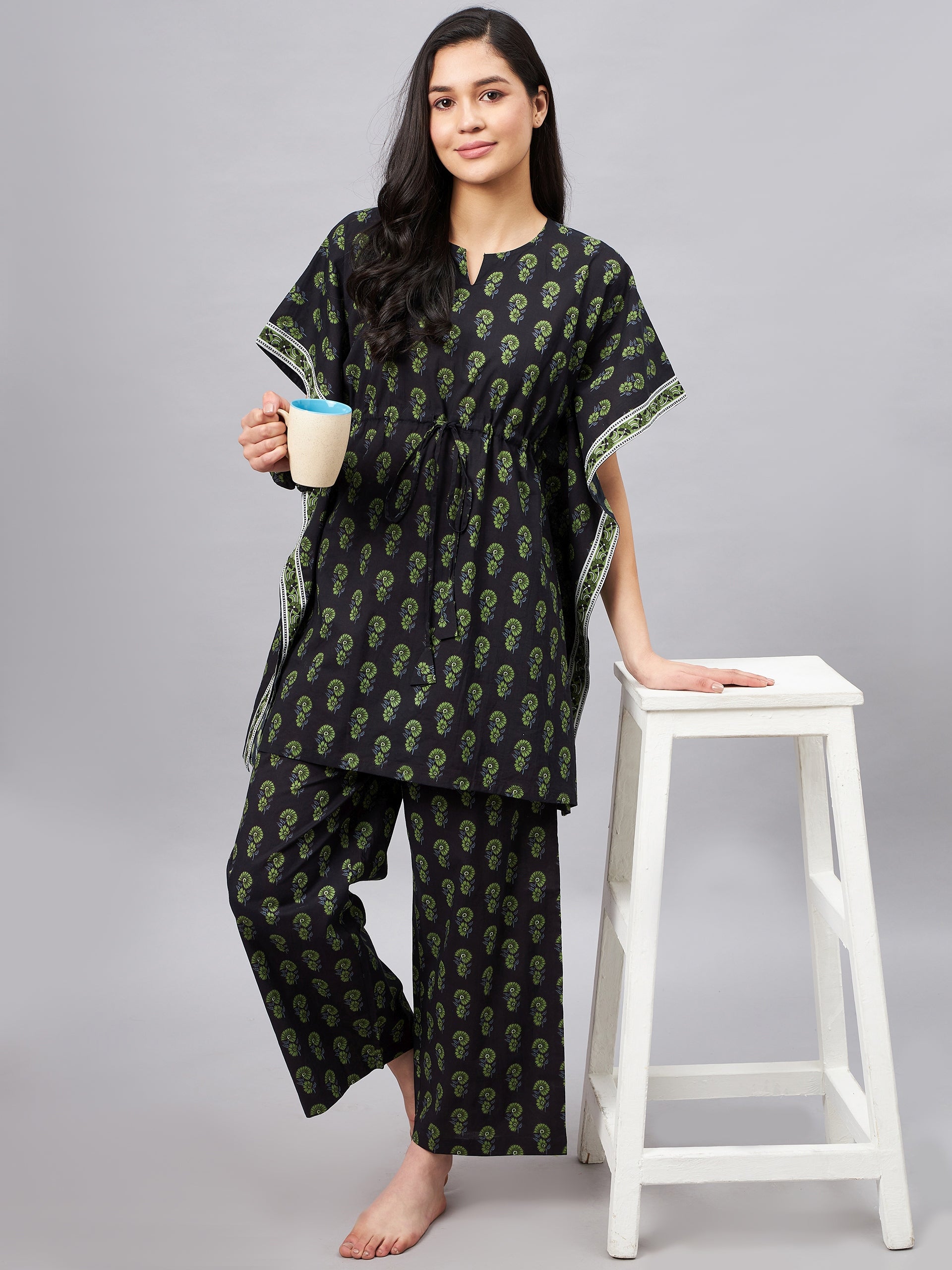

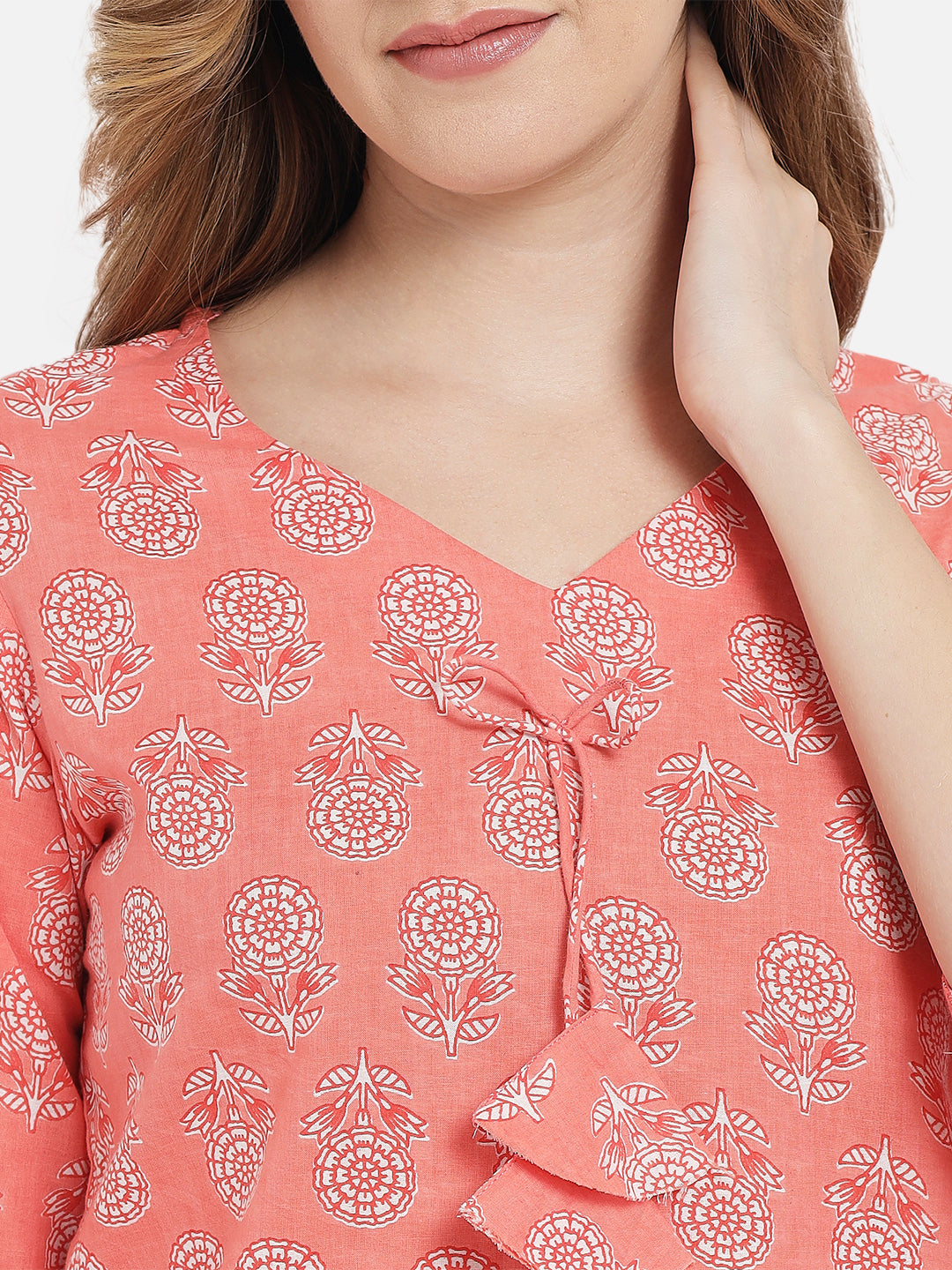

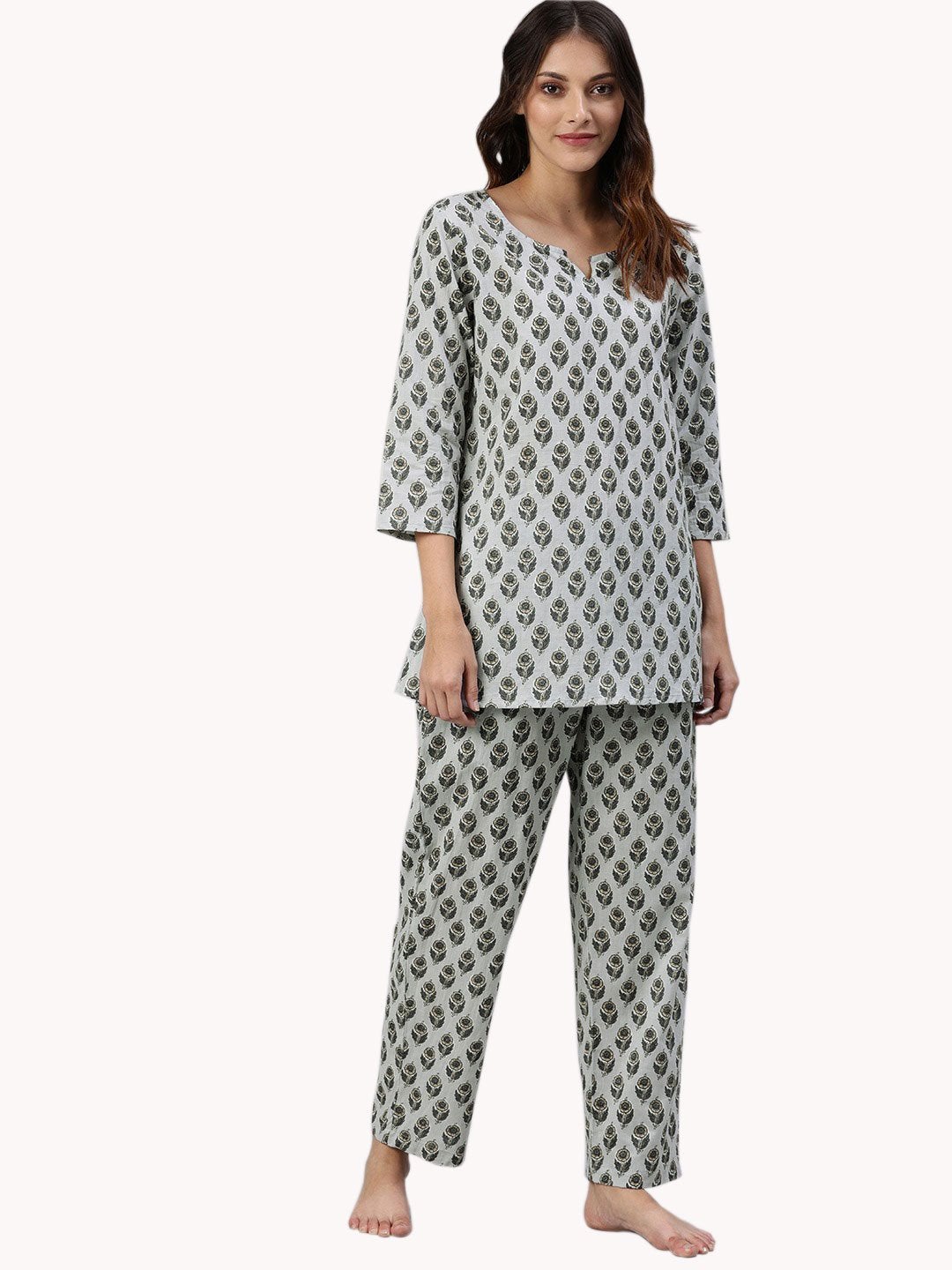

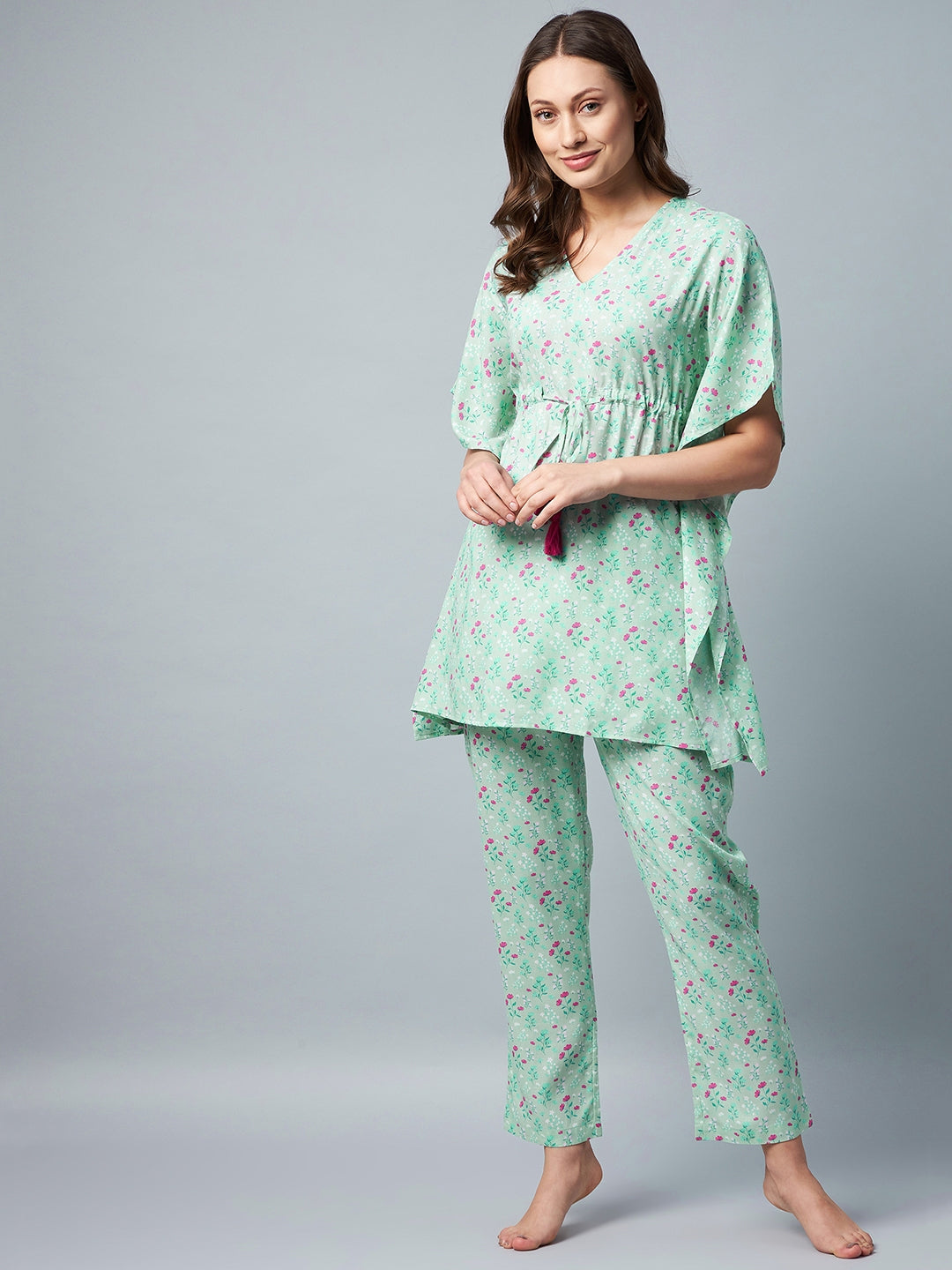




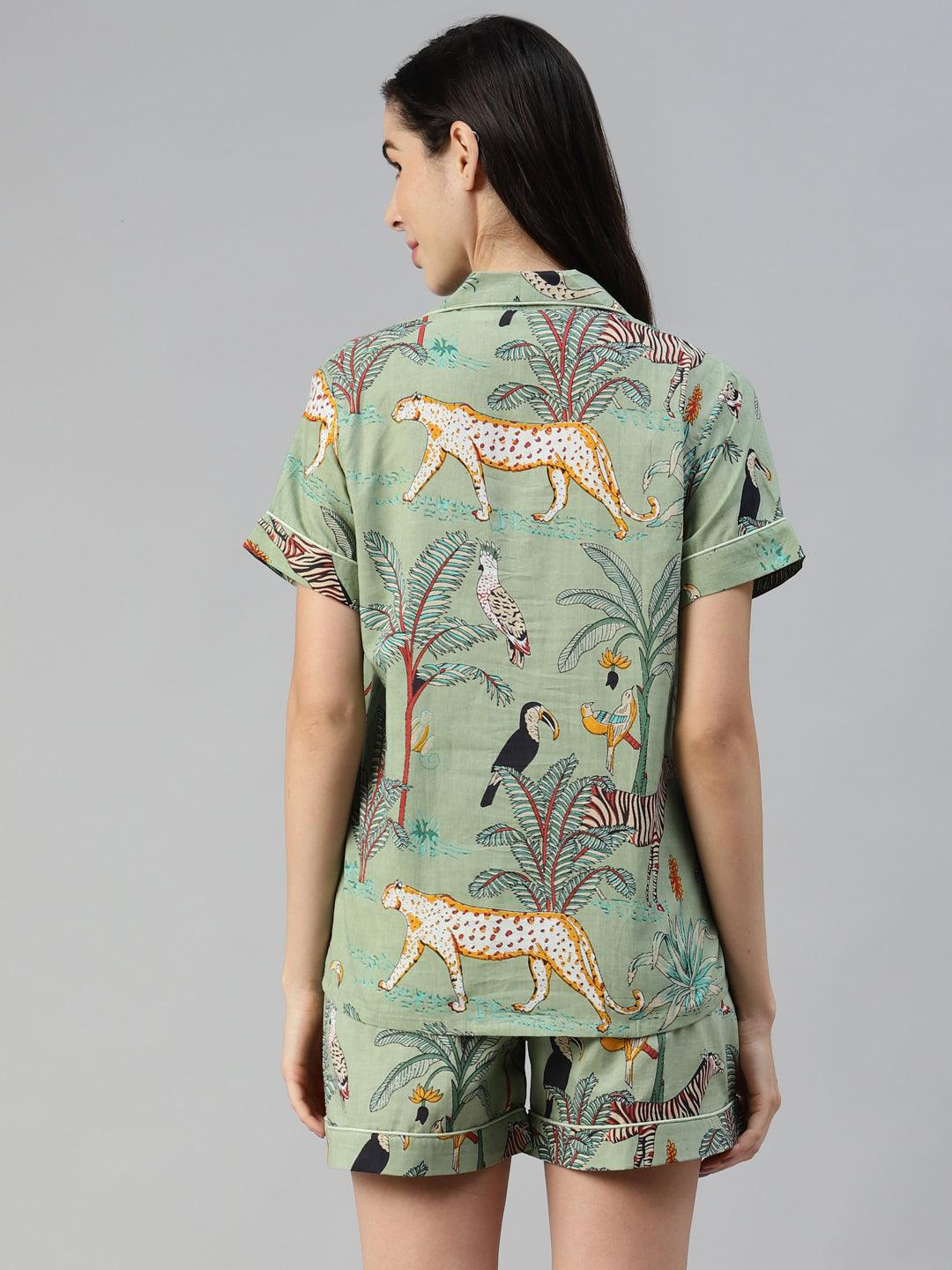


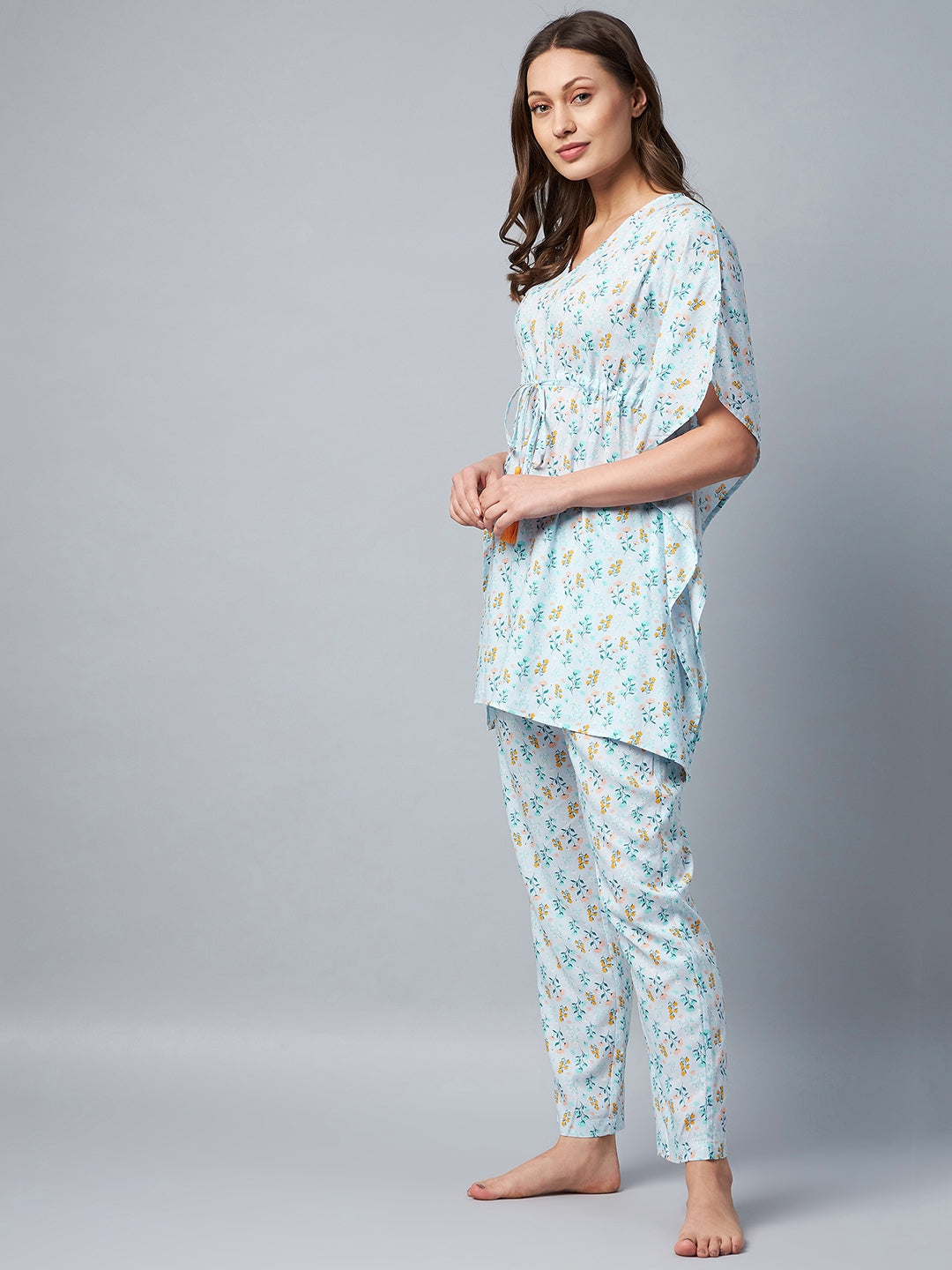


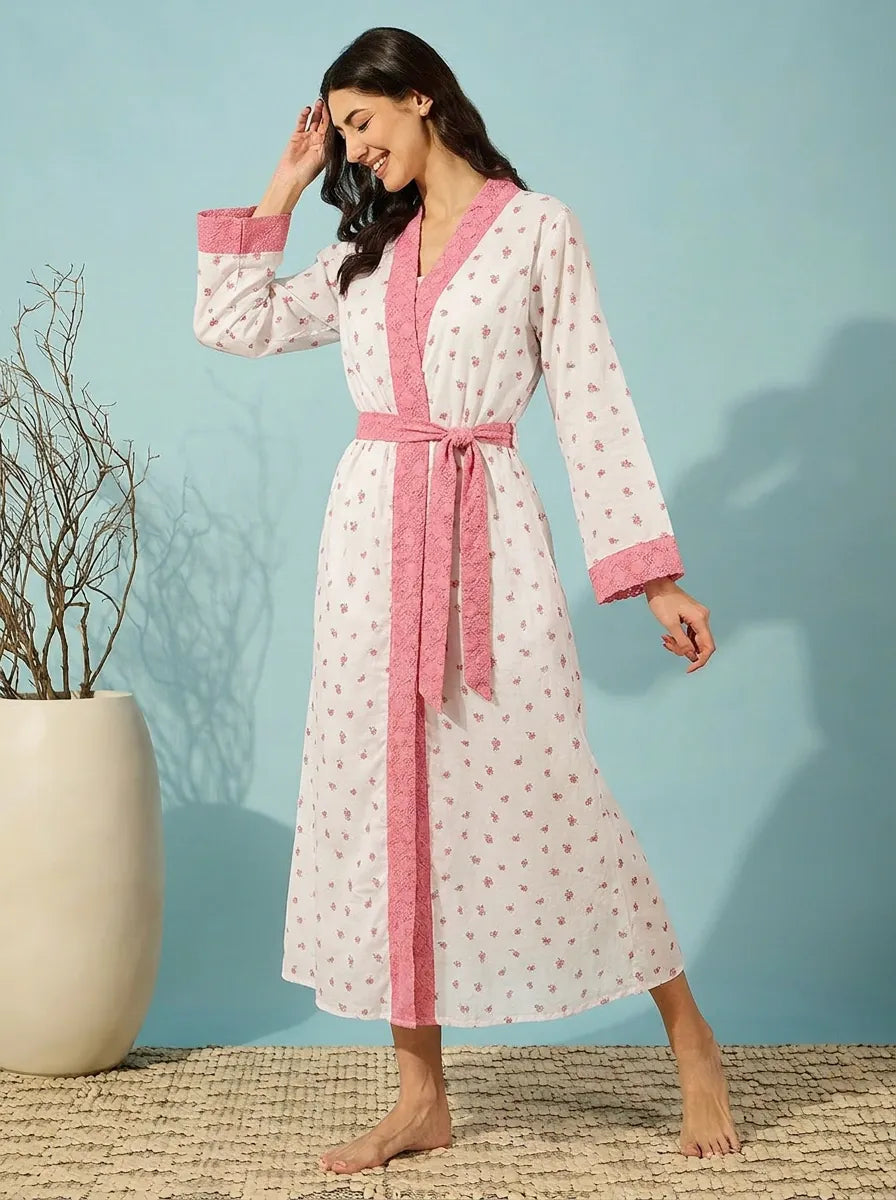


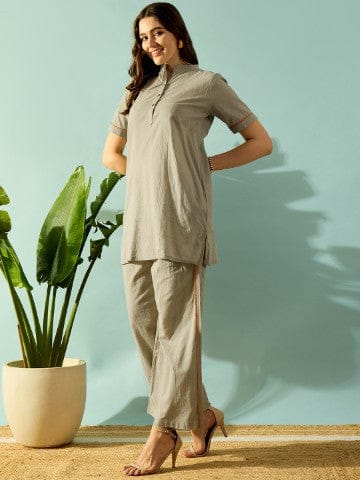

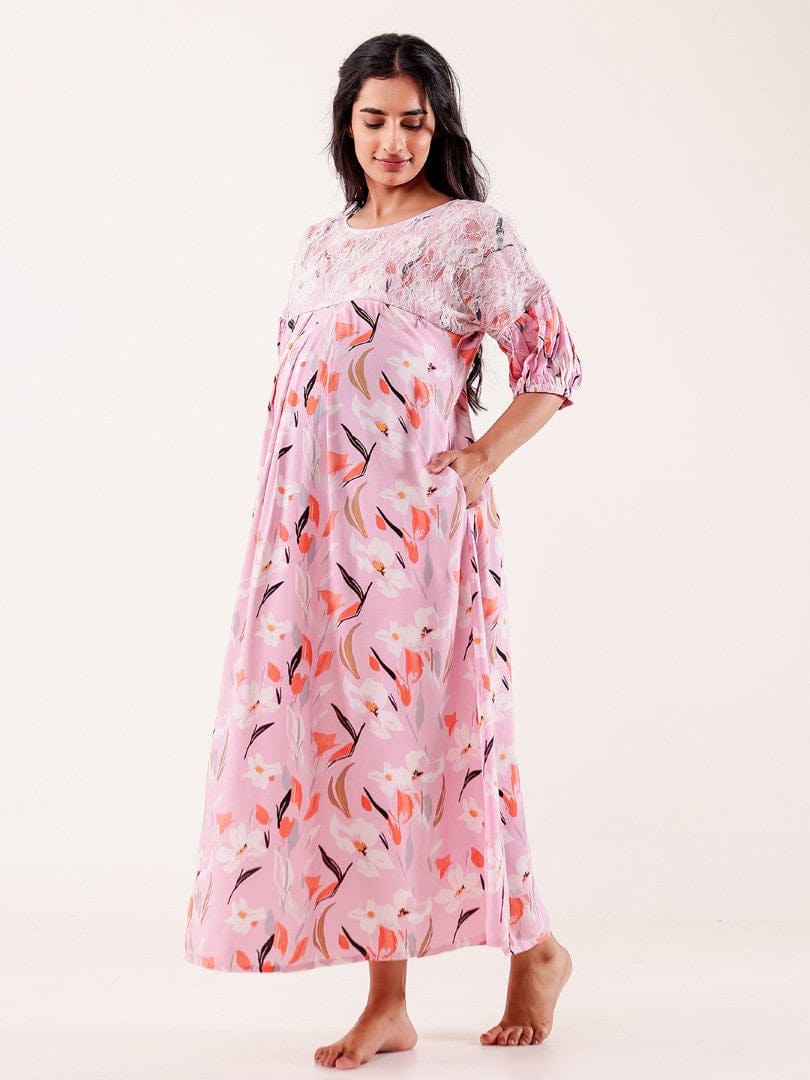






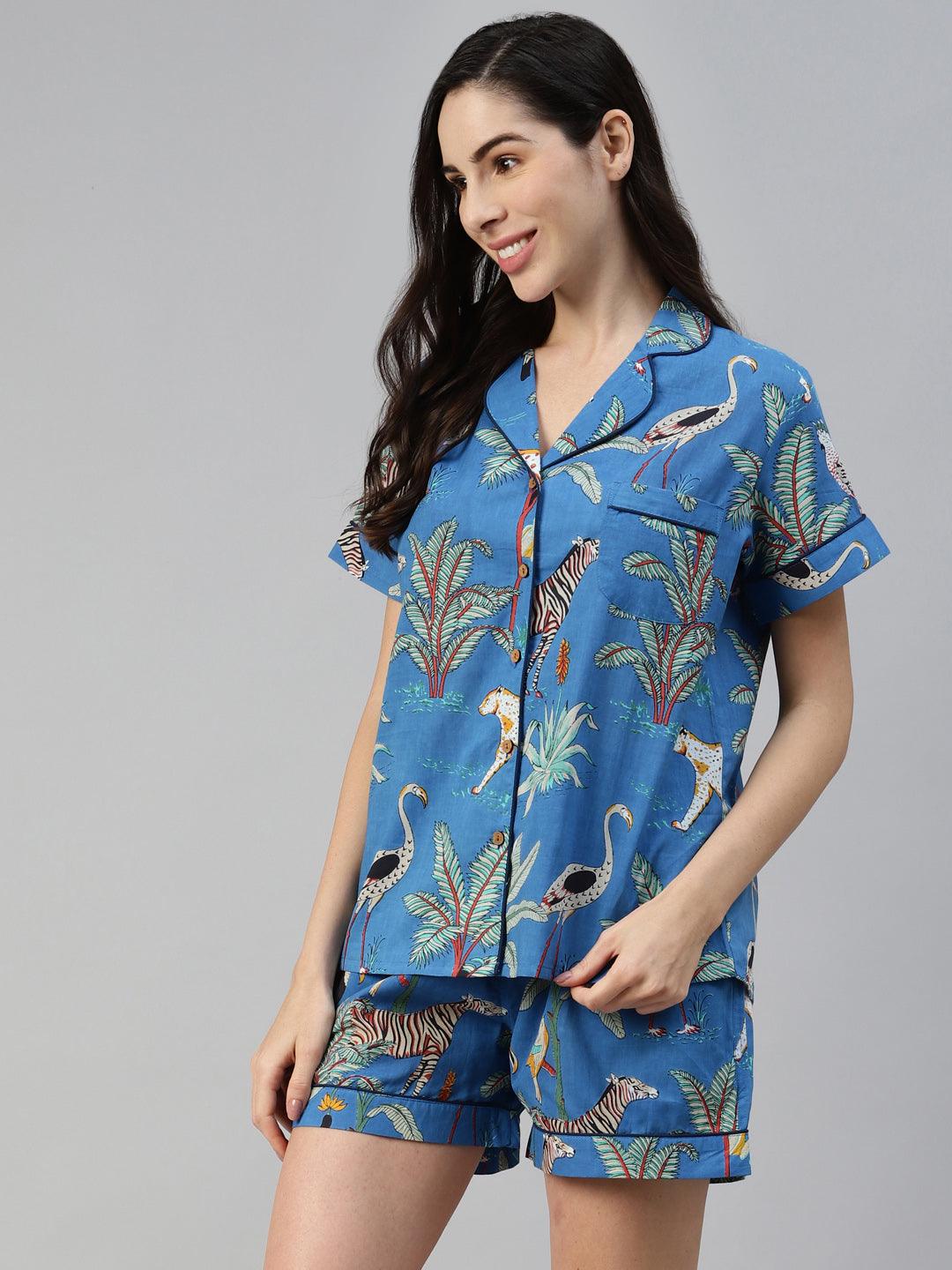

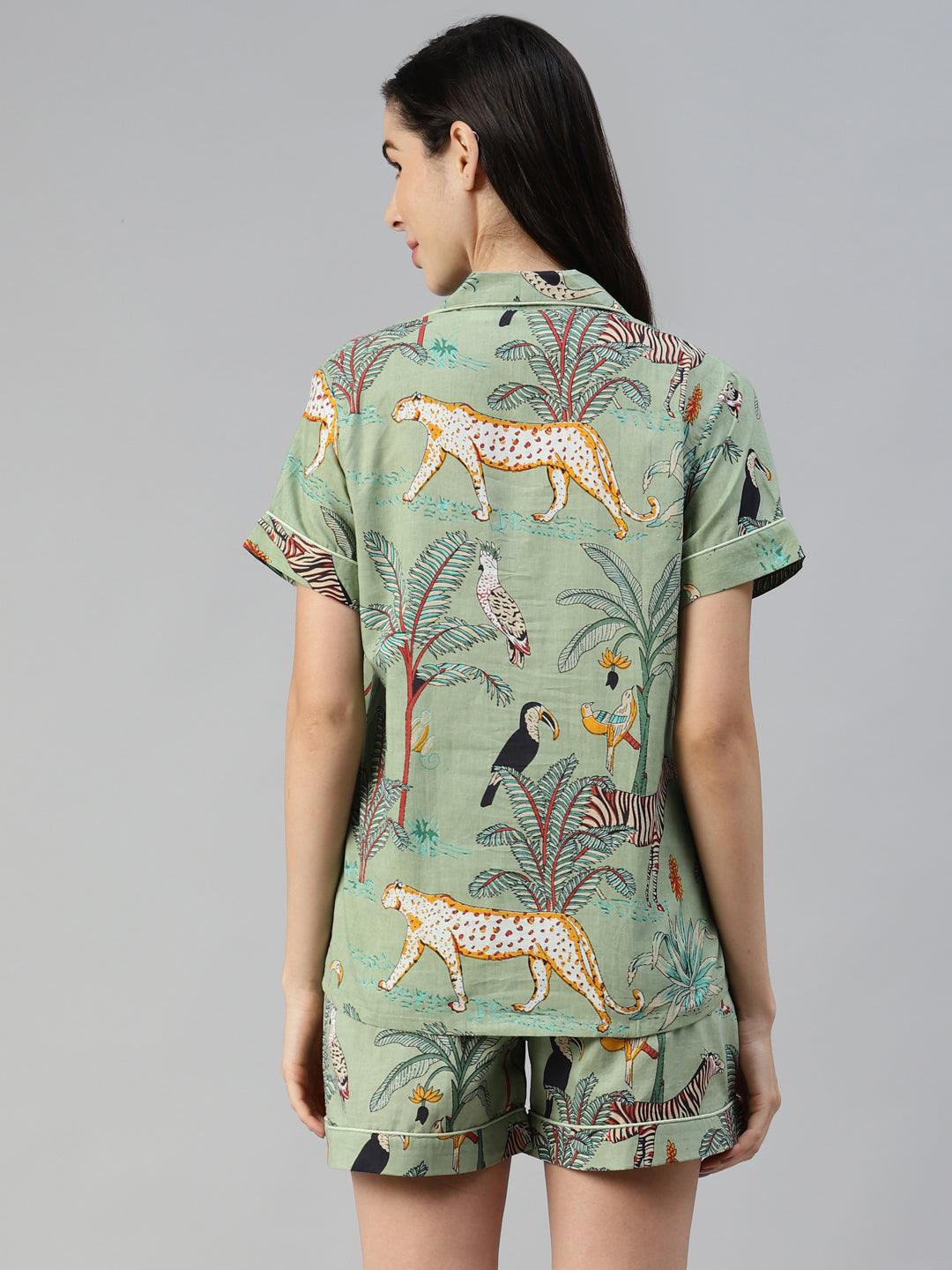
Sleepwear gets bought less carefully than anything else in a wardrobe, which is odd given how many hours it is worn. The two things that actually matter are fabric and format: whether it breathes, and whether it stays put while you move.
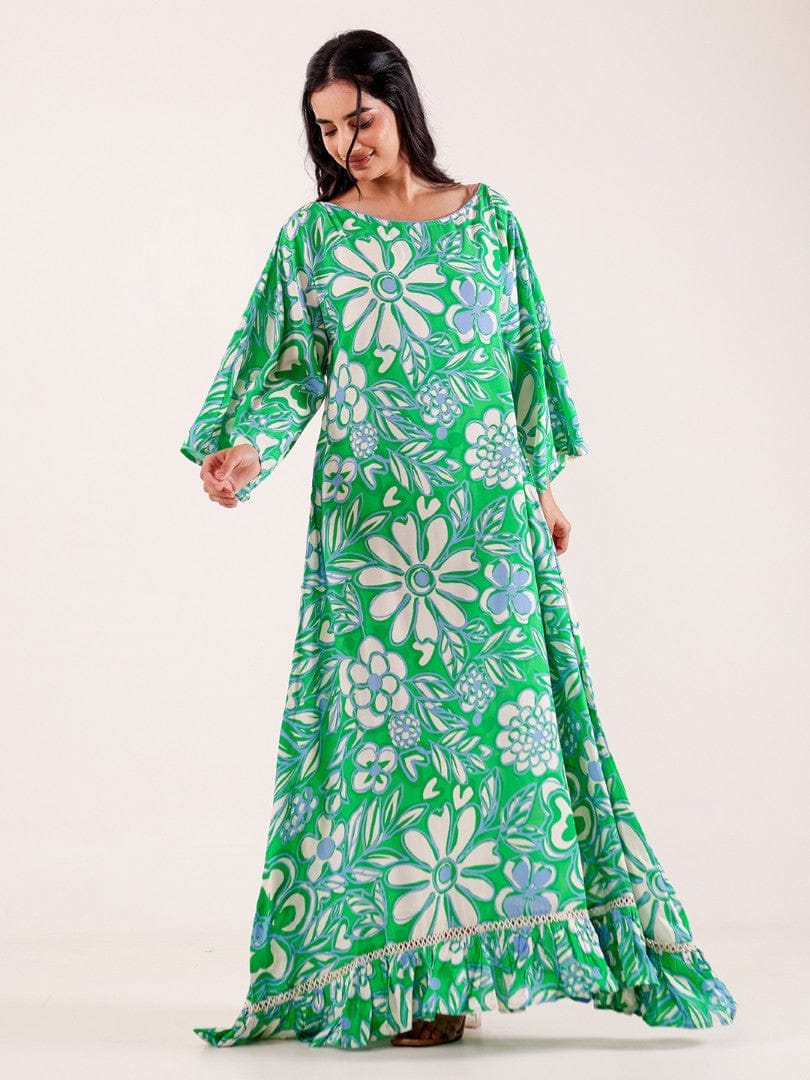
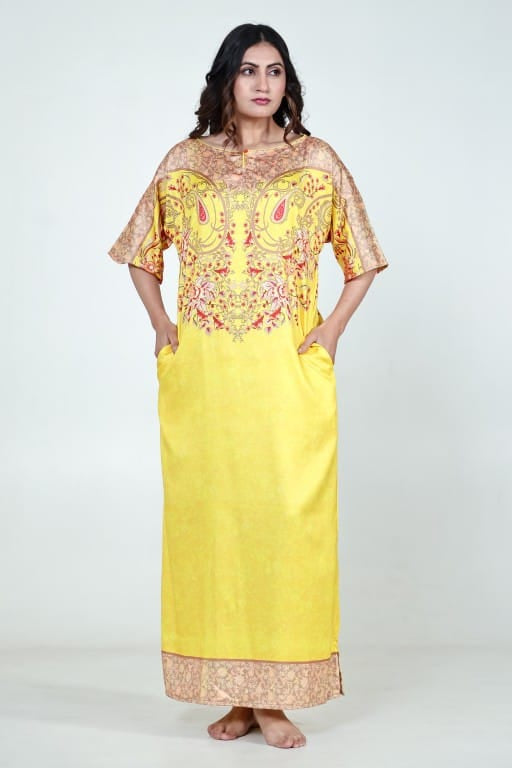
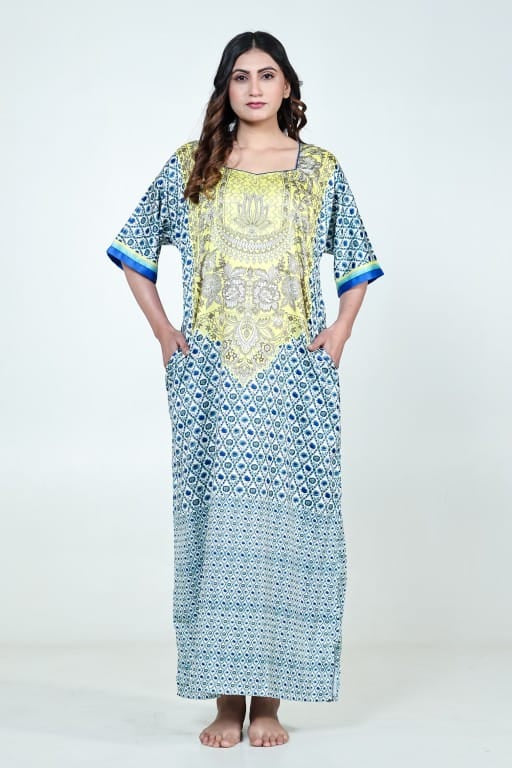
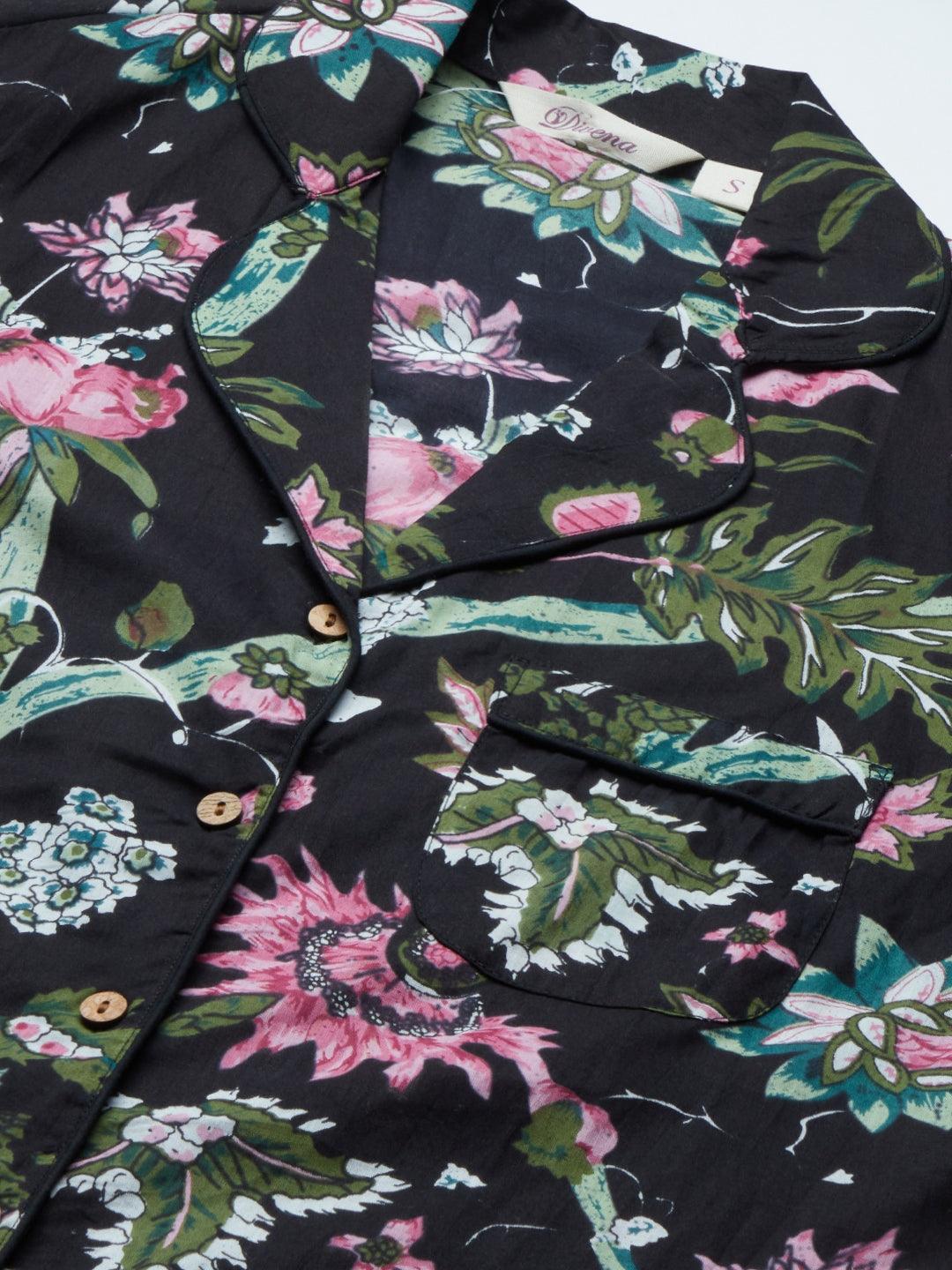
This collection covers both ends printed cotton and rayon pyjama sets at the everyday end, and modal, satin and handloom cotton nightdresses, sleepshirts and robes at the more considered end. Sizes run XS to 7XL depending on the label, and a good number of pieces have pockets.
Sleepwear Formats Explained
The terminology overlaps and gets used loosely. What separates these is how many pieces there are and how much coverage you get.
|
Format |
What it is |
Best for |
|
Night suit |
Two pieces, top with pyjamas or shorts |
Cooler nights, answering the door |
|
Nightdress |
One piece, short or knee length |
Warm nights, minimal fuss |
|
Maxi nightdress |
One piece, ankle length |
Coverage without a second layer |
|
Sleepshirt |
Shirt-style, buttoned, oversized |
Anyone who dislikes waistbands |
|
Nightgown |
Loose, flowing, usually long |
Hot sleepers, pregnancy |
|
Negligee |
Strappy and lightweight |
Peak summer, layering under a robe |
|
Robe |
Open front, worn over the rest |
Mornings and over a negligee |
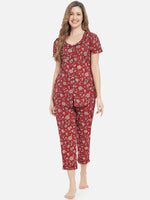
A night suit is the two-piece option a top with pyjamas, or with shorts for summer. It is the most practical if you get up in the night, share a home, or want something you could open the door in. A nightdress is one piece and has less to twist or ride up, which suits restless sleepers.
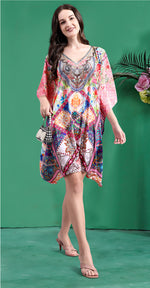
A sleepshirt is the compromise: shirt-styled and oversized, with buttons, and no waistband at all. Worth considering if elastic at the waist is what wakes you. A robe is worn over the top of any of these and is the piece most people skip and then wish they had bought it turns a negligee or short nightdress into something wearable outside a bedroom. Kaftans overlap with this category at the relaxed end and work for the same purpose.
Fabrics for Night Suits
Body temperature drops during sleep and rises again toward morning, and fabric either helps that or works against it. This is the decision that most affects how well you actually sleep in something.
|
Fabric |
How it sleeps |
Worth knowing |
|
Cotton |
Breathes best, absorbs moisture |
The default for hot sleepers |
|
Handloom cotton |
Breathable with a textured weave |
Softens noticeably after a few washes |
|
Modal |
Soft, cool, drapes close, resists creasing |
Better than cotton for restless sleepers |
|
Rayon and viscose |
Light and fluid, cool to the touch |
Shrinks in warm water |
|
Polyester satin |
Smooth and slippery, minimal friction |
Does not breathe; traps heat |
|
Polyester crepe |
Light with slight texture |
Easy care, less breathable than cotton |
Cotton is the reliable choice: it breathes, absorbs moisture rather than holding it against the skin, and gets softer with washing. Modal is the quieter recommendation a cellulose fibre made from beech pulp, softer than cotton, cooler against the skin, and it moves with you rather than bunching. Our linen and cotton comparison covers the same ground for warm-weather fabrics.
Polyester satin is worth understanding before buying. It feels cool to the touch and is smooth enough to reduce friction on hair and skin, which is why it is popular. But it does not breathe, so it traps heat and moisture across a full night. If you run warm or live somewhere humid, satin is the wrong choice regardless of how it feels in the first five minutes. Cotton or modal in a similar cut will sleep considerably better.
Details Worth Checking When Buying Night Suits
Pockets. Common across this range and more useful than they sound somewhere for a phone when you get up, and somewhere for hands when you are cold. Listings that have them usually say so.
Waistband. Elastic is standard and the most forgiving. A drawstring gives a more precise fit but digs in if you sleep on your front. If waistbands bother you at all, a nightdress or sleepshirt removes the problem entirely.
Sheerness. Light viscose, satin and pale prints can be see-through. Fine for a bedroom, less so if you answer the door in it worth checking if the piece is meant to double as loungewear.
Feeding access. Some nightdresses include concealed zips or front openings designed for feeding. These are listed as maternity pieces and are covered below.
Sizing of Your Night Suits
Sizes run XS to 7XL depending on the label, though not every style spans the full range. Extended sizing is grouped in the plus size collection. Because Trendia lists several independent labels, sizing is not standardised between them measure bust and waist and check the chart on the individual product page.
Sleepwear is the one category where sizing up is almost always right. Anything that fits closely will bind at some point during eight hours of moving around, and a night suit that is slightly loose is more comfortable than one that fits perfectly while standing. This applies most to two-piece sets, where the waistband is the usual culprit.
Sleepwear or Loungewear?
A lot of this range works for both, and the cotton pyjama sets in particular are cut closer to a co-ord than to traditional sleepwear. If you work from home or want something to wear through a slow morning, look for cotton or modal in a print rather than satin, a two-piece rather than a nightdress, and a top that is not obviously a sleep top. Kaftans and co-ord sets cover the same brief from the other direction.
The single change that shifts a night suit into loungewear is a robe or a light jacket over the top. Handloom cotton and textured weaves also read less like sleepwear than smooth satin does.
Maternity and Postpartum
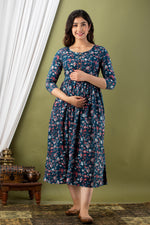
Sleepwear is one of the few categories where dedicated maternity pieces are genuinely worth buying rather than sizing up. Maternity nightdresses here include concealed feeding zips at the front, and the loose cut accommodates a changing shape without a waistband to adjust. Viscose and modal are the most comfortable during pregnancy, when body temperature tends to run higher. Dedicated maternity wear covers daytime clothing separately.
Nightgowns and kaftan-style sets work for the same reasons and stay usable long after, which makes them better value than anything fitted bought for a single stage.
How To Care For Your Night Suits
Sleepwear is worn against skin for long stretches and should be washed more often than most clothing — roughly weekly, and more in hot weather. That makes washability worth weighing against how a fabric feels.
Cotton and handloom cotton can be machine washed warm and tumble dried low, and handloom in particular softens over the first few washes. Modal, rayon and viscose should be washed cold and never wrung, since all three shrink in warm water and lose shape when twisted skip the dryer for these entirely. Satin should be washed cold on a gentle cycle in a mesh bag, since it snags easily against zips and hooks. Dry prints in shade rather than direct sunlight, which fades printed colour faster than washing does.
FAQs: Night Suits
What is the difference between a night suit and a nightdress?
A night suit is two pieces a top with pyjamas or shorts. A nightdress is a single piece, short or long. Night suits suit cooler nights and shared households; nightdresses have less to twist or ride up, which suits restless sleepers and hot weather.
What is a sleepshirt?
An oversized shirt-style piece with buttons, worn as a one-piece with no separate bottom. It has no waistband at all, which makes it a good option if elastic at the waist is what disturbs your sleep.
Which fabric is best for sleeping?
Cotton and modal. Cotton breathes best and absorbs moisture; modal is softer, cooler against the skin and creases less. Both regulate temperature far better than polyester, which matters because body temperature shifts through the night.
Is satin good for sleepwear?
It feels cool to the touch and creates less friction against hair and skin, which is why it is popular. But polyester satin does not breathe, so it traps heat and moisture across a full night. If you sleep warm or live somewhere humid, cotton or modal will be more comfortable.
What size should I buy?
Size up rather than down. Sleepwear that fits closely while standing will bind somewhere across eight hours of moving around, and a slightly loose fit is more comfortable. This matters most on two-piece sets, where the waistband is usually the problem.
Do night suits come with pockets?
Many in this range do, and the listing says so. They are more useful than they sound somewhere for a phone if you get up in the night, and somewhere for hands when it is cold.
Can I wear these as loungewear?
Cotton and modal two-piece sets in prints work for both, particularly if the top is not obviously a sleep top. Satin and sheer pieces read more clearly as sleepwear. A robe or light jacket over the top is the simplest way to make any of it presentable.
Is there maternity sleepwear?
Yes. Some nightdresses include concealed feeding zips at the front, and the loose cut accommodates a changing shape without a waistband. Viscose and modal are the most comfortable during pregnancy, and these pieces stay usable well after.
How often should sleepwear be washed?
Roughly weekly, and more often in hot weather, since it is worn against skin for long stretches. Cotton handles frequent washing best. Modal and rayon need cold water and no dryer, so factor that into how much you want to wash them.
How do I wash satin sleepwear?
Cold water on a gentle cycle, ideally in a mesh bag, since satin snags easily on zips and hooks elsewhere in the load. Dry in shade rather than a dryer or direct sunlight.
Where can I find new sleepwear?
New arrivals updates as each label delivers. Pieces in the express range dispatch within 48 hours for US orders, with tariffs and duties covered.