


Kurtas for Men | Cotton, Silk & Festive Kurtas - Trendia

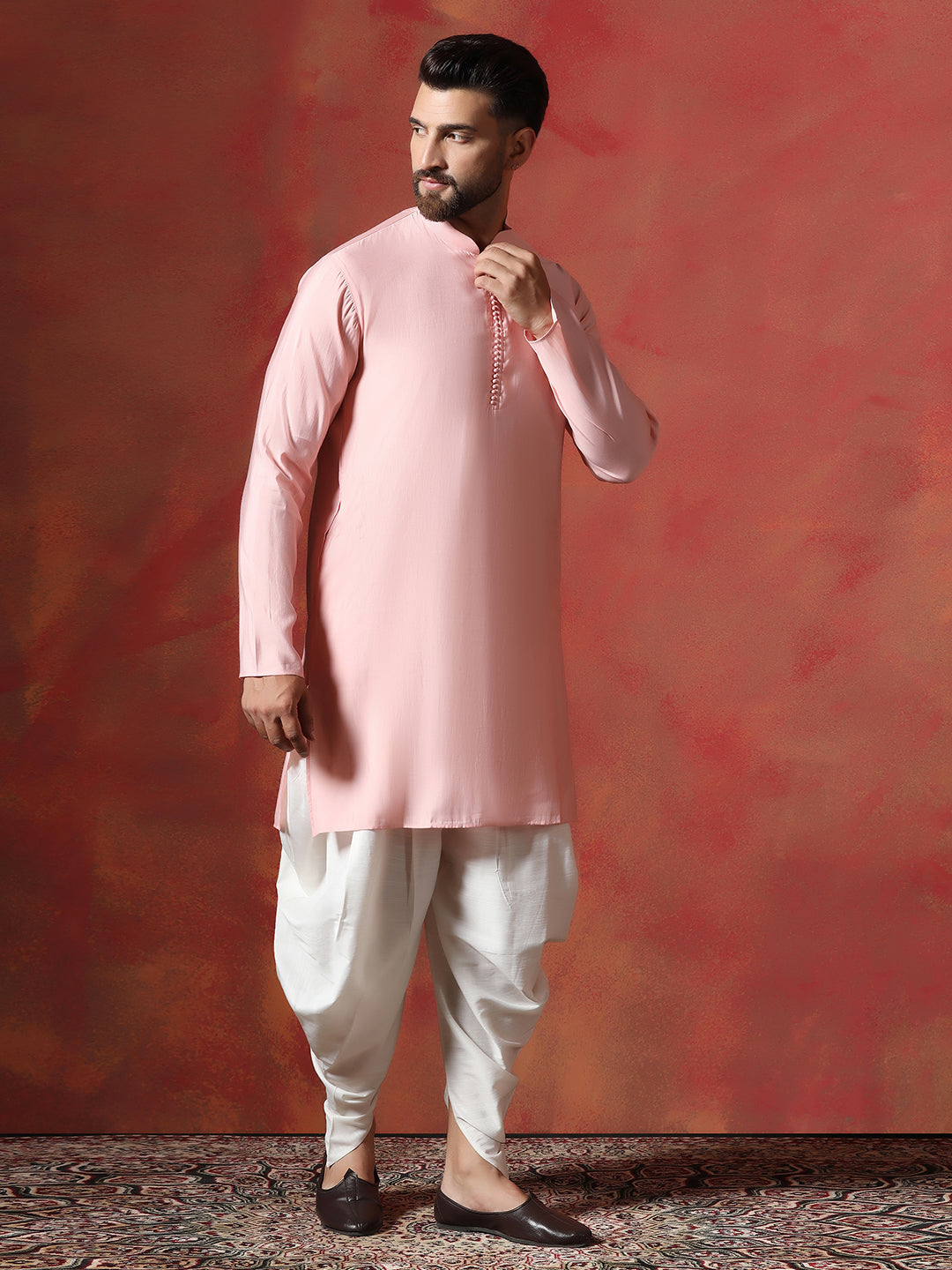


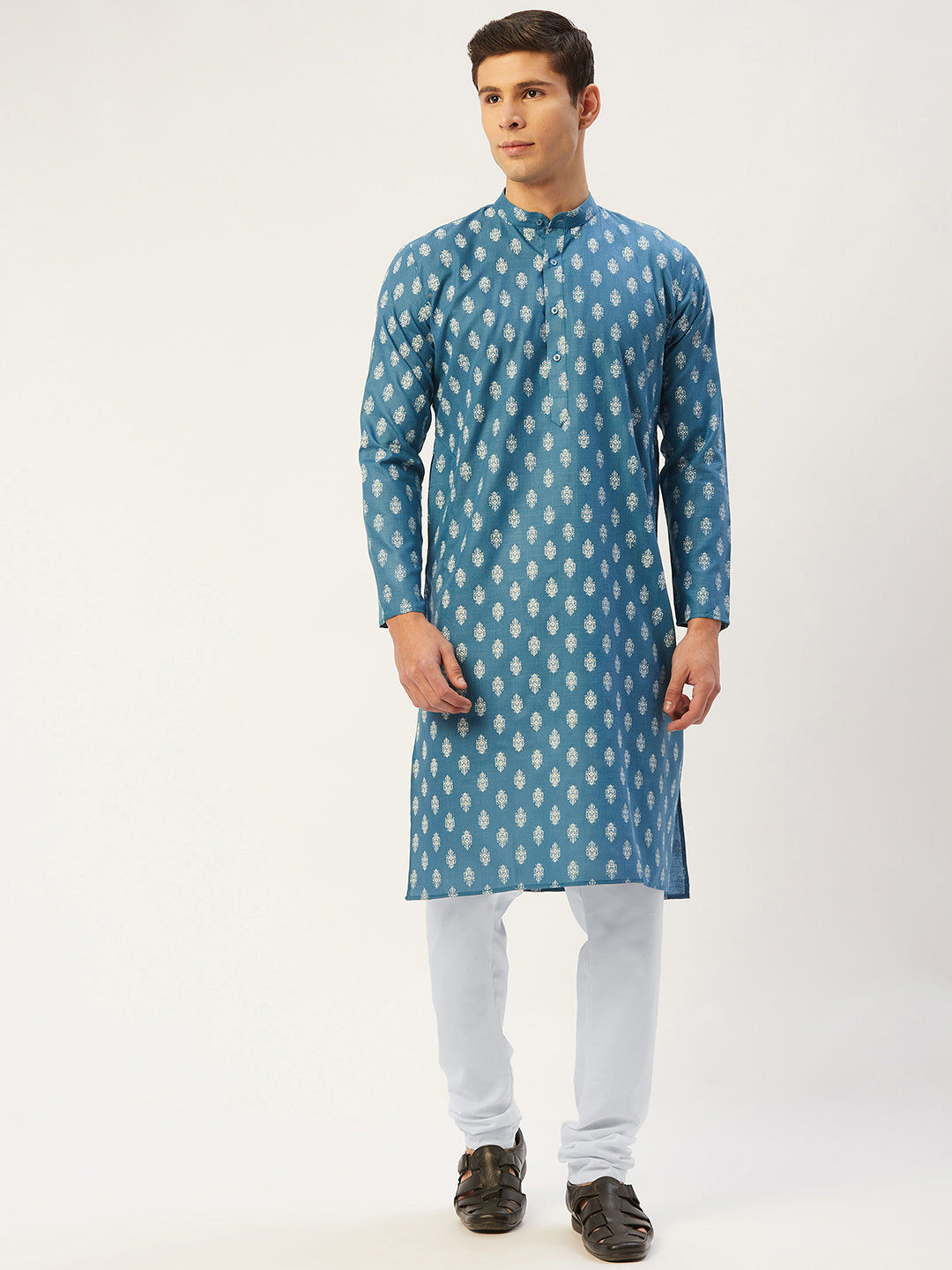


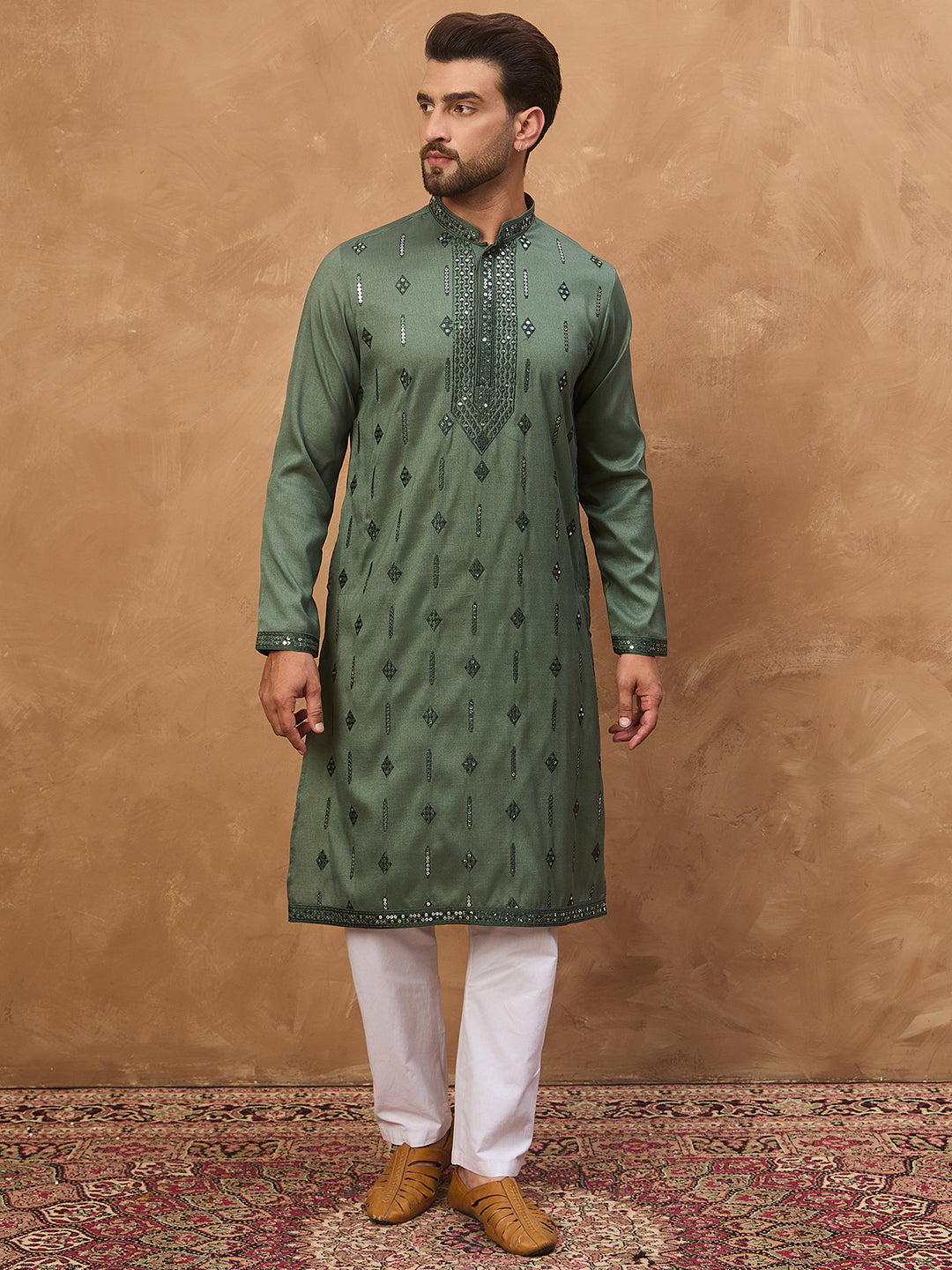

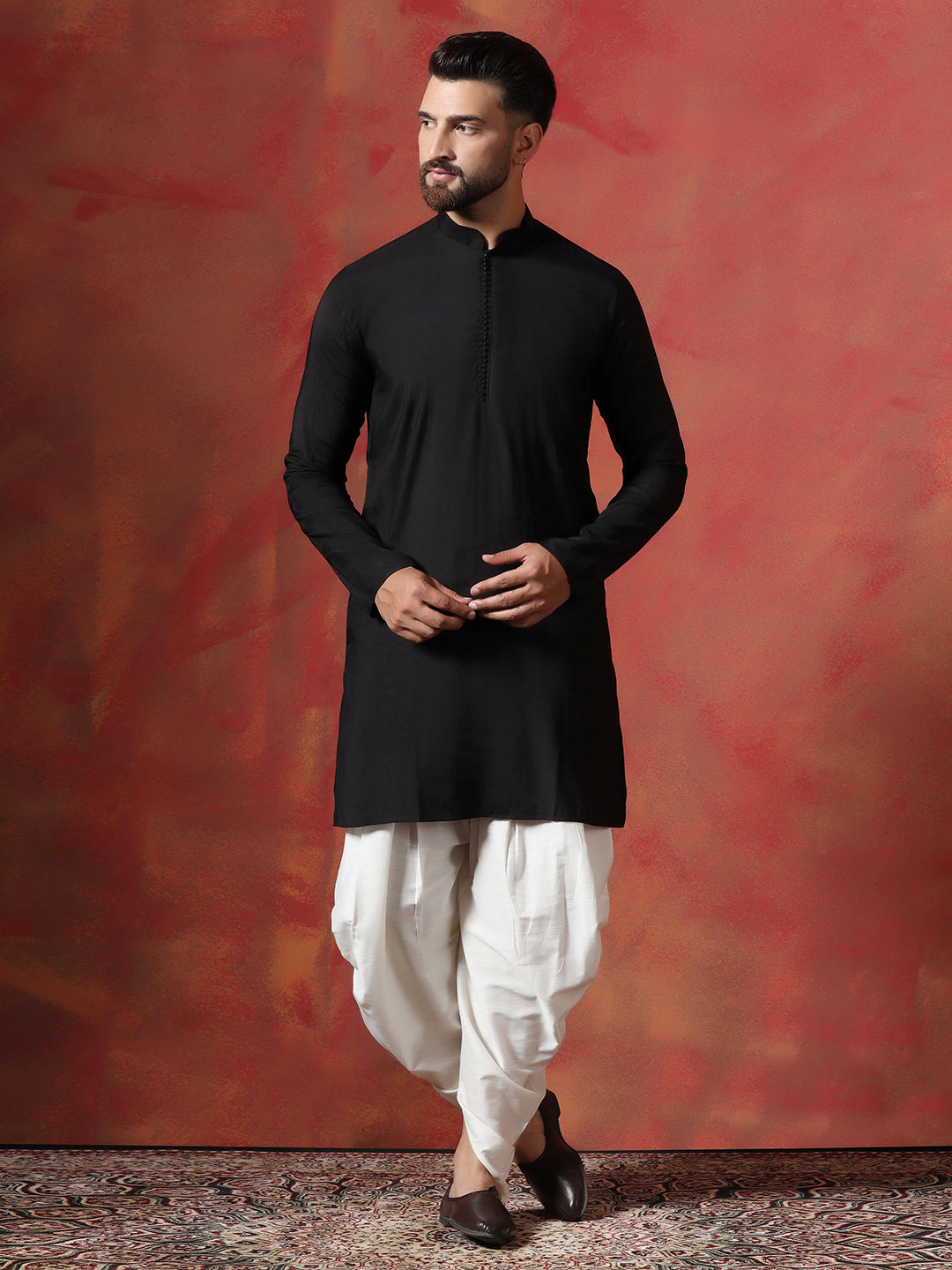

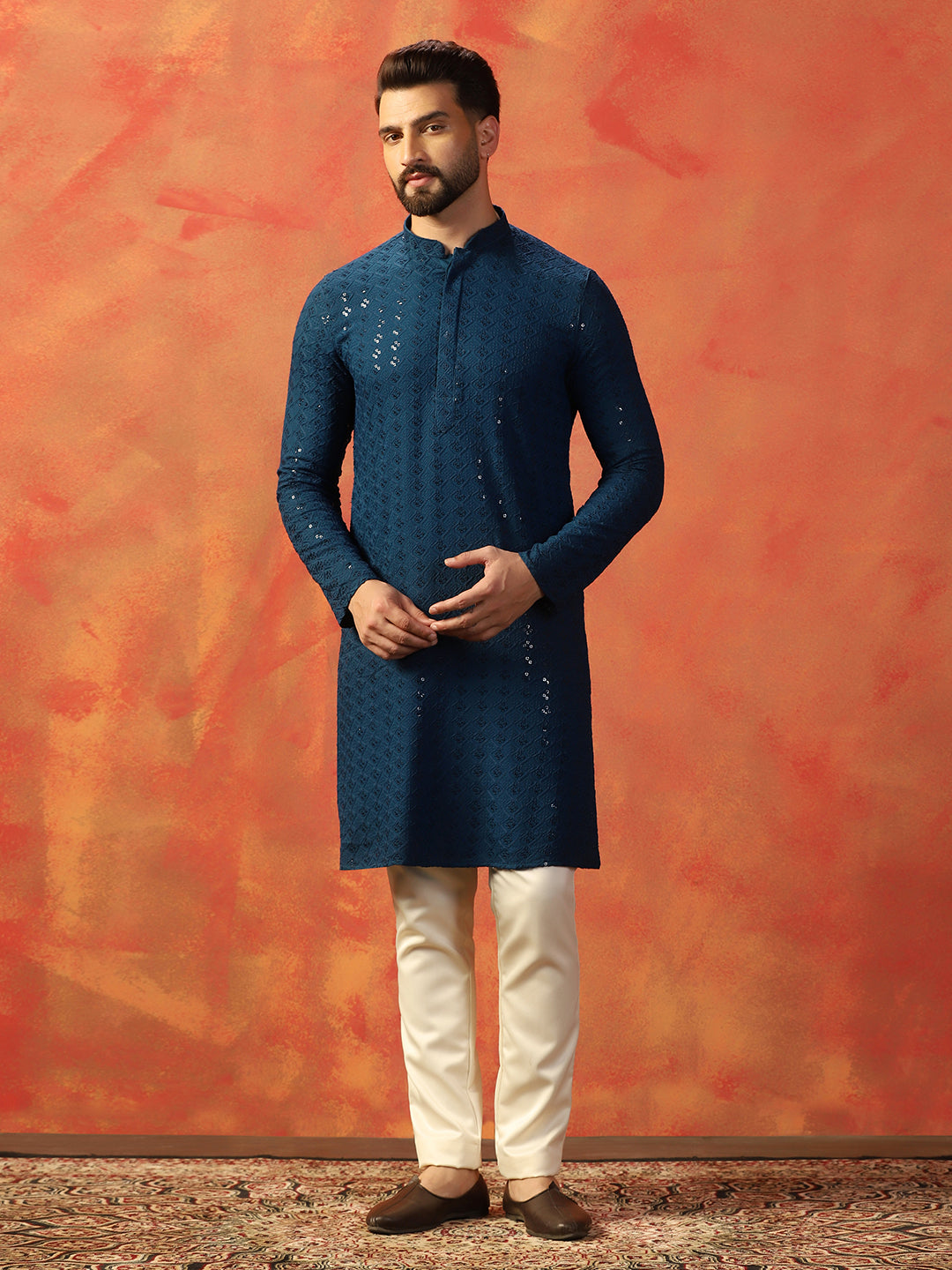

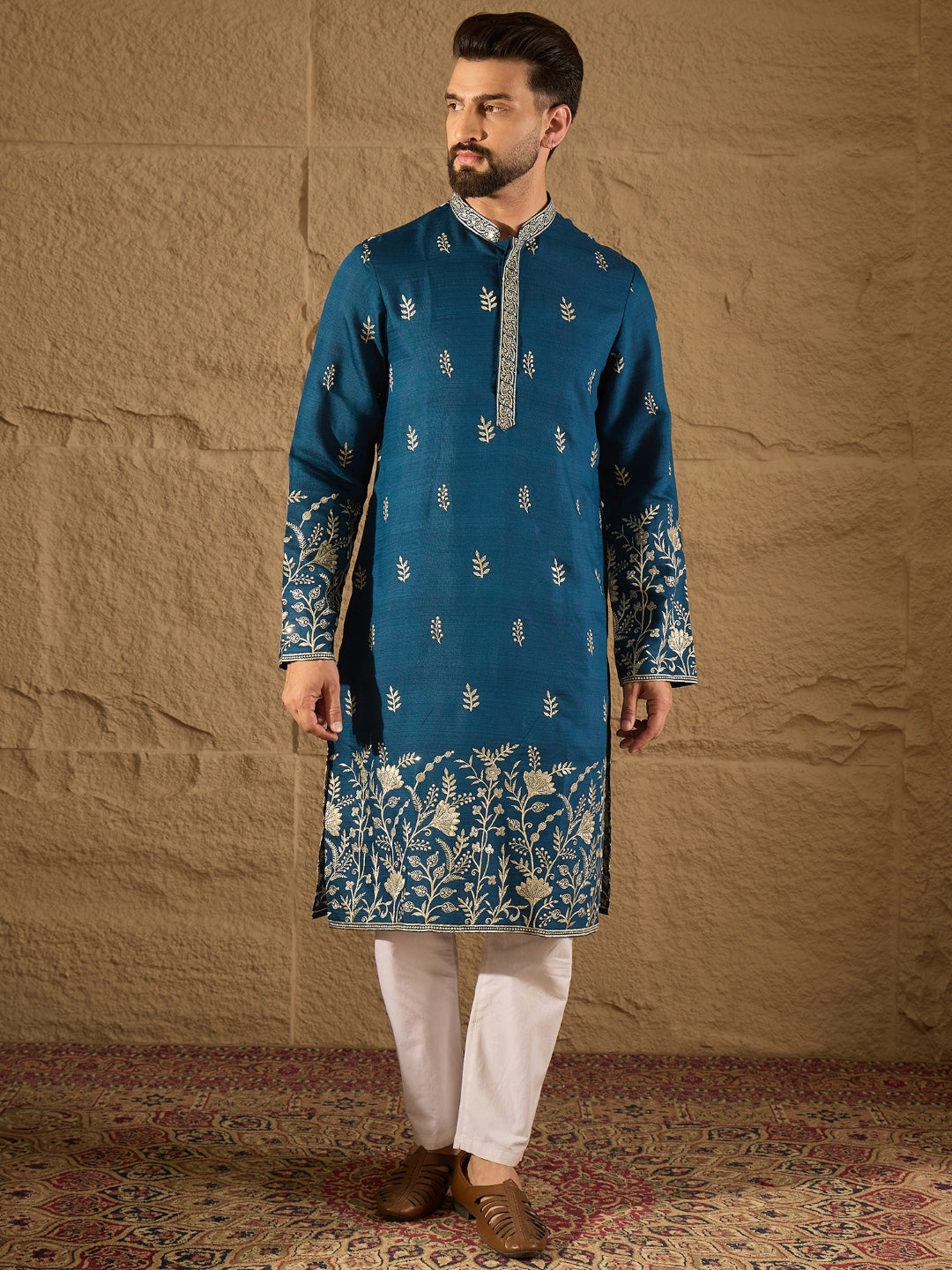

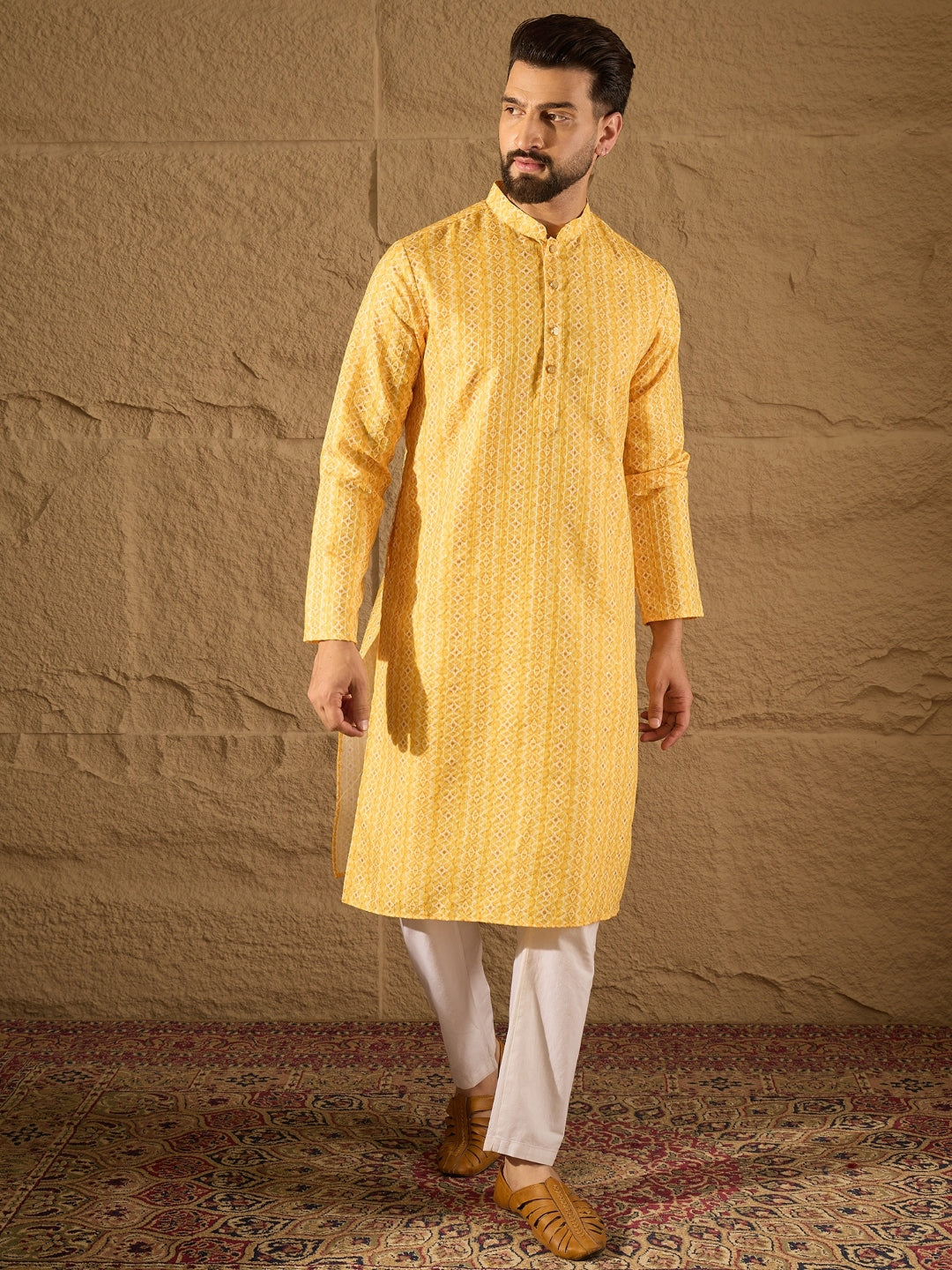


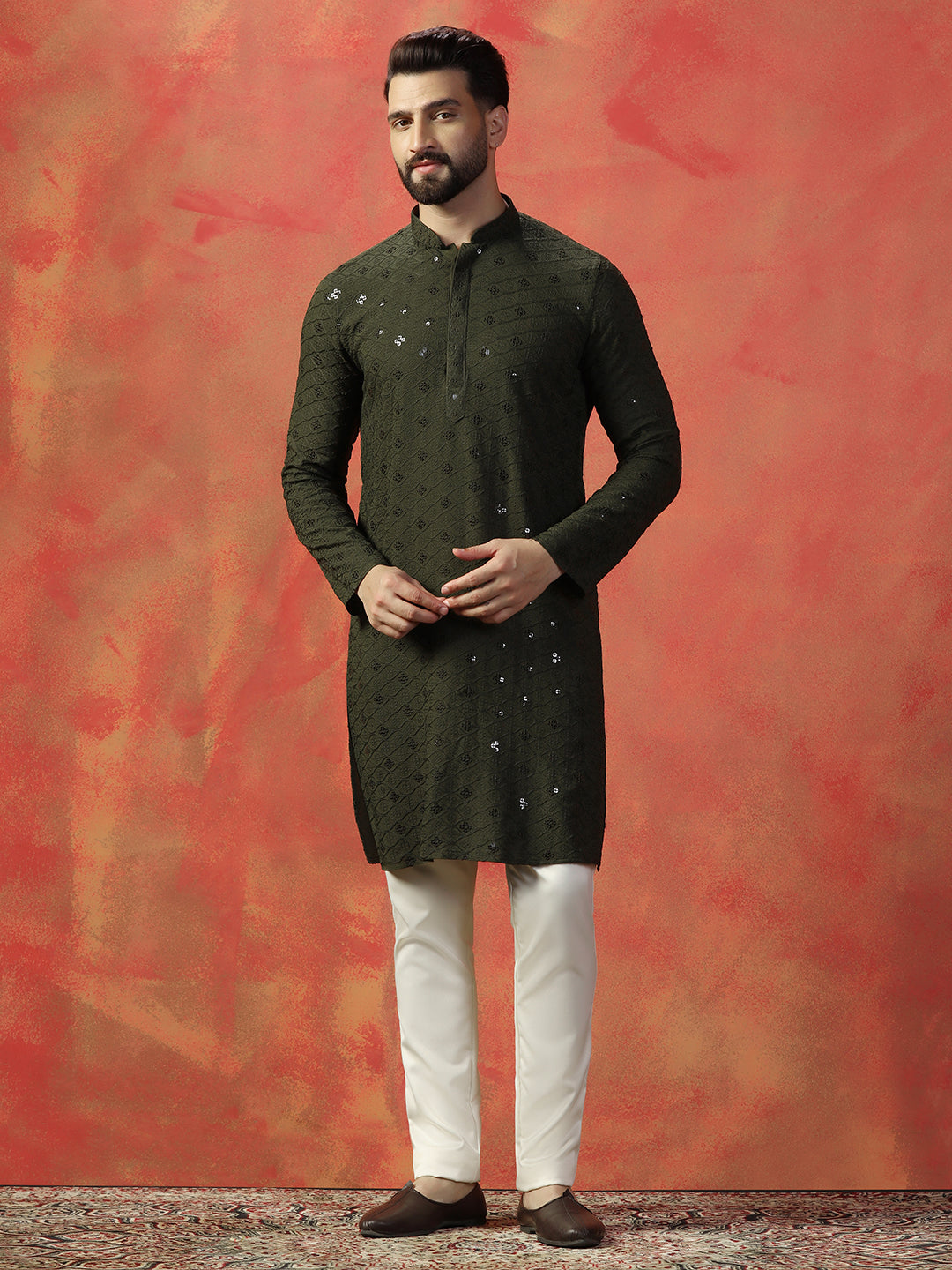

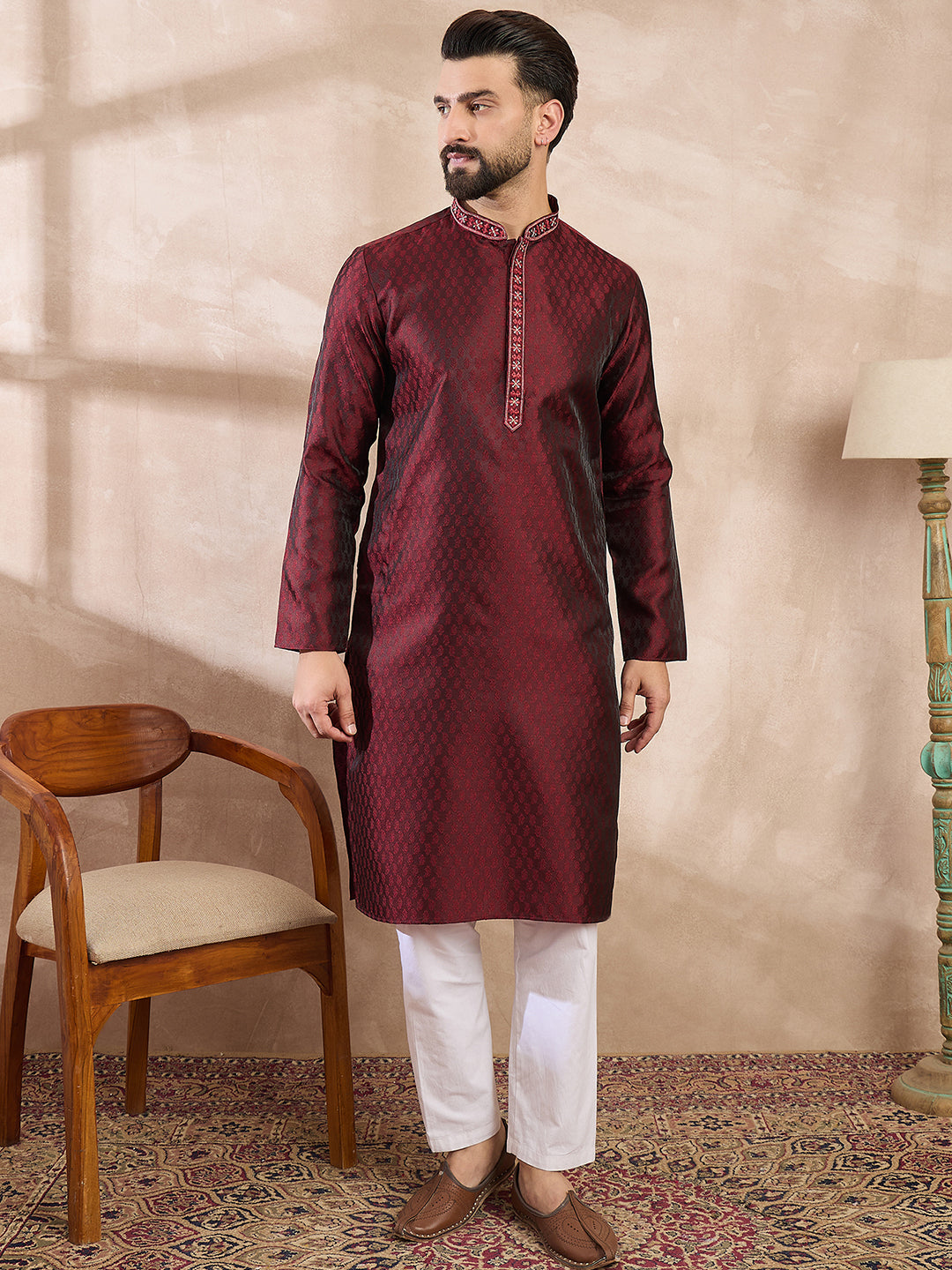


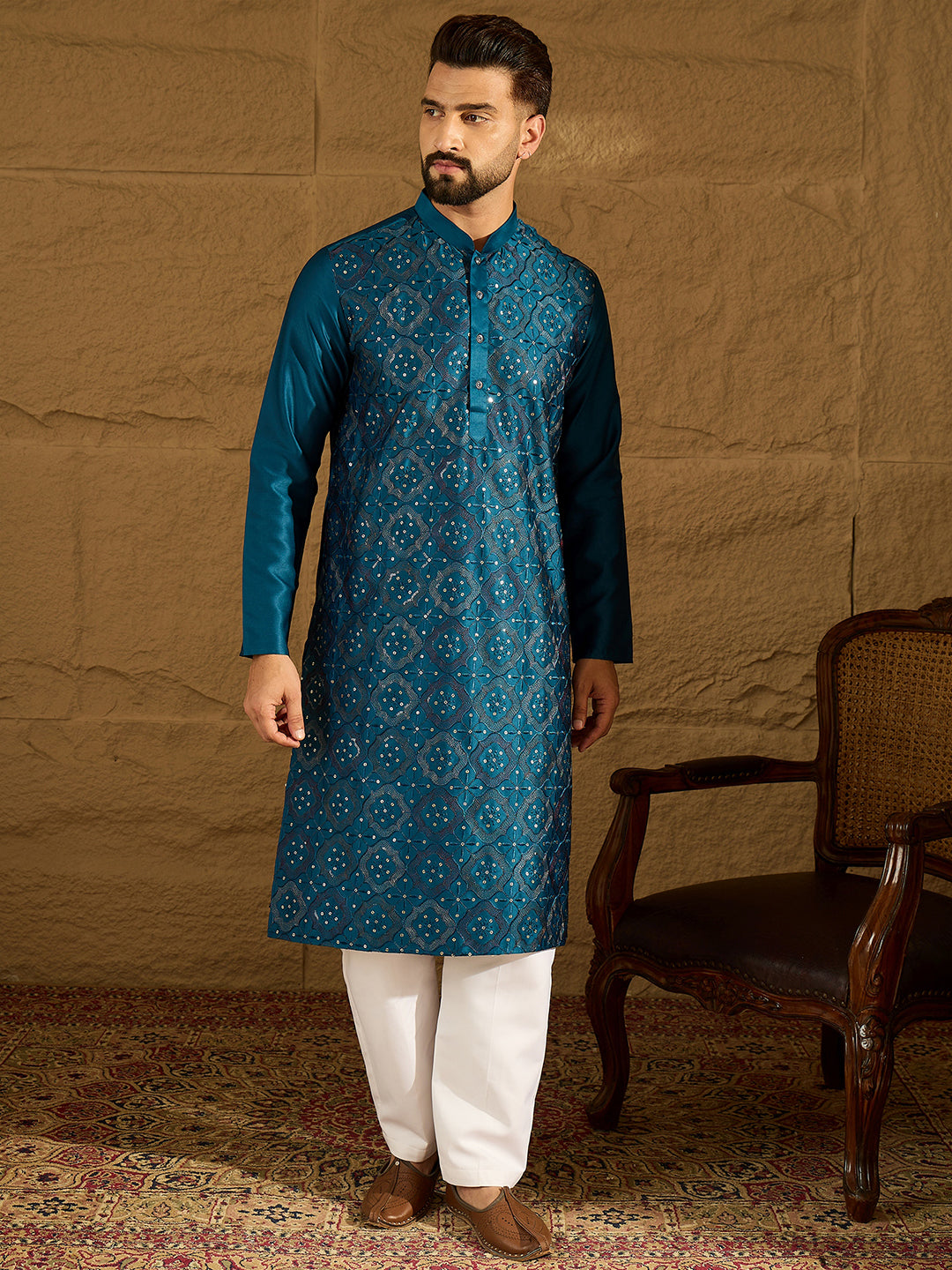

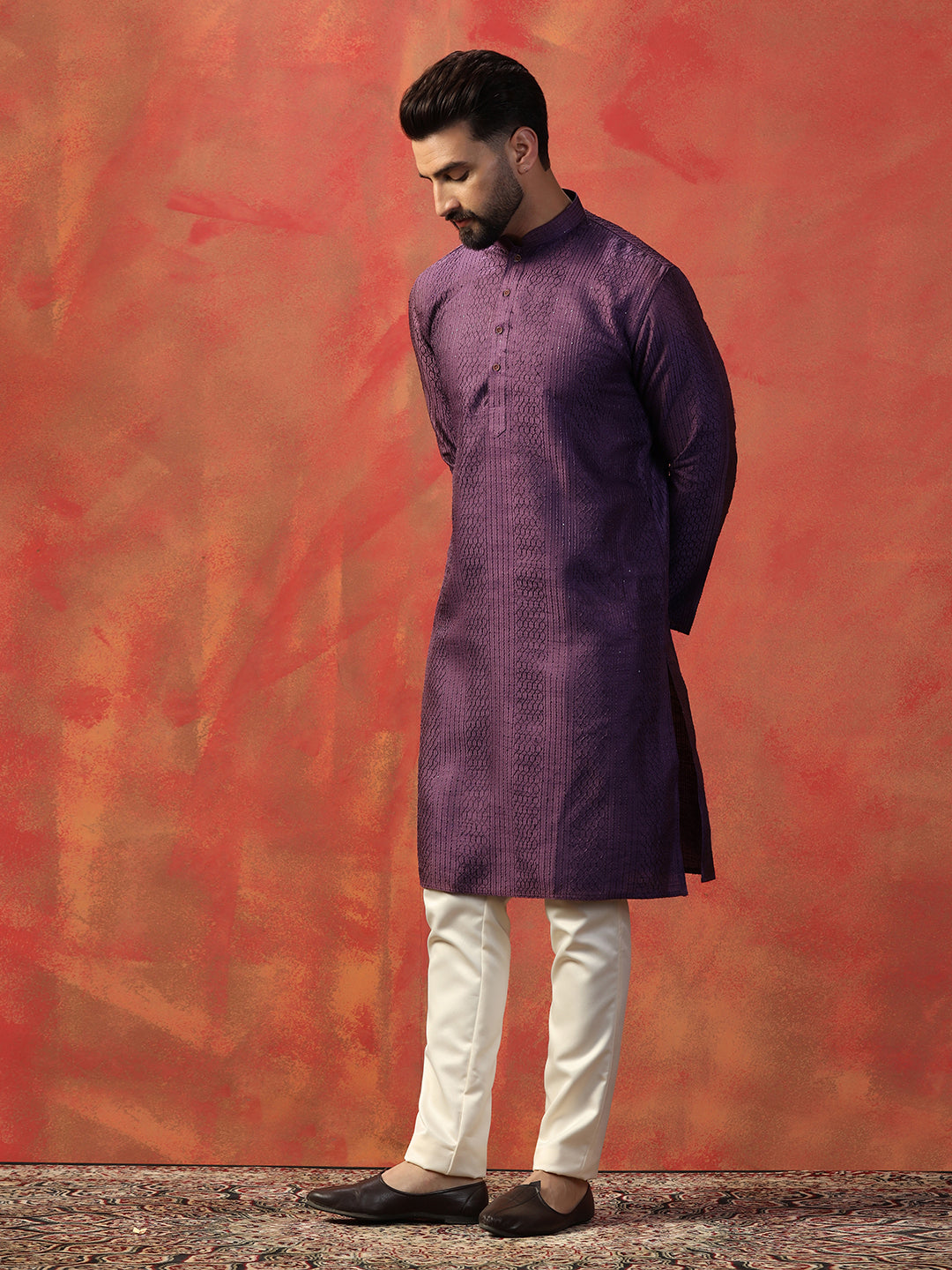

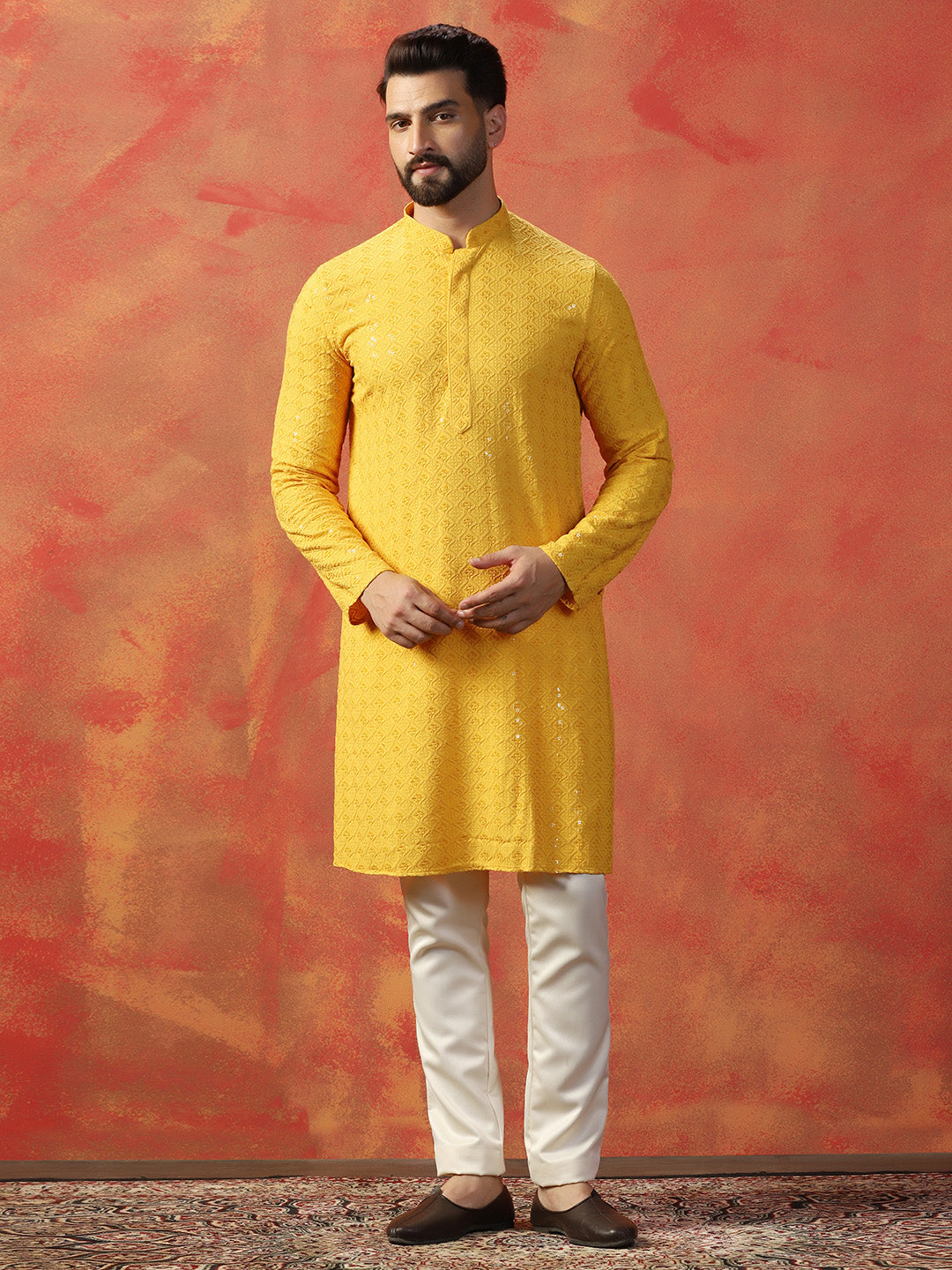

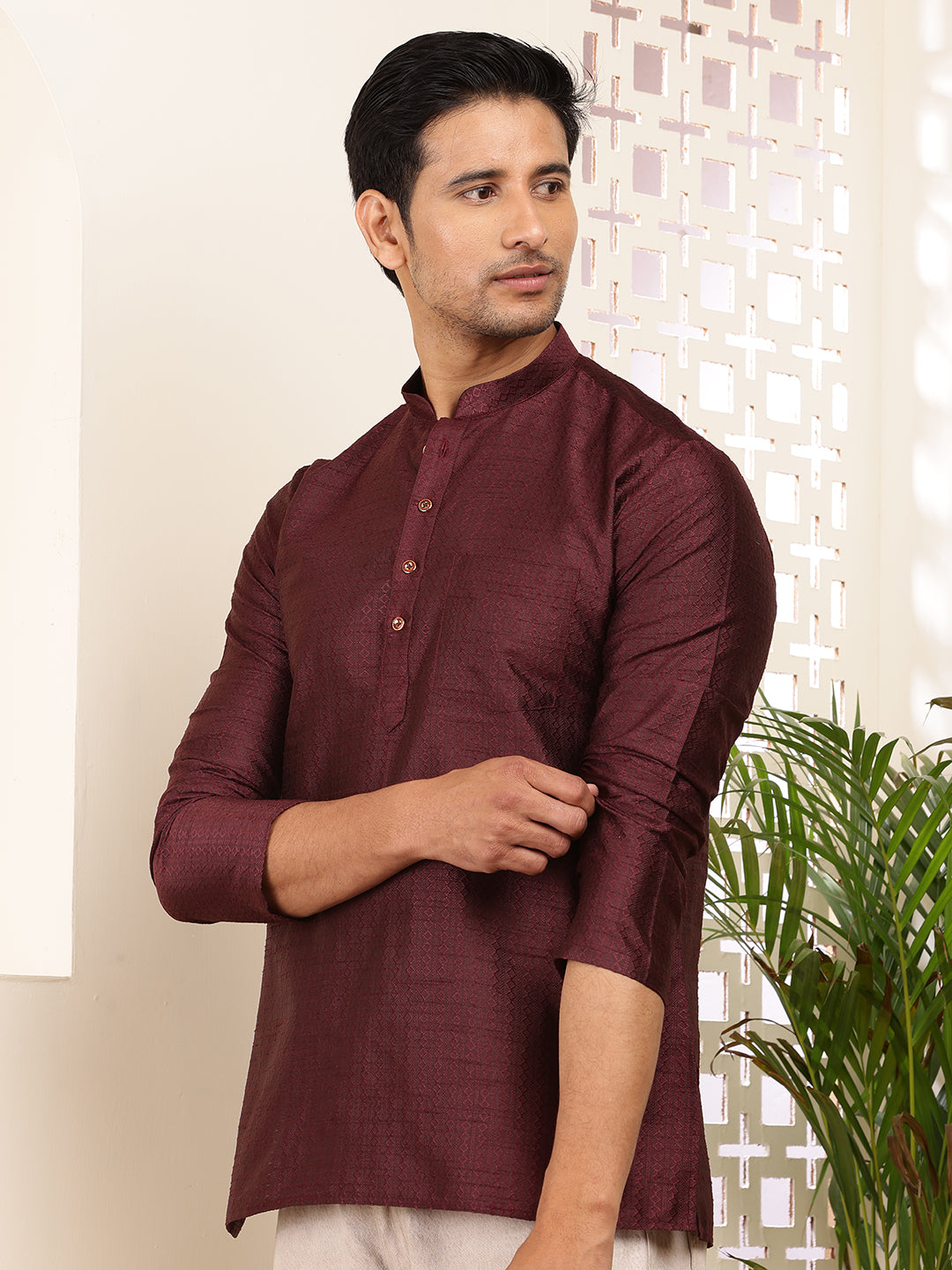


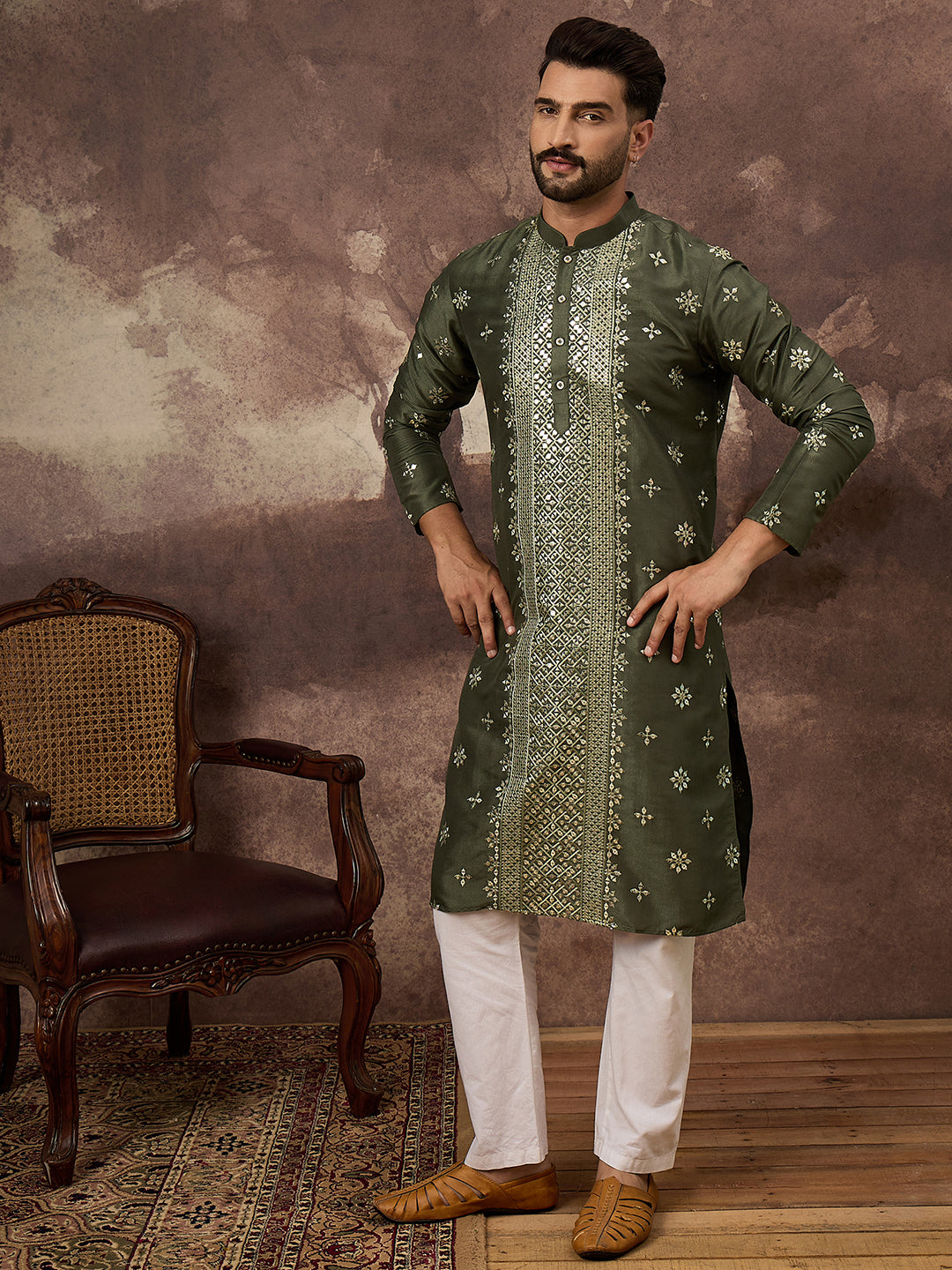

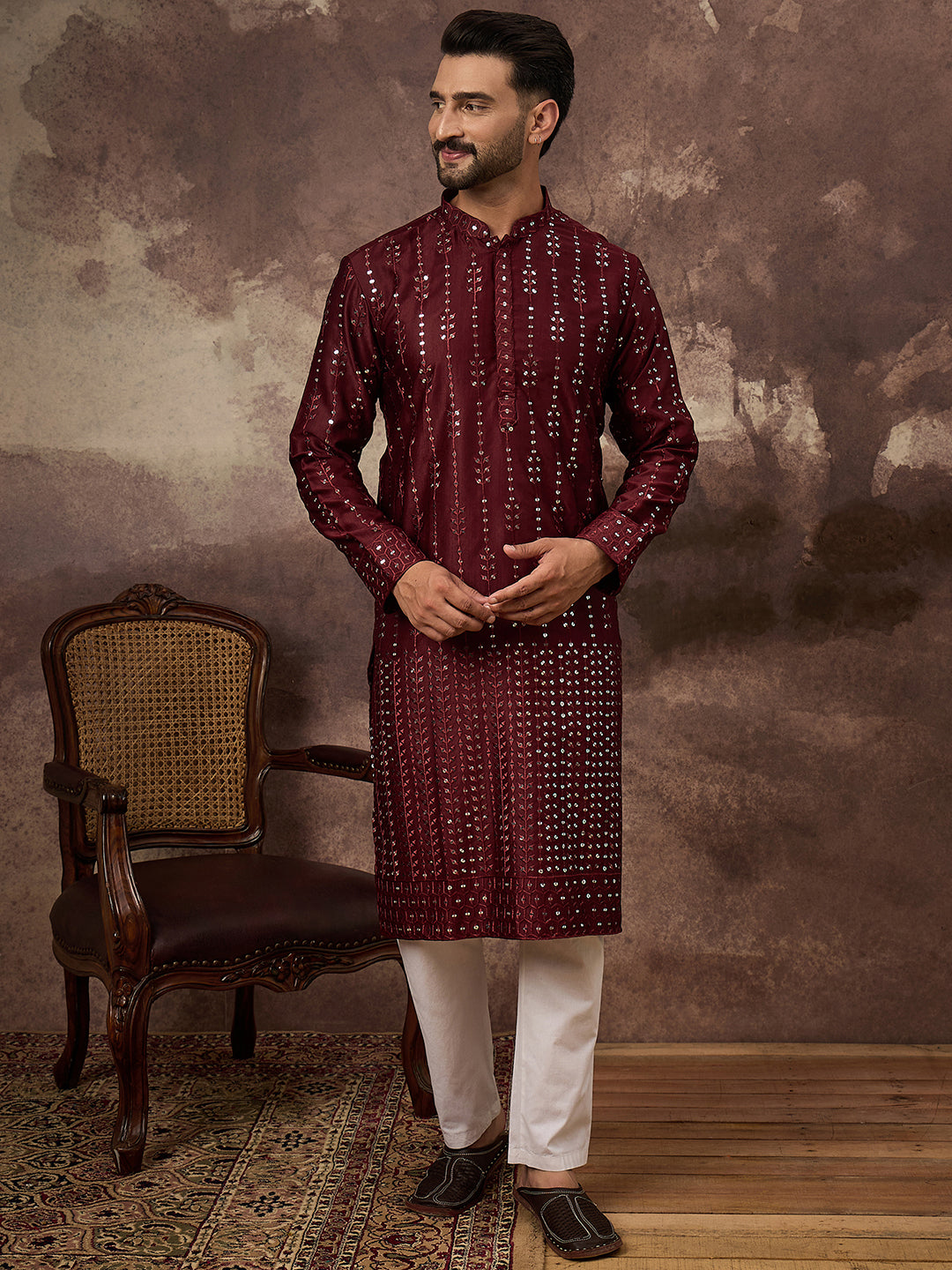

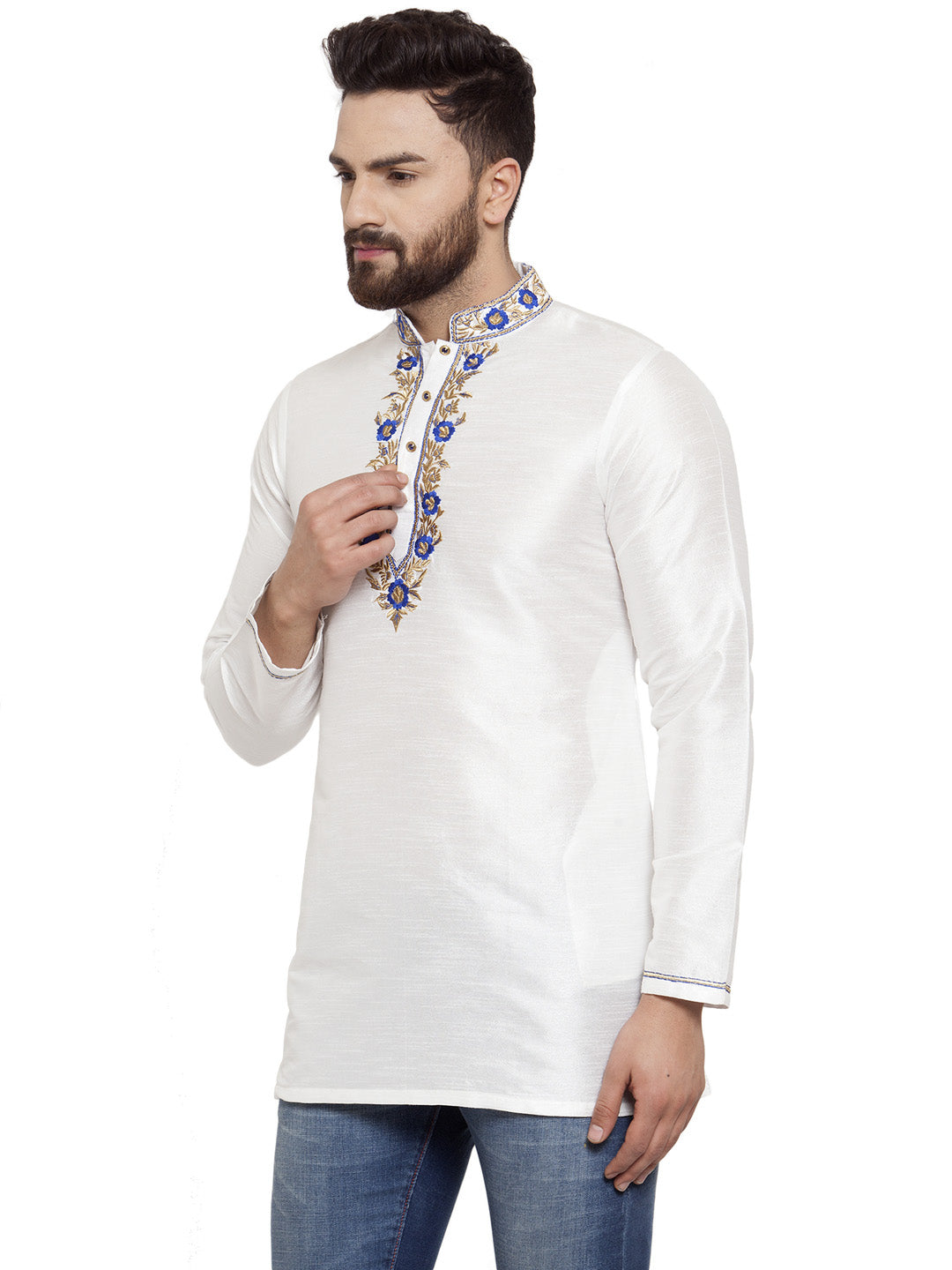

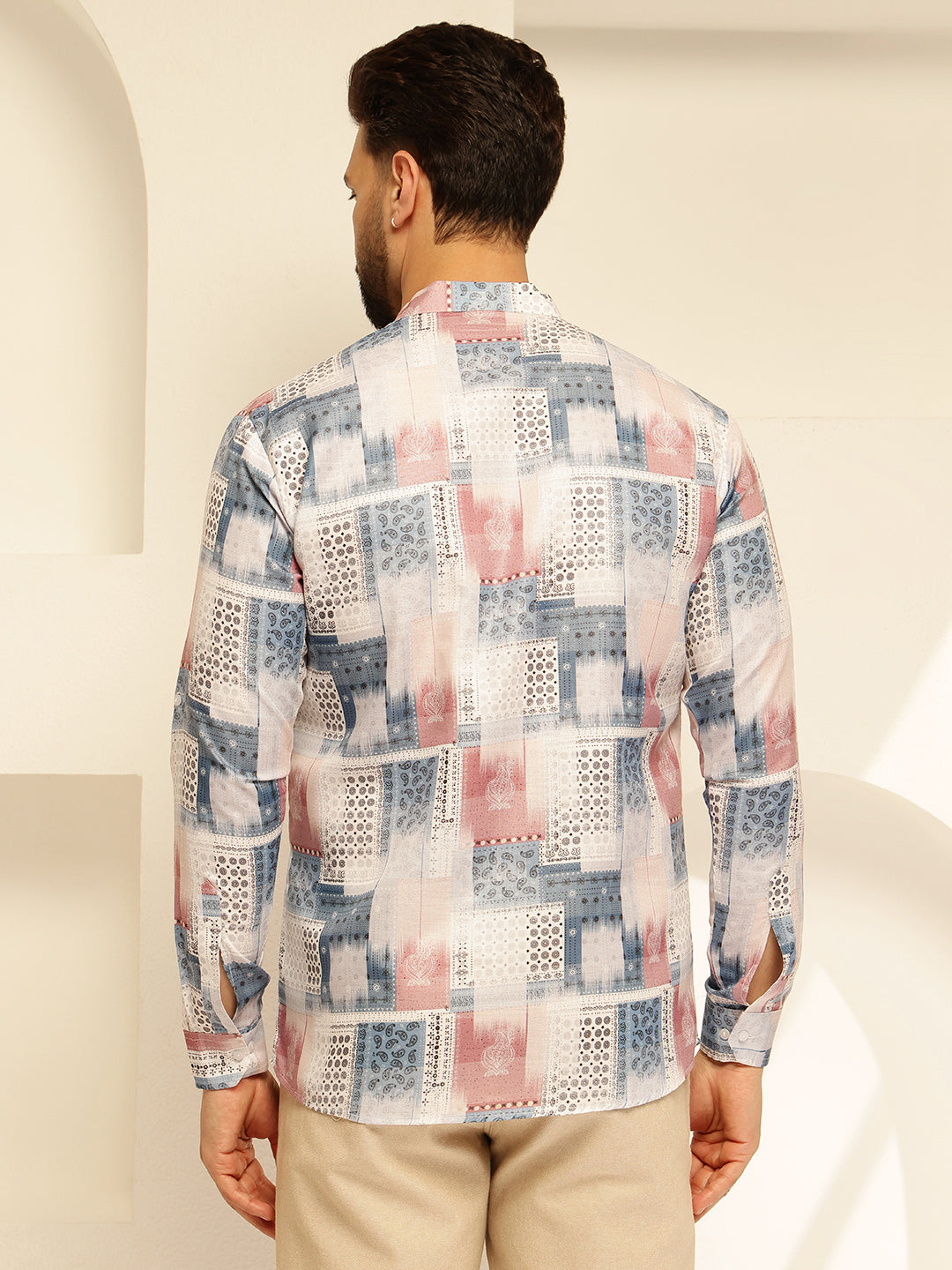

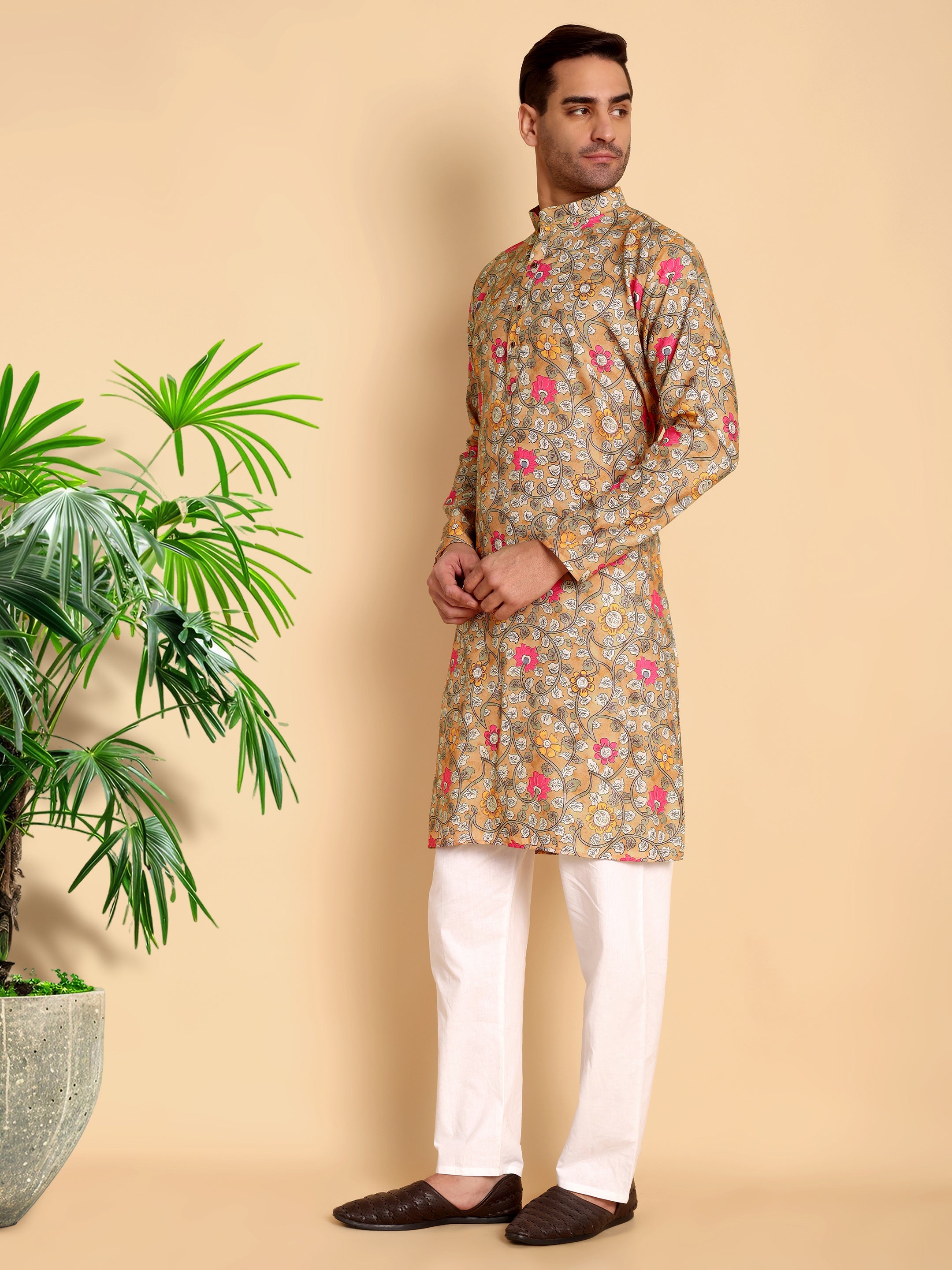

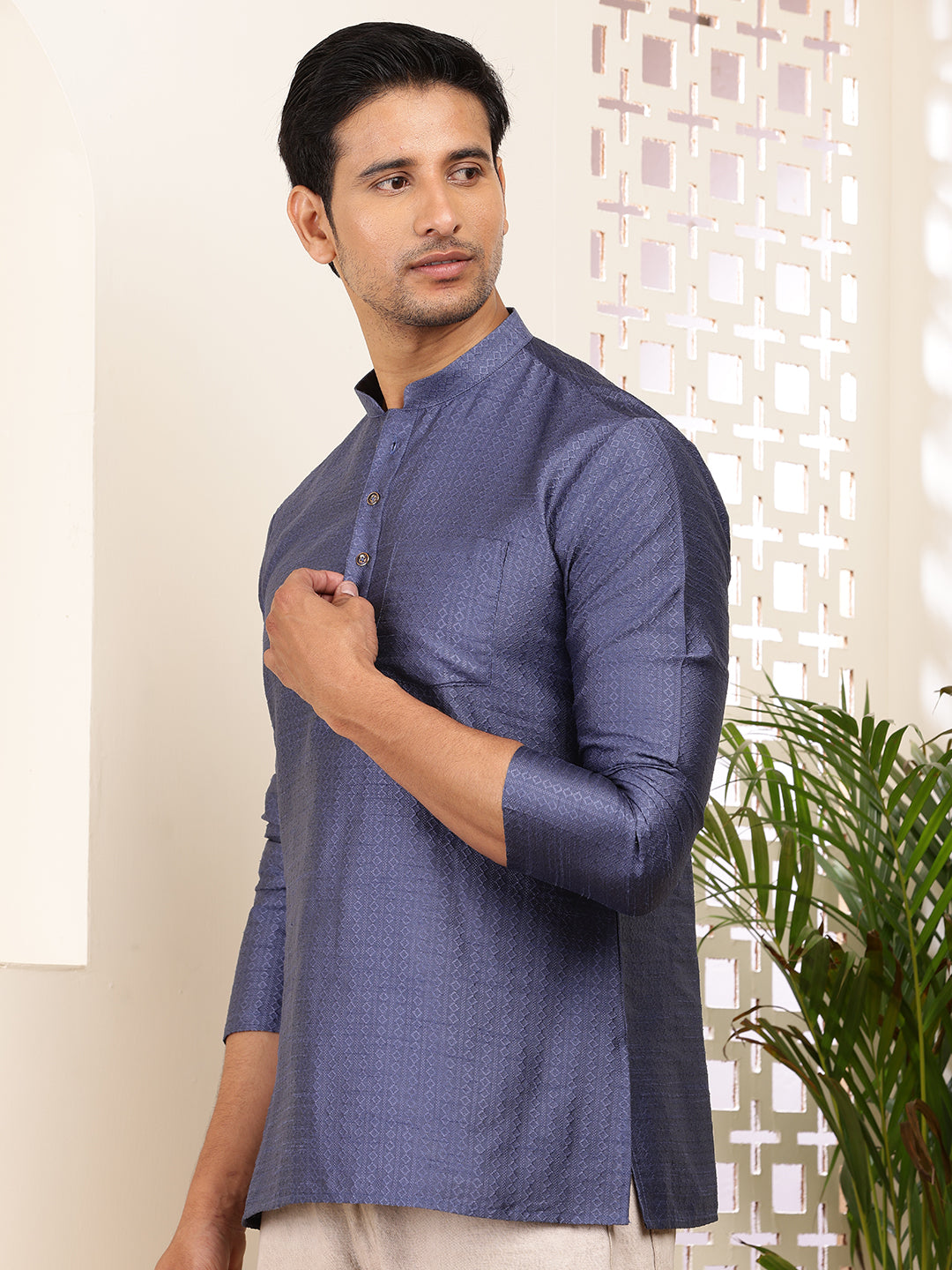

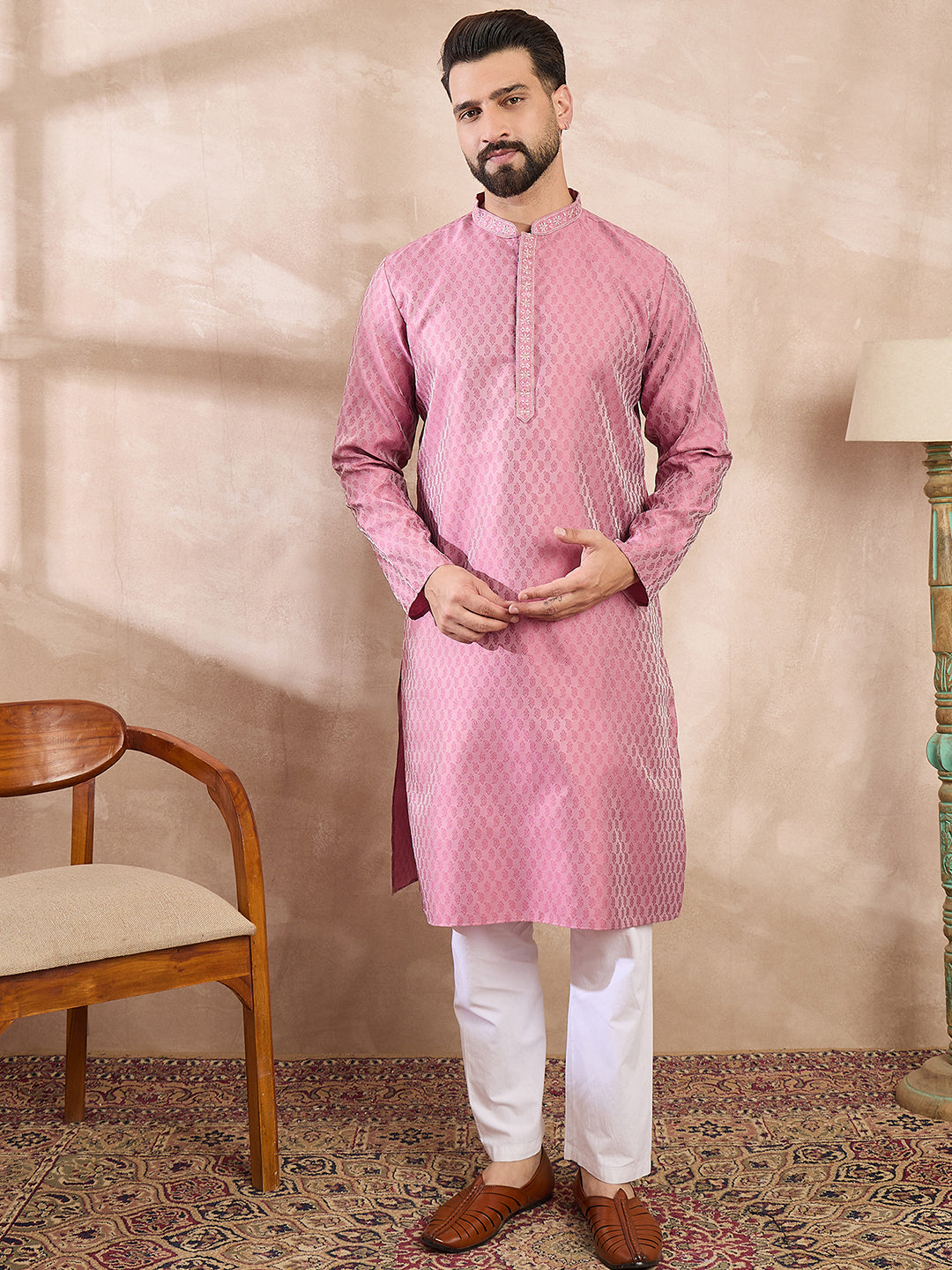

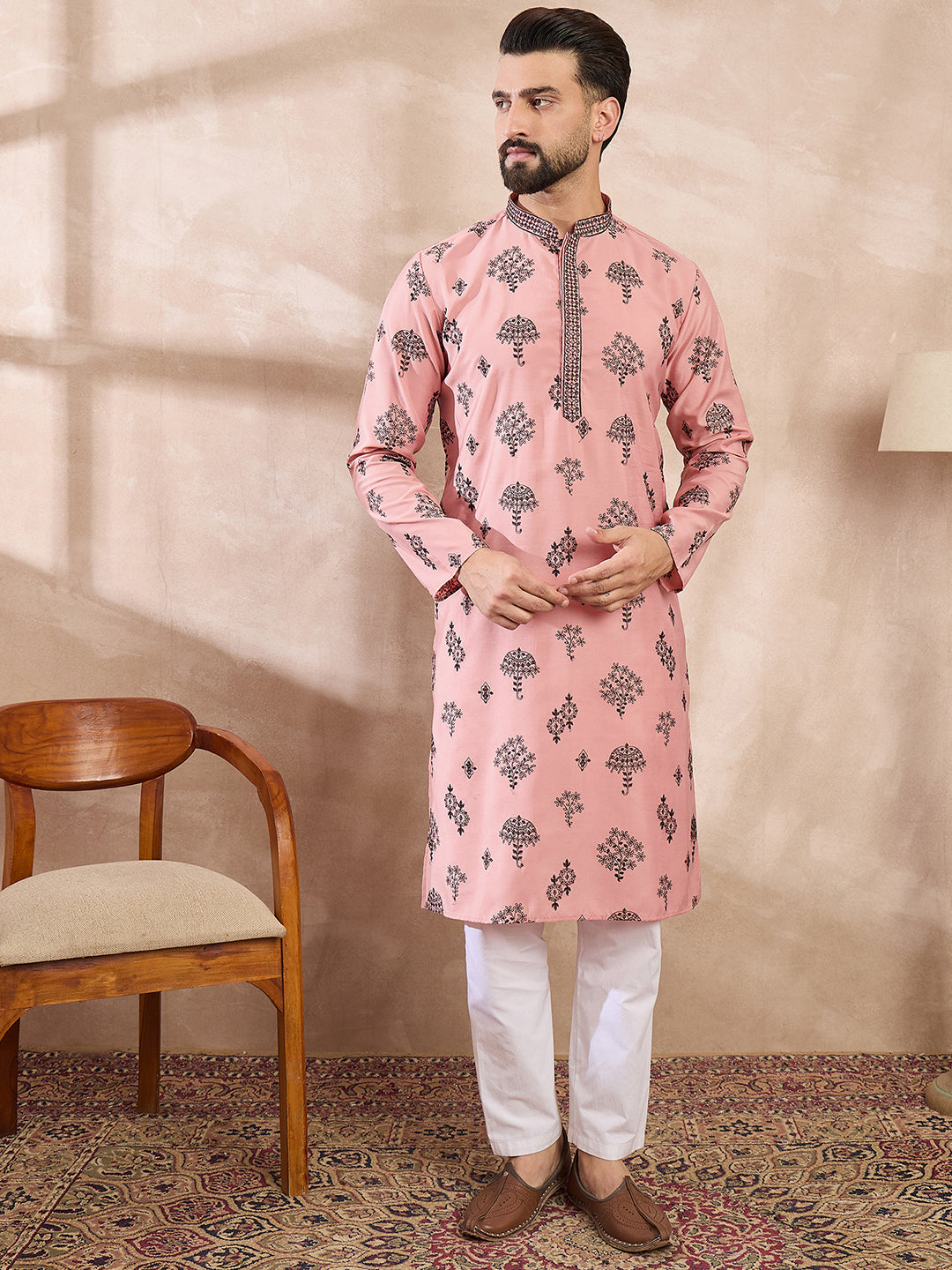

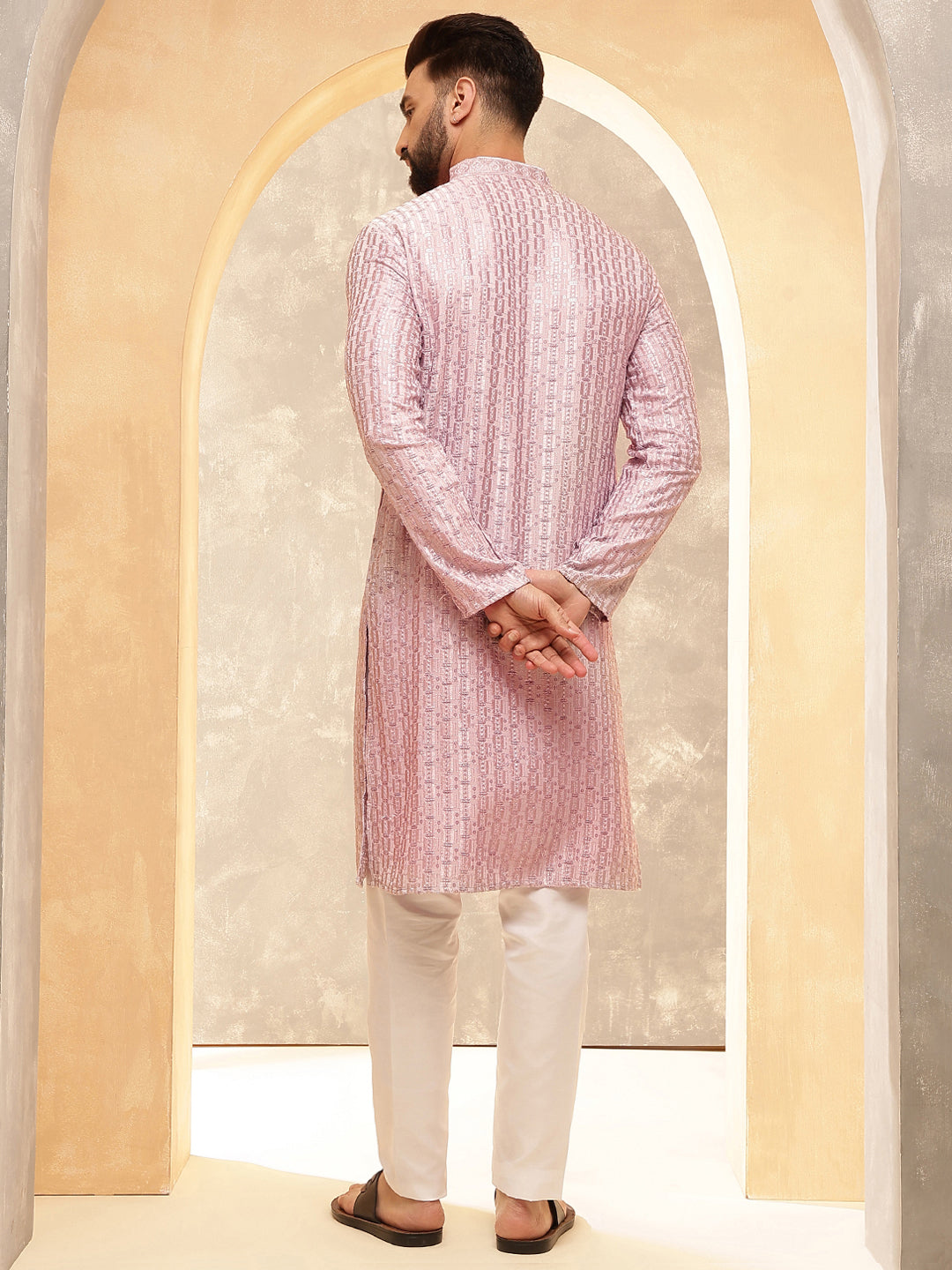

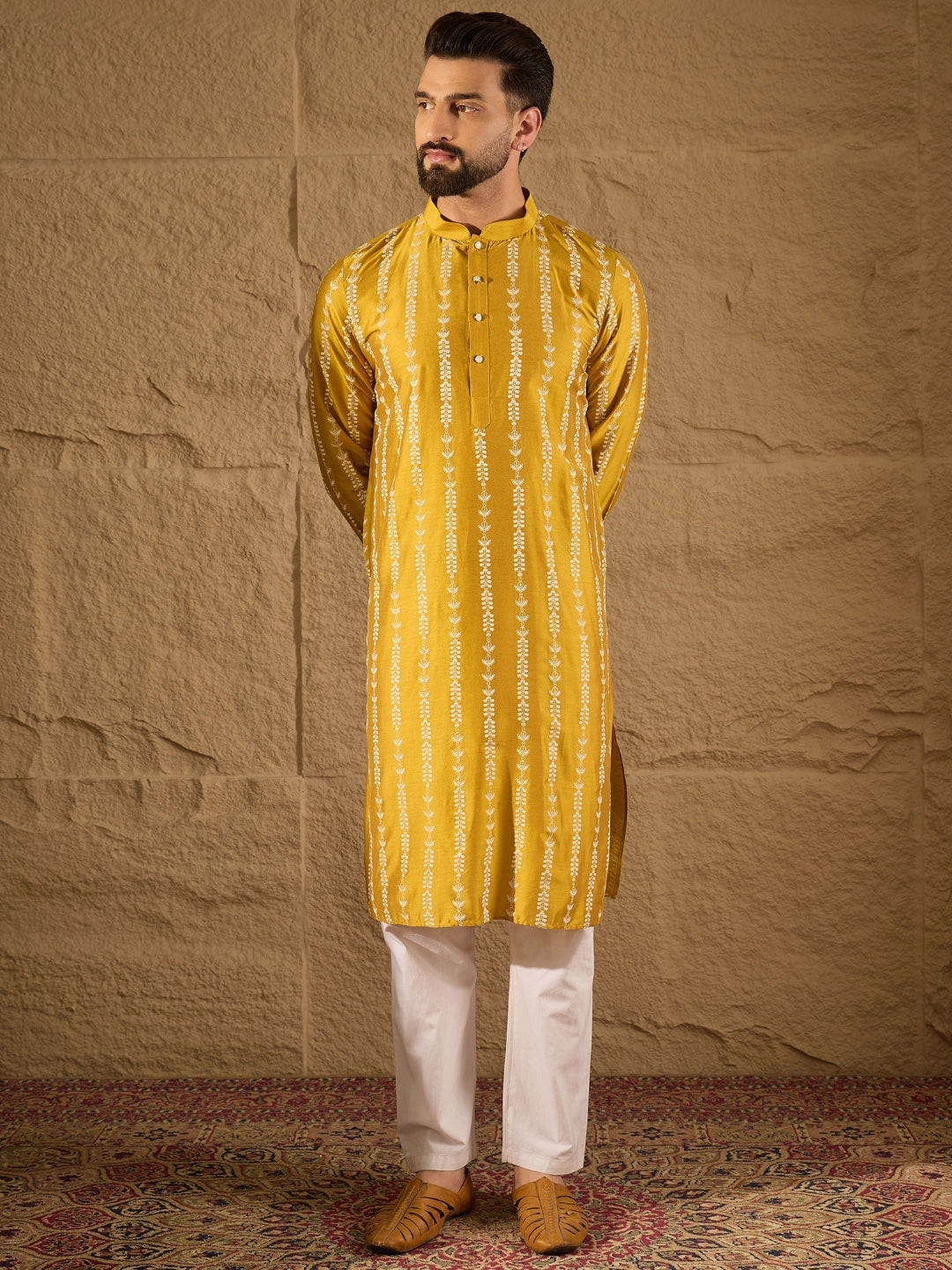


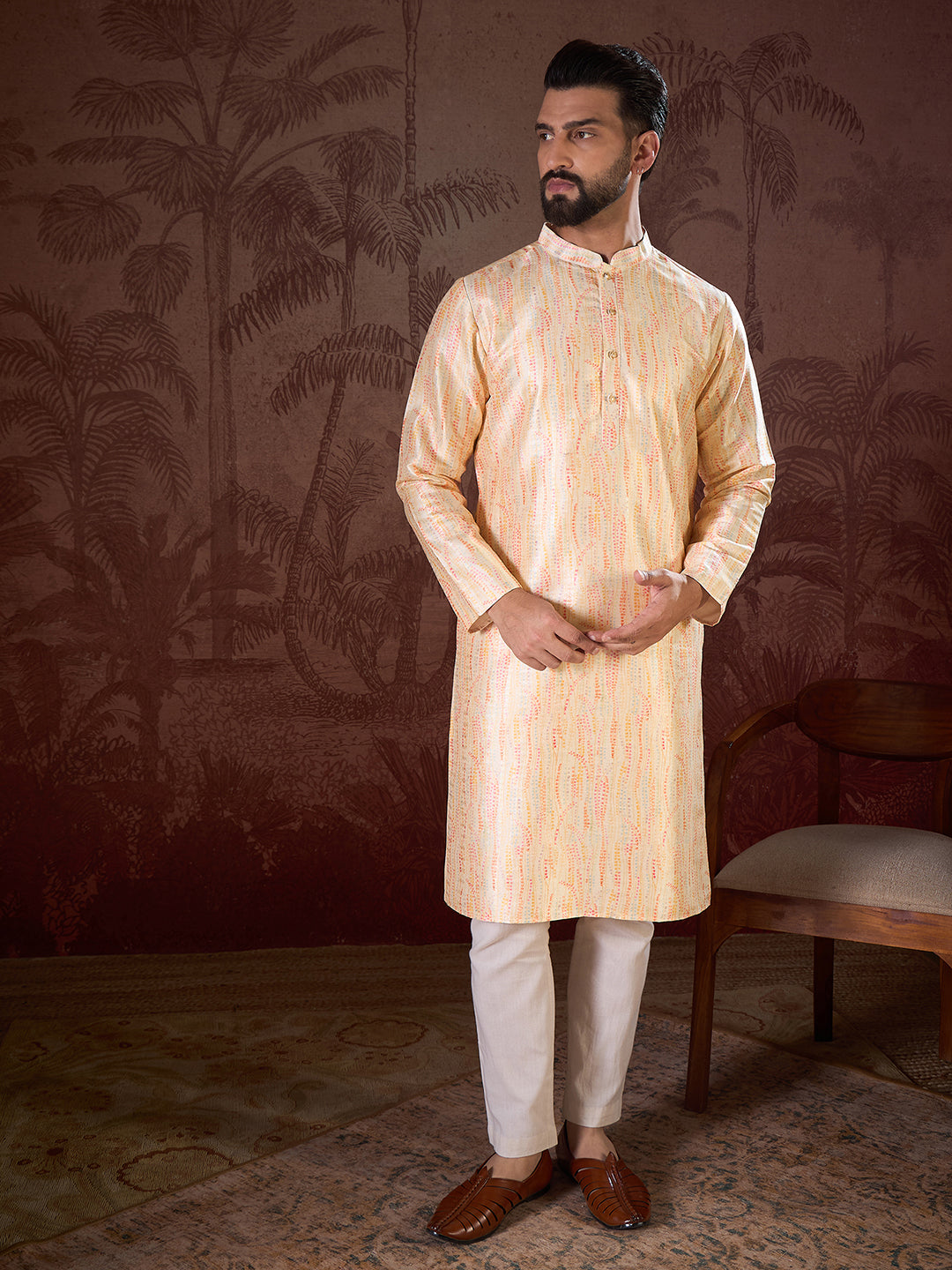

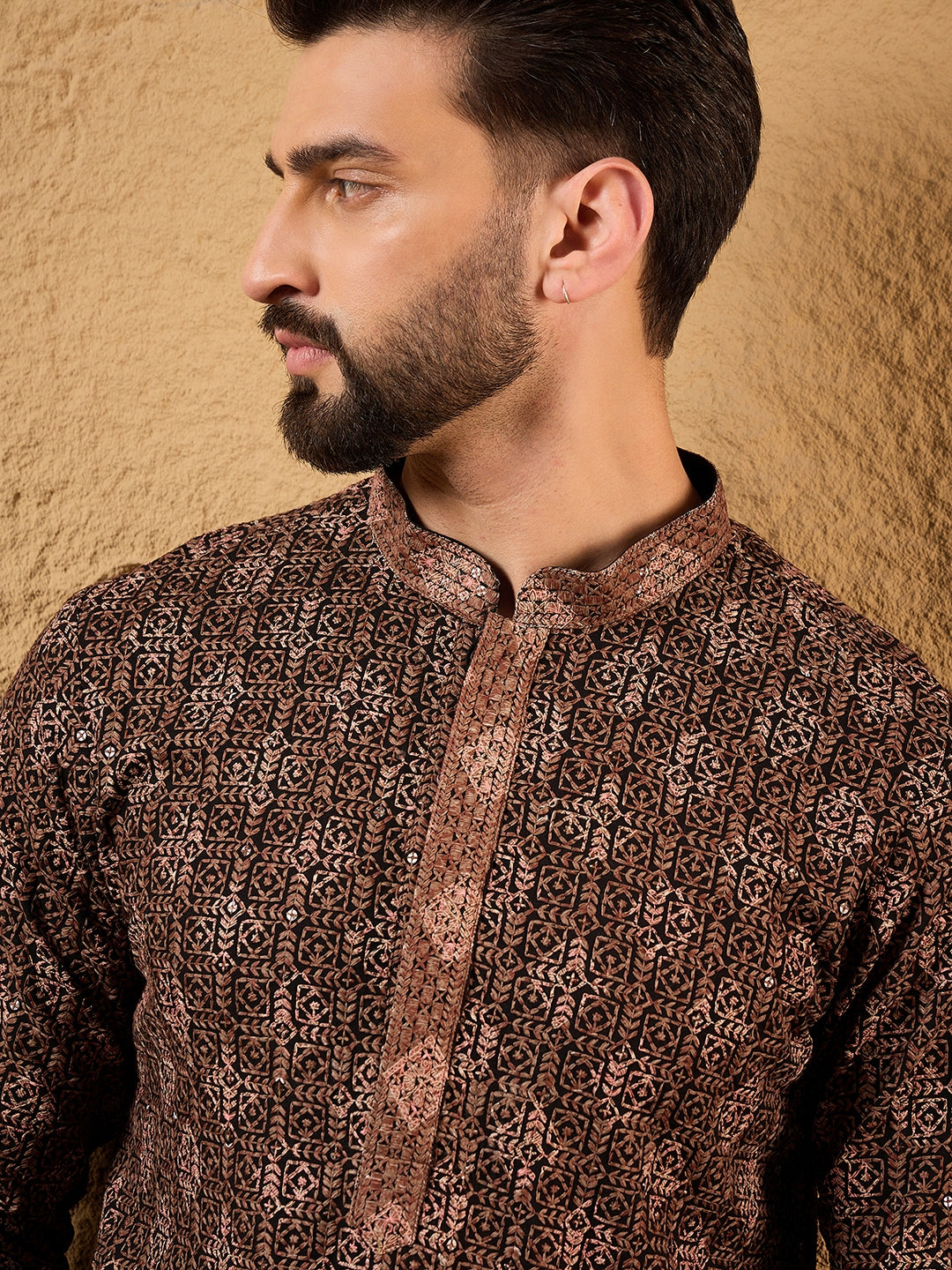

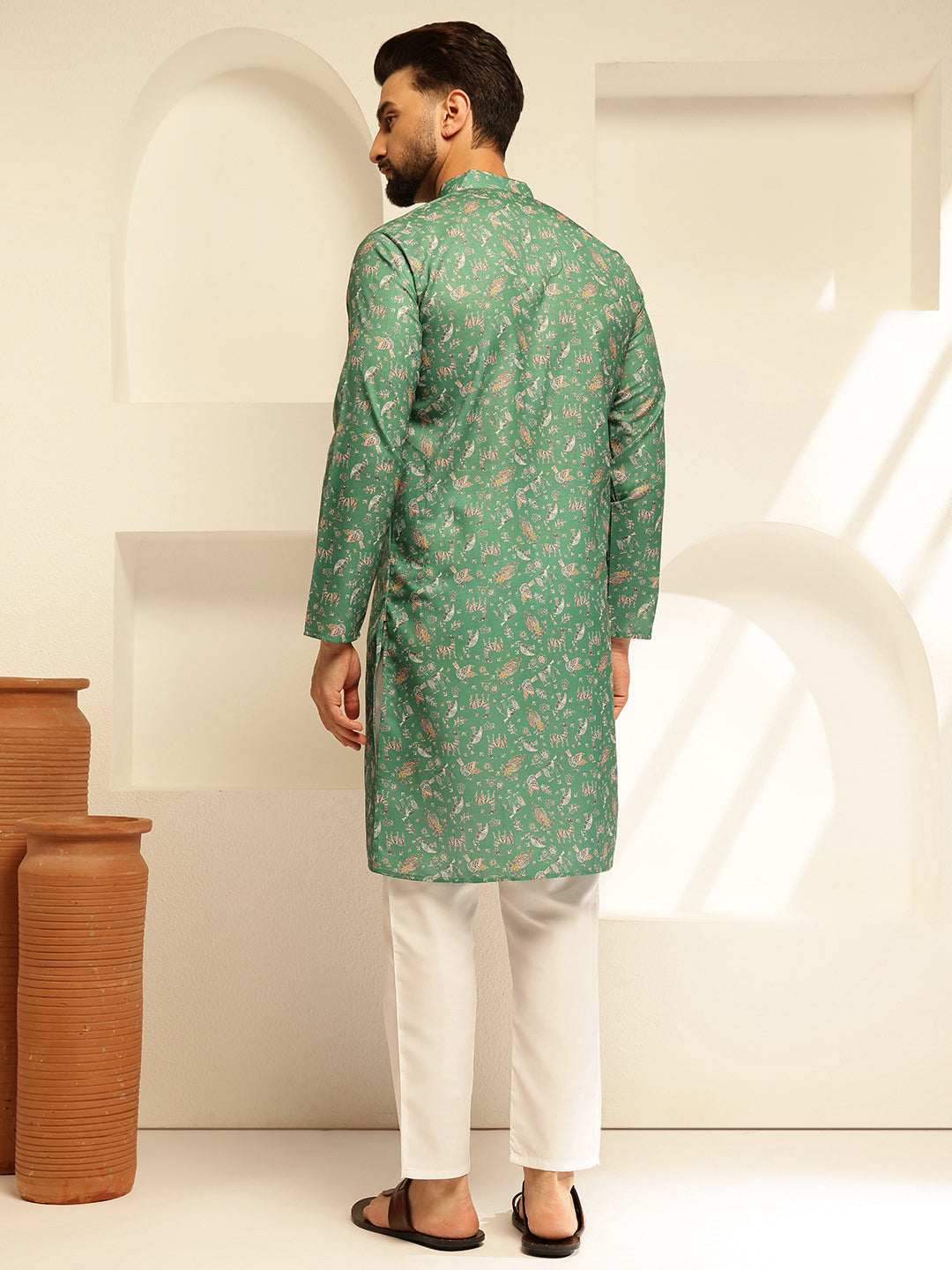

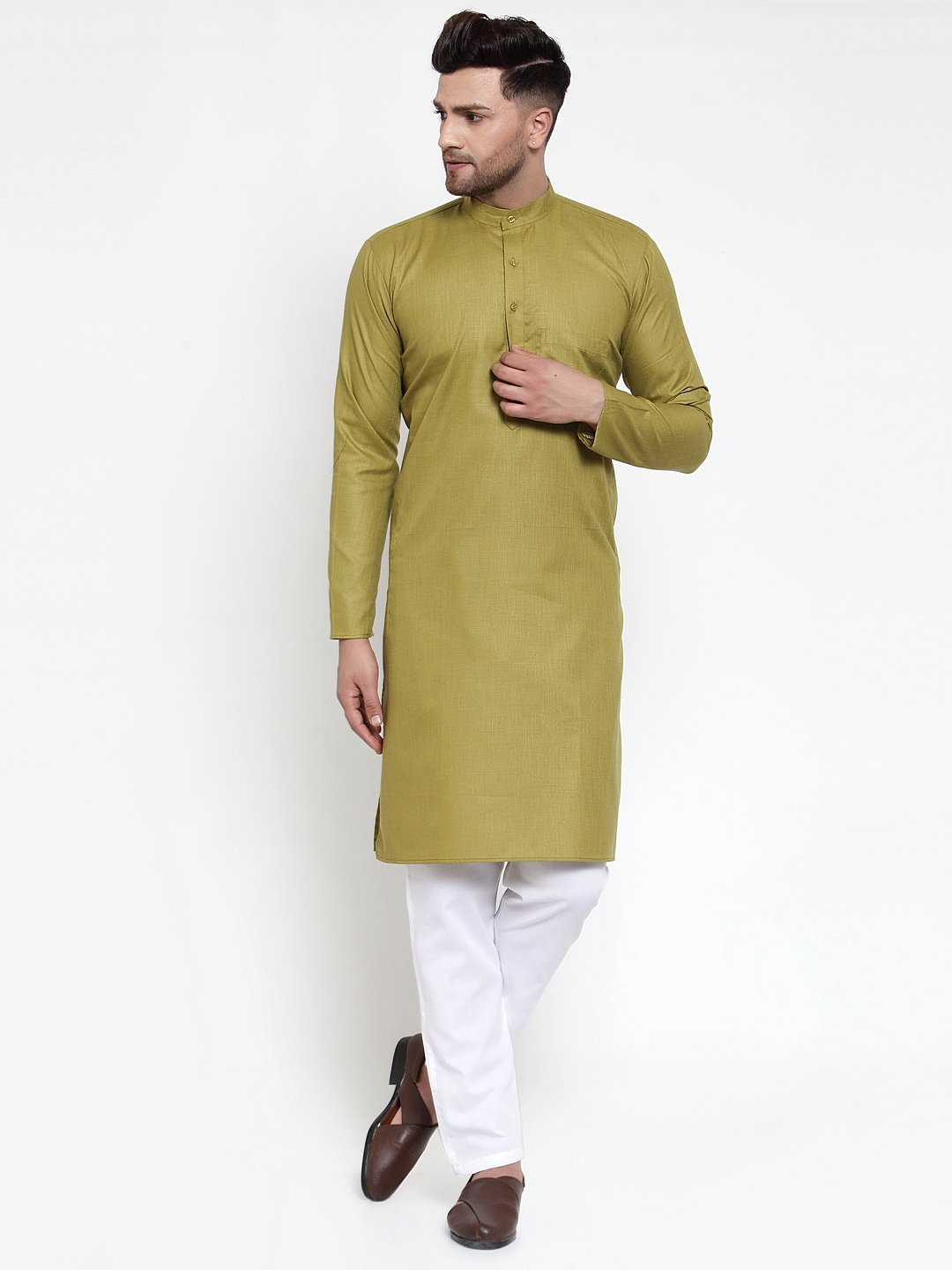

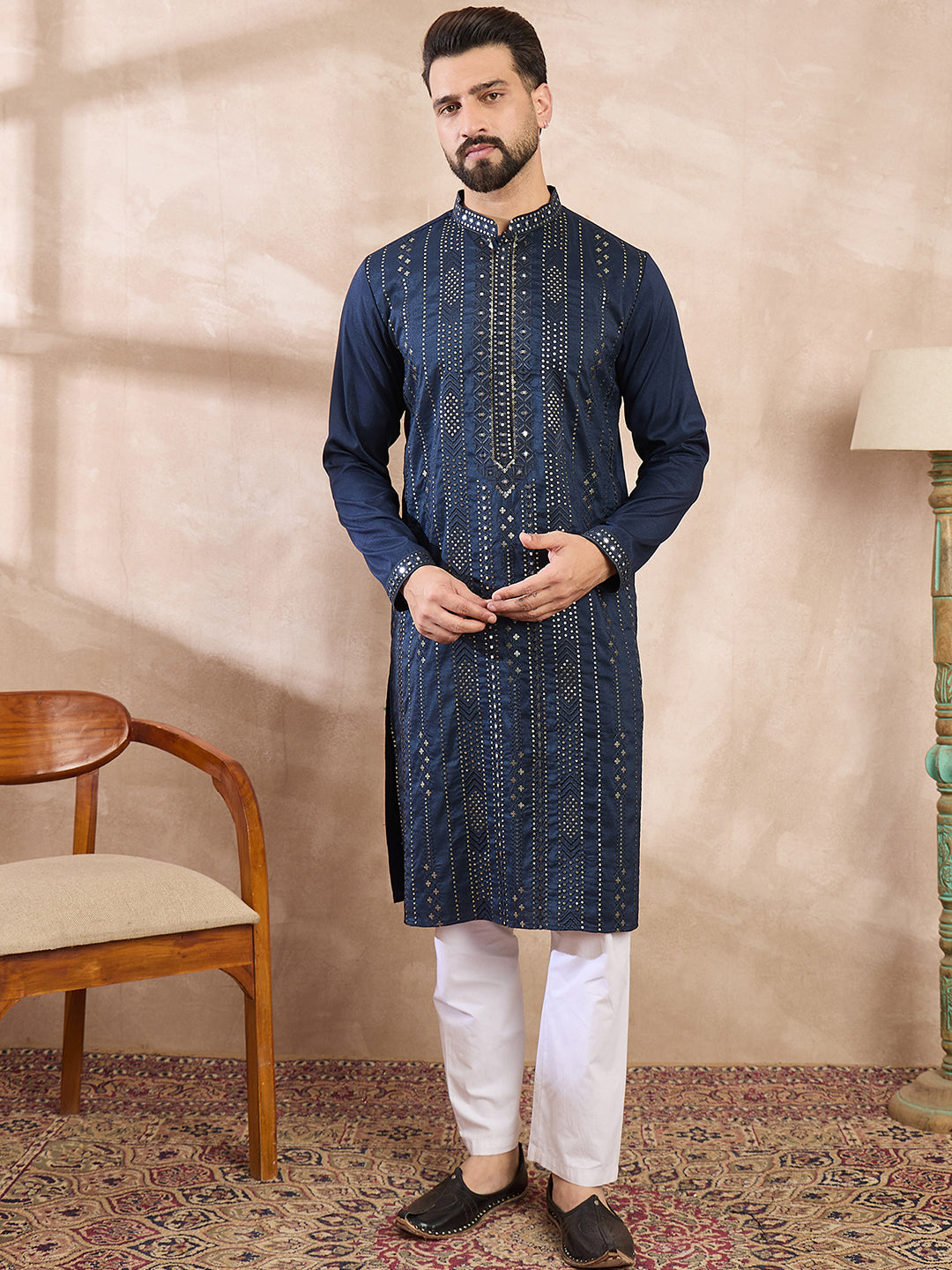


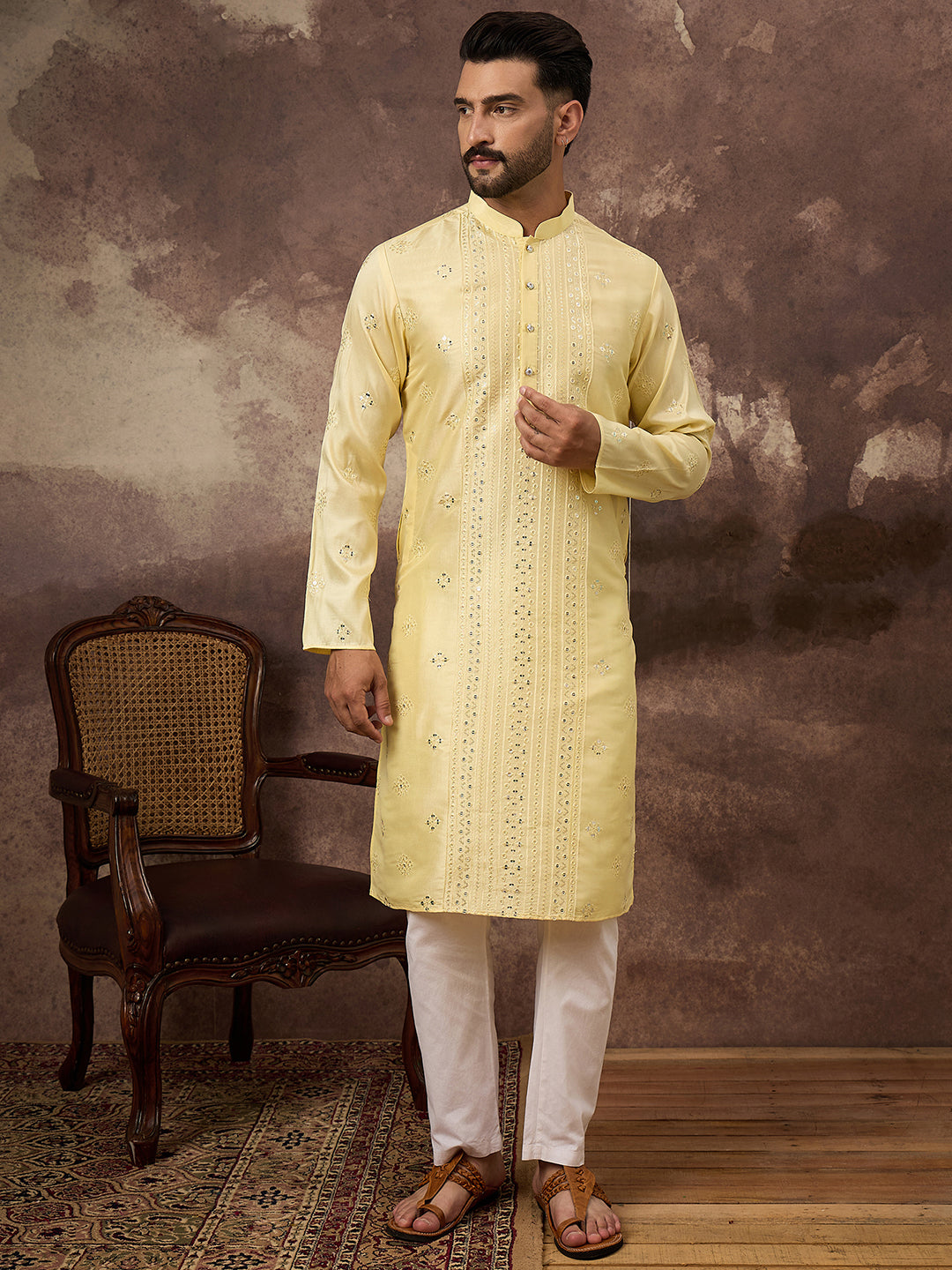

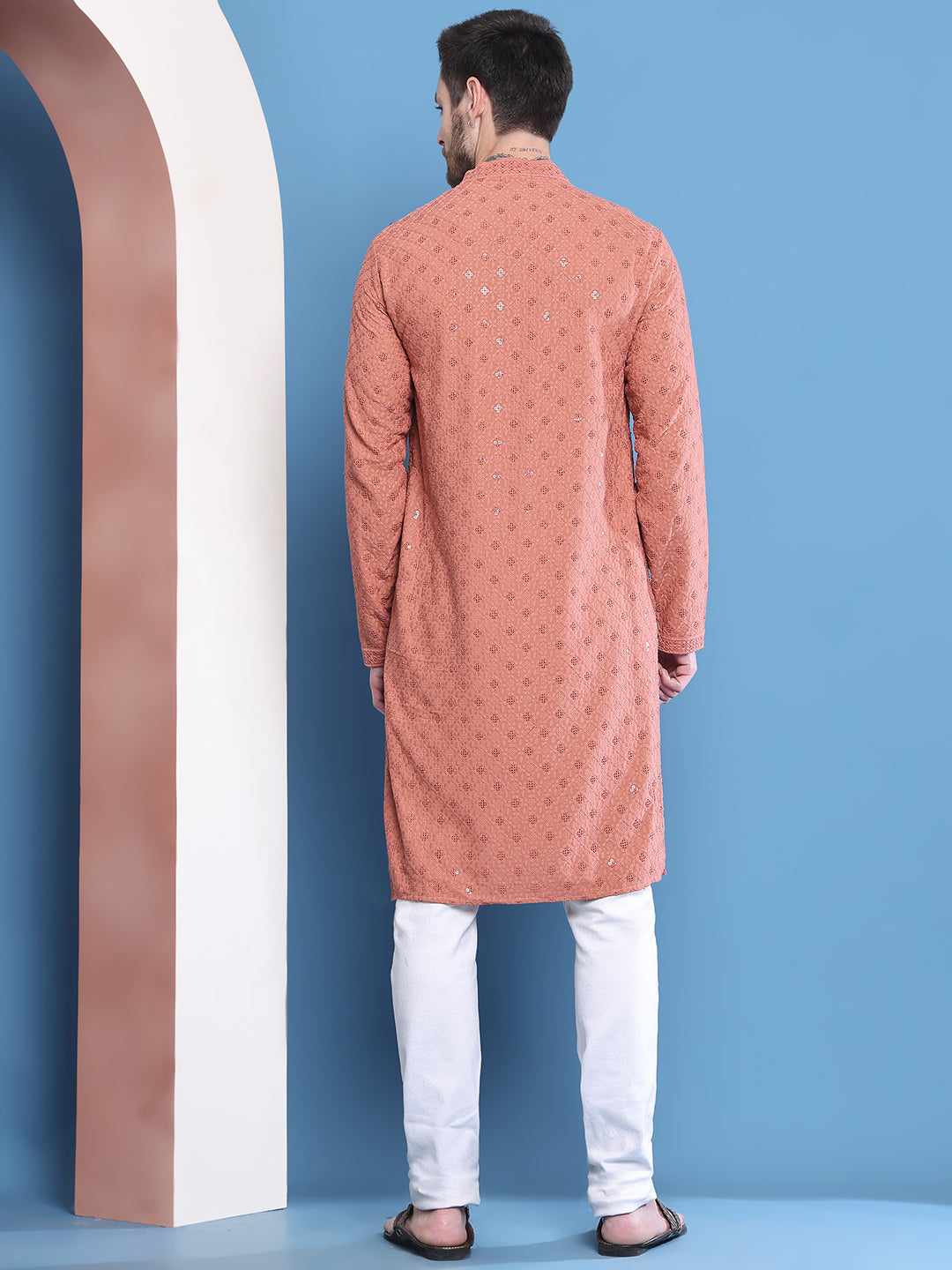

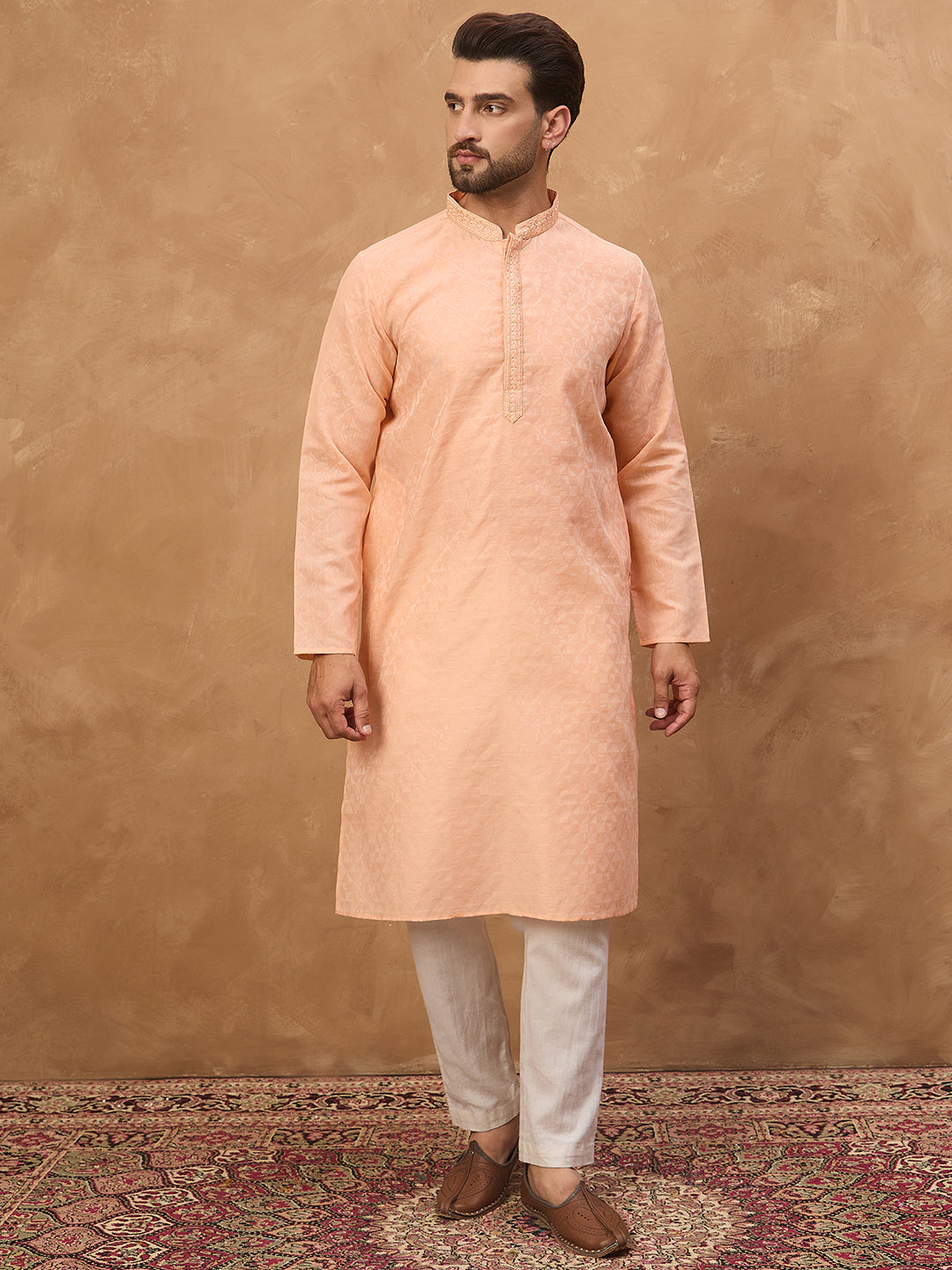

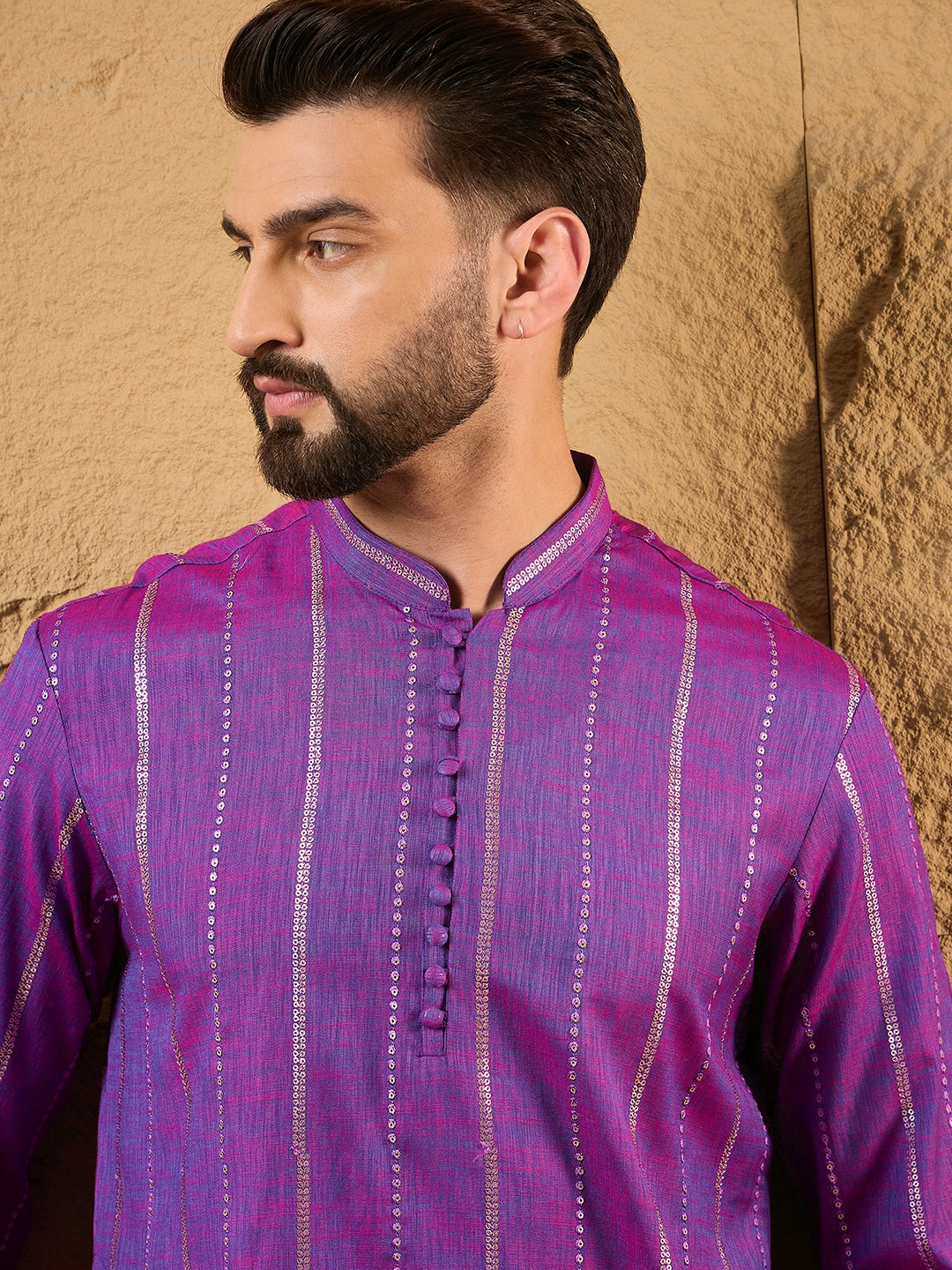

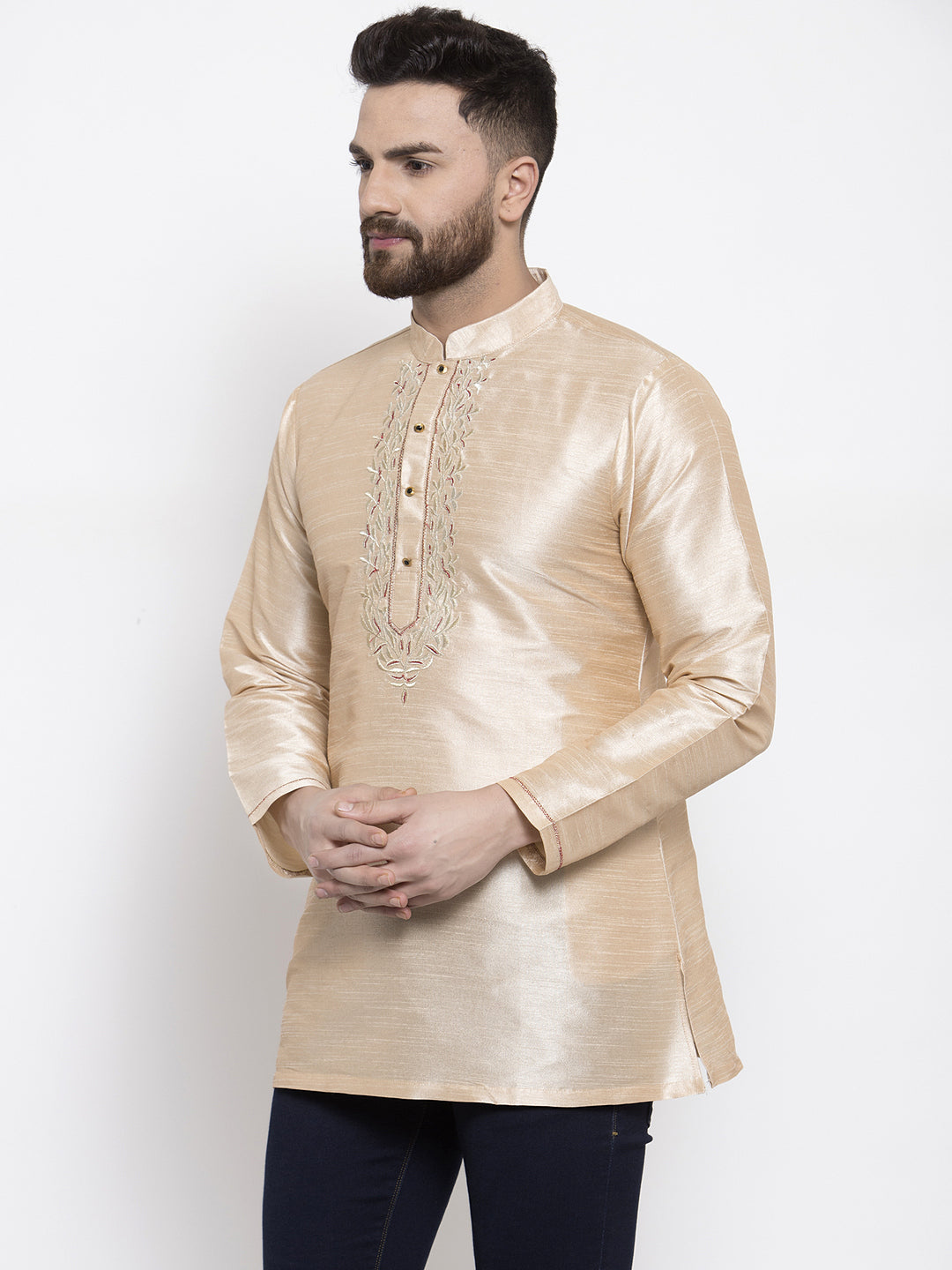

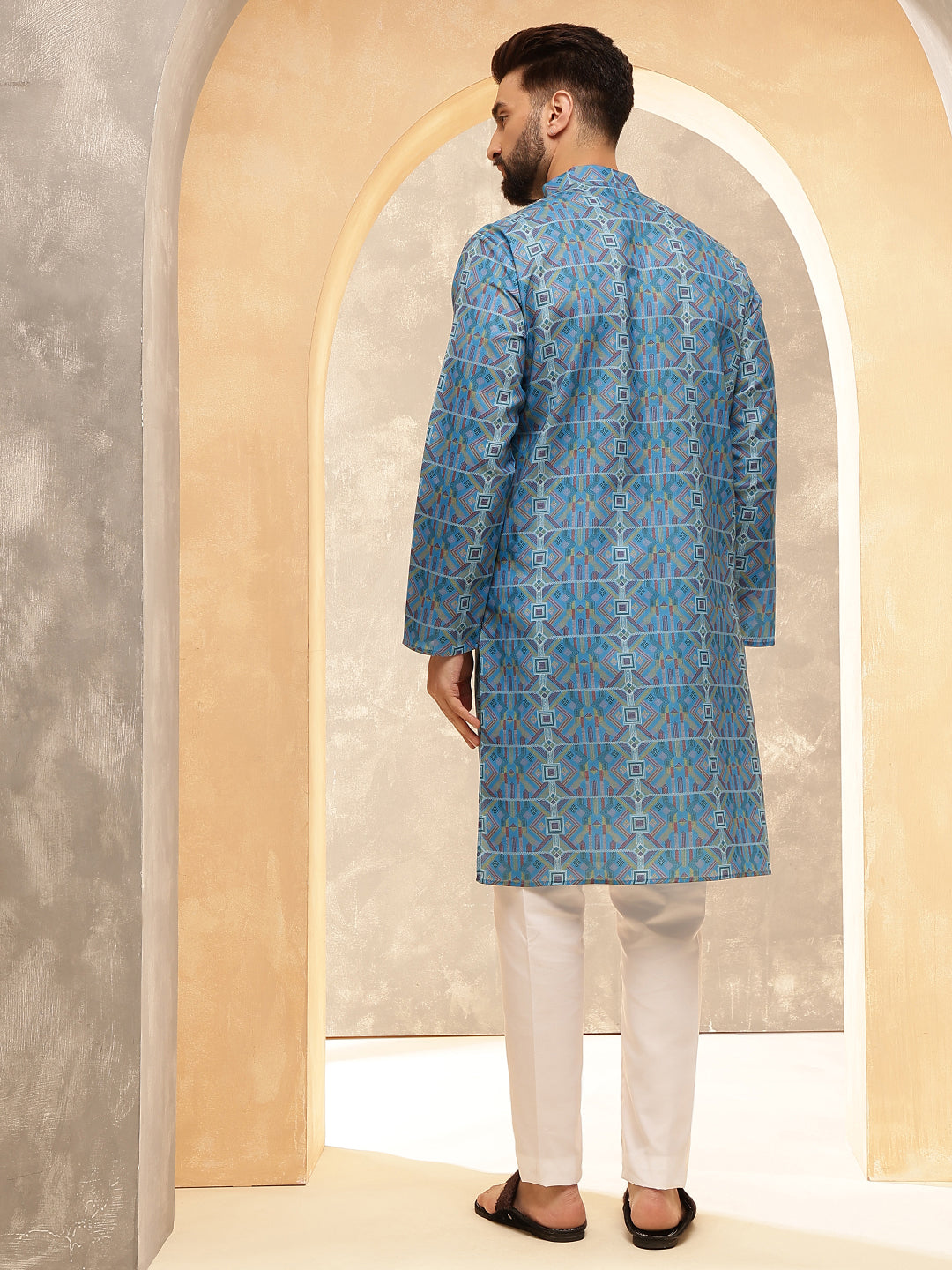

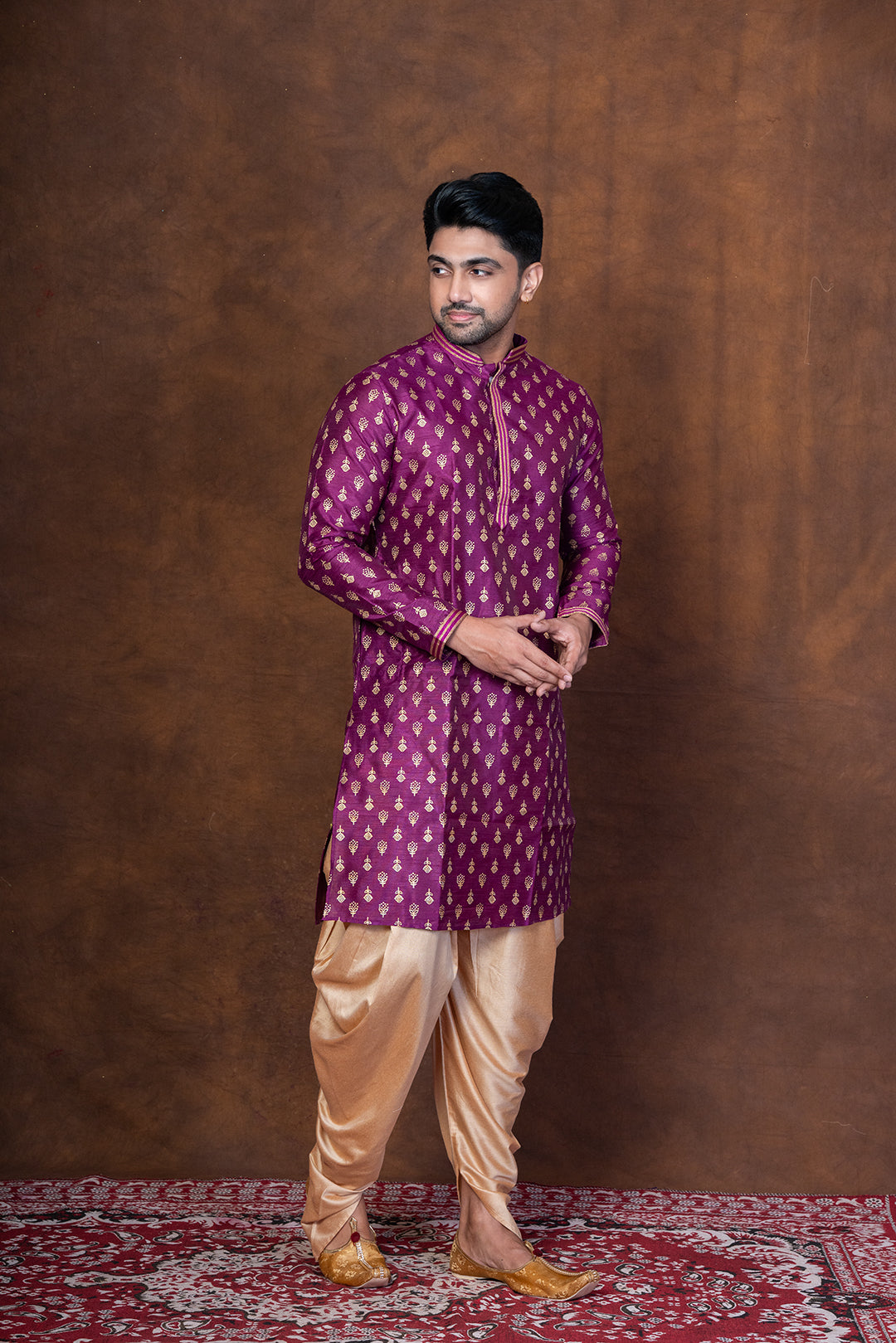

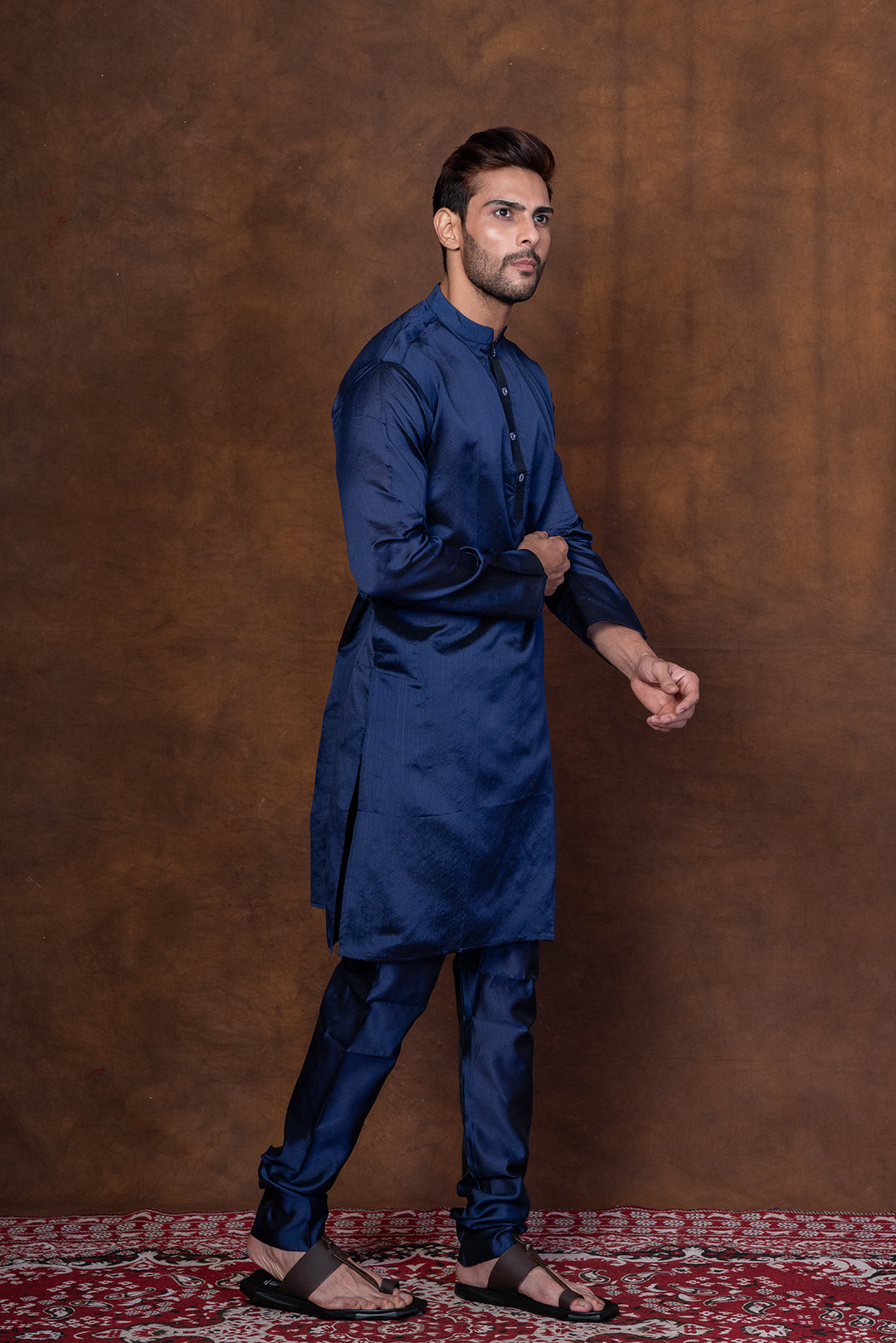

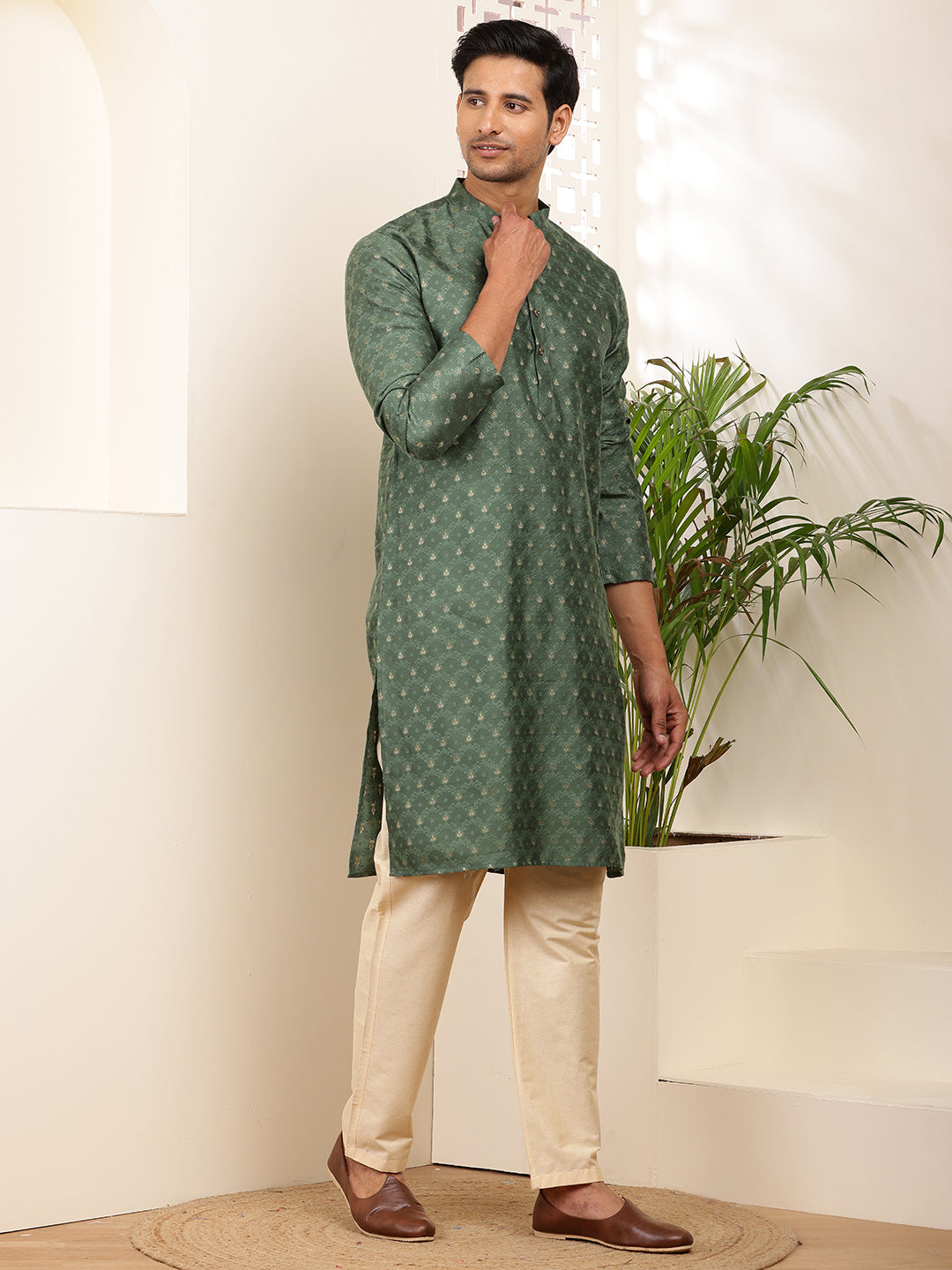
A kurta is a loose, straight-cut tunic with side slits, worn over a bottom garment. It is the most versatile item in Indian menswear - cotton for daily wear, silk for weddings, and everything between - and unlike most ethnic wear it works comfortably outside an Indian context too.
One thing to check before ordering: kurtas listed here are the top garment. Some listings include a matching bottom and some do not, so confirm on the individual product page. If you want a matched pair supplied together, kurta sets are grouped separately.
Length and Cut
Length does more to set the formality of a kurta than fabric or colour does.
|
Length |
Where it falls |
Best for |
|
Short kurta |
Upper thigh |
Casual wear, pairs with jeans |
|
Knee-length |
At or just above the knee |
The standard cut - works everywhere |
|
Long kurta |
Mid-calf |
Weddings and formal ceremonies |
|
Angrakha |
Varies; overlapping front panel |
Festive wear, ties at the side |
|
Asymmetric |
Uneven hem |
Contemporary evening and party wear |
Knee-length is the standard and the safest single purchase - it carries from a family dinner to a wedding depending on fabric. Short kurtas sit closer to a casual shirt and are the only length that works properly with jeans. Long kurtas at mid-calf read distinctly formal and are usually reserved for ceremonies, often paired with a churidar.
Side slits matter more than they appear to. They allow you to sit and stride normally, and longer kurtas need higher slits to remain wearable. A long kurta with shallow slits restricts movement noticeably once you sit down.
Collars and Necklines
The mandarin or band collar - a short standing collar with no fold - is the standard on formal kurtas and the reason a kurta reads dressed even without a jacket. Round-neck and V-neck kurtas read more casual. Angrakha styles cross one panel over the other and tie at the side, which is a traditional construction now mostly used for festive wear.
Full sleeves are standard. Rolling them to the forearm is normal for casual settings and looks intentional; three-quarter sleeves on a men’s kurta generally do not.
Shop by Fabric
|
Fabric |
How it wears |
Best for |
|
Cotton |
Breathable, creases, softens with washing |
Daily wear, summer, daytime events |
|
Linen |
Coolest option, creases the most |
Hot weather, daytime functions |
|
Cotton silk |
Cotton comfort with a subtle sheen |
The versatile middle ground |
|
Silk and art silk |
Structured with sheen, needs dry cleaning |
Weddings, evening ceremonies |
|
Rayon and viscose |
Soft, drapes well, holds print sharply |
Printed kurtas, year-round wear |
|
Jacquard |
Woven pattern rather than printed |
Party and festive wear |
Cotton kurtas are the practical default for daily wear and warm weather. Linen breathes best but creases within an hour of wearing, which is worth accepting rather than fighting - our linen and cotton comparison covers the trade-off. Silk kurtas hold structure and are the traditional choice for weddings and evening ceremonies. Rayon and viscose hold printed colour sharply and crease far less than cotton, which makes them the better pick for travel.
What to Wear Underneath
The bottom changes the formality of a kurta as much as the kurta itself does, and it is the part most often got wrong.
|
Bottom |
How it fits |
Pairs with |
|
Churidar |
Fitted, gathers at the ankle |
Long kurtas, formal and wedding wear |
|
Pyjama |
Straight and loose to the ankle |
The default - works with any length |
|
Dhoti |
Draped and pleated |
Festive and traditional occasions |
|
Trousers |
Straight or slim cut |
Short and knee-length kurtas, office |
|
Jeans |
Regular or slim |
Short kurtas only, casual settings |
A pyjama is the default and the safest choice - straight, loose and appropriate with any kurta length. A churidar is fitted through the leg and deliberately cut long so it gathers into folds at the ankle; those folds are the point of the garment, not a sizing error. It reads more formal and pairs with long kurtas at weddings. A dhoti is draped rather than stitched and belongs at traditional and religious occasions.
Trousers work with short and knee-length kurtas and are the usual pairing if you are wearing a kurta to an office. Jeans work only with short kurtas - a knee-length kurta over jeans reads unbalanced because the hem covers most of the leg.
Sizing and Fit
Men’s kurtas are usually sized by chest measurement in inches - 38, 40, 42, 44 - rather than by S, M and L. Measure around the fullest part of the chest with the tape relaxed, and check that number against the chart on the individual product page. Because Trendia lists several independent labels, sizing is not standardised across brands.
Beyond chest, two measurements matter. Shoulder width is taken across the back from one shoulder point to the other, and the kurta’s shoulder seam should sit on that point - a seam that drops onto the upper arm makes the whole garment look oversized regardless of chest fit. Kurta length is taken from the shoulder seam down, and should be checked against your height rather than assumed from the size.
A kurta should be loose through the chest and body without being shapeless. The sleeve should fall cleanly without pulling across the bicep when you bend your arm. If you fall between sizes, size up: a kurta is meant to hang, and taking in a side seam is a simple alteration while letting one out is limited by the allowance.
Shop by Occasion
Weddings
For most functions a silk or cotton-silk kurta with a churidar or pyjama is appropriate, layered with a nehru jacket for the main ceremony. As a guest, the thing to avoid is dressing at groom level - heavy gold work, ivory-and-gold combinations and full sherwani looks are usually the groom’s territory. Our guide to what to wear to an Indian wedding covers expectations by function.
Festive
Diwali, Navratri and similar occasions call for colour and comfort across long days. Cotton silk and rayon hold up better than heavy silk when you are moving between houses. Dhoti sets are the more traditional pairing for pujas and religious functions.
Daily and Office
A plain cotton or rayon kurta in a solid colour with trousers reads as smart casual in most workplaces. Casual wear covers the lighter end of the range, and short kurtas with jeans work for weekends and informal plans.
Parties and Evening
Party wear leans on jacquard, textured weaves and subtle embellishment rather than heavy embroidery. Darker colours and a slimmer cut read better under artificial light than pale cotton does.
Choosing a Colour
White and cream are the traditional choices for daytime religious ceremonies and pujas, and the coolest option in summer, though they show perspiration marks and need more careful washing. Pastels suit daytime functions such as mehendi and haldi.
Jewel tones - maroon, bottle green, navy, wine - read formal and photograph well under evening lighting, which makes them the usual choice for receptions and sangeet. Black works for parties and contemporary events, but is traditionally avoided at religious ceremonies and at weddings in some communities, so it is worth checking the context before choosing it for a family function.
Layering
A nehru jacket over a kurta is the standard way to move an outfit from festive to formal. Size the jacket one up from your kurta size, since it goes over the top - a jacket bought at kurta size will pull at the buttons. Neutral jackets work over strong kurta colours and vice versa; matching both to the same tone reads flat.
Beyond jackets, blazers work over short and knee-length kurtas for semi-formal settings. Footwear should follow the occasion: juttis or mojaris for weddings and festivals, loafers for office and smart-casual, and sandals only for genuinely casual daytime wear.
Care
Cotton and rayon kurtas can be machine washed cold, inside out, on a gentle cycle. Skip the dryer - heat shrinks rayon and viscose noticeably, and fades printed colour faster than washing does. Linen can be washed the same way but will crease regardless, and pressing it while slightly damp is the only reliable way to get it flat.
Silk, art silk, jacquard and anything with embroidery should be dry cleaned. White and cream kurtas benefit from being washed separately and dried in shade, since direct sun yellows cotton over time rather than keeping it bright.
FAQs: Kurtas for Men
Does a kurta come with a bottom?
It depends on the listing. Some kurtas are sold as a top only, others include a matching pyjama or churidar. Check the product page before ordering, or browse kurta sets where the pairing is supplied together.
What should I wear with a kurta?
A pyjama is the safest default and works with any length. A churidar reads more formal and suits long kurtas at weddings. Trousers work with short and knee-length kurtas for office and smart-casual settings. Jeans work only with short kurtas.
What is the difference between a churidar and a pyjama?
A pyjama is straight and loose to the ankle. A churidar is fitted through the leg and cut deliberately long so the excess gathers into folds at the ankle - those folds are the intended effect, not a fitting problem. Churidars read more formal.
How do I choose a kurta size?
Measure your chest at the fullest point with the tape relaxed and match that to the chart on the product page, since men’s kurtas are typically sized by chest in inches. Also check shoulder width - the shoulder seam should sit on your shoulder point, not on the upper arm. If between sizes, size up.
Which fabric is best for a summer kurta?
Cotton and linen. Linen is cooler but creases more; cotton is the more practical daily choice. Avoid silk, jacquard and polyester blends in heat, since none of them breathe well.
Which kurta works for a wedding?
Silk or cotton silk in a knee-length or long cut, with a churidar or pyjama, and a nehru jacket for the main ceremony. As a guest, avoid heavy gold work and full sherwani looks, which are normally the groom’s.
Can I wear a kurta with jeans?
Yes, with a short kurta. A knee-length or longer kurta over jeans looks unbalanced because the hem covers most of the leg. Cotton and linen short kurtas in solid colours or simple prints work best for this pairing.
How do I wash a kurta?
Cotton, linen and rayon can be machine washed cold and inside out, but should not go in the dryer - heat shrinks rayon and fades print. Silk, jacquard and embroidered kurtas should be dry cleaned. Dry white and cream kurtas in shade rather than direct sun.
What size nehru jacket do I need over a kurta?
One size up from your kurta size. The jacket is worn over the kurta, so a jacket bought at the same size will pull across the chest and at the buttons.
Where can I find new arrivals?
Men’s new arrivals updates as each label delivers, and best sellers shows what is currently moving fastest. The full menswear range covers shirts, sherwanis, dhotis and jackets alongside kurtas.