


Gowns for Women | Ethnic & Party Wear Gowns | Trendia

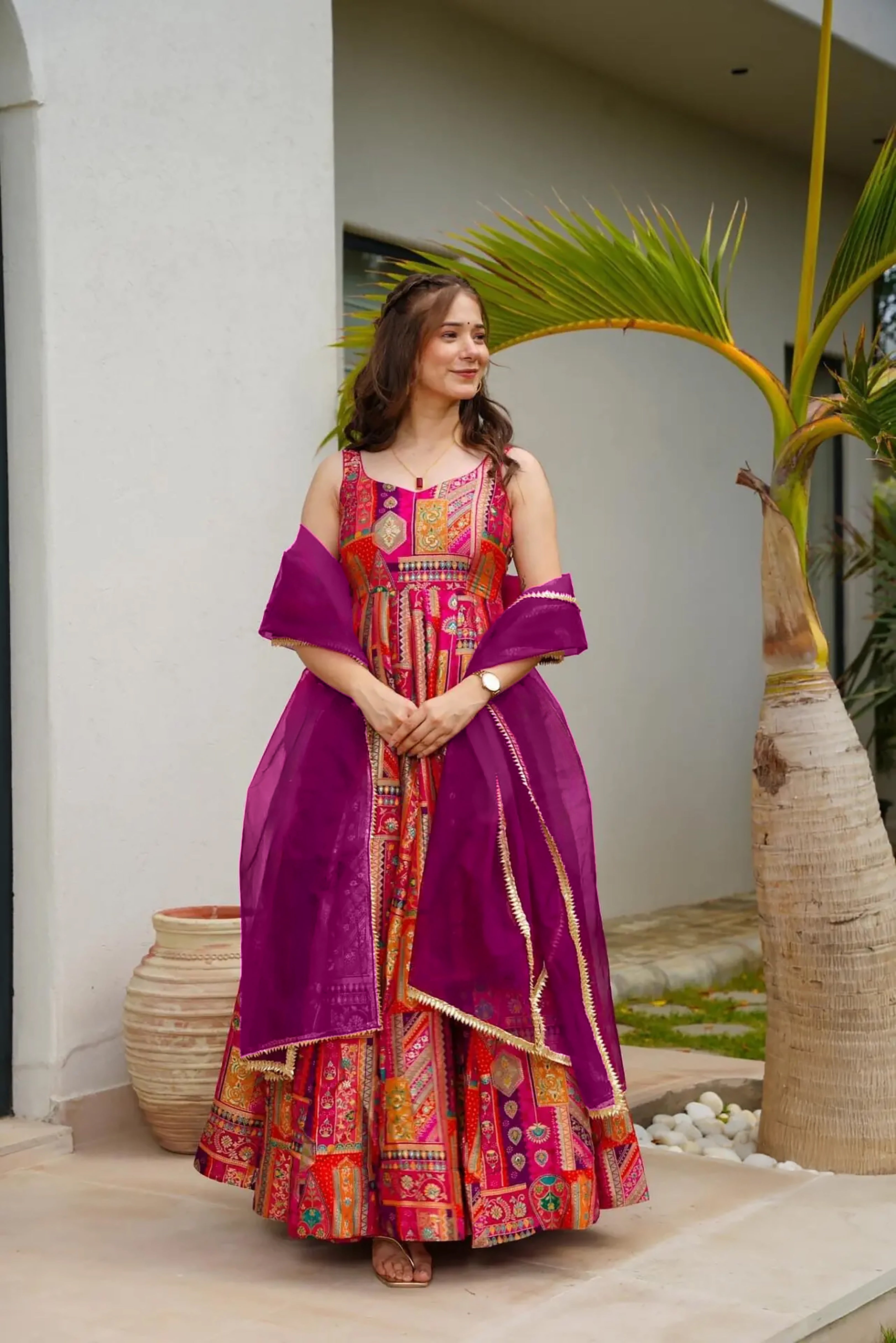


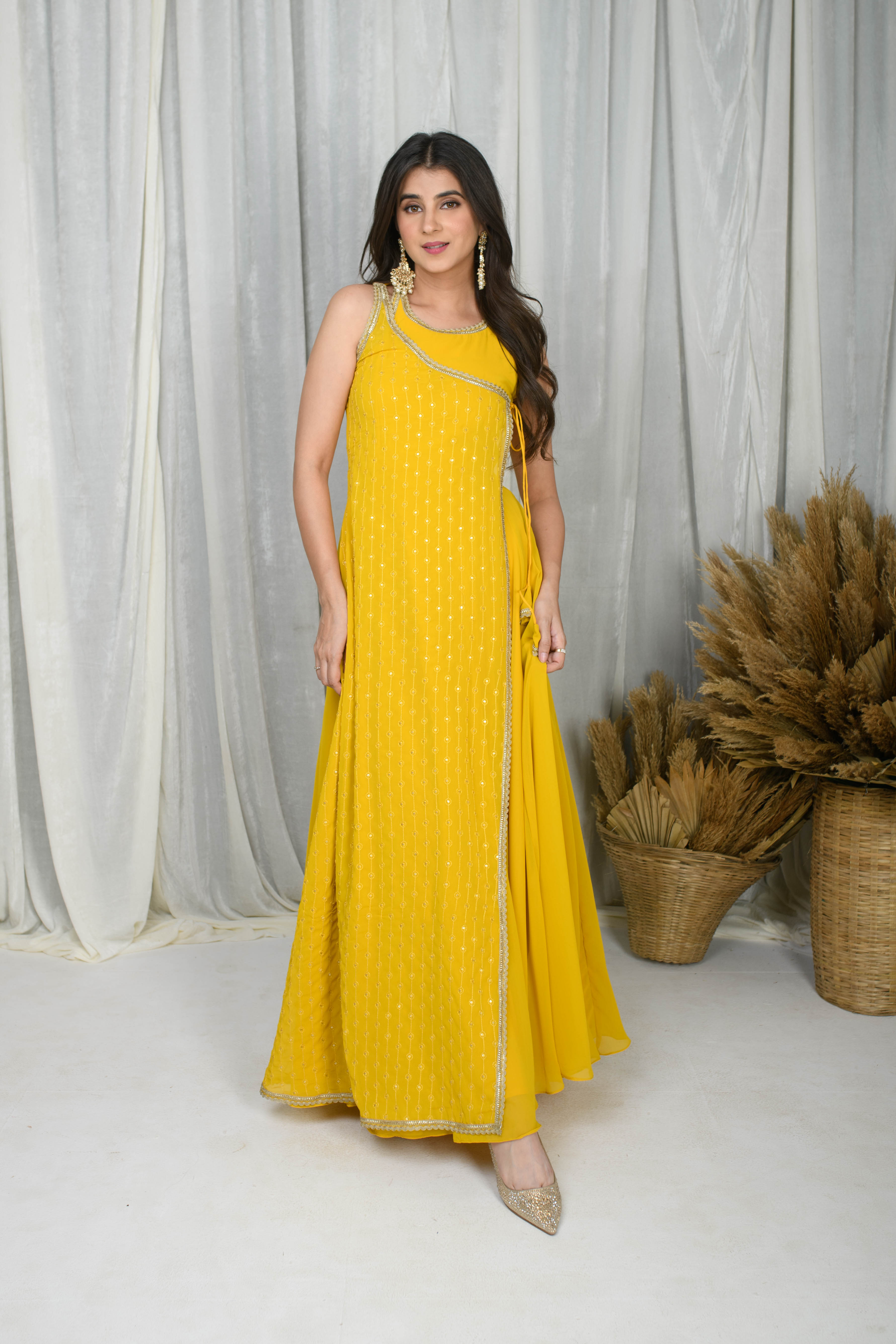


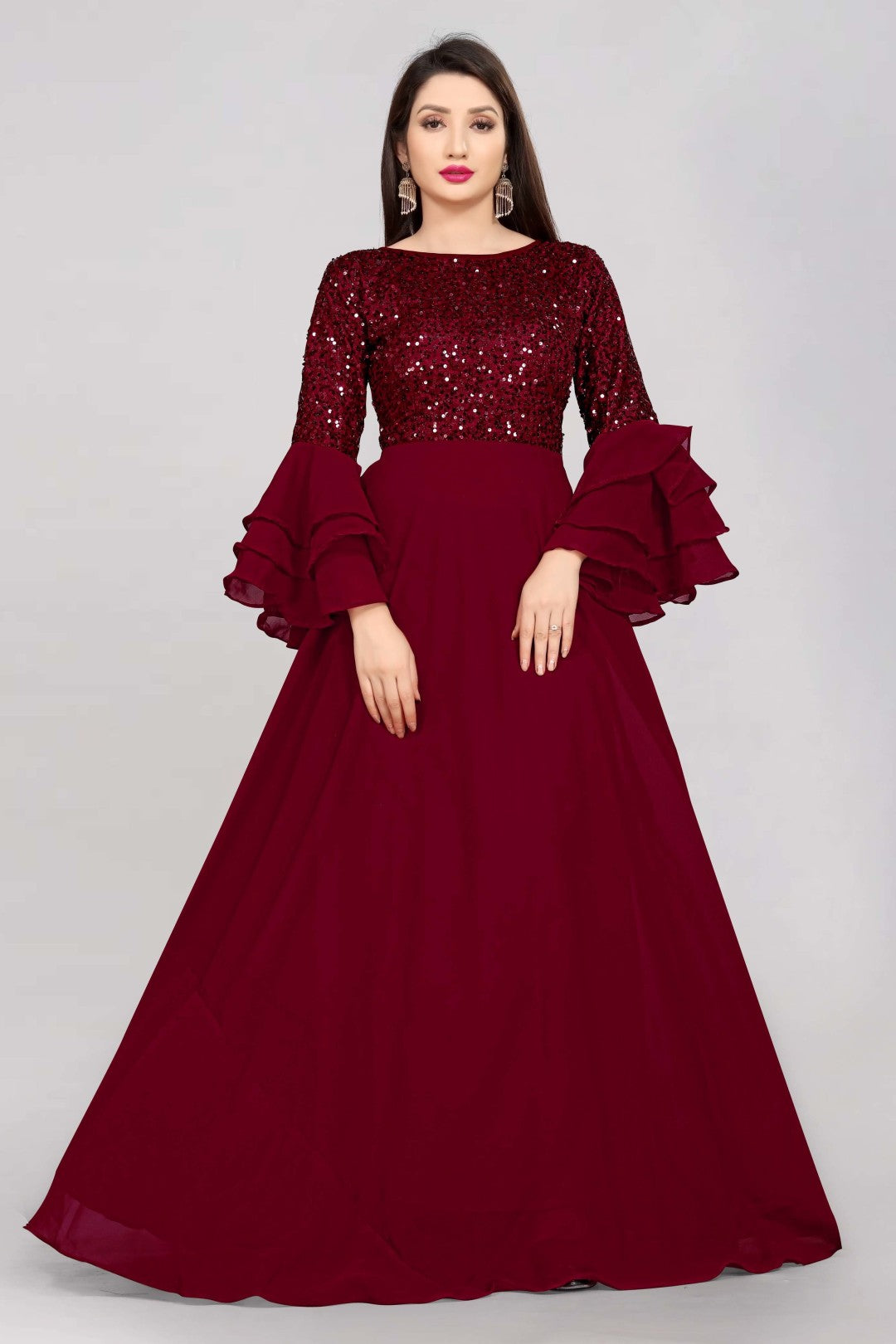

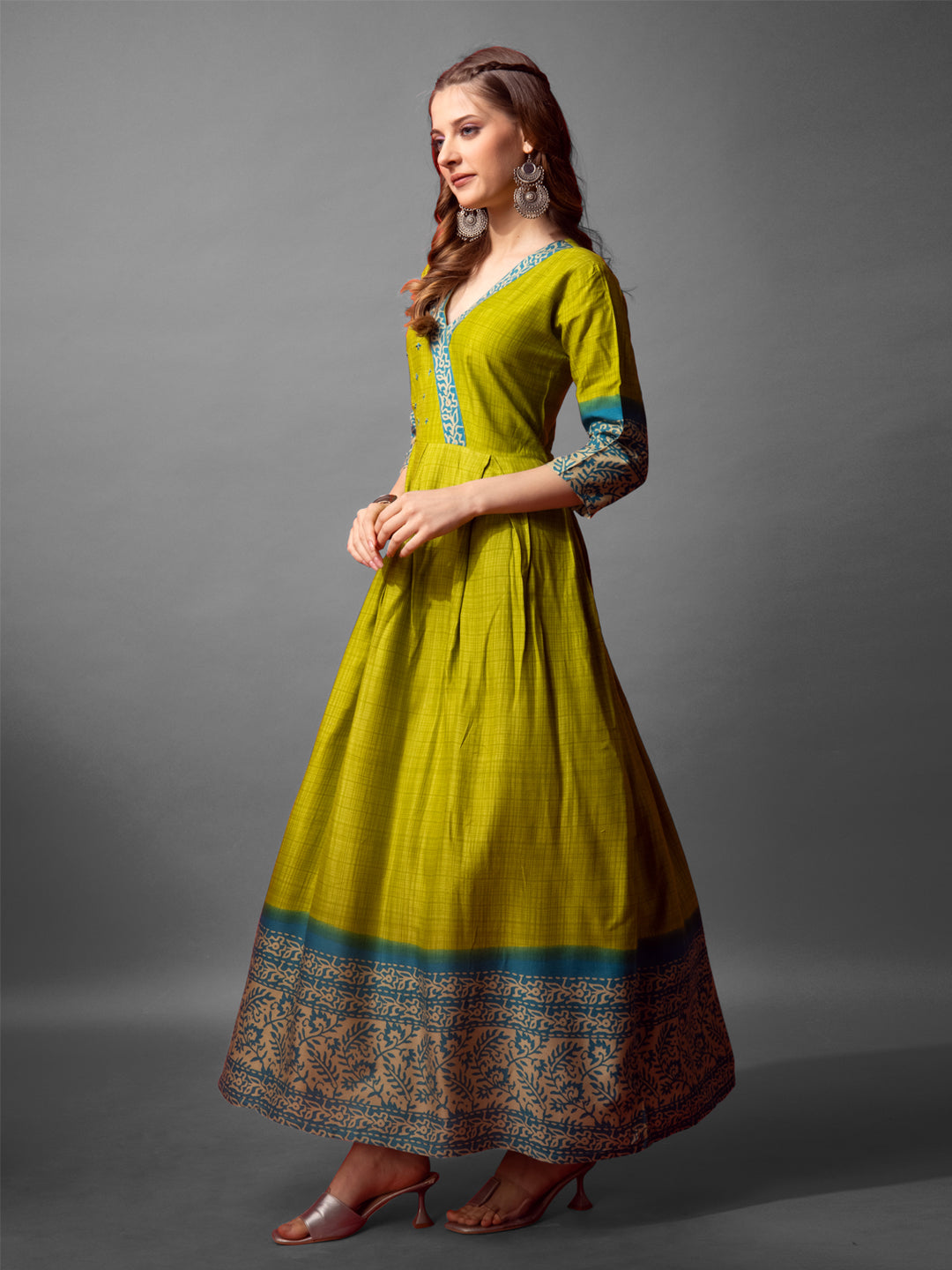

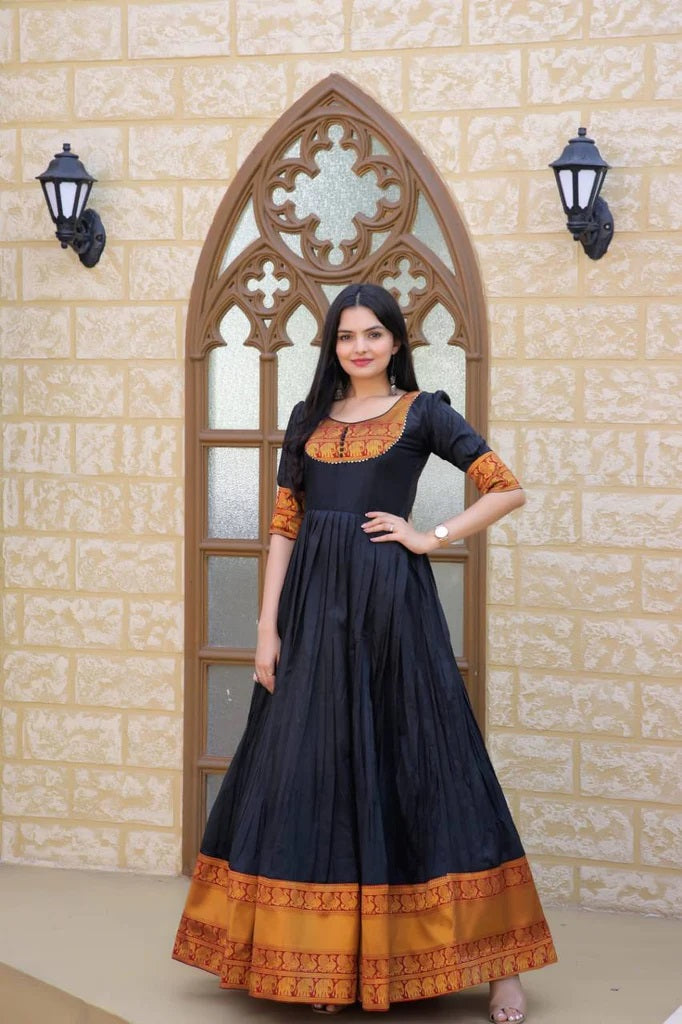

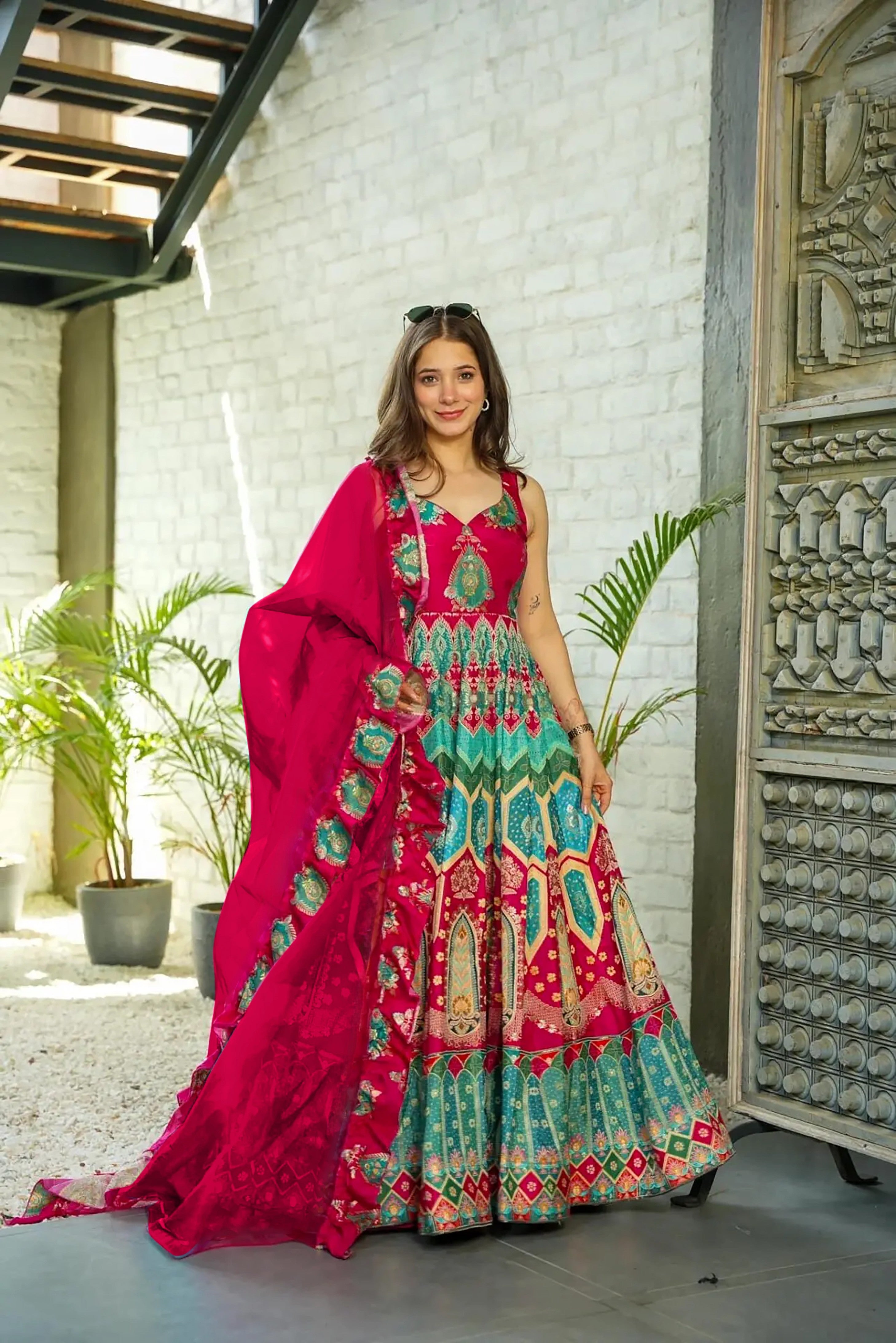

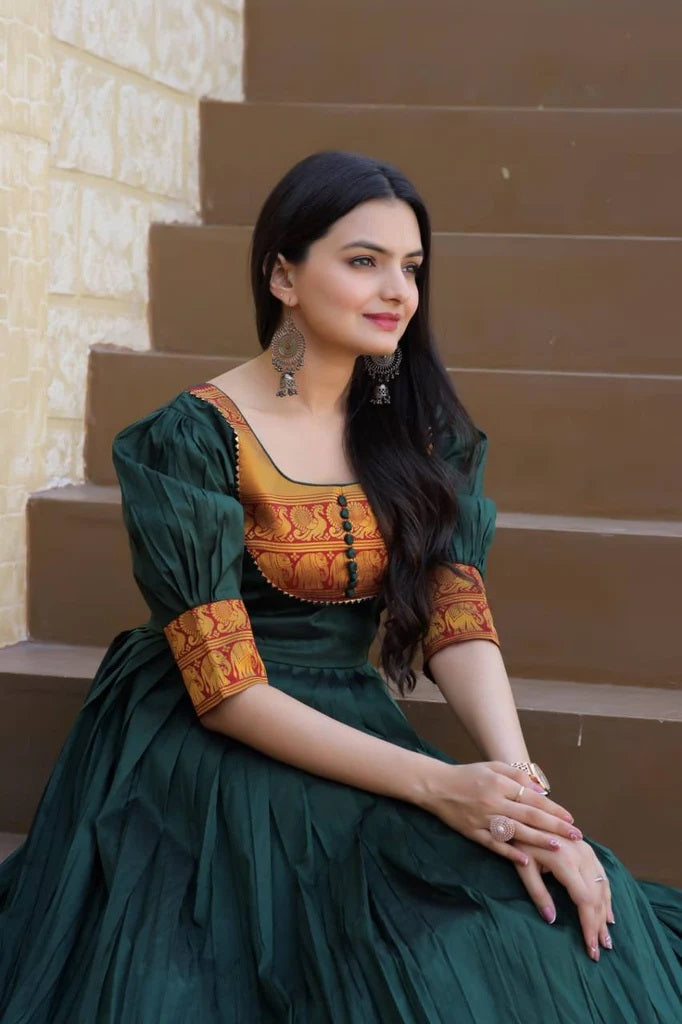

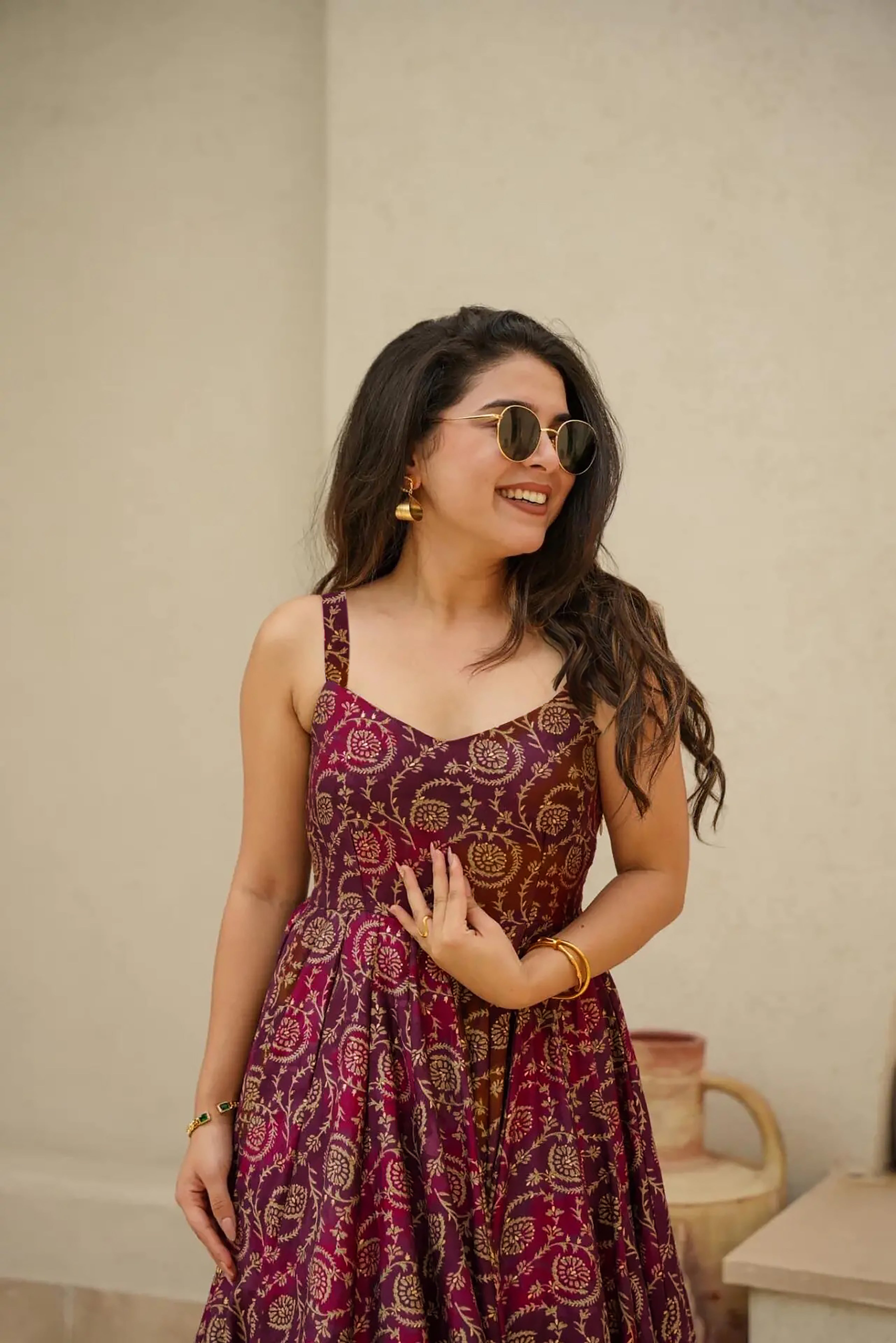

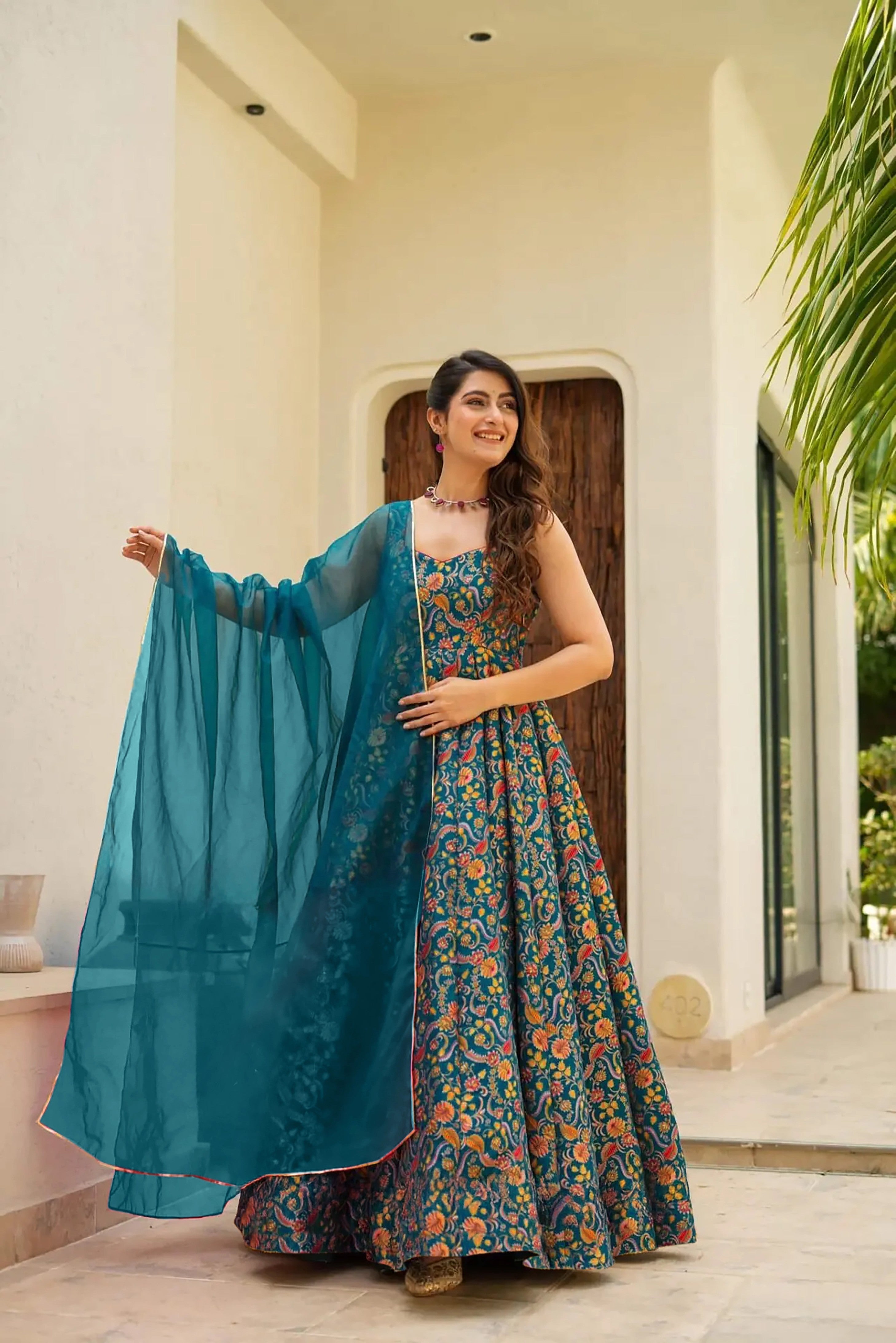


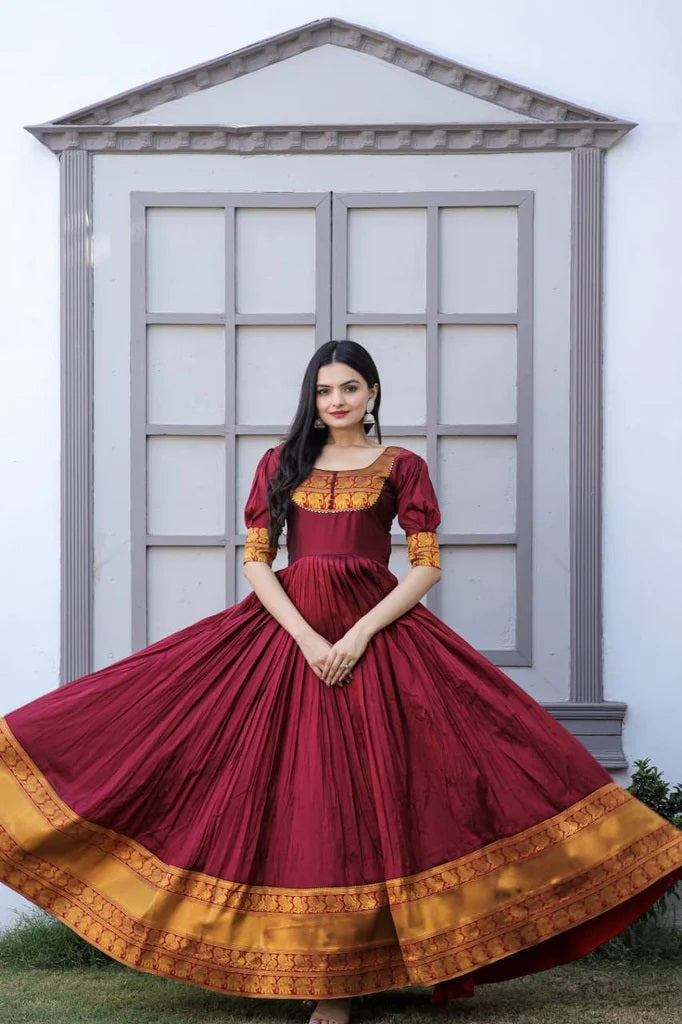

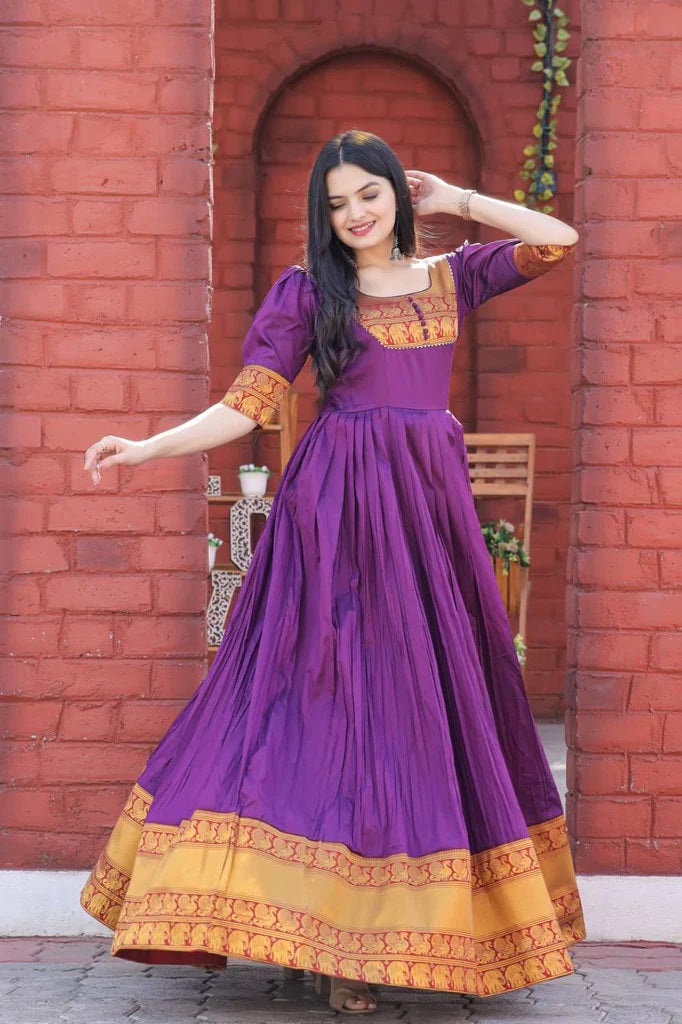

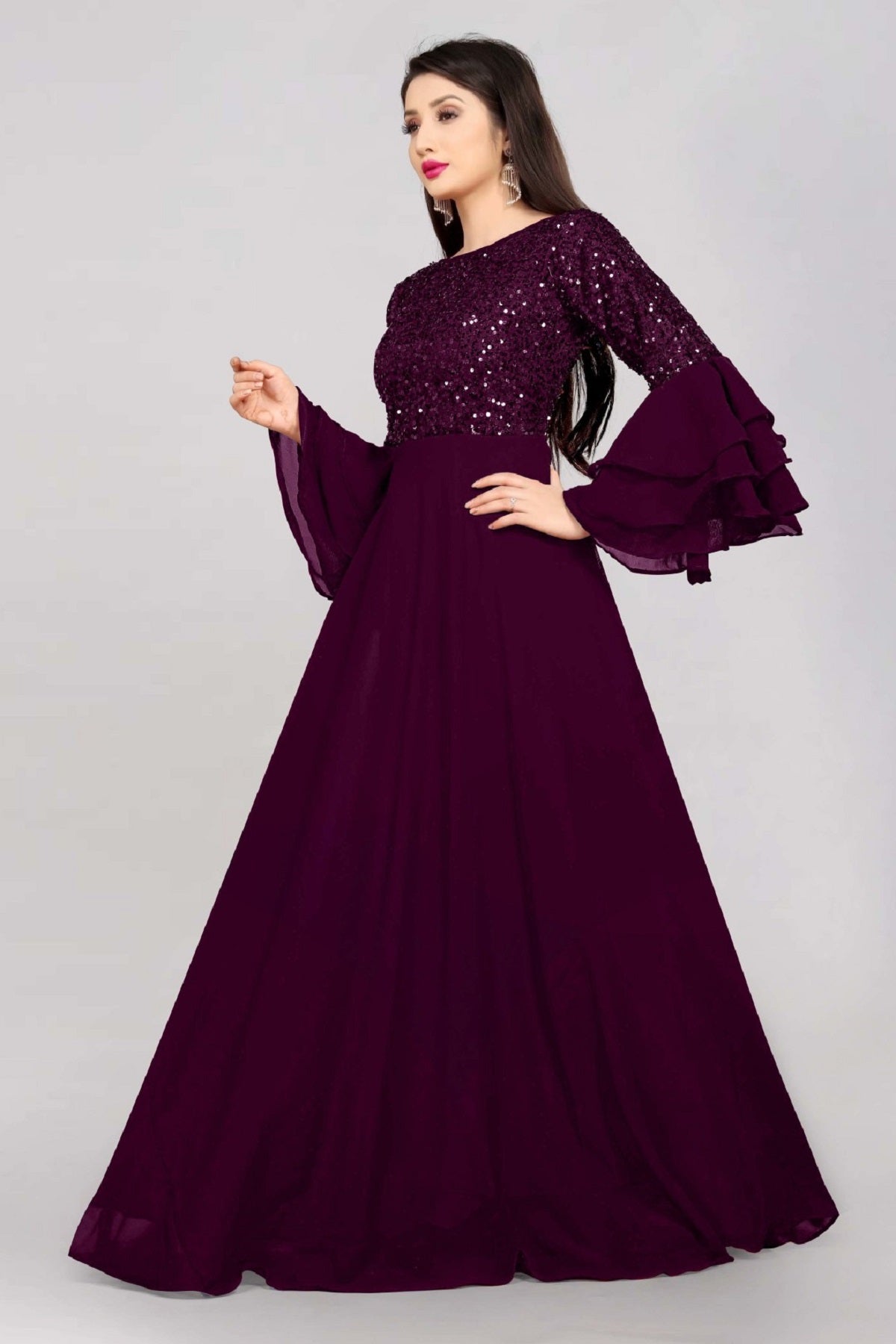

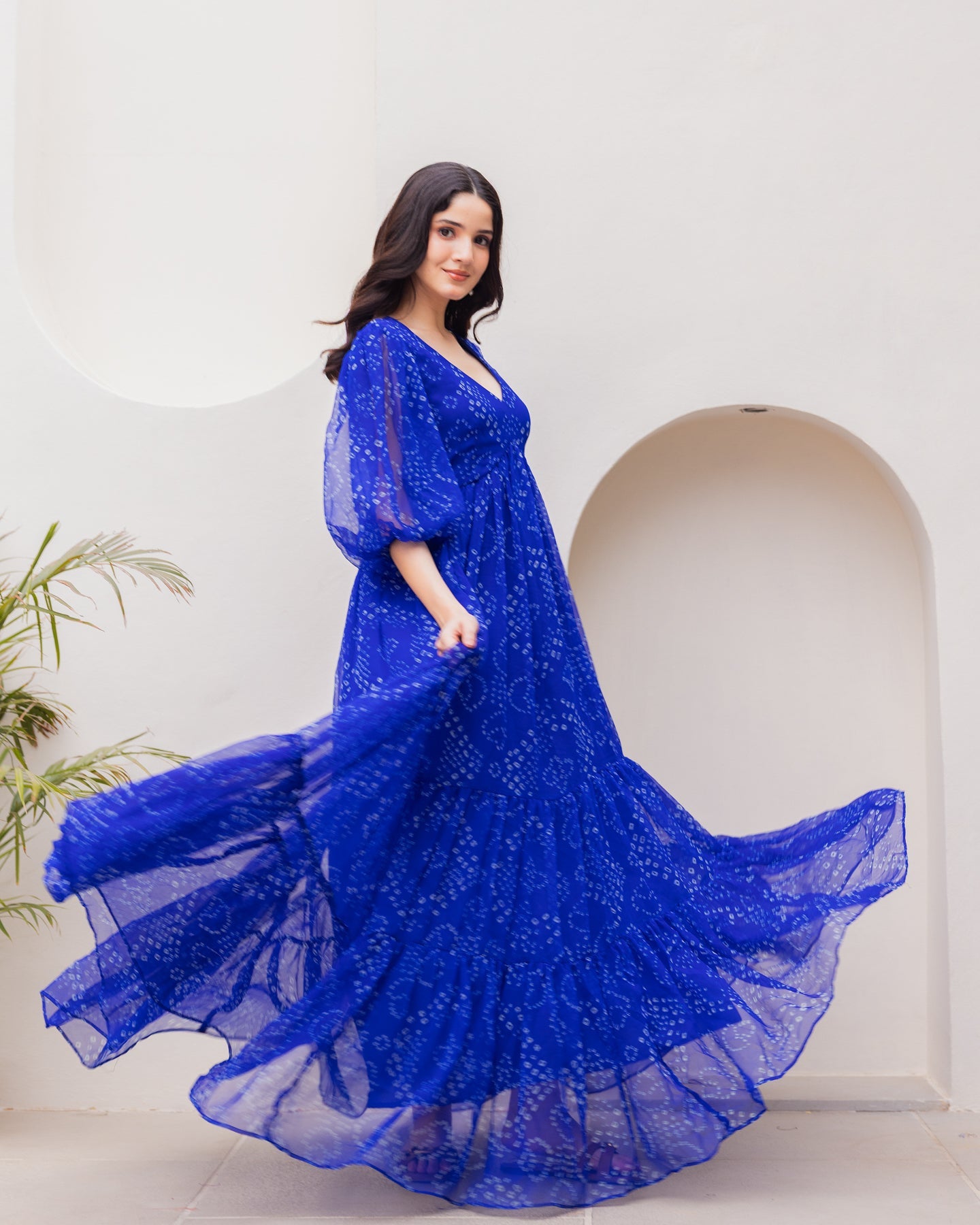


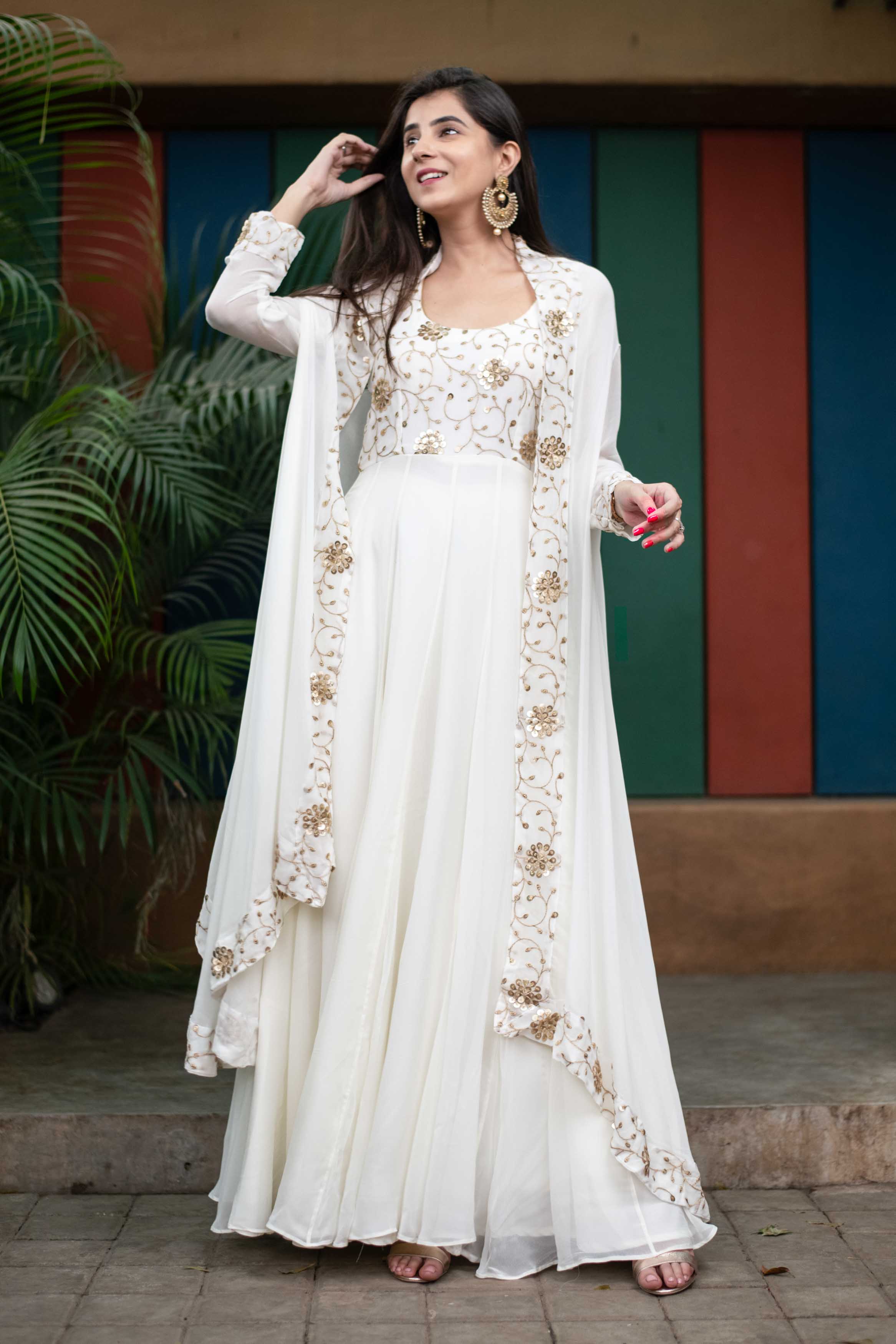


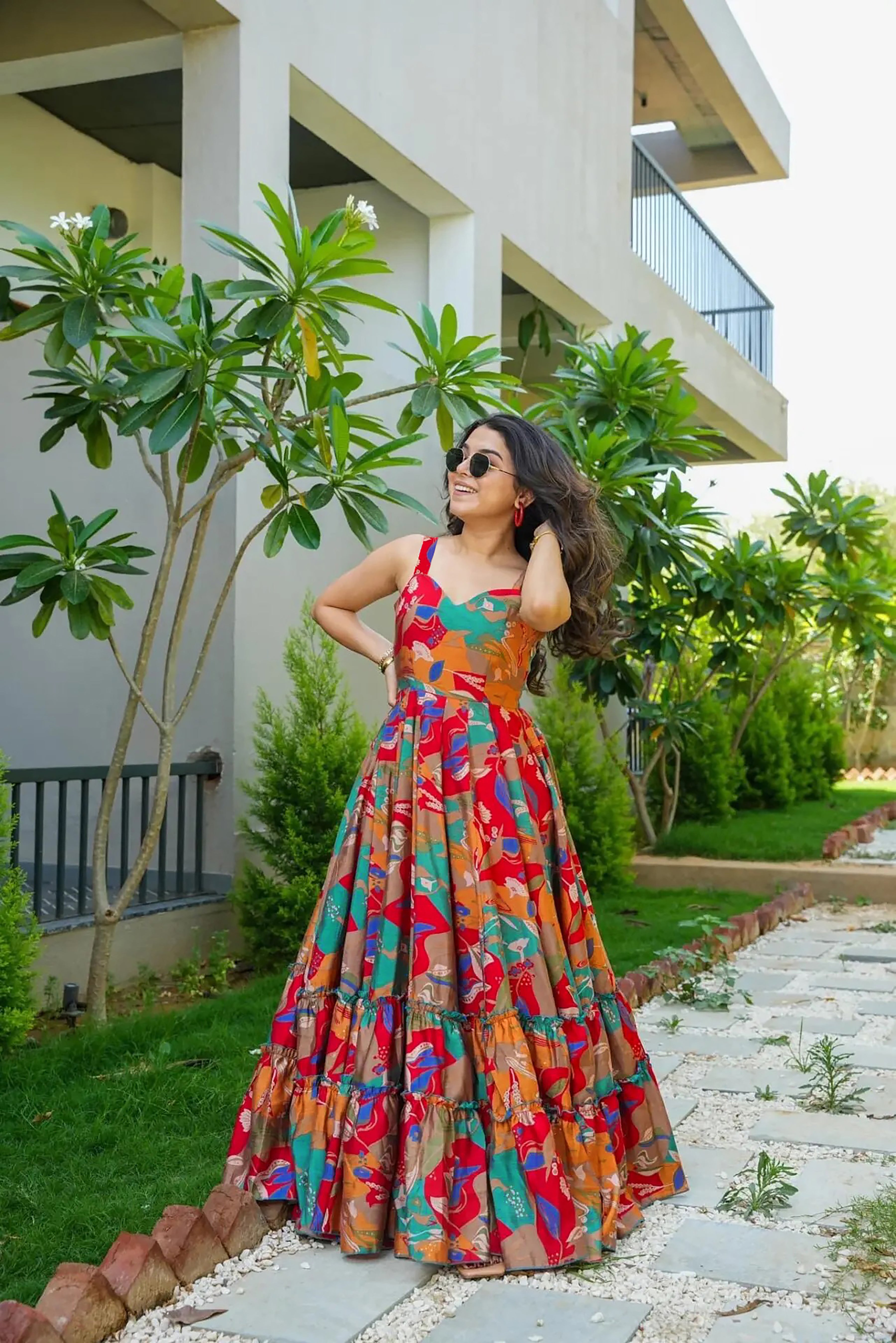


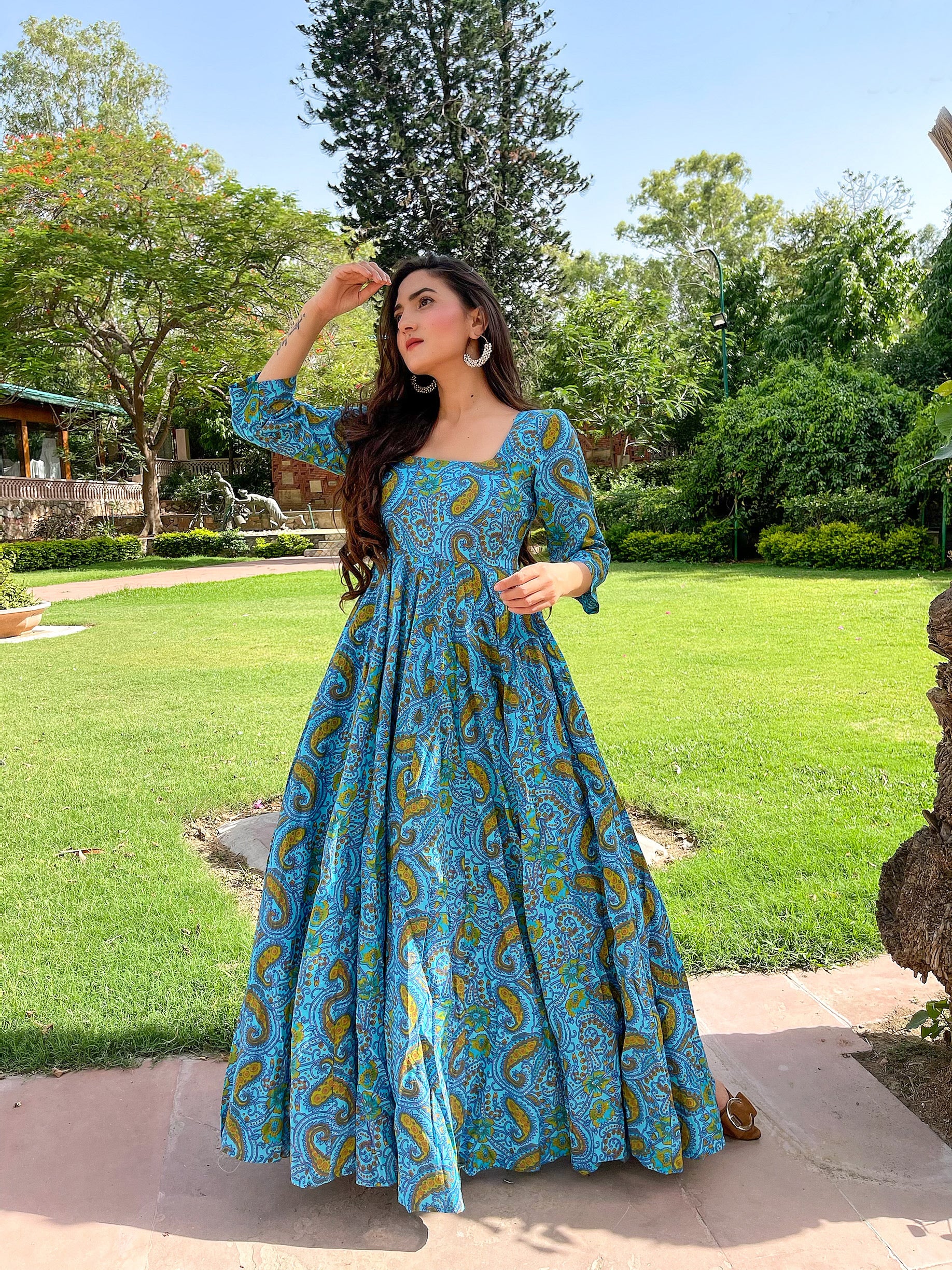

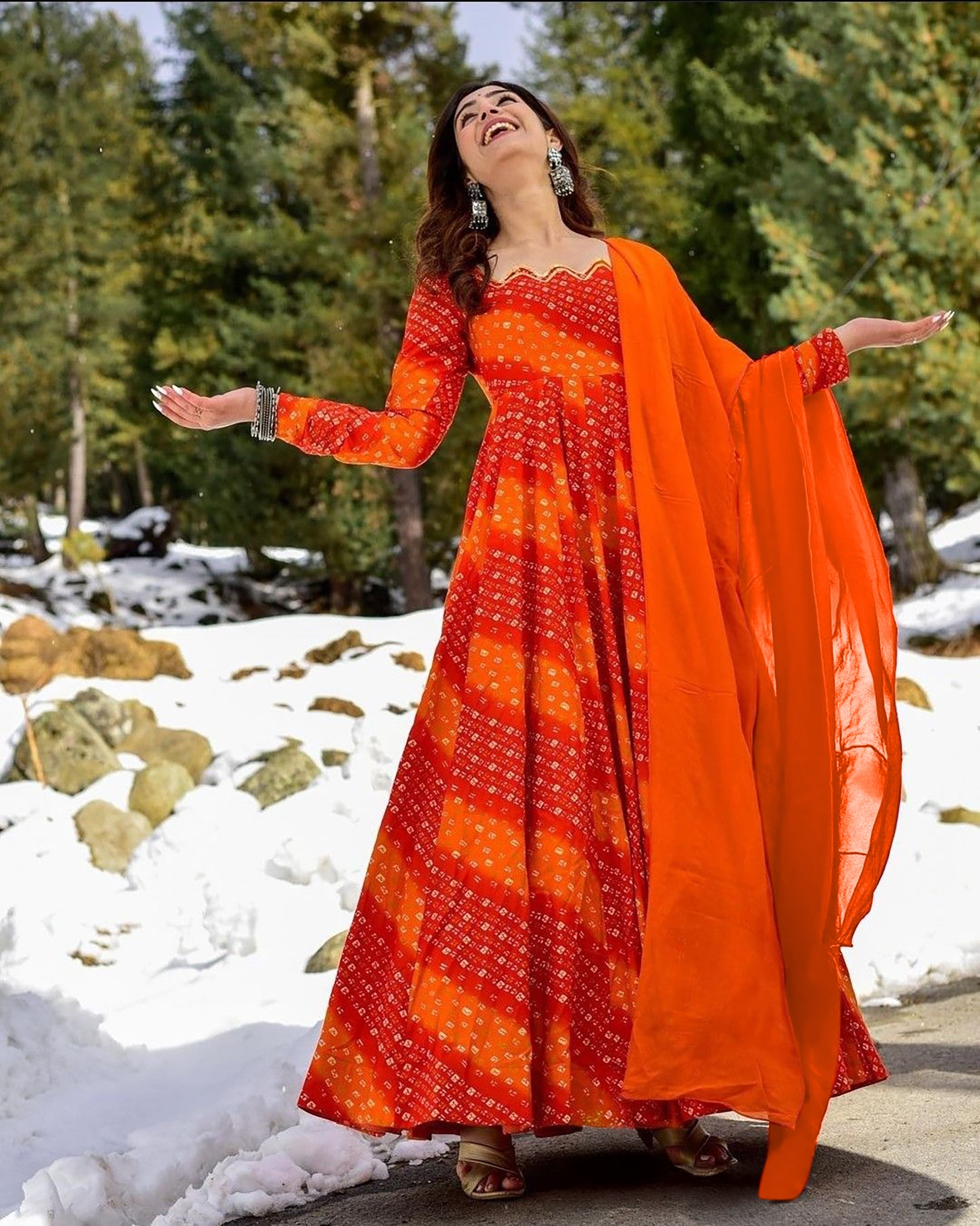

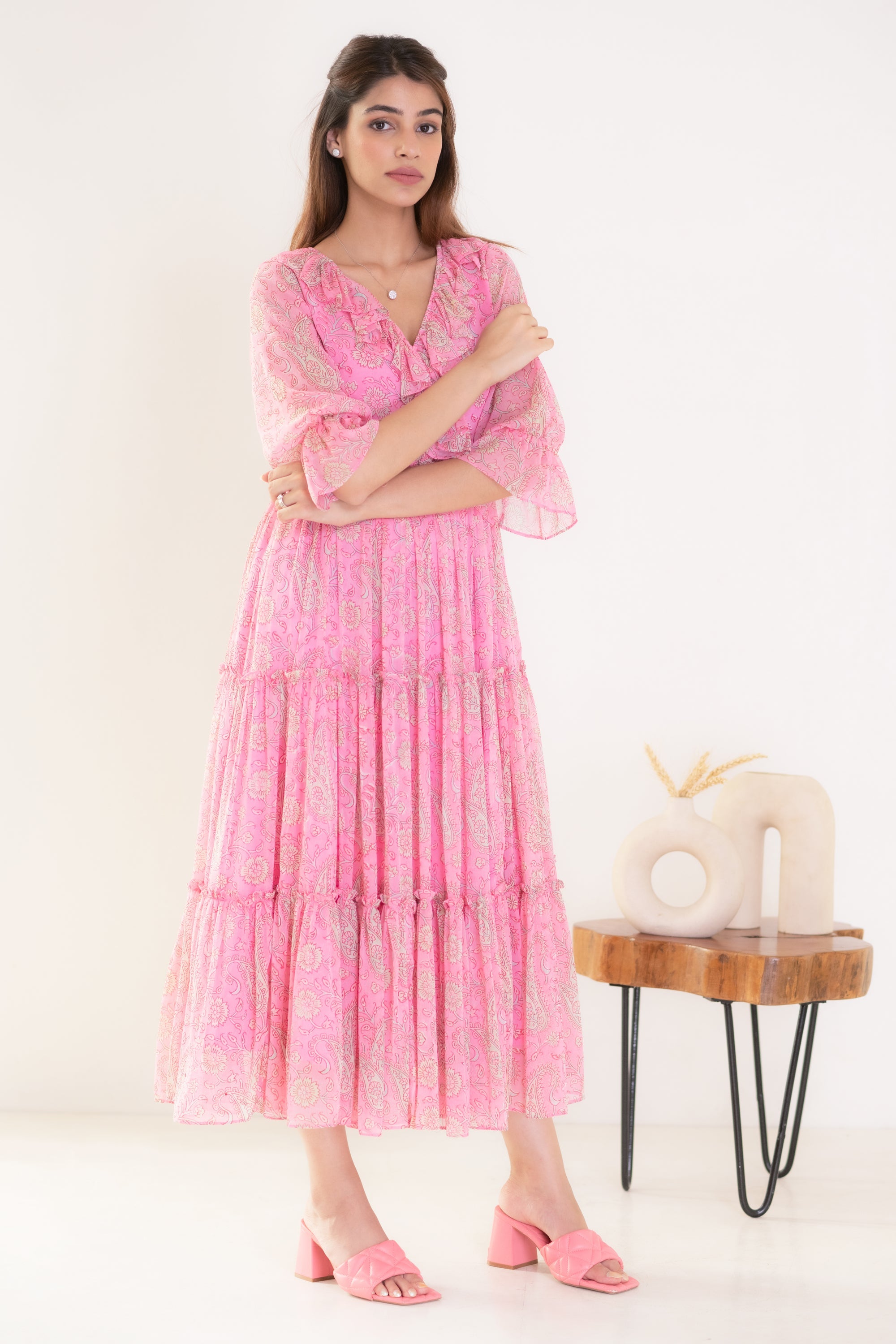


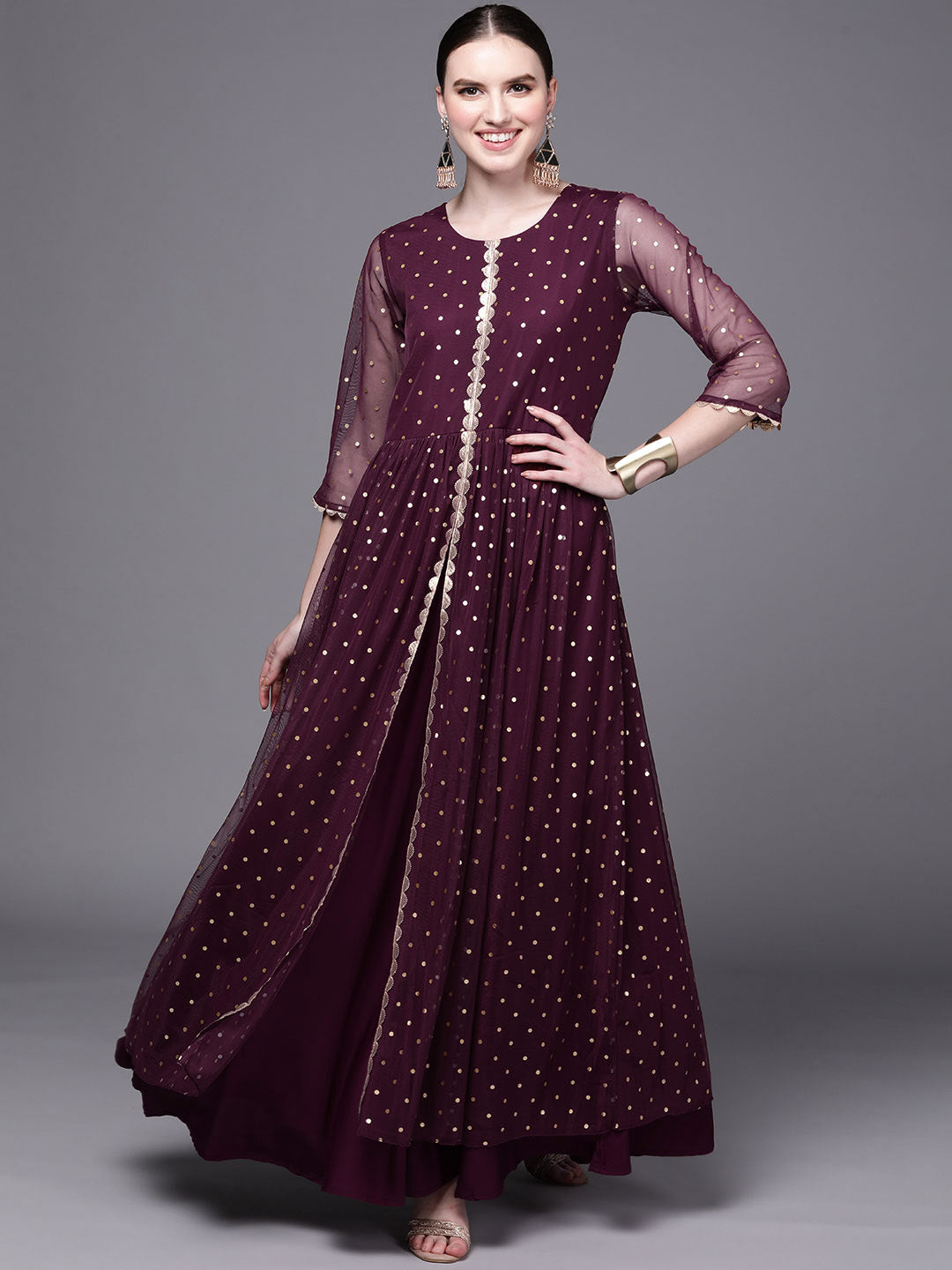


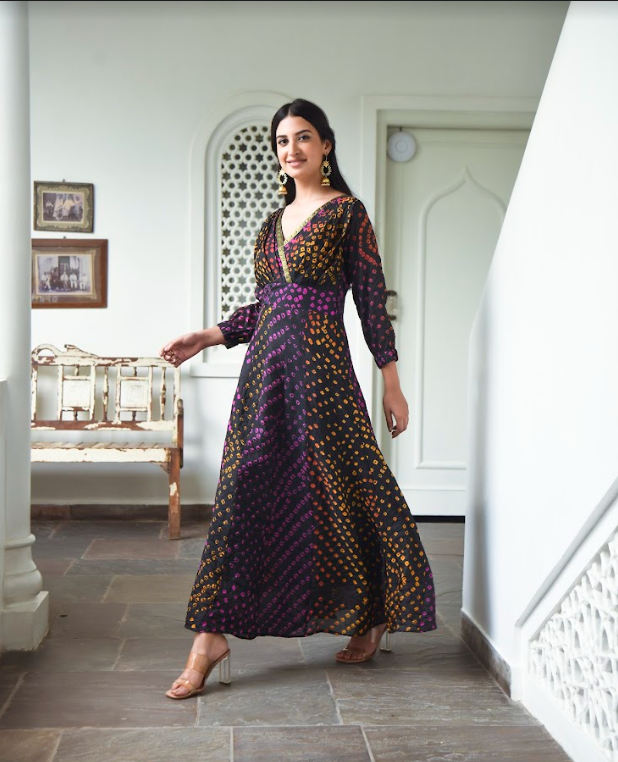

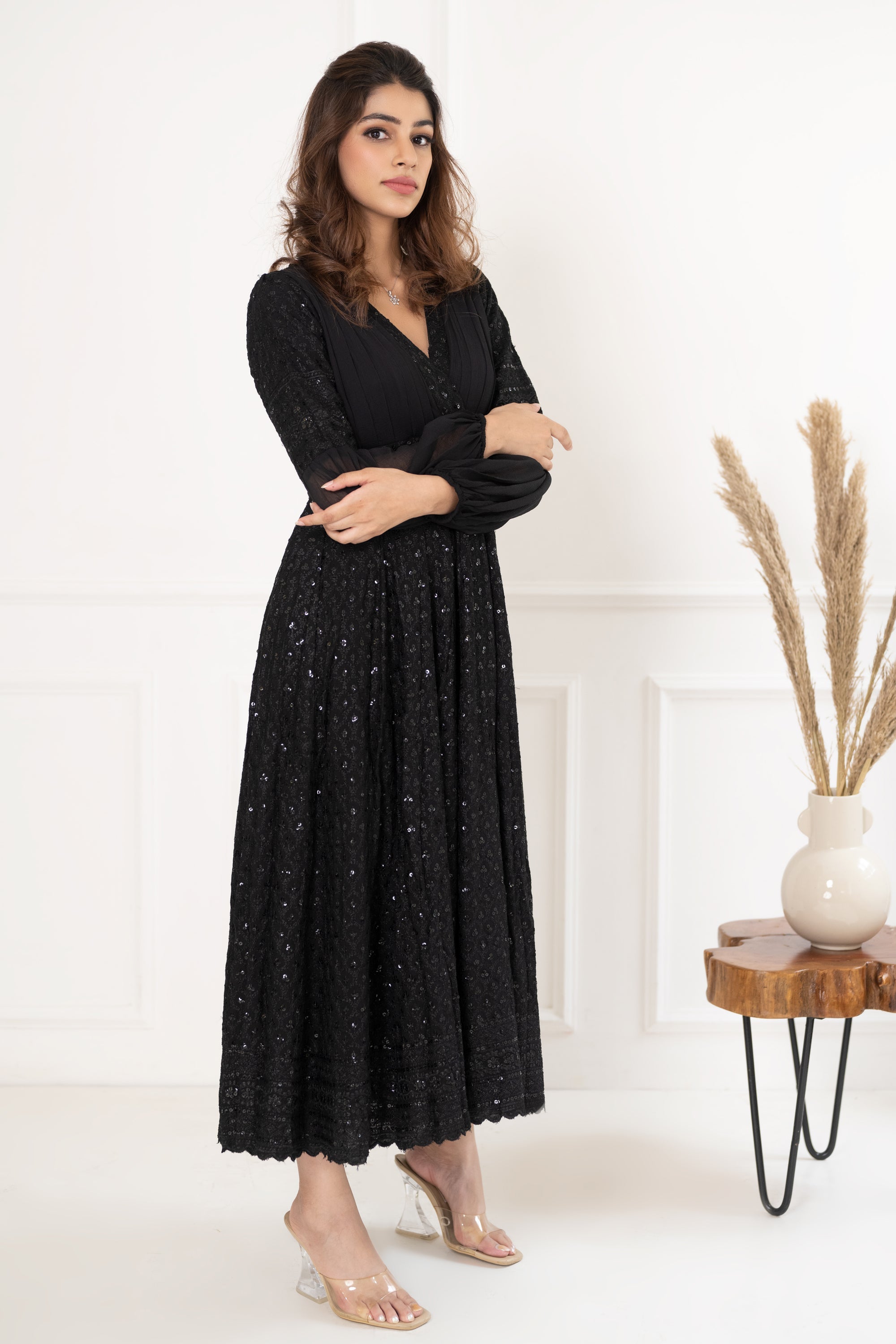


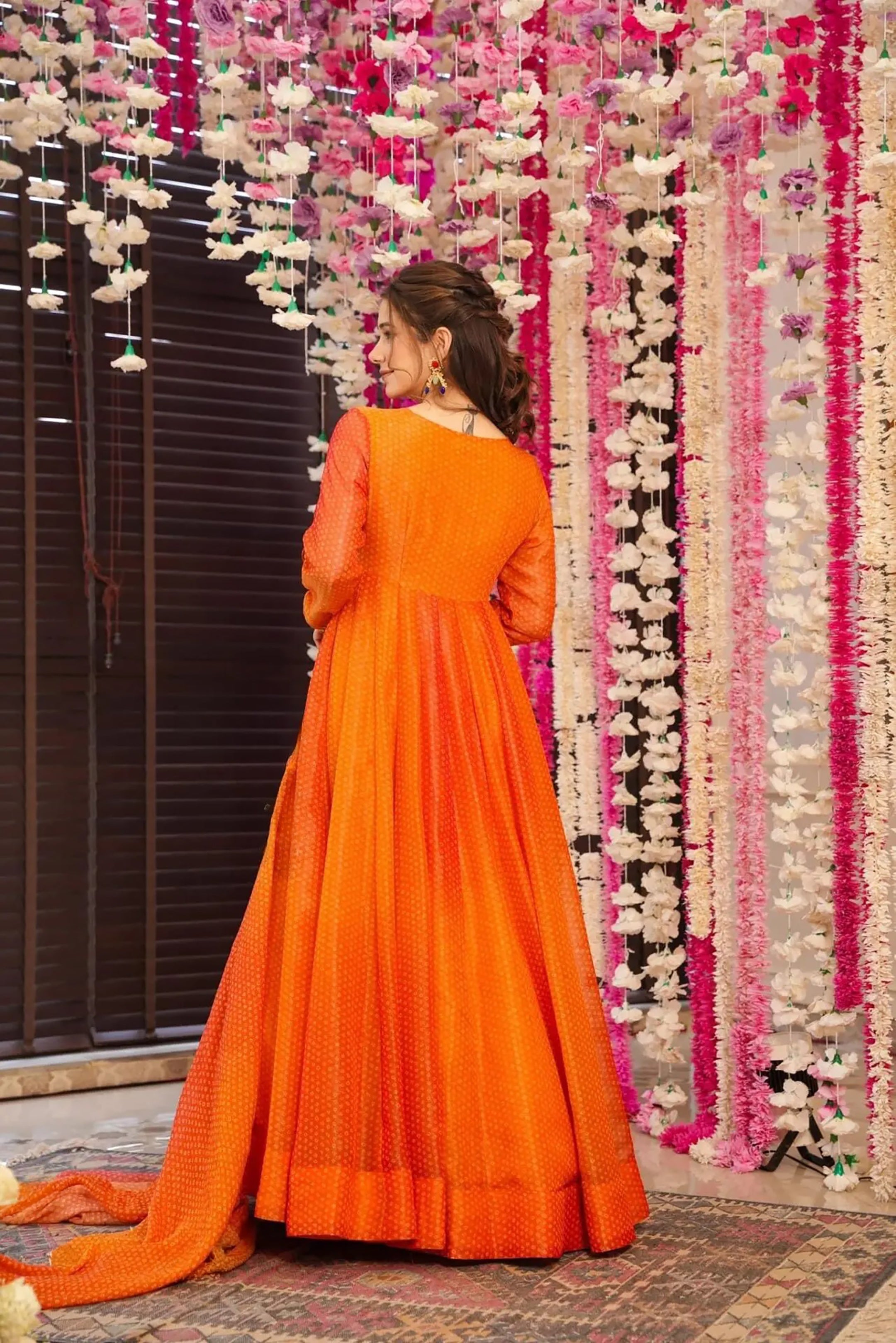

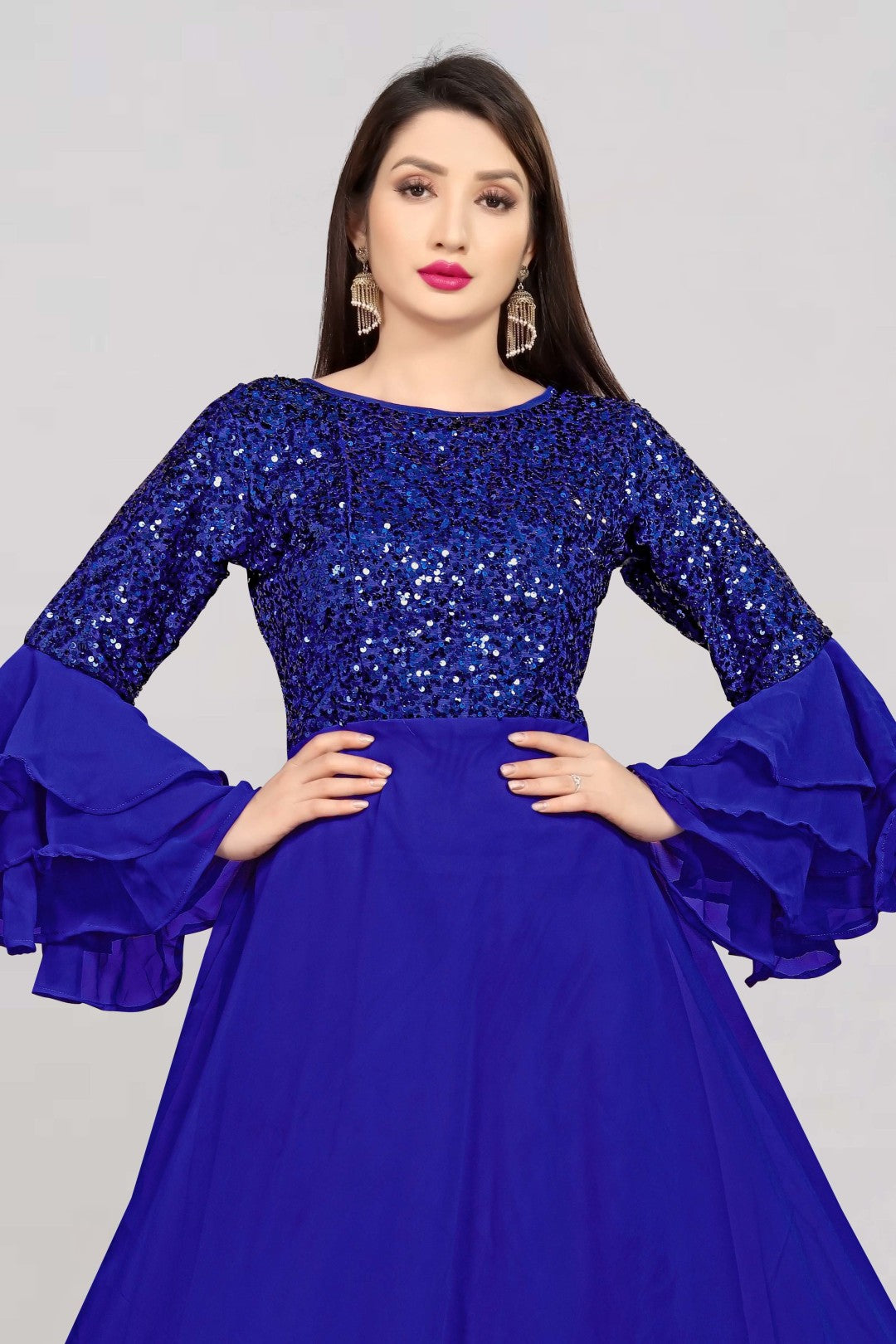

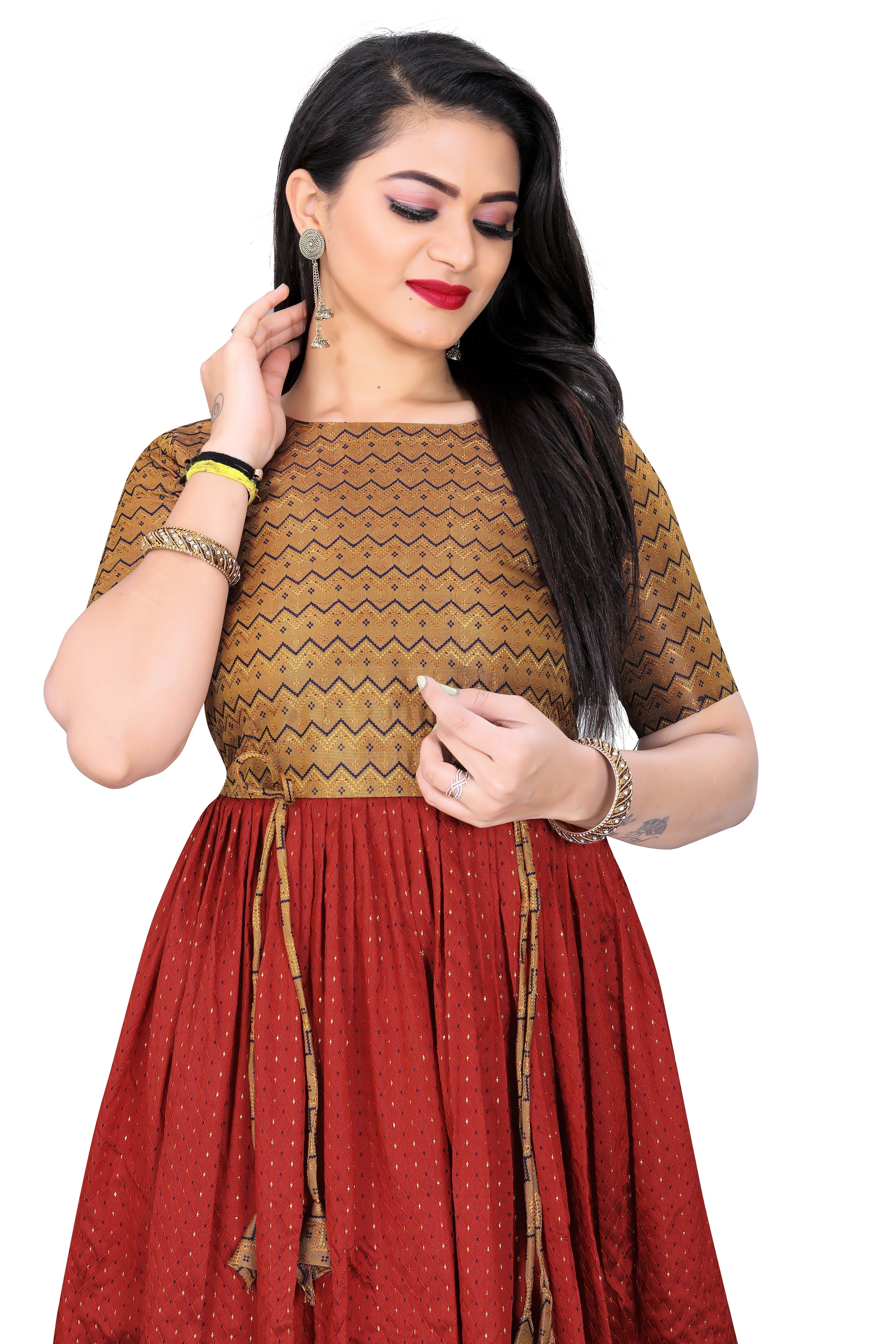

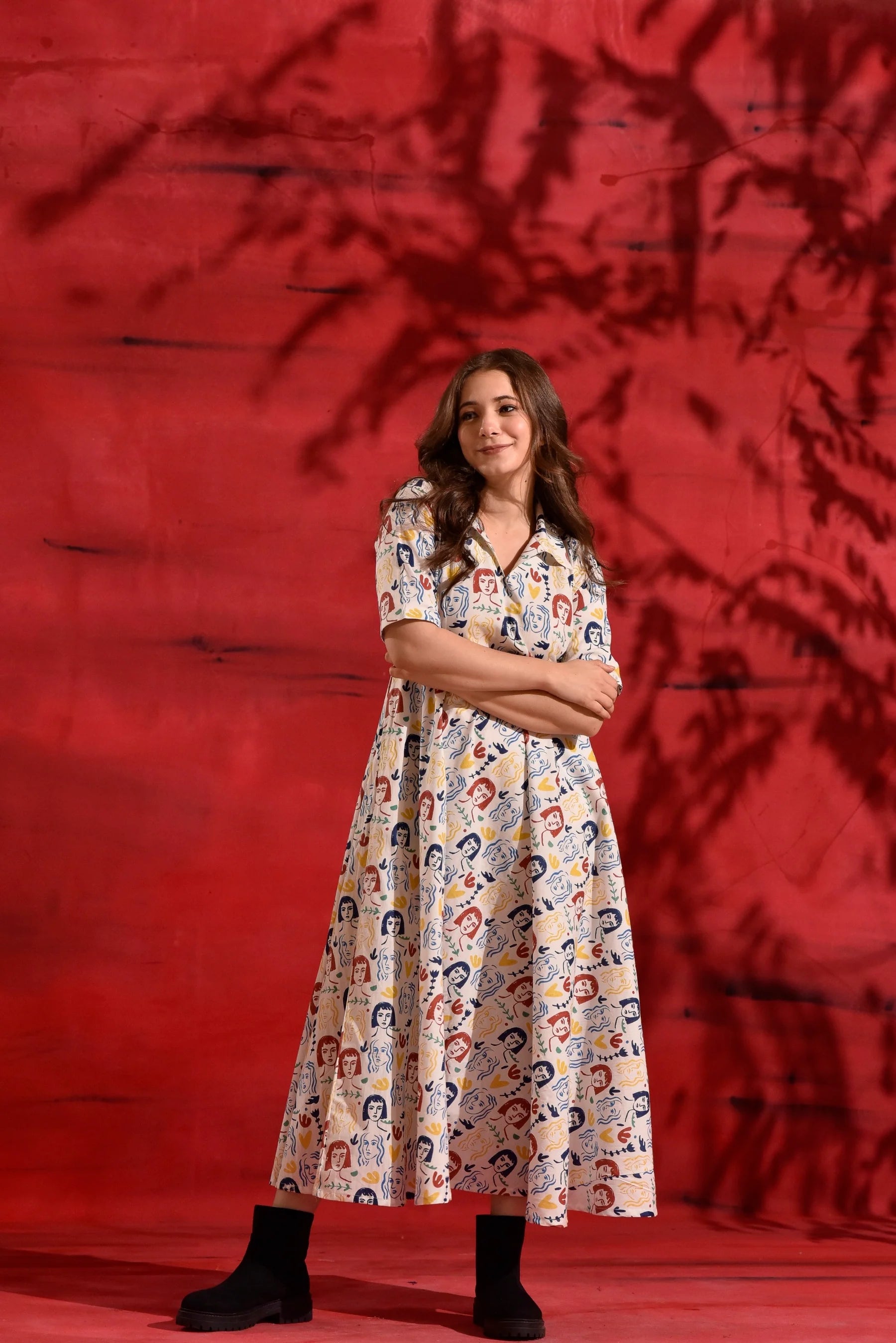

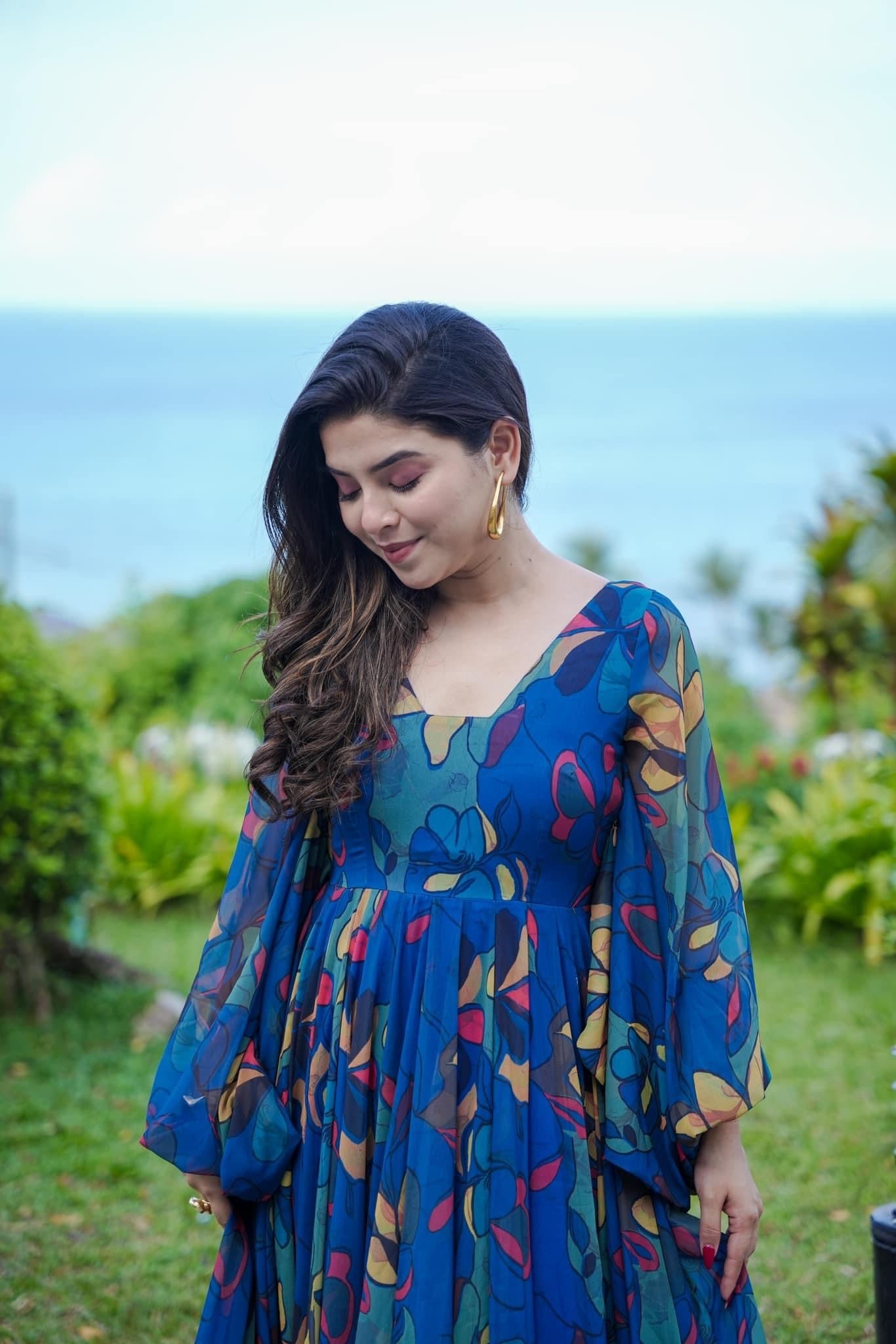

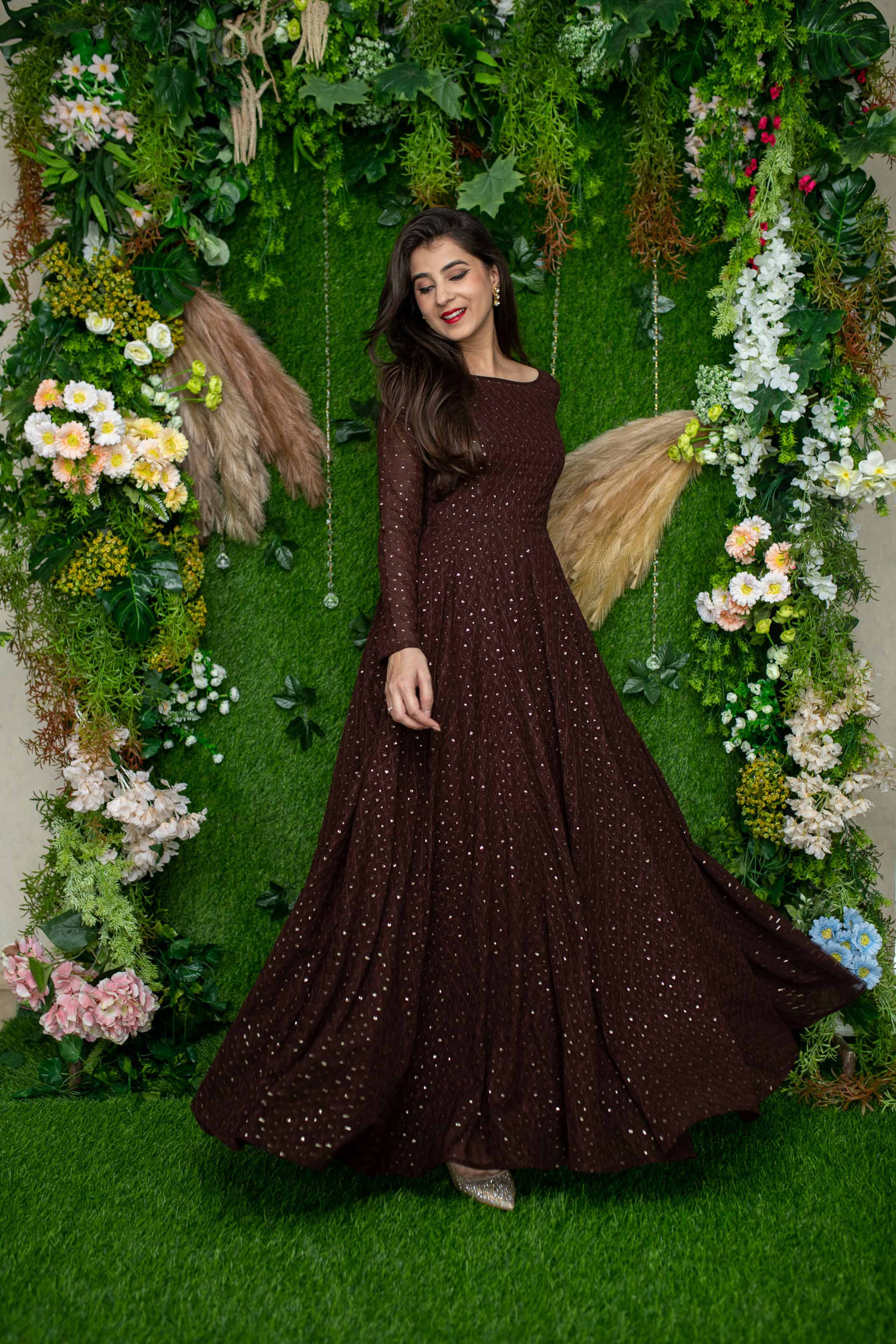


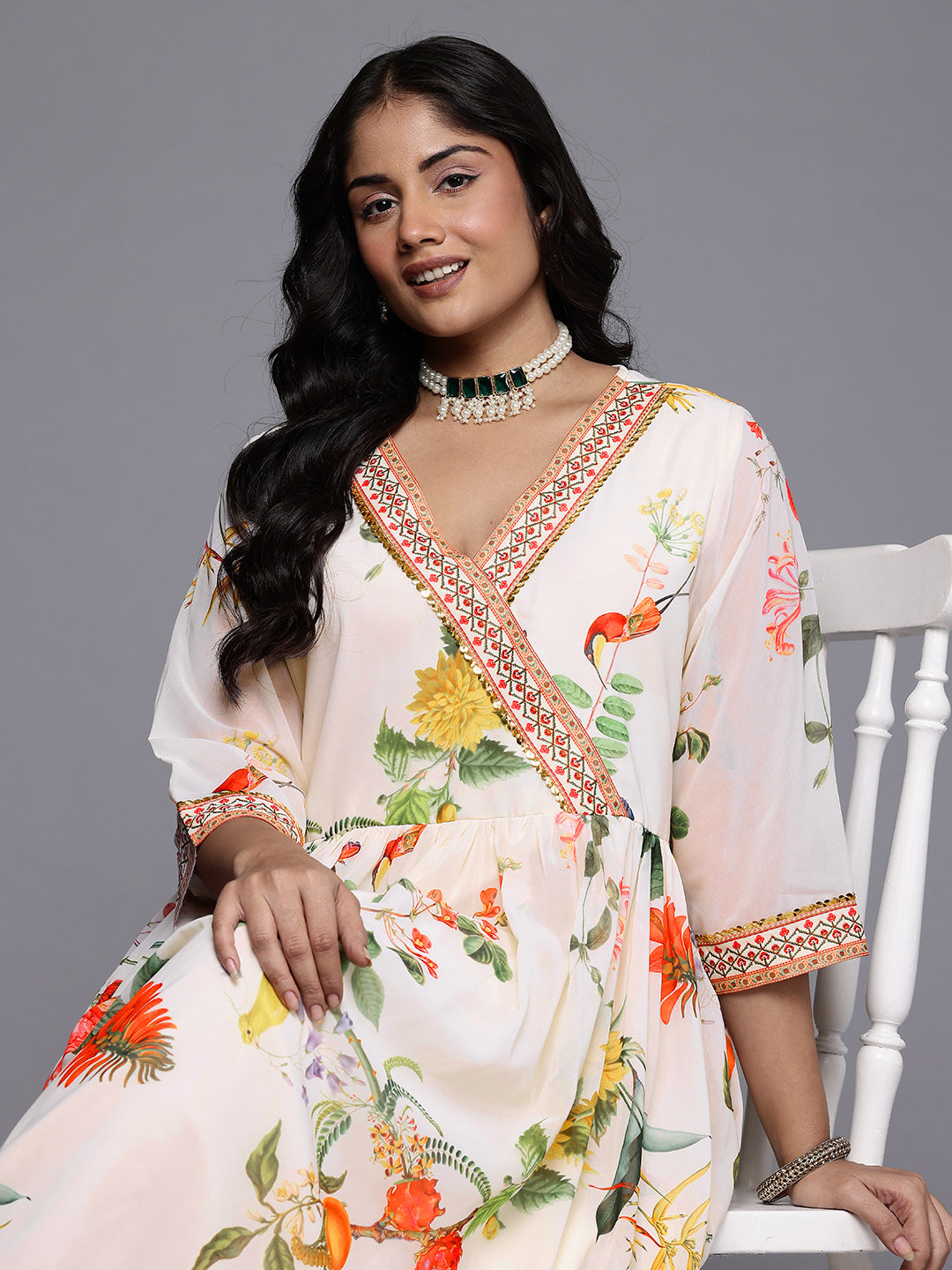

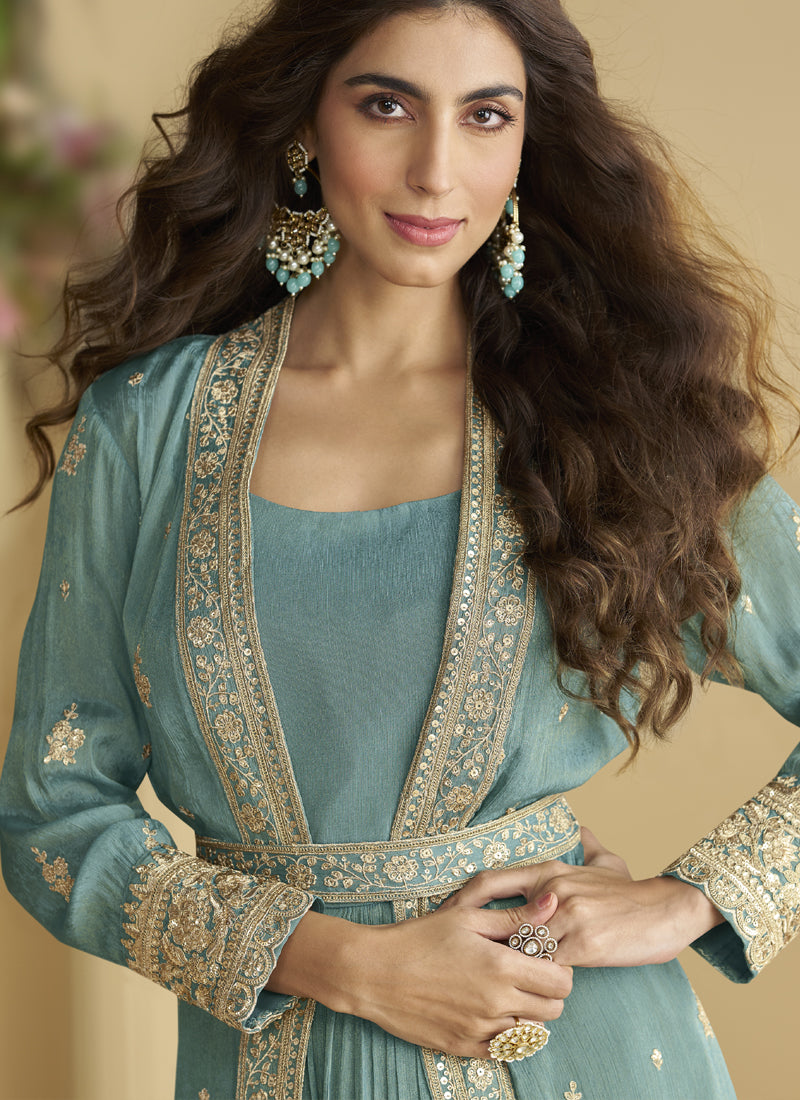


A gown is a single floor-length garment worn on its own, no separate bottom, no draping, nothing to assemble. That makes it the least complicated formal option in Indian ethnic wear, and the reason it has become the default for anyone who wants to look dressed without managing a dupatta or a saree drape all evening.
The range here runs from printed cotton and rayon gowns for daytime through embroidered georgette, chinon silk and net for weddings and receptions. Sizes span XXS to 7XL depending on the label, with made-to-measure available on selected pieces.
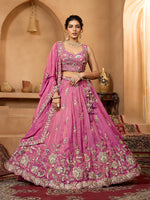
Gown, Anarkali or Dress?
These get grouped together and the distinction is genuinely useful when shopping, because it decides what else you need to buy.
|
Garment |
What it is |
How it differs |
|
Gown |
One floor-length garment, worn on its own |
— |
|
Flared kurta with a bottom and dupatta |
Three pieces; a bottom is worn underneath |
|
|
Separate skirt, choli and dupatta |
Skirt and top are separate garments |
|
|
Usually knee to ankle length |
Shorter, and cut for daily wear |
|
|
Loose, unstructured, no waist shaping |
Relaxed rather than formal |
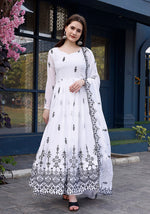
The confusion worth resolving is between a gown and a floor-length anarkali. They look similar in photographs, but an anarkali is a kurta worn over a separate bottom and paired with a dupatta three pieces. A gown is one garment with nothing underneath and usually no dupatta, though some sets include a matching shrug, jacket or dupatta as a second piece.
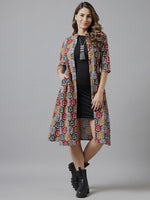
Against a dress, the difference is length and intent. Dresses in this range run knee to ankle and are cut for daily and office wear. Gowns are floor length and cut for occasions.
Silhouettes
|
Silhouette |
How it sits |
Best for |
|
A-line |
Fitted bodice, flares gently from the waist |
The most wearable across occasions |
|
Anarkali gown |
Fitted yoke, full flare from below the bust |
Festive events, most movement |
|
Flared |
Full sweep through the skirt |
Receptions, photographs |
|
Panel |
Vertical fabric panels joined down the body |
Structure without added weight |
|
Overlap |
Wrapped front panel |
Contemporary, adjustable at the waist |
|
Straight |
Falls close to the body |
Lightest and least bulky |
A-line is the most practical all-round cut, enough shape to read formal, enough room to sit through a dinner. Anarkali gowns carry the most flare and move dramatically, which photographs well and suits events involving dancing. Panel gowns build structure from joined vertical sections rather than from weight, so they hold their shape without becoming heavy. Straight and overlap cuts sit closest to the body and are the easiest to wear in warm weather.
Neckline does most of the work in setting the register. V-necks and round necks are the most versatile. Boat necks read formal and leave the collarbone clear, which suits statement earrings over a necklace. Deep or plunging cuts are uncommon in this range — most gowns here are cut with moderate coverage.
Sizing of Our Gowns
Three different sizing systems appear in this collection, which is worth knowing before you order.
Most labels use letter sizing, running XXS or XS through to 7XL depending on the brand. Some use numeric sizing instead of 32, 34, 36 up to 46 which refers to bust measurement in inches rather than a dress size. A 36 in that system means a 36-inch bust, not a US 36.
A few labels offer a made-to-measure option, shown as a custom size among the size choices on the product page. That is worth using if you sit awkwardly between sizes, since the bodice on a gown is fitted and there is less tolerance than in a flared kurta. Extended sizing is grouped in the plus size collection.
Because the bodice is the fitted part, size to your bust measurement and check the chart on the individual product page. Sizing is not standardised across the independent labels stocked. Anarkali and flared gowns are the most forgiving below the bust; straight and overlap cuts need the waist and hip to fit as well.
Length is the measurement most often overlooked. Gowns are cut to a standard length that assumes a heel, so check the stated length against your height and decide footwear before any alteration.
Fabrics of our Gowns
|
Fabric |
Character |
Best for |
|
Cotton blend and rayon |
Breathable, light, easy to wear |
Daytime and casual wear |
|
Crepe |
Matte finish, holds print sharply |
Office and semi-formal |
|
Georgette |
Fluid, moves with the body |
Long events, dancing |
|
Chiffon |
Lightest and most sheer, needs lining |
Daytime functions |
|
Silk and chinon silk |
Structured with sheen |
Weddings and evening events |
|
Taffeta and brocade |
Crisp, holds shape on its own |
Formal wear, structured skirts |
|
Net |
Sheer with volume, carries sequins |
Party and reception wear |
Georgette is the most common fabric here and the most forgiving to wear it moves well, carries embroidery without stiffening, and stays comfortable across a long event. Crepe holds print sharply and sits at the semi-formal end. Taffeta and brocade are crisp enough to hold a skirt shape without an underskirt, which is why they read structured. Net carries sequin work but is always lined, so check what the lining is made of. For heat, cotton blends and rayon are the practical choices our linen and cotton comparison covers the same trade-offs for summer fabrics.
Prints and Embroidery on our Gowns
Digital printing dominates the printed end of the range, allowing fine detail and colour gradation that block printing cannot. Traditional resist-dye techniques also appear: bandhej, which produces small tie-dyed dots, and laheriya, which produces diagonal wave stripes from rolled resist dyeing. Both are hand processes, so slight irregularity between repeats is characteristic rather than a fault.
On the embroidered side, zari work uses metallic thread, sequin work adds reflectivity for evening lighting, and chikankari is fine white-on-white shadow embroidery usually worked on lighter fabric. Work concentrated at the yoke and hem keeps a gown light and lets the skirt move; work spread across the whole body looks richer in photographs but adds noticeable weight over several hours.
Gowns with Jackets, Shrugs and Dupattas
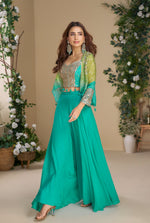
Some gowns are sold as two-piece sets with a matching jacket, shrug or dupatta. These are worth looking at for three reasons: the second piece covers the shoulders and arms where the gown does not, it comes off if a venue gets warm, and it gives the outfit two distinct looks from one purchase. Jacket gowns in particular read considerably more formal with the jacket on. Separate dupattas and jackets can also be added to a plain gown to the same effect.
Shop Your Gowns by Occasion
Gowns for Weddings and Receptions
Embroidered georgette, chinon silk or net in a flared or anarkali cut. A gown is considerably easier to move in across a long function than a lehenga, which makes it a practical choice for guests. Avoid deep red with heavy gold at North Indian weddings, where that combination is traditionally bridal, and our guide to what to wear to an Indian wedding covers expectations function by function.
Gowns for Festivals
Lighter embroidery in georgette or crepe, cut to stay wearable across long family gatherings. Festive wear covers the wider seasonal range and Diwali outfit ideas has styling direction.
Party Gowns and Evening Gowns
Sequin, net and darker jewel tones photograph best under artificial light. Panel and straight cuts read more contemporary than a full anarkali flare. Premium gowns groups the more worked pieces, and indo western dresses cover the fusion end.
Daytime and Everyday Gowns
Printed cotton blends and rayon in A-line or straight cuts work for daytime events, family visits and less formal workplaces. These are the gowns to buy if you want one in regular rotation rather than reserved for occasions.
How to Style Your Gowns?
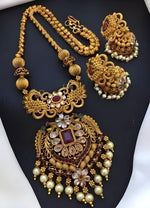
Because a gown is a single uninterrupted garment, jewellery placement matters more than quantity. A covered or high neckline leaves the ears as the only place for jewellery, jhumkas or chandbalis carry it. An open neckline leaves room for a necklace, in which case keep earrings smaller. The full jewellery range covers both.
A belt at the natural waist turns a straight or A-line gown into a defined shape without alteration, which is the cheapest way to change how one looks. For footwear, block heels are more stable than stilettos on grass and marble, both common at Indian venues, and a clutch or potli works better than a shoulder bag against a floor-length silhouette.
How to Care for Your Gown?
Cotton blends and rayon gowns can be hand washed cold and dried in shade. Rayon shrinks in warm water and loses shape if wrung, so cold water and drip drying matter more than the label sometimes suggests. Never use a dryer, heat shrinks rayon and fades printed colour faster than washing does.
Georgette, chiffon, silk, taffeta, brocade, net and anything embroidered or sequinned should be dry cleaned. Store gowns hanging on a broad hanger rather than folded: a floor-length garment folded across the skirt creases at the fold line, and those creases are difficult to press out of georgette without flattening the drape. Turn embroidered pieces inside out so surface work does not catch on other garments.
FAQs: Gowns for Women
What is the difference between a gown and an anarkali?
A gown is one floor-length garment worn on its own. An anarkali is a flared kurta worn over a separate bottom, usually with a dupatta three pieces rather than one. They look similar in photographs but differ in what you need to wear underneath.
What is the difference between a gown and a dress?
Length and intent. Dresses in this range run knee to ankle and are cut for daily and office wear. Gowns are floor length and cut for occasions, weddings, receptions, festive events and parties.
What size gown should I order?
Size to your bust measurement, since the bodice is the fitted part, and check the chart on the individual product page. Some labels use numeric sizing 32 to 46 which refers to bust in inches rather than a dress size. Sizing is not standardised across the labels stocked.
Can I get a gown made to my measurements?
Some labels offer this, shown as a custom size option among the size choices on the product page. It is worth using if you fall between sizes, since a fitted bodice has less tolerance than a flared kurta. Availability varies by item.
How do I check the length?
Gowns are cut to a standard length that assumes a heel. Check the stated length against your height before ordering, and decide what footwear you will wear before having anything altered changing heel height afterwards means the hem either drags or sits short.
Which fabric is best for a long event?
Georgette. It moves well, carries embroidery without stiffening, and stays comfortable across several hours. Crepe is the next best. Heavily embroidered net and brocade look richer but are noticeably heavier to wear for a full evening.
Are gowns appropriate for an Indian wedding?
Yes, and they are easier to move in than a lehenga across a long function. Embroidered georgette, chinon silk or net in a flared or anarkali cut reads formal enough for most ceremonies. Avoid deep red with heavy gold as a guest at North Indian weddings.
Do gowns come with a dupatta?
Some do, and some include a matching jacket or shrug instead. Most are sold as a single garment. Check the listing, since a second piece changes both how formal the outfit reads and how much coverage it gives.
How do I wash a gown?
Printed cotton blends and rayon can be hand washed cold and dried in shade, never in a dryer. Georgette, chiffon, silk, taffeta, net and anything embroidered or sequinned should be dry cleaned. Store hanging rather than folded to avoid a permanent crease across the skirt.
Where can I find new gowns?
New arrivals updates as each label delivers. Pieces in the express range dispatch within 48 hours for US orders, with tariffs and duties covered.