
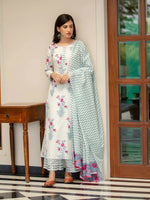
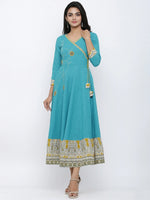
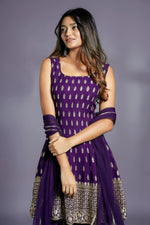
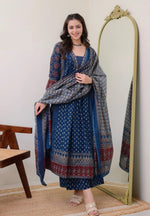

Anarkali Kurta Sets for Women | XXS to 6XL - Trendia

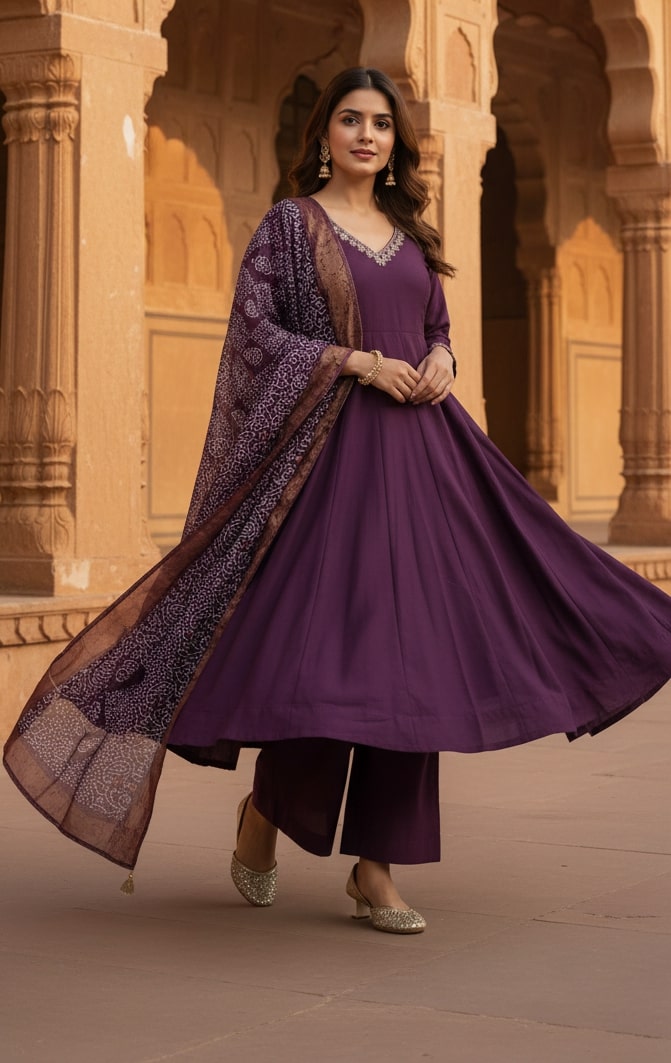


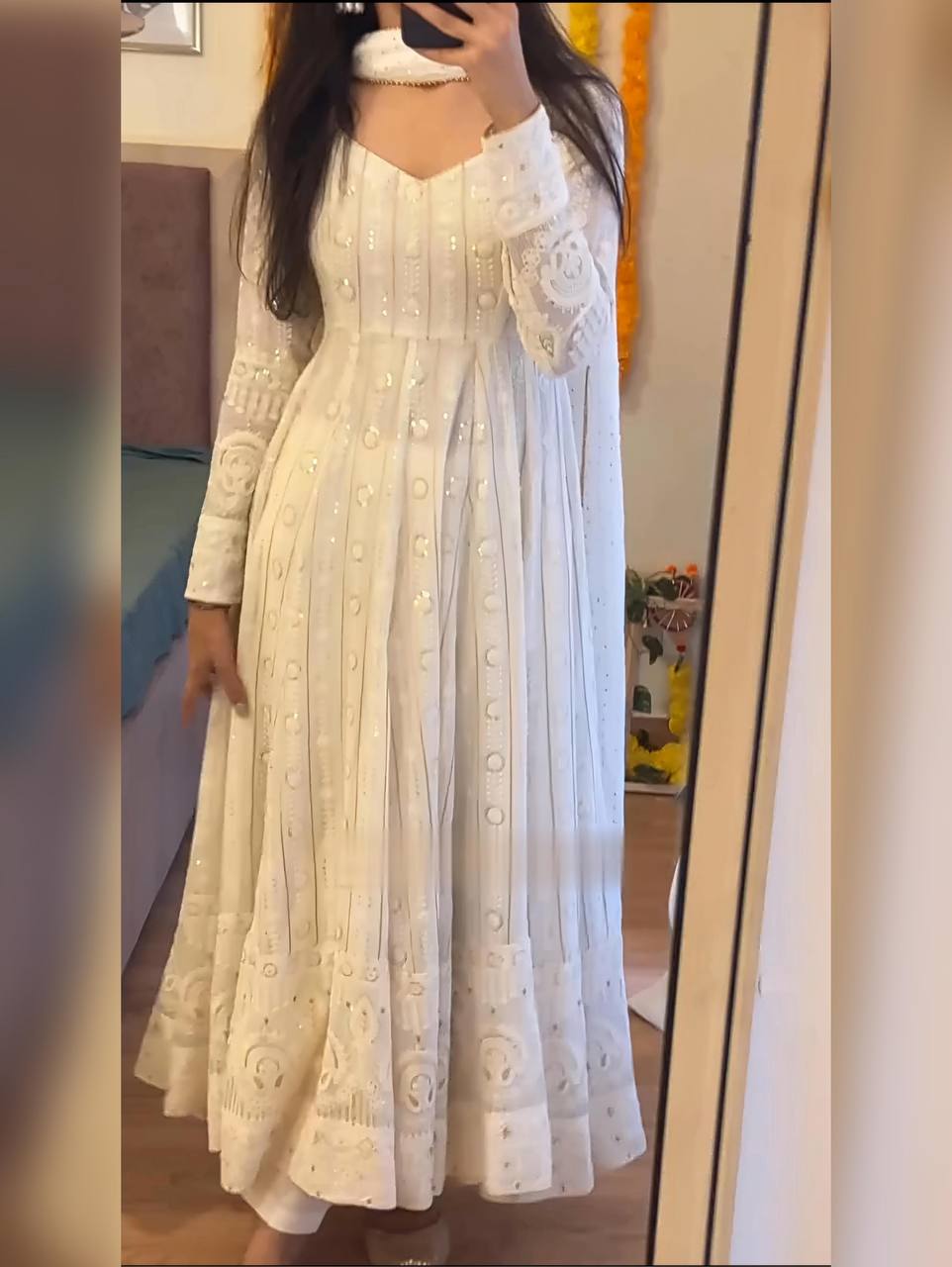

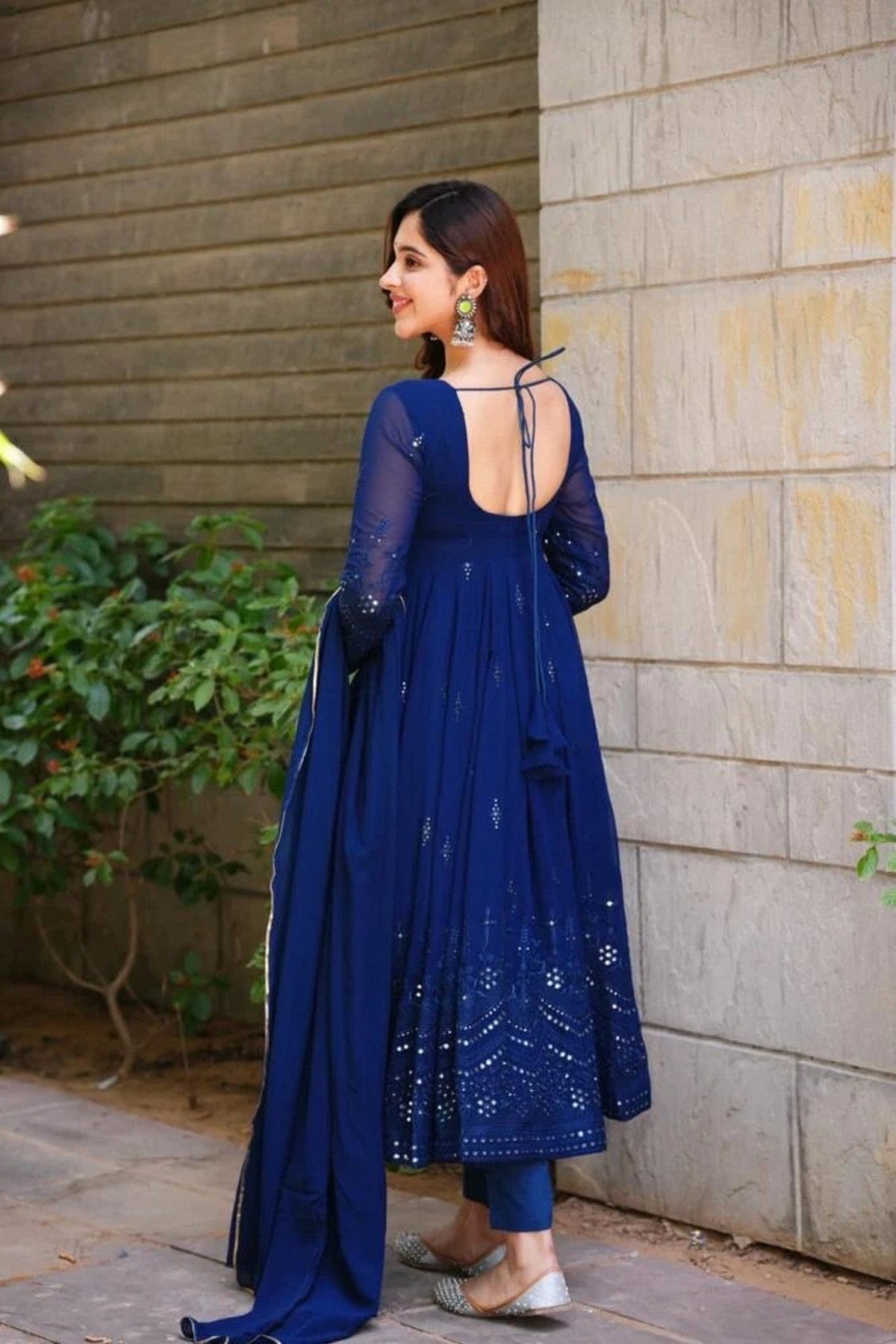

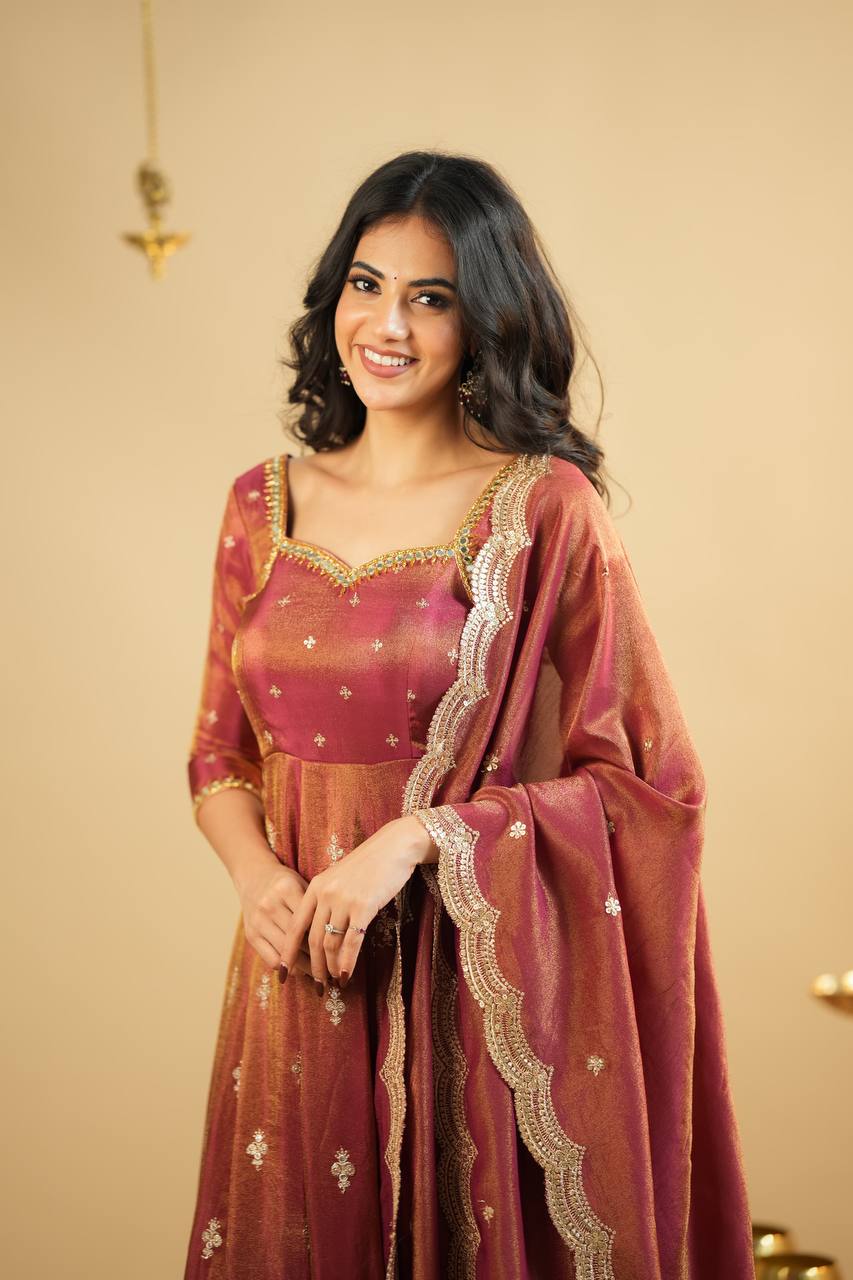


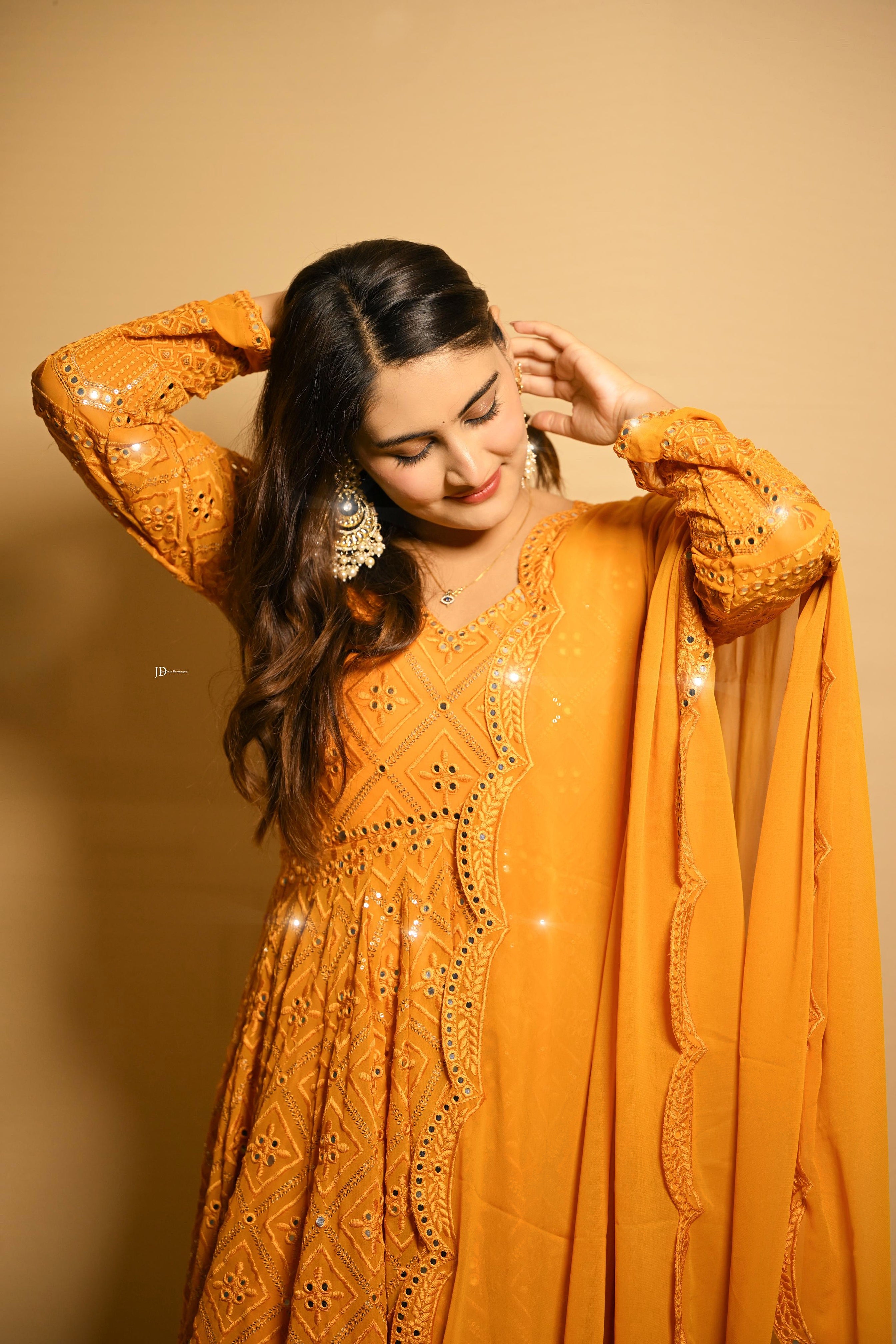

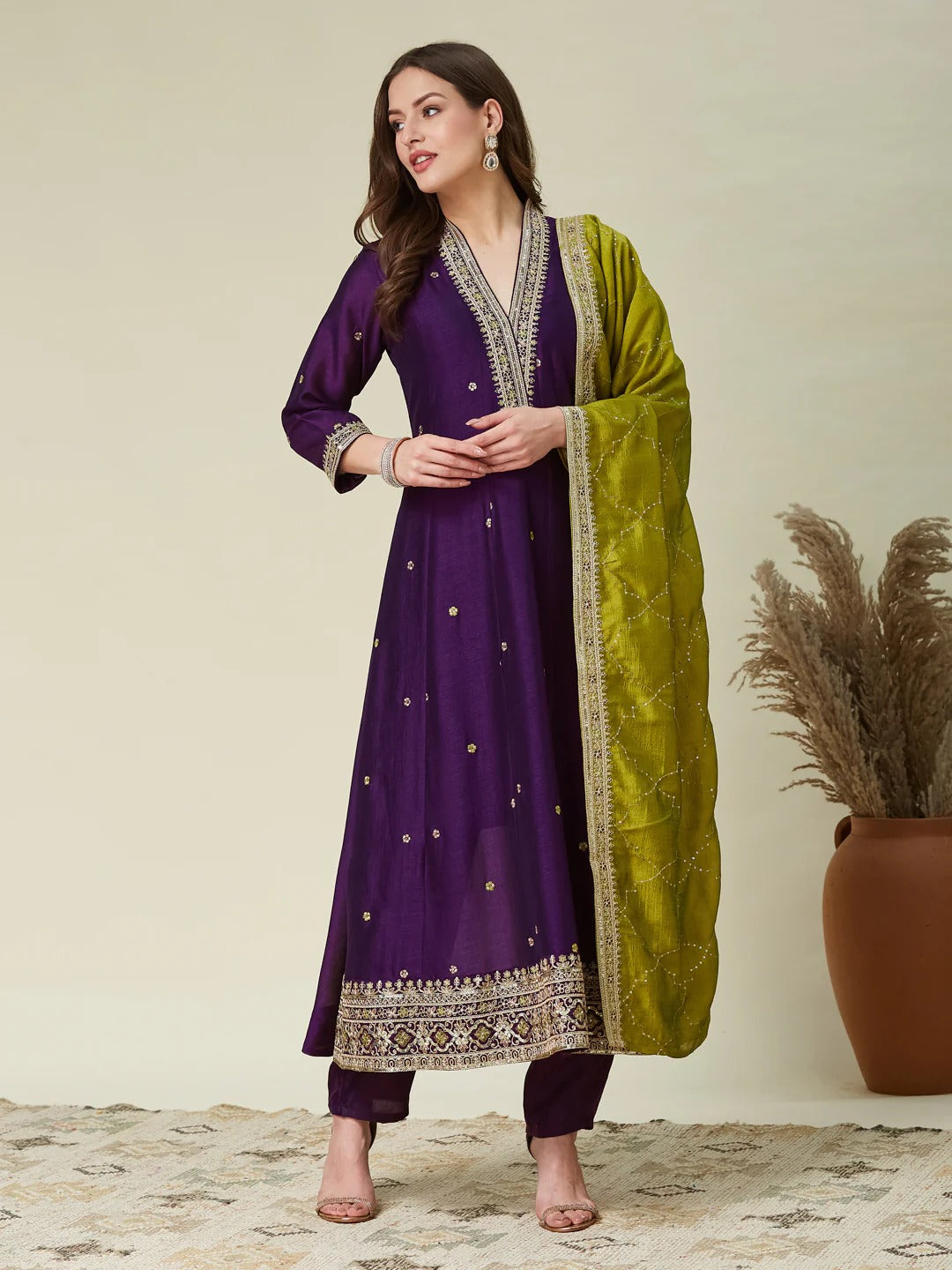

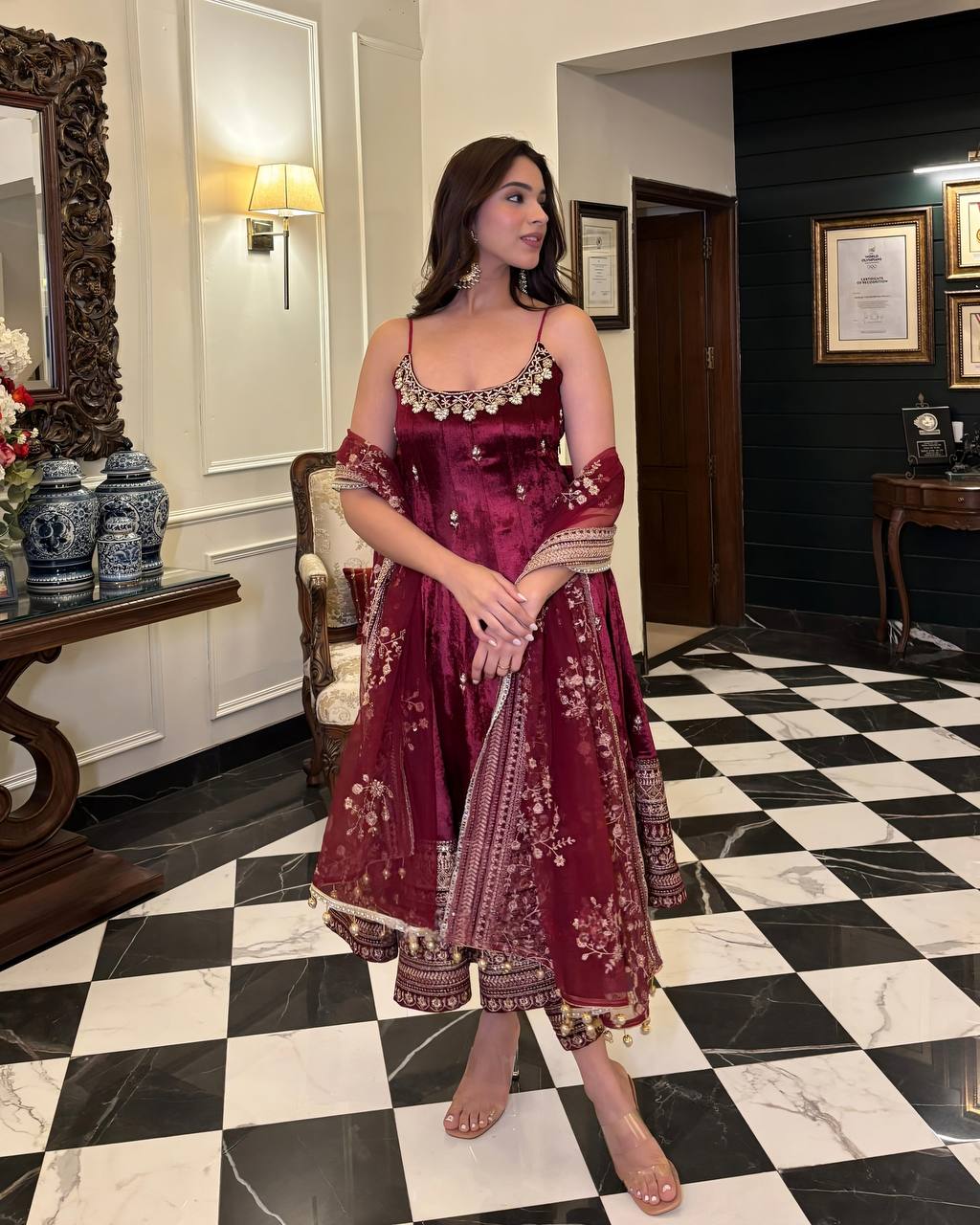

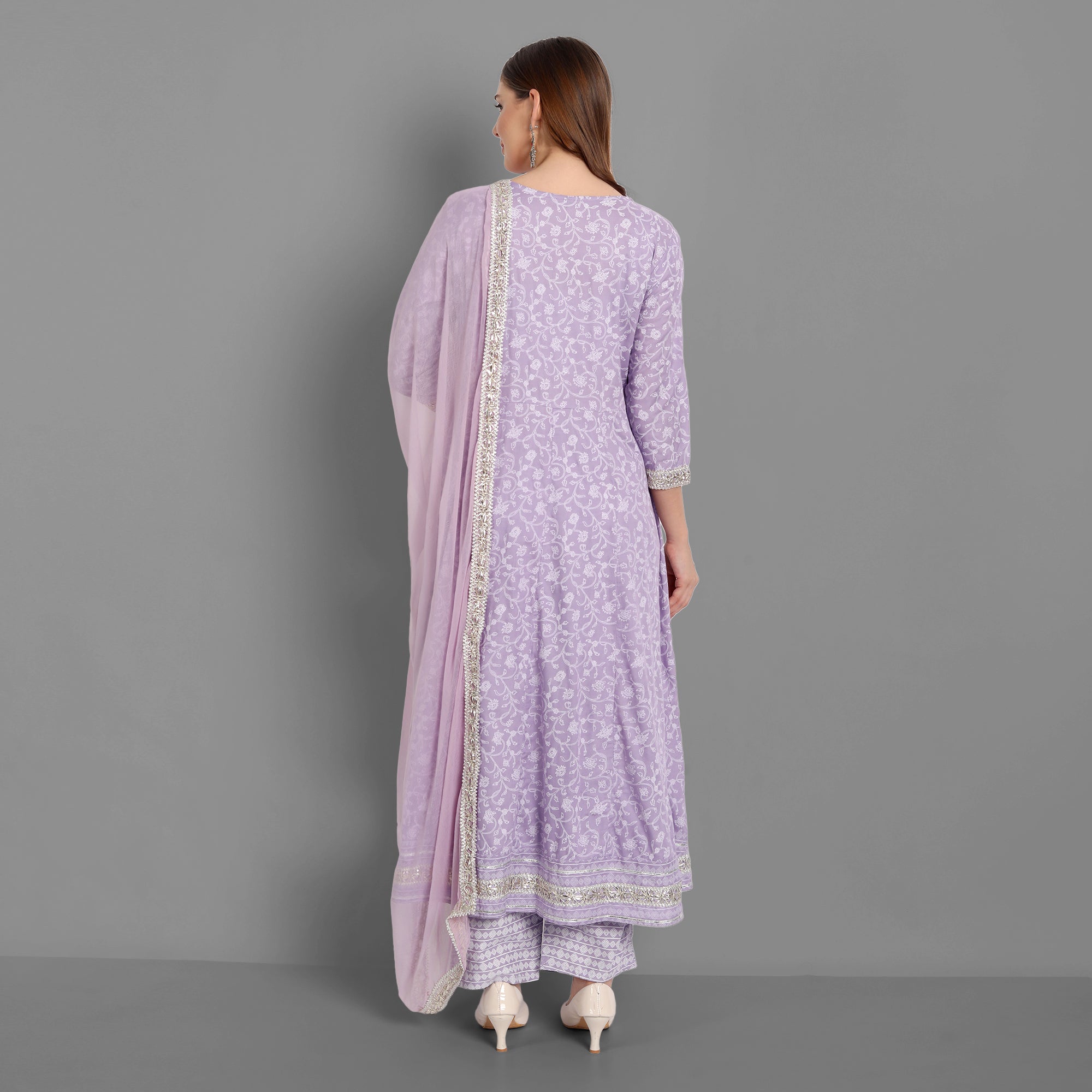

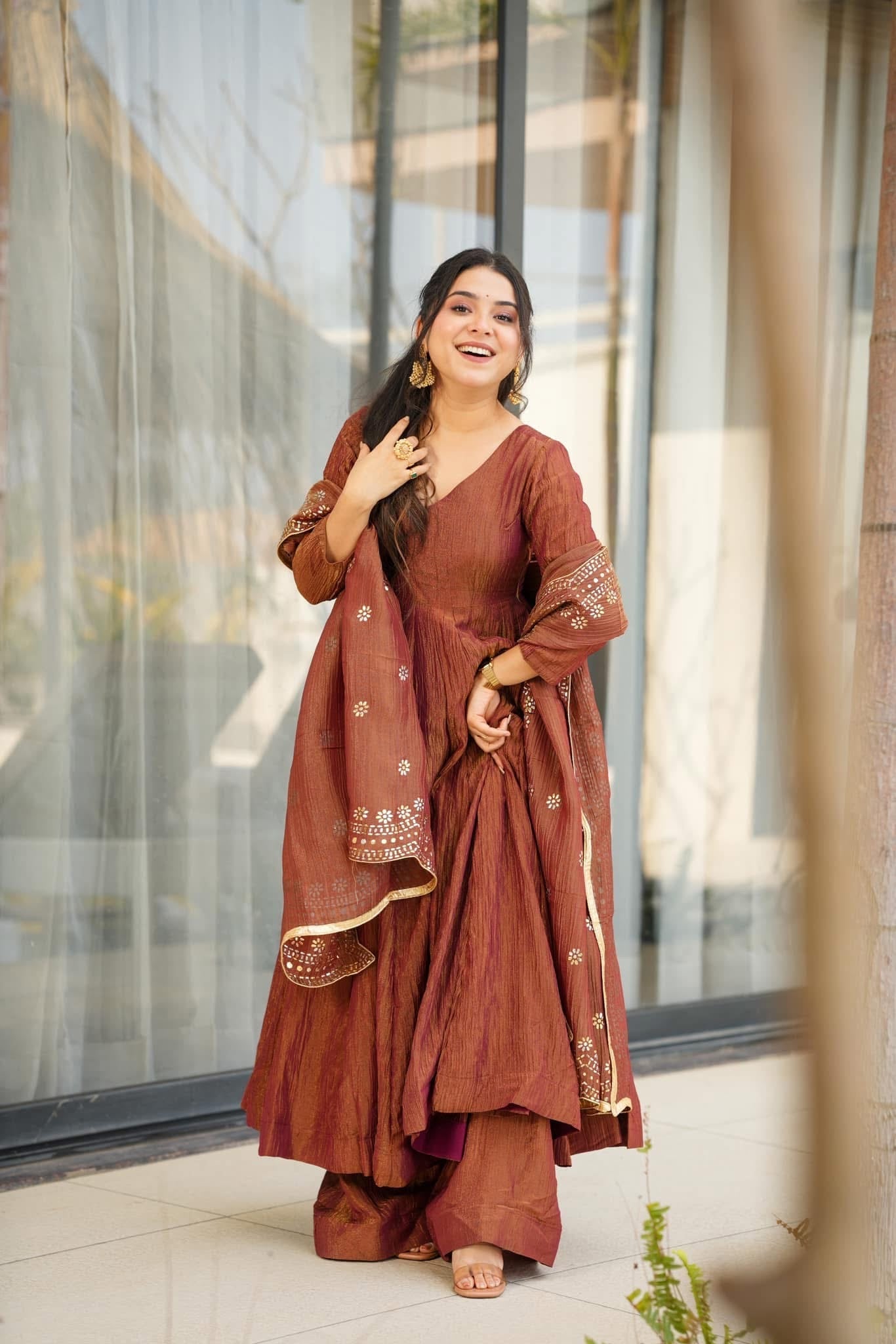


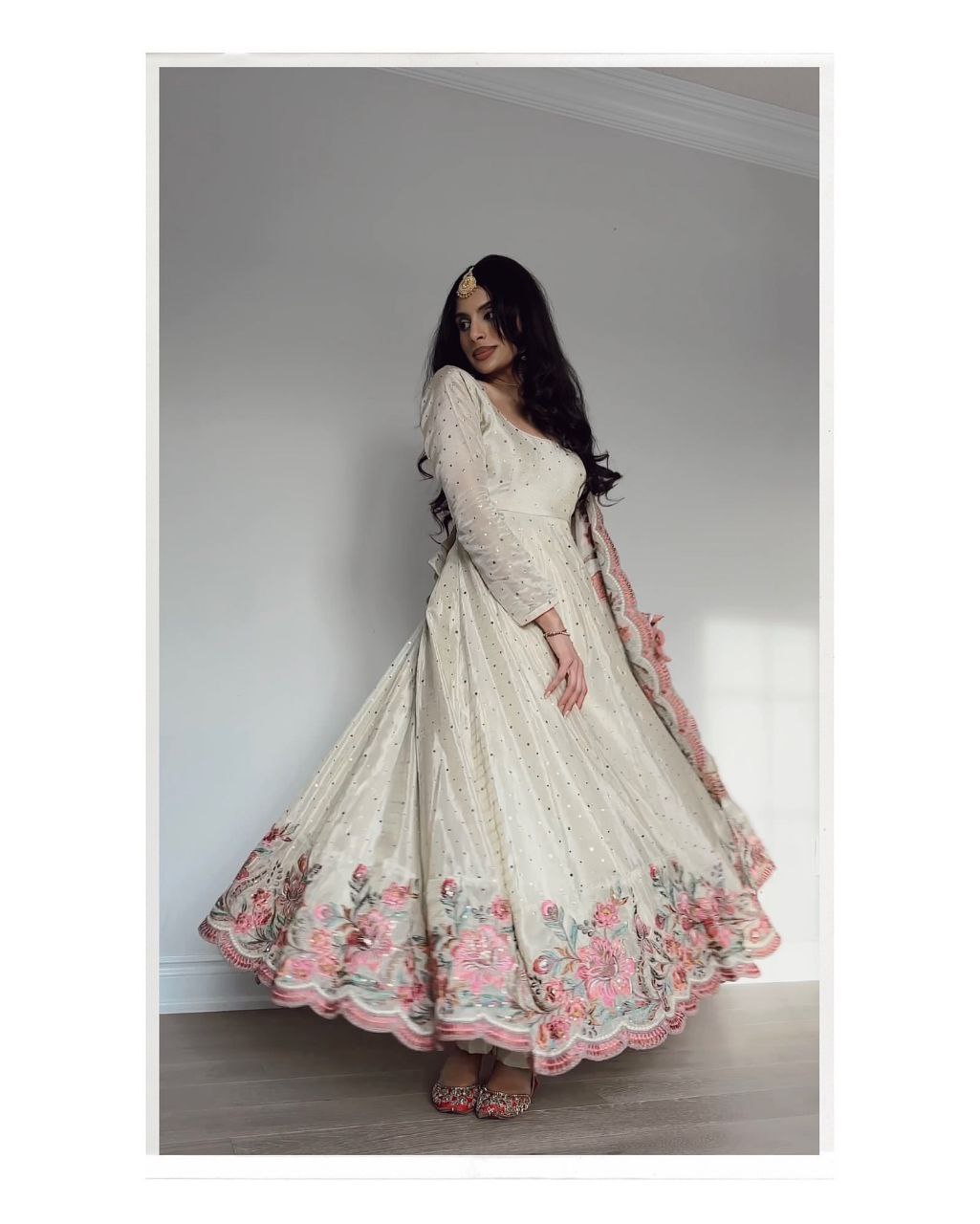

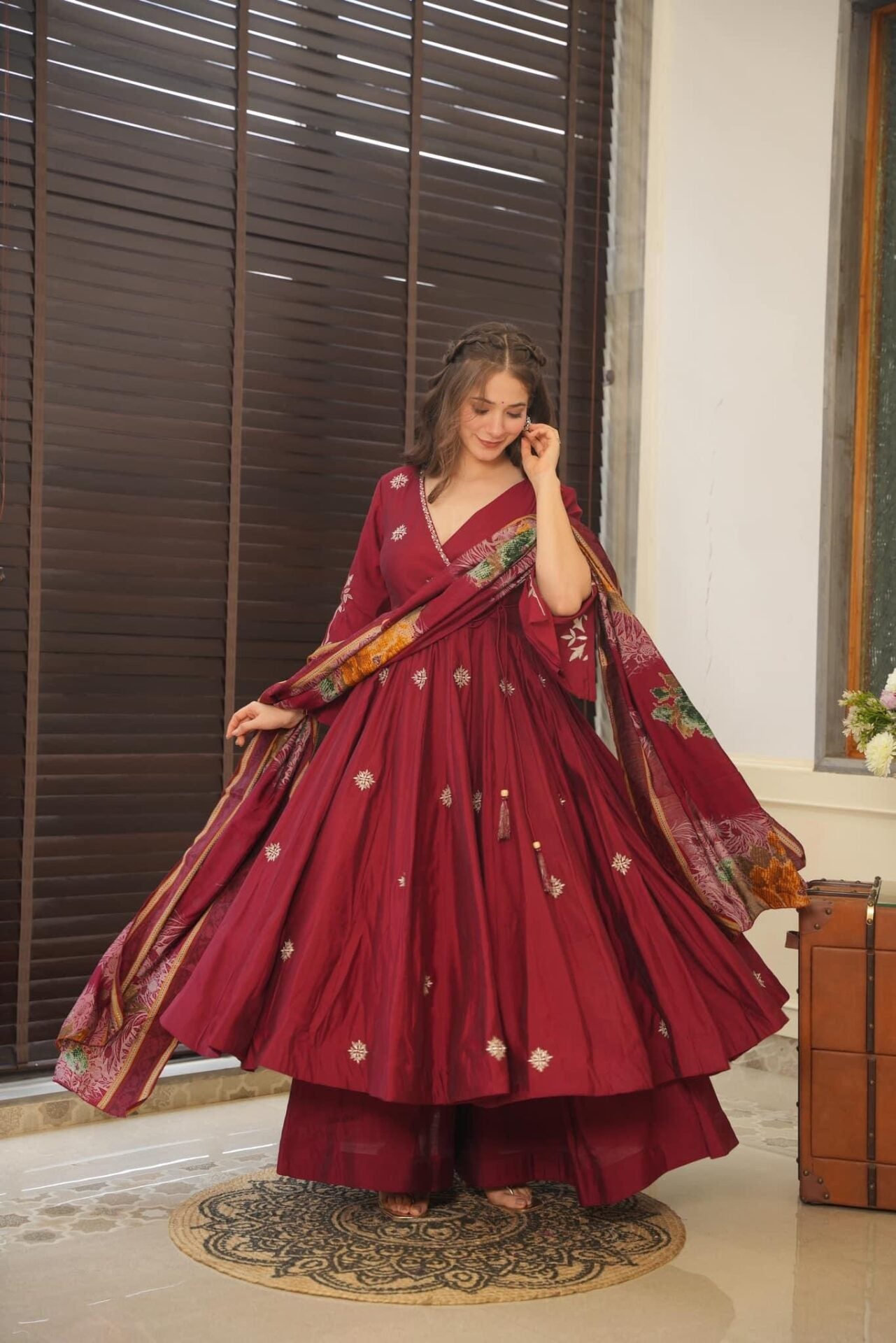


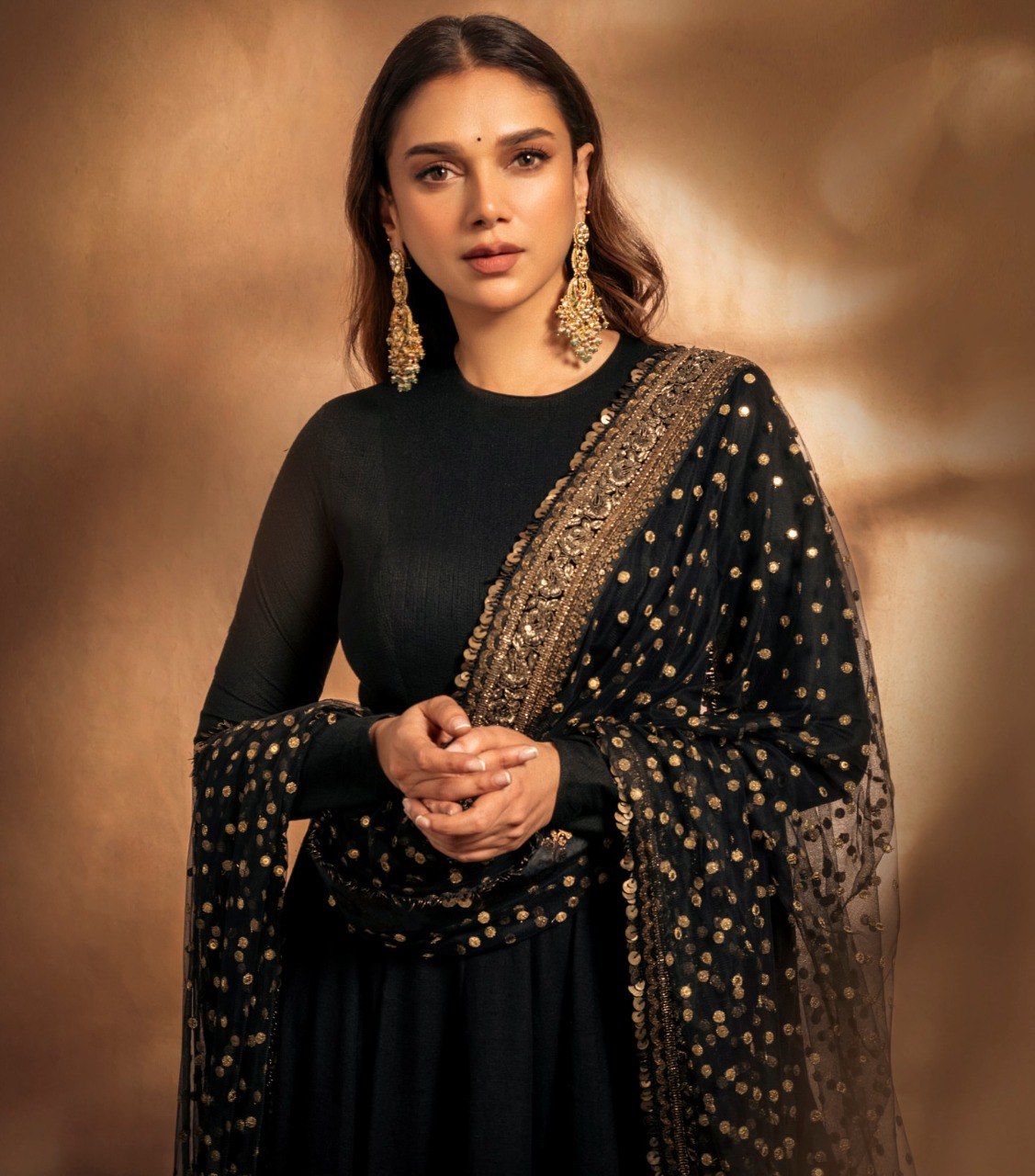

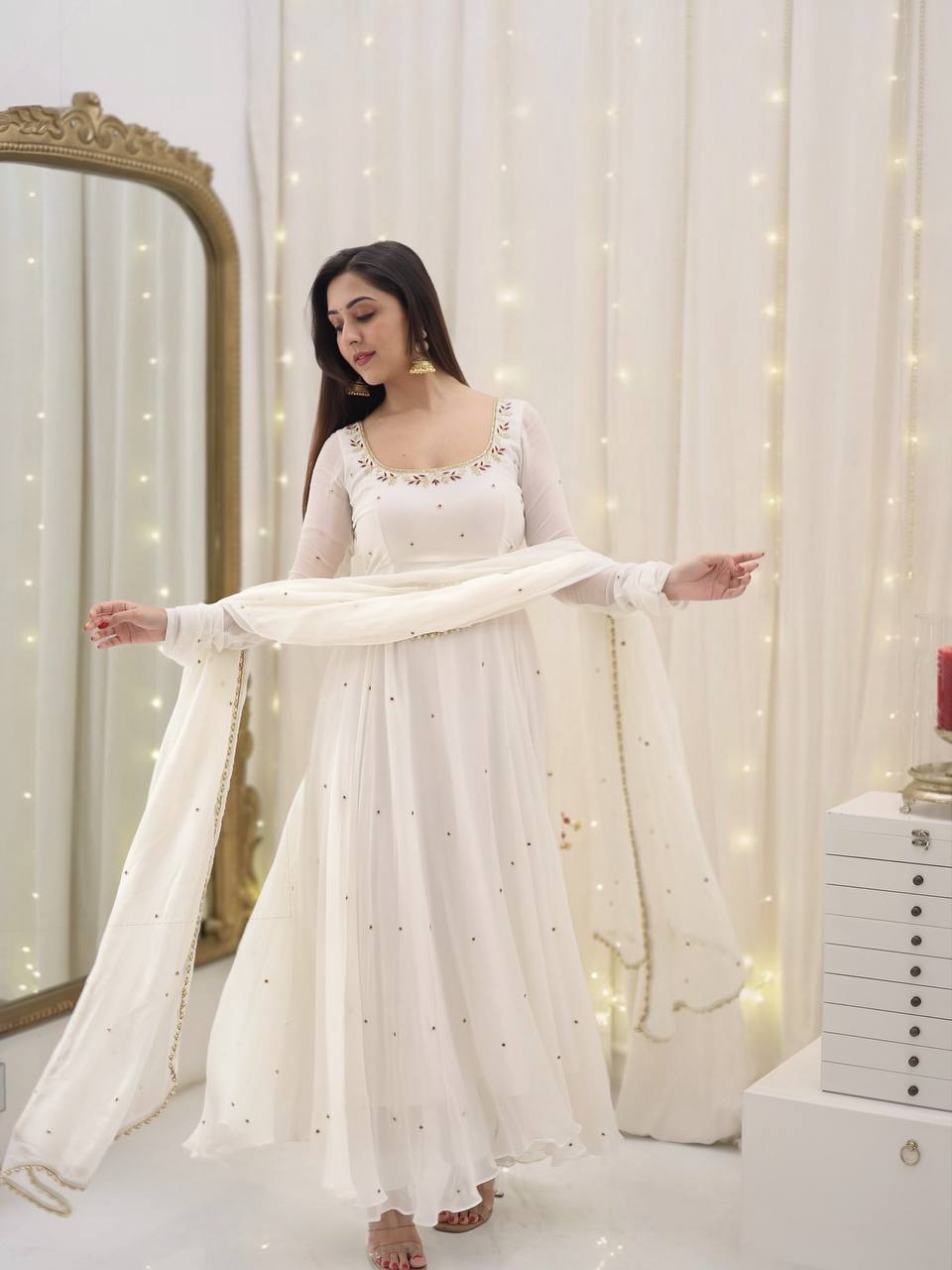

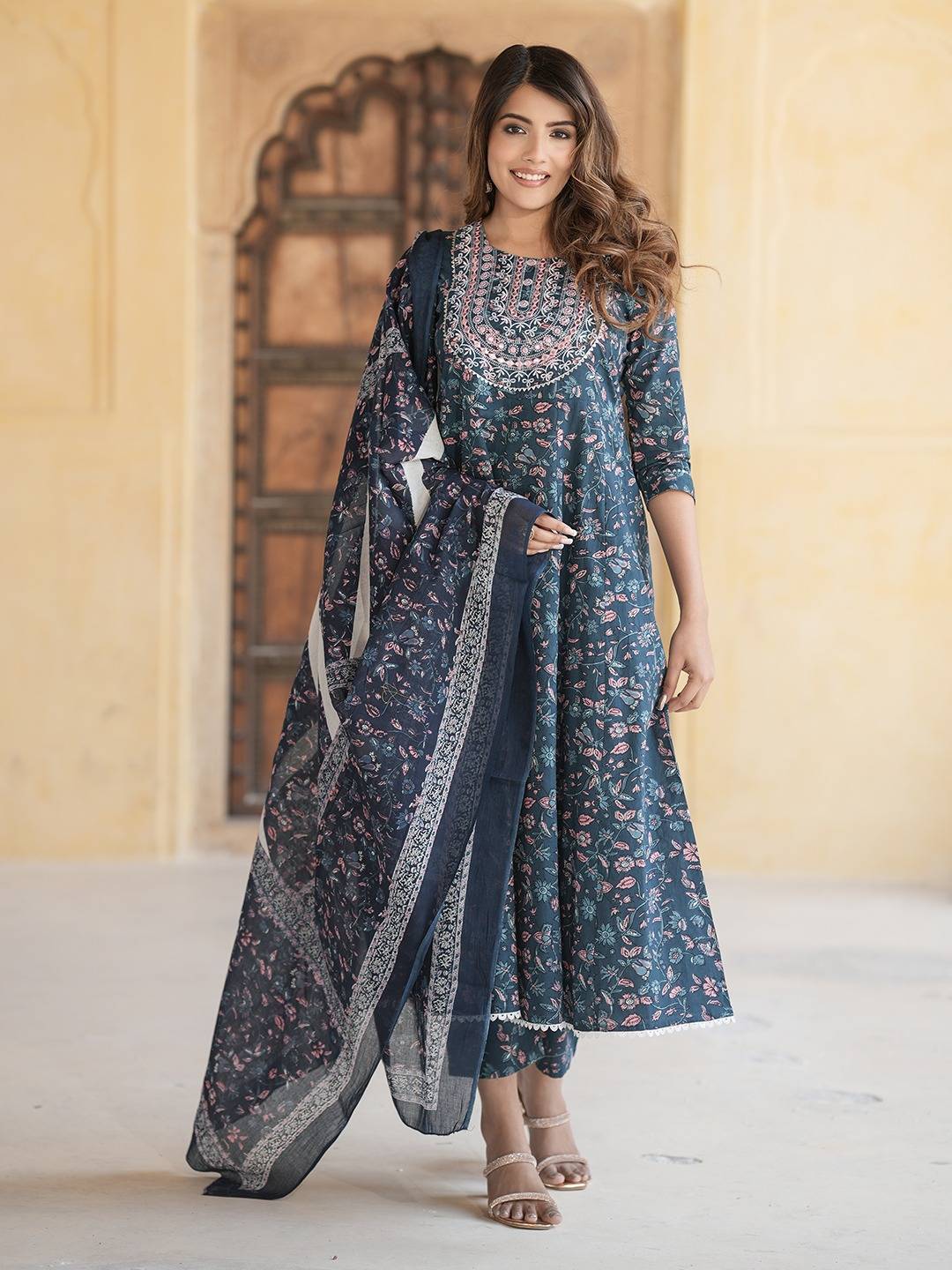

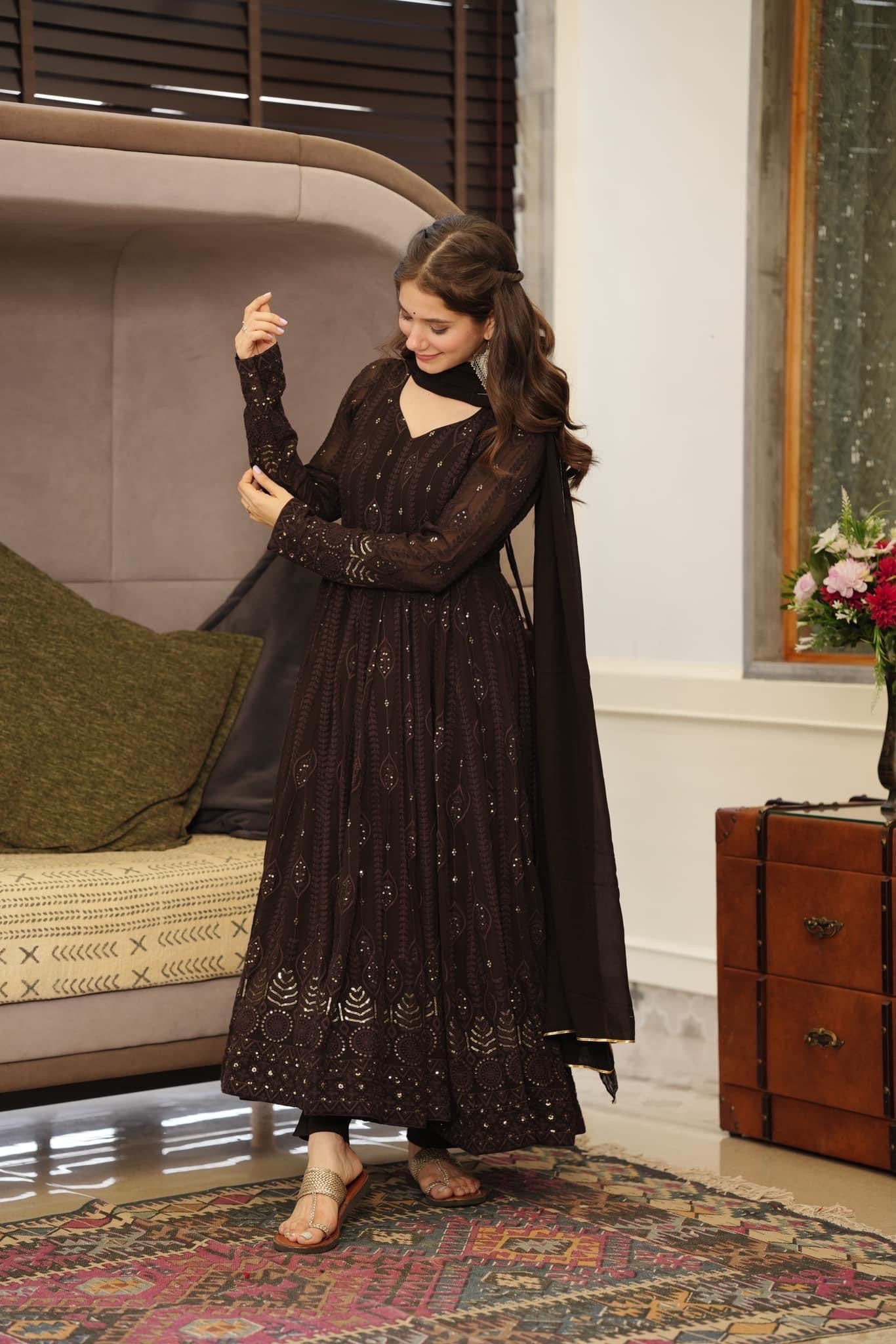

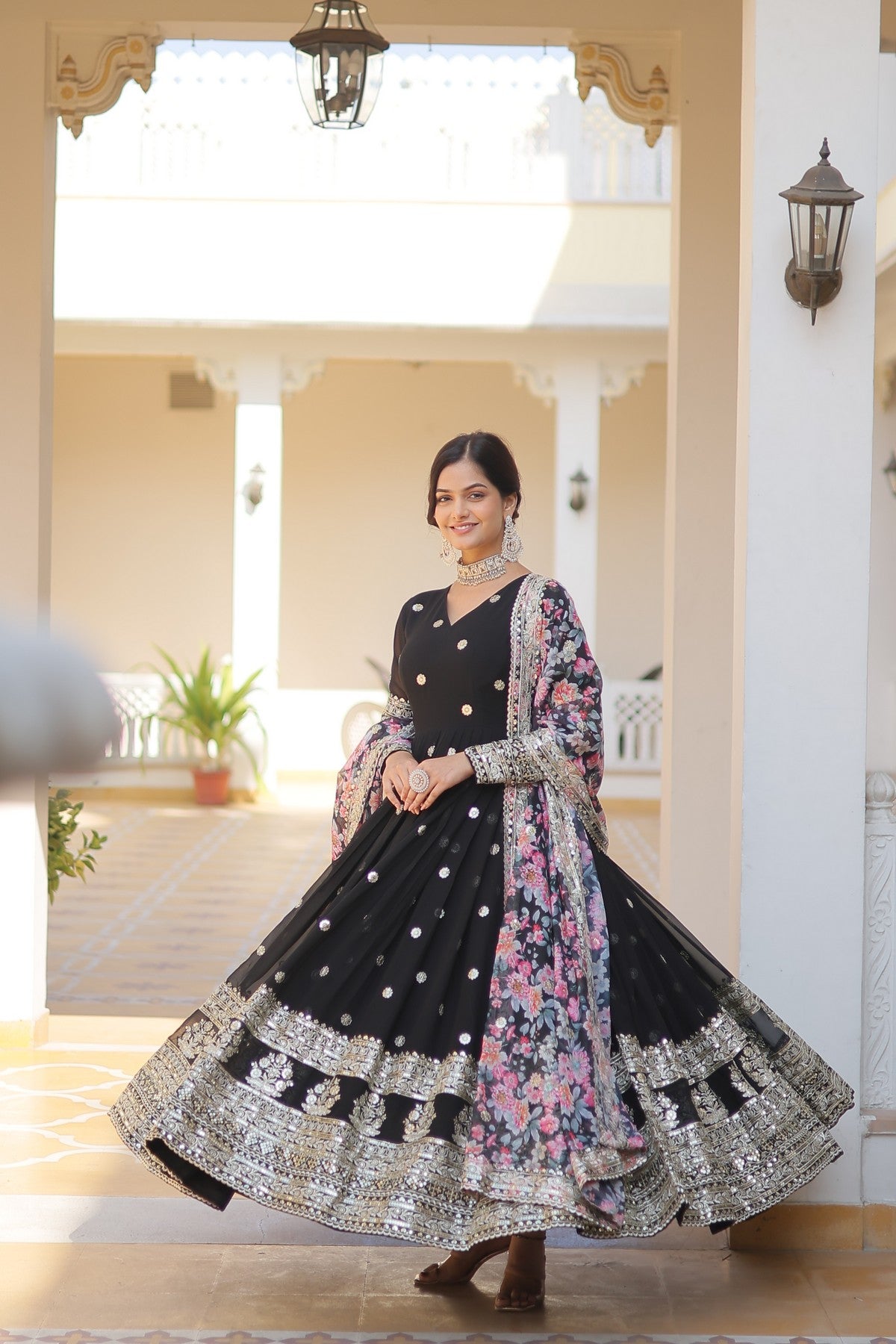


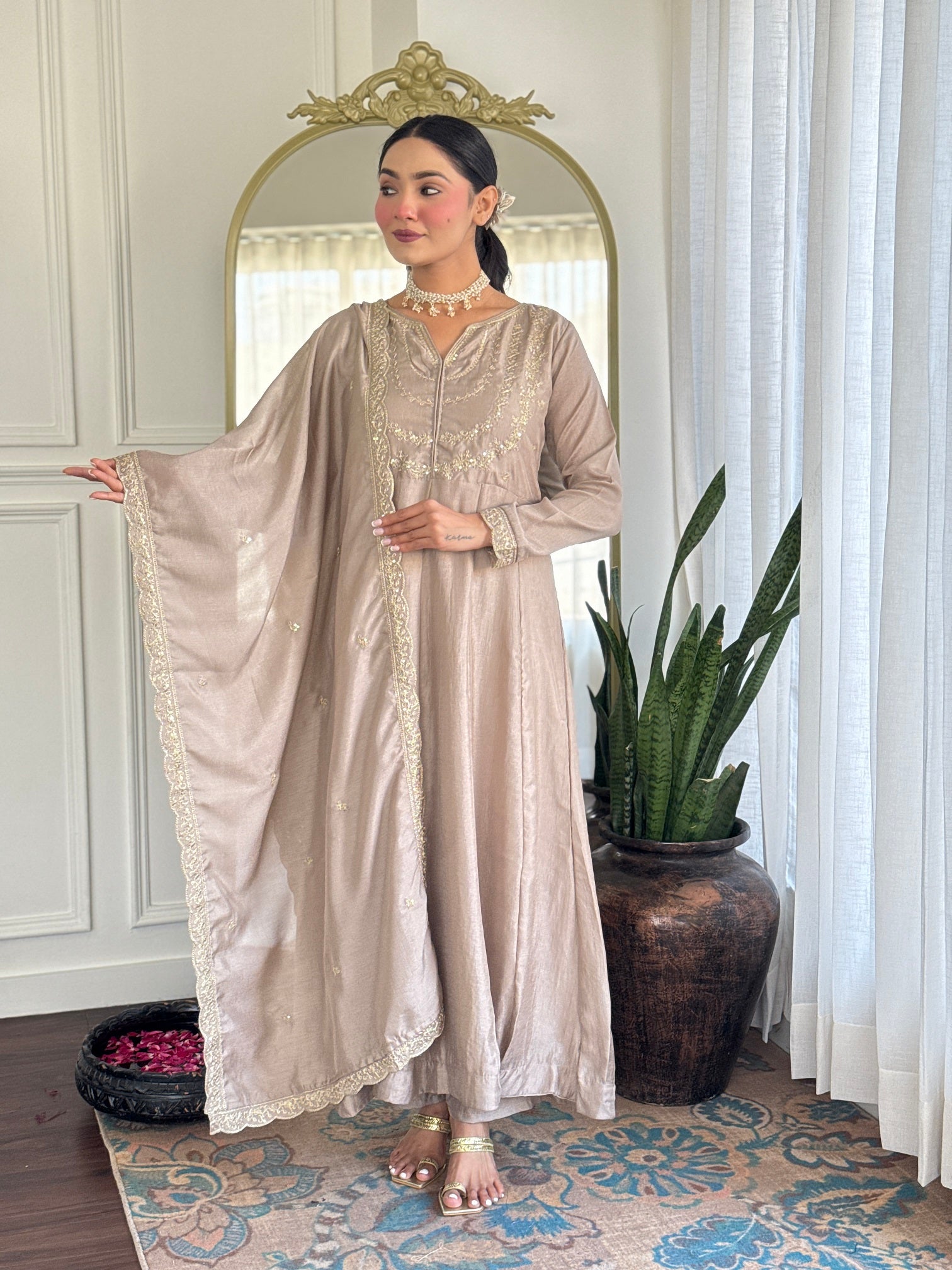

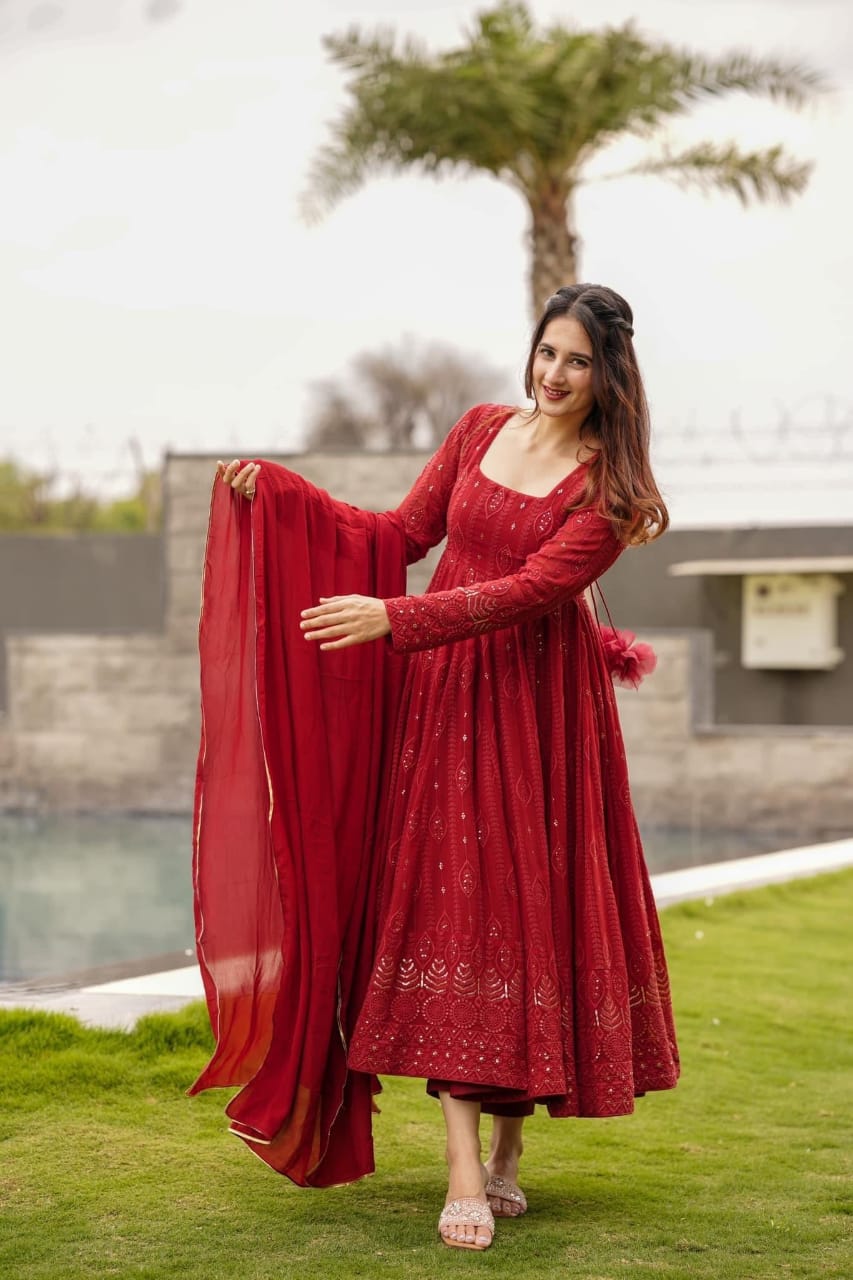

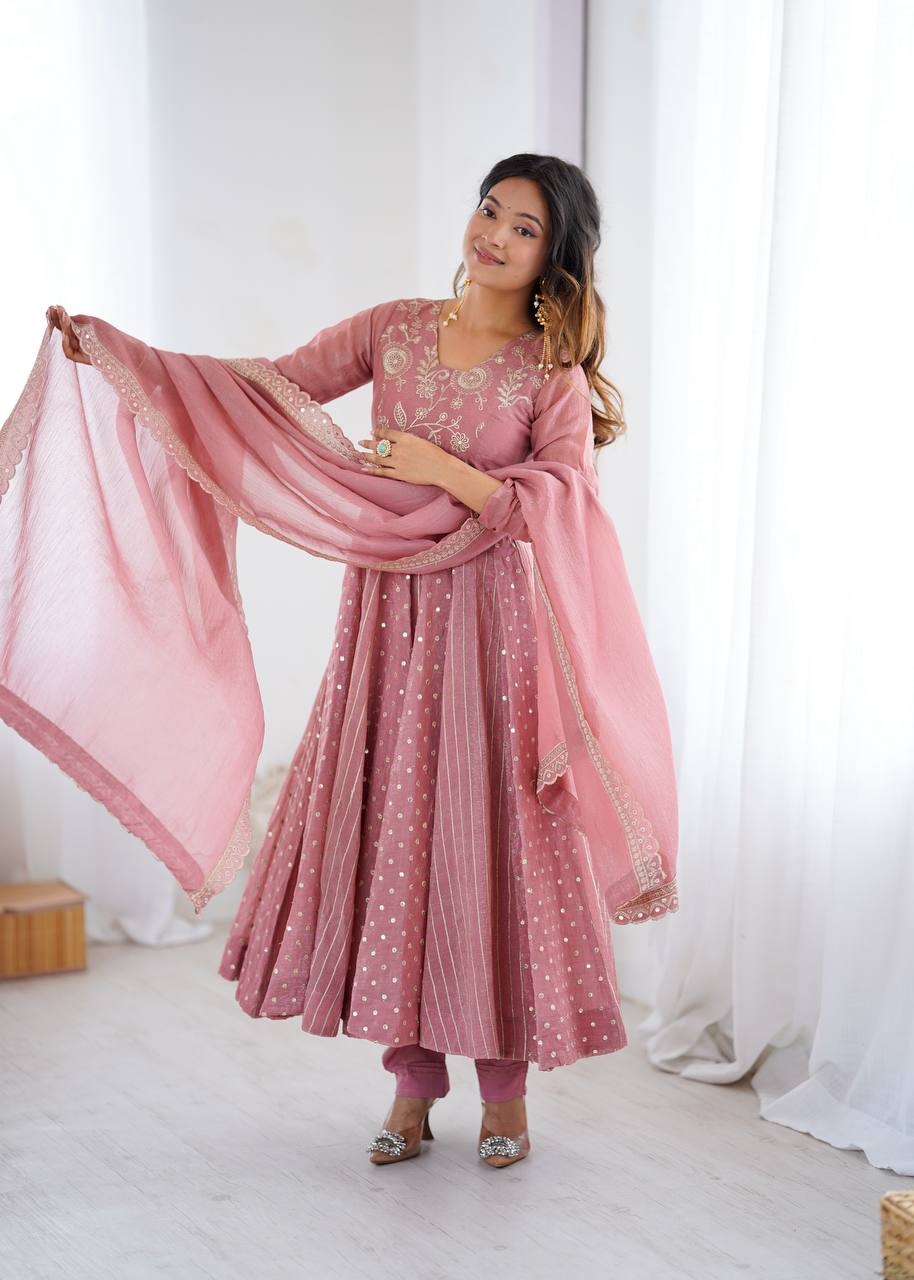


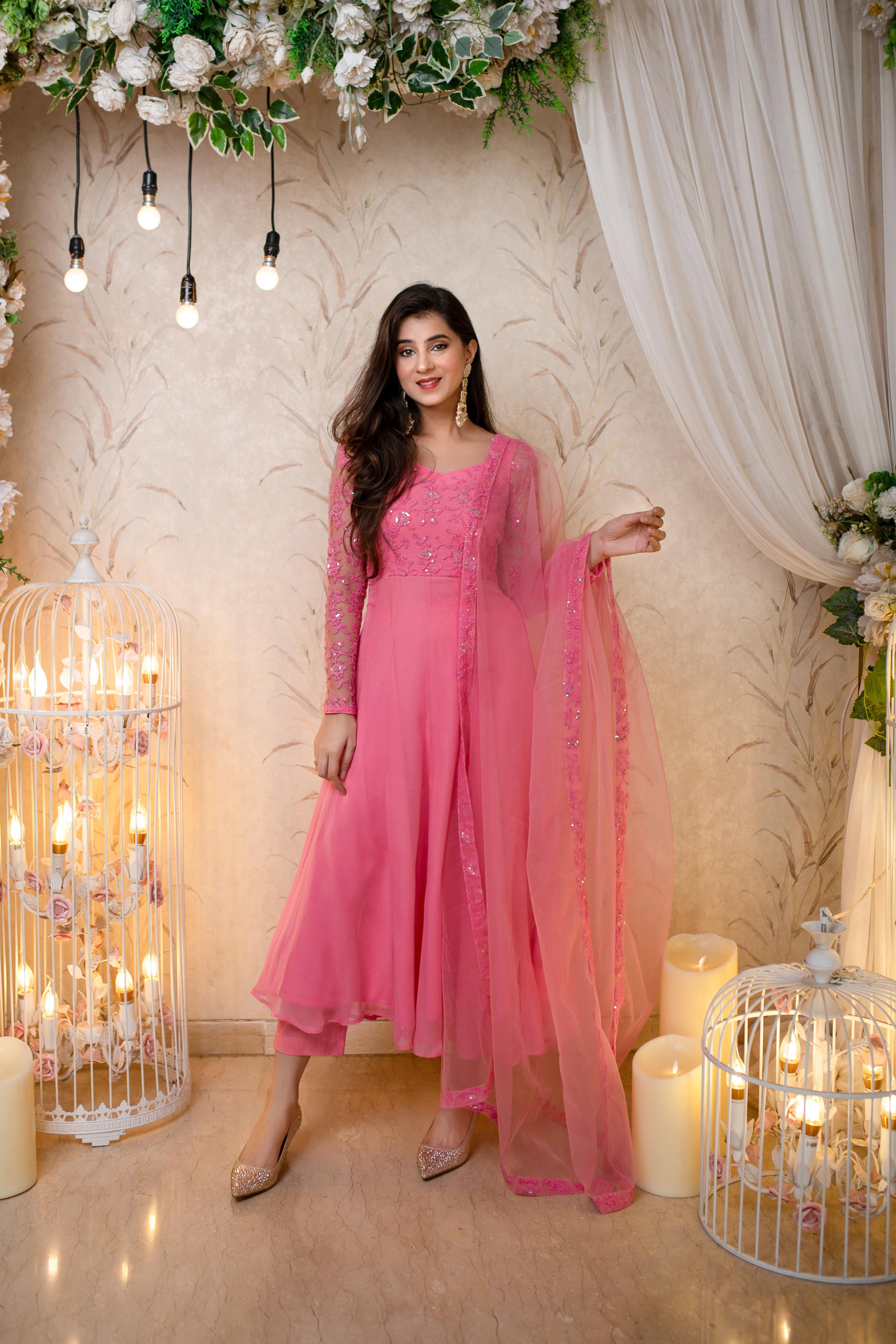

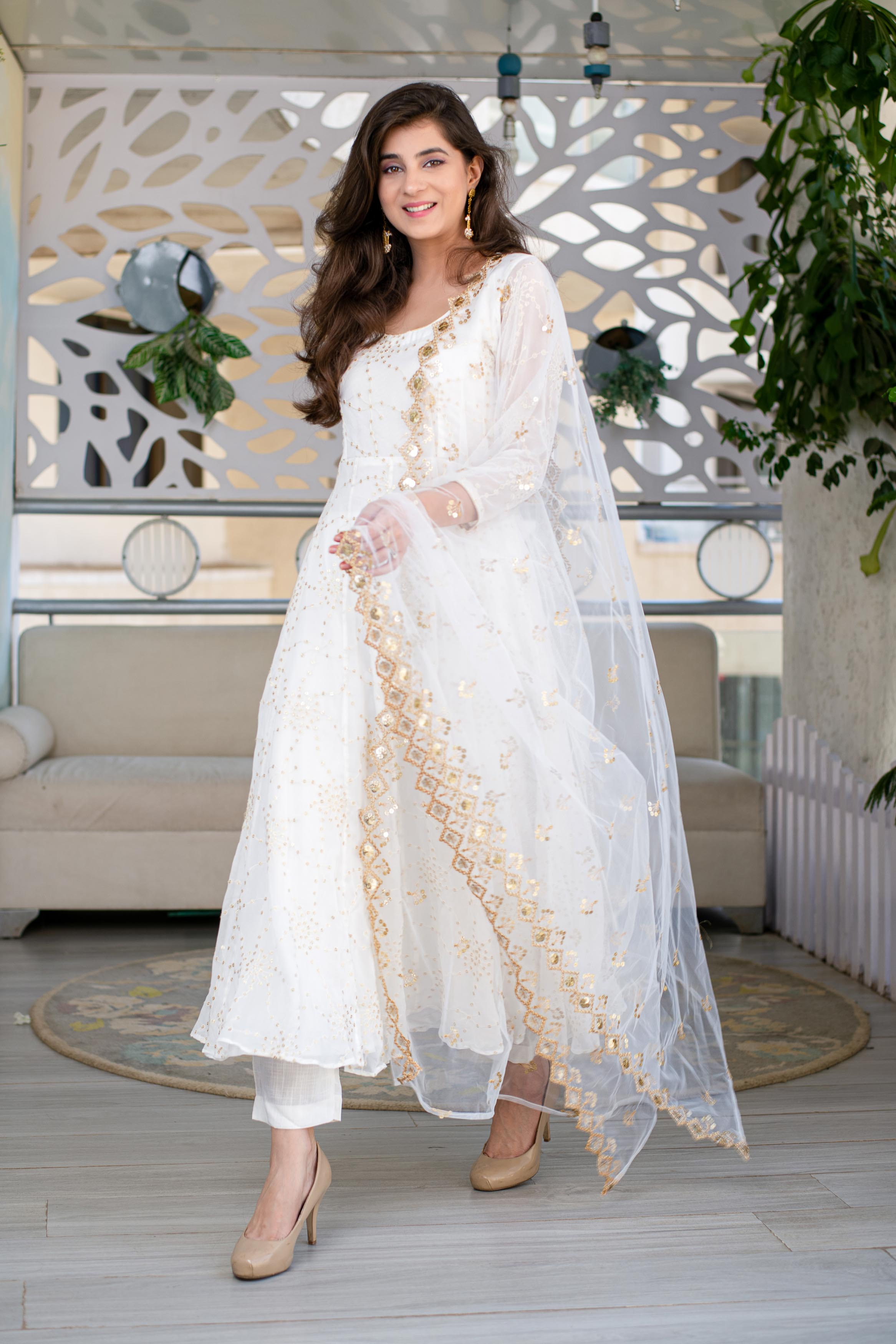

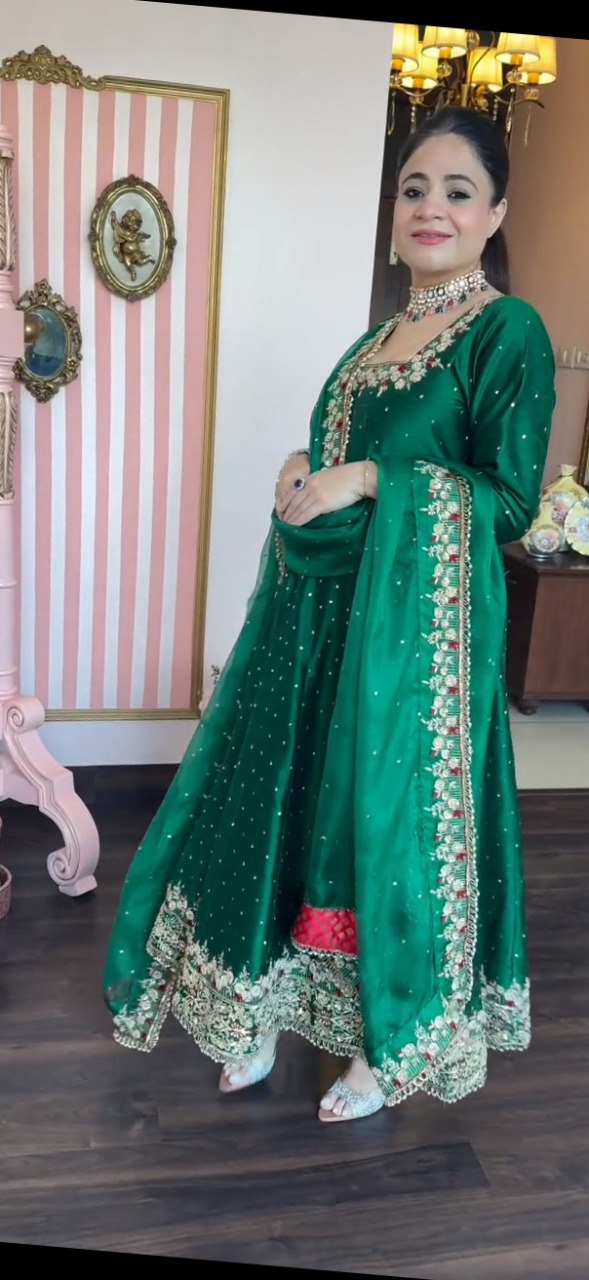

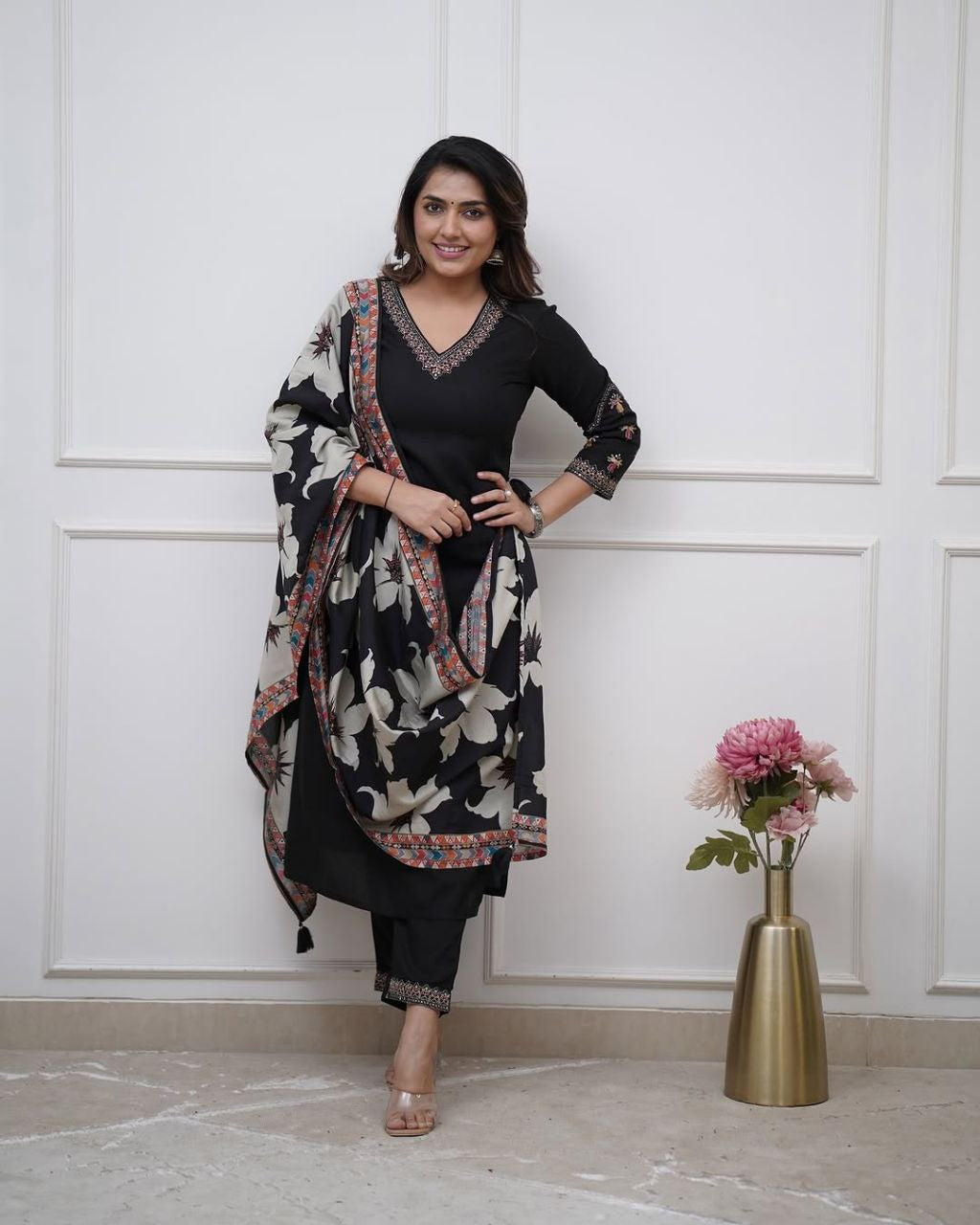

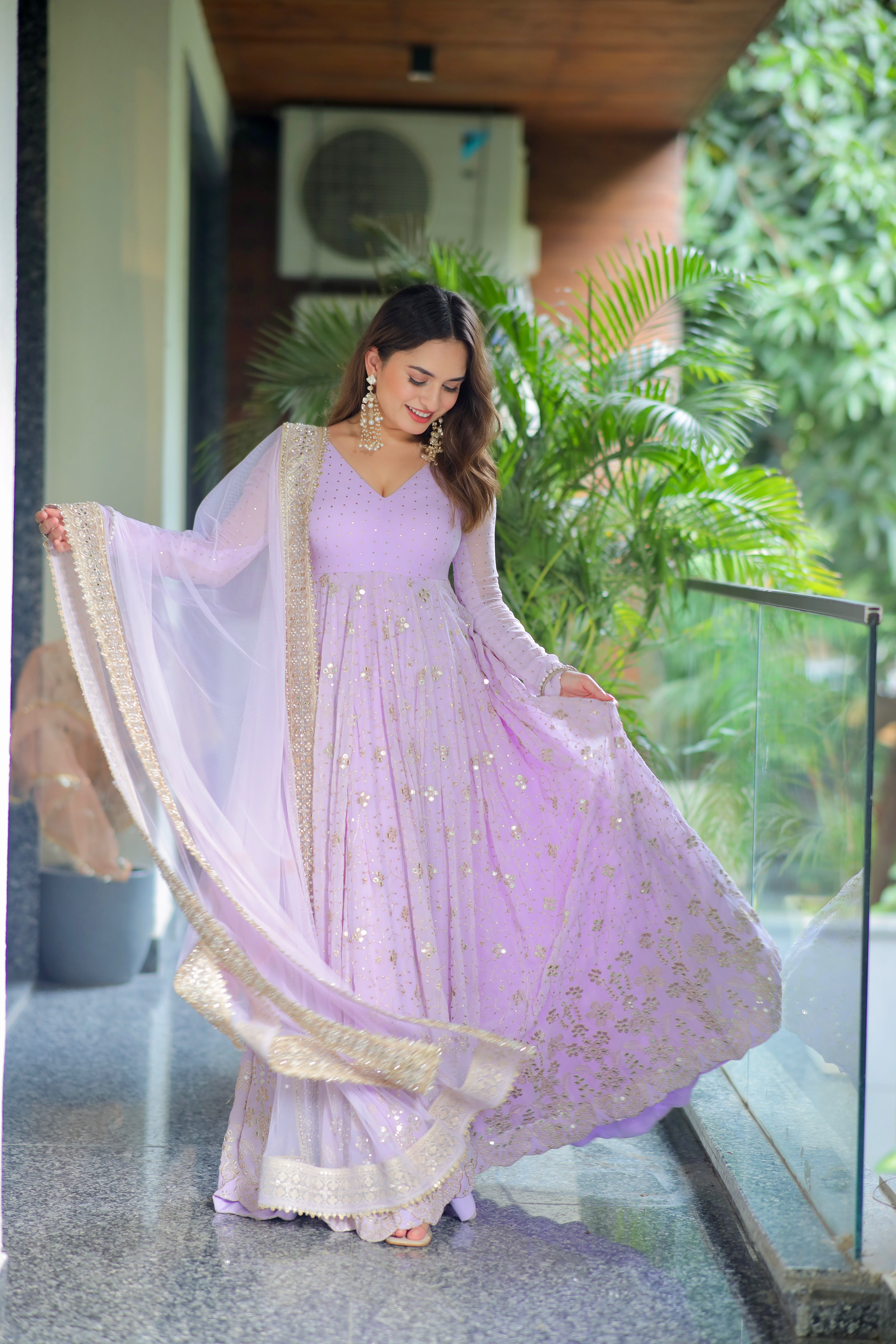

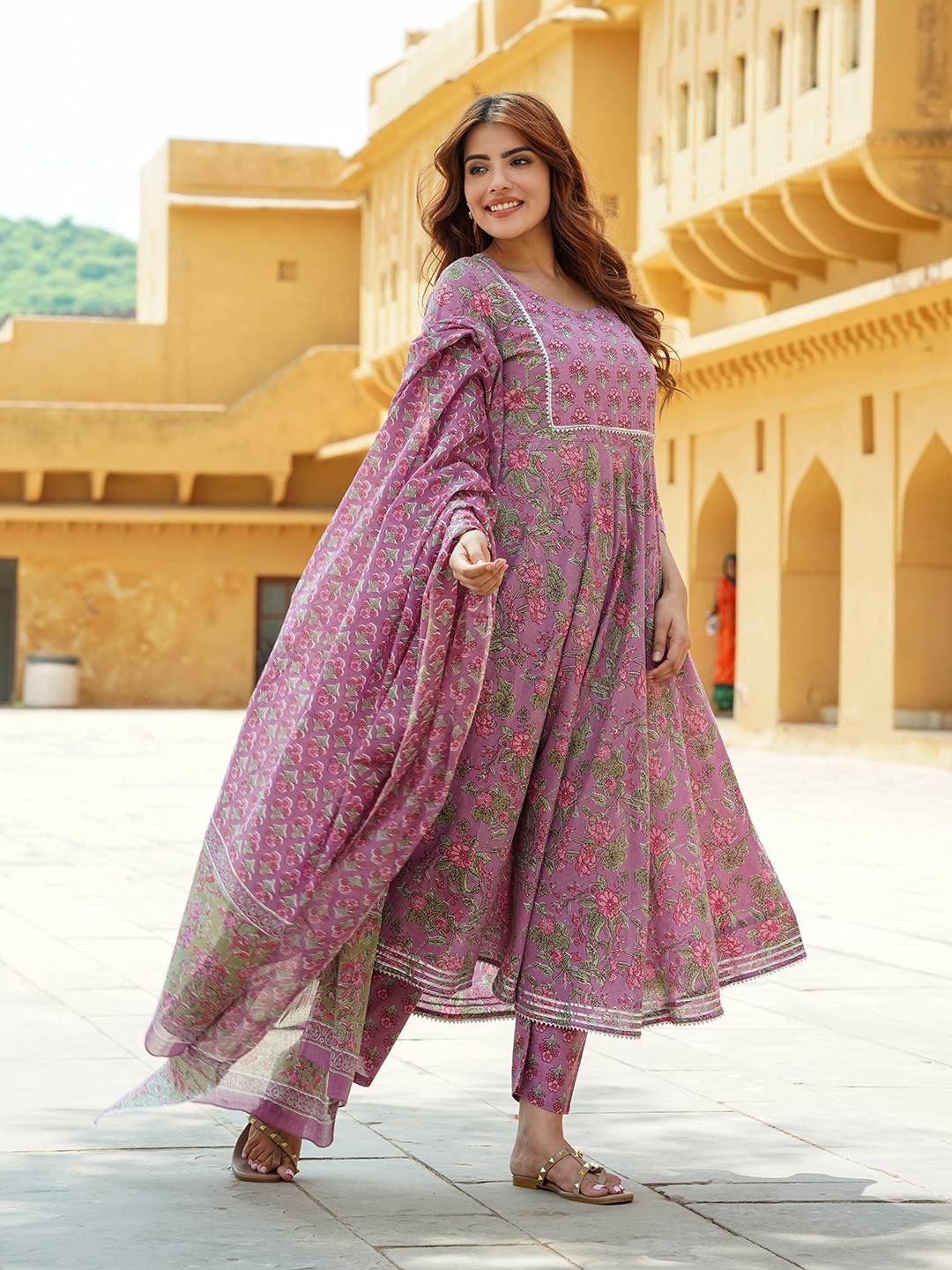

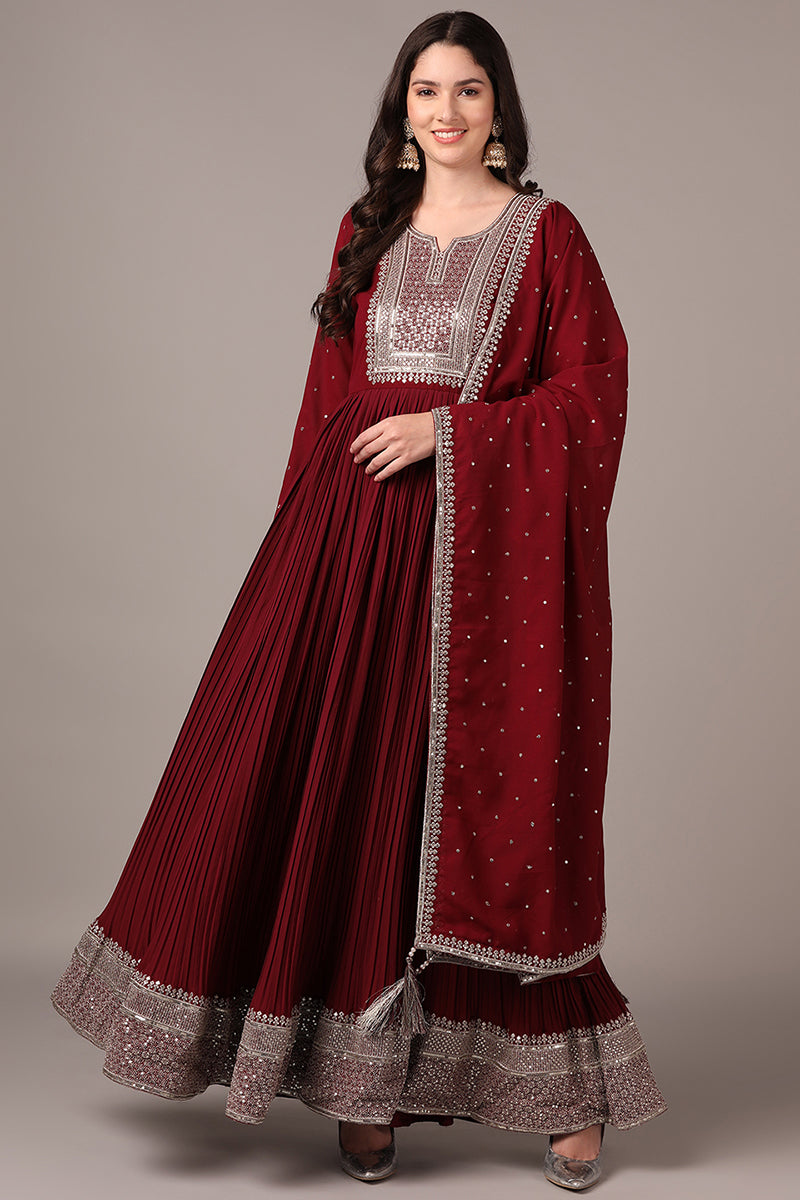

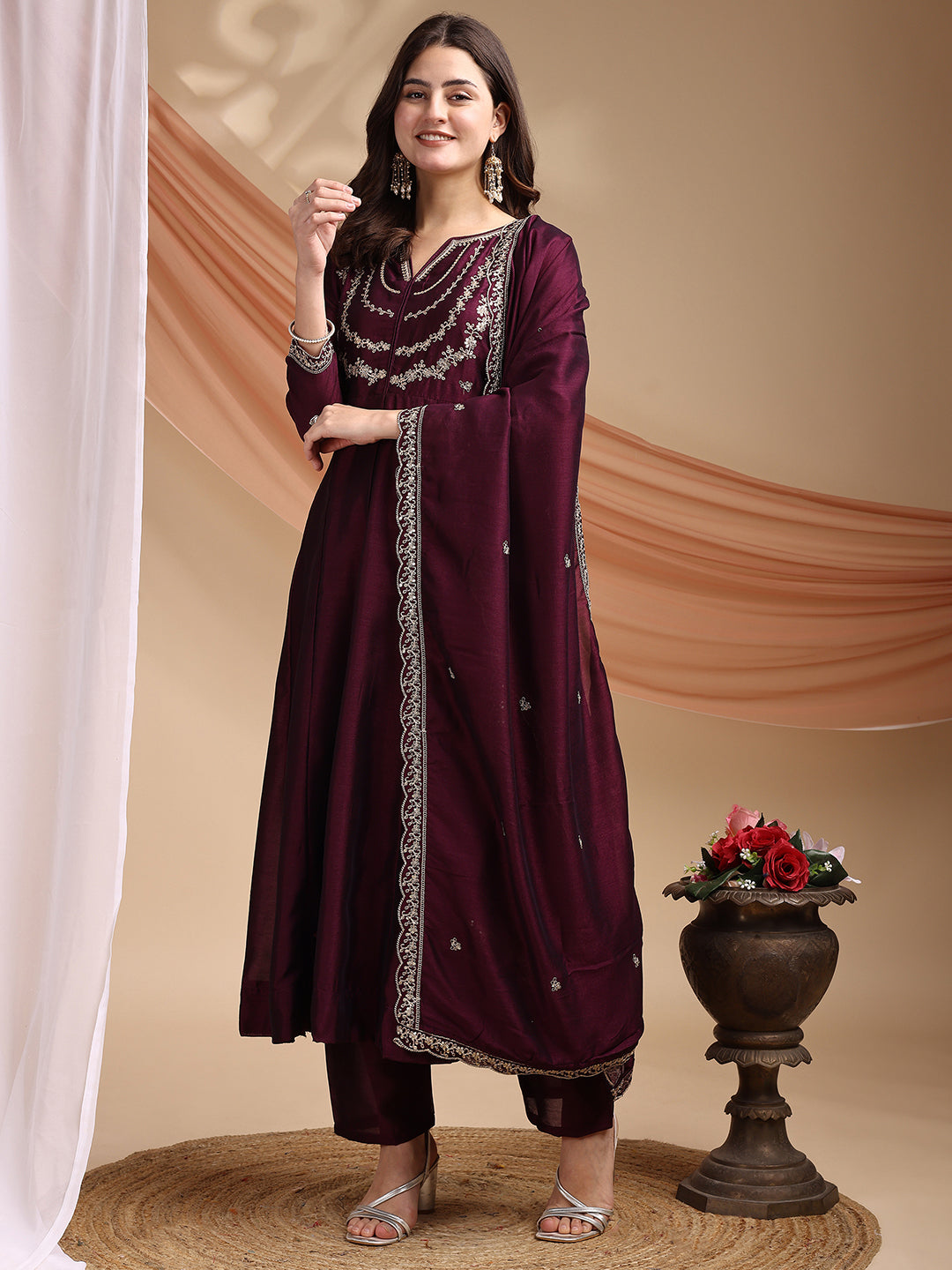

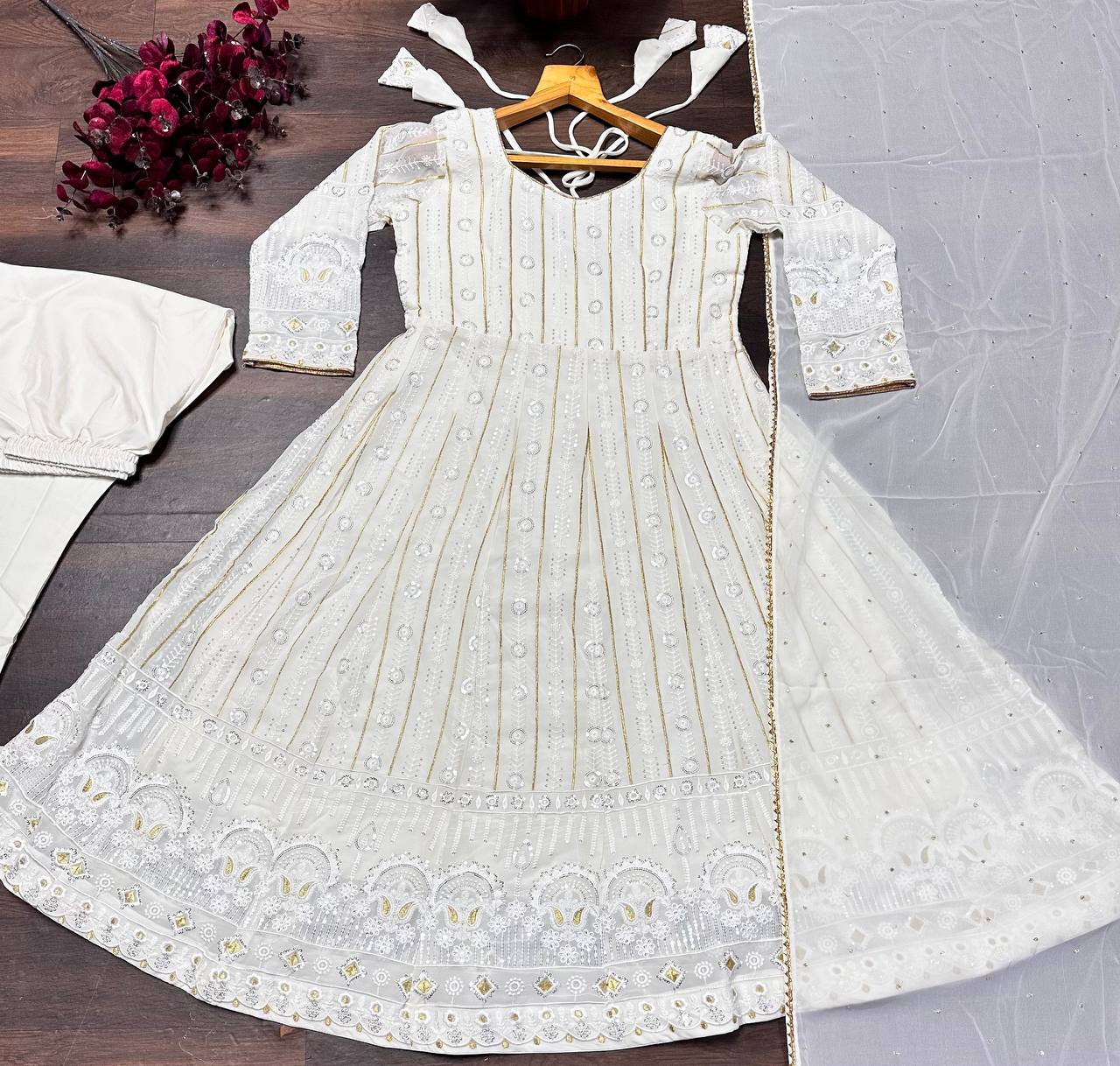

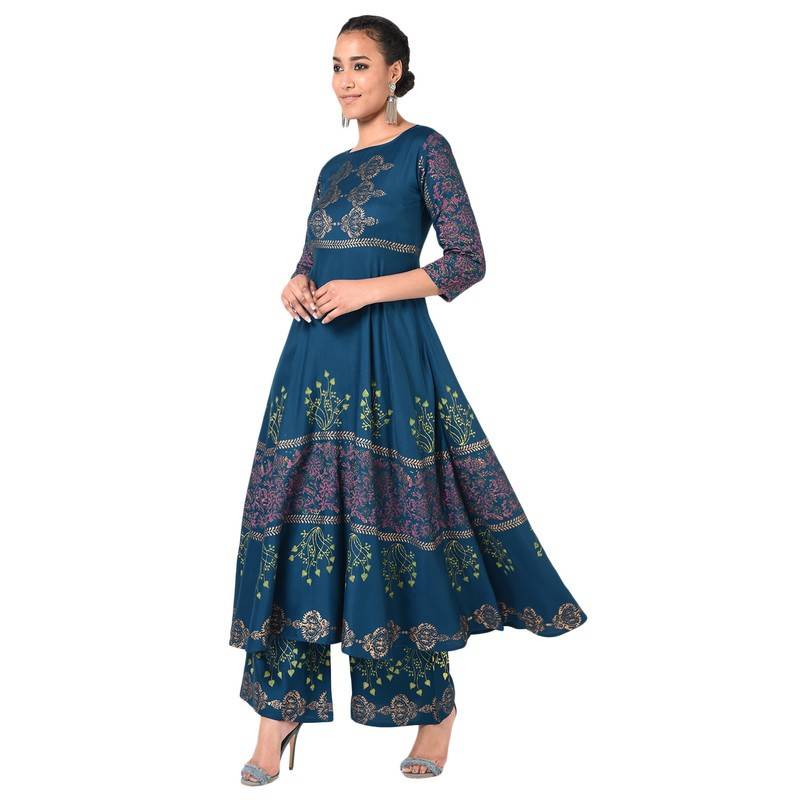

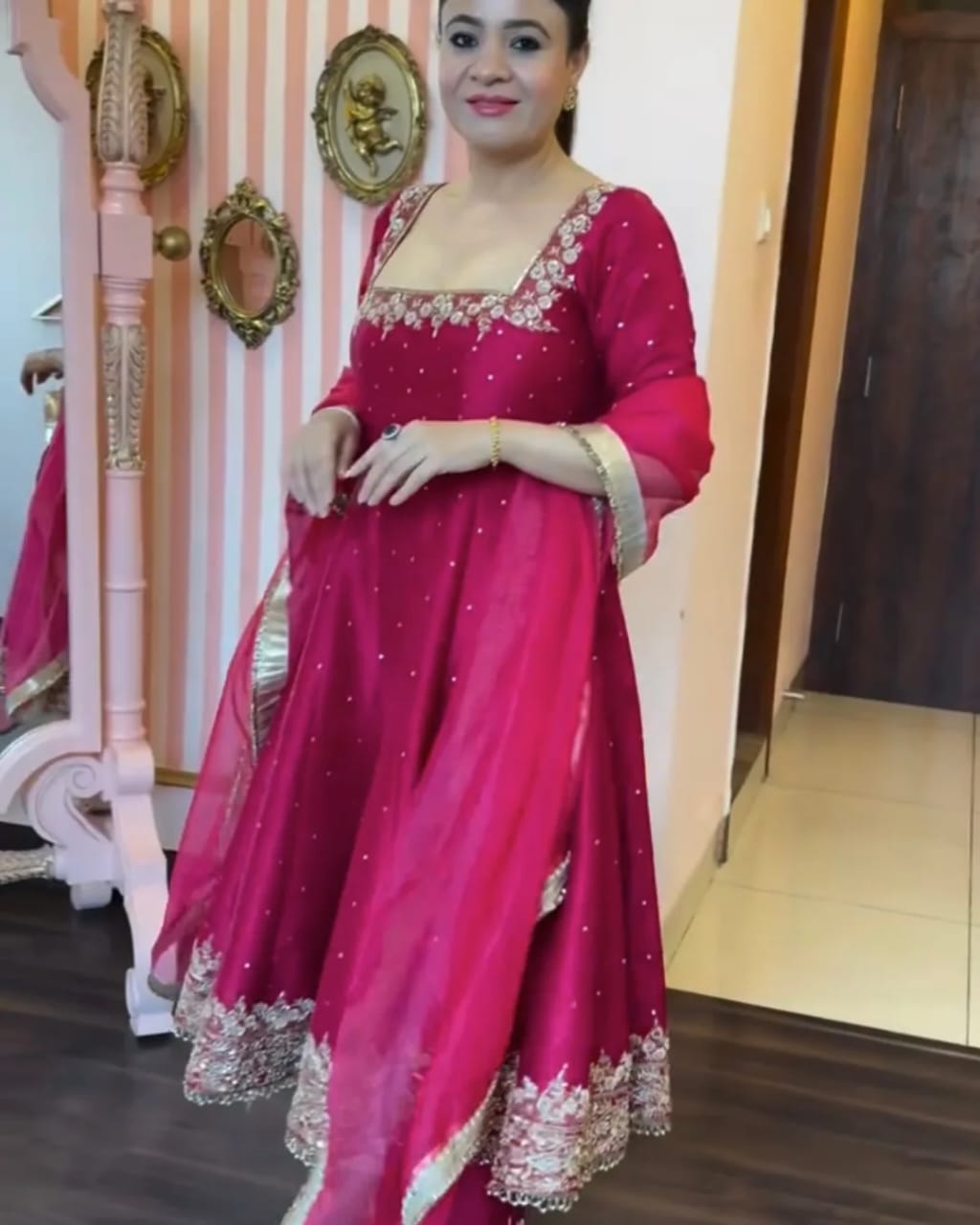

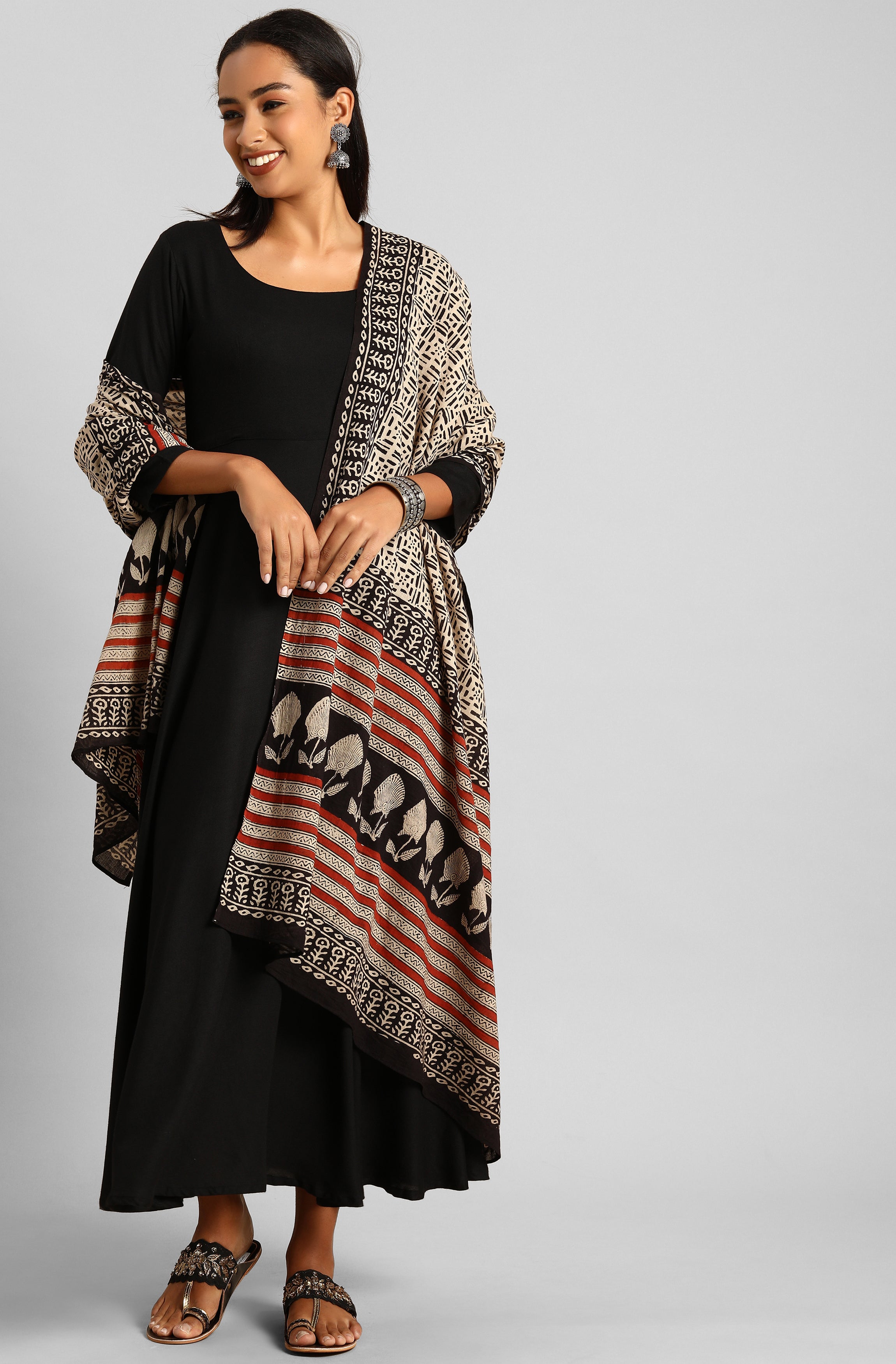

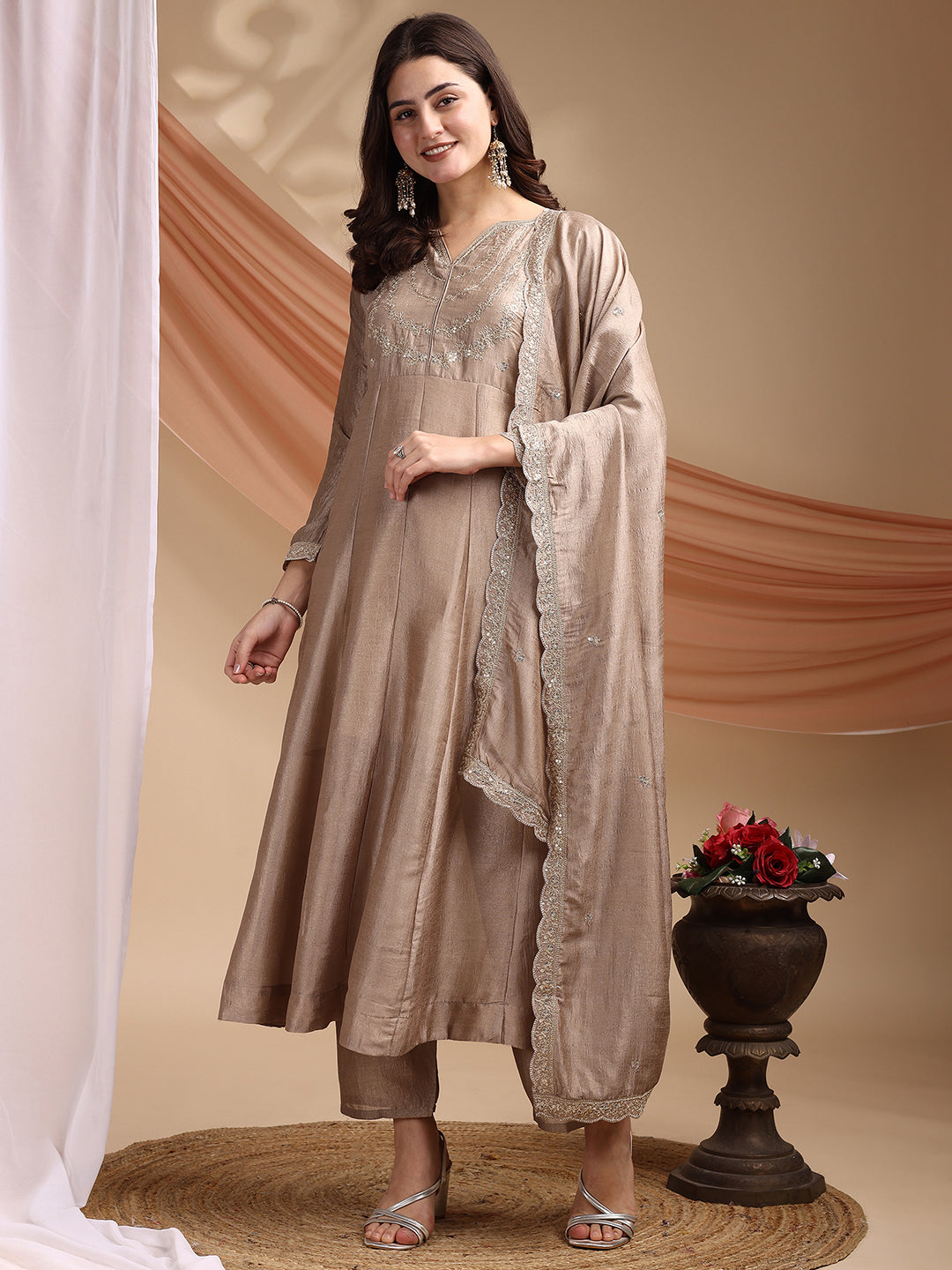

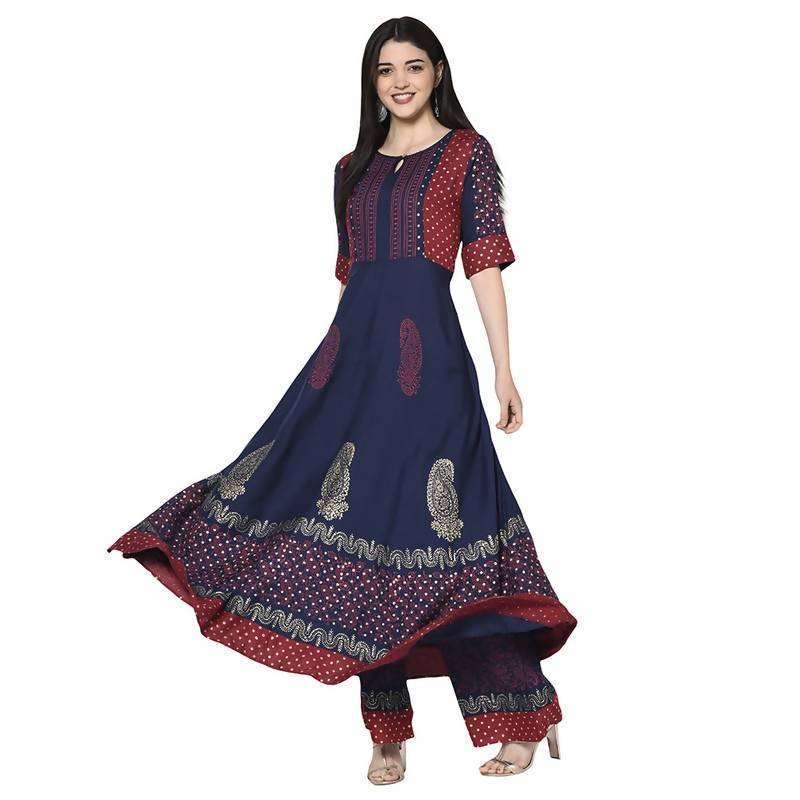

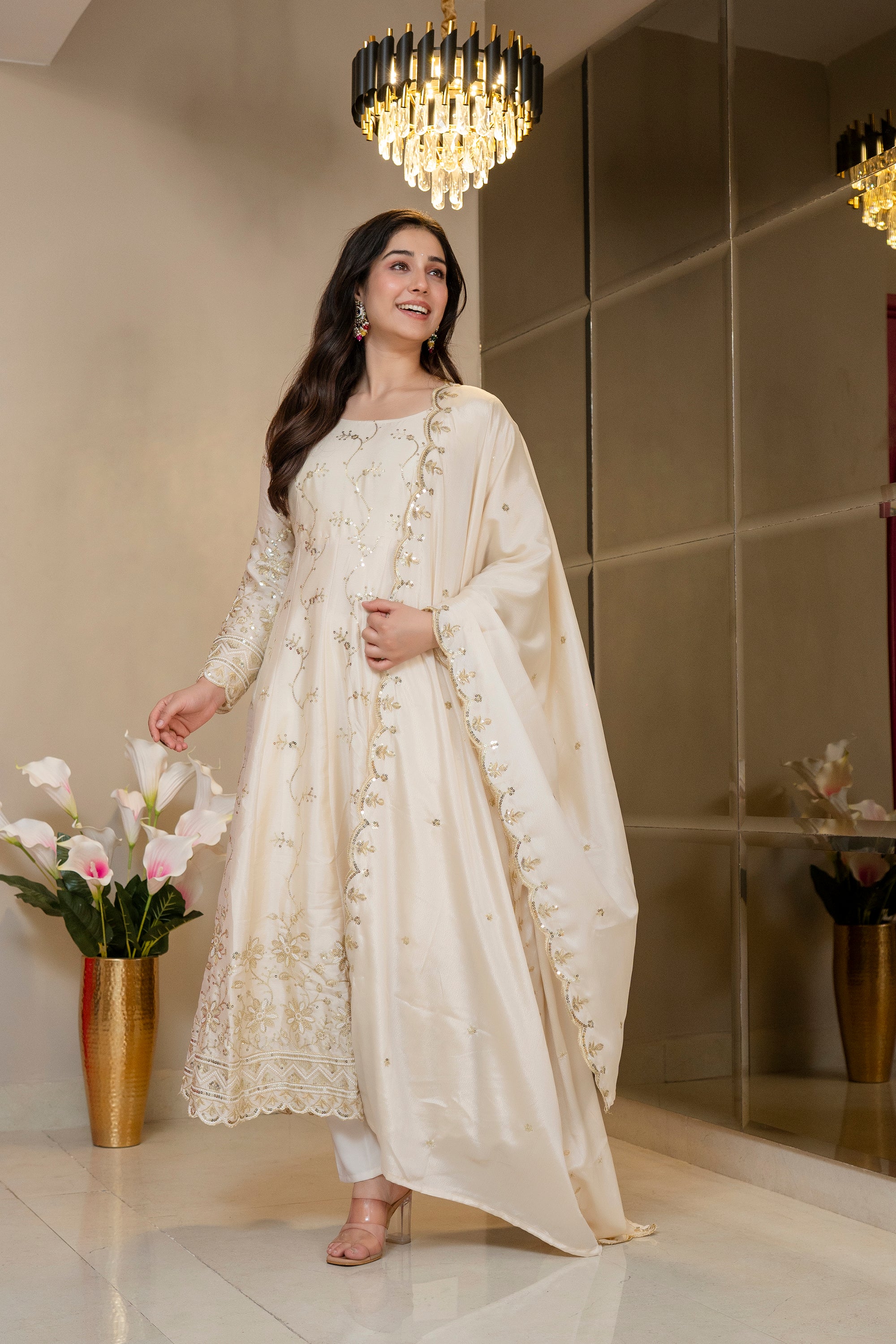

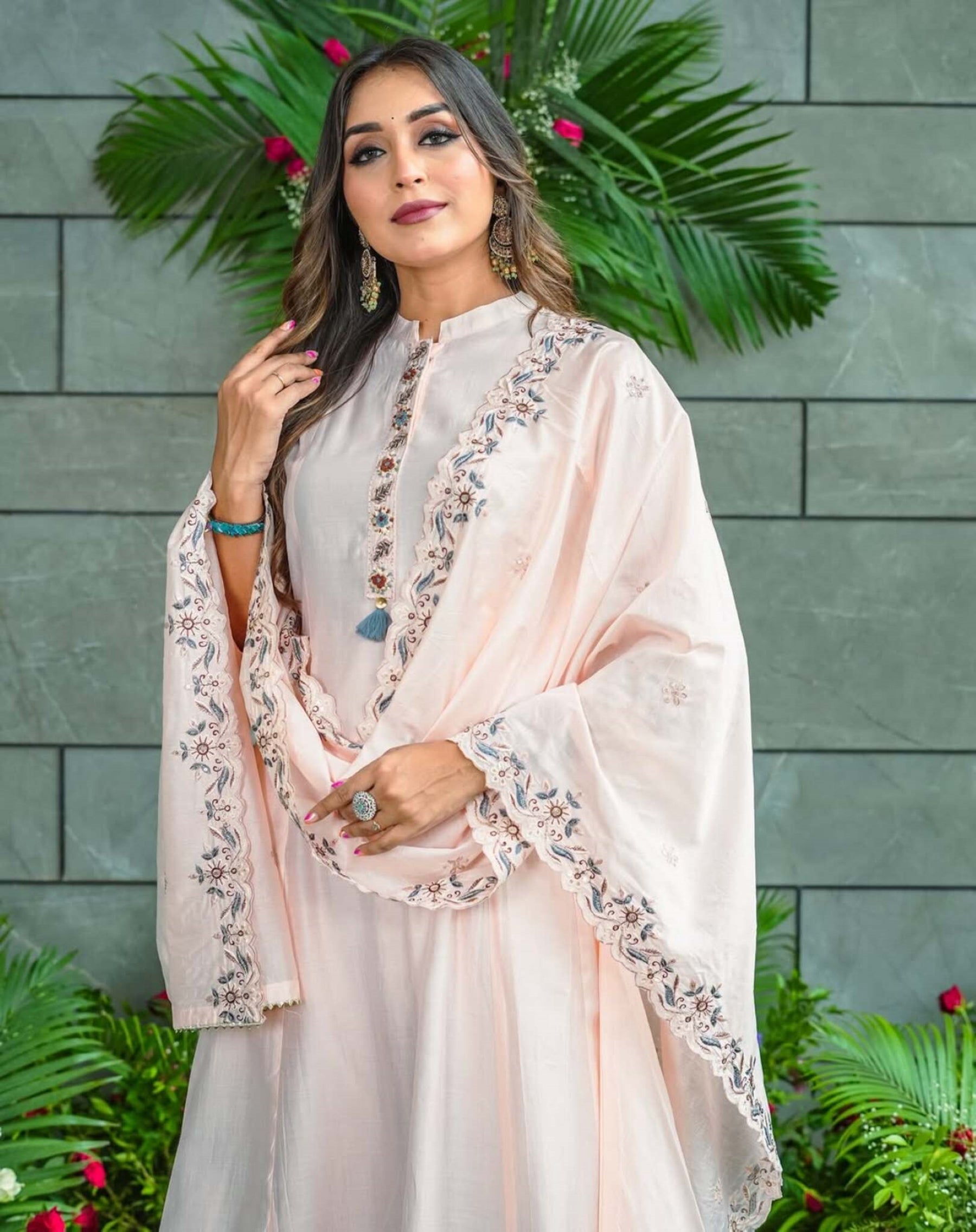

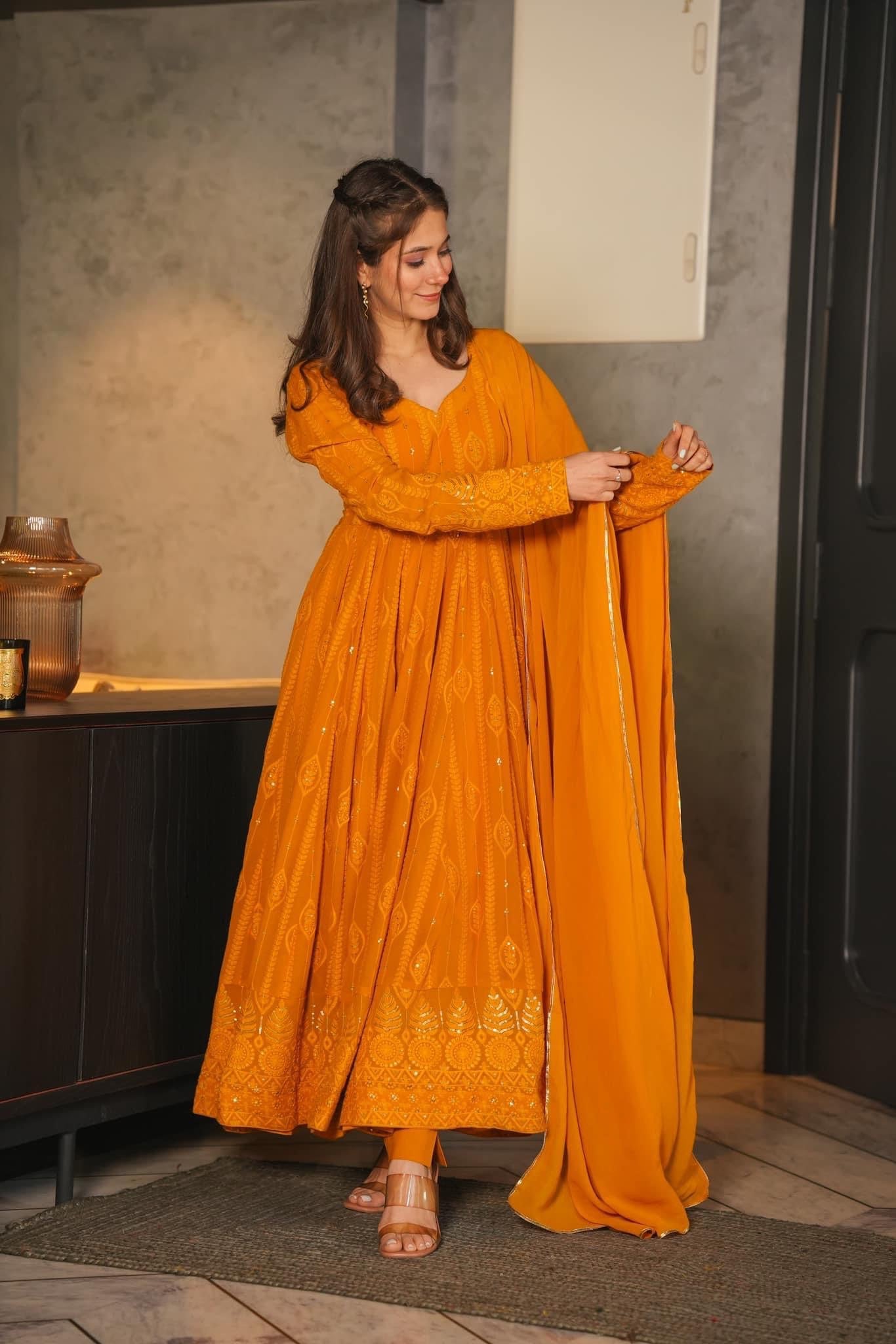

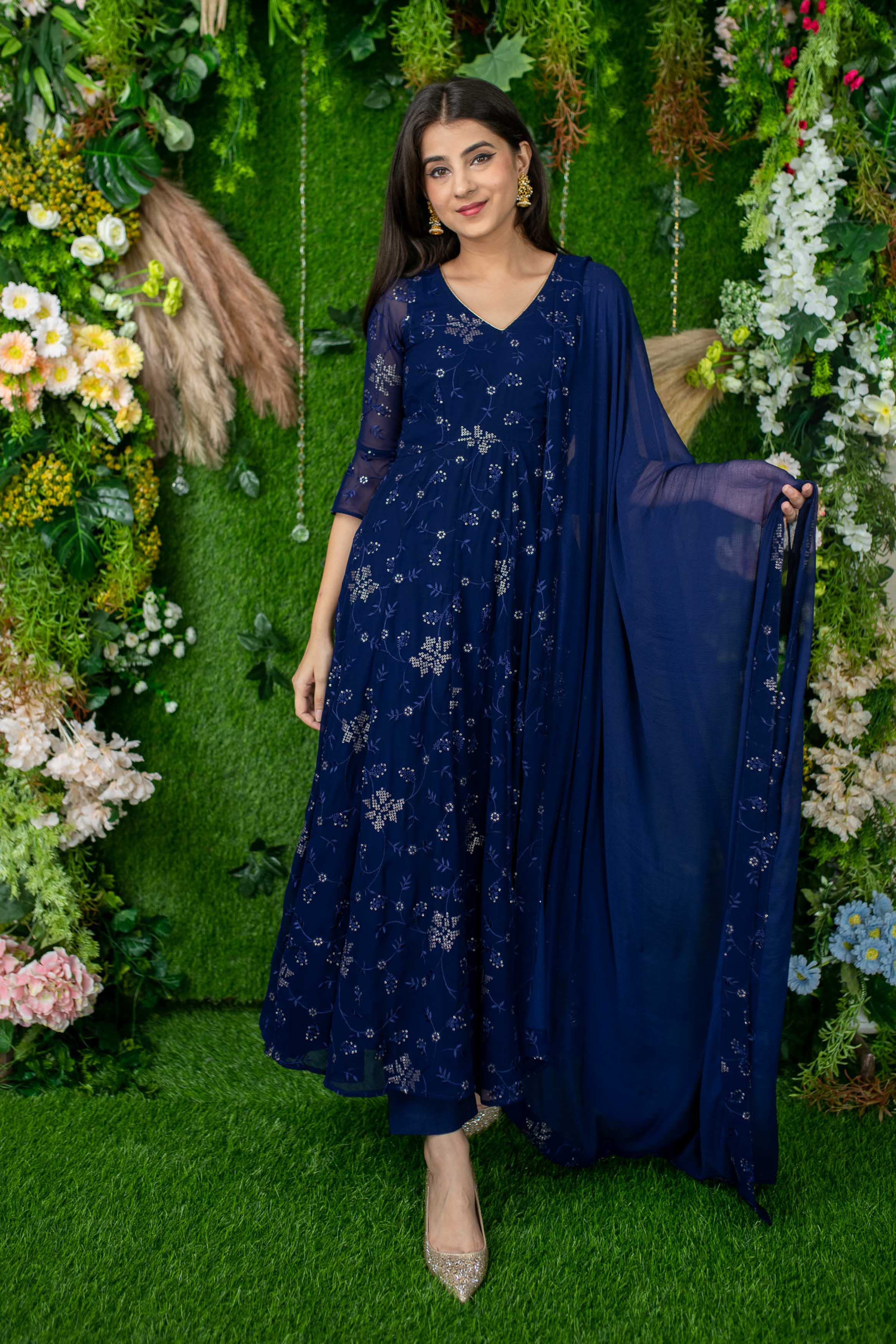

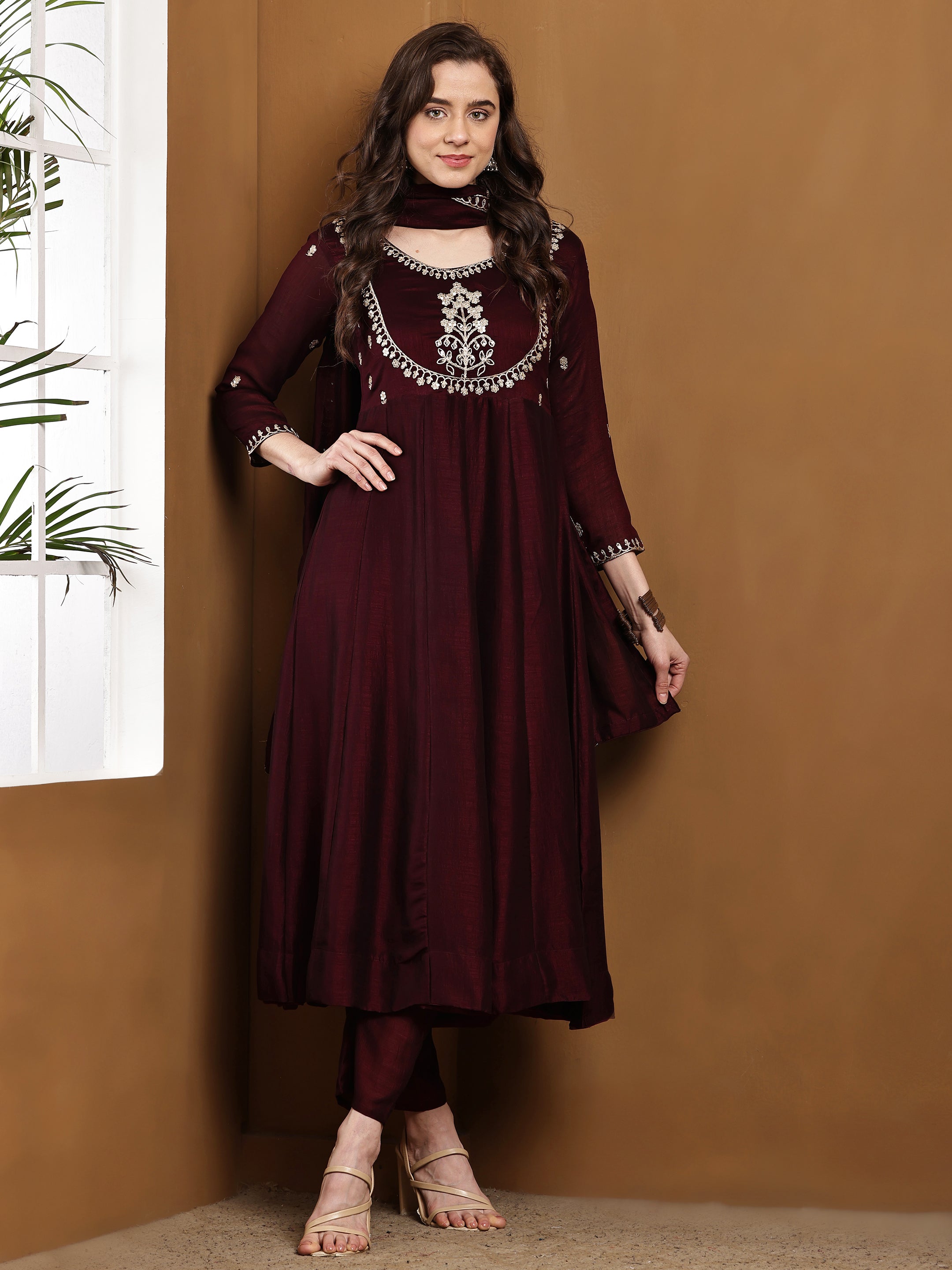

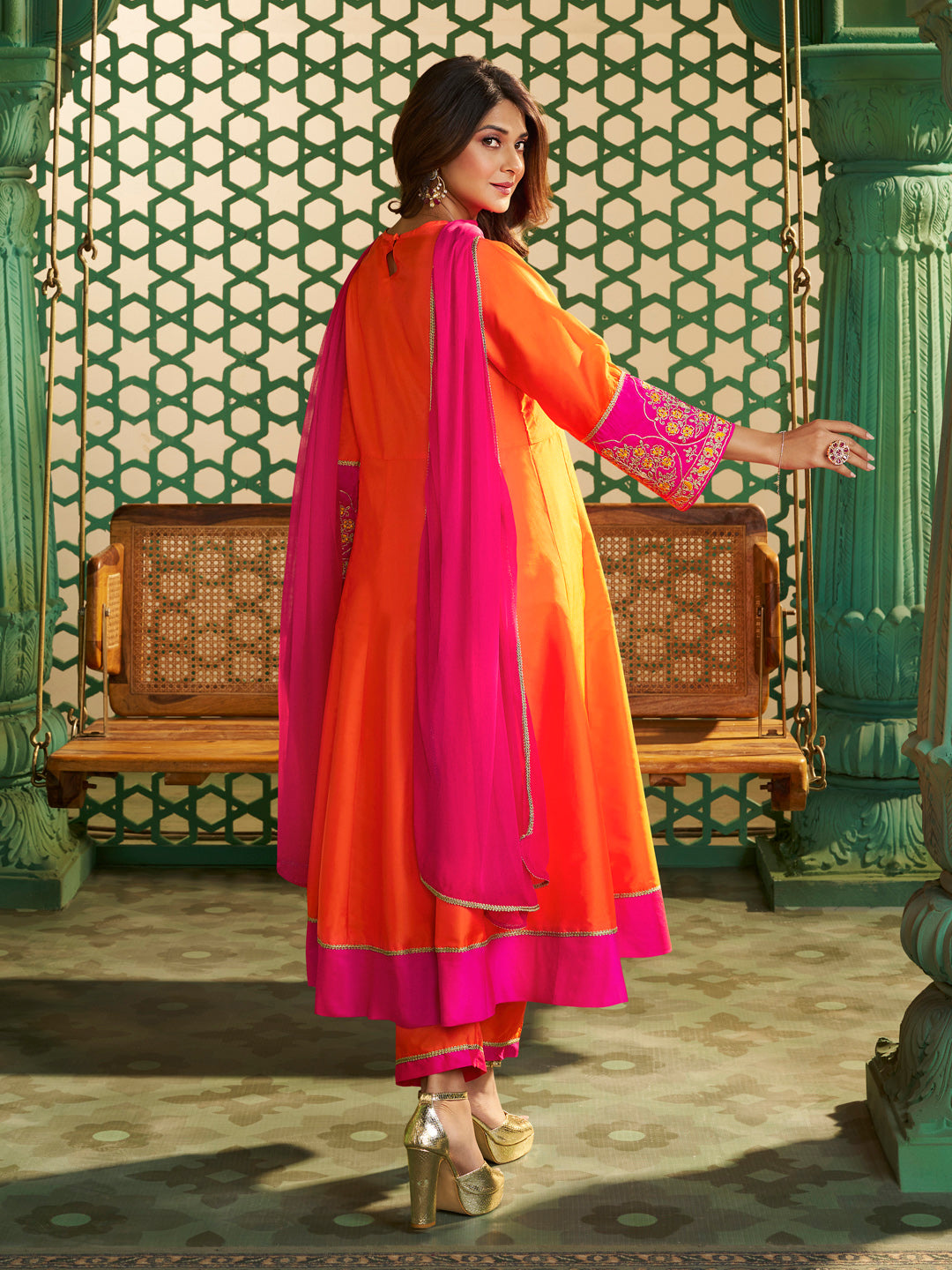


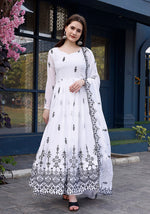
An anarkali is a kurta with a fitted yoke that flares from below the bust into a long, full skirt, worn with a fitted bottom and a dupatta. The silhouette takes its name from Anarkali, a courtesan in the court of the Mughal emperor Akbar, and the shape has stayed recognisable for centuries while the fabrics and finishes have moved on.
Most sets here are three pieces - kurta, bottom and dupatta - with the bottom supplied as either a straight pant or a palazzo. Sizes run from XXS to 6XL depending on the label, which makes this the widest size range of any category on the site.
Understanding the Flare
The flare comes from panels of fabric, called kalis, joined vertically from the yoke down. More kalis means more fabric in the skirt and a fuller sweep - a heavily panelled anarkali moves dramatically when you walk, while a lighter one falls closer to the body. Product descriptions sometimes state the kali count, and it is the most direct indication of how full the garment will look.
Length sets the formality. Floor-length anarkalis read most formal and are the usual choice for weddings and receptions. Ankle-length is the practical middle ground and the most common cut. Calf-length anarkalis sit closer to a regular kurta set and work for daytime and casual wear.
The bottom matters more than it appears to. A straight pant or churidar keeps the volume in the kurta and produces the classic silhouette. A palazzo adds volume below as well, which reads more contemporary but can look bulky under an already full anarkali. If the kurta is heavily flared, the narrower bottom is usually the better pairing.
Sizing and Fit
The anarkali is the most size-forgiving ethnic silhouette available, and understanding why makes it easier to buy. Because the garment is fitted only through the yoke and then flares, the bust and shoulder are the binding constraints - waist and hip measurements barely matter. This is why anarkalis remain wearable through weight changes, and why they are a common choice during and after pregnancy.
Size to your bust measurement and check the shoulder width, then ignore the waist. If you fall between sizes, size up: the yoke can be taken in easily, while letting it out is limited by the seam allowance. Sizes run from XXS to 6XL across the range, with extended options grouped in plus size anarkali sets and the wider plus size collection.
One point specific to this silhouette: check the yoke length as well as the bust. The flare should begin just below the bust, and a yoke cut for a taller frame will start the flare too low, which shortens the skirt visually and changes the whole line of the garment.
Some labels offer a made-to-measure option at the product level. Where a custom size appears among the size choices on a listing, the piece can be stitched to your measurements rather than a standard size, which is worth using if you sit between sizes or have had fit problems with ready-made ethnic wear before.
Shop by Fabric
|
Fabric |
How it wears |
Best for |
|
Cotton and muslin cotton |
Breathable, holds shape, creases |
Daytime functions, warm weather |
|
Rayon and viscose |
Soft drape, holds print, creases less |
Everyday and festive wear |
|
Chanderi silk |
Light with a subtle sheen |
Daytime festive, mehendi |
|
Chinon and vichitra silk |
Fluid with body, carries embroidery |
Party and evening wear |
|
Georgette |
Light and flowing, maximum movement |
Long events, dancing |
|
Silk blend and cosmo silk |
Structured with sheen |
Weddings, main ceremonies |
Fabric determines how the flare behaves. Georgette and chinon fall softly and swing with movement, which is why they dominate party and evening pieces. Cotton and muslin hold their shape more stiffly, giving a structured flare that suits daytime and photographs cleanly. Chanderi sits between the two and is the usual pick for mehendi and haldi functions, where you want a sheen without weight.
Embroidery and Craft
Thread embroidery on the yoke is the most common treatment, since the yoke is the fitted part and carries detail without adding weight to the skirt. Sequin and zari work appears on party and wedding pieces, usually concentrated on the yoke, sleeves and hem border.
Gotta patti is a Rajasthani technique in which small pieces of metallic ribbon are appliquéd onto the fabric, producing a raised, reflective pattern quite different from flat embroidery. Block-printed anarkalis carry hand-stamped patterns with visible variation between repeats, which is characteristic of the technique rather than a fault, and sit at the casual end of the range.
As a rule, work concentrated on the yoke keeps the garment light and lets the skirt move. Work spread across the full skirt looks richer in photographs but adds significant weight, which is worth considering for an event that runs several hours.
Anarkali or Something Else?
Anarkali sets are frequently confused with adjacent silhouettes, and the differences come down to construction rather than formality.
|
Garment |
Construction |
How it differs |
|
Anarkali set |
Fitted yoke, flare from below the bust |
Three pieces; flare is stitched into one garment |
|
Straight or A-line kurta with a bottom |
Less flare, reads less formal |
|
|
Separate skirt, choli and dupatta |
Skirt and top are separate garments |
|
|
Single floor-length garment |
No separate bottom or dupatta |
|
|
Short kurta with wide flared trousers |
The flare is in the bottom, not the top |
|
|
Long straight kurta, heavy dupatta |
Straighter cut, longer kurta |
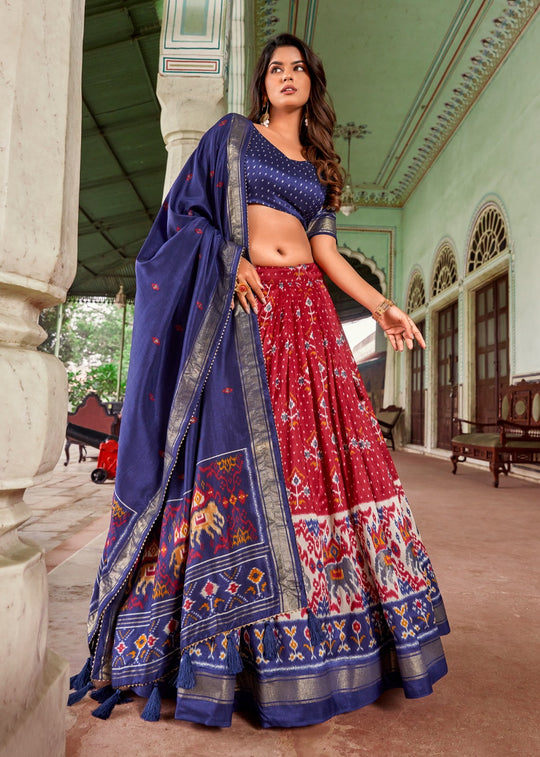
The most common confusion is between a floor-length anarkali and a gown, since they look similar from a distance. An anarkali is a kurta worn over a separate bottom, with a dupatta; a gown is a single garment. The second is between an anarkali and a lehenga: an anarkali’s flare is stitched into the kurta itself, while a lehenga has a genuinely separate skirt. Our guide to types of salwar suits places all of these on the same scale.
Shop by Occasion
Weddings
A floor-length anarkali in silk, chinon or georgette with yoke embroidery is the standard guest choice across most functions, and considerably easier to wear for a full day than a lehenga. Avoid deep red with heavy gold at North Indian weddings, where that combination is traditionally bridal. Our guide to what to wear to an Indian wedding covers expectations function by function.
Festive
Chanderi, cotton silk and rayon anarkalis carry Diwali, Navratri and family gatherings comfortably, and stay wearable across long days. Festive wear covers the wider seasonal range, and Diwali outfit ideas has styling direction.
Party and Evening
Party wear anarkalis lean towards georgette and chinon with sequin work, cut lighter than wedding pieces. Darker colours and concentrated yoke work read better under artificial light than pale printed cotton.
Daytime and Casual
Printed cotton and rayon anarkalis at calf or ankle length work for daytime events, family visits and office wear in less formal workplaces. These are the pieces to buy if you want an anarkali in regular rotation rather than reserved for occasions. Kurta sets and kurtas and kurtis cover the same brief with less flare.
Styling
The yoke is where the eye goes, so jewellery should work with it rather than against it. A heavily embroidered yoke is best left alone at the neckline - jhumkas and bangles are enough. A plain or lightly worked yoke takes a necklace comfortably, and a maang tikka adds formality without competing at the neck. The full jewellery range covers both approaches.
Dupatta handling makes a visible difference with this silhouette. Draped down one shoulder it keeps the flare of the kurta visible; draped across the front it covers the yoke, which defeats the point if the yoke carries the embroidery. Additional dupattas can be bought separately to restyle a set you already own.
Heels suit floor-length anarkalis, and the hem length assumes a heel height - decide footwear before any alteration. A clutch or potli works better than a shoulder bag, which drags on the dupatta.
Care
Cotton, muslin and rayon anarkalis without embellishment can be hand washed cold or machine washed on a gentle cycle, inside out. Skip the dryer - heat shrinks rayon and viscose noticeably and fades printed colour faster than washing does.
Georgette, chinon, chanderi, silk blends and anything with embroidery, sequin or gotta patti work should be dry cleaned. Gotta patti in particular does not tolerate washing, since the metallic ribbon tarnishes and lifts at the edges. Store anarkalis hanging rather than folded where possible - the flare creases at the fold line and the creases are difficult to press out of a panelled skirt without flattening the shape.
FAQs: Anarkali Kurta Sets
What is an anarkali suit?
An anarkali is a kurta with a fitted yoke that flares from below the bust into a long, full skirt. It is worn with a fitted bottom - usually a pant, churidar or palazzo - and a dupatta, making it a three-piece outfit. The flare is created by vertical fabric panels called kalis.
What is the difference between an anarkali and a gown?
A floor-length anarkali and a gown look similar but are constructed differently. An anarkali is a kurta worn over a separate bottom and paired with a dupatta. A gown is a single garment with nothing worn underneath and no dupatta.
What is the difference between an anarkali and a lehenga?
An anarkali’s flare is stitched into the kurta itself, so the garment is one piece from shoulder to hem. A lehenga has a genuinely separate skirt worn with a short blouse, leaving the midriff exposed unless covered by the dupatta.
What size anarkali should I order?
Size to your bust measurement and check shoulder width. Because the garment flares from below the bust, waist and hip measurements are not constraints. If you are between sizes, size up - the yoke is straightforward to take in but limited in how far it can be let out.
Are anarkali sets suitable during pregnancy?
The silhouette is unusually accommodating because the fit is only through the yoke, so many find anarkalis wearable well into pregnancy and afterwards. Sets with an adjustable or elasticated bottom extend that further. Dedicated maternity wear is available separately.
What bottom comes with an anarkali set?
Usually a straight pant or a palazzo, depending on the set, along with a dupatta. Check the individual listing, since some sets include a churidar instead. A narrower bottom suits a heavily flared kurta better than a palazzo does.
Which fabric is best for a summer anarkali?
Cotton, muslin cotton and chanderi. All three breathe and hold a structured flare. Georgette and chinon are lighter in weight but less breathable, so they suit air-conditioned evening events better than daytime heat.
Can I get an anarkali stitched to my measurements?
Some labels offer this. Where a custom size option appears among the size choices on a product listing, the piece can be made to your measurements rather than a standard size. Availability varies by item, so check the individual product page.
How do I wash an anarkali set?
Plain cotton and rayon sets can be washed cold and gently, inside out, and dried in shade rather than a dryer. Embroidered, sequinned and gotta patti pieces should be dry cleaned - gotta patti especially, since the metallic ribbon lifts and tarnishes if washed.
Where can I find new anarkali sets?
Anarkali new arrivals updates as labels deliver, and best sellers shows what is moving fastest. Pieces in the express range dispatch within 48 hours for US orders, with tariffs and duties covered.