


Kids Lehenga Choli Sets for Girls | Wedding Wear - Trendia

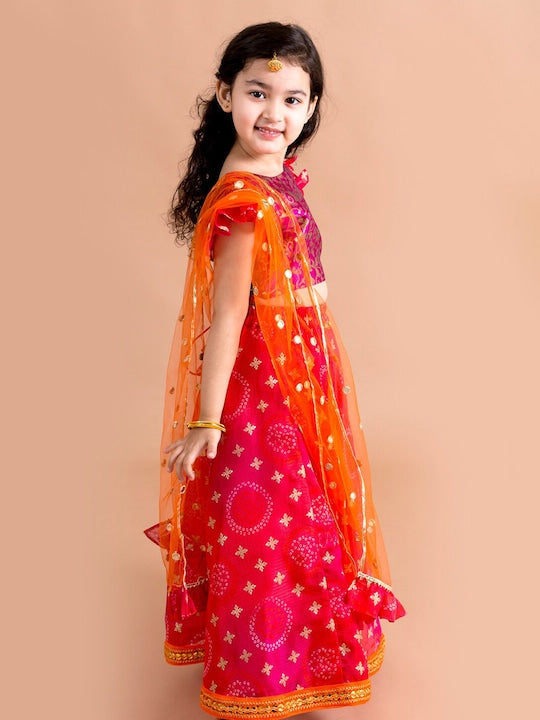


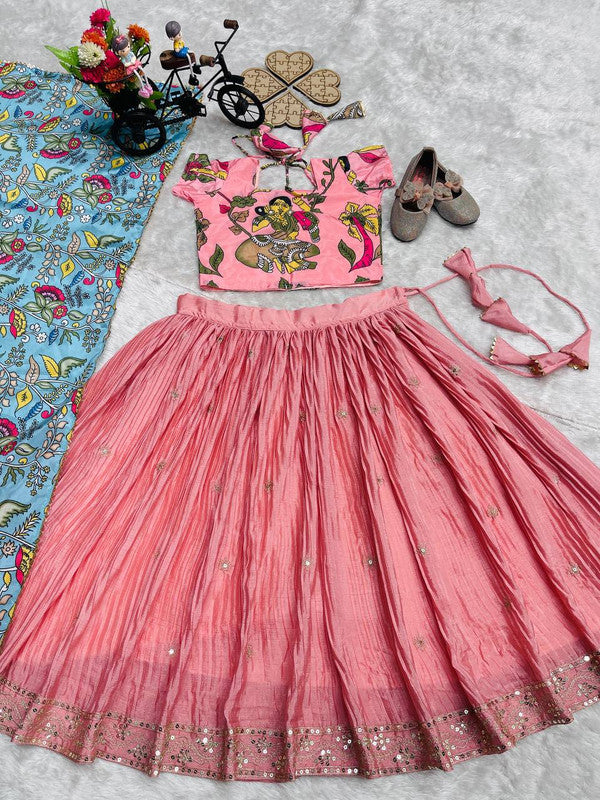

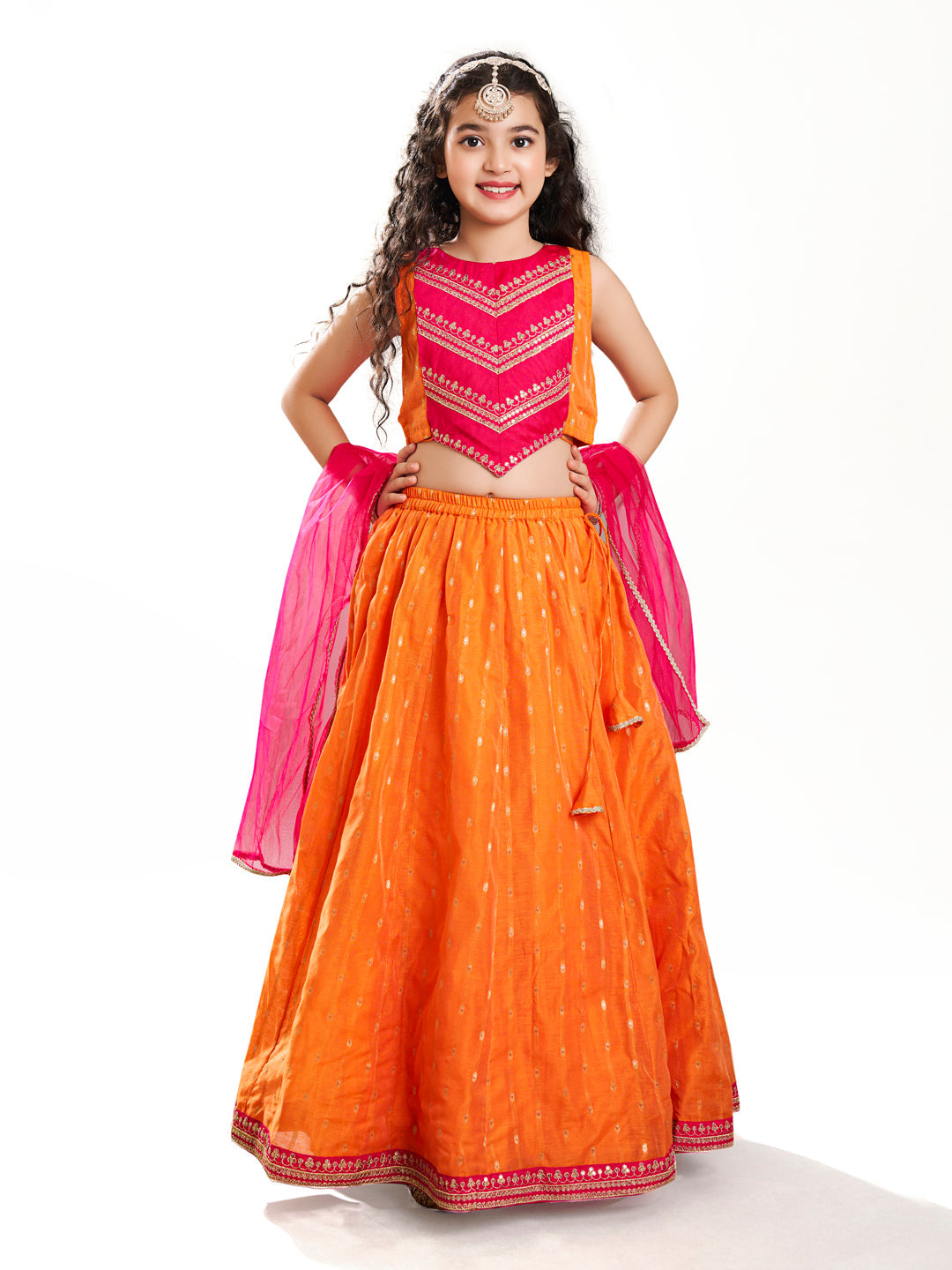

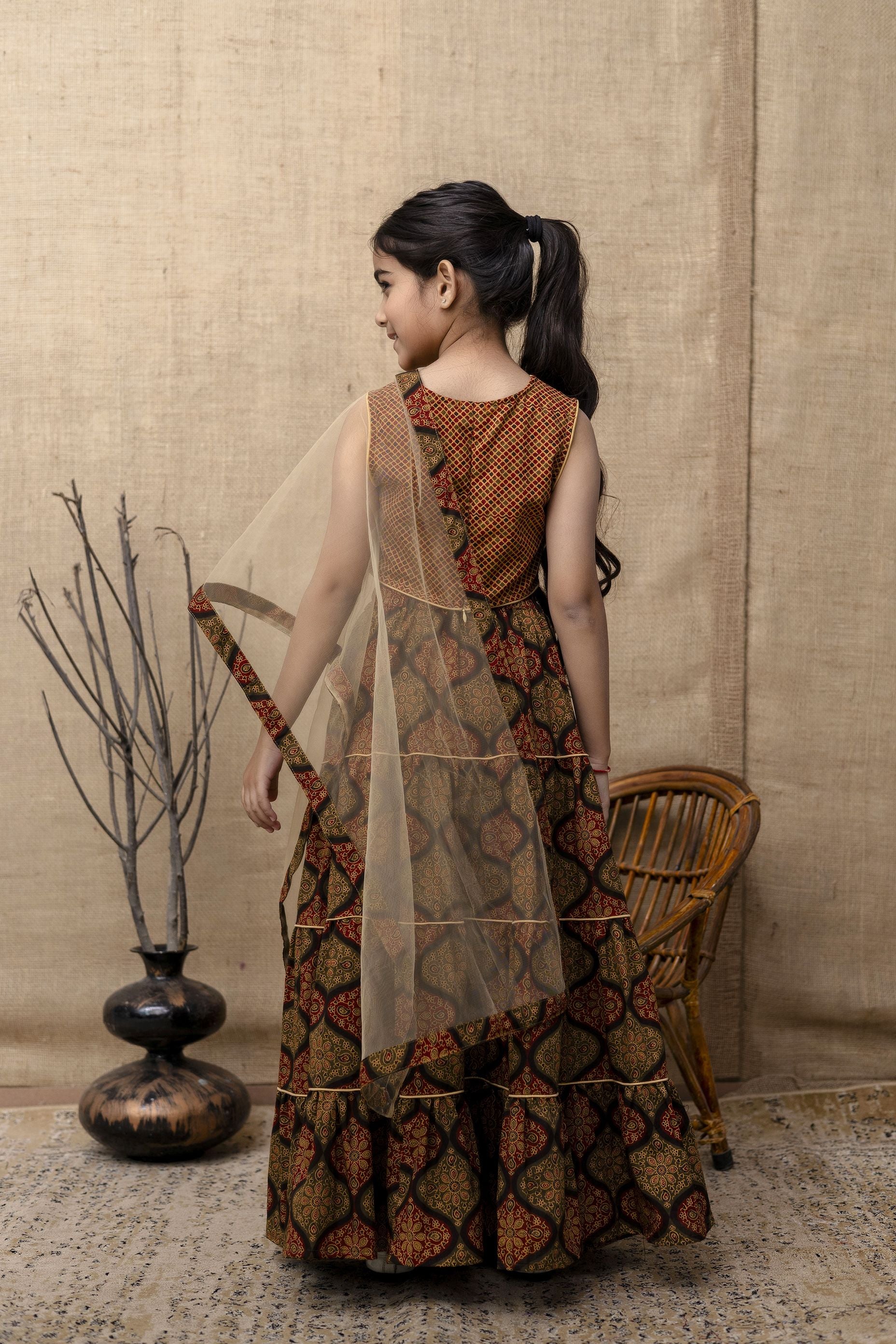


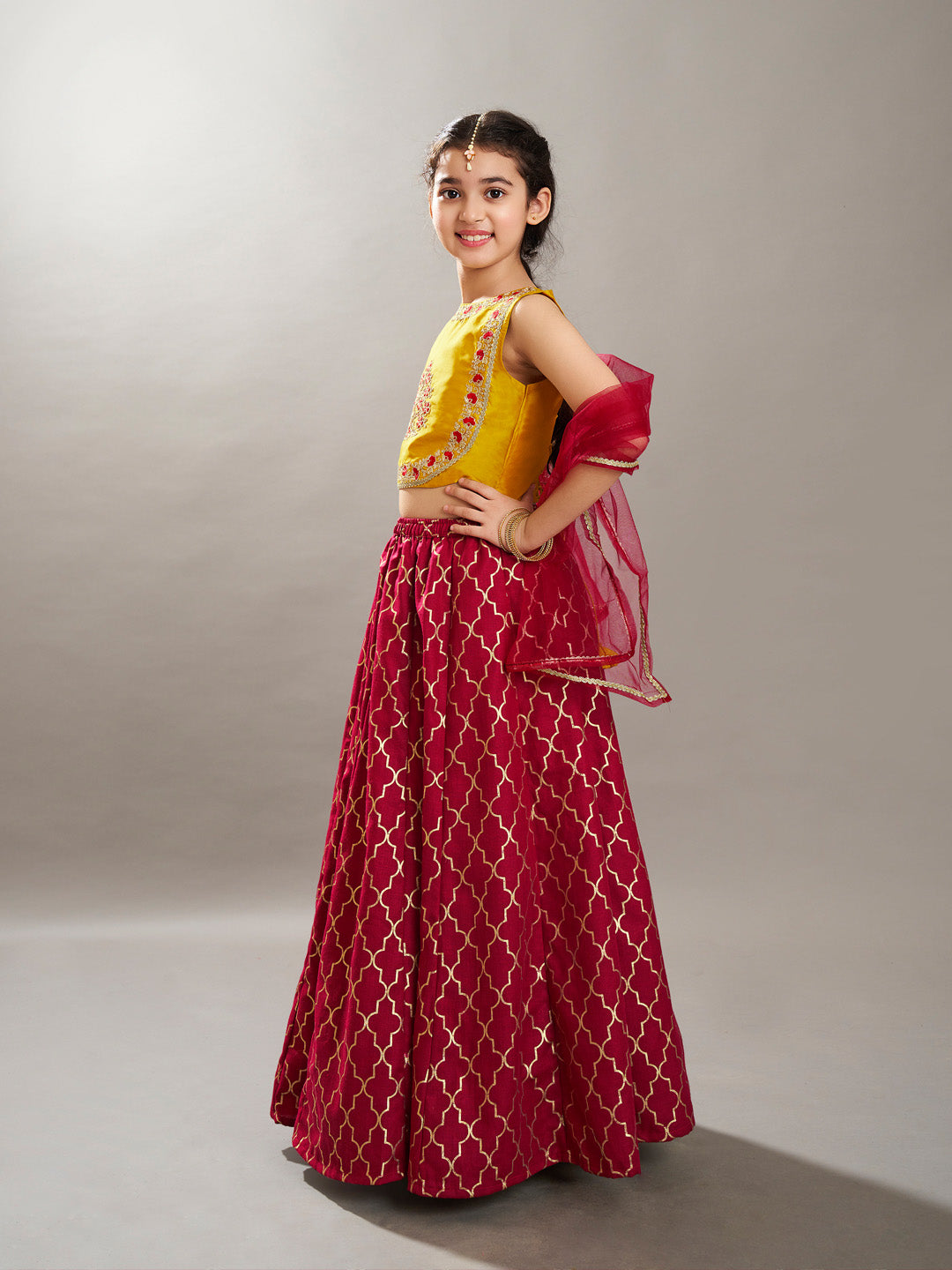


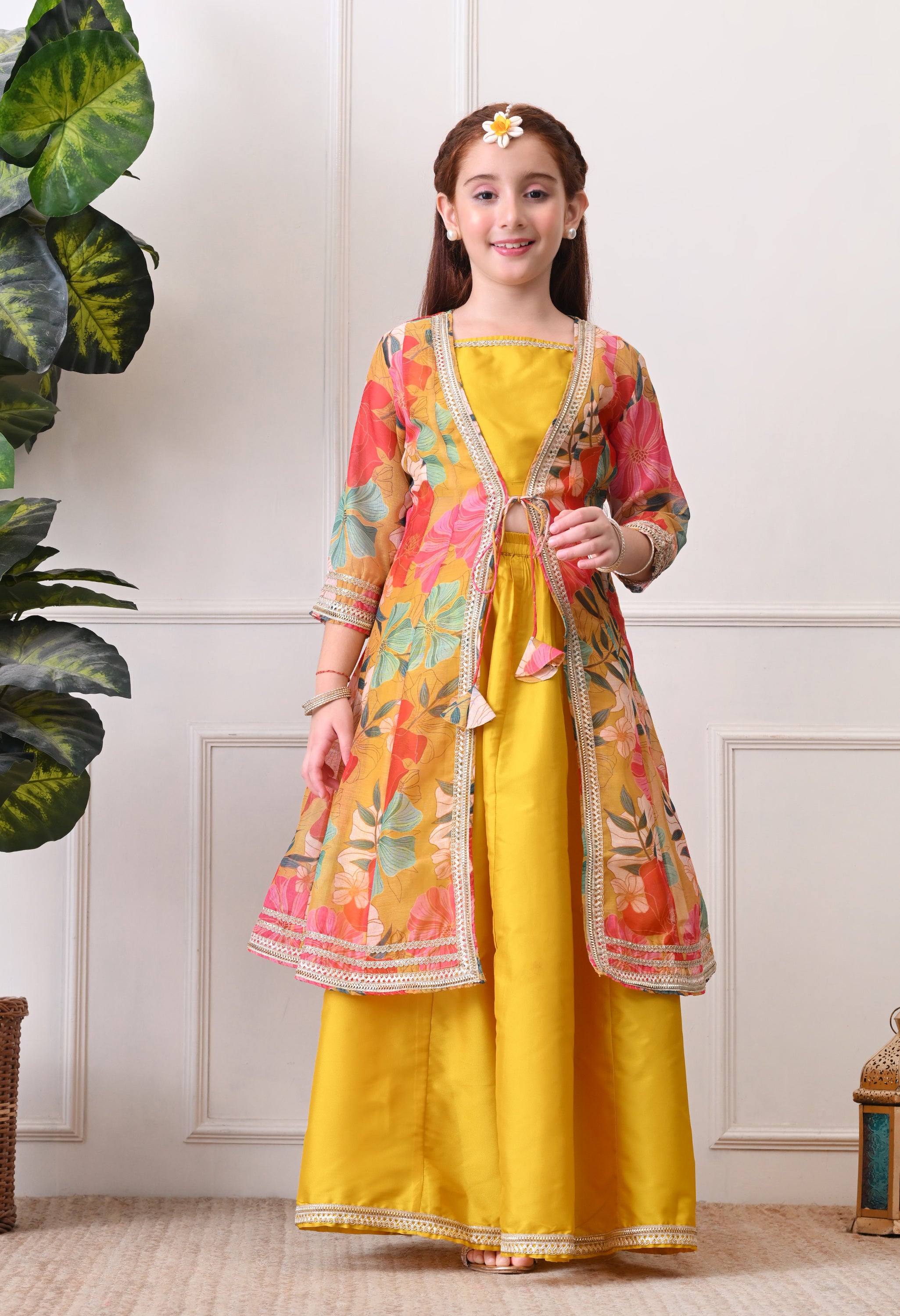

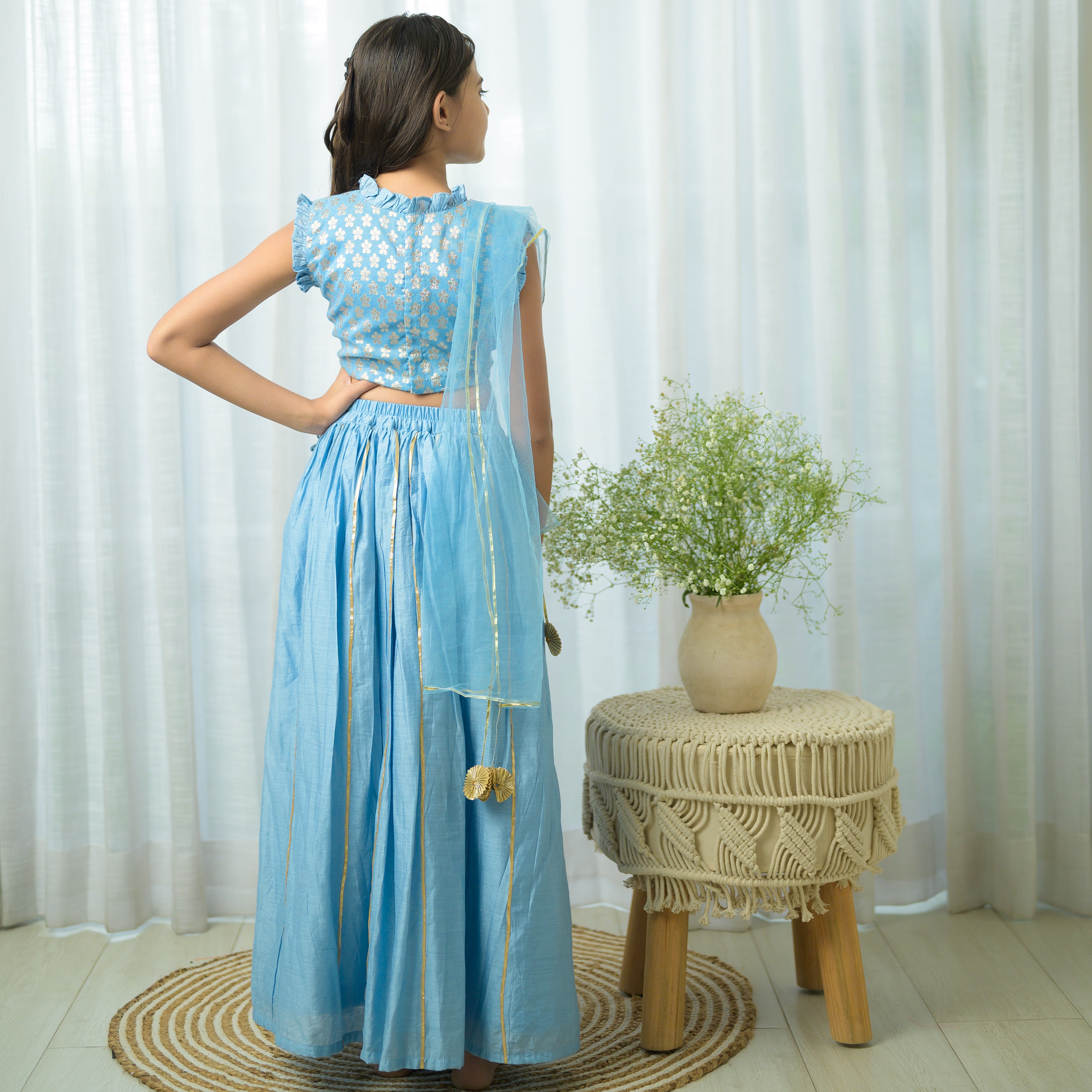

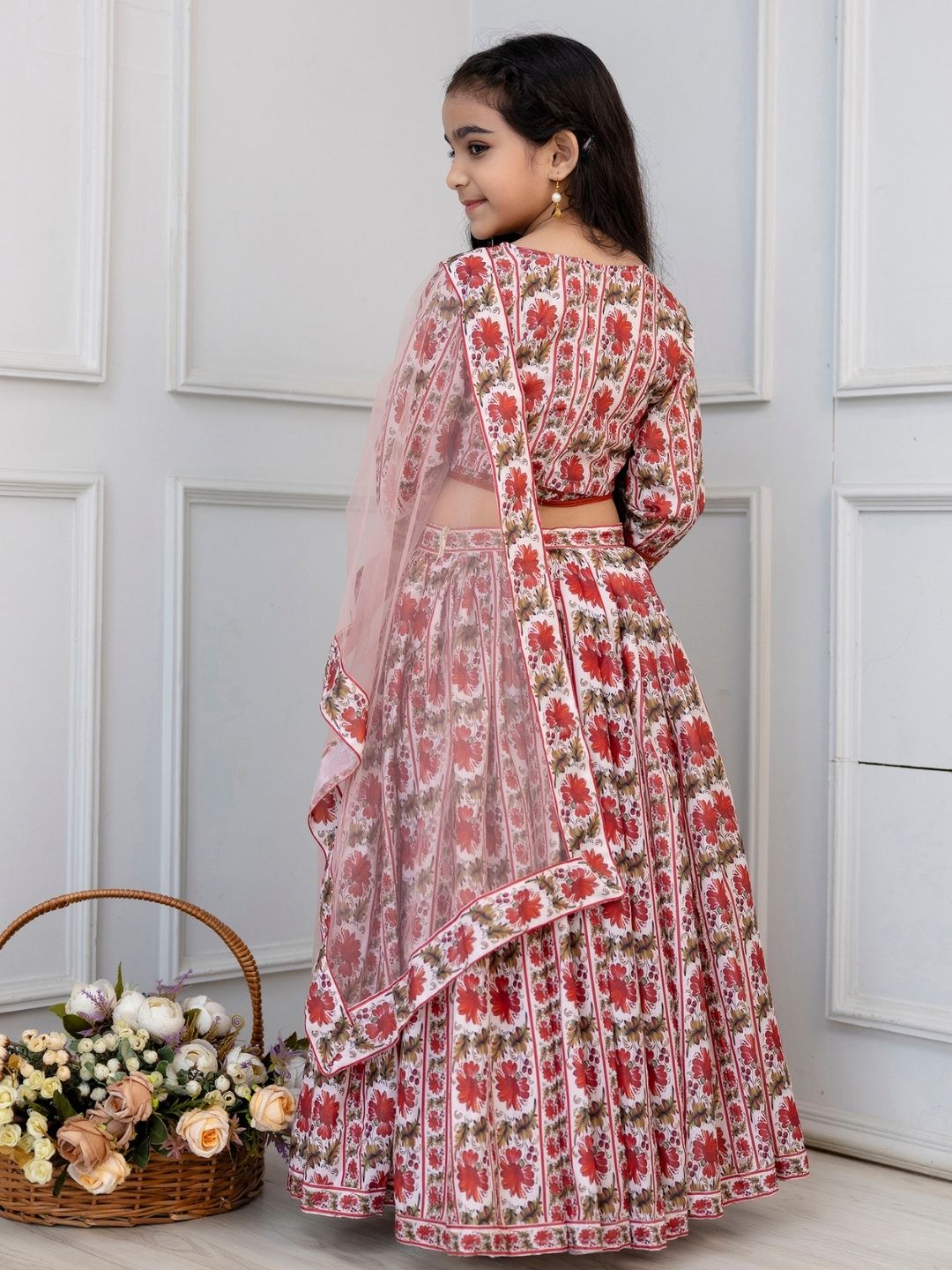

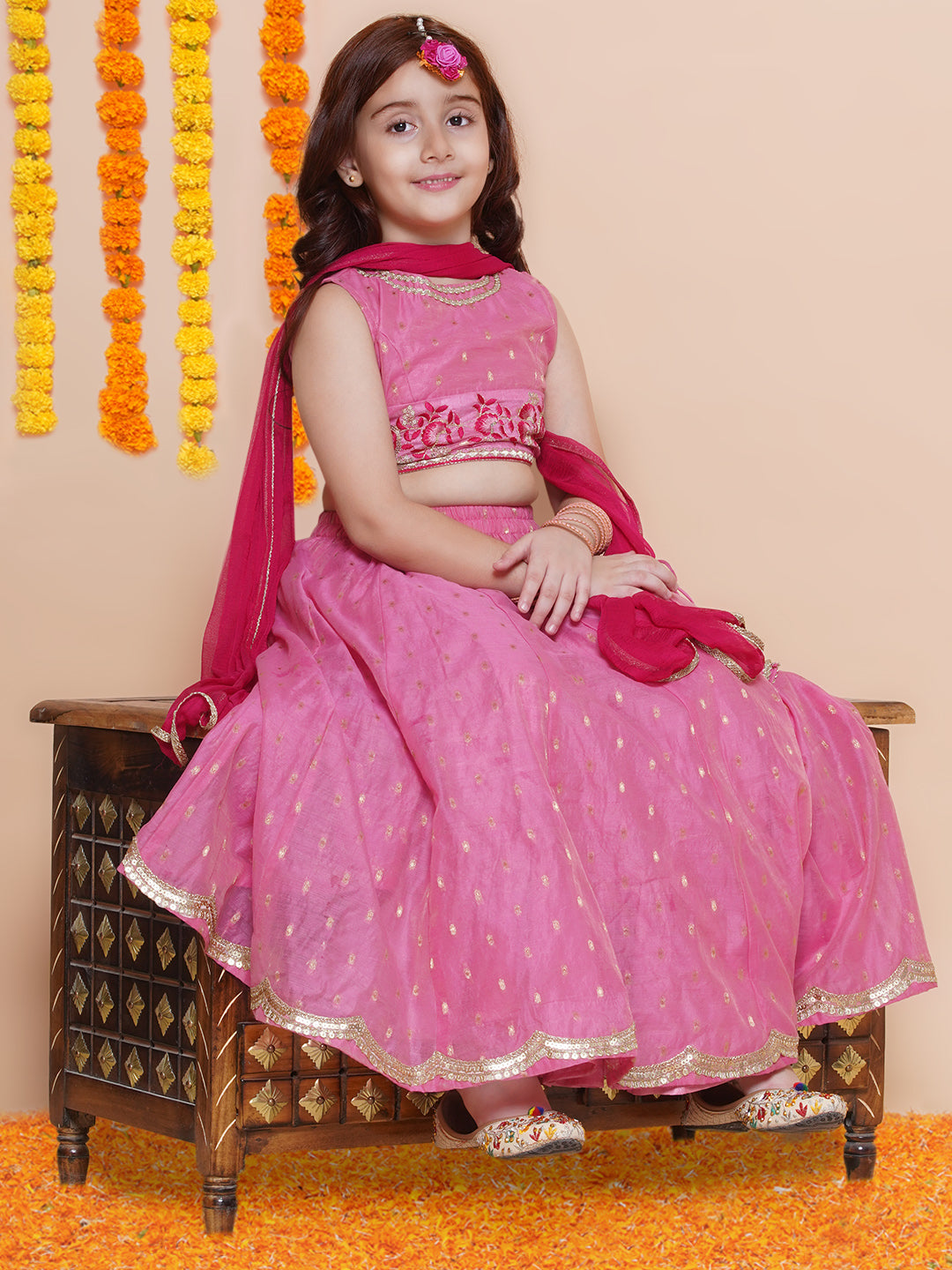

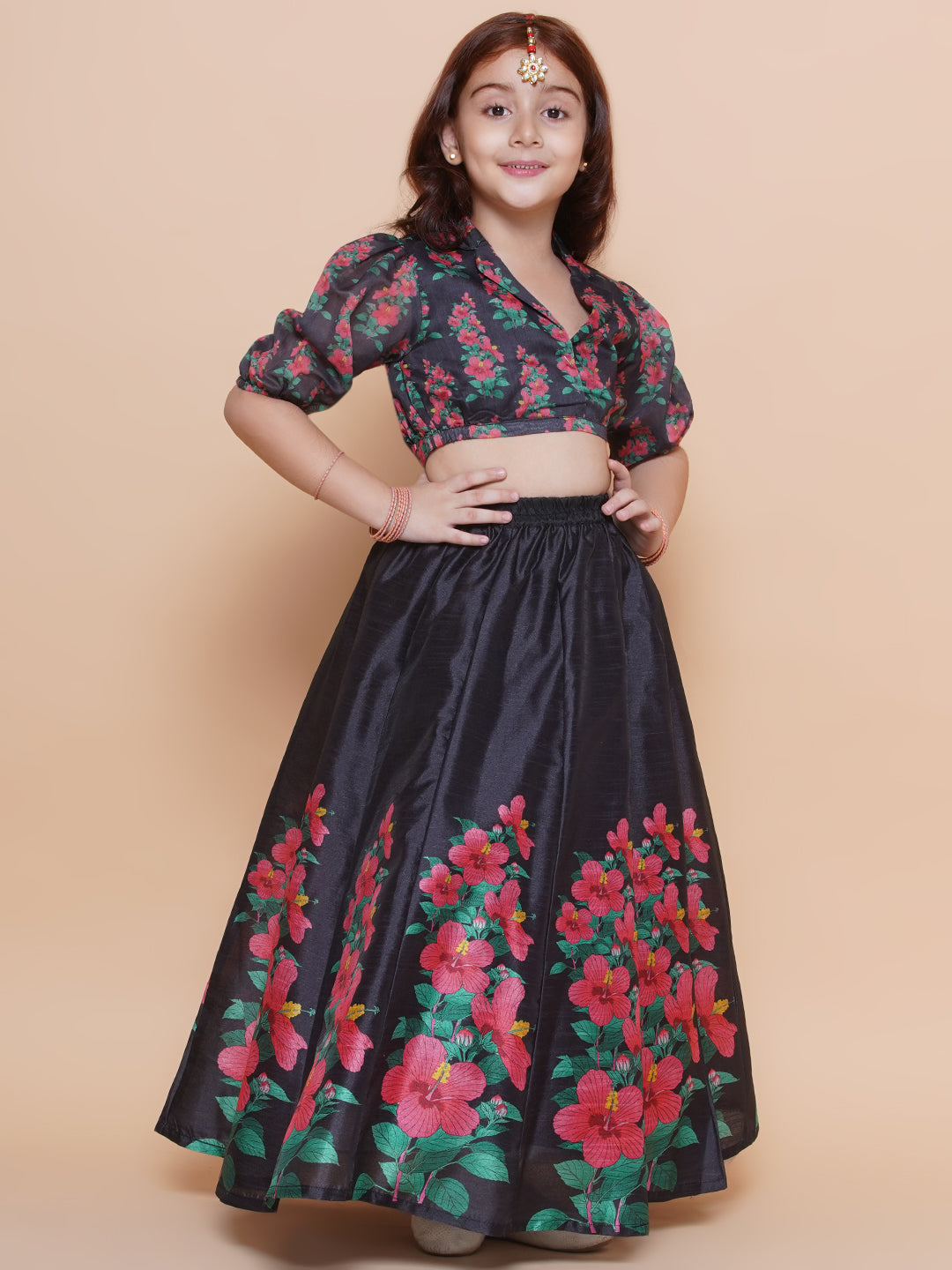


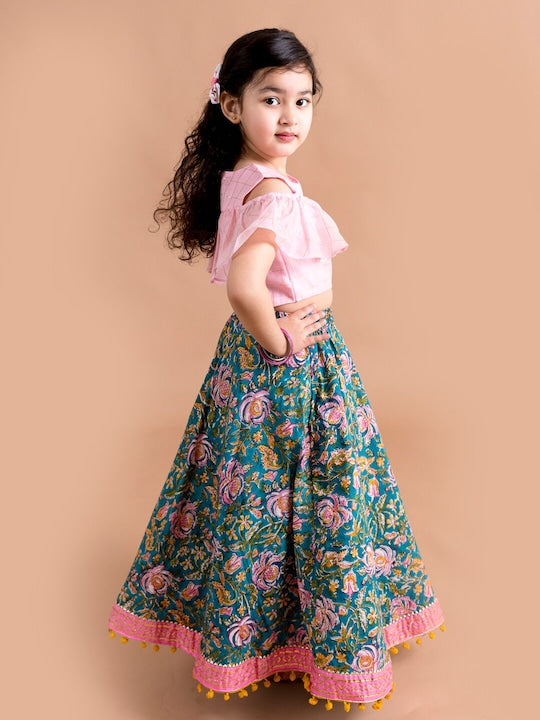


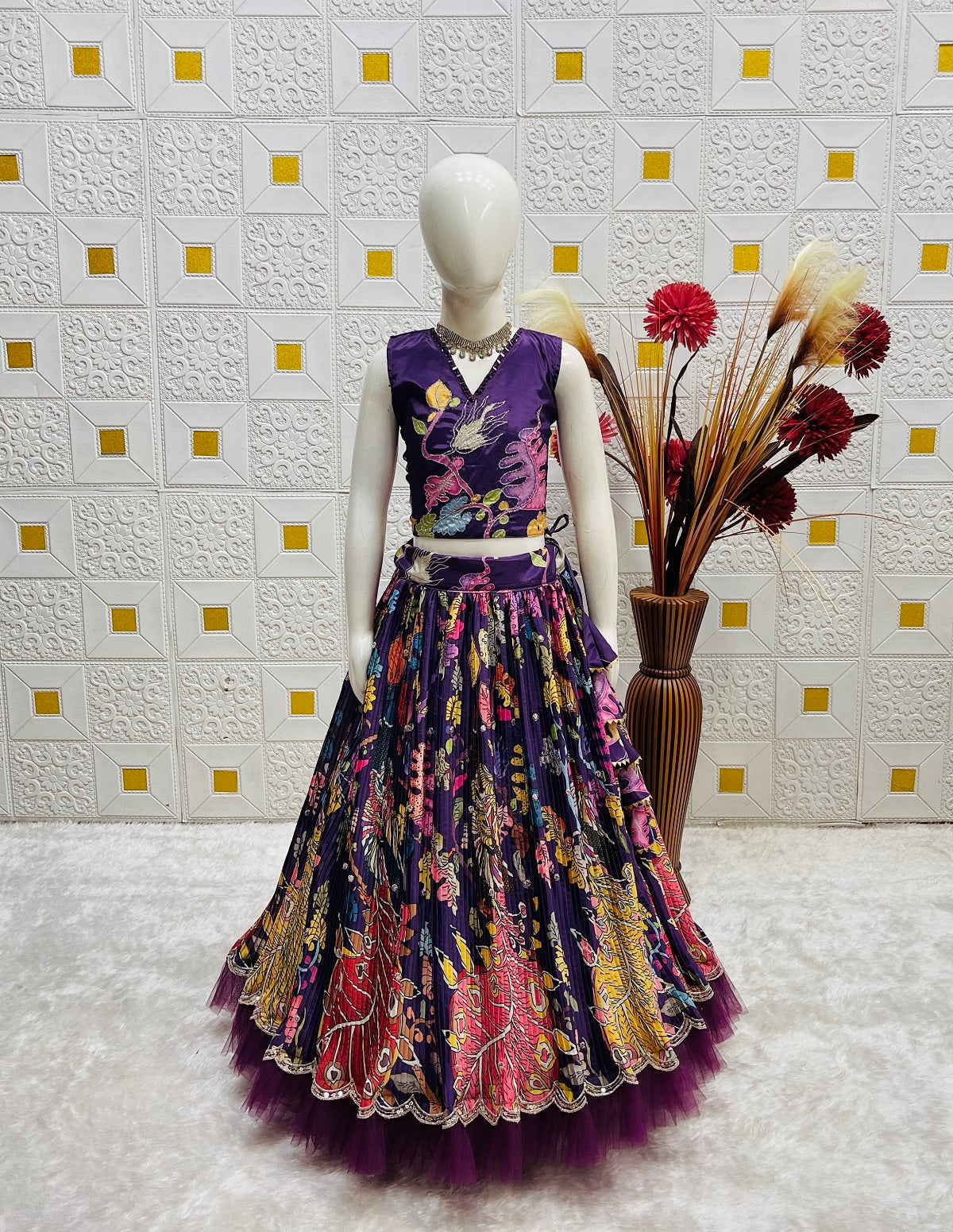

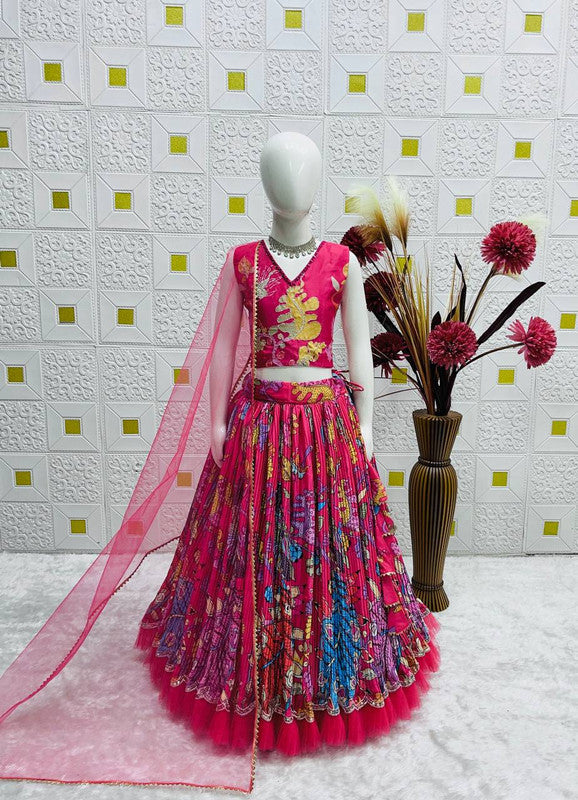

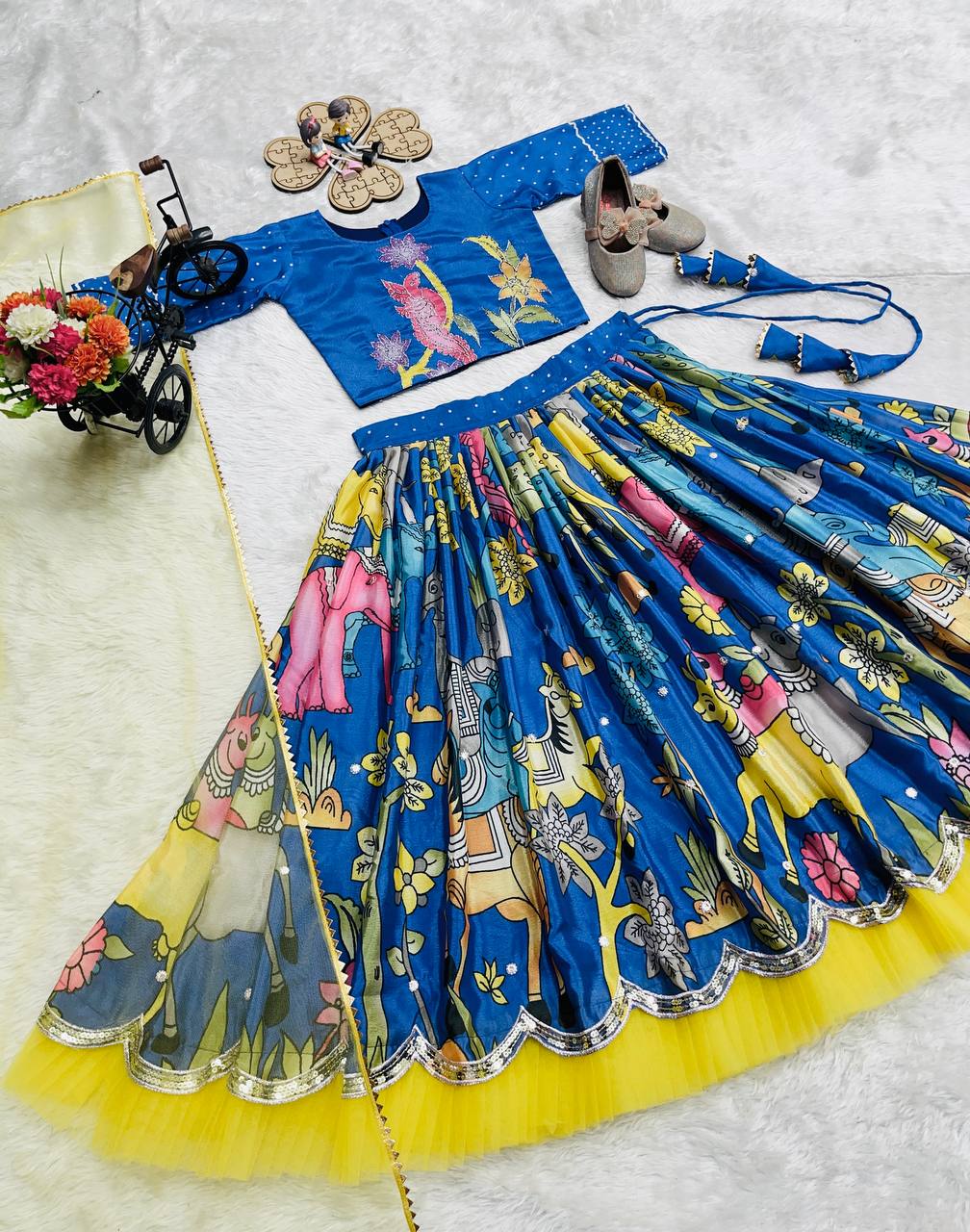

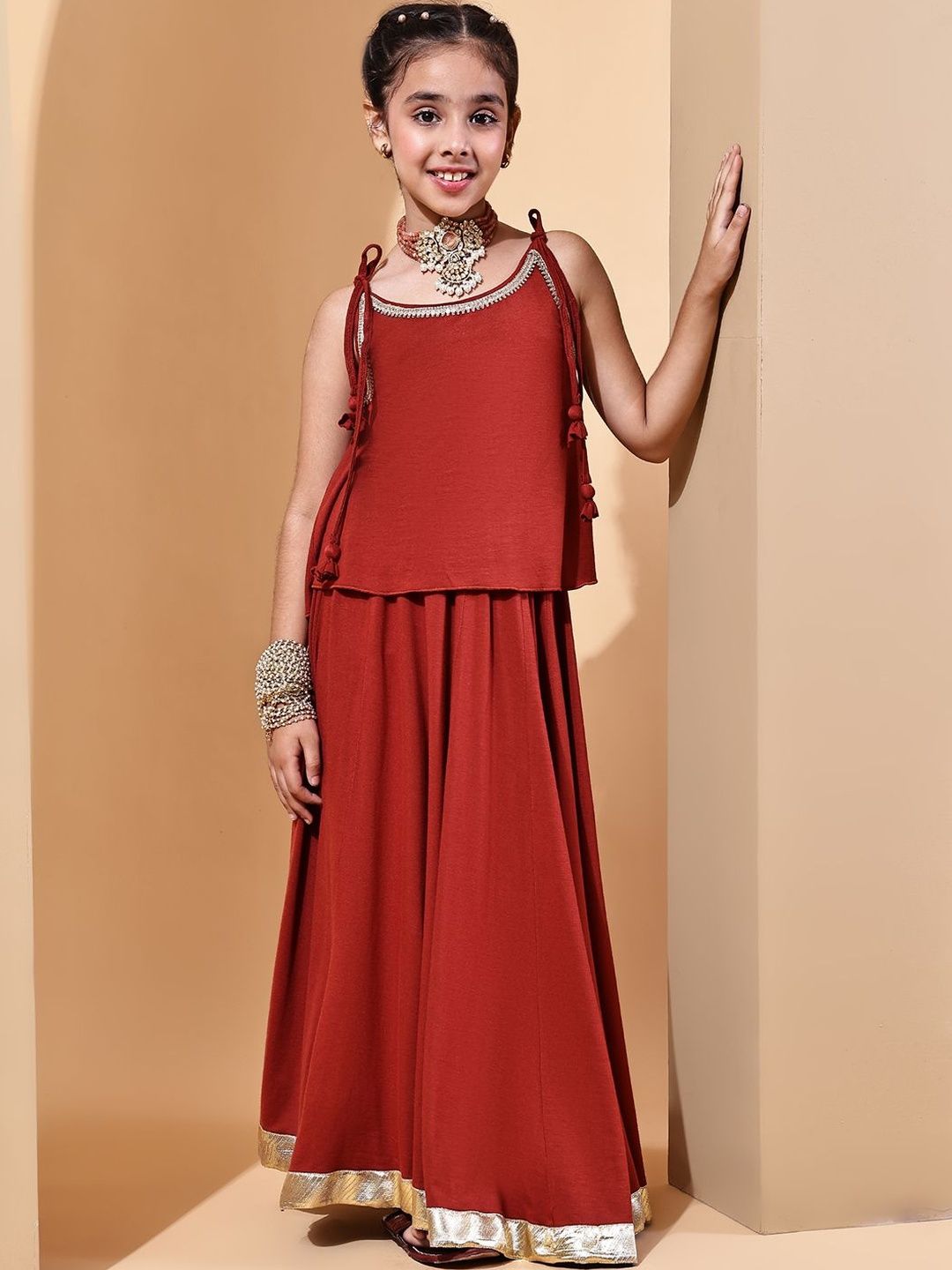

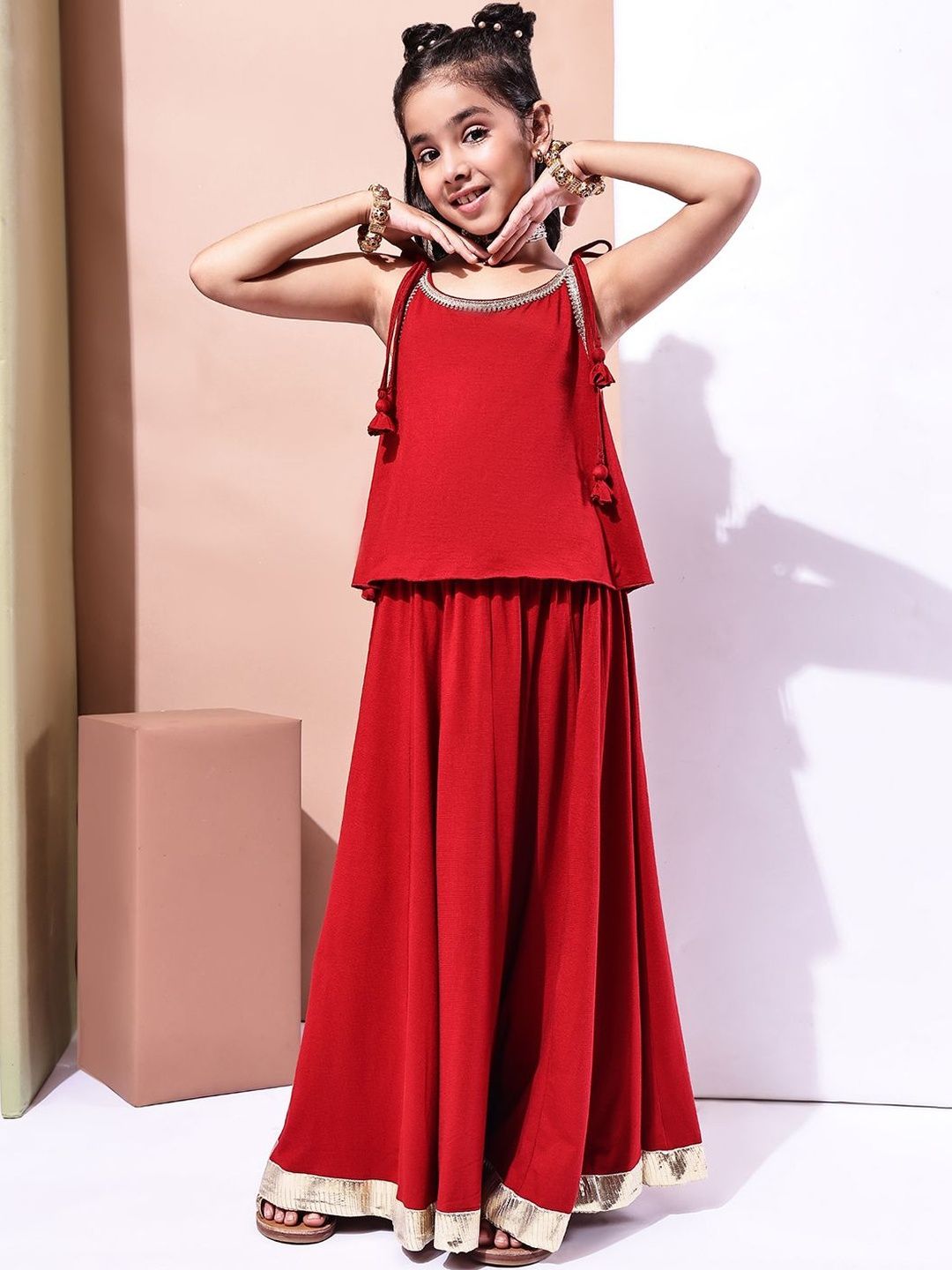

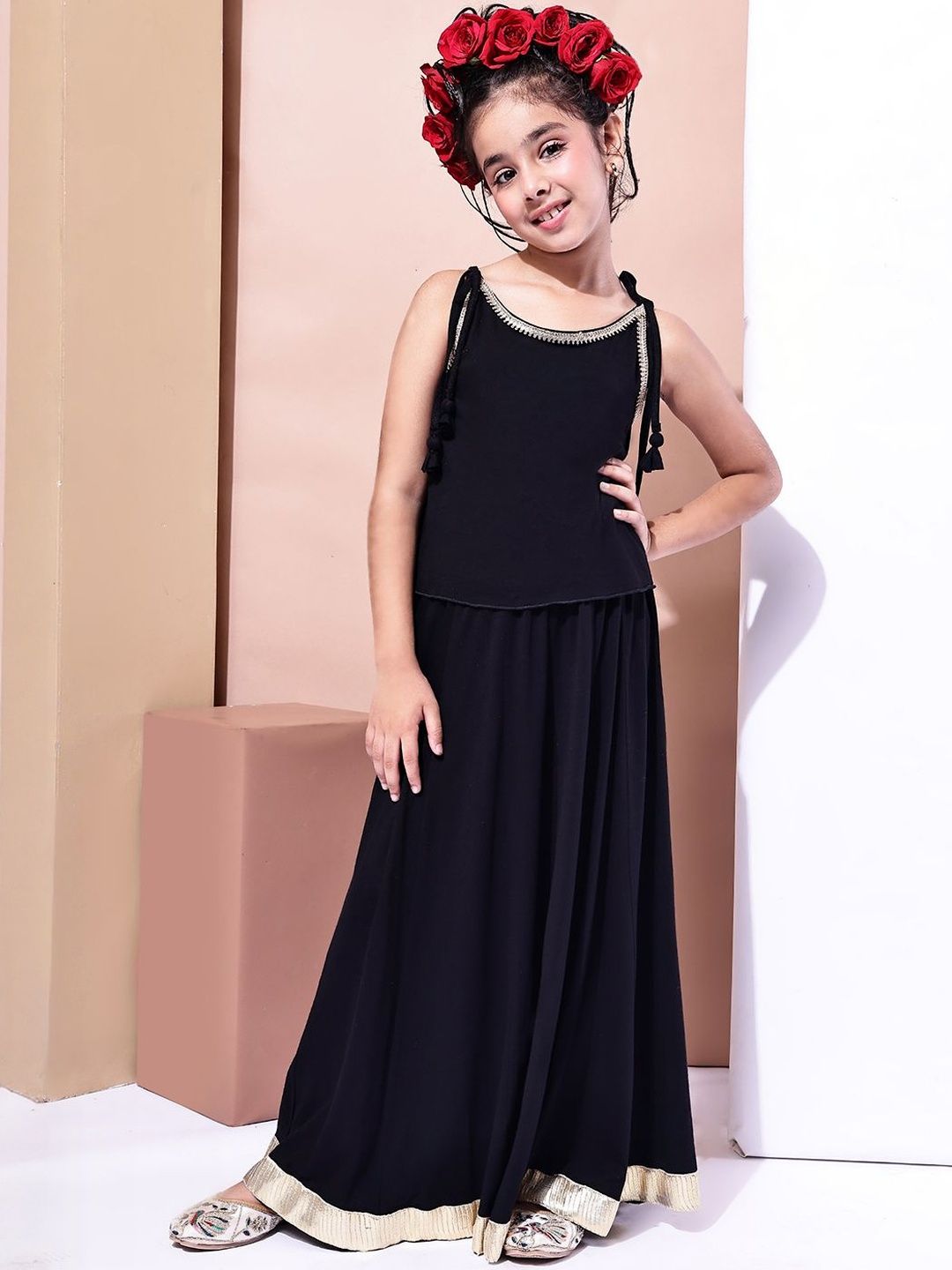

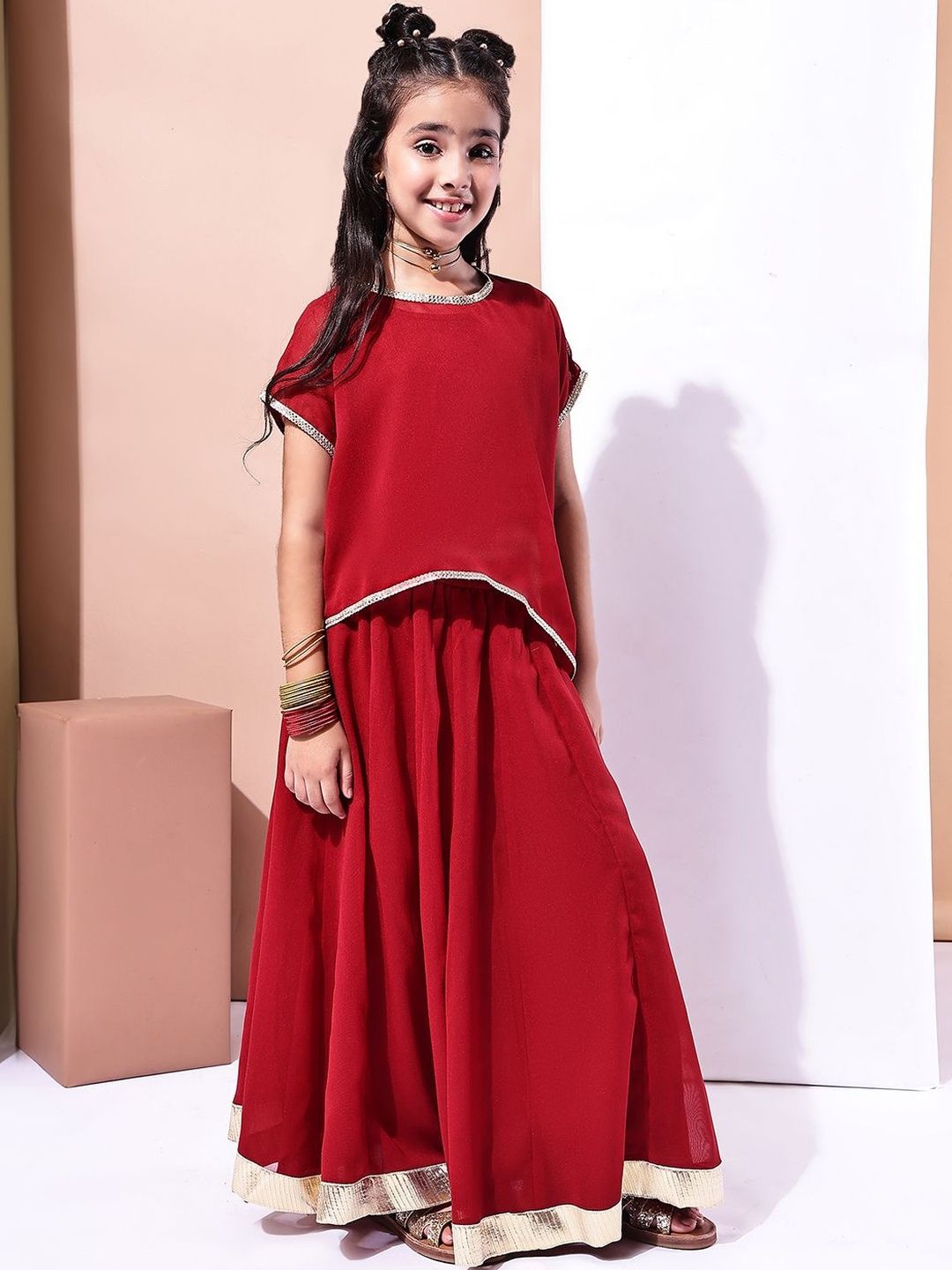


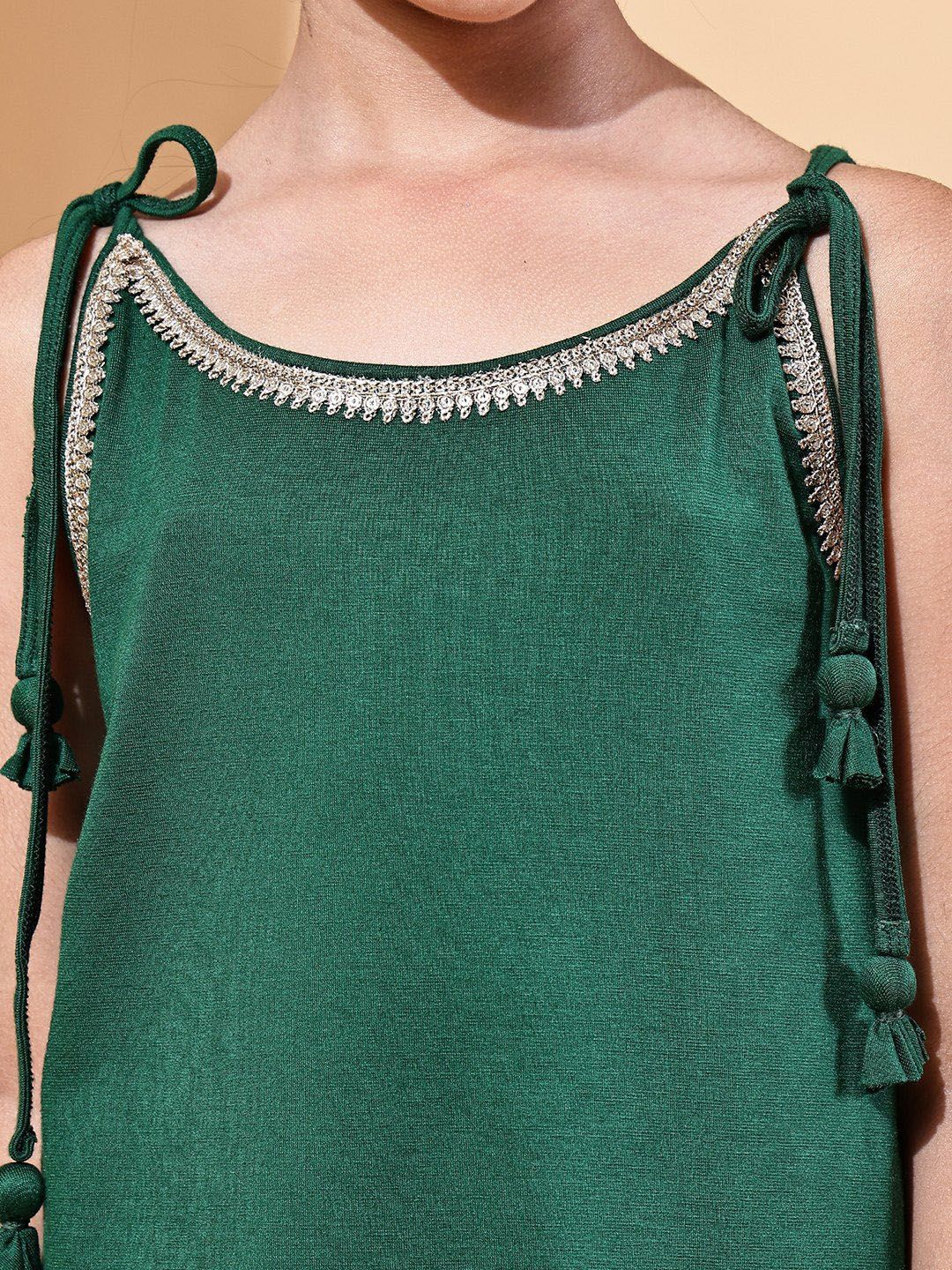

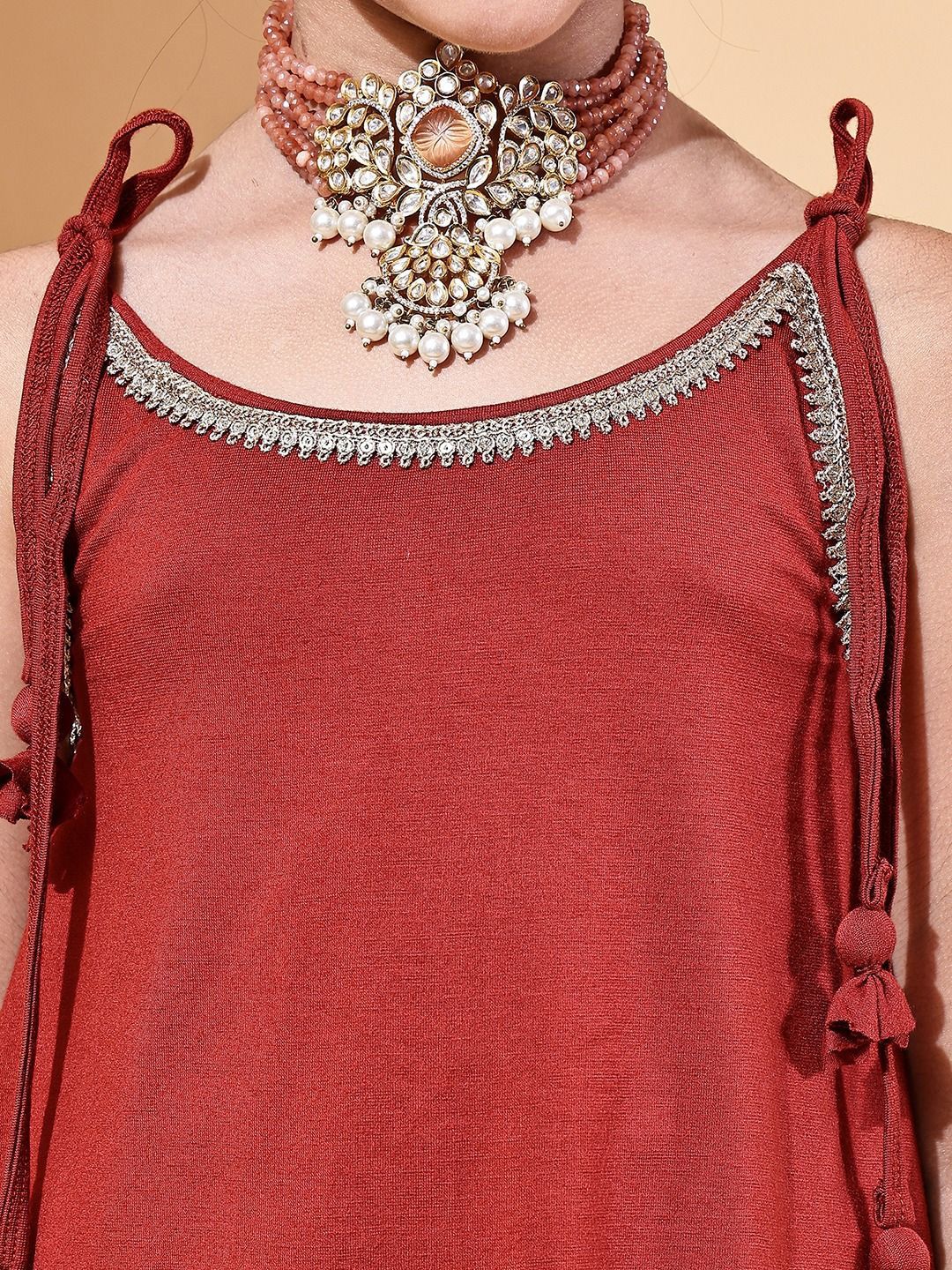


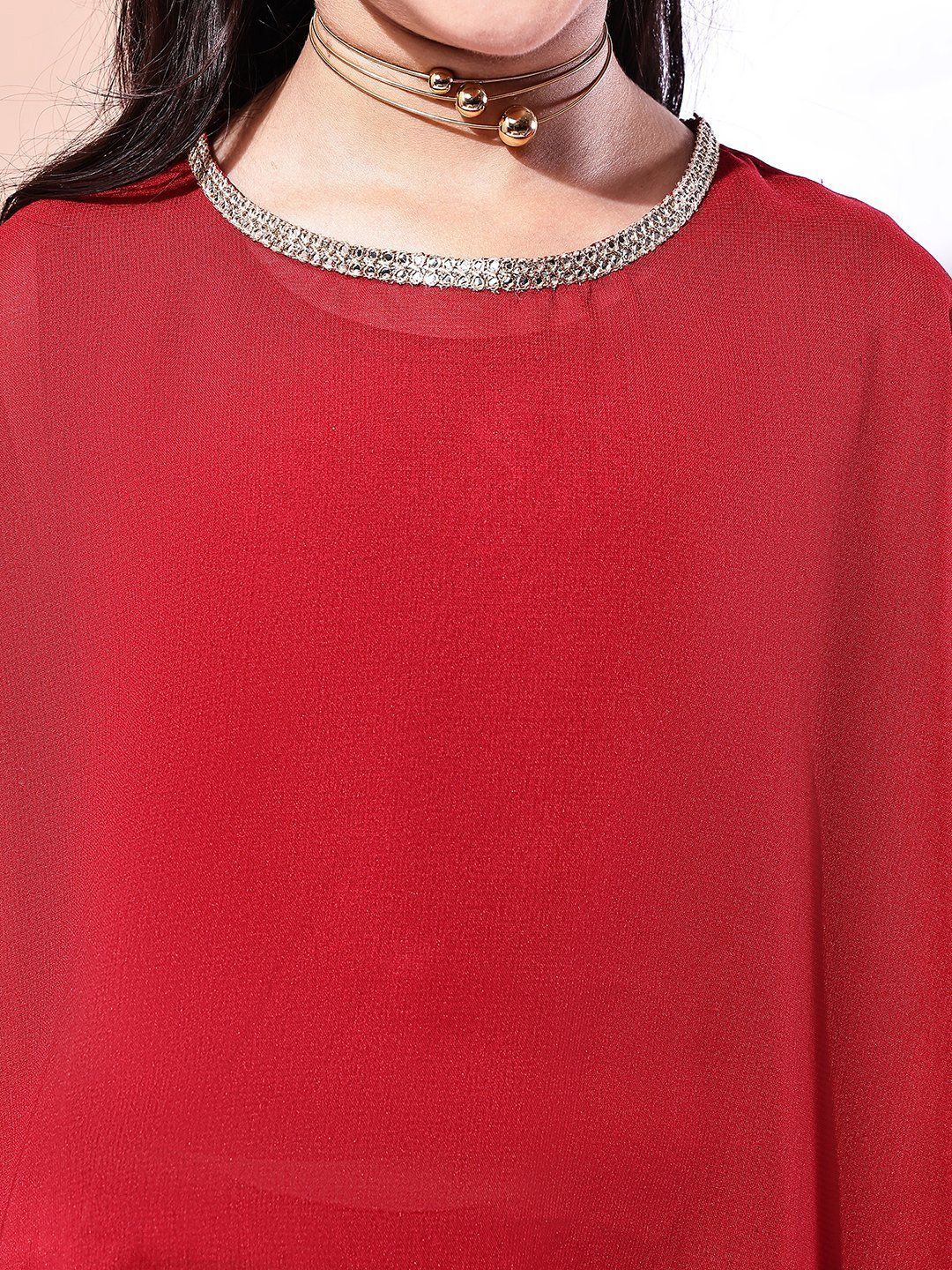

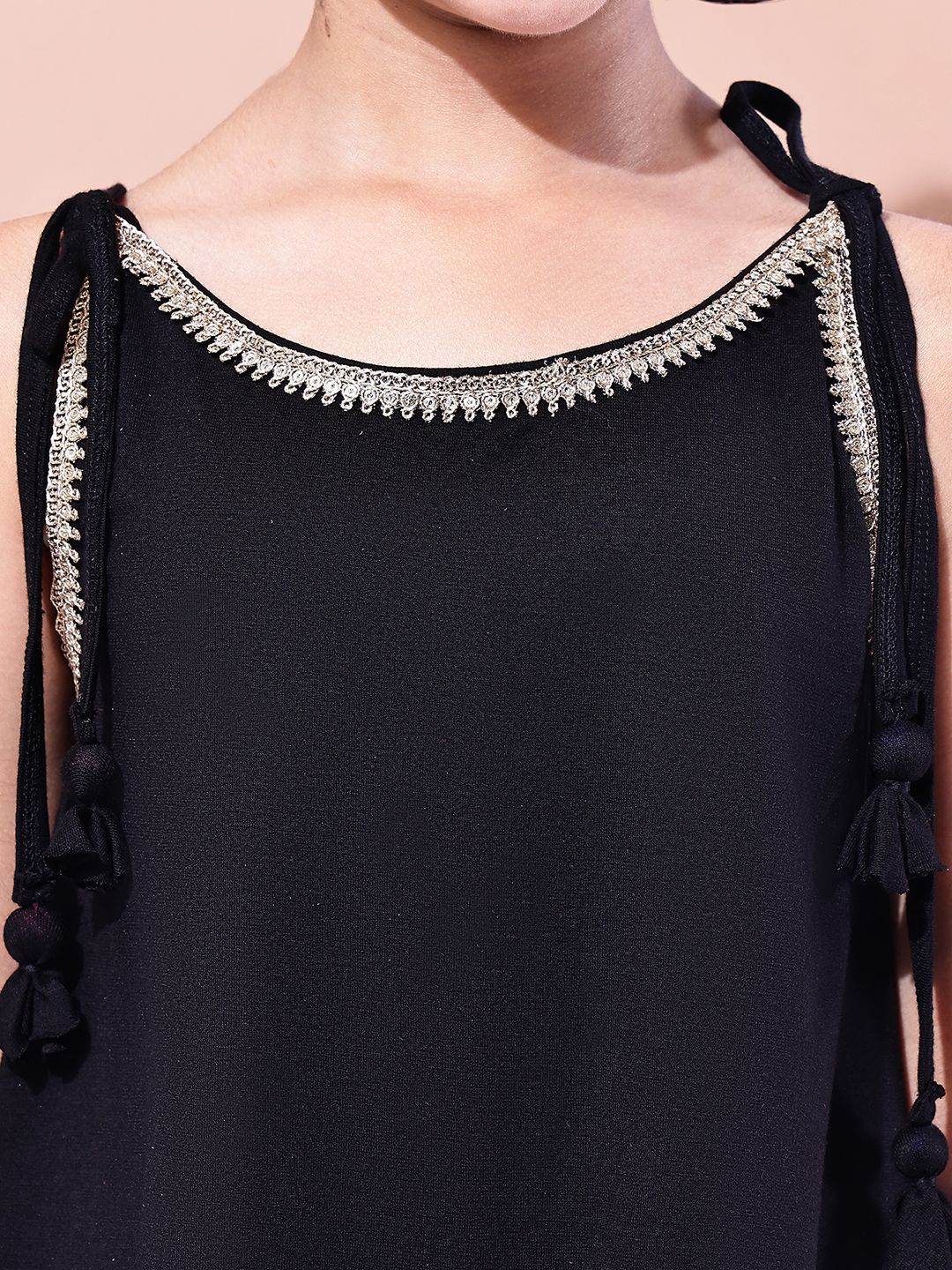

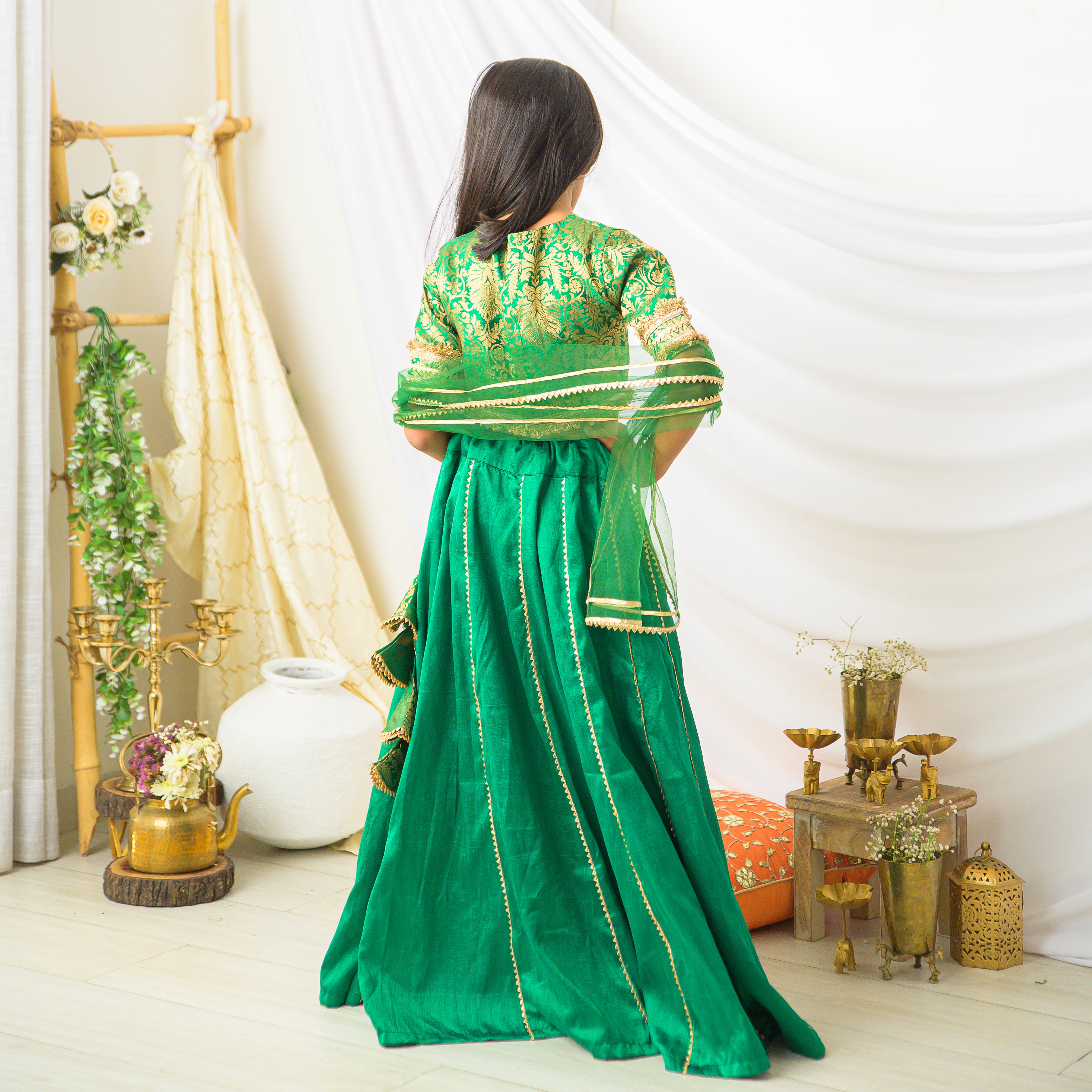

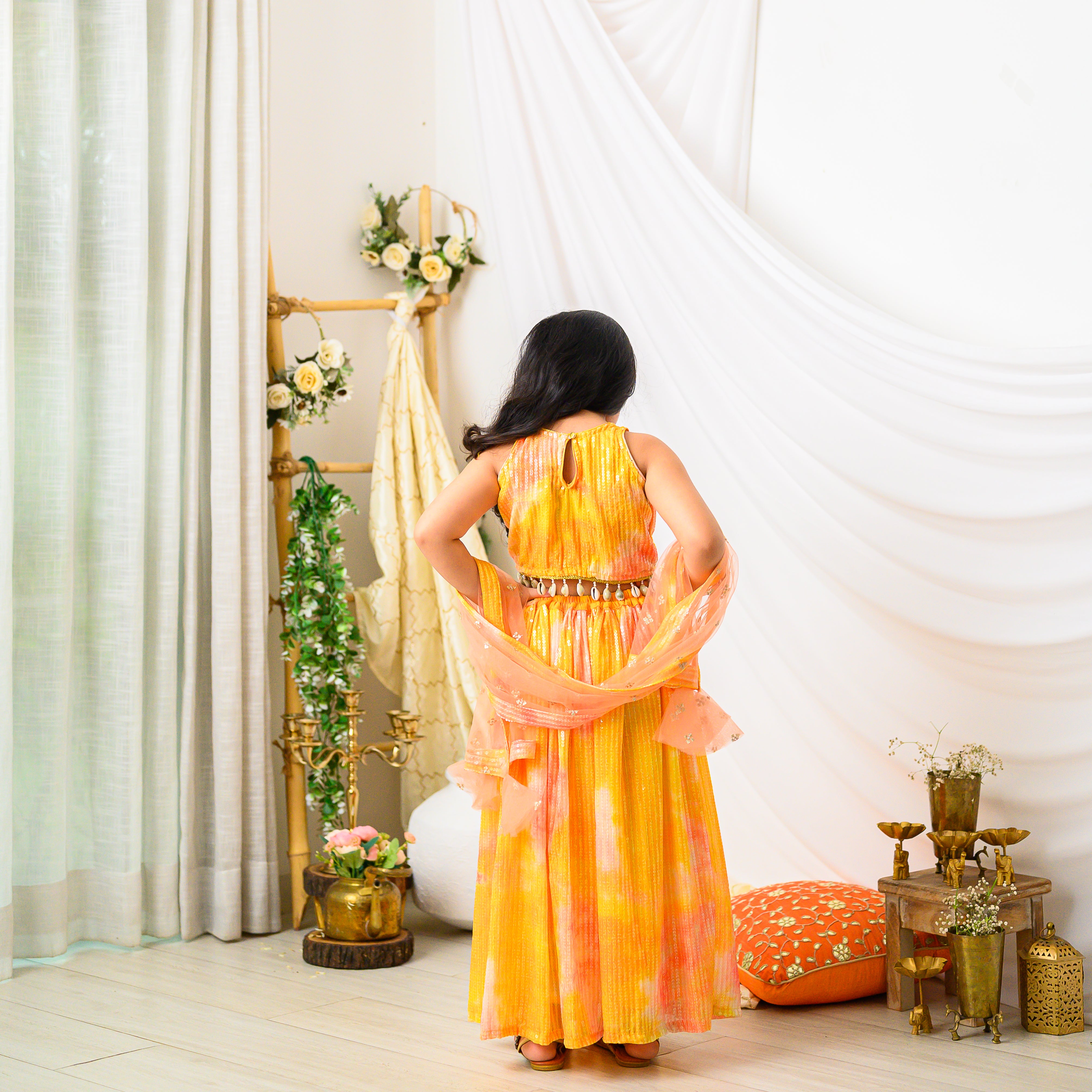

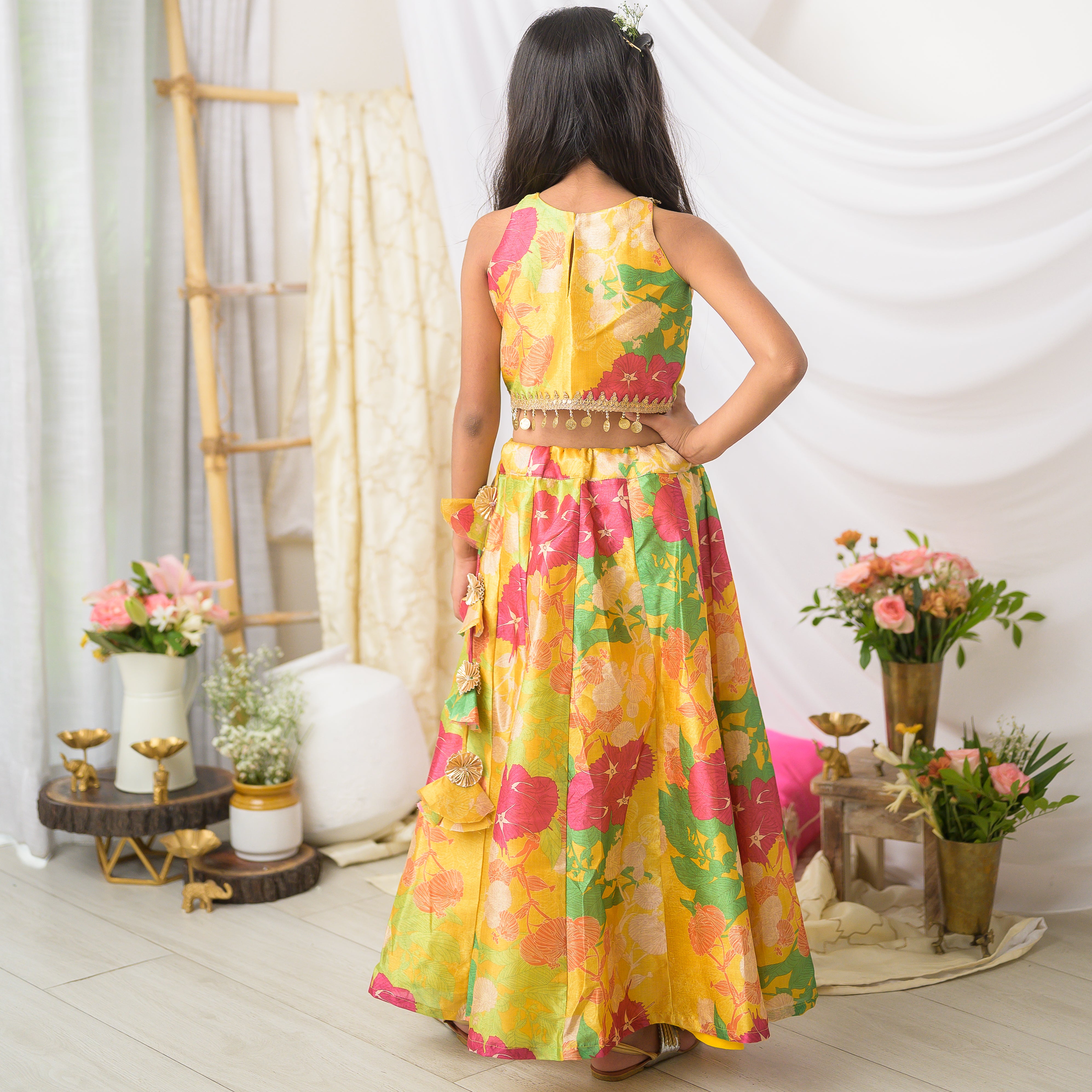

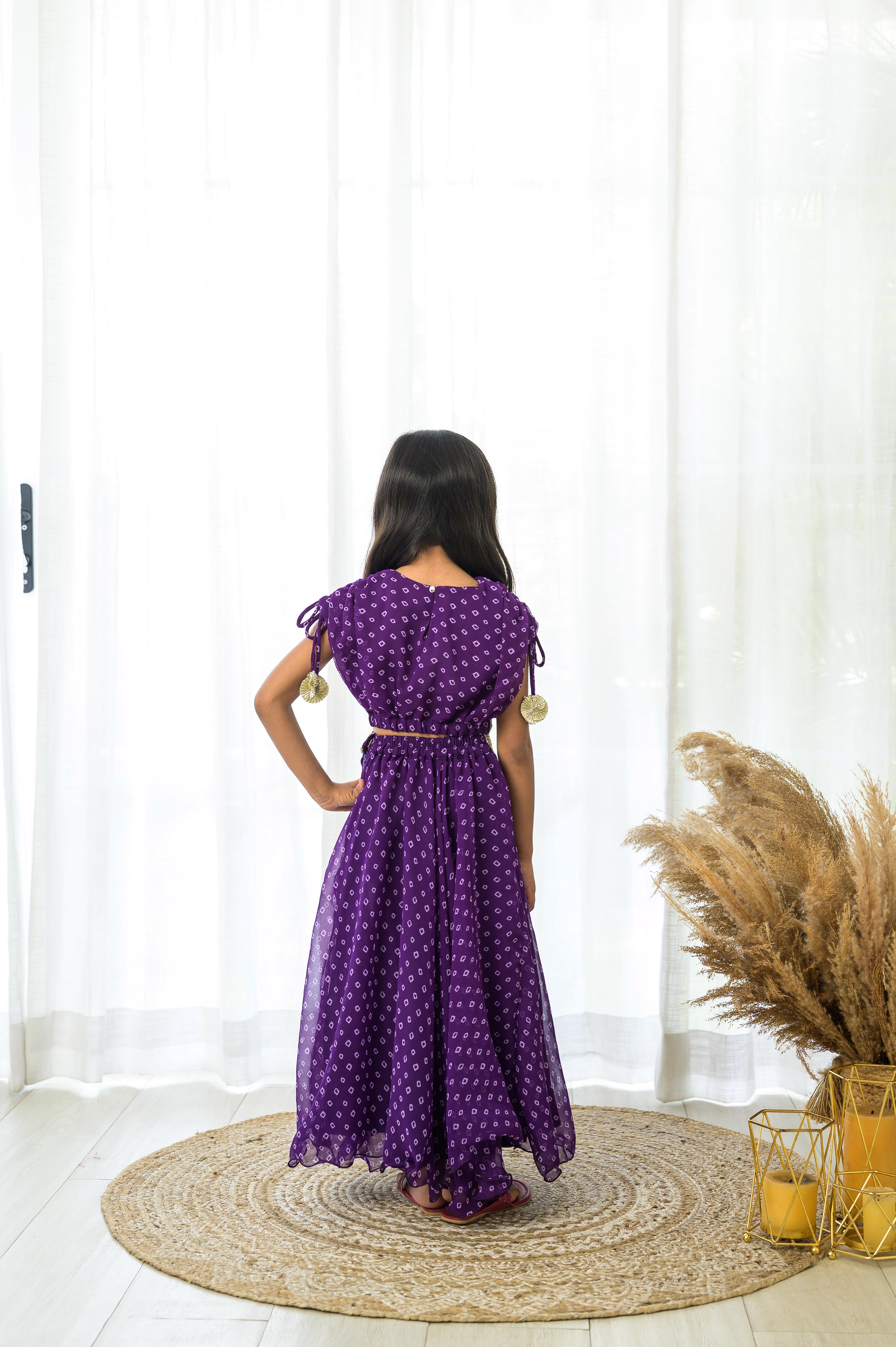

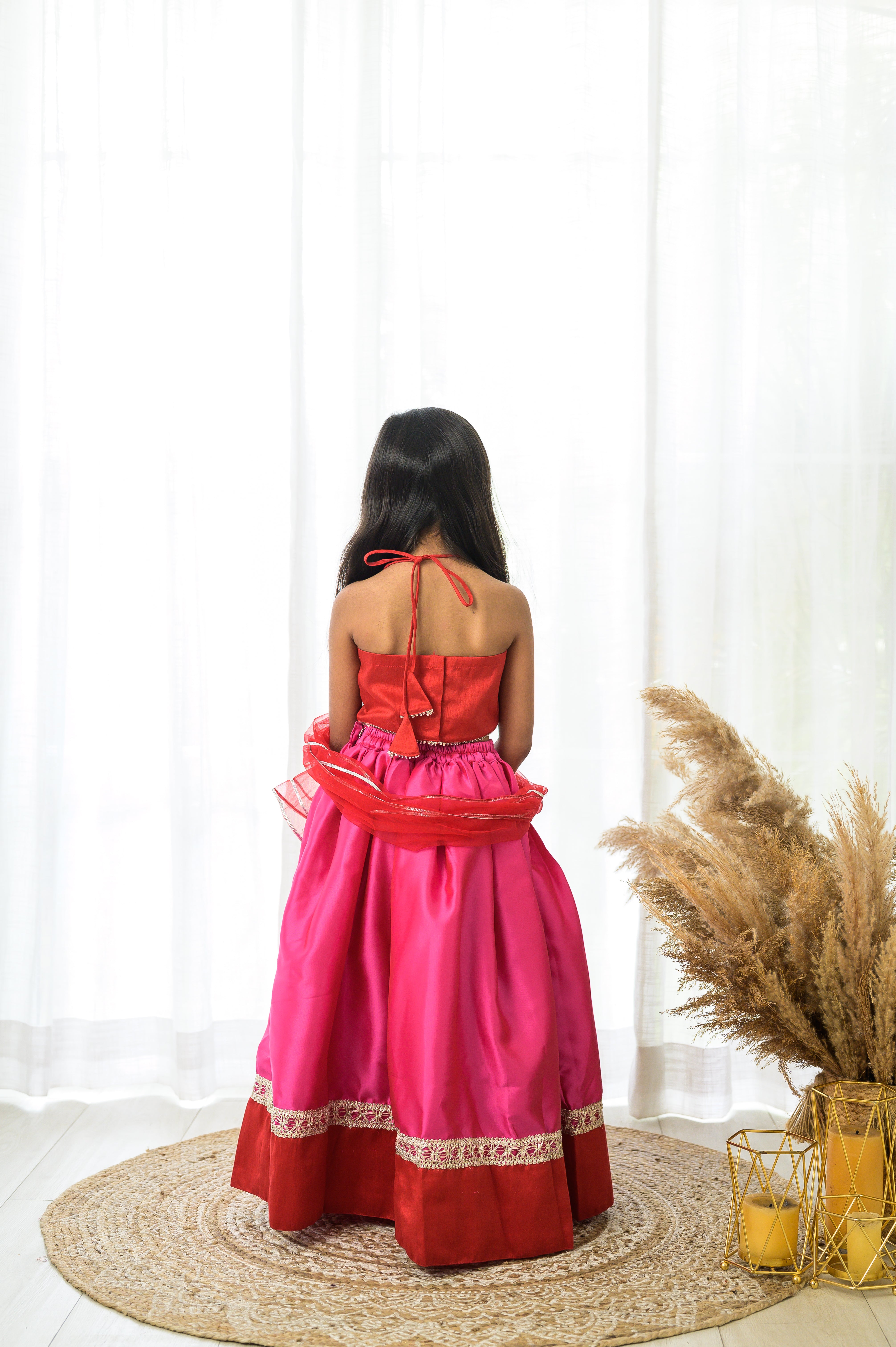

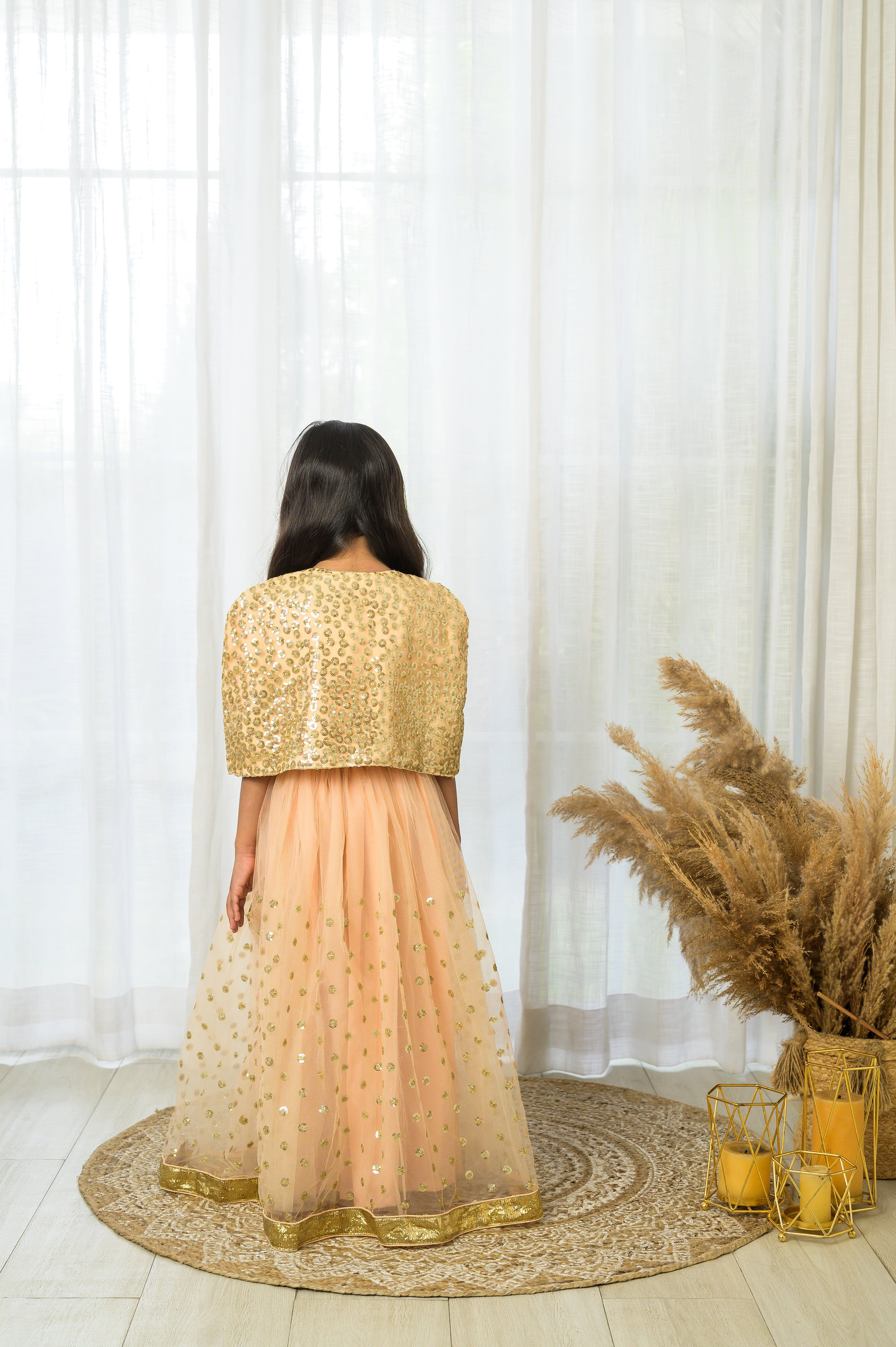


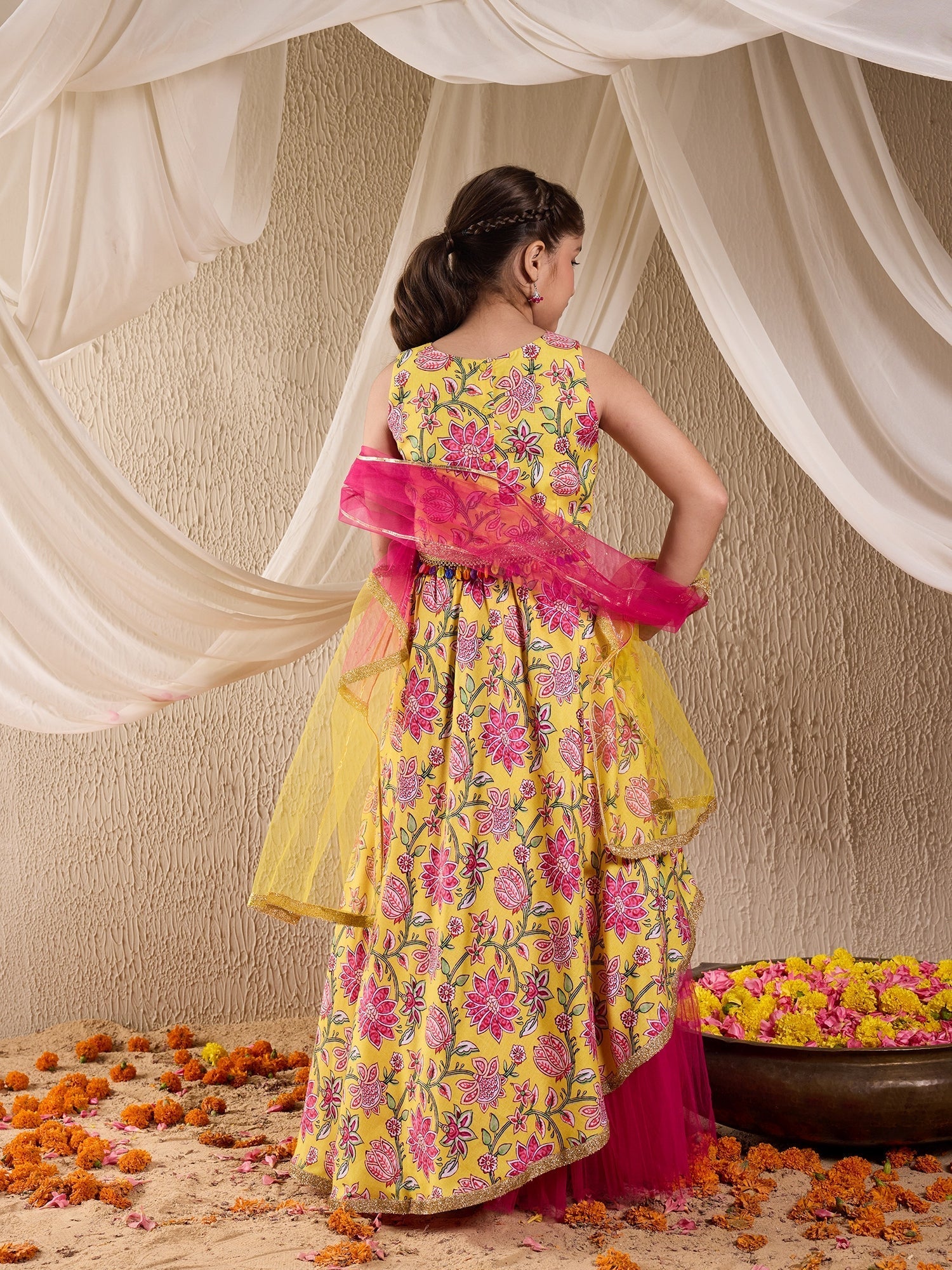

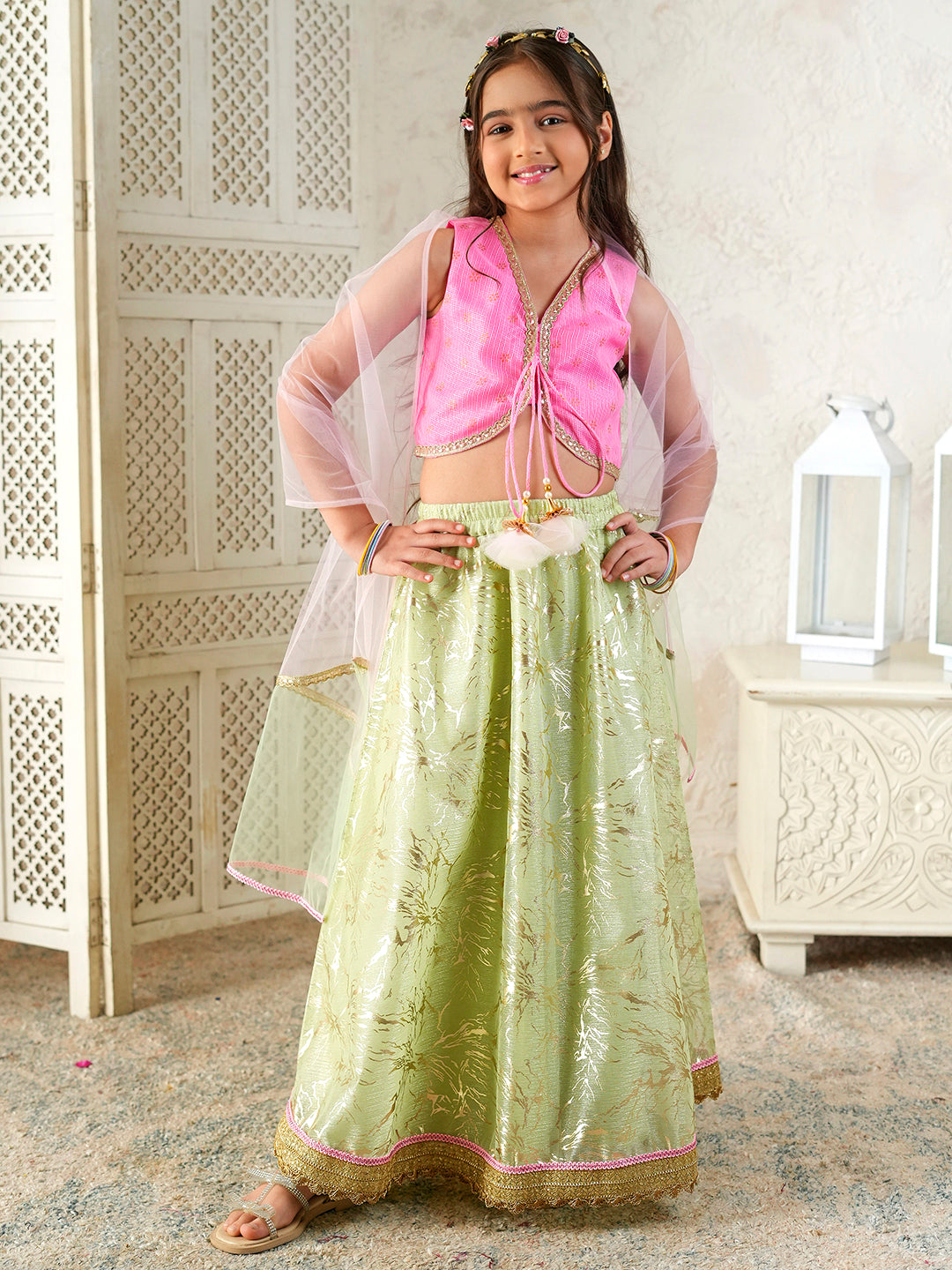

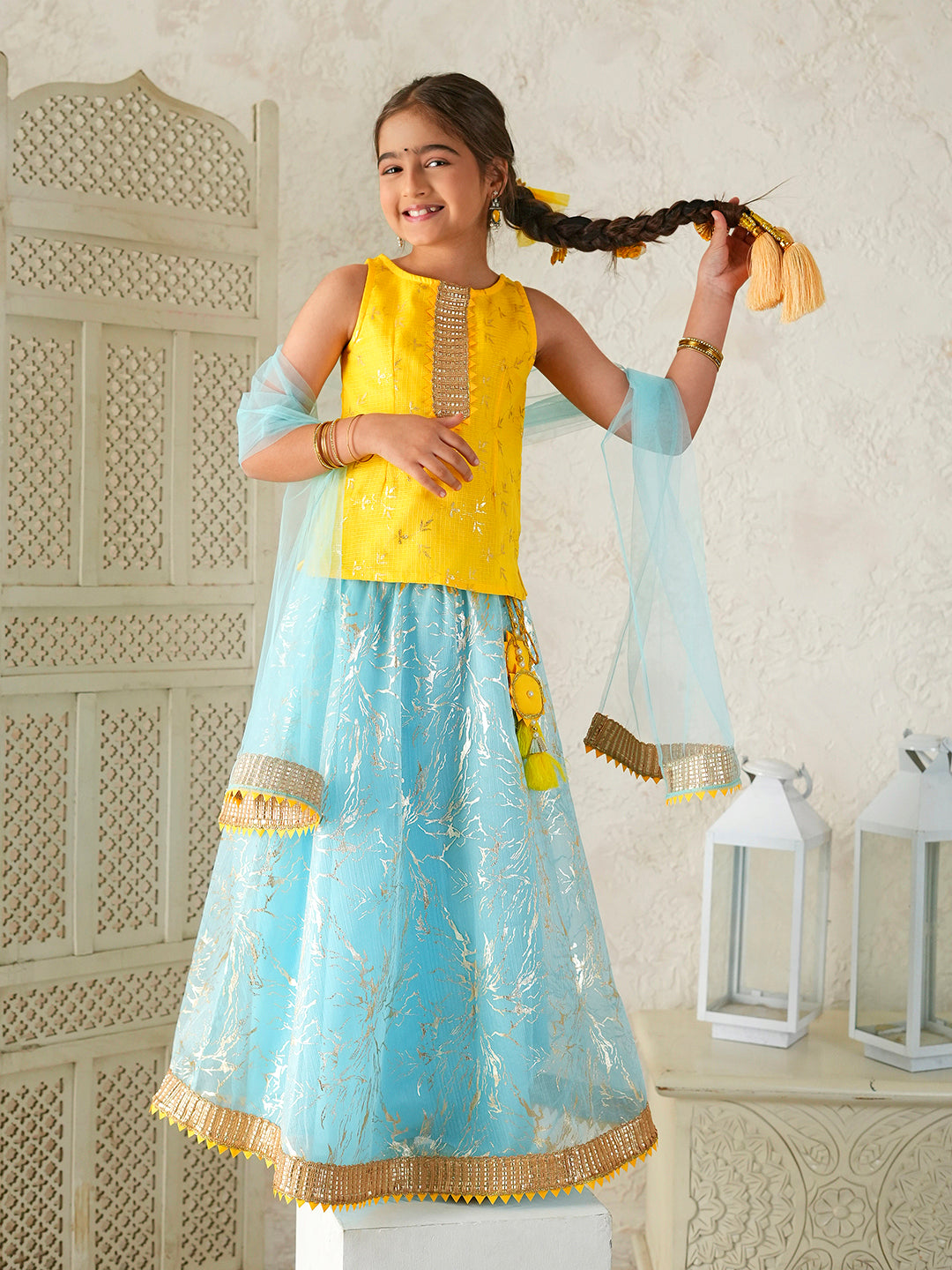

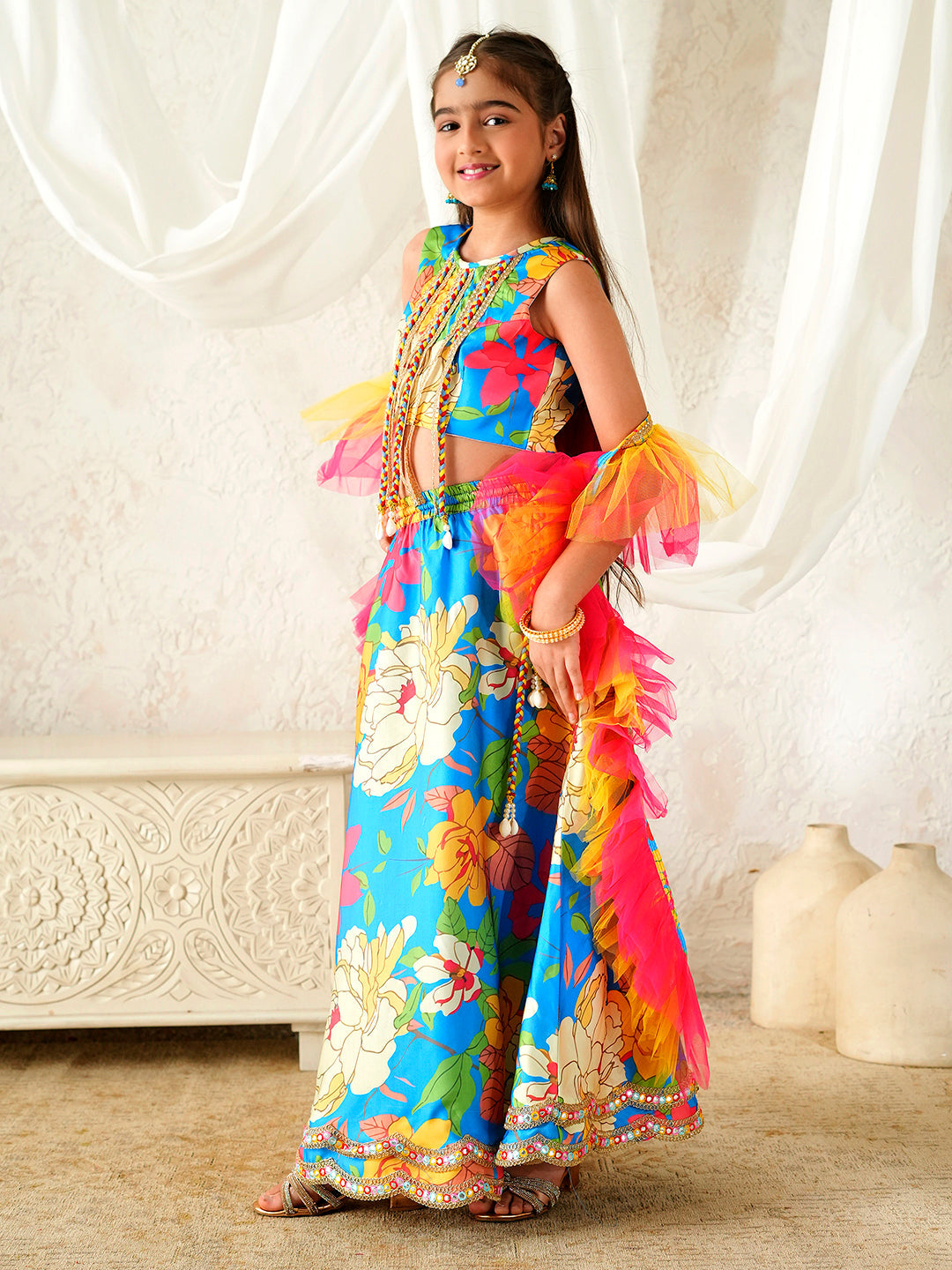

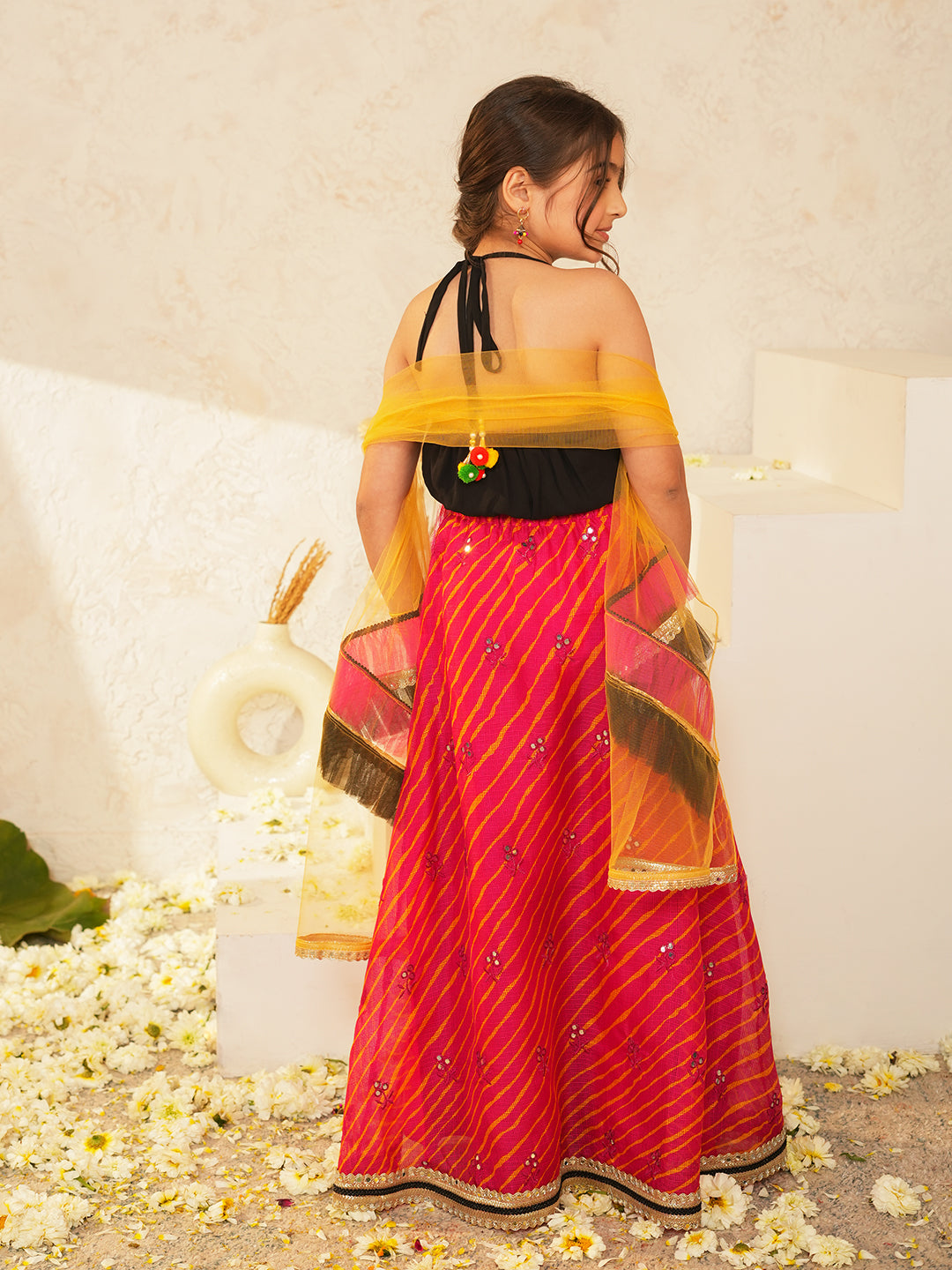

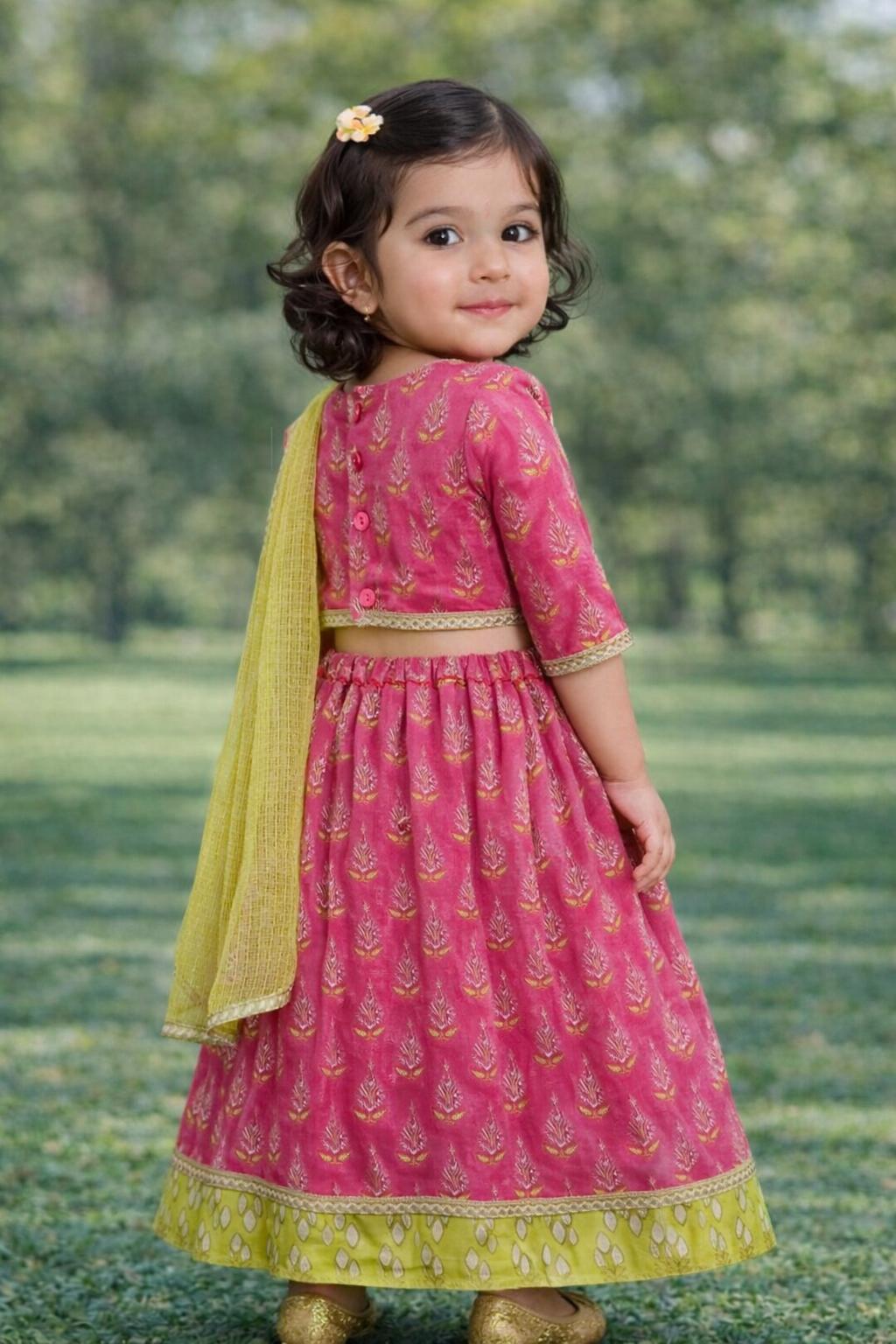

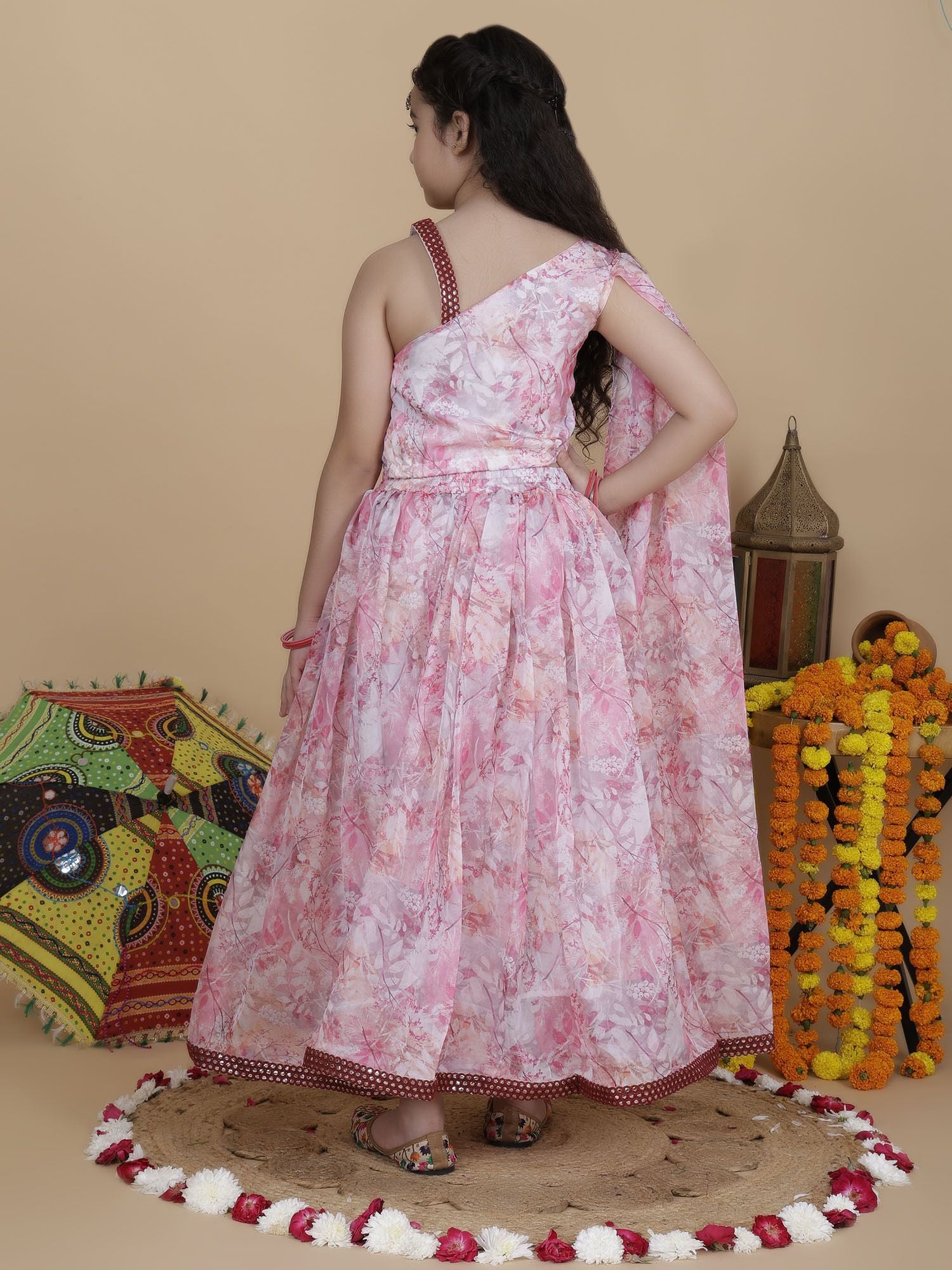

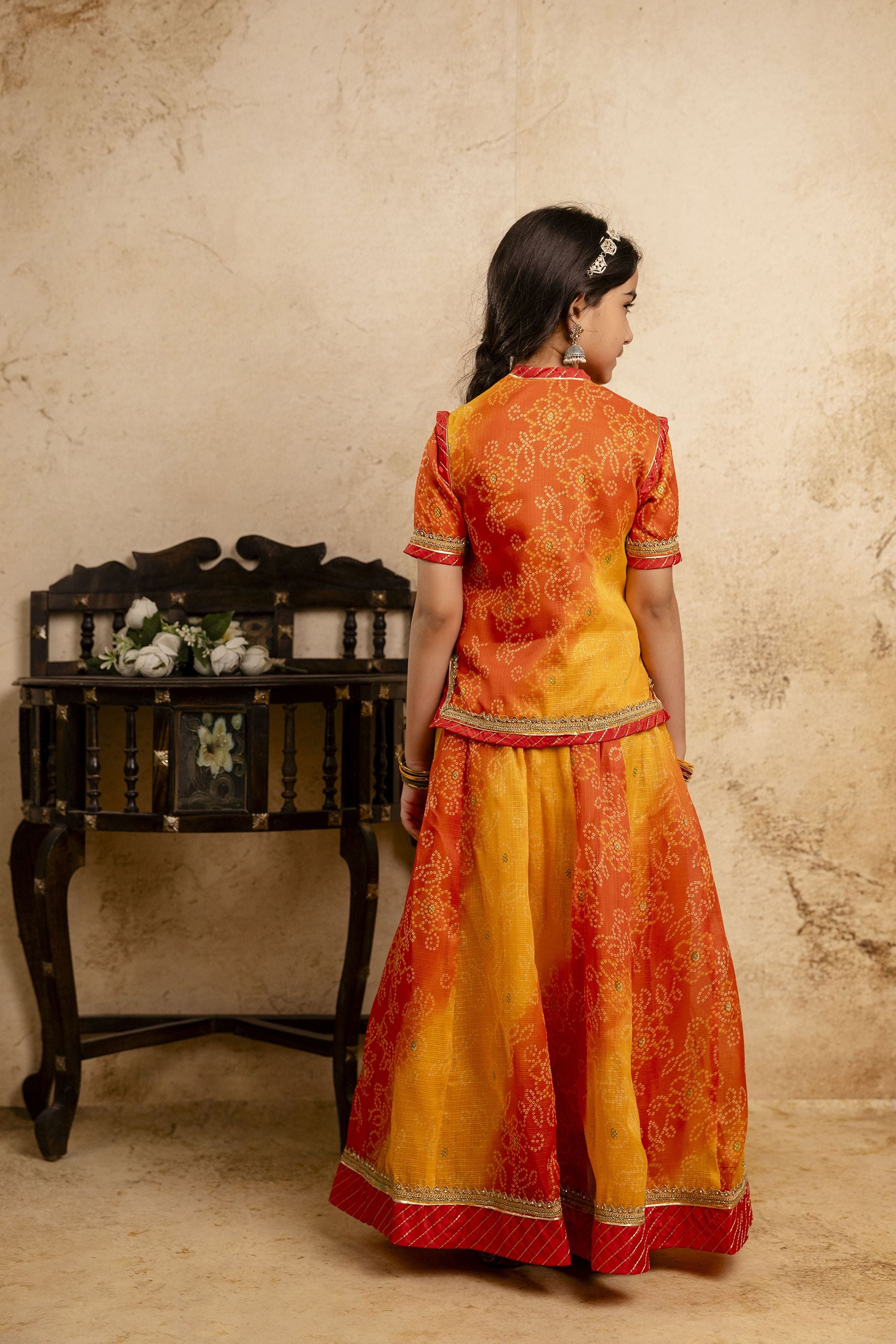
A kids lehenga choli set is a three-piece outfit: a fitted blouse (choli), a flared skirt (lehenga) and a dupatta. Trendia stocks these for girls across festive occasions, weddings and family functions, in cotton, georgette, crepe and silk, shipped across the USA.
For children, fit and comfort decide whether an outfit actually gets worn for a full event or comes off halfway through. The sections below cover sizing, fabric and the practical details that matter more for kids than for adults - lining, dupatta attachment and hem length.
Sizing: Get This Right First
Kids ethnic wear is usually labelled by age - 2-3Y, 6-7Y, 10-11Y - but the actual measurements behind those labels vary considerably between brands. Use your child’s measurements against the chart on each individual product page rather than relying on the age label.
|
Measure |
How to take it |
Why it matters |
|
Chest |
Around the fullest part, over a vest |
The binding constraint on the choli |
|
Waist |
At the natural waist, not the hip |
Determines the lehenga waistband |
|
Waist to ankle |
From natural waist straight down |
Sets the lehenga length |
|
Shoulder to waist |
Along the back |
Checks the choli is not riding up |
If the event is more than two or three months away, size up. Children in this age range typically gain two to three inches of height a year, and a choli that is slightly loose can be taken in by a local tailor far more easily than a tight one can be let out. Designs with adjustable back ties or an elastic waistband give a season or two of range on their own.
Styles Available
Embroidered Lehenga Choli
Thread embroidery, mirror work and light zari, usually on the choli and lehenga border. The main thing to check is the inside of the choli - embroidered pieces without a cotton lining leave thread ends and mirror edges against the skin, which is the usual reason a child pulls at an outfit.
Printed and Wrap-Style Sets
Printed cholis with a wrap or tie closure. The wrap style is genuinely easier to get on and off than a back-zip choli, which matters with younger children and gives a little adjustment room as they grow.
Jacket-Style Sets
A short jacket or shrug layered over the choli. Useful for two reasons beyond appearance: it adds coverage over a sleeveless choli, and it comes off if the venue gets warm without changing the outfit.
Crop Top and Skirt Sets
A lighter, less formal take with a shorter top and a simpler skirt. Fewer layers means less weight, which suits younger children and long outdoor functions.
Ready-to-Wear Sets
Pre-stitched, with no tailoring step between delivery and the event. Worth prioritising if the function is close - semi-stitched pieces need a tailor and that can add a week or more. The girls lehenga new arrivals section carries the most recent additions.
Choosing the Fabric
Fabric affects comfort more than design does, particularly across a long function where a child will be sitting, eating and running about.
|
Fabric |
How it feels |
Best suited to |
|
Cotton and cotton silk |
Breathable, soft, washable |
Daytime events, warm weather |
|
Georgette |
Light with slight texture, flows well |
All-day wear, running around |
|
Chiffon |
Very light, sheer, needs lining |
Daytime functions |
|
Crepe |
Soft, holds embroidery without stiffness |
Long events |
|
Silk and chinnon silk |
Smooth with structure and sheen |
Evening and main ceremonies |
|
Net |
Layered volume, can scratch unlined |
Short wear, photographs |
Net gives the most volume and photographs well, but unlined net against skin is scratchy - check for a soft lining or an inner cotton skirt. Cotton and cotton-silk blends are the safest choice for daytime and for children with sensitive skin.
Practical Details Parents Ask About
Attached or Separate Dupatta
For children under about six, a dupatta stitched or pinned at the shoulder is the practical choice. Loose dupattas get dragged, stepped on and lost at events. Older children generally manage a draped dupatta, and some sets include a pre-pleated version that pins in one place.
Waistband Type
Elastic waistbands accommodate growth and let a child manage the outfit independently. Drawstrings give a more precise fit but a young child cannot adjust one alone. Many sets combine both - elastic at the back, drawstring at the front - which is the most flexible option.
Hem Length and Movement
The lehenga should clear the floor by an inch or so. Full-length hems that trail look striking in photographs but become a trip hazard once a child starts running, which at most weddings happens within the first twenty minutes. Can-can or net underskirts add volume and also weight, so check whether they are lined.
Footwear
Flats, juttis or simple sandals. Heels are impractical for children who will be on their feet and moving for hours, and a slightly shorter hem with flat footwear is more comfortable than a longer hem with any heel.
Colours by Occasion
Brighter shades - red, pink, yellow, mustard and bold jewel tones - carry embroidery and mirror work well and photograph strongly under evening lighting, which makes them the usual choice for main ceremonies and receptions. Red and pink remain the most common for wedding rituals specifically.
Pastels such as peach, mint, powder blue and cream suit daytime functions like mehendi and haldi, and pair better with lighter embroidery than with heavy zari. Blue and green sit comfortably in either setting and are the practical pick if one outfit needs to cover several functions.
One point worth knowing: at North Indian weddings, deep red with heavy gold work is traditionally bridal. It is generally fine on a small child, but families sometimes prefer to avoid it for older girls at the main ceremony.
Shop by Occasion
Kids wedding wear covers the heavier embroidered sets for main ceremonies, while kids festive wear leans lighter for Diwali, Navratri and family gatherings. For birthdays and less formal events, kids party wear and kids casual wear carry simpler cuts that hold up to actual play. If you are working out what is appropriate for which function, our guide to what to wear to an Indian wedding breaks the ceremonies down.
For school programmes and cultural performances, lighter sets in cotton or georgette work better than heavily embellished ones - costumes get changed in a hurry backstage, and mirror work snags. Girls kurta sets and sharara sets are often the easier option for stage use.
Coordinating Across the Family
Matching or complementary outfits across siblings is straightforward if you shop the colour first and the silhouette second. Boys kurta sets, sherwani sets and nehru jackets cover the equivalent range for boys, and the wider boys collection has casual options.
For mother-daughter pairings, the adult lehenga range overlaps with these colour families. Matching exact shades across two brands rarely works - coordinating within a colour family, or matching the dupatta rather than the whole outfit, gives a better result.
Beyond lehengas, girls dresses, gowns, co-ord sets and girls sarees cover other festive formats.
Care and Storage
Most embroidered and zari sets are dry clean only, which is worth checking before buying if the outfit is likely to see more than one event. Spills should be blotted with a damp cloth immediately rather than rubbed, since rubbing pulls embroidery threads.
Store lehengas folded with tissue between the zari layers rather than on a hanger - heavier skirts distort at the waistband when hung for months. Turning the choli inside out before storing protects mirror work from catching on other garments.
FAQs: Kids and Girls Lehenga Sets
What size lehenga should I buy for my child?
Measure chest, waist and the distance from the natural waist to the ankle, then check those against the size chart on the specific product page. Age labels such as 6-7Y are not consistent between brands, so measurements are more reliable.
Should I size up if the event is months away?
Yes. Children commonly gain two to three inches of height a year, and a loose choli can be taken in by a tailor much more easily than a tight one can be let out. Sets with adjustable back ties or elastic waistbands handle this on their own.
Which fabric is most comfortable for kids?
Cotton and cotton-silk blends for daytime and warm weather, georgette or crepe for long events. Unlined net is the least comfortable option against skin, so check for a soft lining or inner skirt if you choose a net set.
Will mirror work or embroidery irritate my child’s skin?
It can, if the choli is unlined. The usual culprits are exposed thread ends on the inside seam and the edges of mirror or sequin work. Cotton-lined cholis avoid this, and an inner cotton vest solves it on an existing outfit.
Should the dupatta be attached or separate?
Attached or pinned for children under about six, since loose dupattas get dragged and lost. Older children usually manage a draped dupatta, and pre-pleated versions that pin at one shoulder are the easiest middle ground.
What footwear works with a kids lehenga?
Flats, juttis or simple sandals. Avoid heels - children will be standing and moving for several hours, and flat footwear with a slightly shorter hem is more comfortable and safer than the alternative.
How do I wash a kids lehenga choli?
Check the label, but most embroidered and zari pieces are dry clean only. Blot spills with a damp cloth straight away rather than rubbing. Unembellished cotton sets can often be hand washed cold and dried in shade.
Do you have matching outfits for siblings?
Yes. Boys ethnic wear covers kurta sets, sherwanis and nehru jackets in comparable colour families. Coordinating within a colour family works better than trying to match exact shades across different brands.
How fast is shipping in the USA?
Delivery depends on the item and your location. Pieces in the express shipping range dispatch fastest, which matters if the function is close. Delivery windows for other items appear on the product page.
Can I return a lehenga if the size does not fit?
Return timelines and conditions are set out in the returns policy on the site. Because kids sizing varies between brands, it is worth checking the policy before ordering close to an event date.