
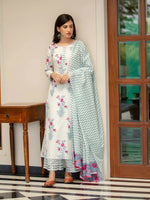
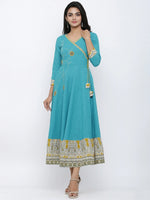
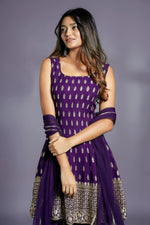
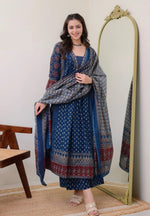



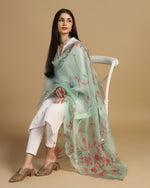
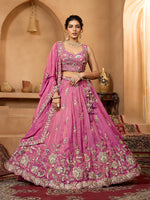
Indian Dupattas for Women | Bandhani, Banarasi & Organza – Trendia

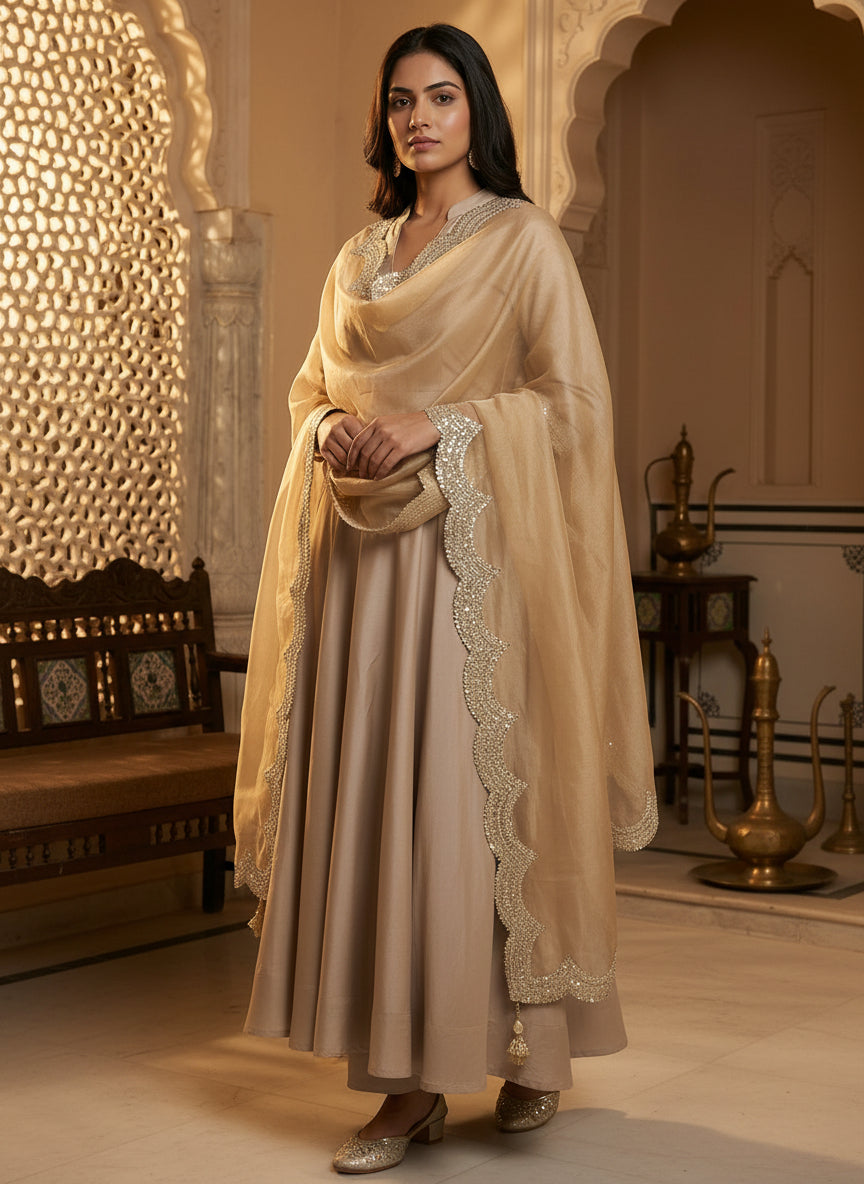

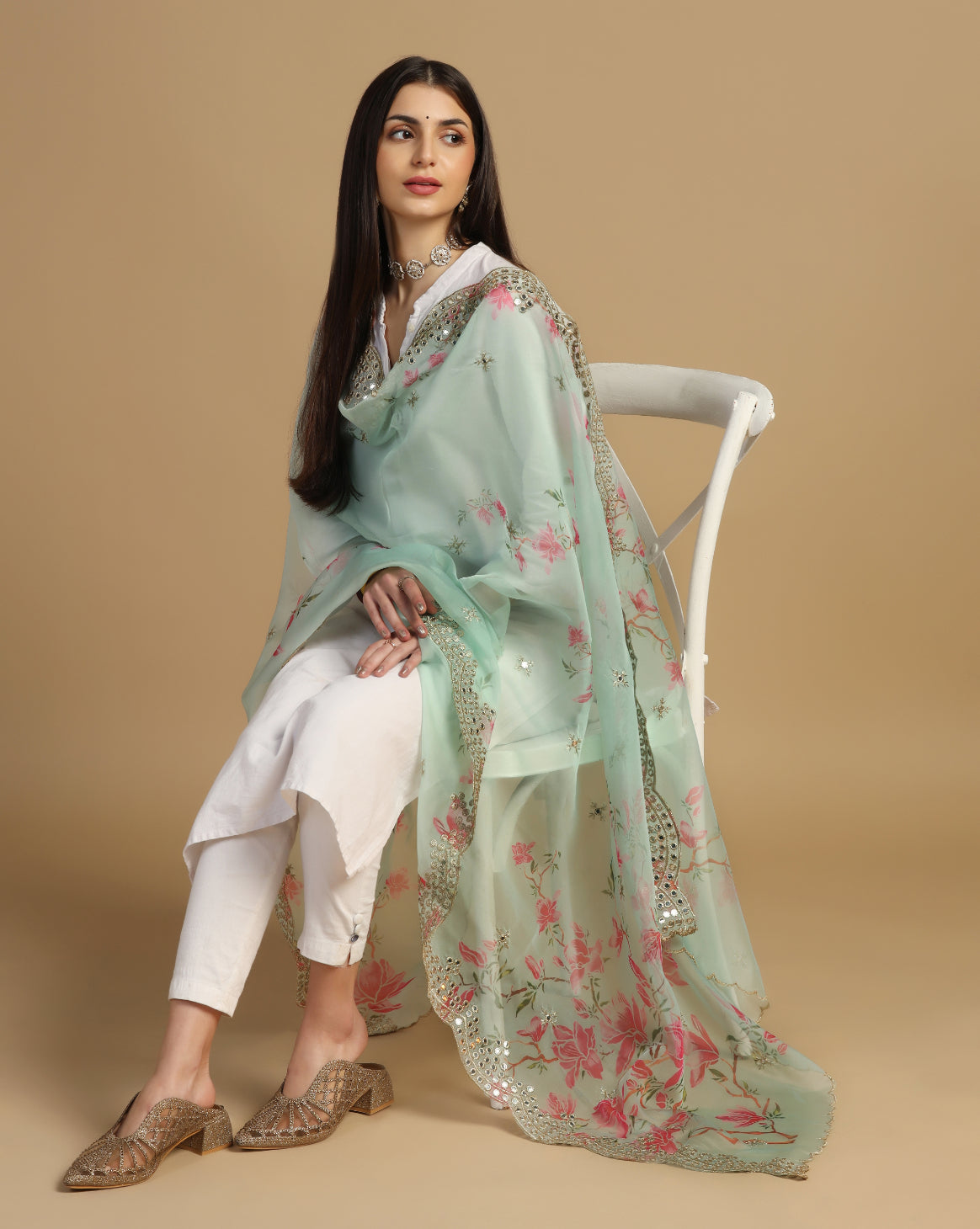

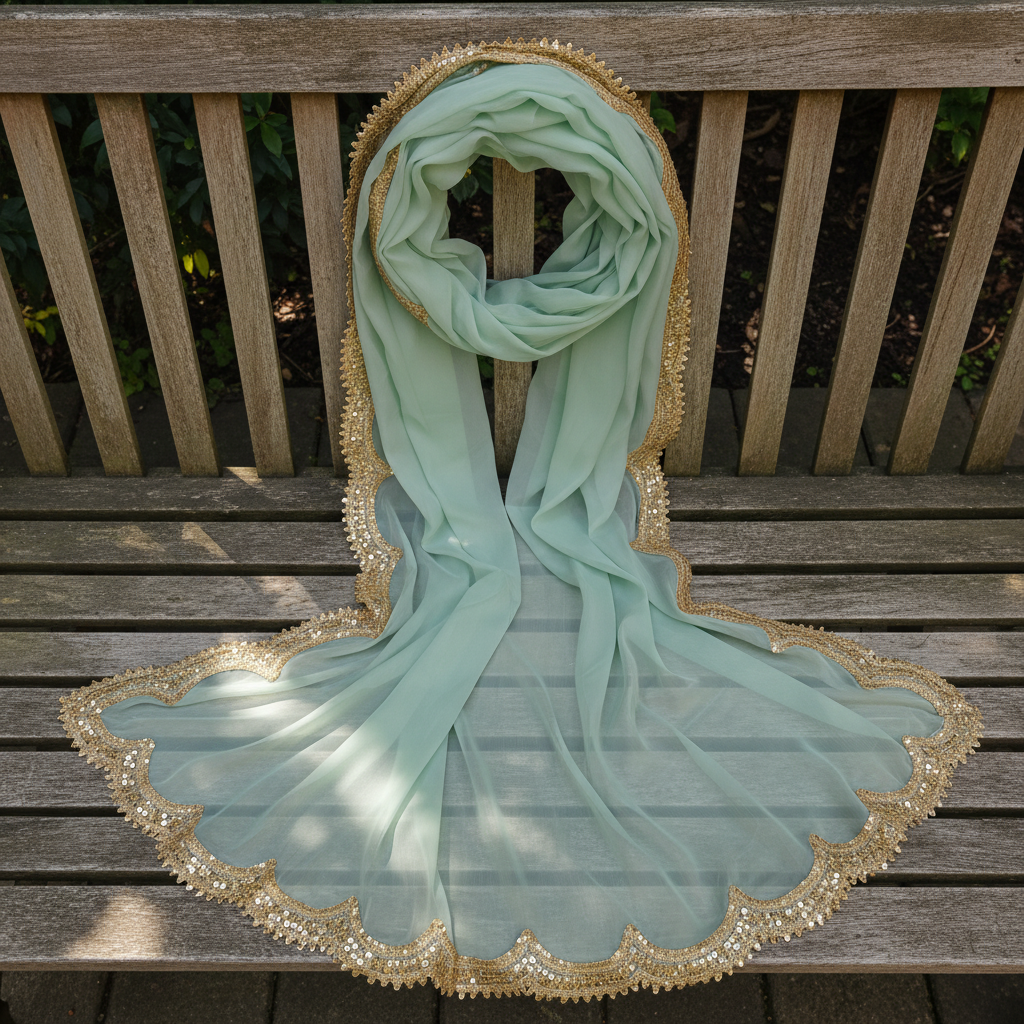

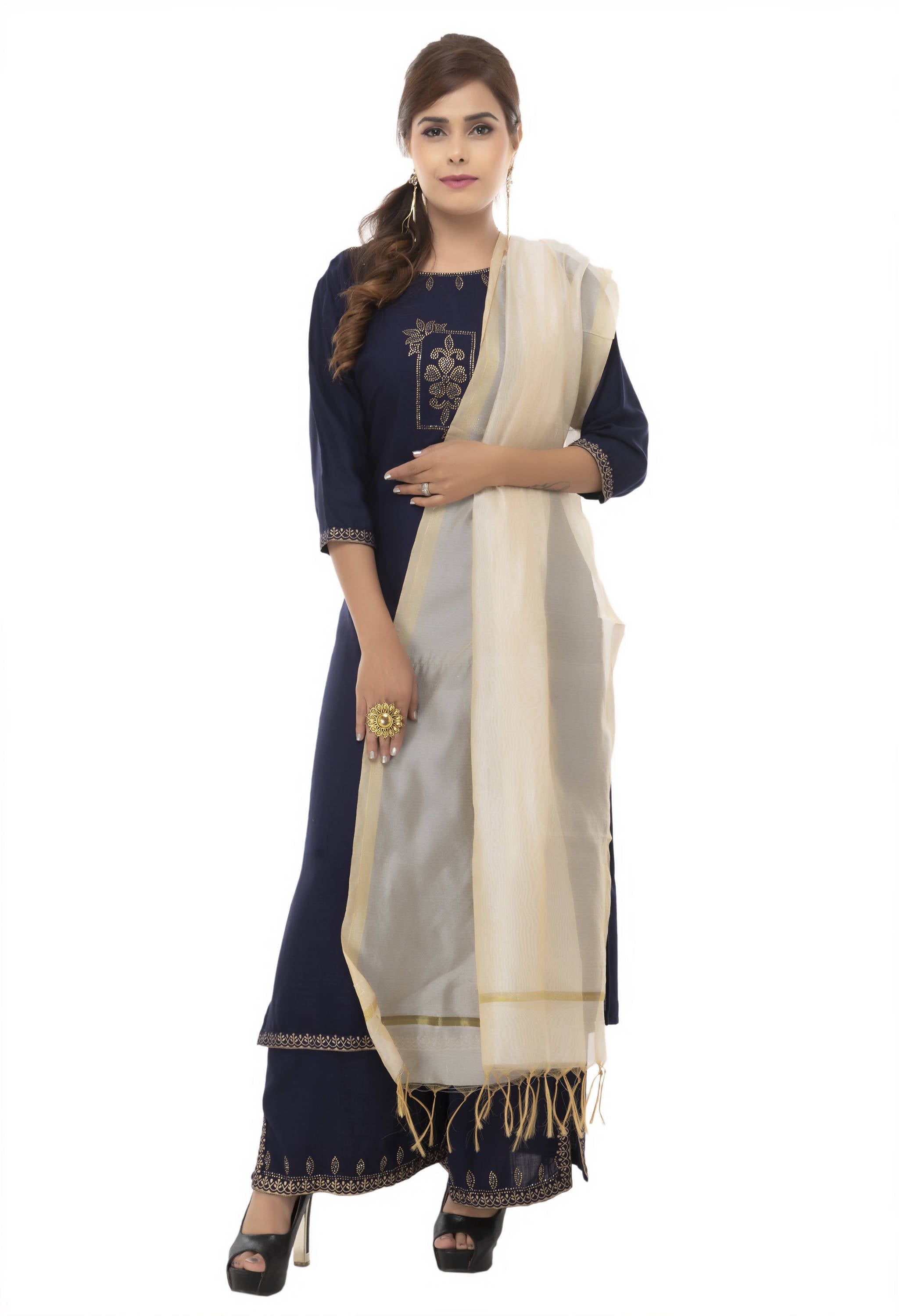

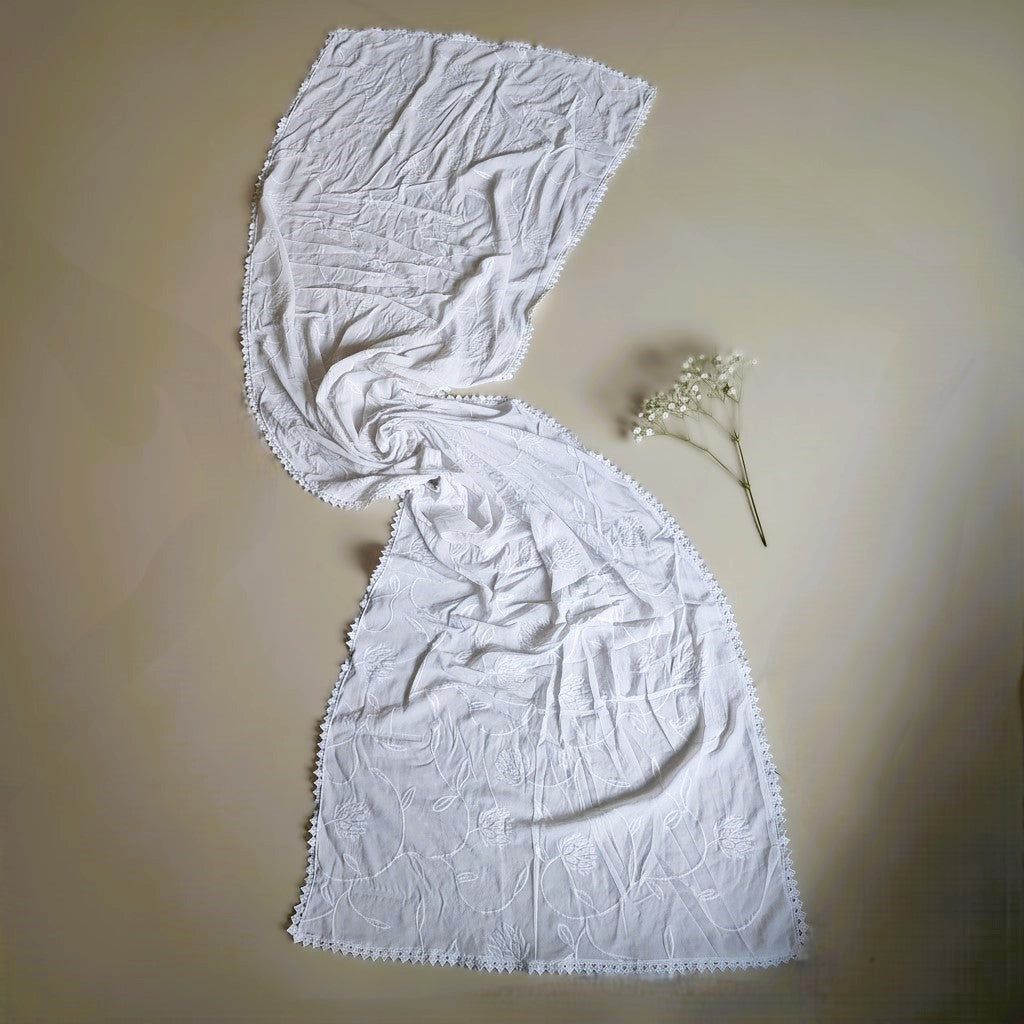

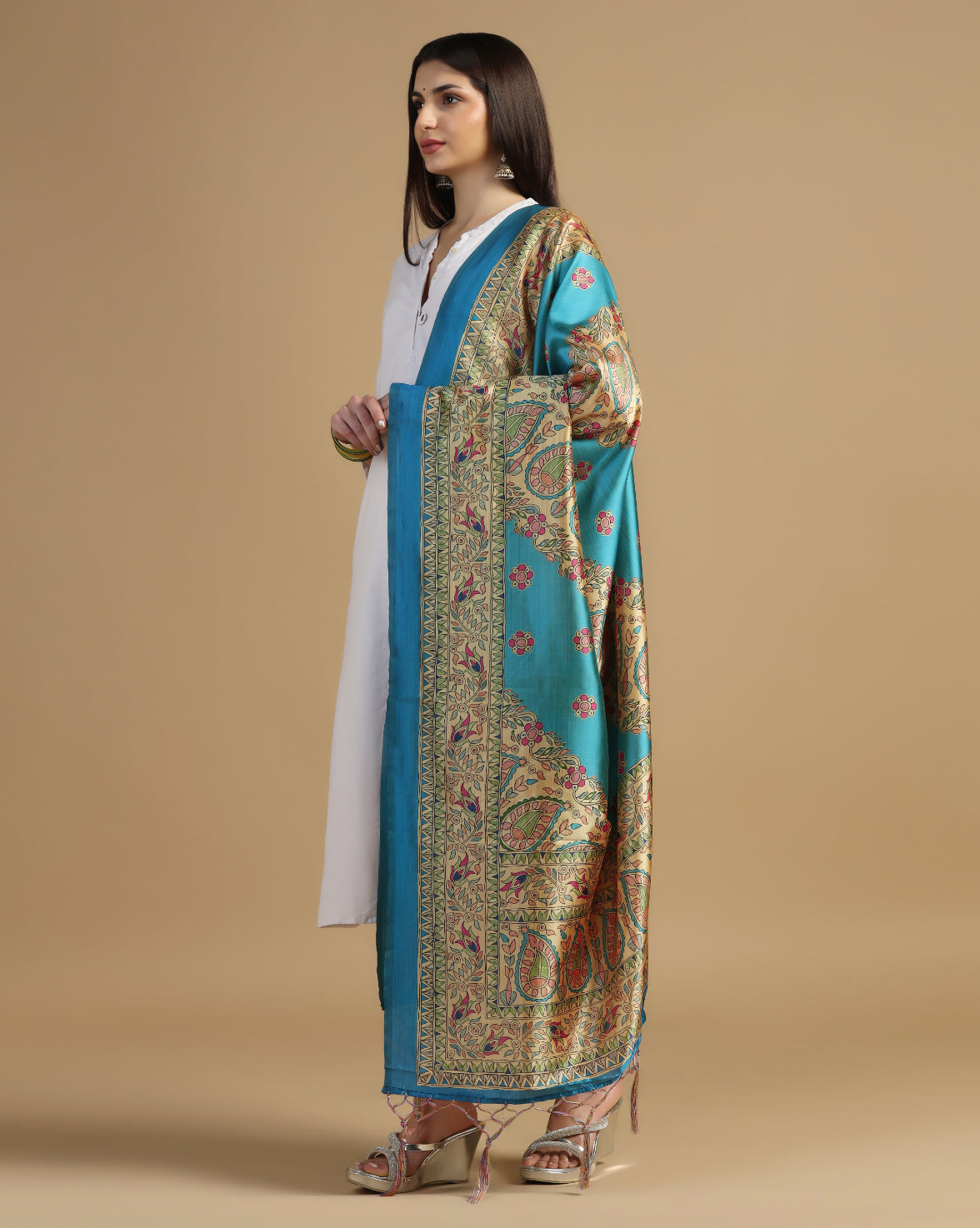

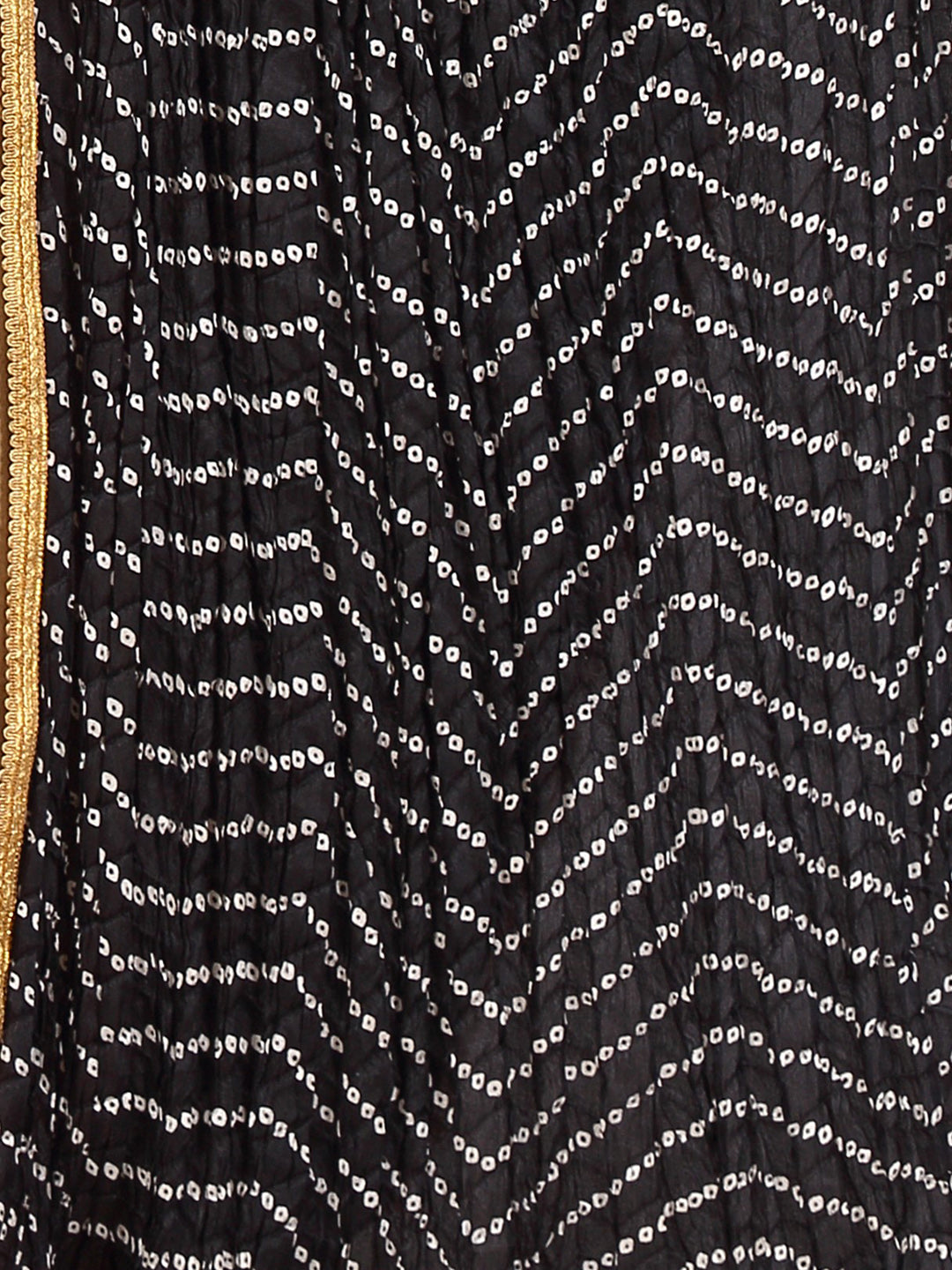


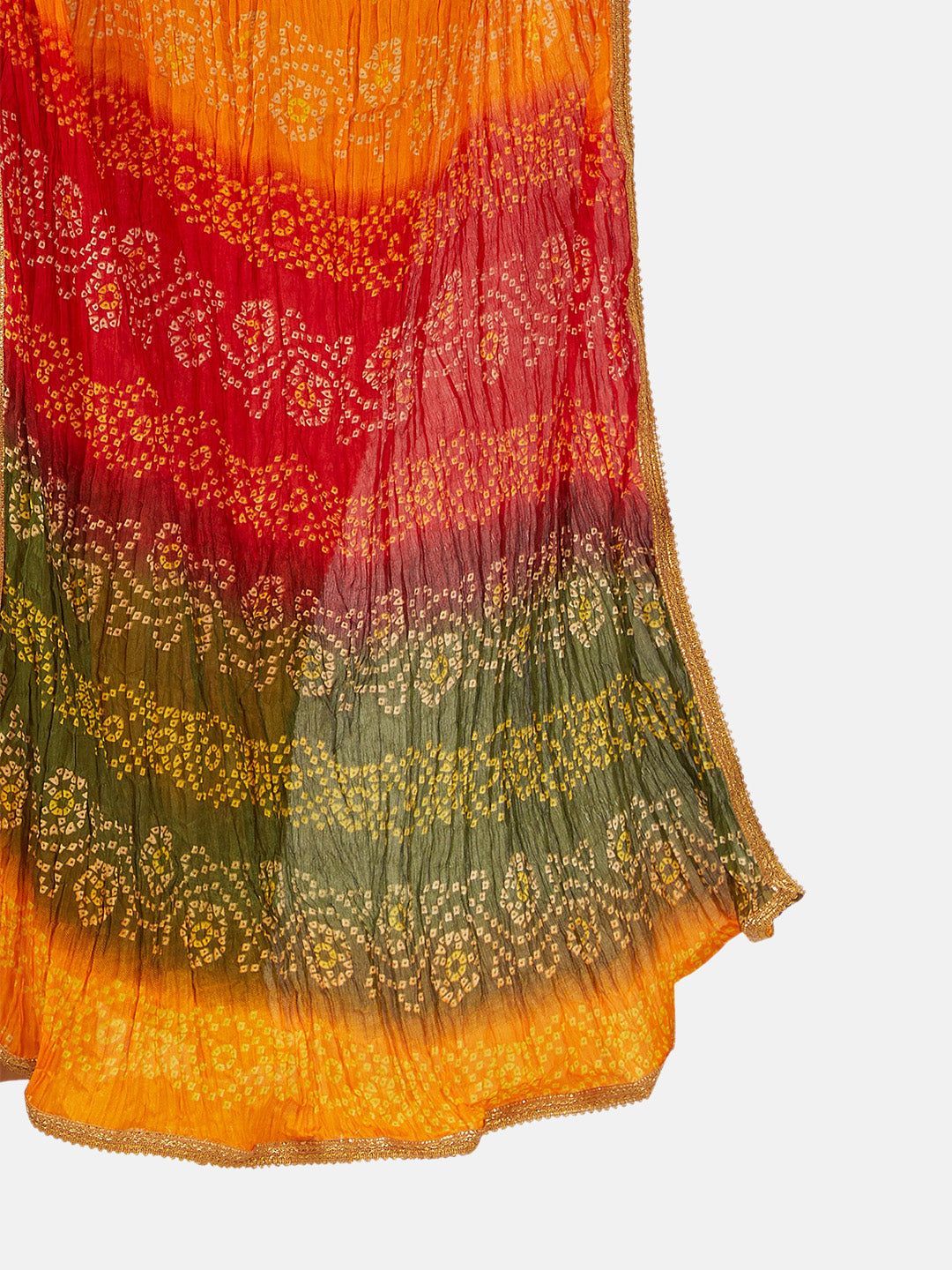


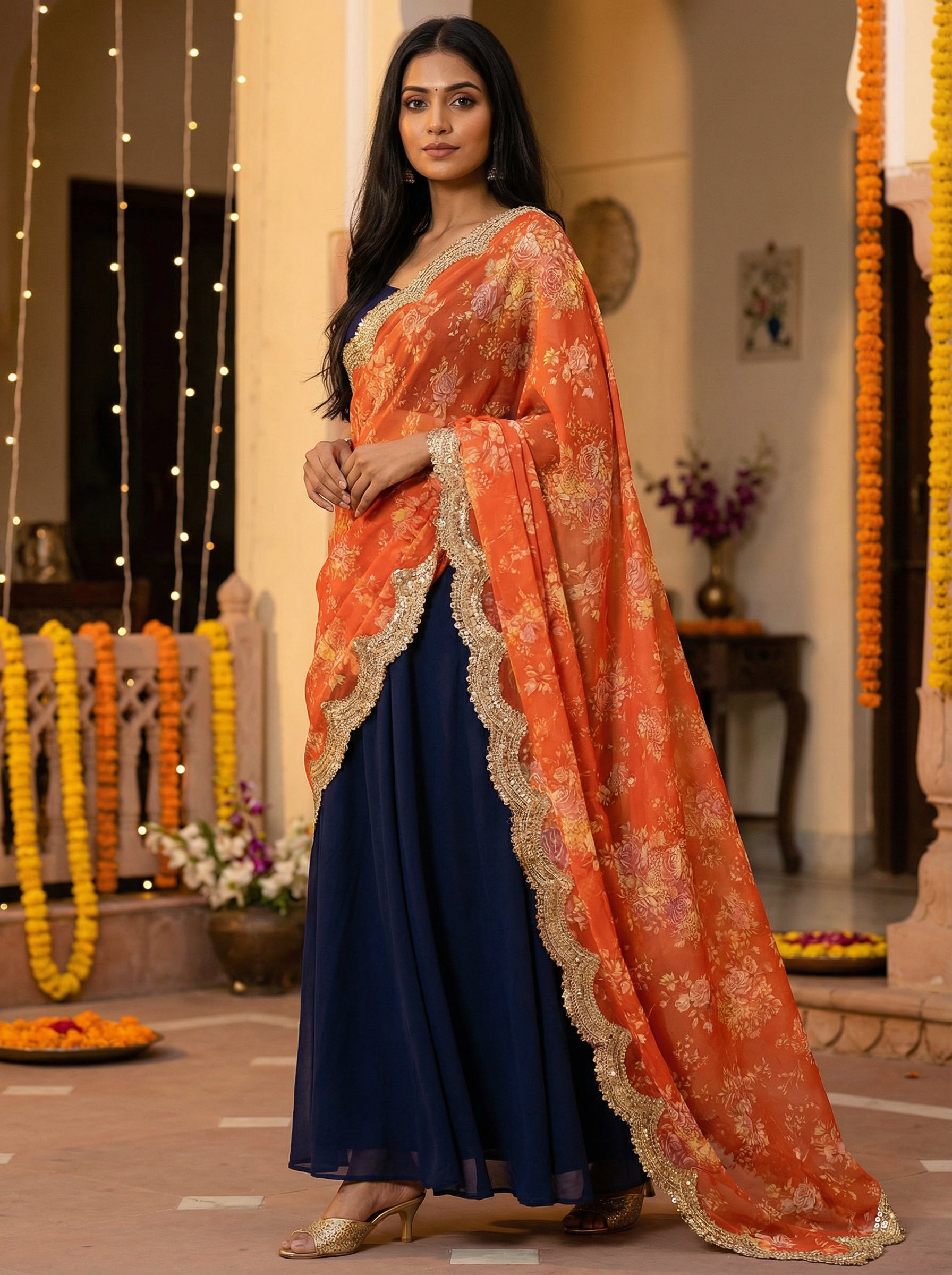

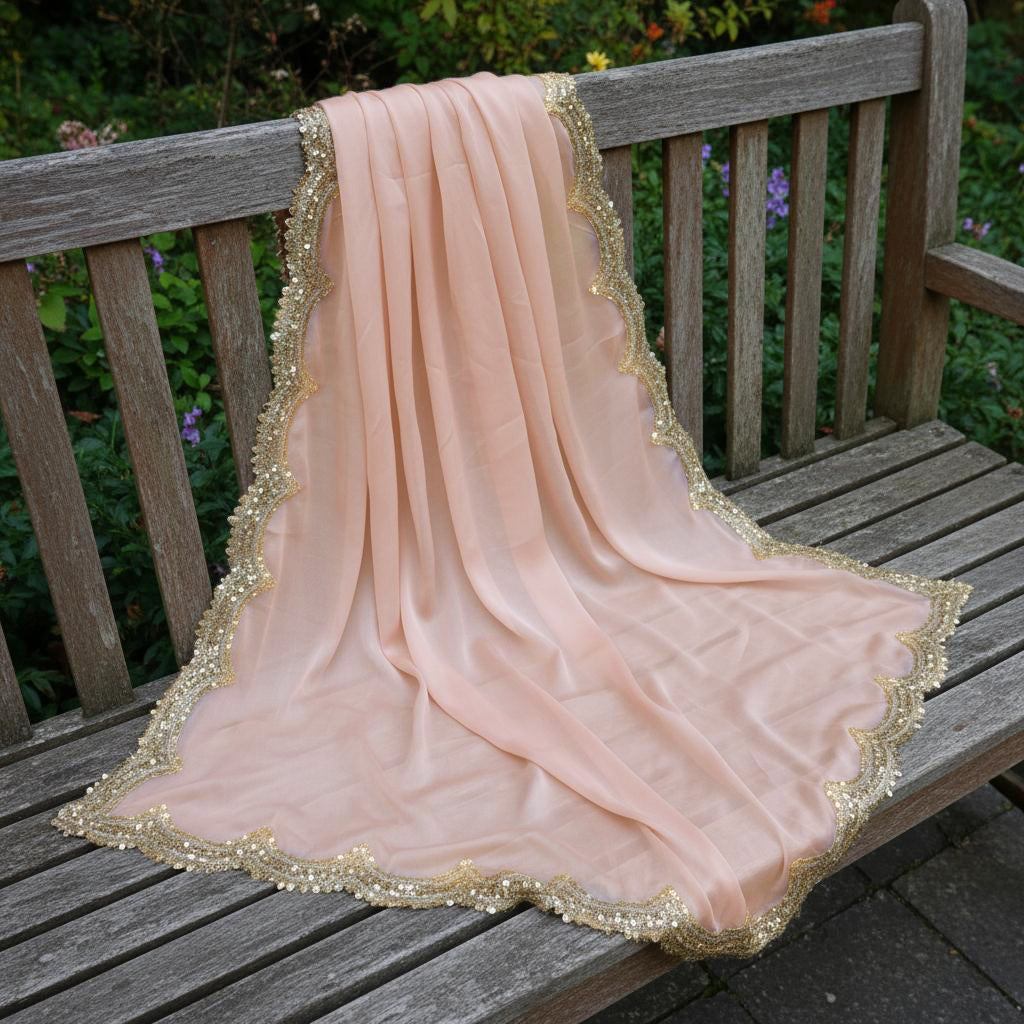

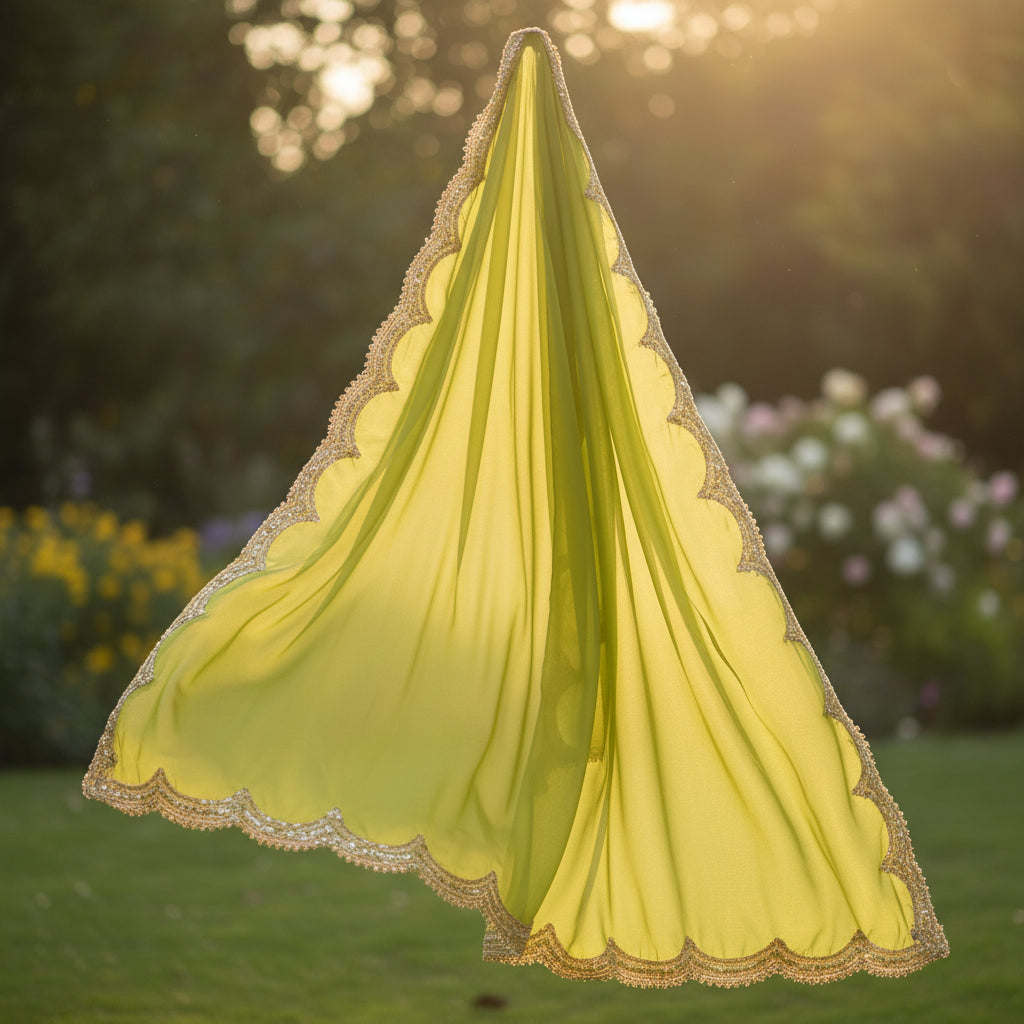


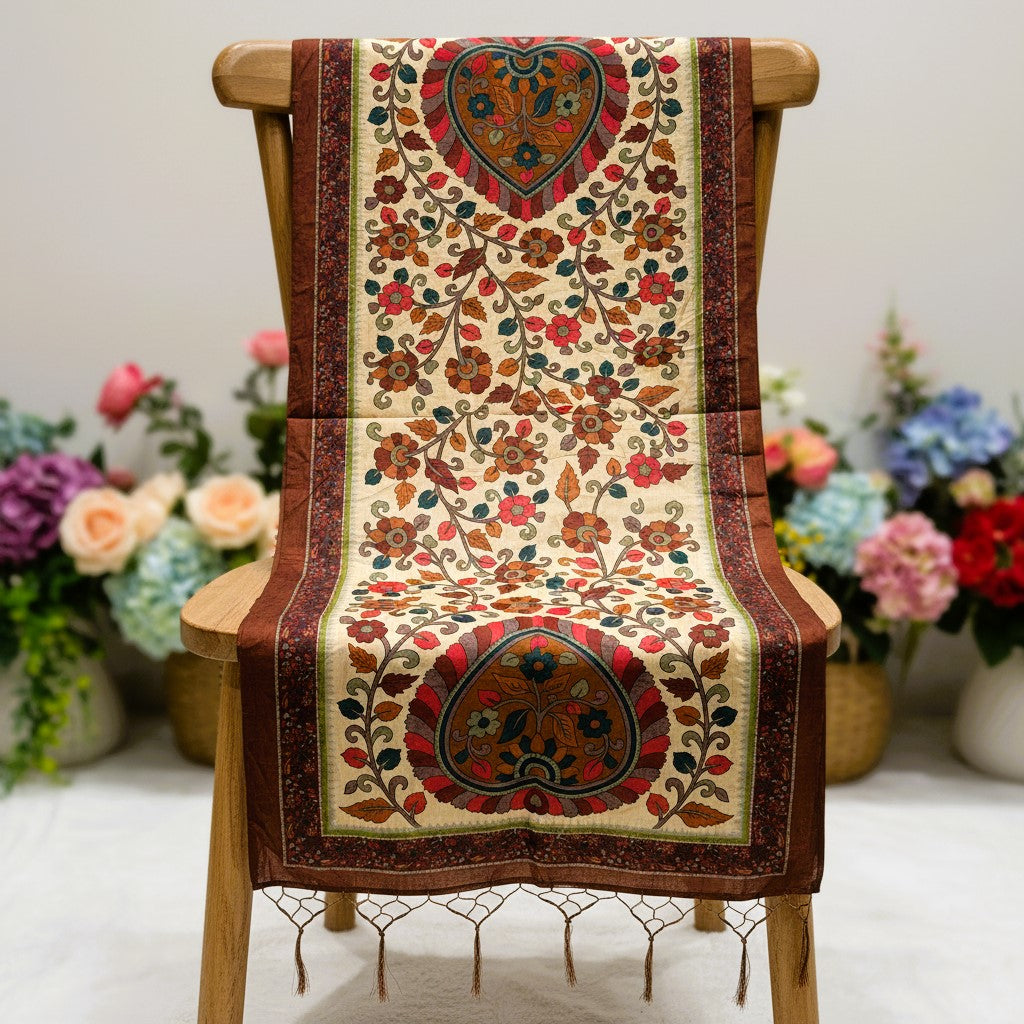

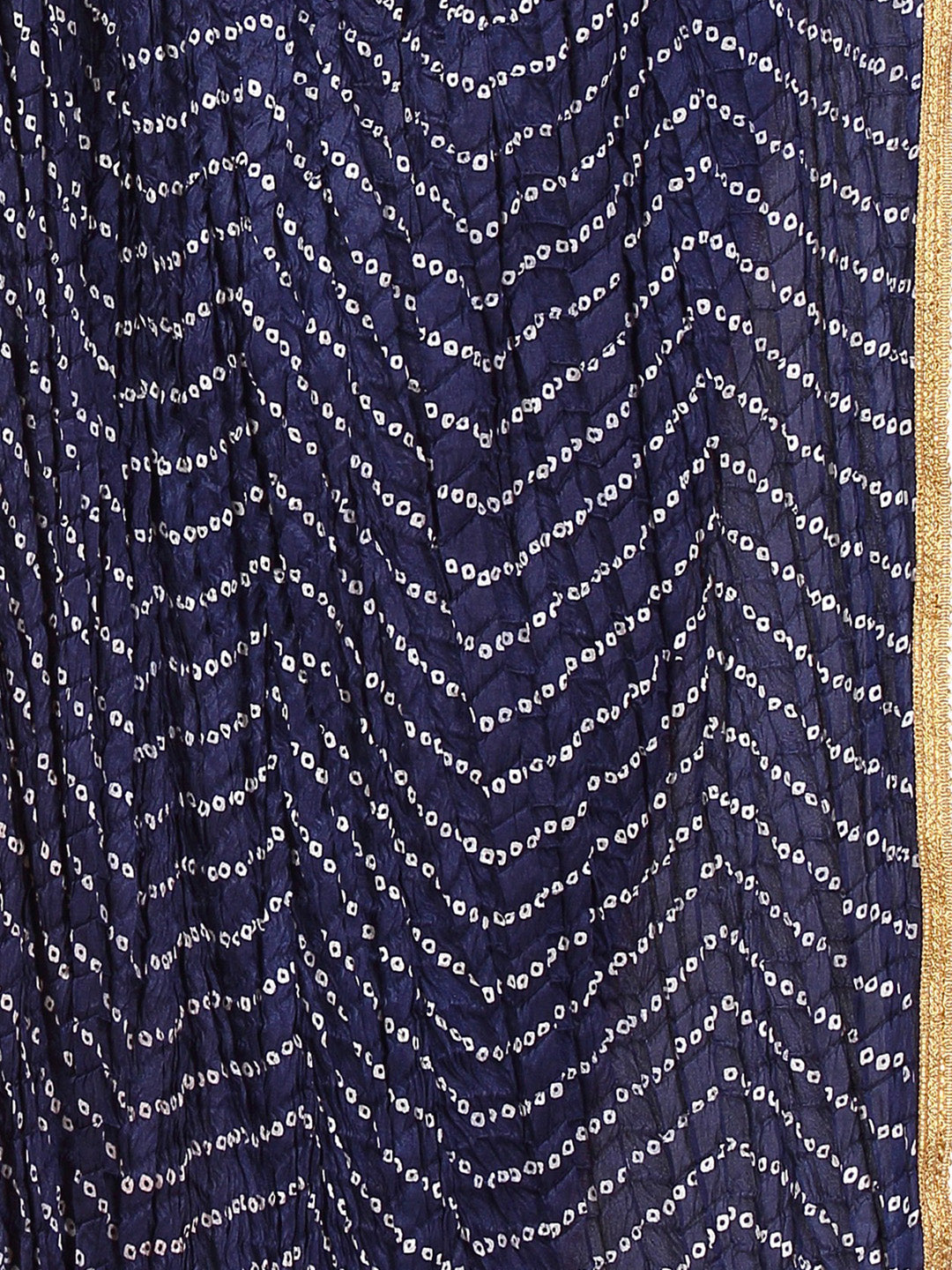


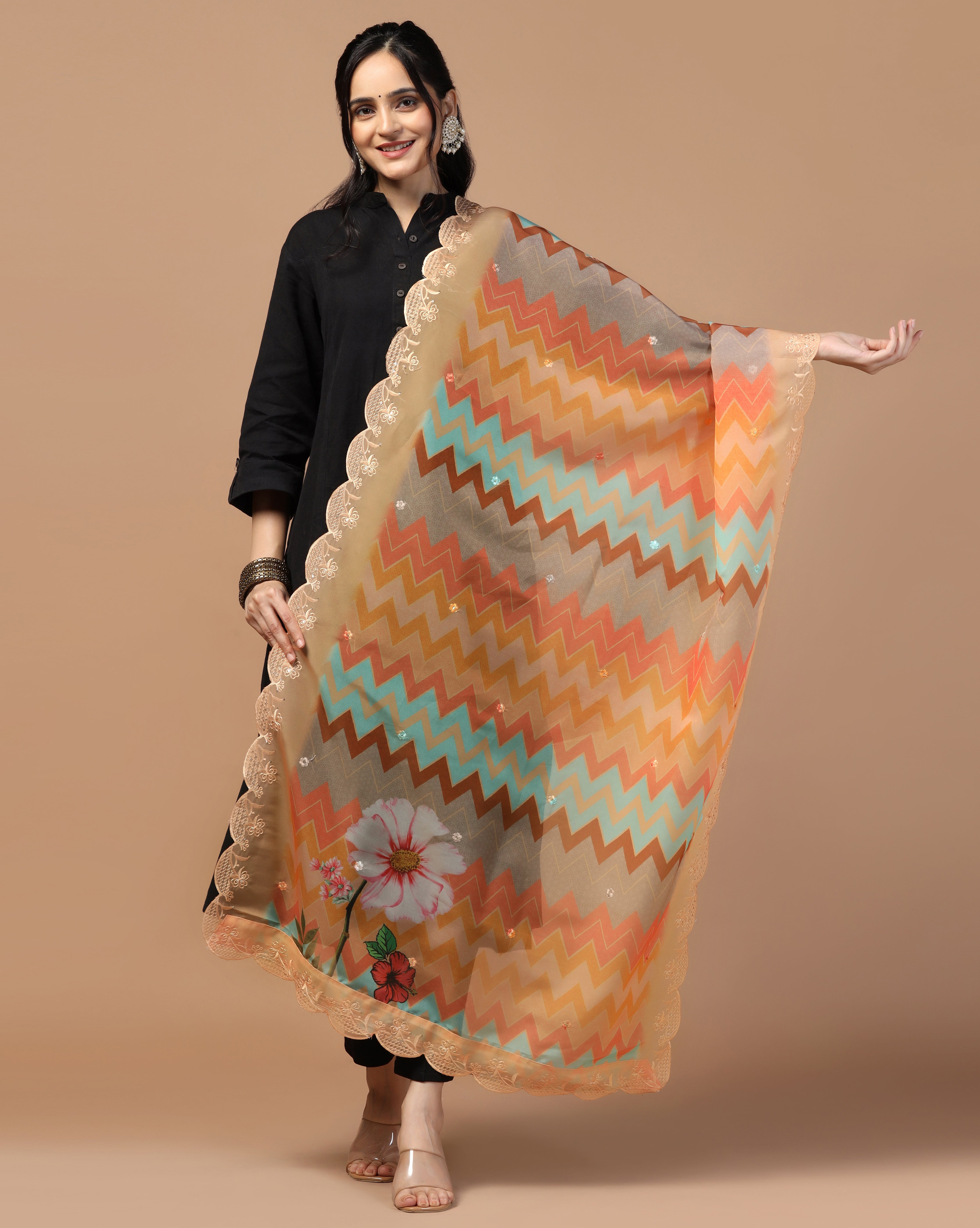

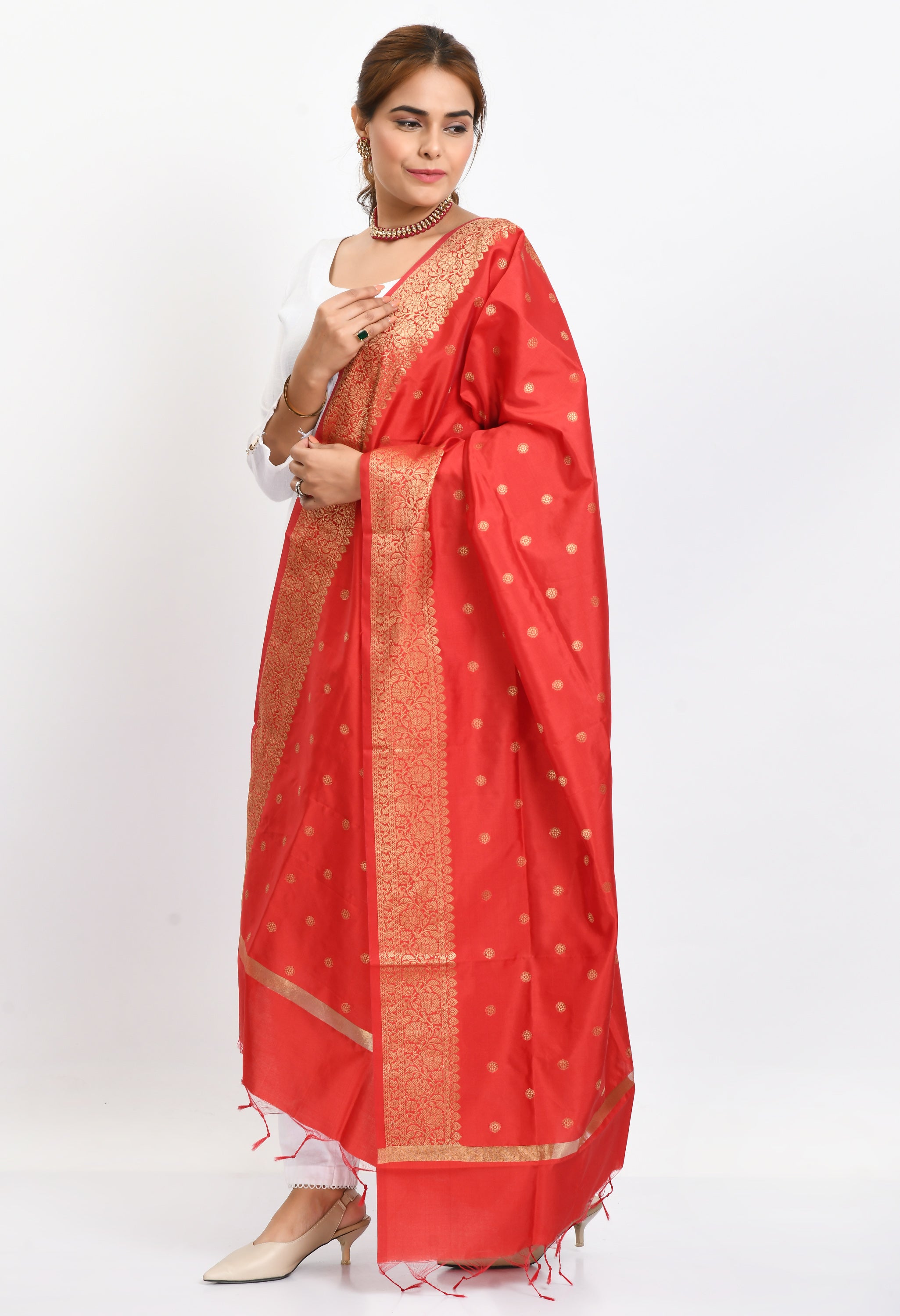

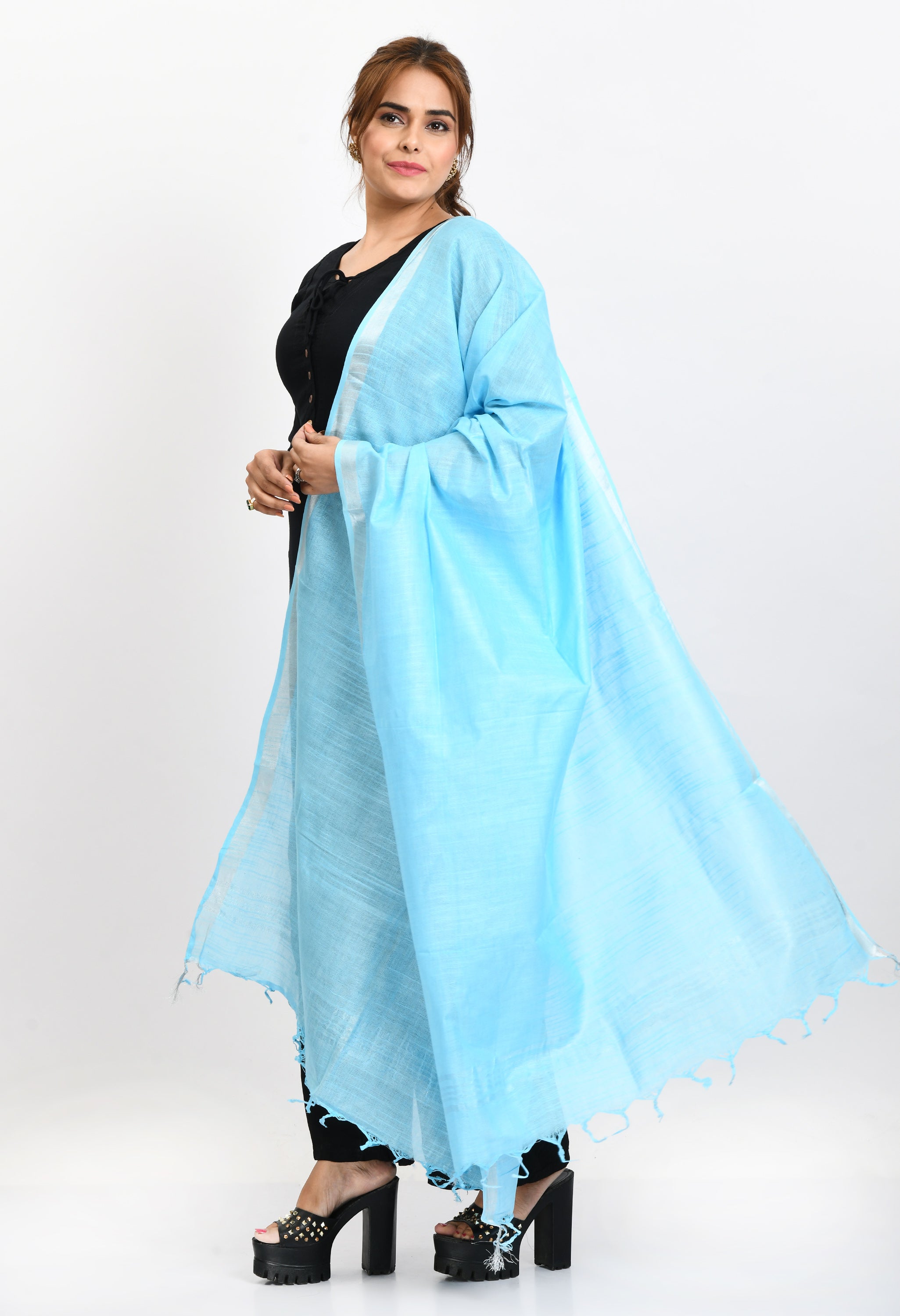

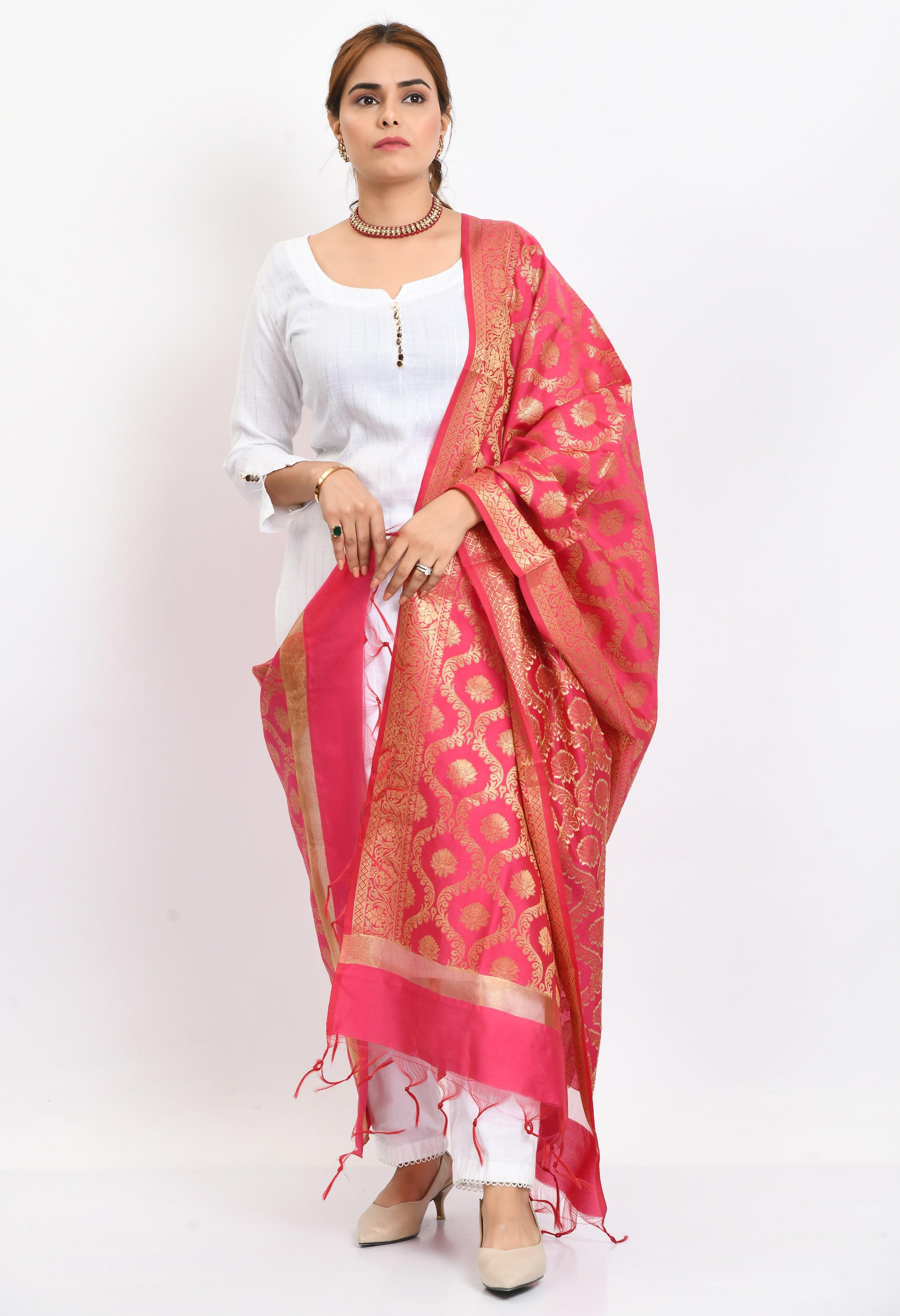


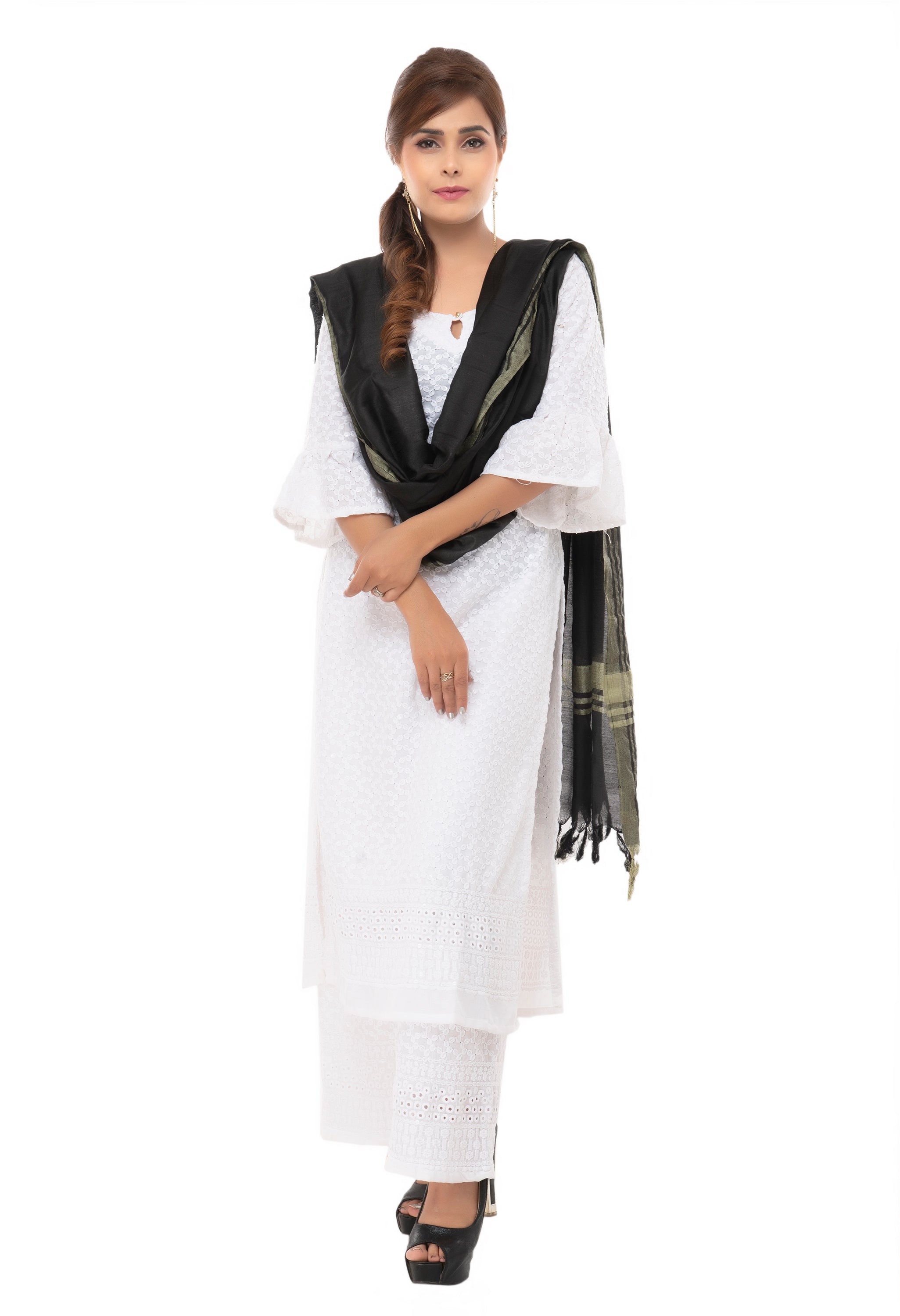


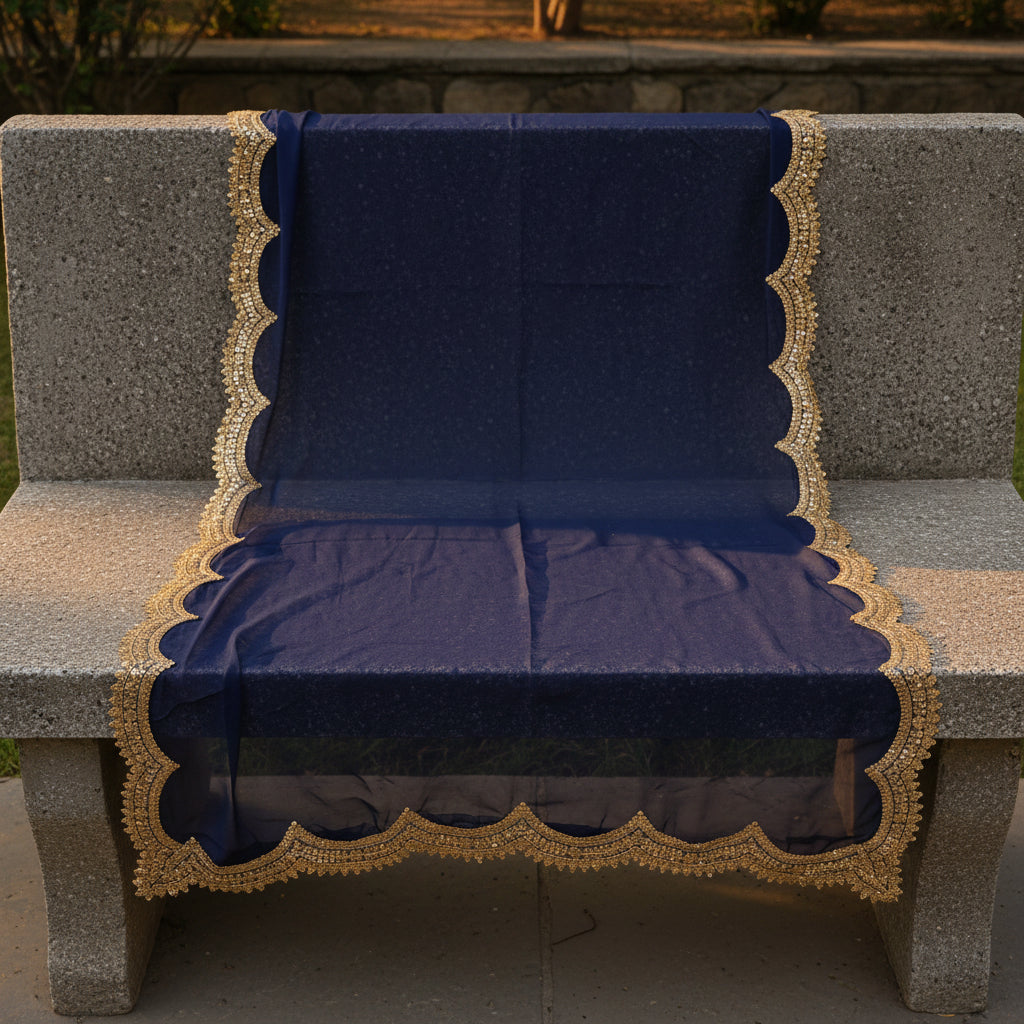

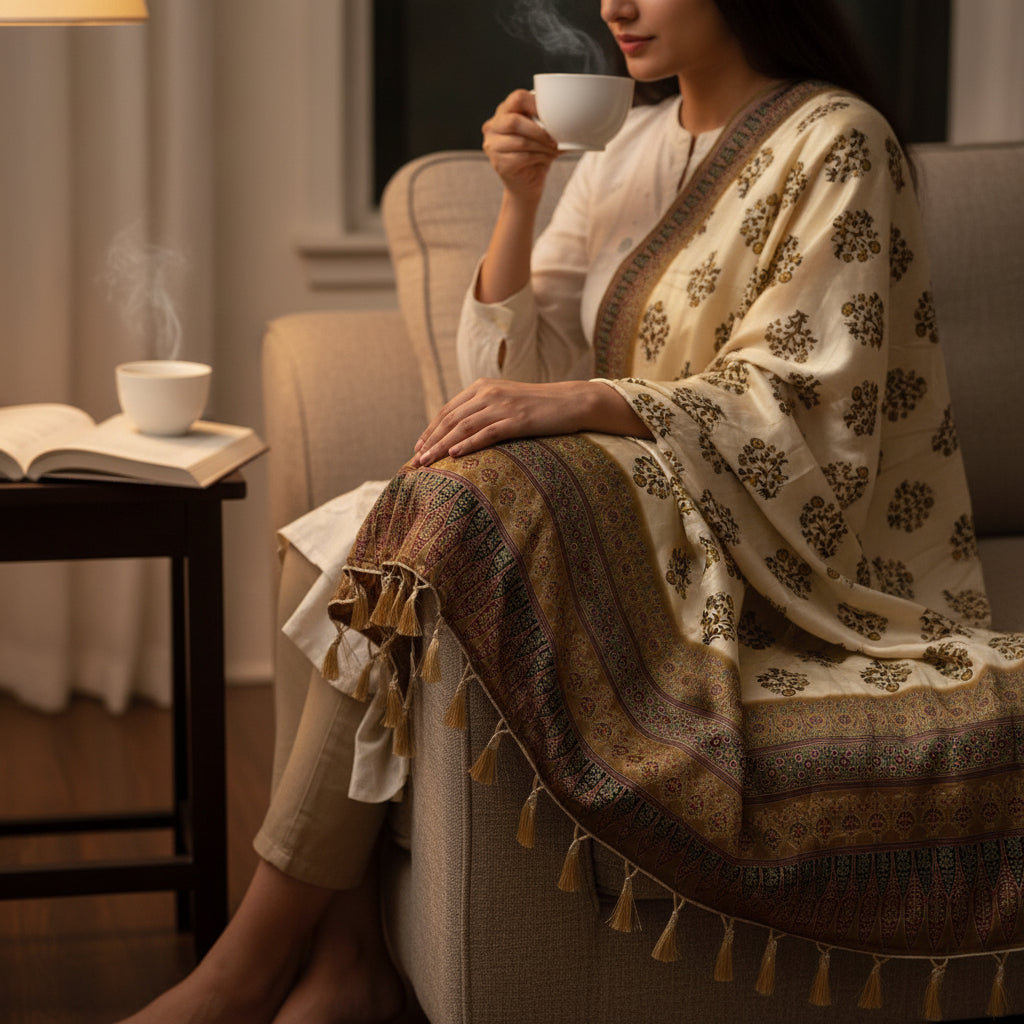

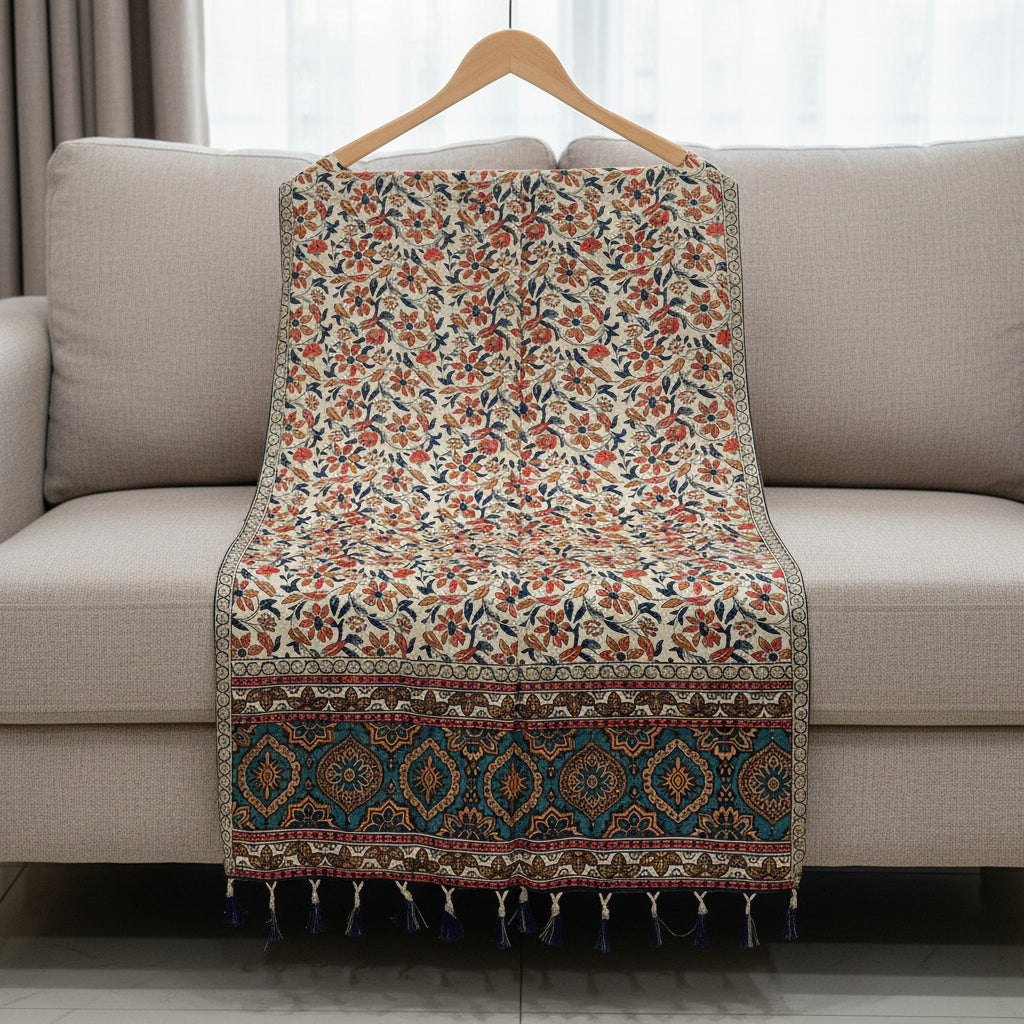

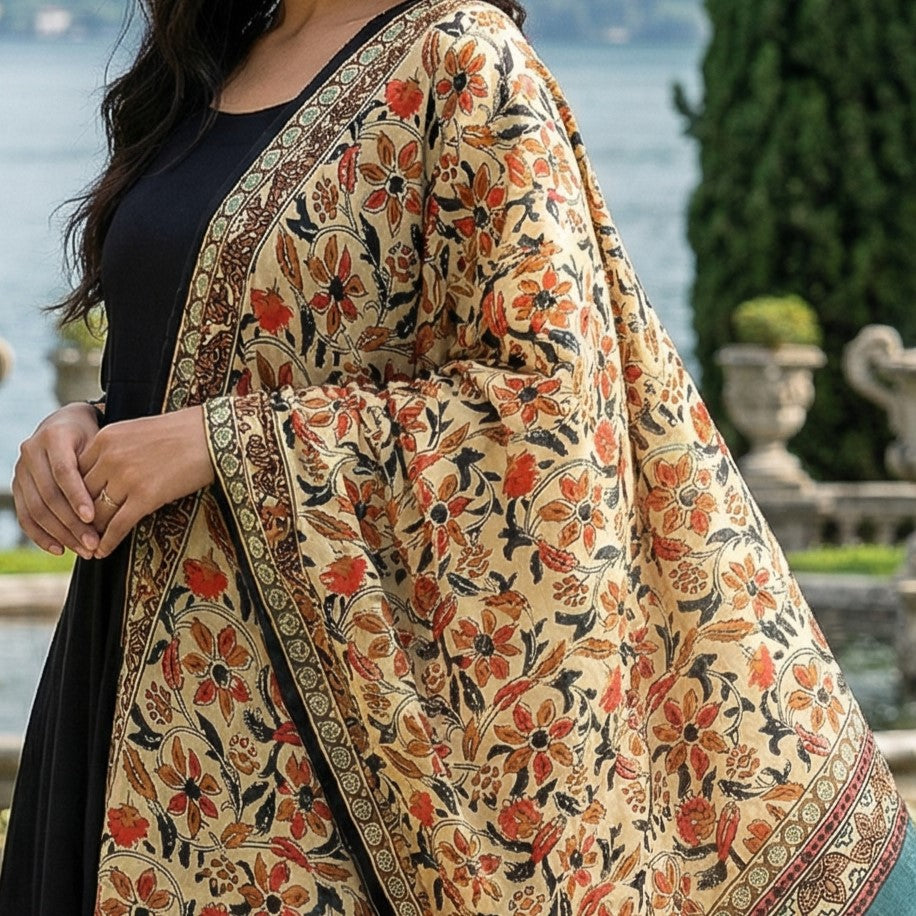

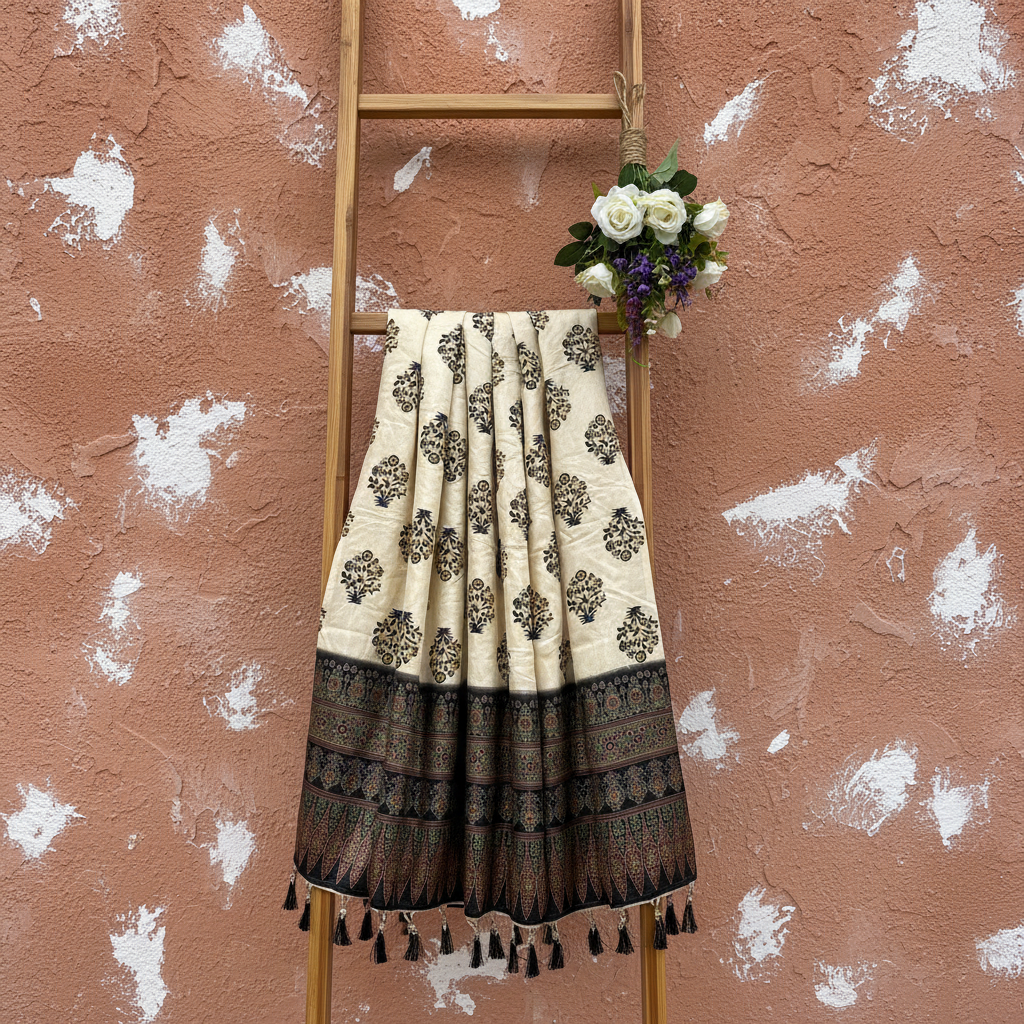

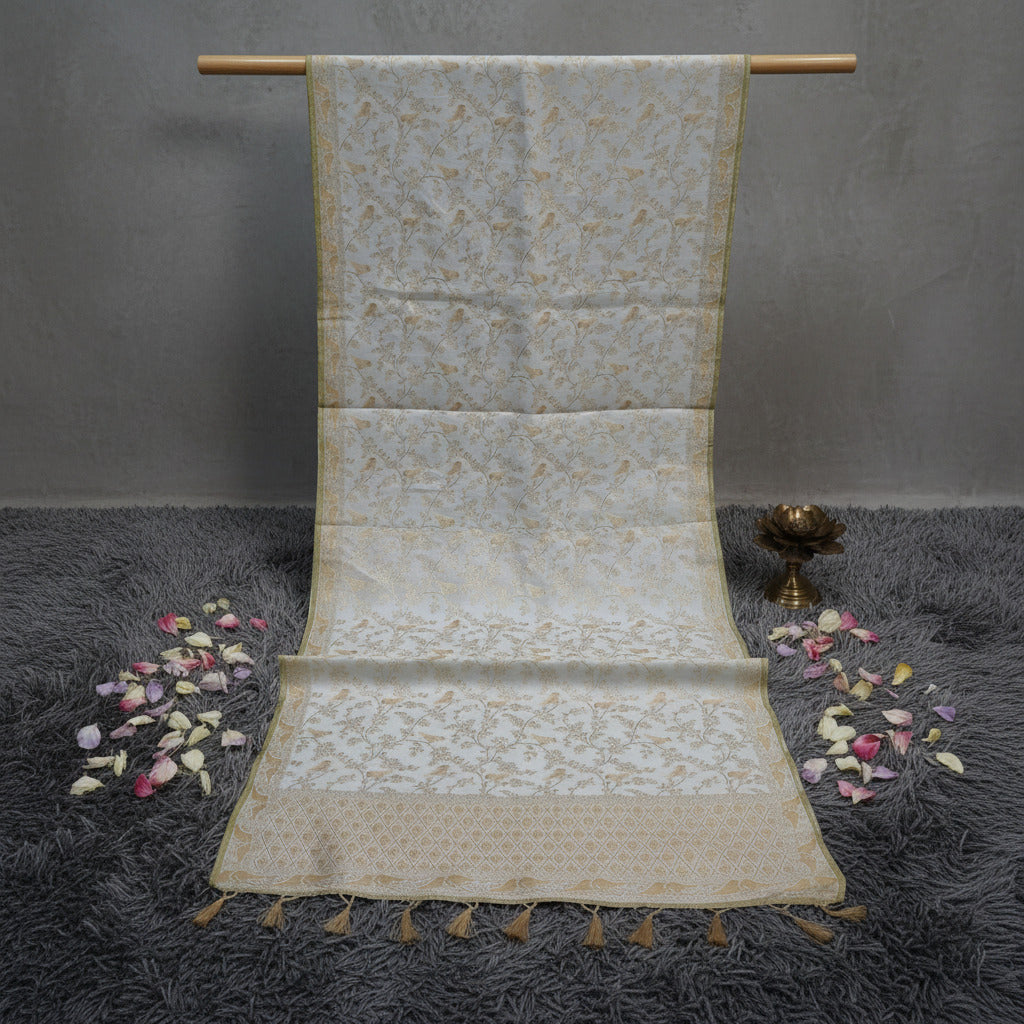


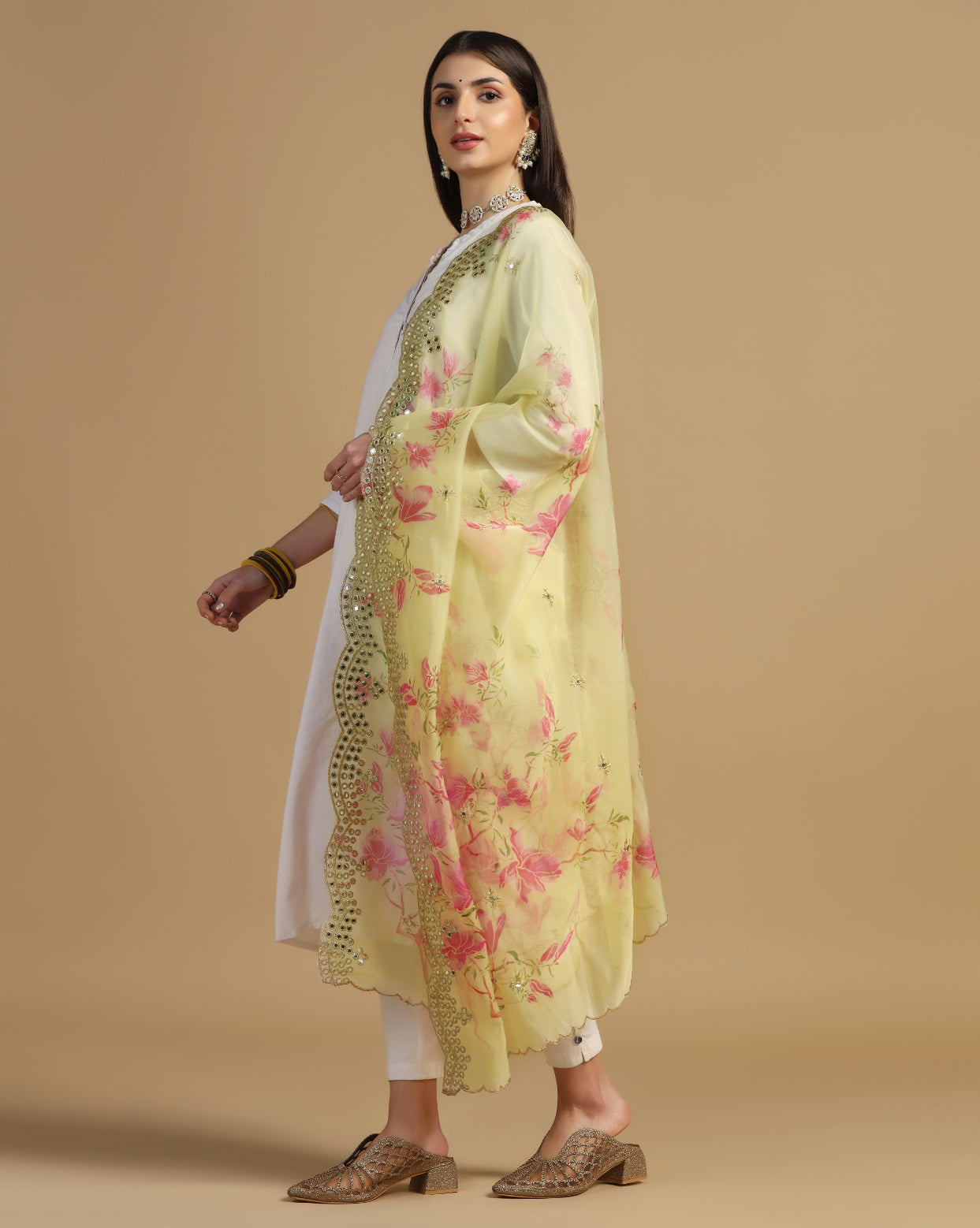

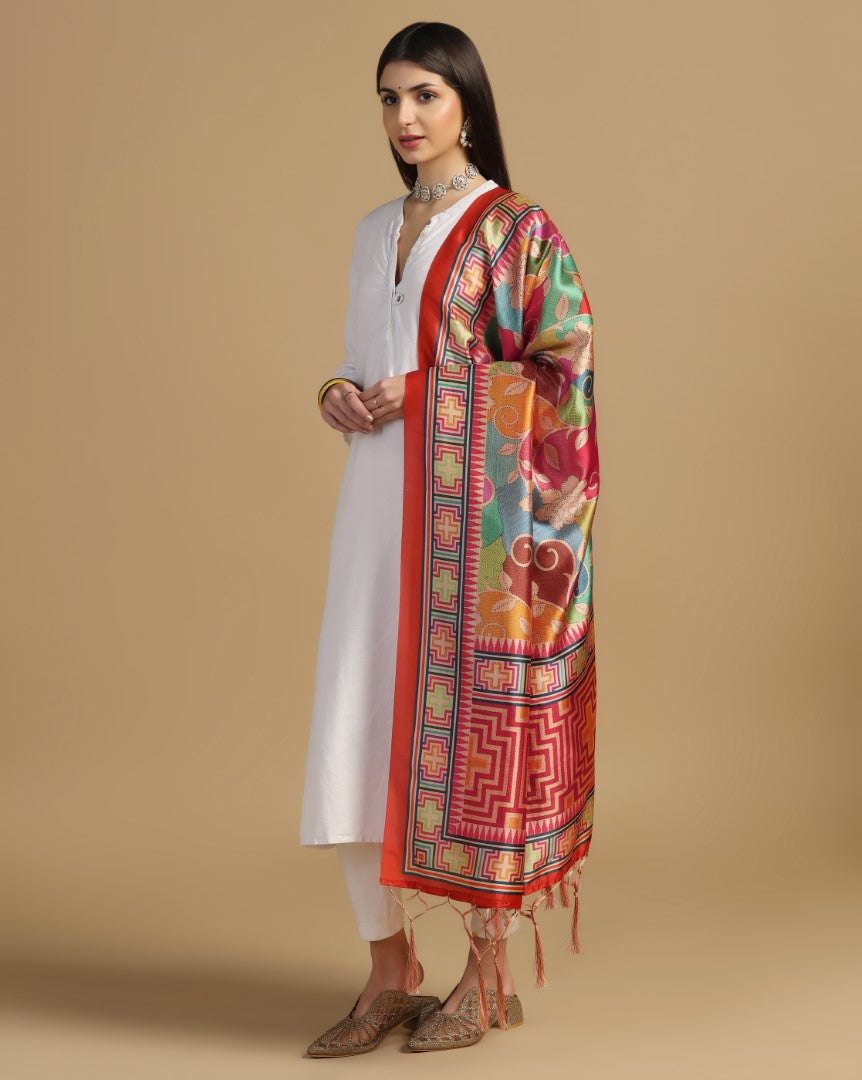


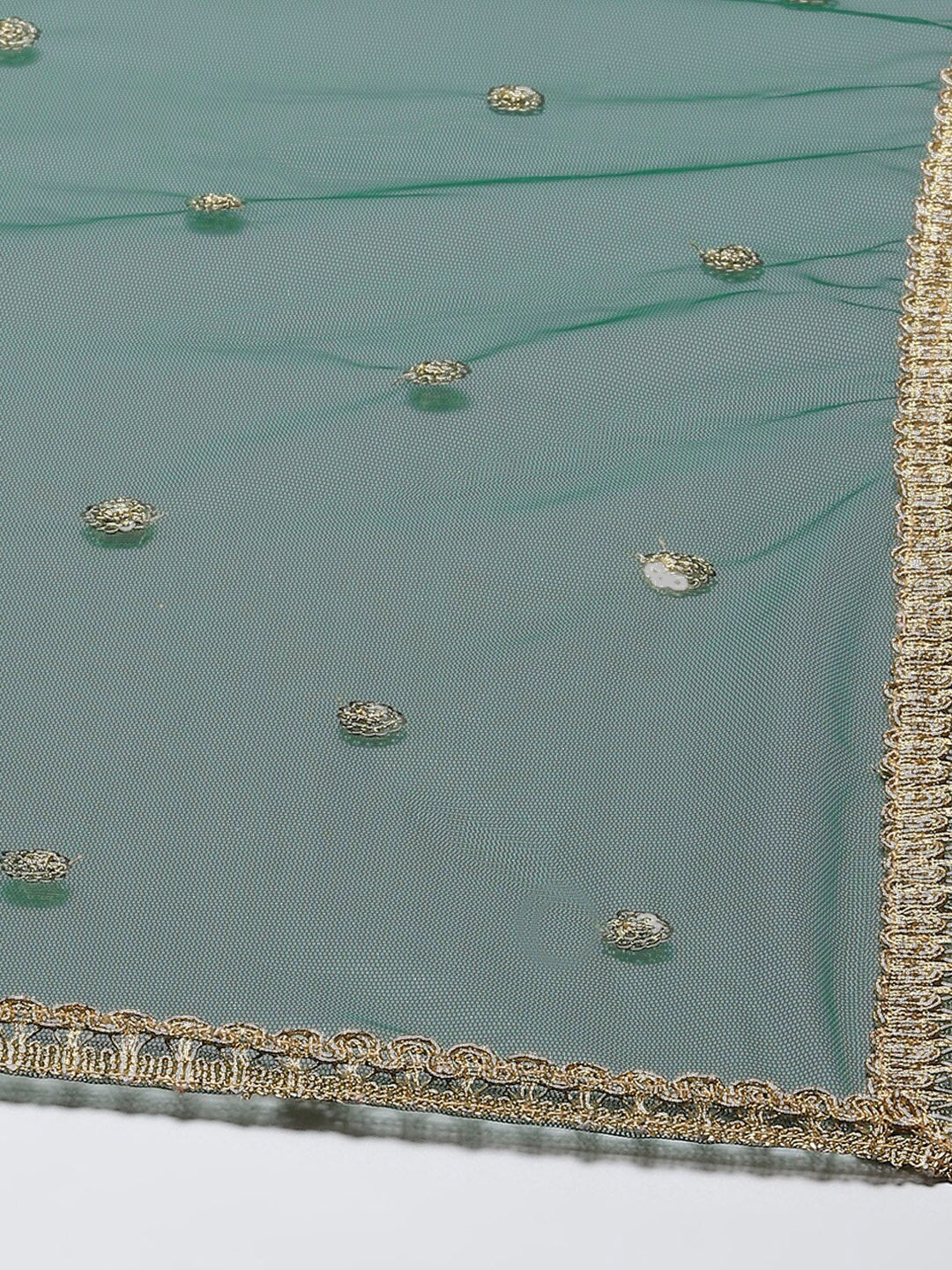

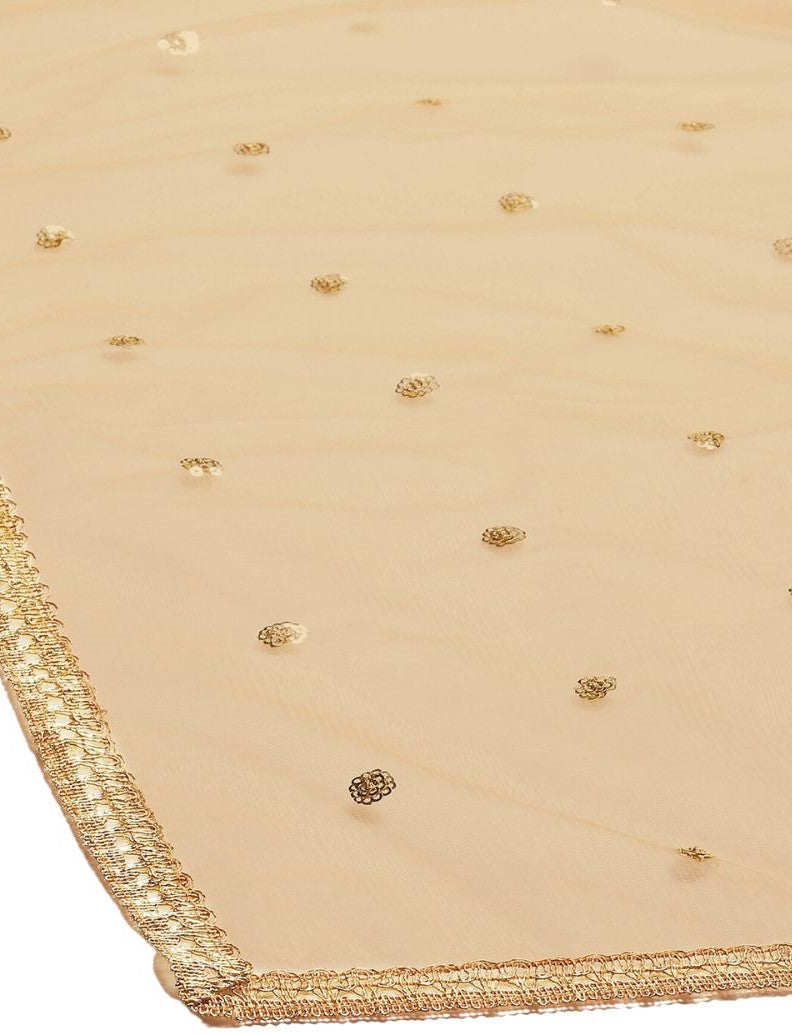


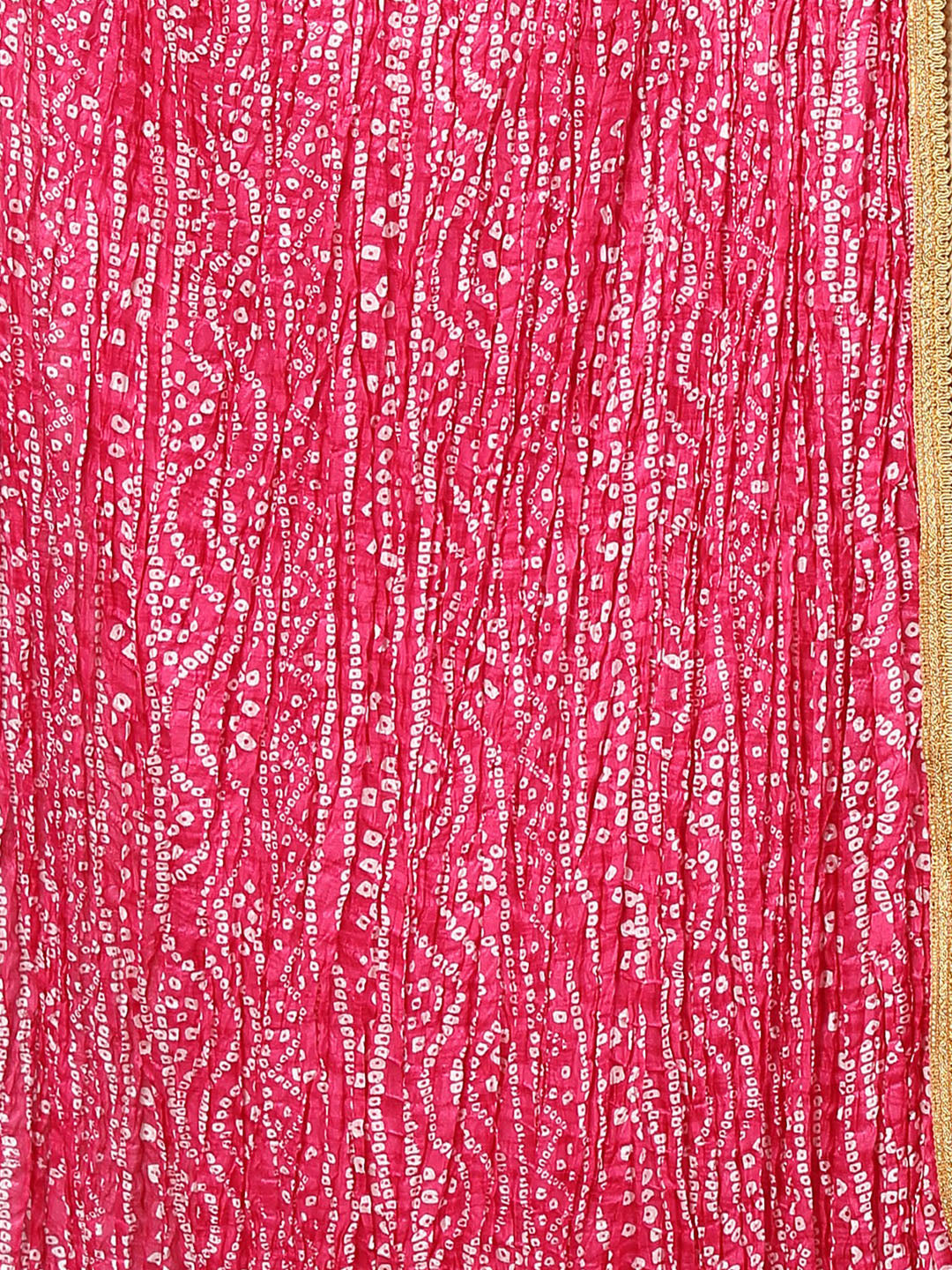

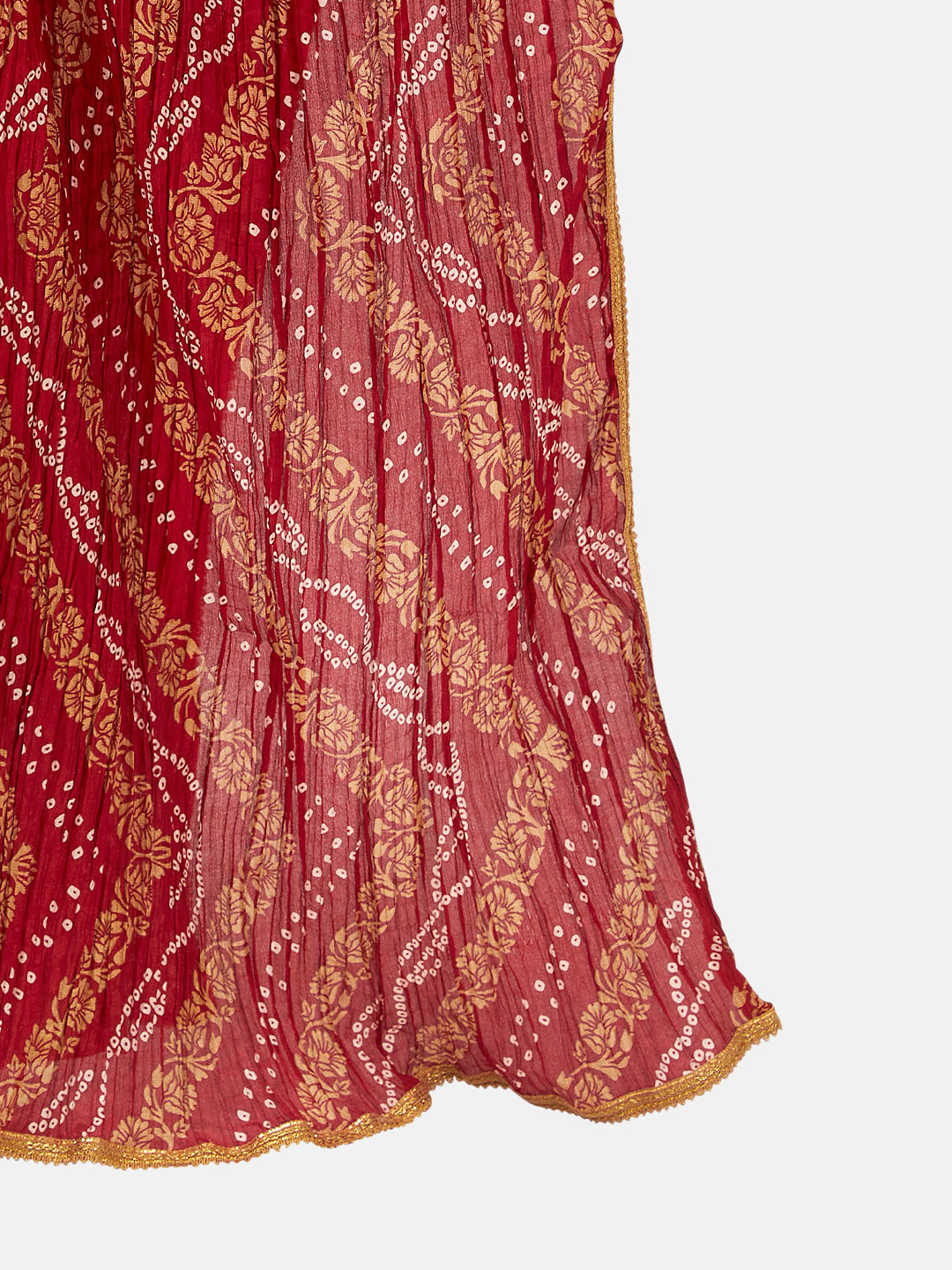


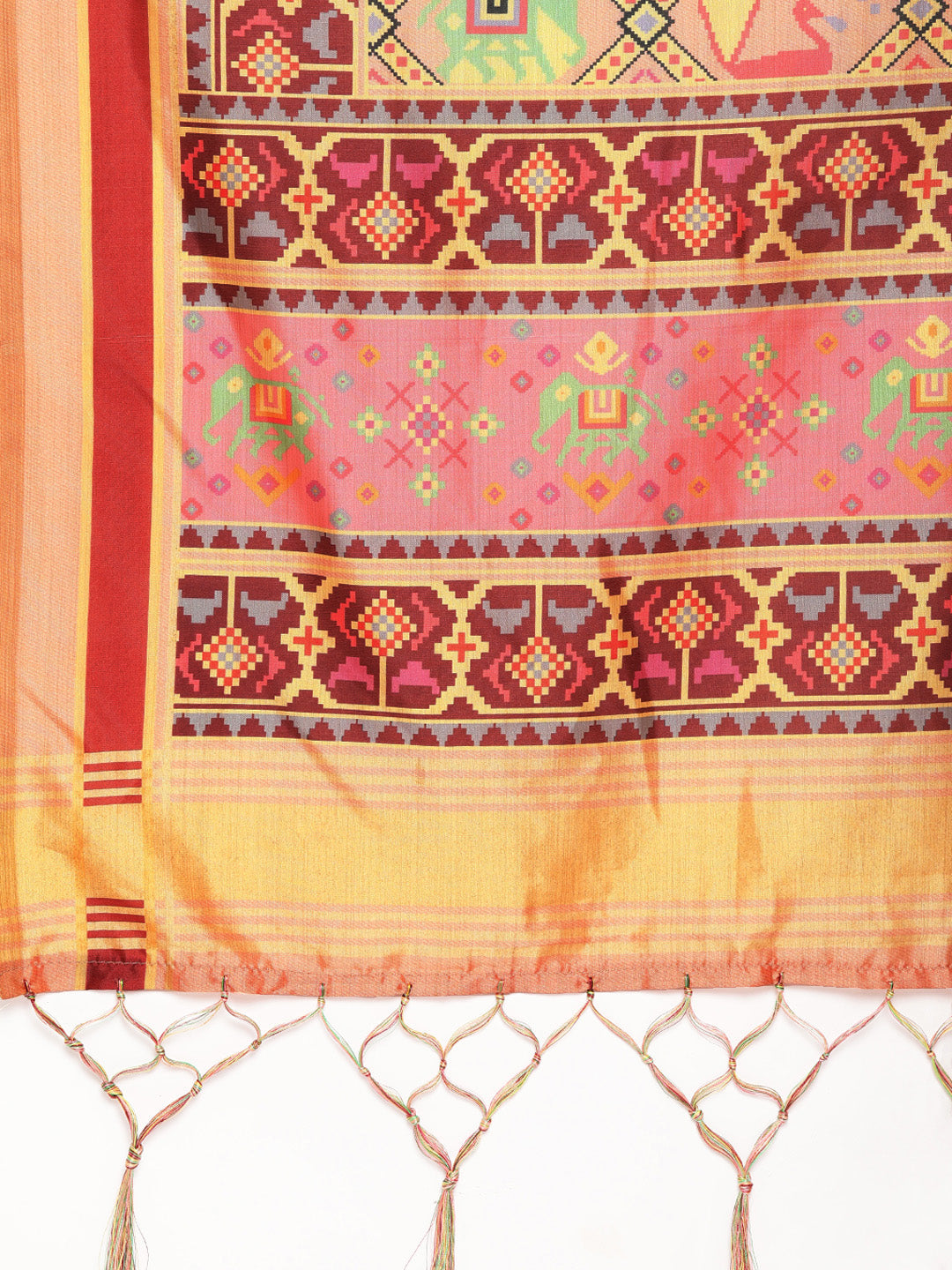

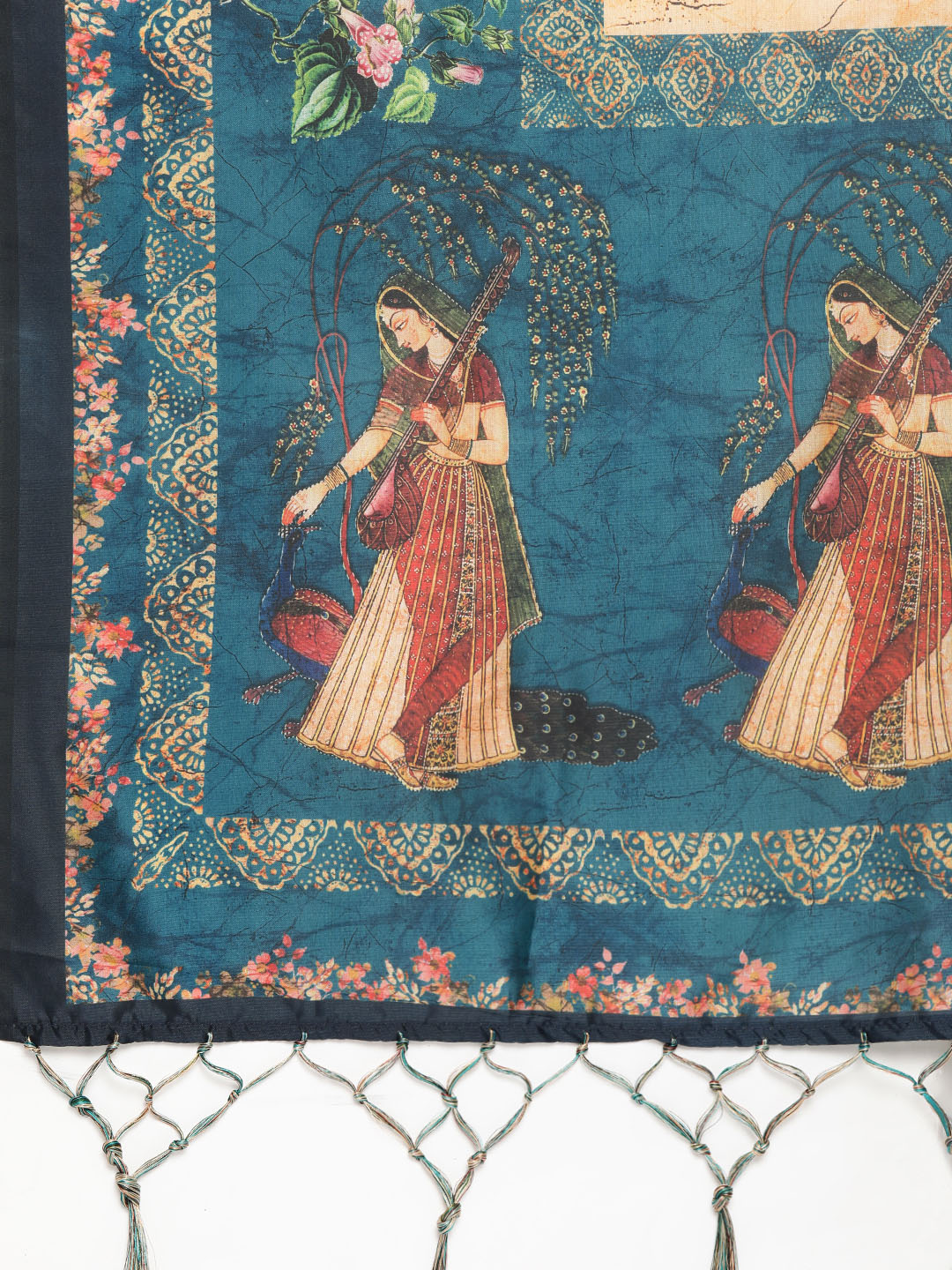


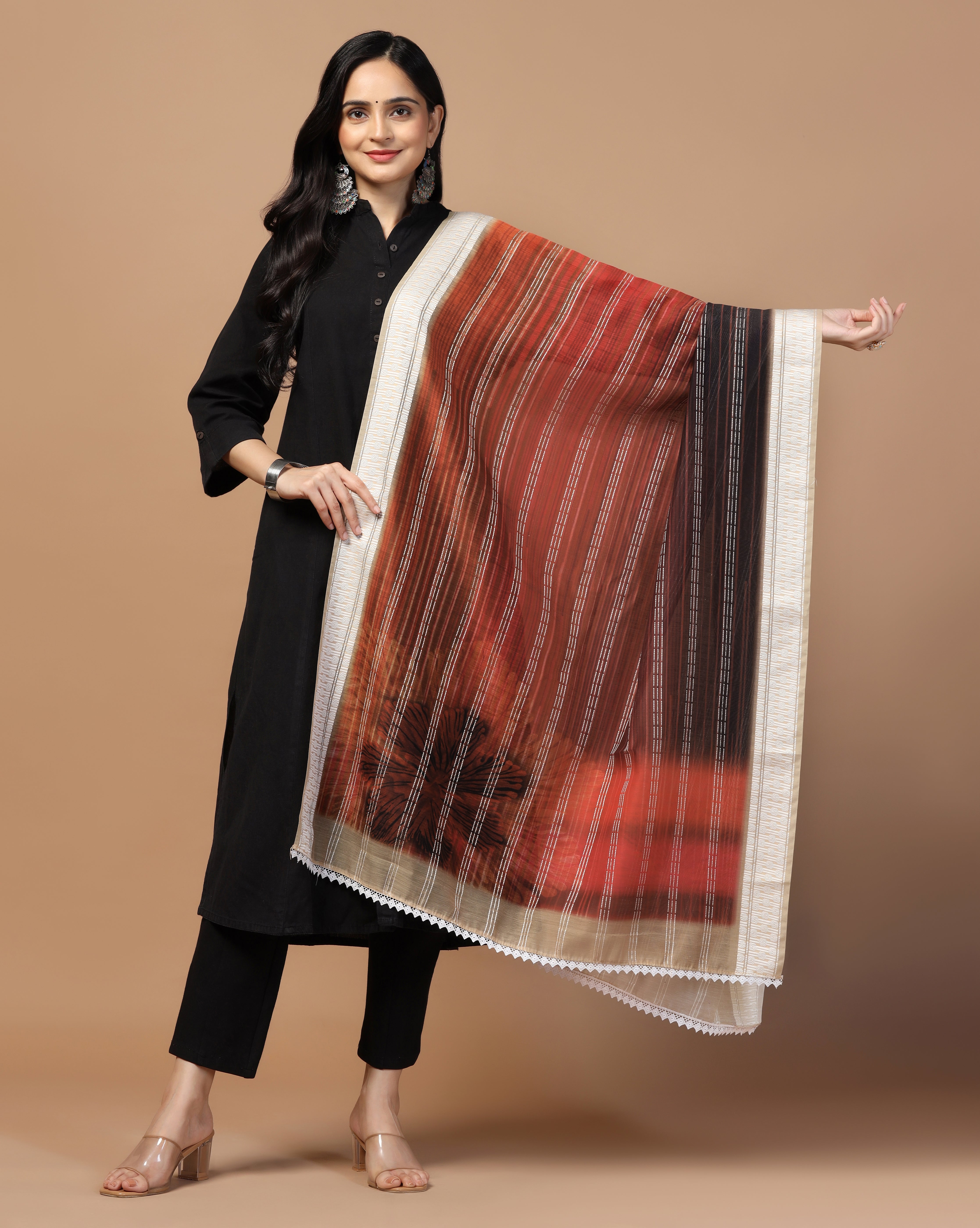
A dupatta is a length of unstitched cloth draped over the shoulders or head, worn with kurta sets, salwar suits and lehengas. It is also called an odhani or chunni depending on the region. It is the single cheapest way to change how an outfit reads one kurta with three different dupattas is effectively three outfits.
That is what this collection is mostly for. Sets that arrive without a dupatta, sets where the original no longer suits, and plain kurtas that need something over them all get solved here rather than by buying another outfit.
Size and Dimensions of Dupattas
Dupattas are one size, but length and width vary more than most people expect and they change how a piece drapes.
A standard dupatta runs roughly 2.25 to 2.5 metres long and 0.9 to 1 metre wide. That is enough to drape over one shoulder with the ends falling to about knee level. Lehenga and bridal dupattas run longer and wider, often 2.5 metres or more, because they are meant to be draped over the head or across the body with volume to spare.
Width matters as much as length. A narrow dupatta sits flat along the shoulder and reads restrained. A wider one can be pleated into a broader fall or draped across the front for coverage. If a listing gives dimensions, check them a dupatta that is shorter than expected cannot be draped the way it appears in the photograph.
Fabrics for Dupattas
Fabric decides how much work the dupatta takes to wear. Some stay where you put them; others need pinning every time you move.
|
Fabric |
How it drapes |
Best with |
|
Cotton and slub cotton |
Holds a crisp fold, stays where pinned |
Daily kurtas, cotton suits |
|
Chanderi silk |
Light with a subtle sheen |
Daytime festive, mehendi |
|
Organza |
Sheer and stiff, holds its own shape |
Structured festive looks |
|
Chiffon |
Very light and fluid, slips easily |
Evening wear; needs pinning |
|
Georgette |
Soft fall with slight grip |
The easiest to manage day to day |
|
Chinon and Assam silk |
Smooth with body, carries print well |
Printed and party wear |
|
Banarasi silk |
Heavy with woven zari |
Weddings and formal ceremonies |
|
Net |
Sheer with volume, carries embroidery |
Lehengas and reception wear |
Cotton and georgette are the easiest to live with enough grip to stay on a shoulder, enough softness to pleat. Chiffon and lighter silks slip and will need pins. Organza is the opposite problem: it holds a shape beautifully and photographs well, but it does not soften against the body, so it sits away from you rather than falling with you. Heavy banarasi dupattas have real weight and pull on the shoulder over a long event.
One term worth clarifying: vegan silk, which appears across this range, is a viscose or art silk rather than silk from silkworms. It has a similar sheen and drape at a lower cost and washes more easily than real silk.
Crafts and Techniques for Dupattas
Most dupattas here are named for the craft rather than the fabric, and the terms describe genuinely different processes.
|
Craft |
Origin |
What defines it |
|
Bandhani |
Gujarat, Rajasthan |
Tie-dyed dots made by knotting cloth before dyeing |
|
Phulkari |
Punjab |
Dense darning embroidery in floss silk, worked from the reverse |
|
Gotta patti |
Rajasthan |
Metallic ribbon appliquéd into raised, reflective patterns |
|
Chikankari |
Lucknow |
Fine white-on-white shadow embroidery |
|
Ajrakh |
Kutch, Sindh |
Block-printed resist dyeing in indigo and madder |
|
Kantha |
Bengal |
Running-stitch embroidery in simple repeating lines |
|
Banarasi weave |
Varanasi |
Zari woven into the cloth rather than stitched on |
|
Madhubani |
Bihar |
Folk painting motifs, usually printed onto fabric |
Two of these get described loosely. Phulkari means flower work, but the technique is dense geometric darning embroidery in floss silk, worked from the reverse of the cloth not a floral print. Gotta patti is not embroidery at all: small strips of metallic ribbon are appliquéd onto the fabric, producing a raised reflective surface quite unlike flat thread work.
Woven crafts and surface crafts age differently, which is worth weighing when buying. Banarasi zari is woven into the cloth and lasts as long as the cloth does. Gotta patti, sequin and mirror work sit on the surface and are the first things to lift or catch. The same distinction applies across sarees.
Matching a Dupatta to an Outfit
This is the part that takes judgement, and it is where most people give up and buy a whole new set instead.
Exact colour matching from a screen is unreliable. Monitor calibration, lighting and fabric sheen all shift how a colour reads, and a dupatta that looks identical online frequently arrives half a shade off which is more noticeable than a deliberate contrast. Unless you can compare in person, matching exactly is the harder path.
Contrast is easier and reads as intentional. Pull a secondary colour from the outfit a border colour, or a shade from the print rather than trying to match the base. Gold, cream, black and deep maroon work with an unusually wide range. Plain kurta sets and solid kurtas are the easiest to pair, since there is only one colour to work against.
Weight should broadly match too. A heavy banarasi or net dupatta over a light cotton kurta looks unbalanced, and a fine chiffon over a heavily embroidered outfit disappears. Match the fabric weight first and the colour second it is the more forgiving order.
The other rule most people already know: keep one element plain. A heavily worked dupatta over a plain suit, or a plain dupatta over a worked one. Two heavy pieces compete. This matters most with anarkali sets and sharara sets, where the outfit already carries volume.
How to Drape a Dupatta?
Single shoulder
Pleat the dupatta along its length, lay the pleats over the left shoulder, and let the rest fall behind. The most common everyday drape and the easiest to move in. Pin at the shoulder or it slides.
Both shoulders, open front
Drape the centre across the back and let both ends fall forward over the shoulders. Symmetrical, covers the chest, and leaves the arms free. Works with almost any kurta length.
Across the front
Take one end over the left shoulder, bring the length diagonally across the front, and let it fall at the right hip. Gives the most coverage and looks deliberate, but restricts arm movement on the covered side.
Free fall
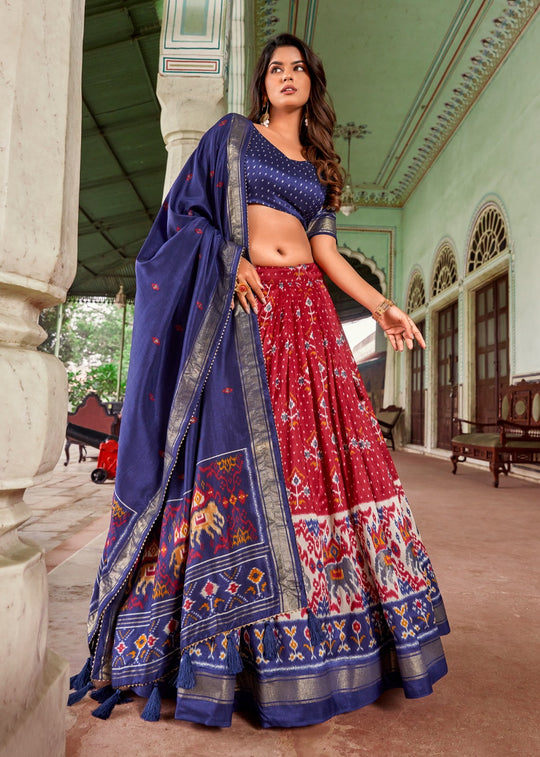
One end tucked at the waist or held, the rest falling loose. The usual drape for lehengas, where the point is to show the skirt rather than cover it.
Over the head
Centred at the crown with both ends falling forward or back. Standard at religious functions and for brides. A wider, longer dupatta is needed for this, and it will slip without pins.
Around the arm
Twisted or wrapped around one forearm with the rest falling. Contemporary, keeps the fabric entirely out of the way, and works well with fitted kurtas and fusion outfits.
Pinning a Dupatta
A dupatta that needs constant adjustment is almost always under-pinned rather than badly draped. Two or three pins is normal: one at the shoulder taking the weight, and one or two through the pleats to keep them together.
Pin through the shoulder seam of the kurta rather than the fabric alone, since the seam has more to grip and the pinhole is hidden. Safety pins hold better than brooches for load-bearing; a decorative brooch is best used where it shows rather than where it works. For slippery fabrics like chiffon and satin, a small piece of tissue folded behind the pin stops it tearing through.
For a head drape, pins in the hair rather than the fabric are what actually hold it. Two either side of the crown, angled inward.
How To Care for Your Dupatta?
Cotton and slub cotton dupattas can be hand washed cold, and the first wash should be done separately since dye bleeds. Georgette and chiffon can be gently hand washed. Chanderi, organza, banarasi, net and anything with gotta patti, zari, mirror or sequin work should be dry cleaned gotta patti in particular tarnishes and lifts at the edges if washed.
Press organza and net on low heat with a cloth between, since both scorch easily. Store folded with tissue between zari layers rather than in plastic, which traps moisture against metallic thread. Refold along different lines every few months on anything you keep long term, since a permanent crease along one fold eventually weakens the cloth there.
FAQs: Dupattas
What size is a dupatta?
Standard dupattas run roughly 2.25 to 2.5 metres long and 0.9 to 1 metre wide. Lehenga and bridal dupattas run longer and wider, often 2.5 metres or more, because they are meant to be draped over the head or across the body.
What is the difference between a dupatta, an odhani and a chunni?
They refer to the same garment. Odhani is more common in Rajasthan and Gujarat, chunni in Punjab and parts of north India, and dupatta is the most widely used term. Regional usage sometimes implies a heavier or lighter cloth, but the words are largely interchangeable.
Should the dupatta match the outfit exactly?
Contrast is easier and reads as intentional. Exact matching from a screen is unreliable, since lighting and fabric sheen shift how colour reads, and half a shade off is more noticeable than a deliberate contrast. Pull a secondary colour from the border or print instead.
Which dupatta fabric is easiest to manage?
Cotton and georgette. Both have enough grip to stay on a shoulder and enough softness to pleat. Chiffon and lighter silks slip and need pinning. Organza holds its shape well but sits away from the body rather than falling with it.
How many pins does a dupatta need?
Two or three. One at the shoulder taking the weight and one or two through the pleats. Pin through the kurta shoulder seam rather than the fabric alone it grips better and hides the pinhole. For chiffon and satin, fold a small piece of tissue behind the pin so it does not tear through.
What is phulkari?
A Punjabi embroidery tradition. The name means flower work, but the technique is dense geometric darning in floss silk, worked from the reverse side of the cloth. It is embroidery rather than a printed floral pattern.
What is gotta patti?
A Rajasthani technique in which small strips of metallic ribbon are appliquéd onto fabric, producing a raised reflective pattern. It is not embroidery, and it does not survive washing gotta patti pieces should be dry cleaned only.
Is vegan silk real silk?
No. Vegan silk is a viscose or art silk with a similar sheen and drape to silk, made without silkworms. It costs less and washes more easily, though it does not have the same weight or longevity as woven silk.
Can I buy a dupatta separately for an existing outfit?
Yes, and it is the most efficient purchase in ethnic wear one kurta with three dupattas reads as three outfits. It also solves sets that arrive without one, which is common with two-piece kurta sets and some Pakistani suits.
How do I wash a dupatta?
Cotton can be hand washed cold, separately for the first wash since dye bleeds. Georgette and chiffon can be gently hand washed. Chanderi, organza, banarasi, net and anything with zari, gotta patti, mirror or sequin work should be dry cleaned.
Where can I find new dupattas?
New arrivals updates as each label delivers. Pieces in the express range dispatch within 48 hours for US orders, with tariffs and duties covered.