

Buy Luxury Kaftans for Women Online in the USA | Trendia


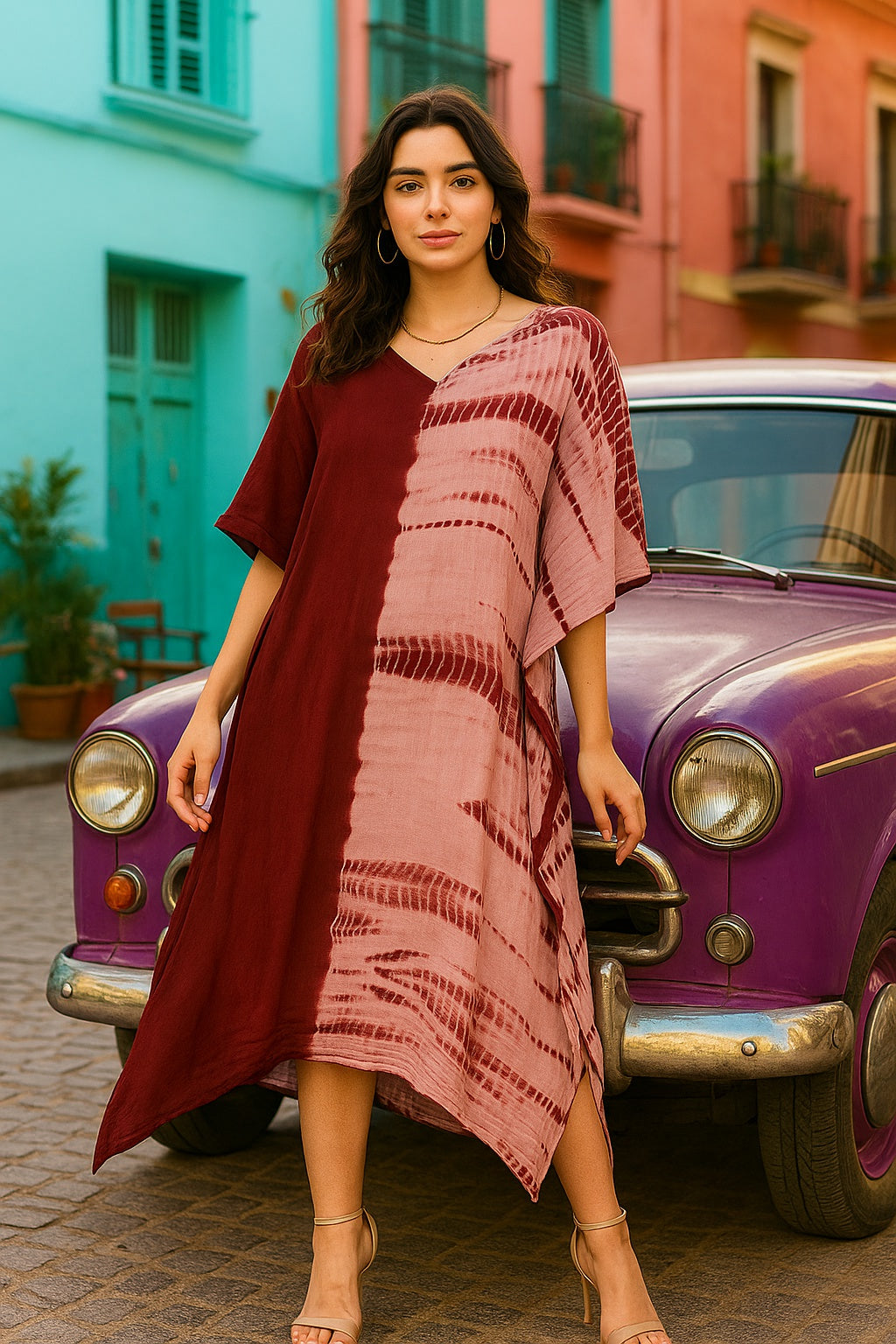


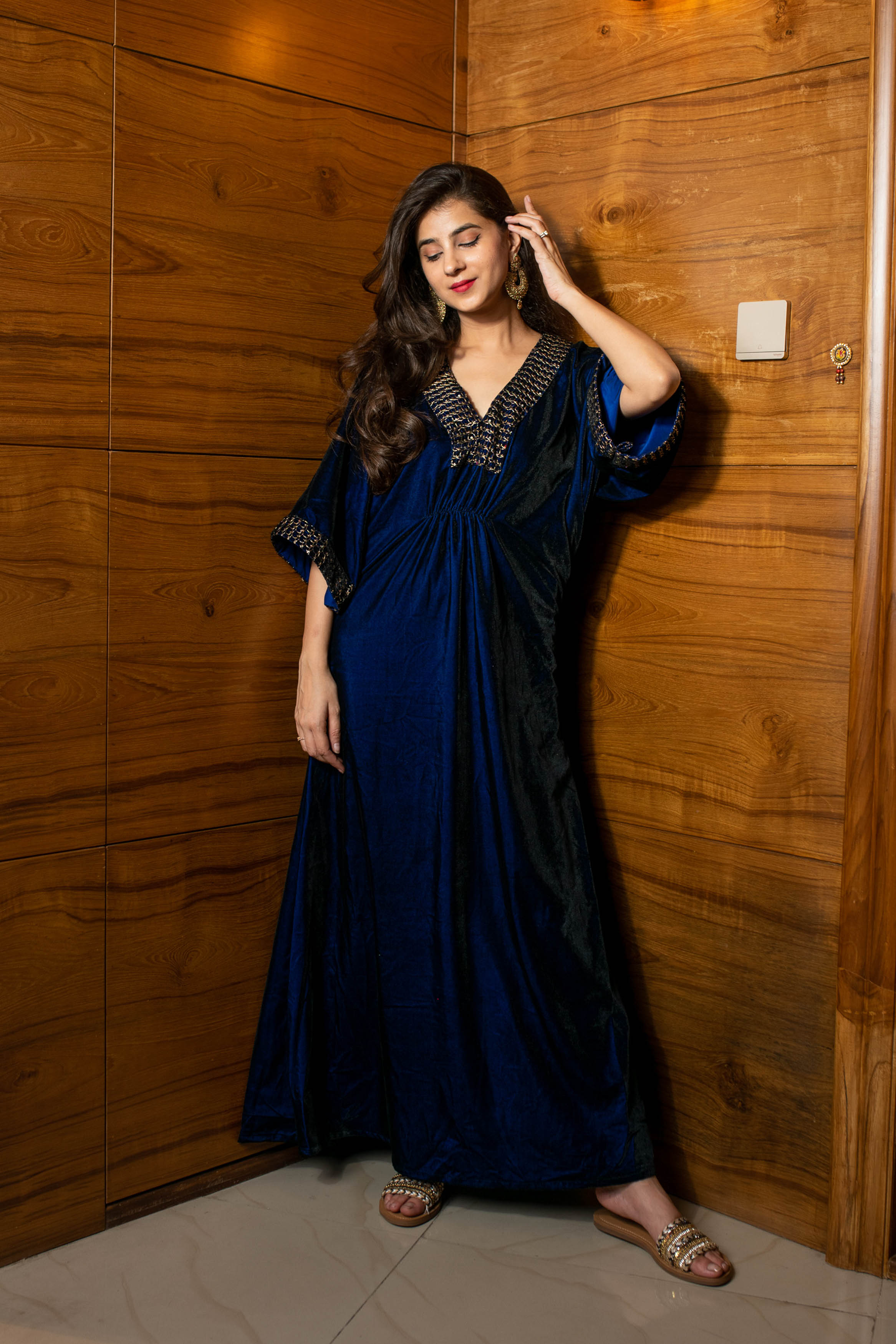

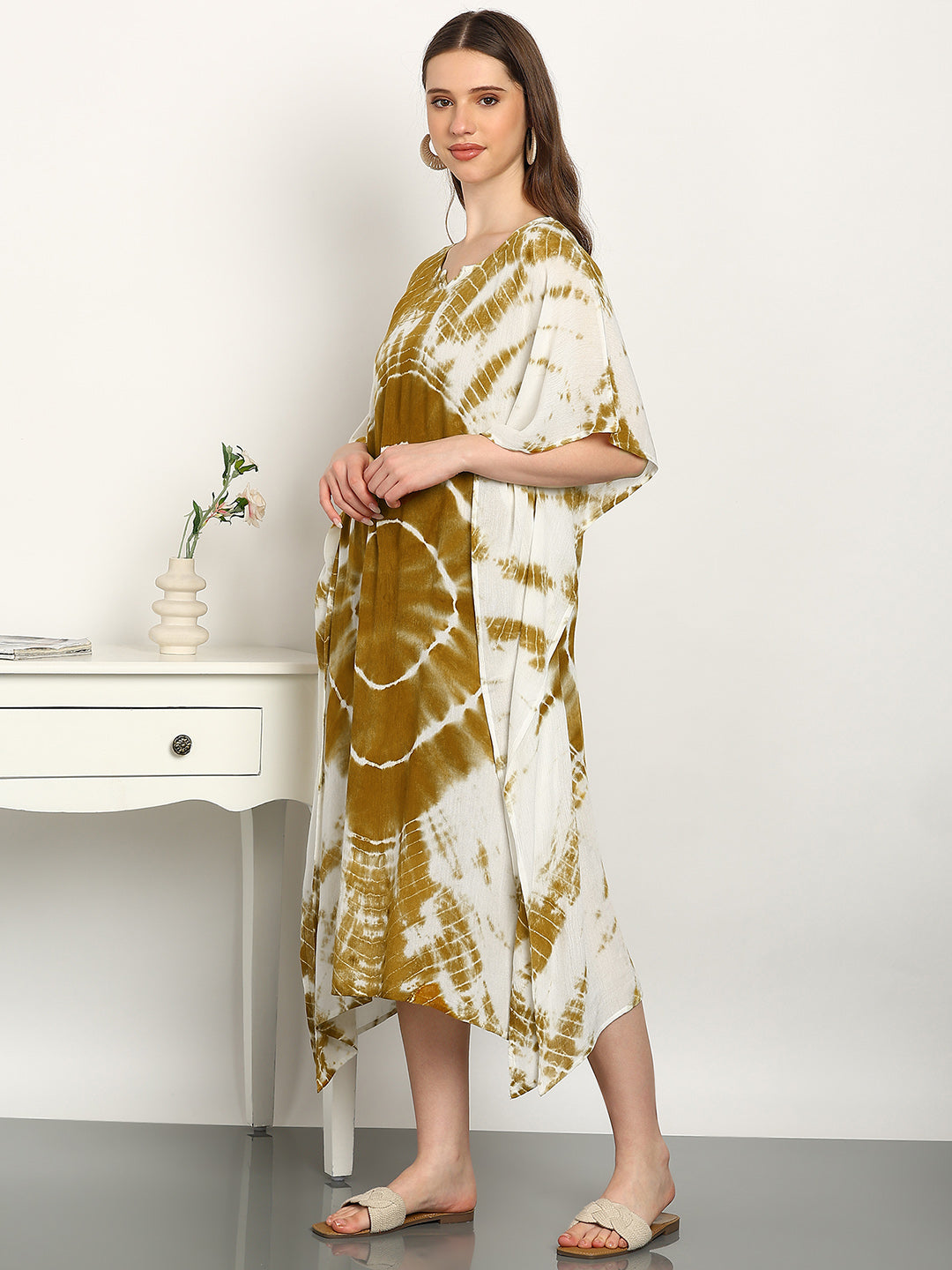

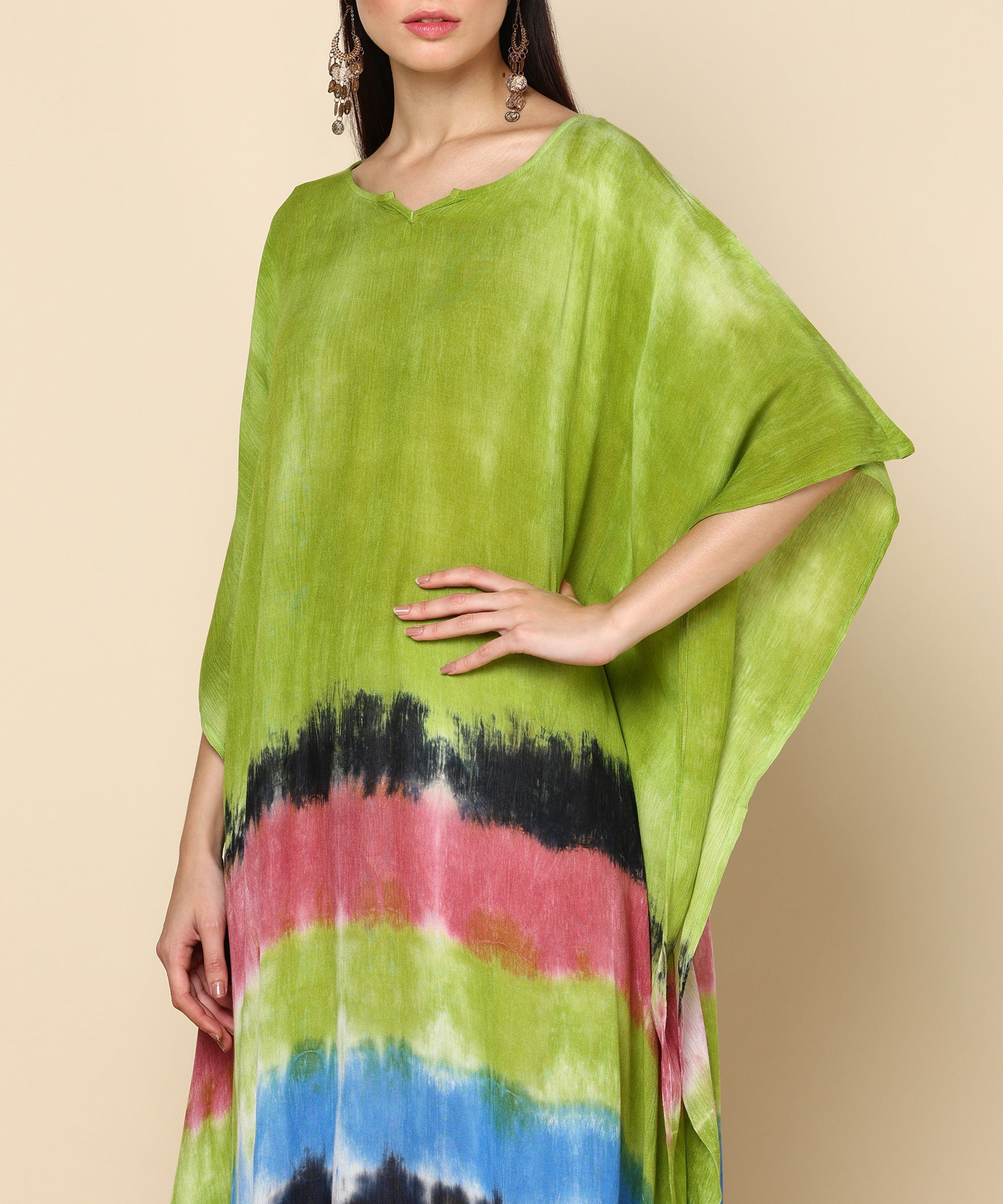

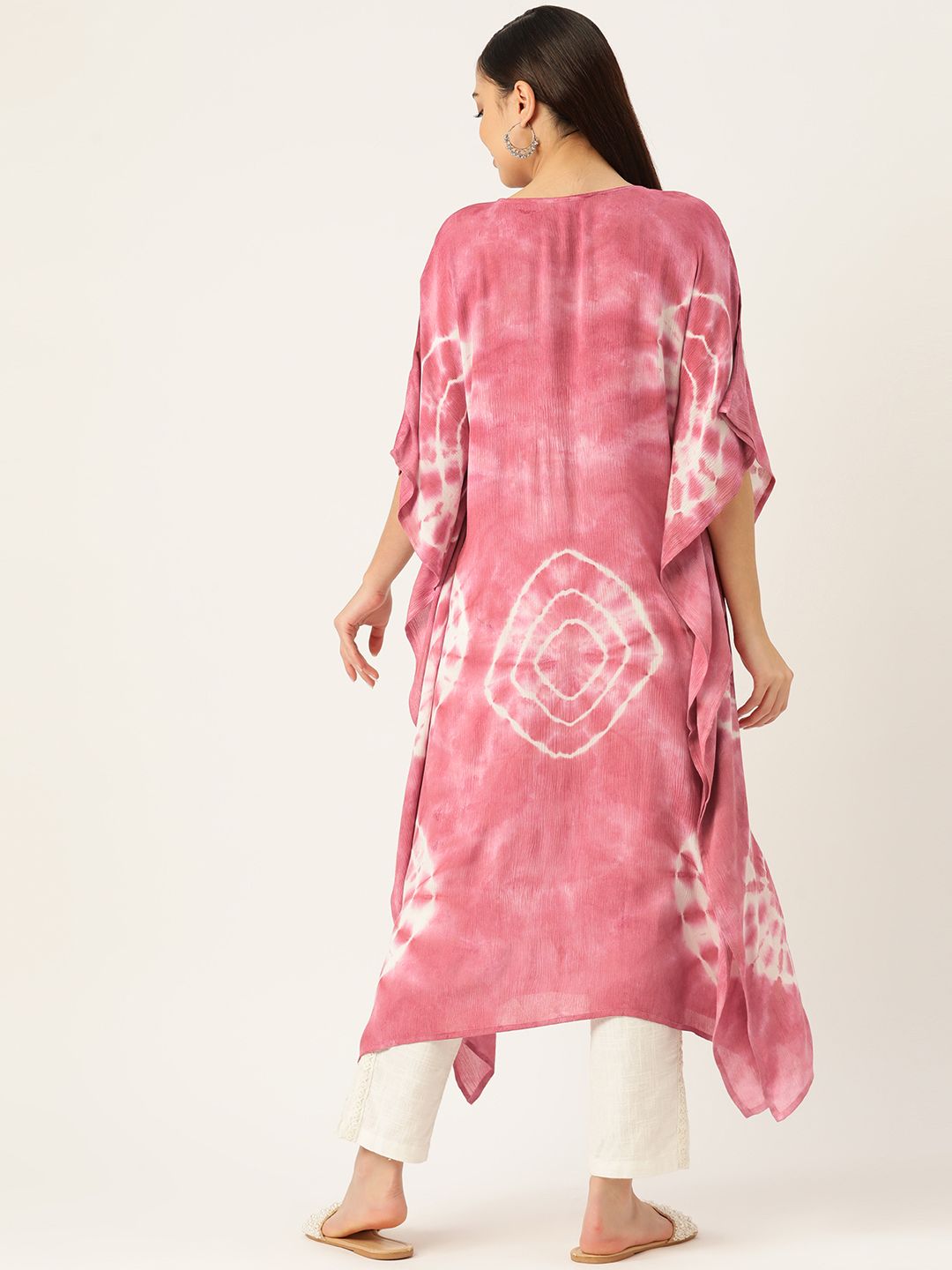

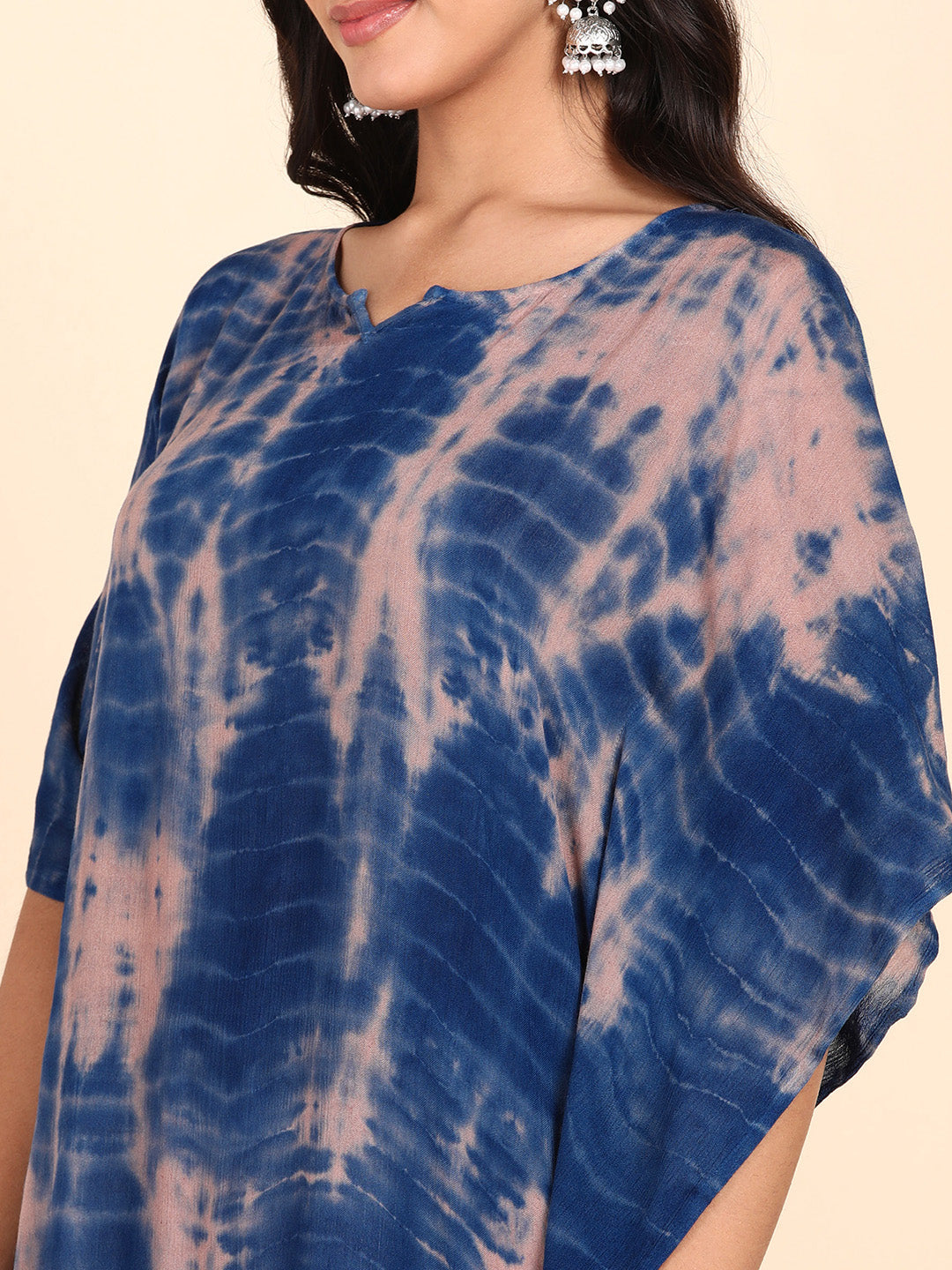

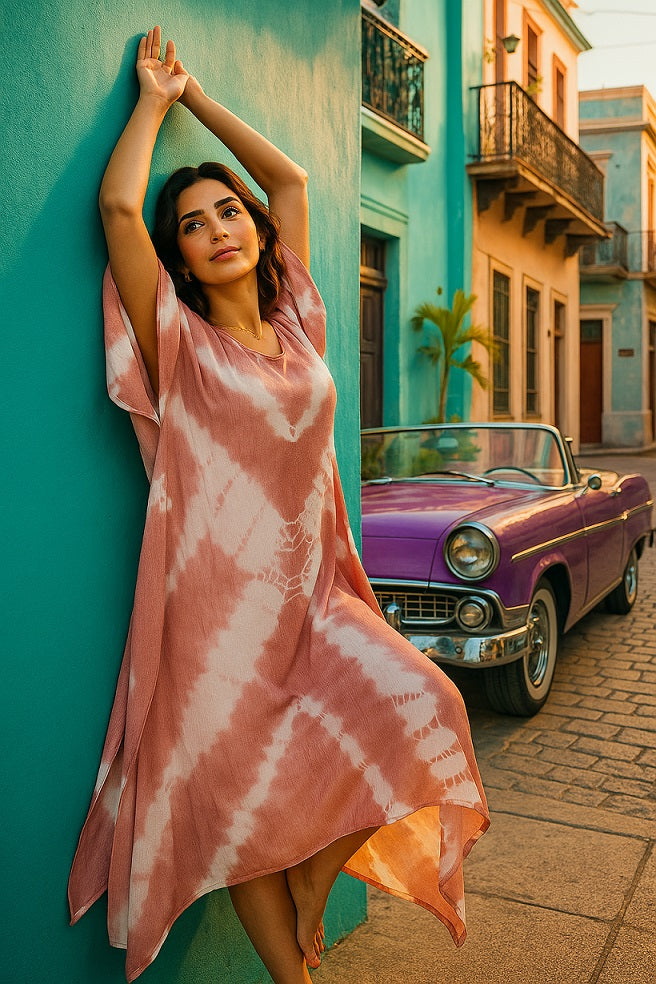

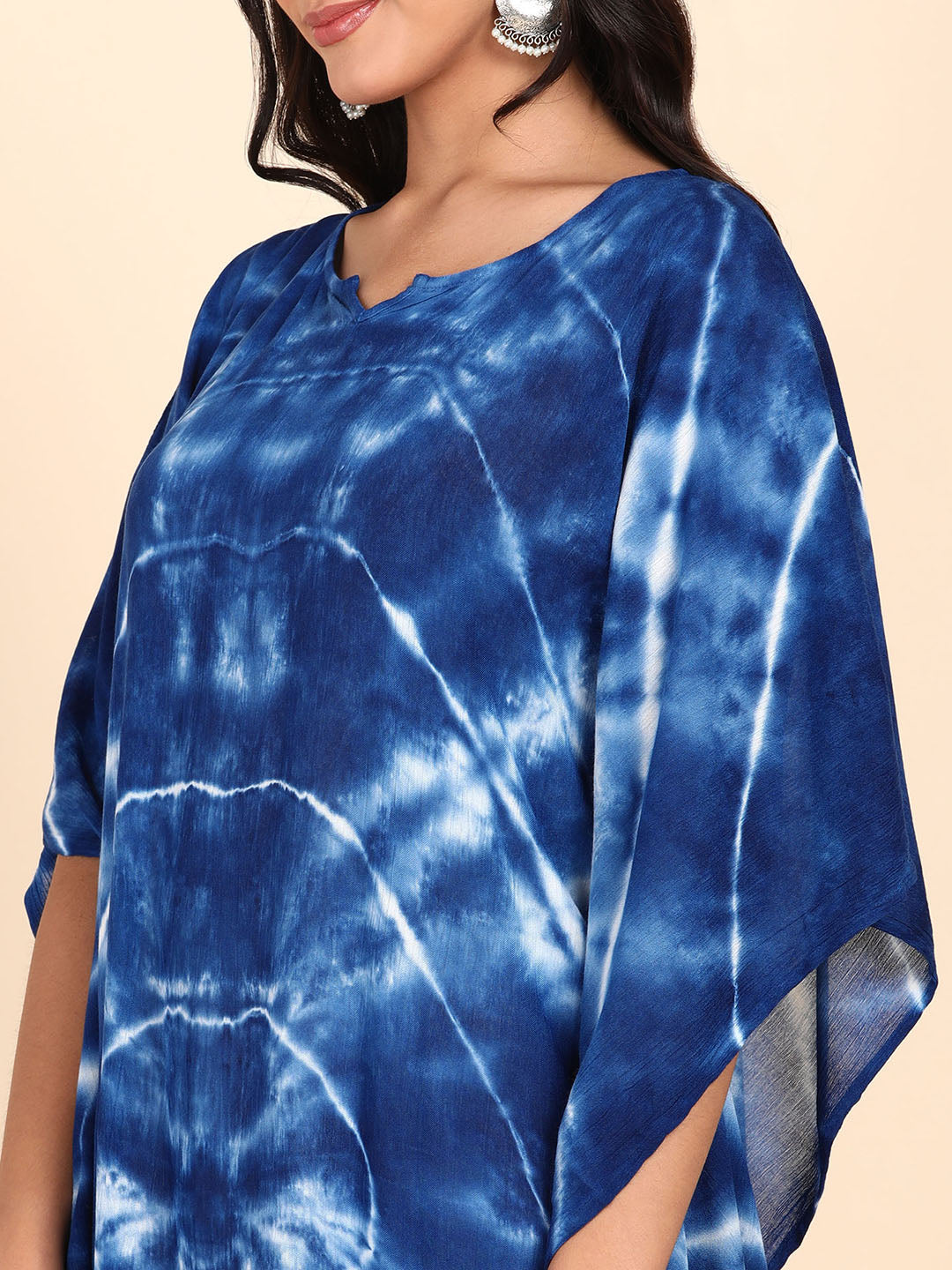


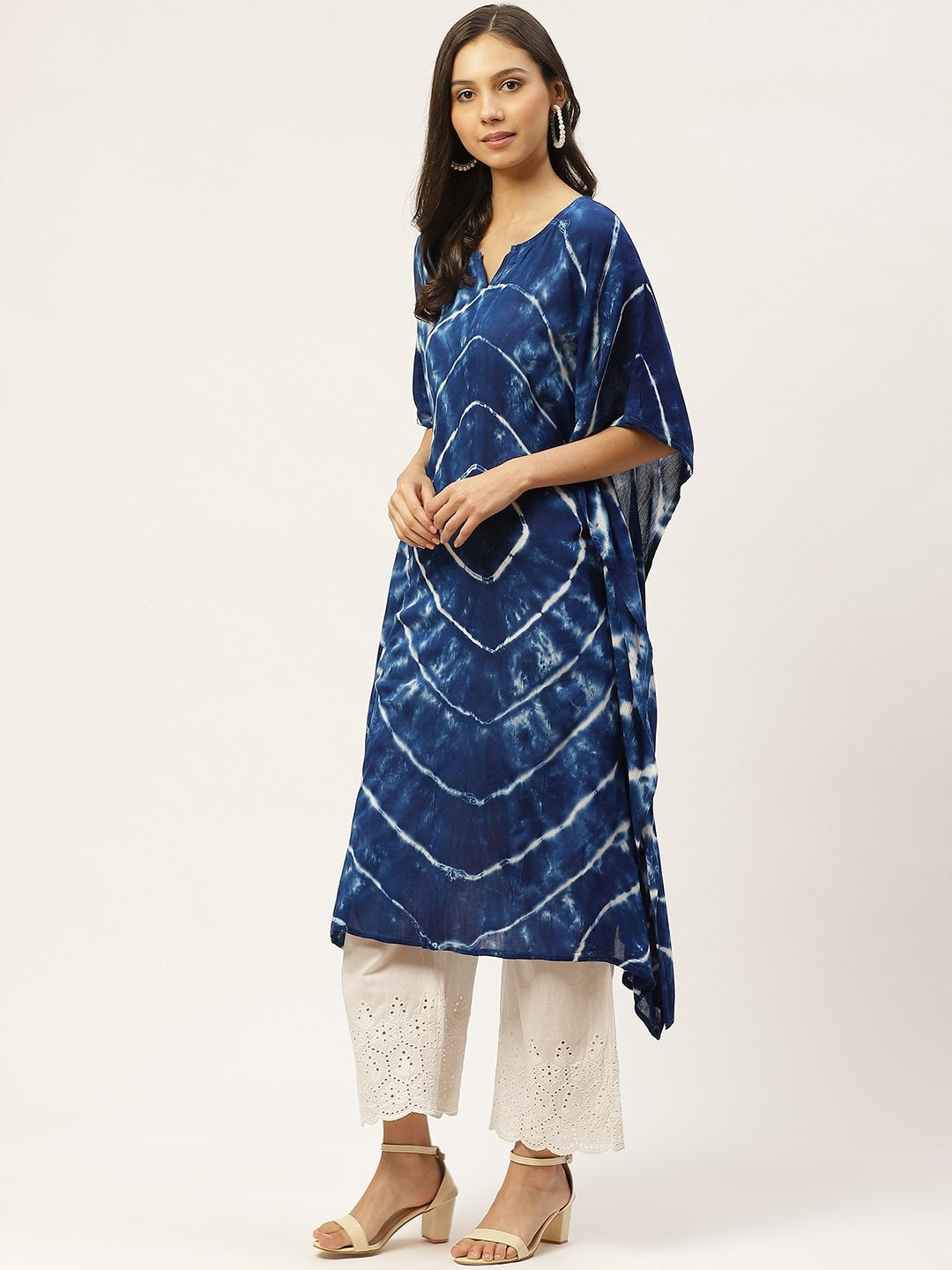


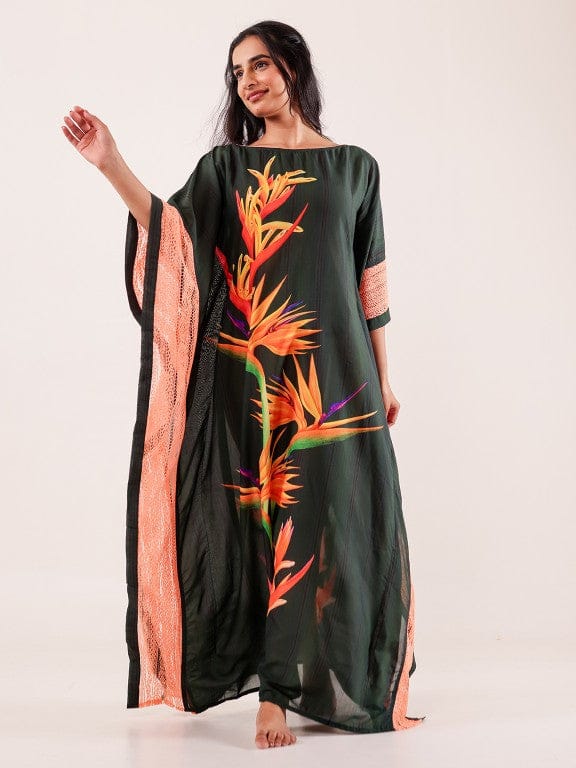


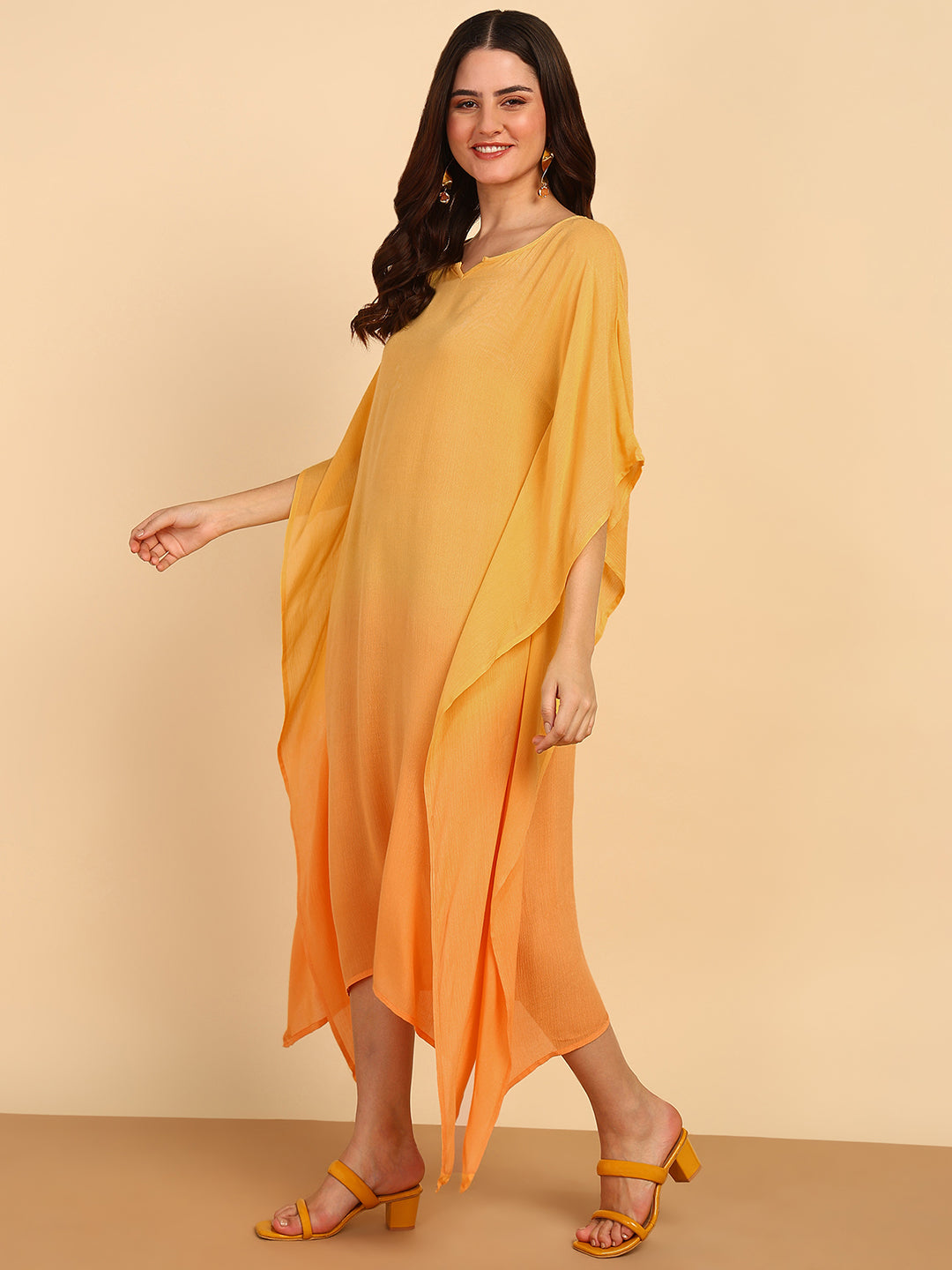

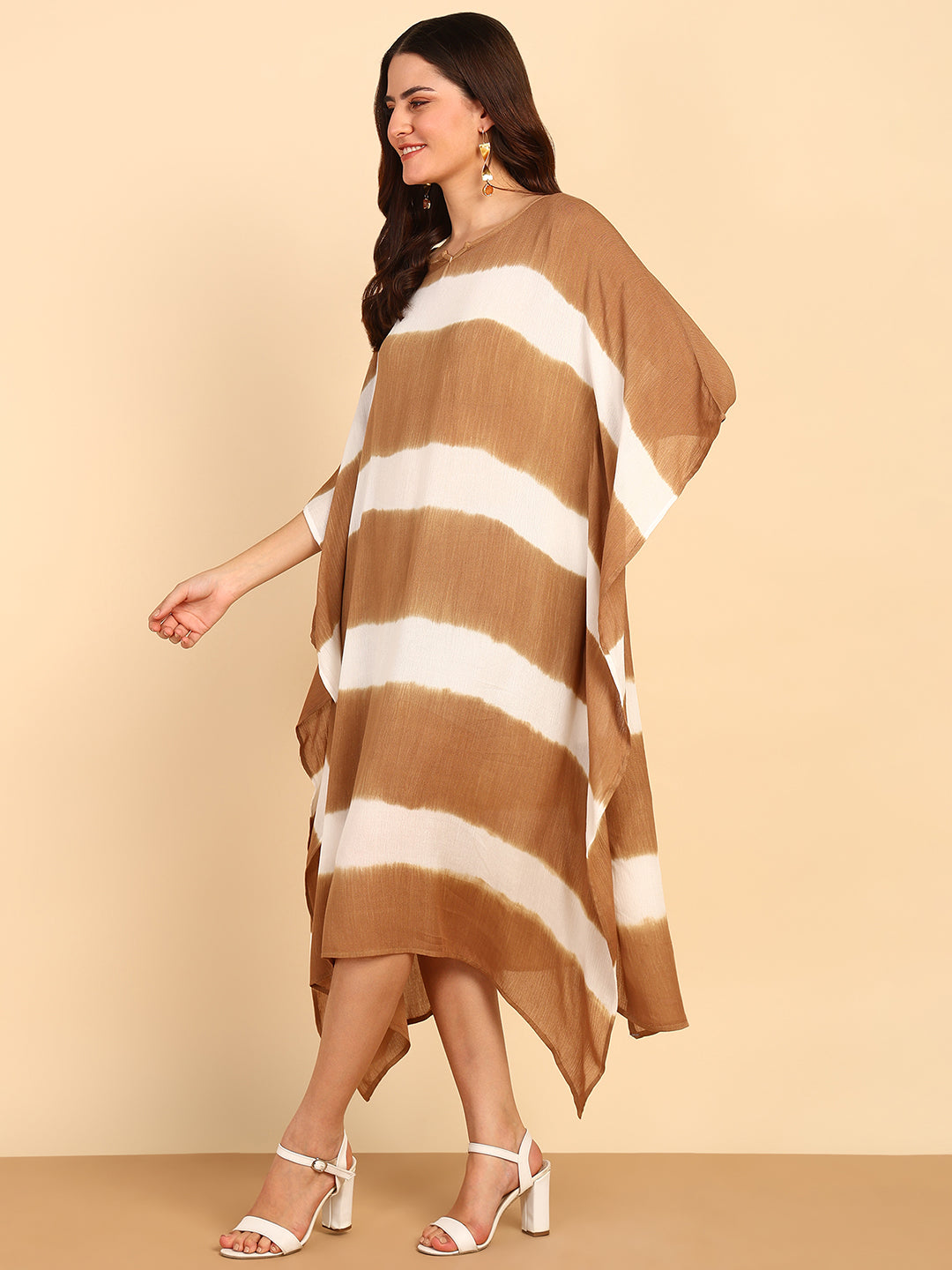

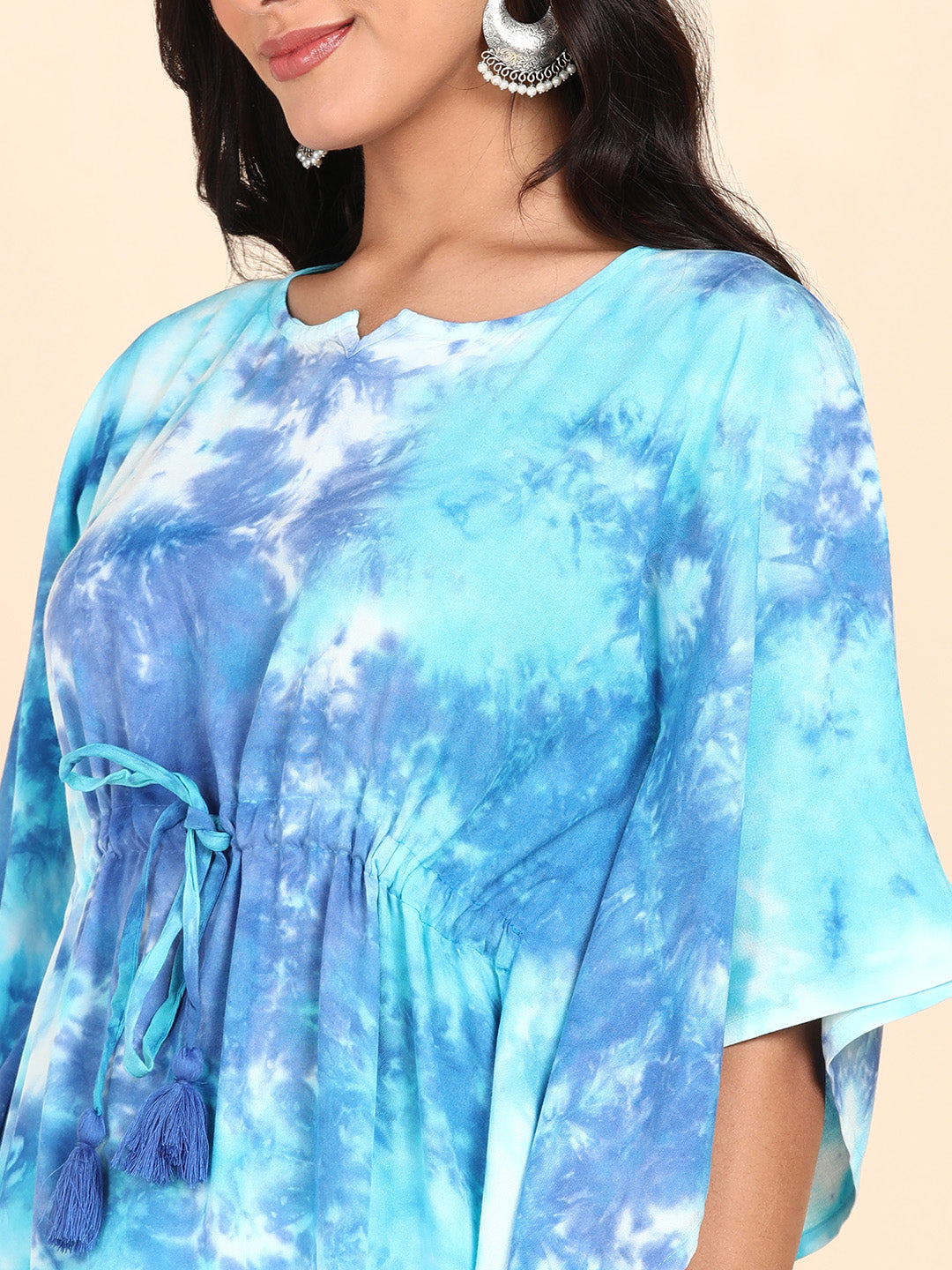

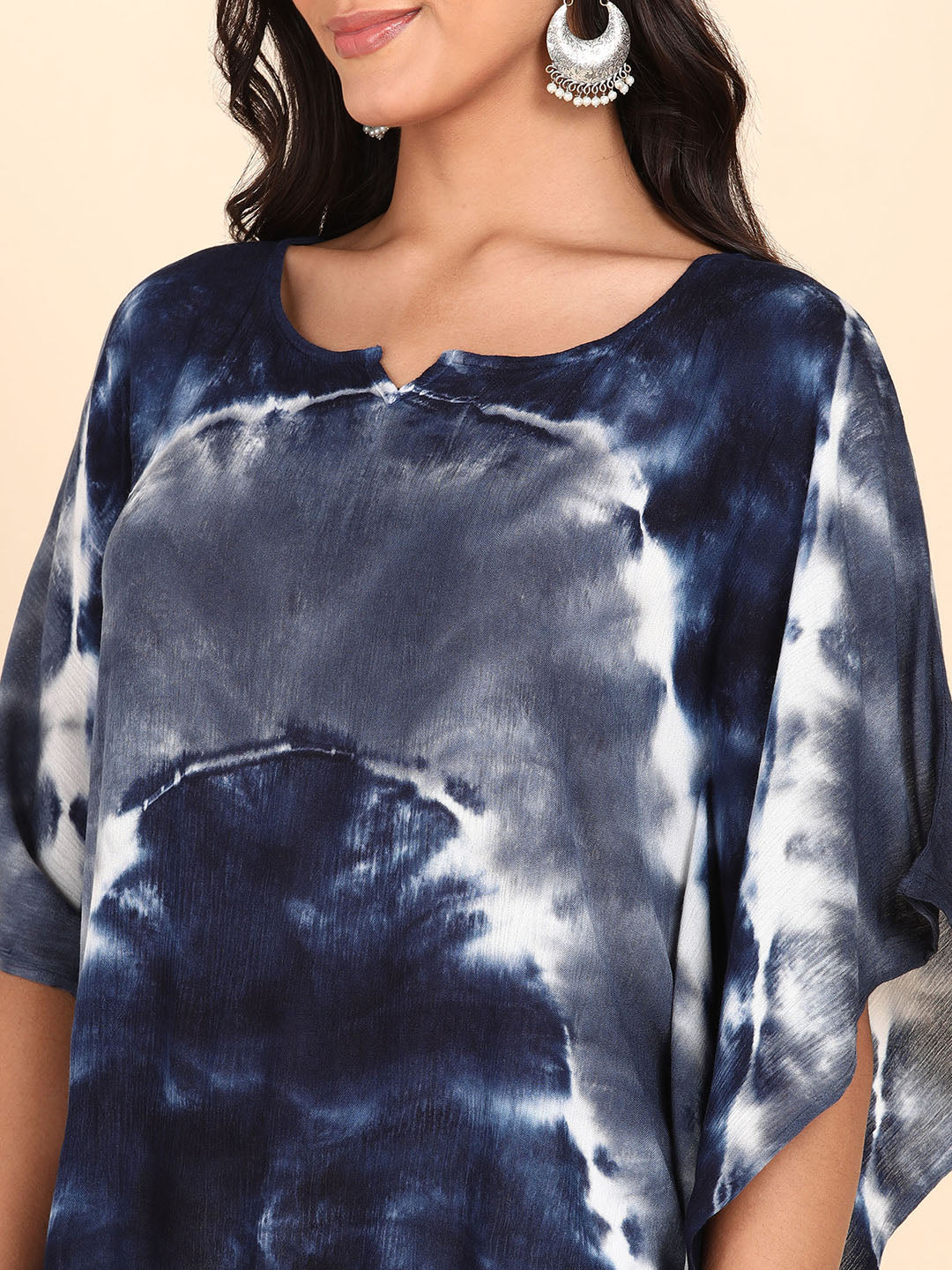


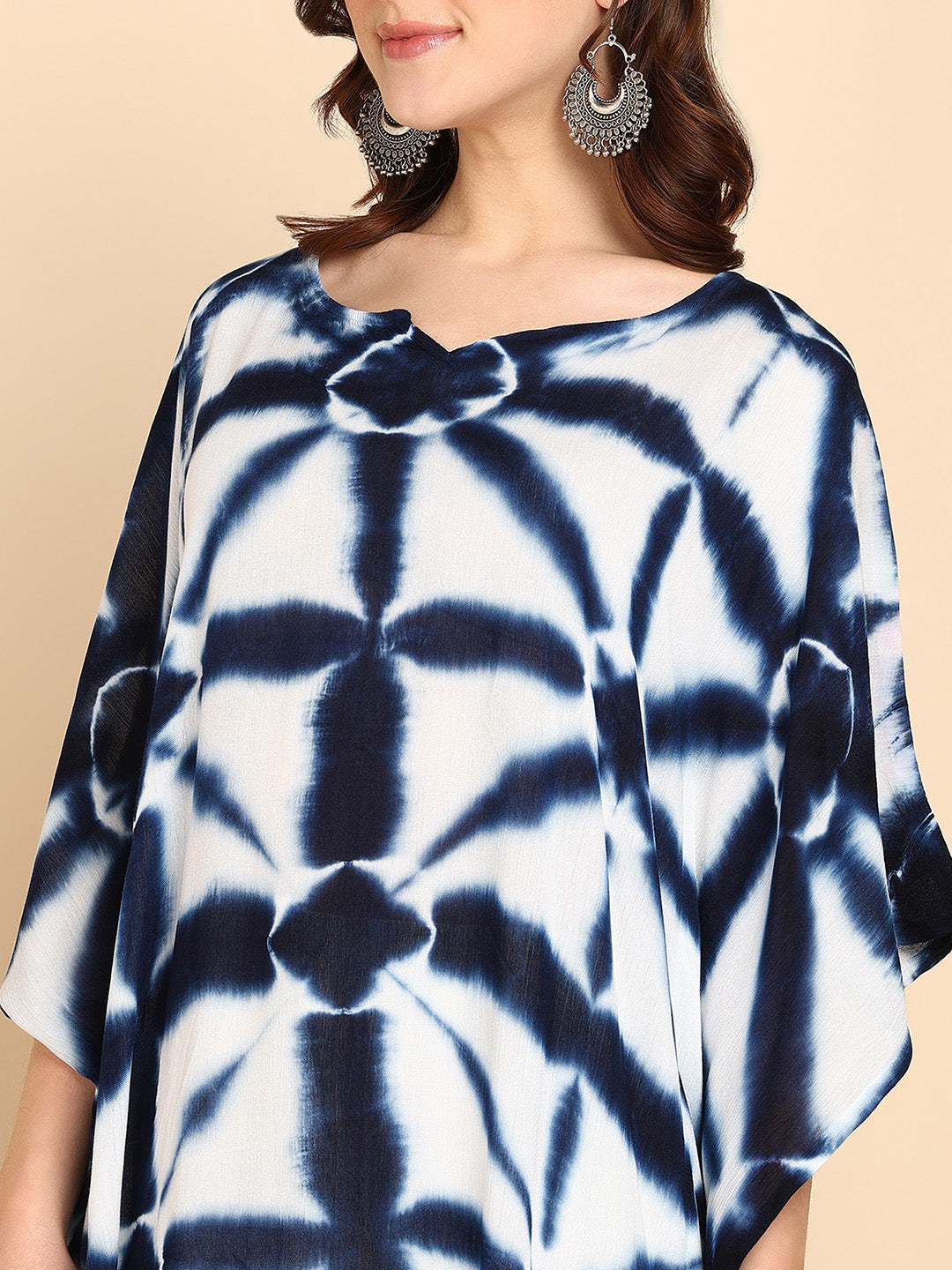


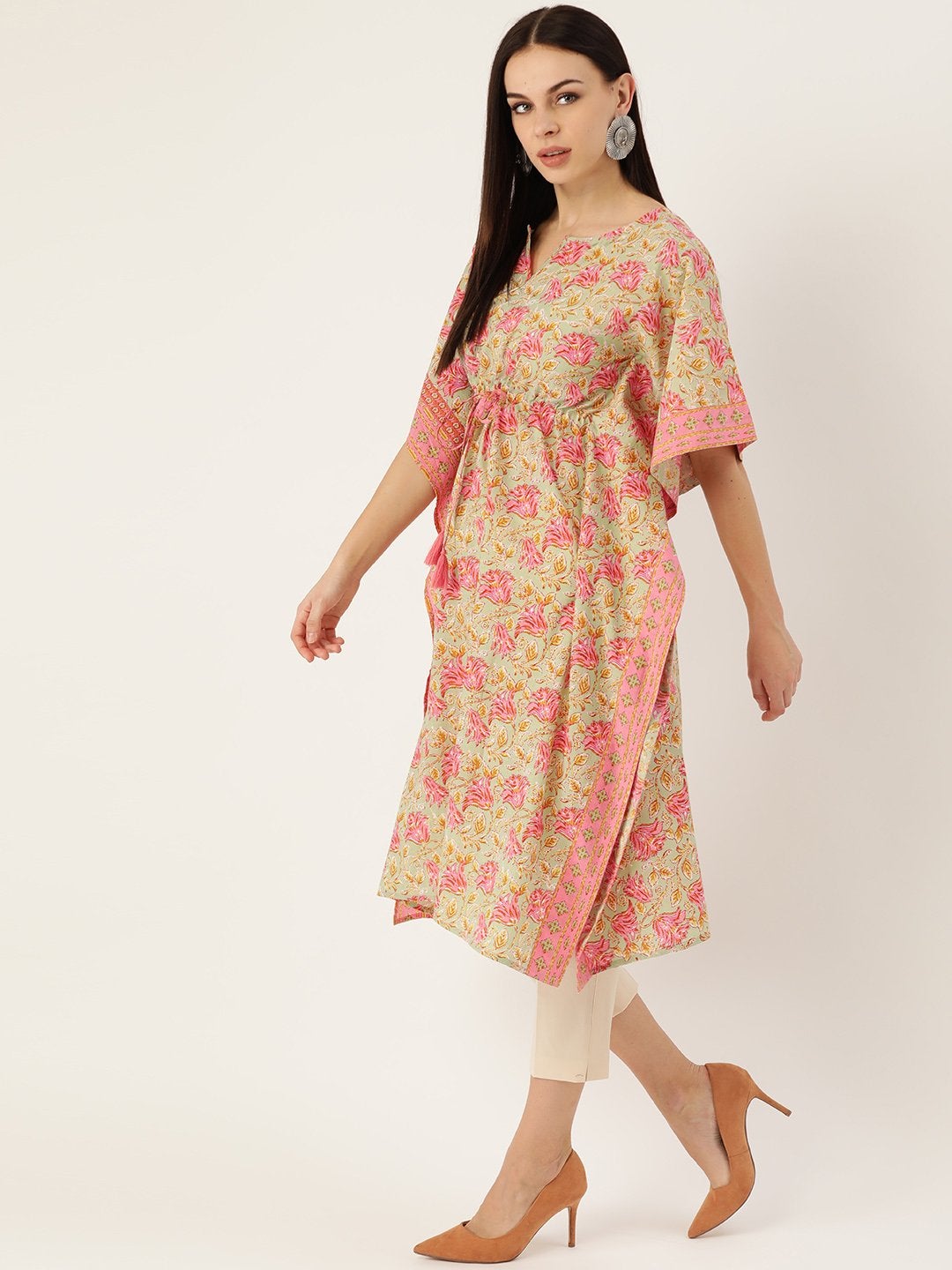


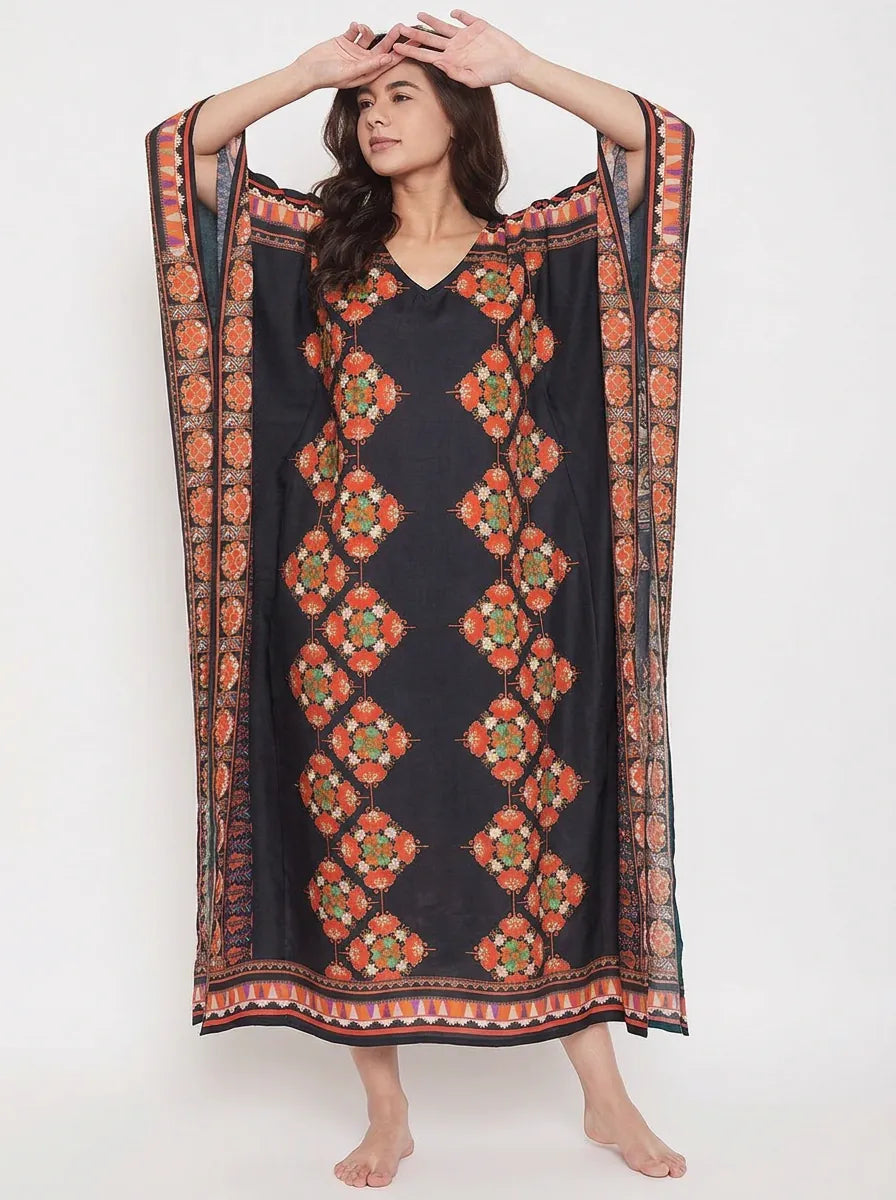


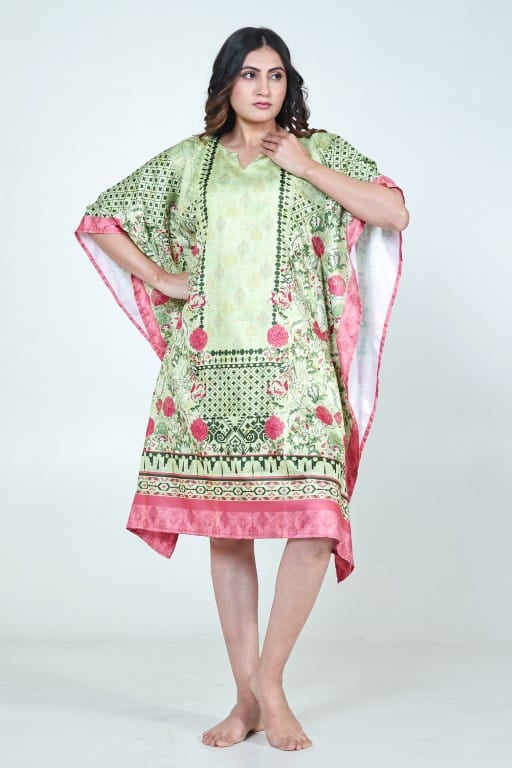

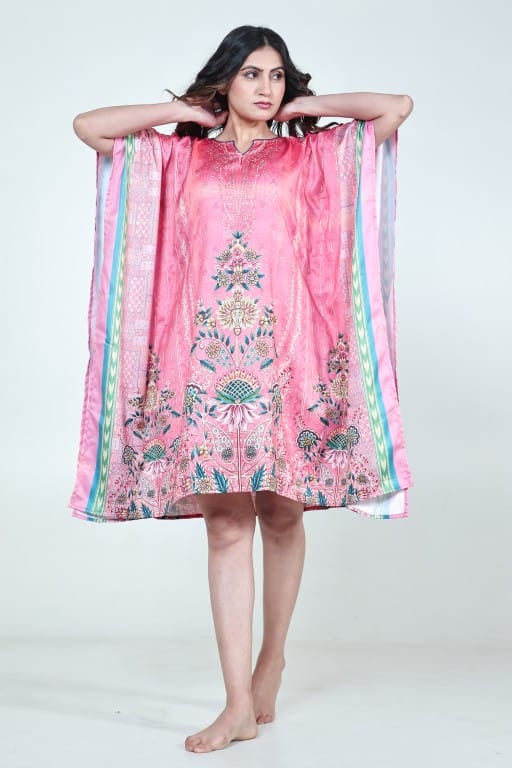


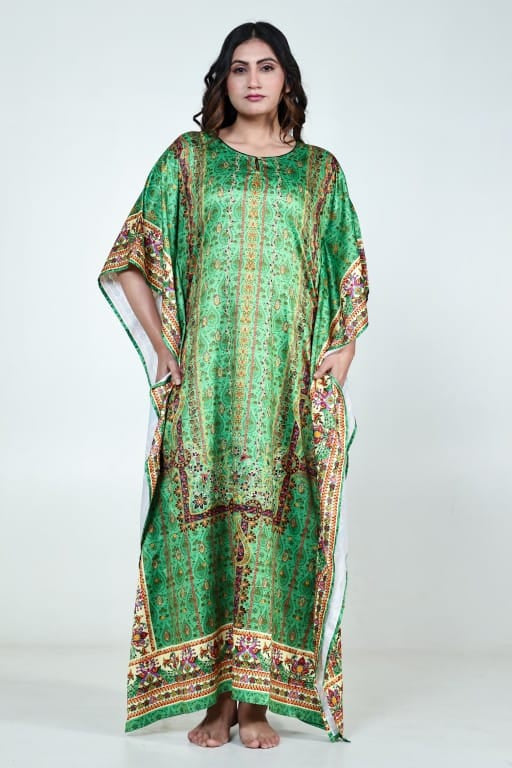


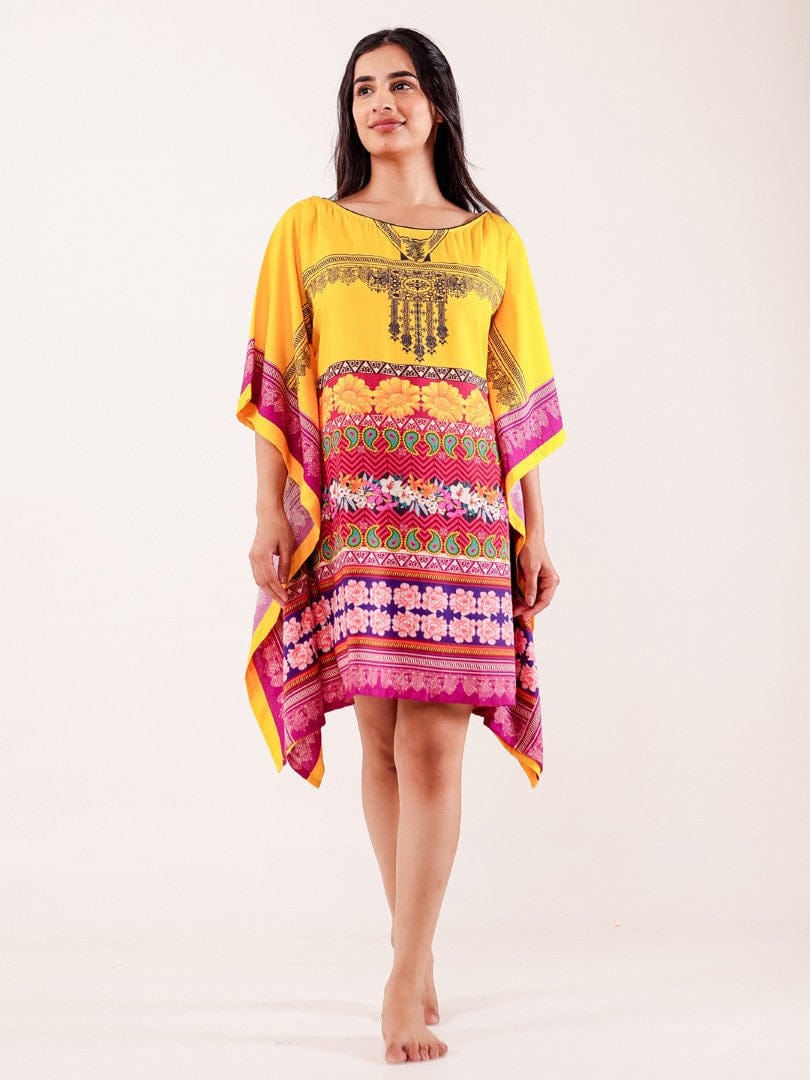


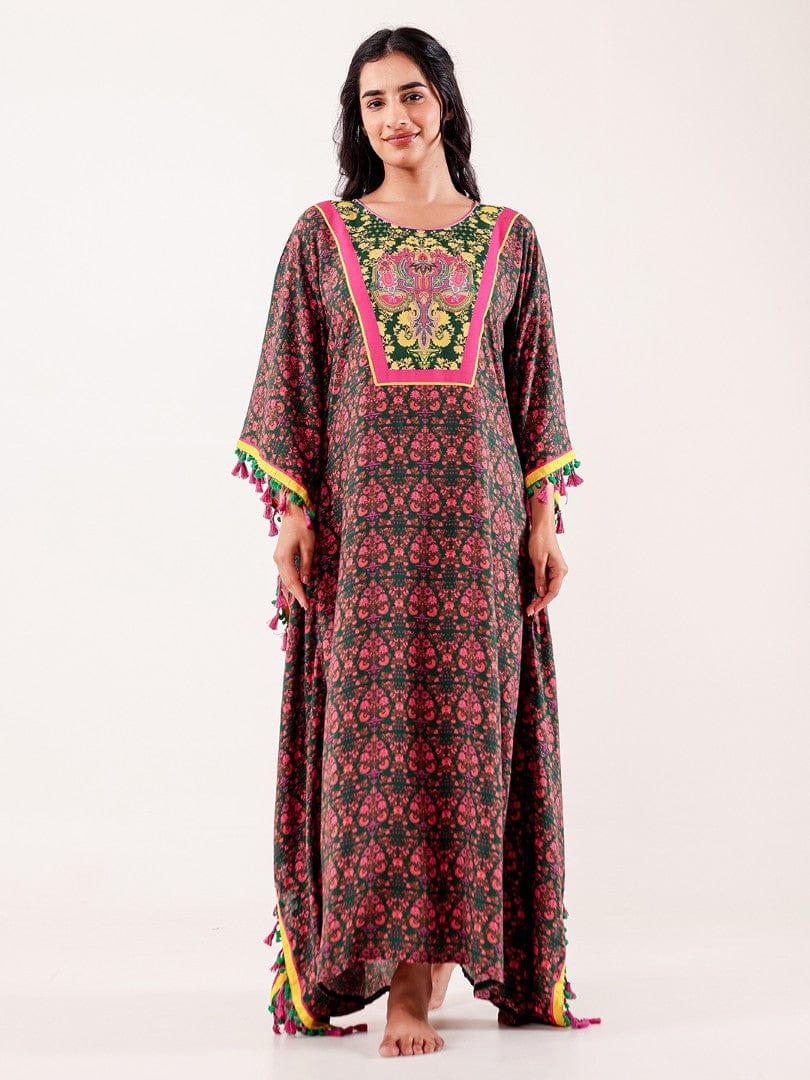


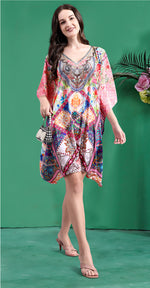
A kaftan is cut wide and straight from the shoulder with no waist shaping and no closures beyond a neckline opening. Nothing binds anywhere, which is why it is the most comfortable garment in a wardrobe and the one people reach for when they want to stop thinking about clothes.
The form is ancient, versions appear across Mesopotamian, Persian and Ottoman dress long before it became resort wear and it travels well precisely because there is no fit to get wrong. This range runs from printed rayon and cotton at the everyday end through modal, satin, handloom cotton and georgette at the more considered end.
Kaftan, Kurta or Gown?
The distinction is about where a garment is shaped, and it decides what else you need to wear with it.
|
Garment |
Construction |
How it differs from a kaftan |
|
Kaftan |
Wide, unfitted, cut straight from the shoulder |
- |
|
Shaped through the body, with side slits |
Fitted; worn over a bottom |
|
|
Fitted bodice, flares from the waist |
Shaped at the waist; cut for occasions |
|
|
Two pieces, cut for sleeping |
Not worn outside the house |
|
|
Fitted yoke, flare from below the bust |
Structured at the top; three pieces |
A kaftan is worn on its own no bottom, no dupatta, nothing underneath beyond what you would wear under a dress. A kurta is shaped through the body and assumes a bottom. A gown is fitted at the bodice and cut for occasions. The kaftan sits outside all of that: one piece, no fastening, no shaping.
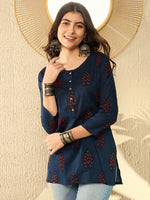
Some pieces here are listed as kaftan kurtas, which are shorter and slightly narrower closer to a tunic than a full kaftan, and intended to be worn over leggings or palazzos rather than alone. Check the length on the listing if you want one or the other specifically.
Lengths and Cuts of Your Kaftans
Maxi kaftans fall to the ankle and are the traditional length. Midi kaftans stop mid-calf and read slightly more deliberate, which makes them easier to wear out of the house without looking like loungewear. Shorter kaftan kurtas sit at or below the knee and work over bottoms.
Sleeves are usually wide and cut in one with the body rather than set into an armhole that construction is what gives a kaftan its drape. Frill and flutter sleeves appear across the contemporary end. Necklines run round, V and sweetheart; a deeper neckline is worth noting on an otherwise unstructured garment, since there is no shaping elsewhere to balance it.
Panel and side-panel constructions add shape without adding fitting a contrast panel down each side narrows the silhouette visually while the garment stays just as loose to wear.
Fabrics Used in Our Kaftans
|
Fabric |
How it feels |
Best for |
|
Cotton |
Breathable, crisp, softens with washing |
Heat, daytime, everyday wear |
|
Handloom cotton |
Textured weave, small irregularities |
Resort and relaxed daytime |
|
Modal |
Softer than cotton, drapes closer, resists creasing |
Loungewear and travel |
|
Rayon and viscose |
Fluid, holds print sharply, cool to wear |
Everyday and warm weather |
|
Crepe |
Matte with slight texture, holds shape |
Daytime and semi-formal |
|
Satin |
Smooth with sheen, slips over the body |
Evening and nightwear |
|
Georgette |
Light and flowing, sheer without lining |
Occasion and resort wear |
|
Velvet |
Heavy with depth, warmest option |
Winter and festive evenings |
Modal is worth knowing about if you have not come across it. It is a cellulose fibre made from beech pulp, softer than cotton, better at resisting creases, and it drapes closer to the body which is why it dominates the loungewear end of this range. Handloom cotton sits at the other extreme: woven on a manual loom, with small irregularities in the weave that are characteristic of the process. Our linen and cotton comparison covers the summer fabrics in more detail.
Satin and polyester crepe are the evening and nightwear fabrics here — smooth and cool against the skin, though neither breathes as well as cotton or modal in real heat. Georgette is the lightest and is usually sheer enough to need something underneath.
Details Worth Checking When Buying Kaftans
A kaftan is a simple garment, so the details are most of what separates one from another.
Pockets. More useful here than in almost any other category, because there is no waistband to hook a phone into and no bottom half to carry anything. Several pieces in this range have them and the listing says so it is worth filtering for if you plan to wear the kaftan around the house or on holiday.
Lining. Georgette, satin and lighter viscose are often sheer. Check whether a lining is included, since an unlined kaftan in a pale print will need a slip.
Trims. Tassel trims, ruffle hems and border detailing add weight at the hem, which makes the garment hang better and move less erratically in wind. Practical as well as decorative if you plan to wear it outdoors.
Belt or tie. Some kaftans come with a fabric belt. Worn loose the garment reads relaxed; belted at the natural waist it reads closer to a dress. One purchase, two looks, and the belt is easy to leave off.
Sizing of Kaftans
Sizes run XS to 7XL across the range, and a number of pieces are one size. Because a kaftan is unfitted, one-size works here in a way it does not for most garments the only measurements that constrain anything are shoulder width and length. Extended sizing is grouped in plus size, and a few labels offer a made-to-measure option shown as a custom size on the product page.
Length is the measurement that actually matters. A kaftan cut for a taller frame will pool at the floor, and one cut short stops at an awkward point on the calf. Check the stated length against your height rather than assuming, since the loose cut means the size label tells you very little about where the hem will land.
If you are between sizes, size down rather than up unlike most categories. A kaftan already has a great deal of ease built in, and going larger mainly adds width at the shoulder, which is where it starts to look oversized rather than relaxed.
What to Wear Kaftans For
At home and loungewear
Modal, rayon and cotton in printed or tie-dyed finishes. This is the largest use for kaftans and the reason the category has grown it is more presentable than nightwear and more comfortable than anything else you could answer the door in. Night suits cover the two-piece alternative.
Resort and holiday
Cotton, handloom cotton and light viscose. A kaftan works as a cover-up over swimwear, as an airport outfit, and as dinner wear on the same trip, which makes it the single most efficient thing to pack. Prints hide creasing from a suitcase better than solids.
Daytime and casual
Midi lengths in crepe or cotton with a belt read enough like a dress for errands, lunches and school runs. Pair with flat sandals and one piece of jewellery and it stops reading as loungewear entirely.
Festive and evening
Satin, georgette and velvet in ornate prints or with embellished necklines work for Diwali gatherings, dinners and house parties occasions where a kurta set would be more formal than the setting requires. Festive wear covers the wider seasonal range.
Pregnancy and after
The kaftan is one of the few garments that genuinely works through pregnancy and postpartum without alteration, because there is no waistband and nothing to accommodate. Modal and cotton are the most comfortable, and front-opening or wide necklines make feeding easier. Dedicated maternity wear is available separately.
Styling of Your Kaftans
The garment has no structure, so whatever structure the outfit has comes from elsewhere. A belt at the natural waist is the single most effective change. Beyond that: flat sandals or juttis for daytime, a low block heel for evening, and one strong piece of jewellery rather than a set jhumkas or a single necklace against a plain neckline. Oxidised silver suits cotton and handloom kaftans; gold works better with satin and ornate prints.
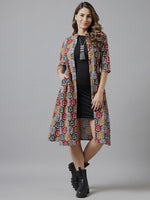
For a fuller-coverage look, a shrug or jacket over a sleeveless or wide-necked kaftan adds shape at the shoulder without adding warmth through the body. A structured bag does more than anything else to stop a kaftan reading as loungewear, so a clutch or potli for evening and a firm tote for daytime.
How To Care For Your Kaftans?
Cotton and handloom cotton can be machine washed cold, inside out, on a gentle cycle. Modal, rayon and viscose should be washed cold and never wrung all three lose shape when twisted and shrink in warm water. Skip the dryer across the whole category, since heat shrinks modal and rayon noticeably and fades printed colour faster than washing does.
Satin, georgette, velvet and anything with tassel trim or embellishment should be hand washed gently or dry cleaned. Tassels tangle in a machine and are difficult to restore once matted. Because a kaftan is a wide flat garment, it stores better folded than hanging a hanger leaves marks at the shoulder on a garment with no structure to hold the shape.
FAQs: Kaftans for Women
What is a kaftan?
A wide, unfitted garment cut straight from the shoulder with no waist shaping and no closures beyond a neckline opening. It is worn on its own, with nothing underneath beyond what you would wear under a dress. The form appears across Mesopotamian, Persian and Ottoman dress and has been worn for centuries.
What is the difference between a kaftan and a kurta?
A kurta is shaped through the body, has side slits, and is worn over a bottom. A kaftan is unshaped, has no slits, and is worn alone. Some pieces listed as kaftan kurtas sit between the two shorter and narrower, intended to be worn over leggings or palazzos.
What size kaftan should I order?
Check length against your height first, since the loose cut means the size label says little about where the hem will land. If you are between sizes, size down rather than up a kaftan already has considerable ease, and going larger mainly adds width at the shoulder, which reads oversized rather than relaxed.
Do kaftans come with pockets?
Some do, and the listing says so. Pockets are more useful in a kaftan than in most garments, since there is no waistband and no bottom half to carry anything in. Worth filtering for if you plan to wear it at home or on holiday.
Which fabric is best for hot weather?
Cotton and handloom cotton breathe best. Modal is nearly as comfortable, drapes closer and creases less, which makes it better for travel. Satin and polyester crepe feel cool to the touch but do not breathe well in real heat.
What is modal fabric?
A cellulose fibre made from beech pulp. It is softer than cotton, resists creasing better, and drapes closer to the body, which is why it is common in loungewear kaftans. It should be washed cold and never put in a dryer.
Can I wear a kaftan outside the house?
Yes, a midi length in crepe or cotton, belted at the waist, with flat sandals and one piece of jewellery reads as a dress rather than loungewear. A structured bag does more than anything else to shift the register.
Are kaftans suitable during pregnancy?
They are among the most practical options, since there is no waistband and nothing that needs to accommodate a changing shape. Modal and cotton are the most comfortable, and wide or front-opening necklines make feeding easier afterwards.
Are kaftans sheer?
Georgette, satin and lighter viscose often are, particularly in pale prints. Check whether the listing mentions a lining an unlined kaftan in a light fabric will need a slip underneath.
How do I wash a kaftan?
Cotton can be machine washed cold and inside out. Modal, rayon and viscose should be washed cold by hand and never wrung. Satin, georgette, velvet and anything with tassels should be hand washed gently or dry cleaned. Nothing in this category should go in a dryer.
Where can I find new kaftans?
New arrivals updates as each label delivers. Pieces in the express range dispatch within 48 hours for US orders, with tariffs and duties covered.