






Sarees Online | Silk, Cotton & Designer Sarees - Trendia


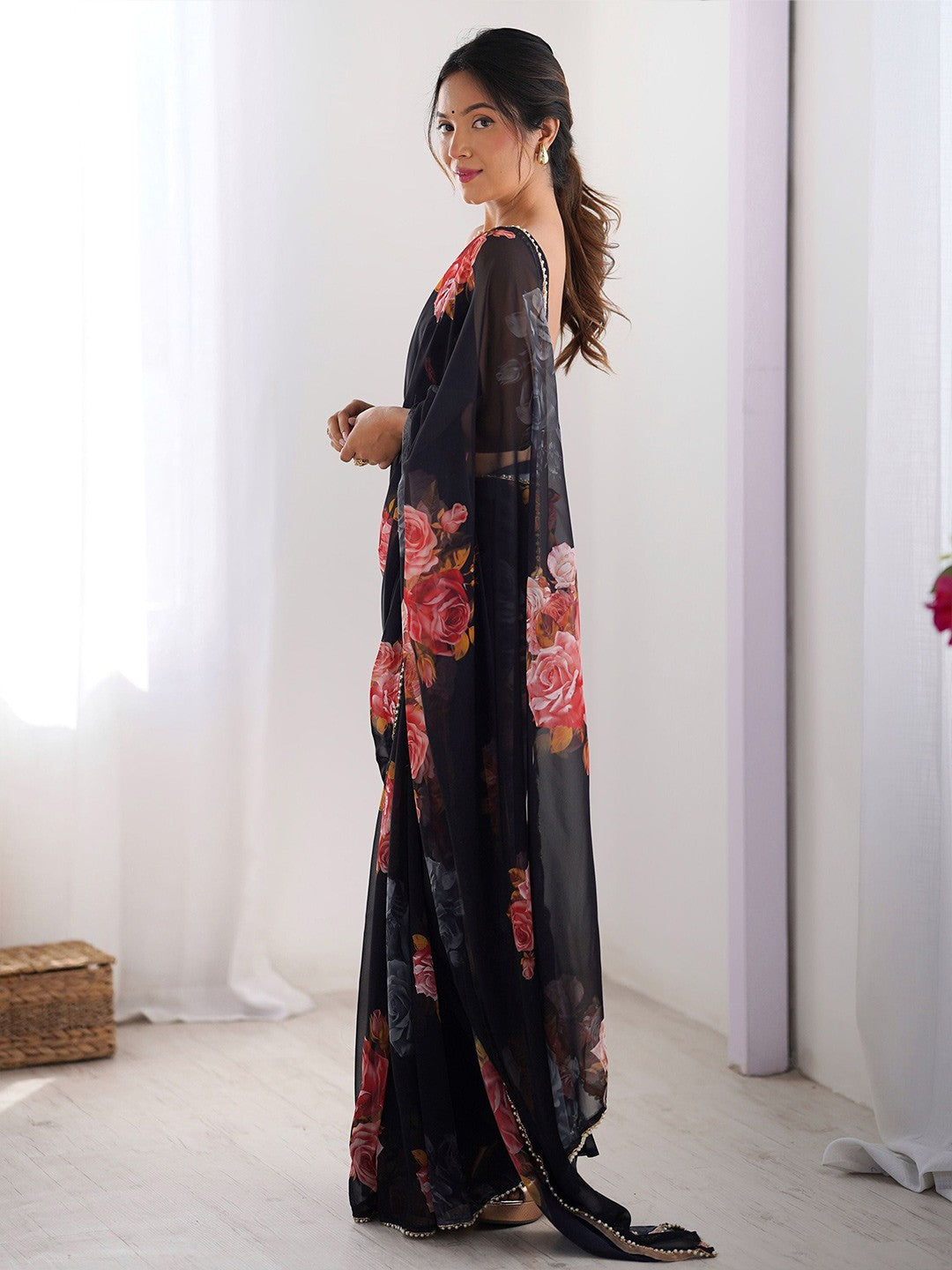

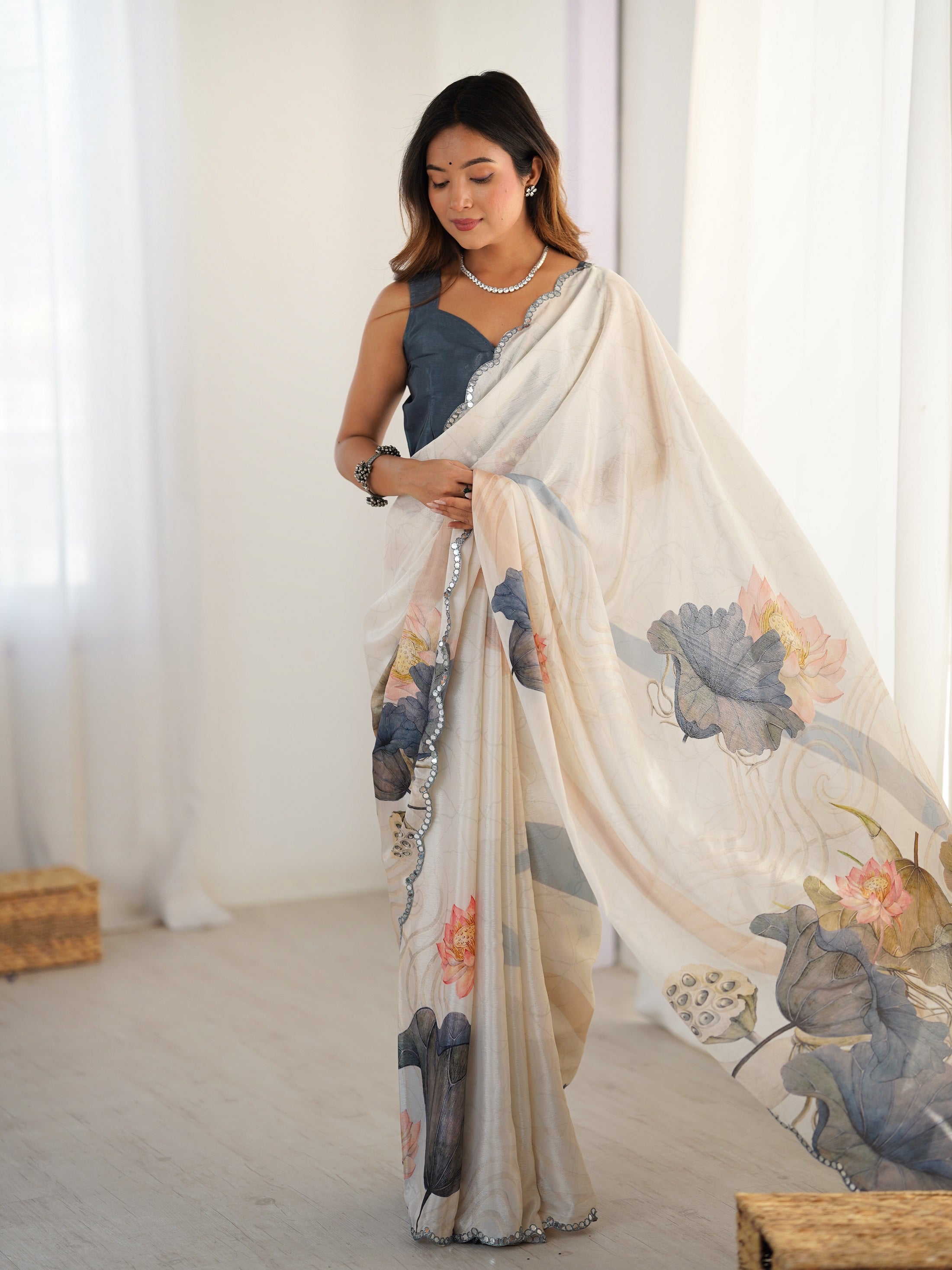

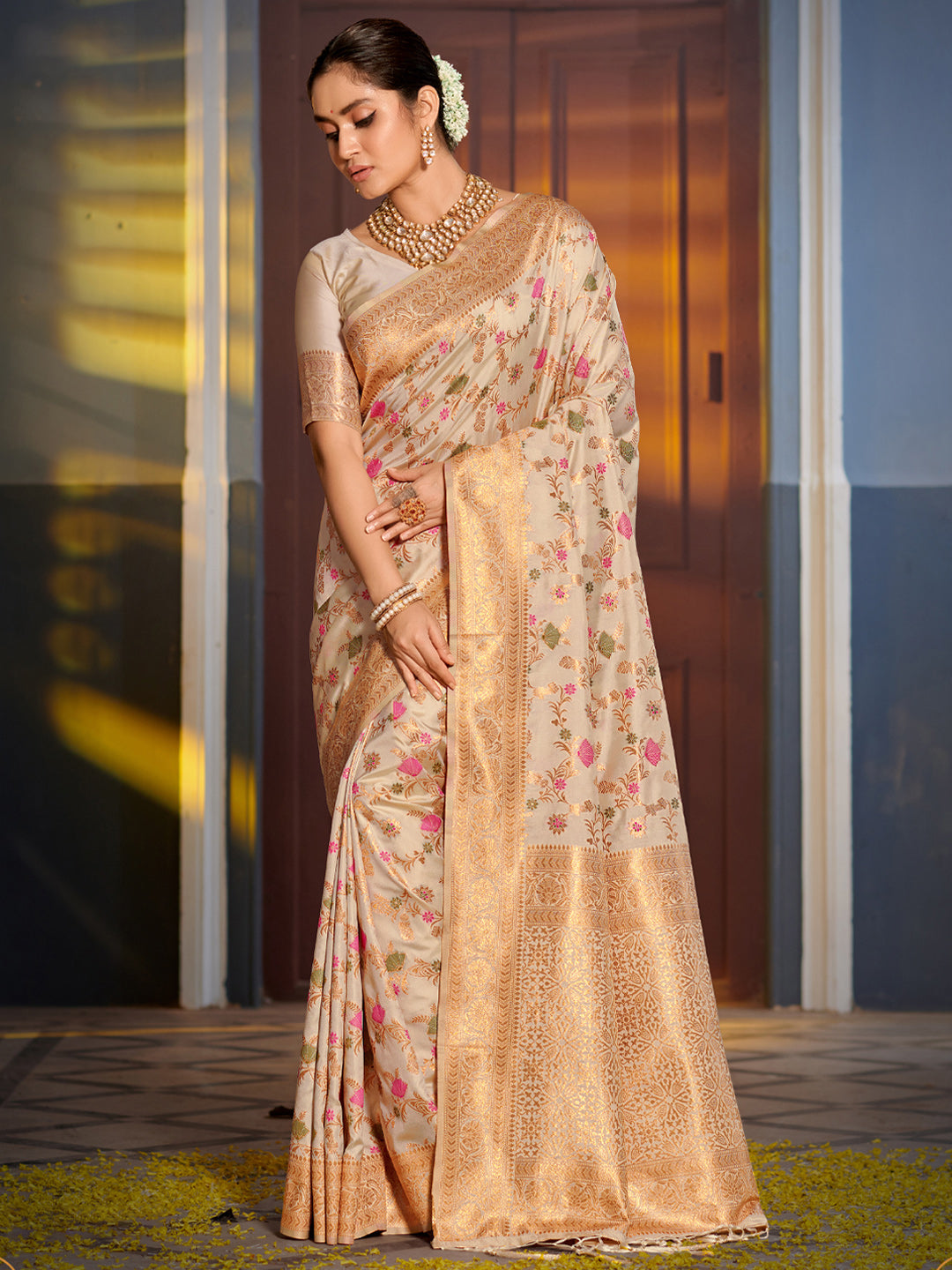

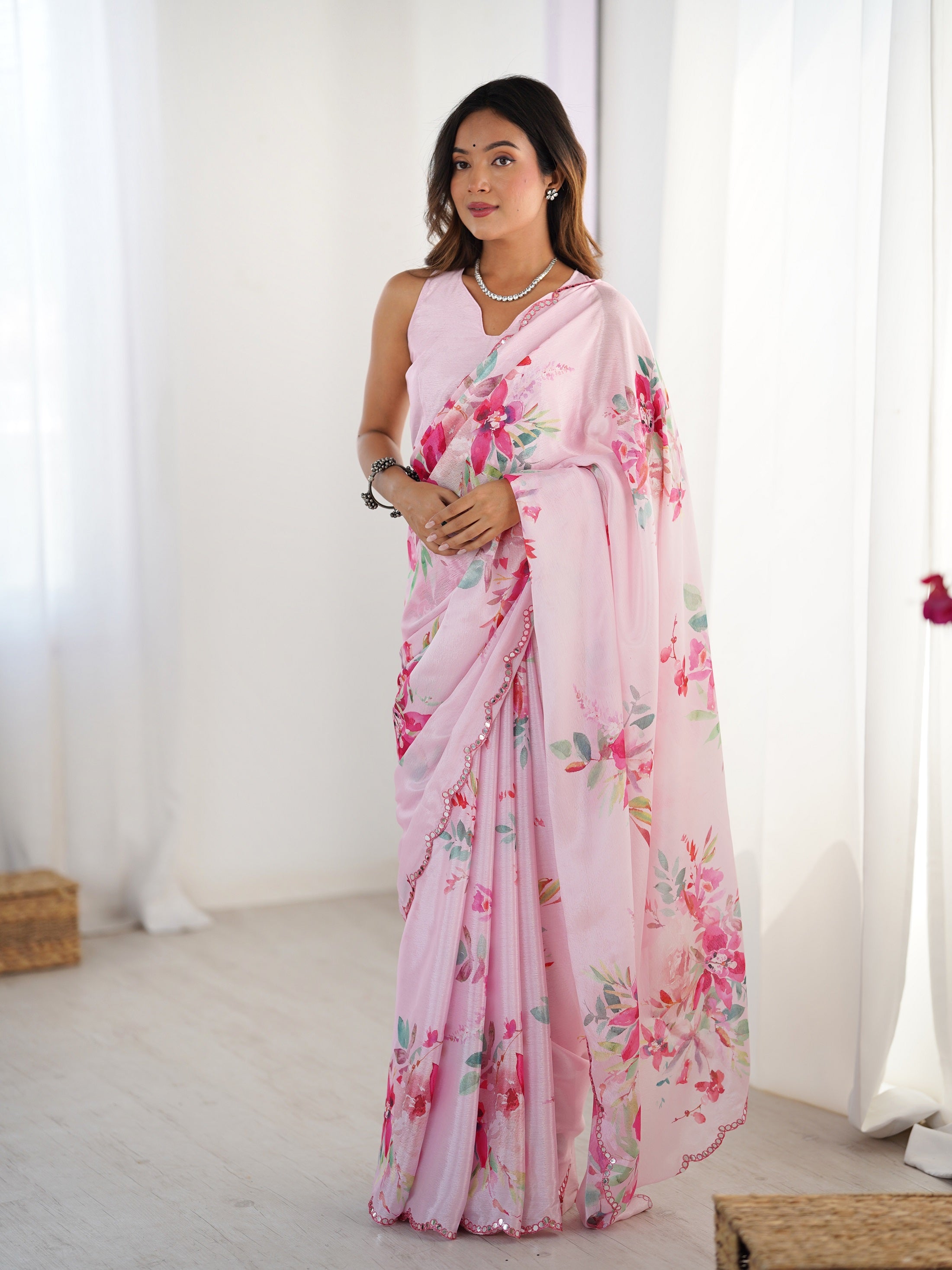


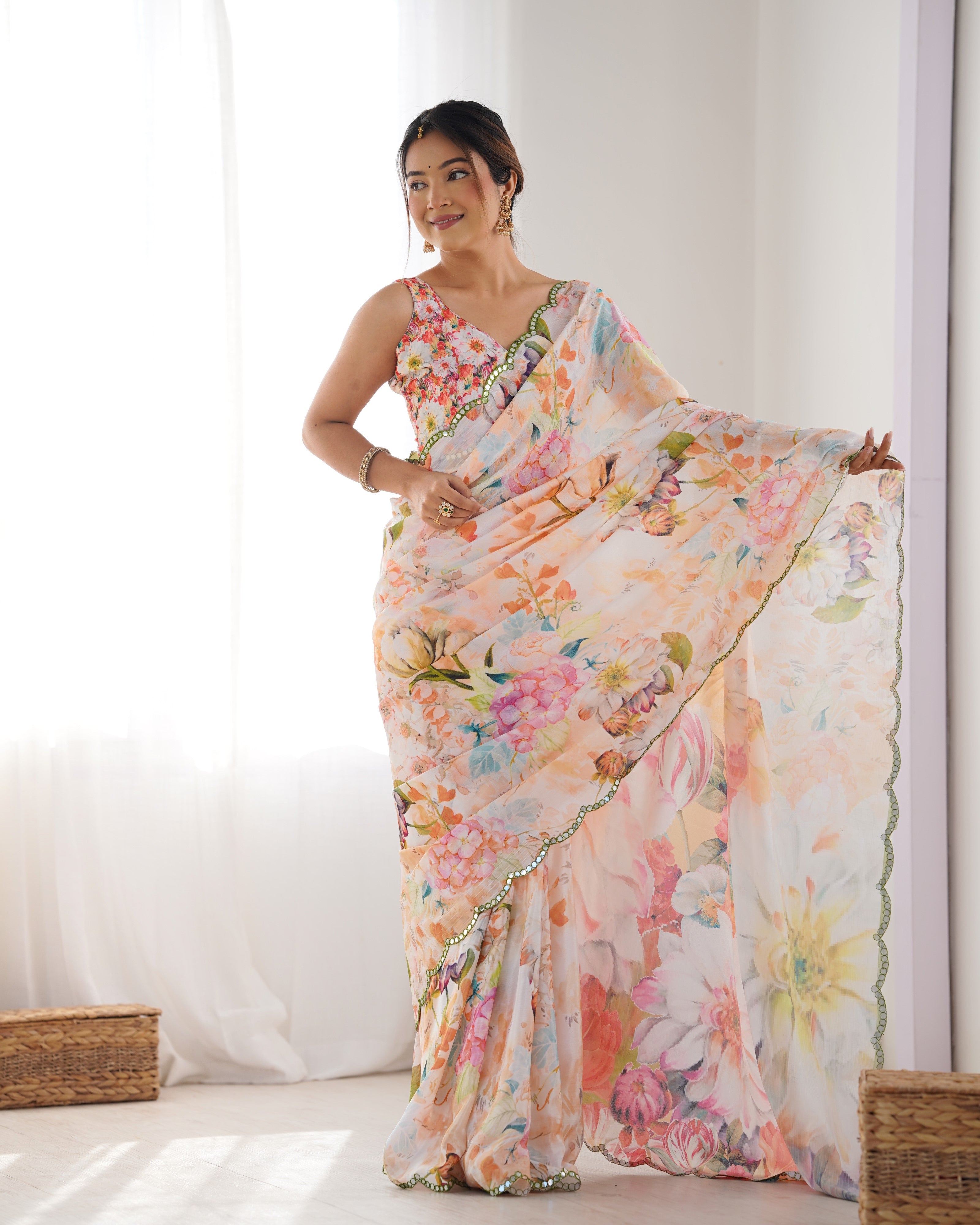


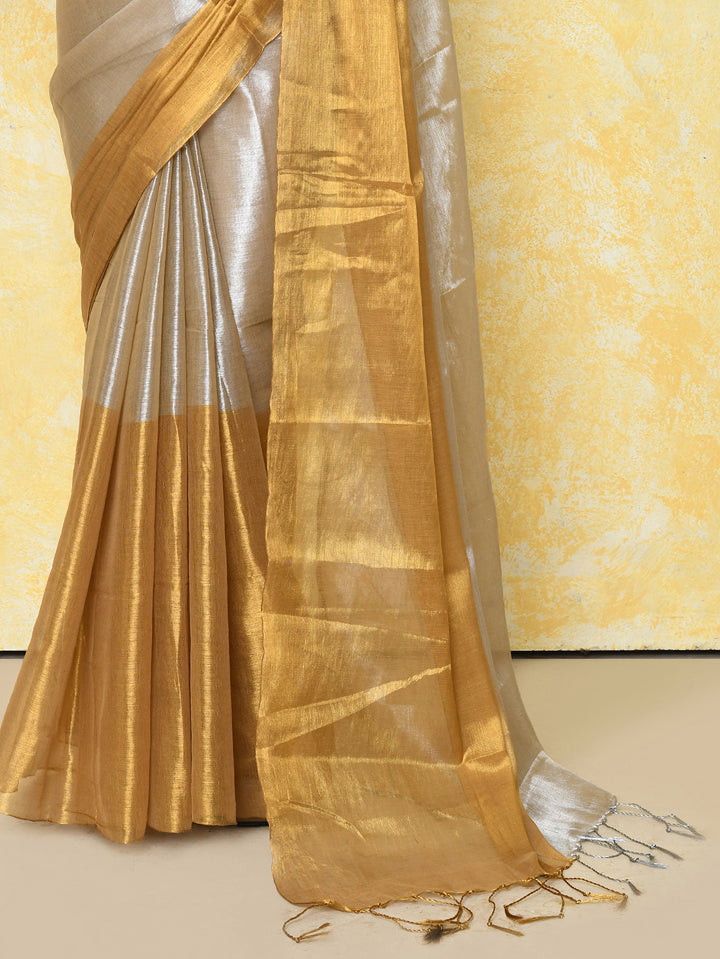

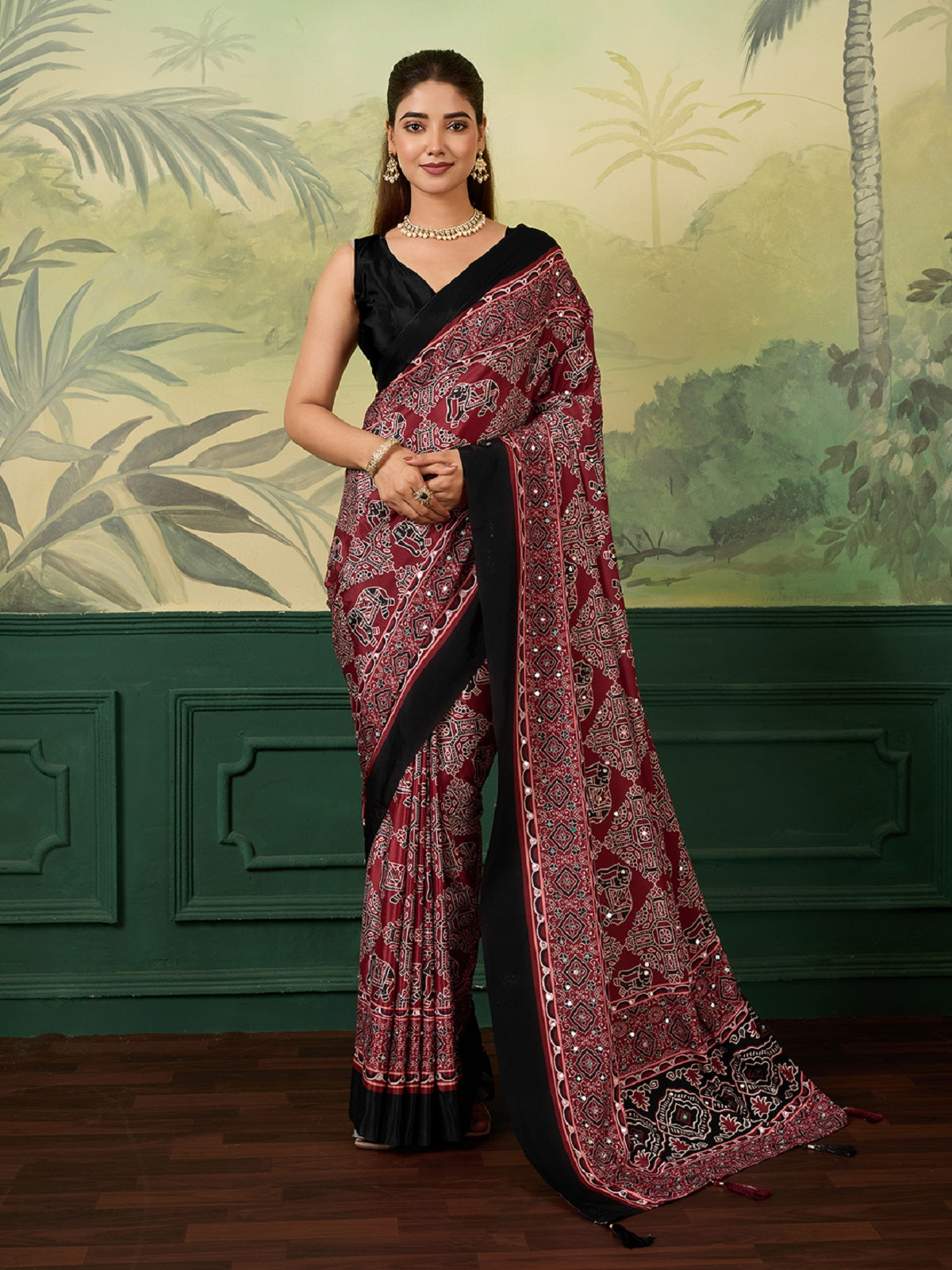

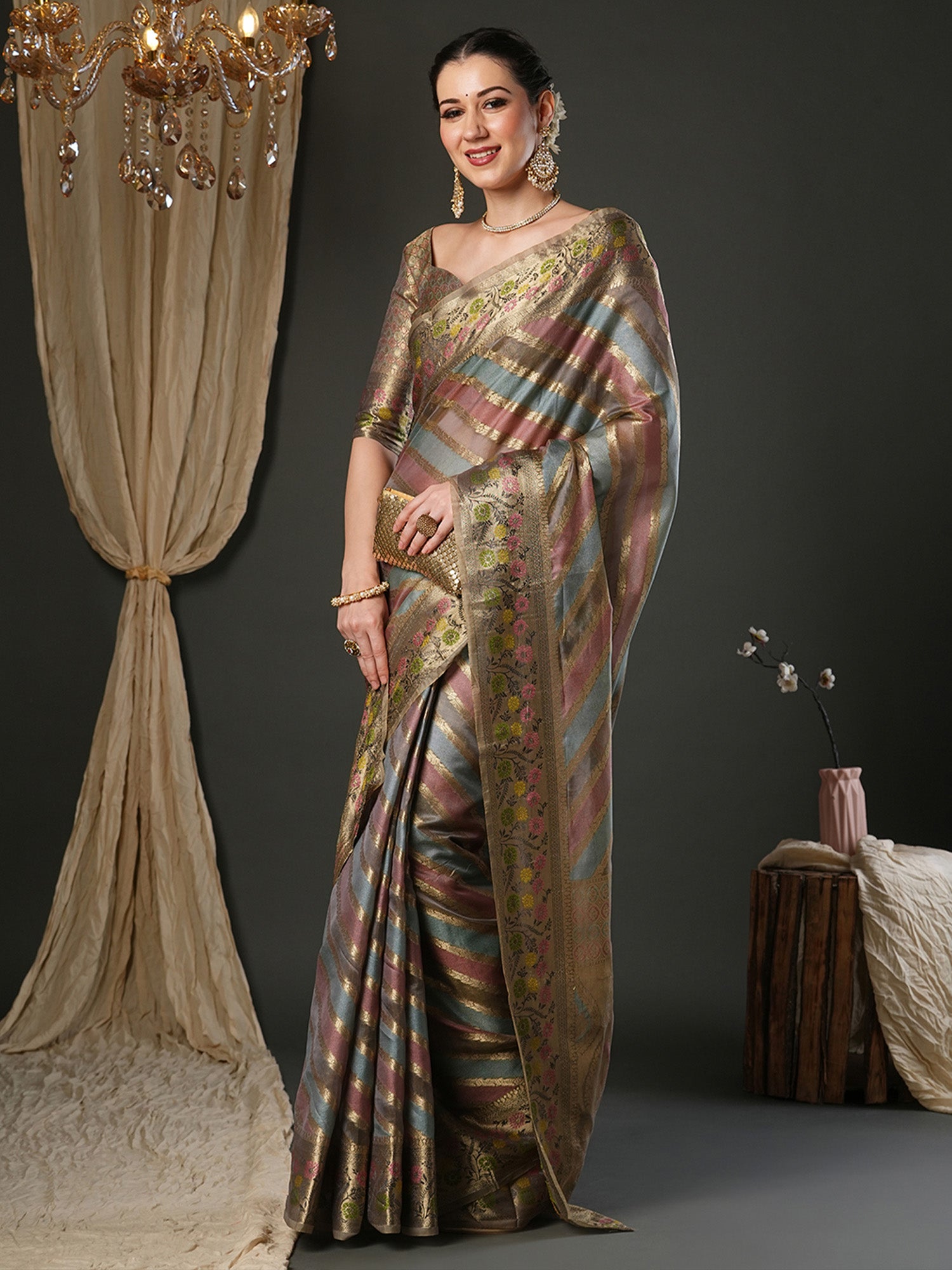

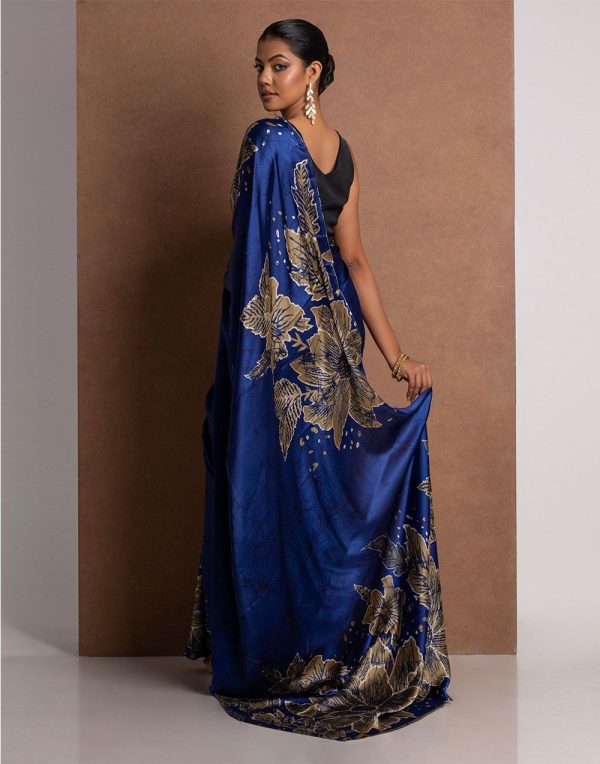


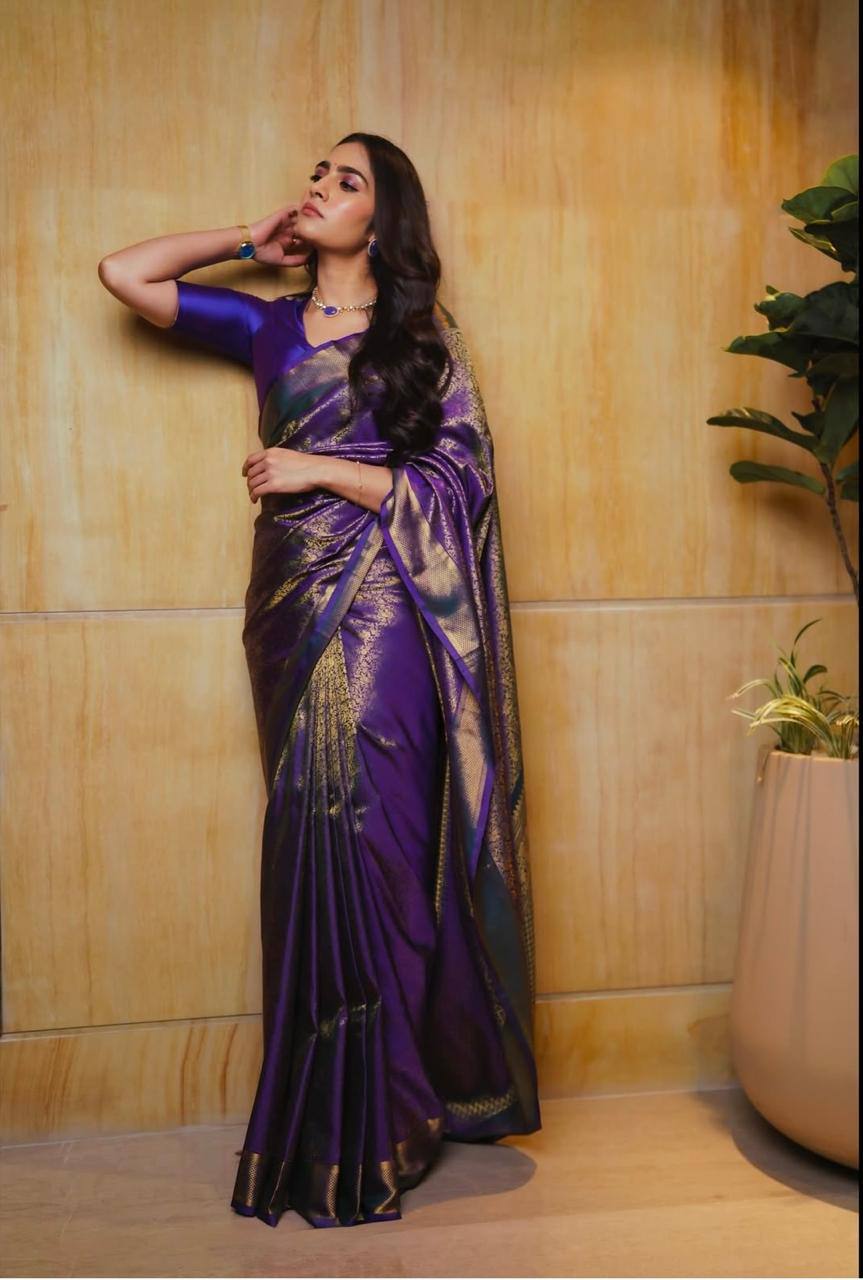


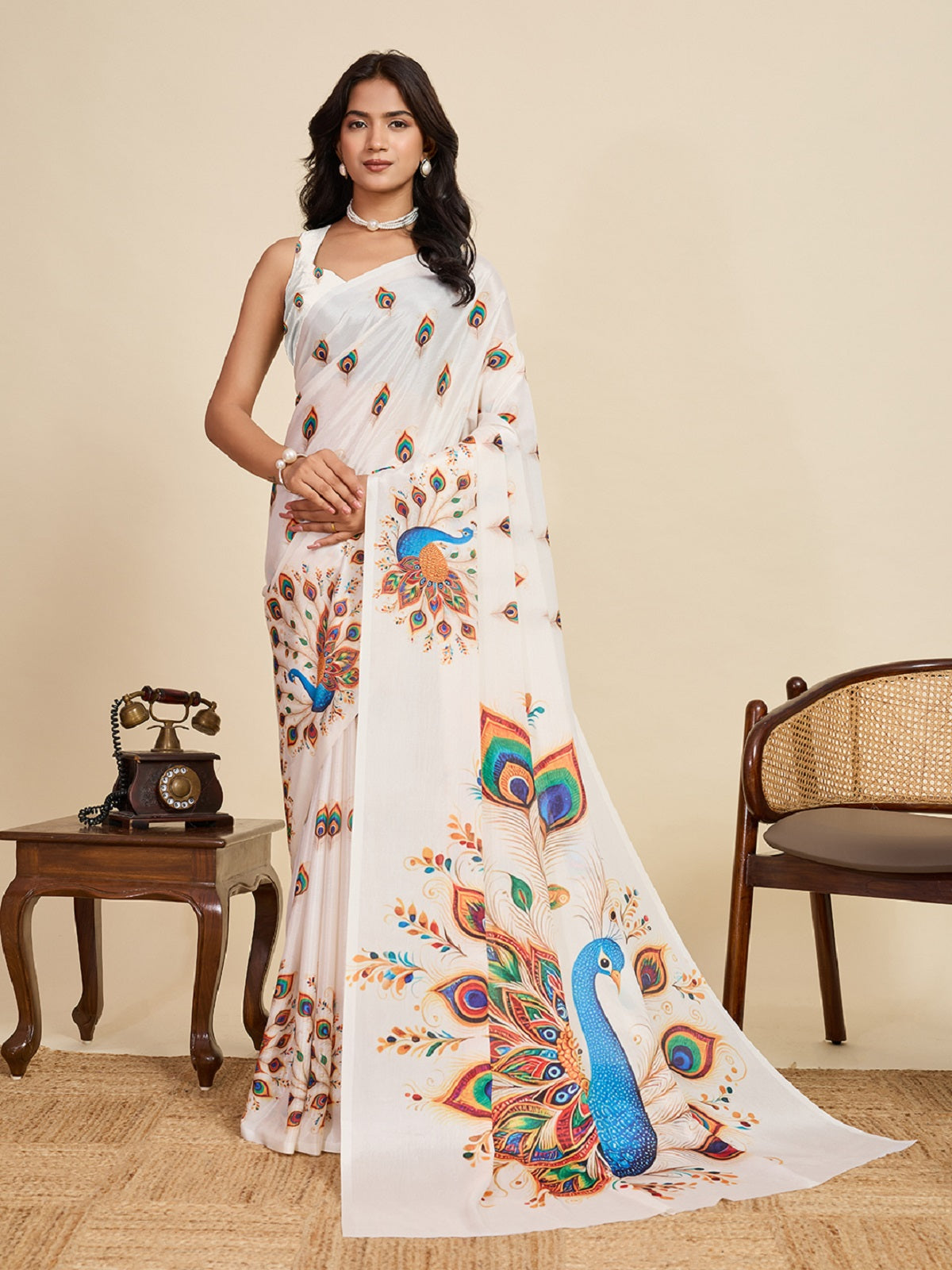

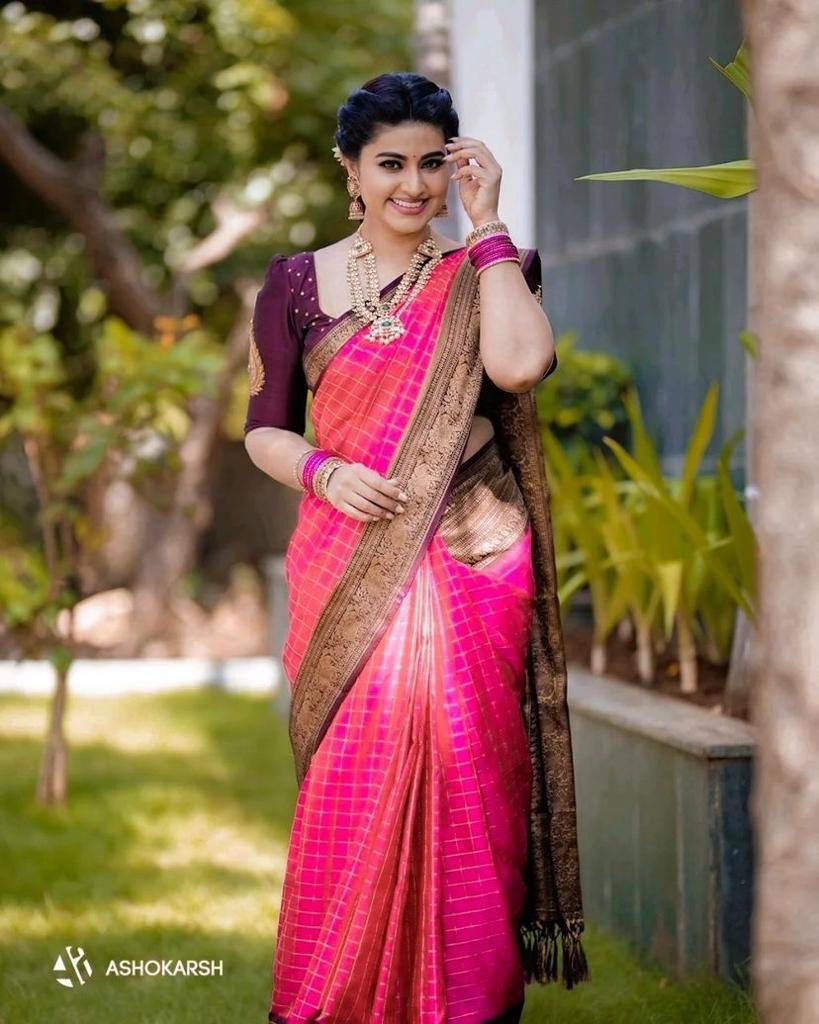

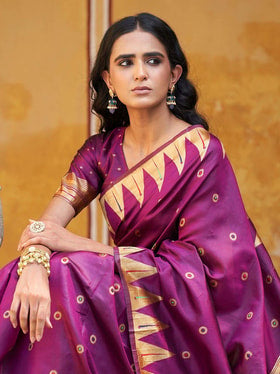


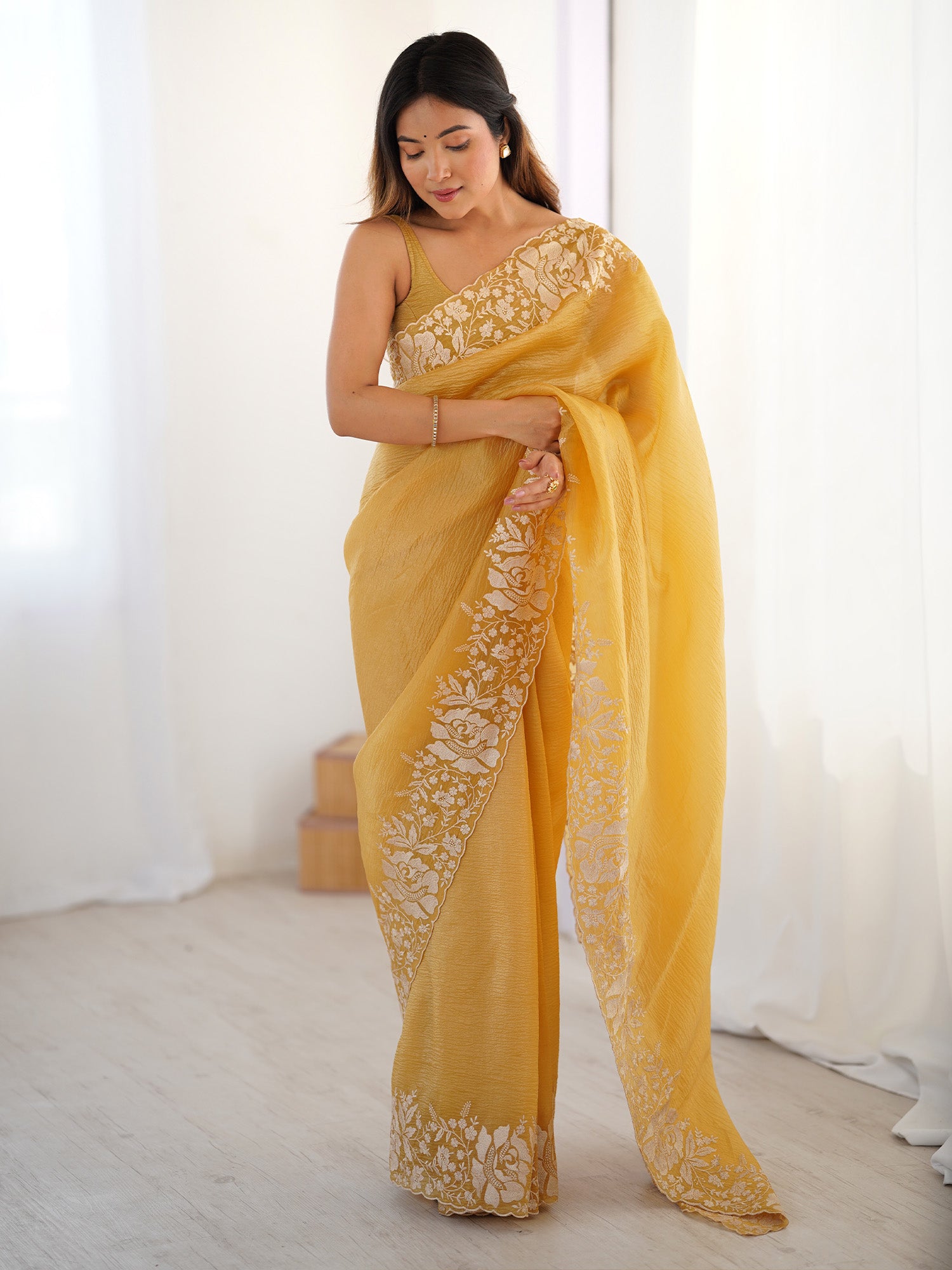

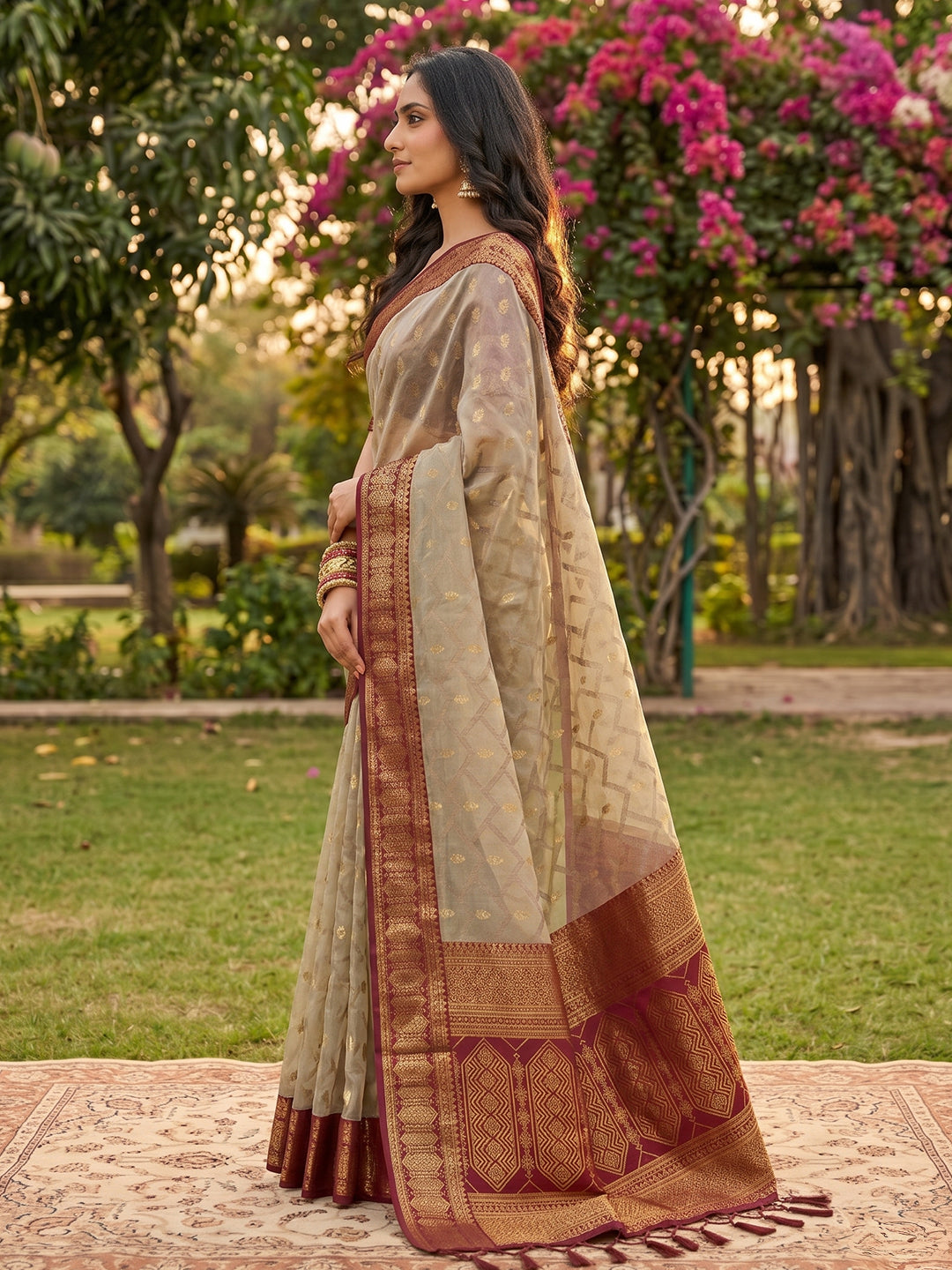

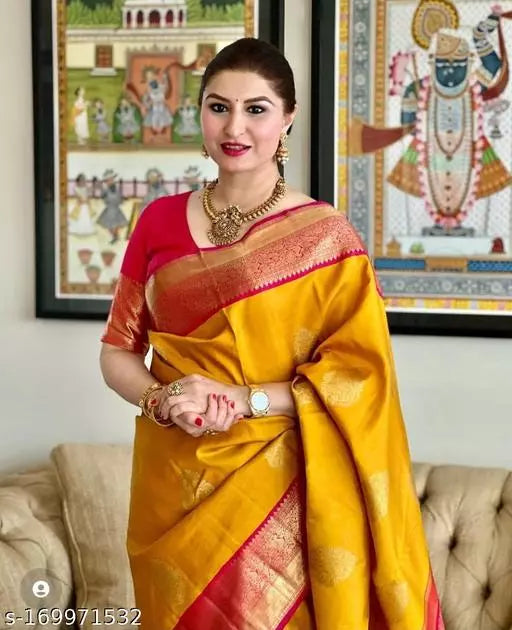

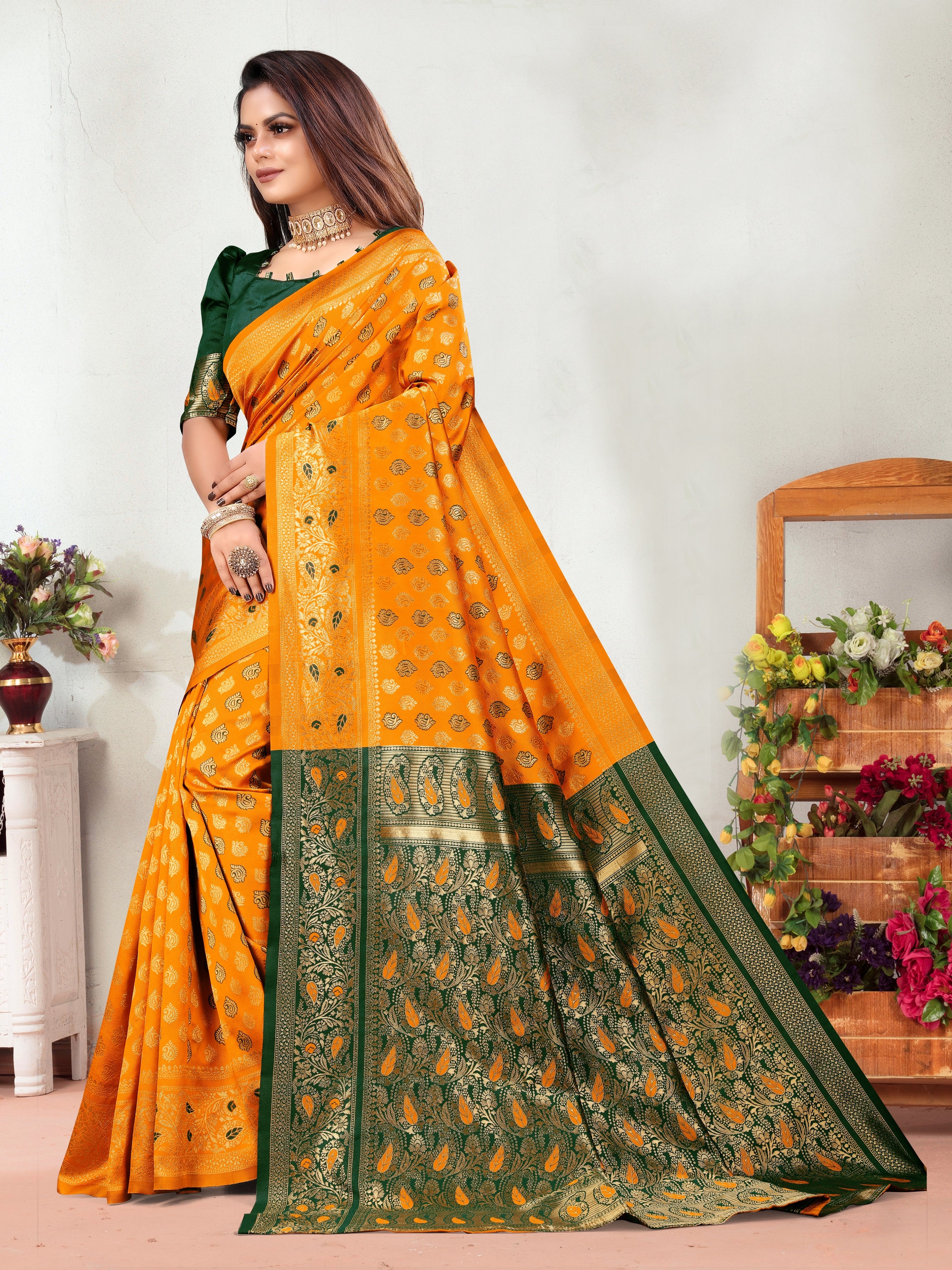

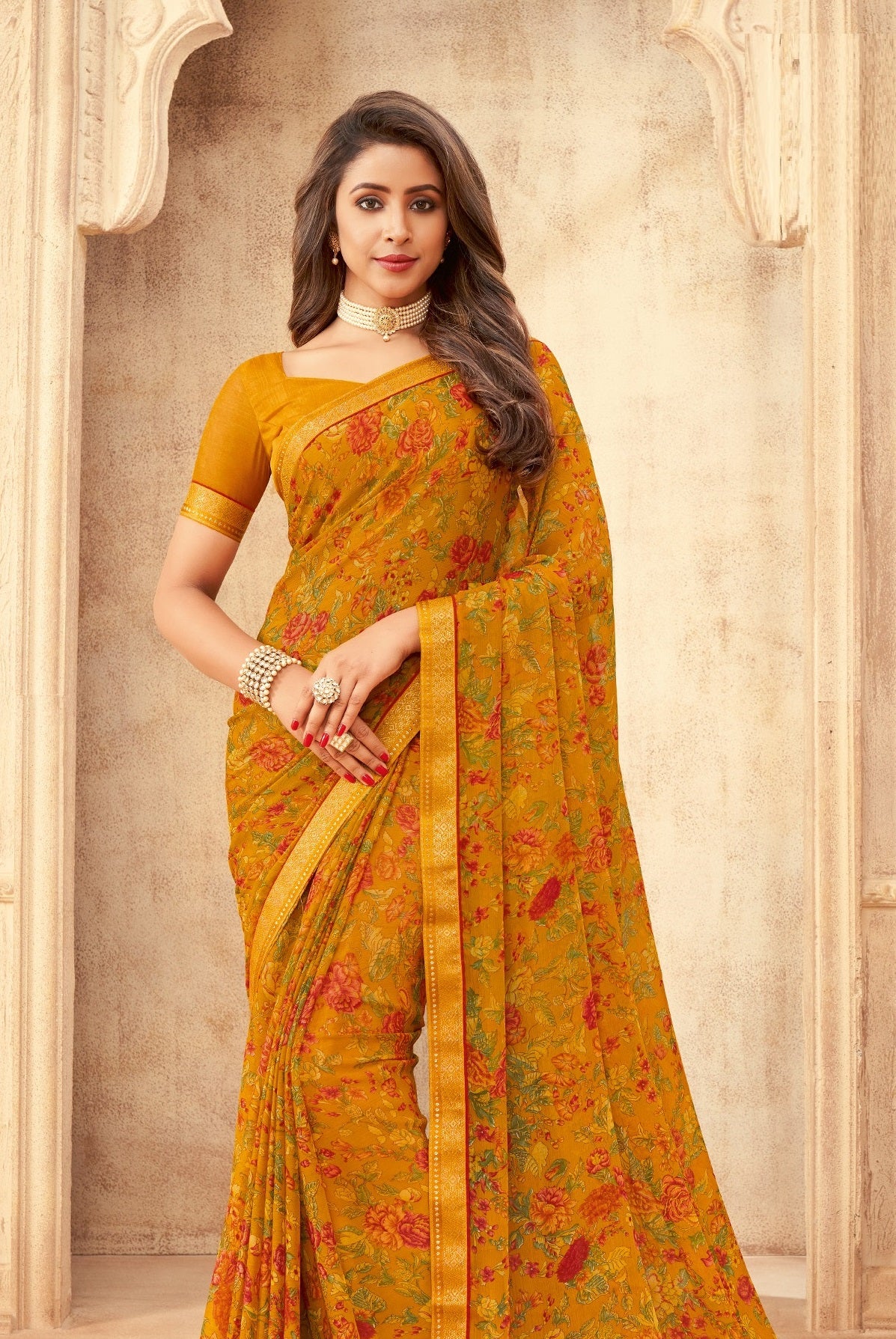

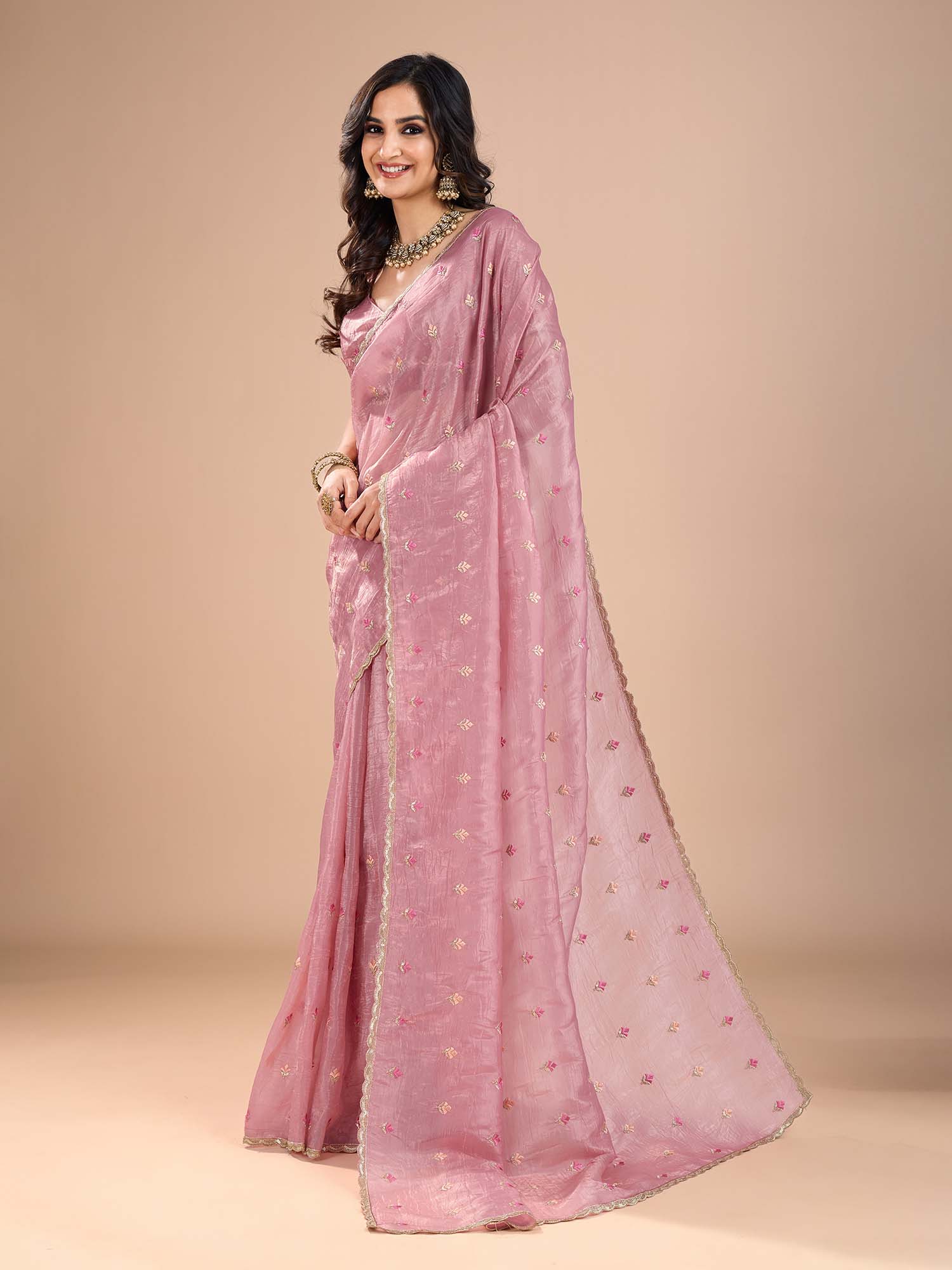


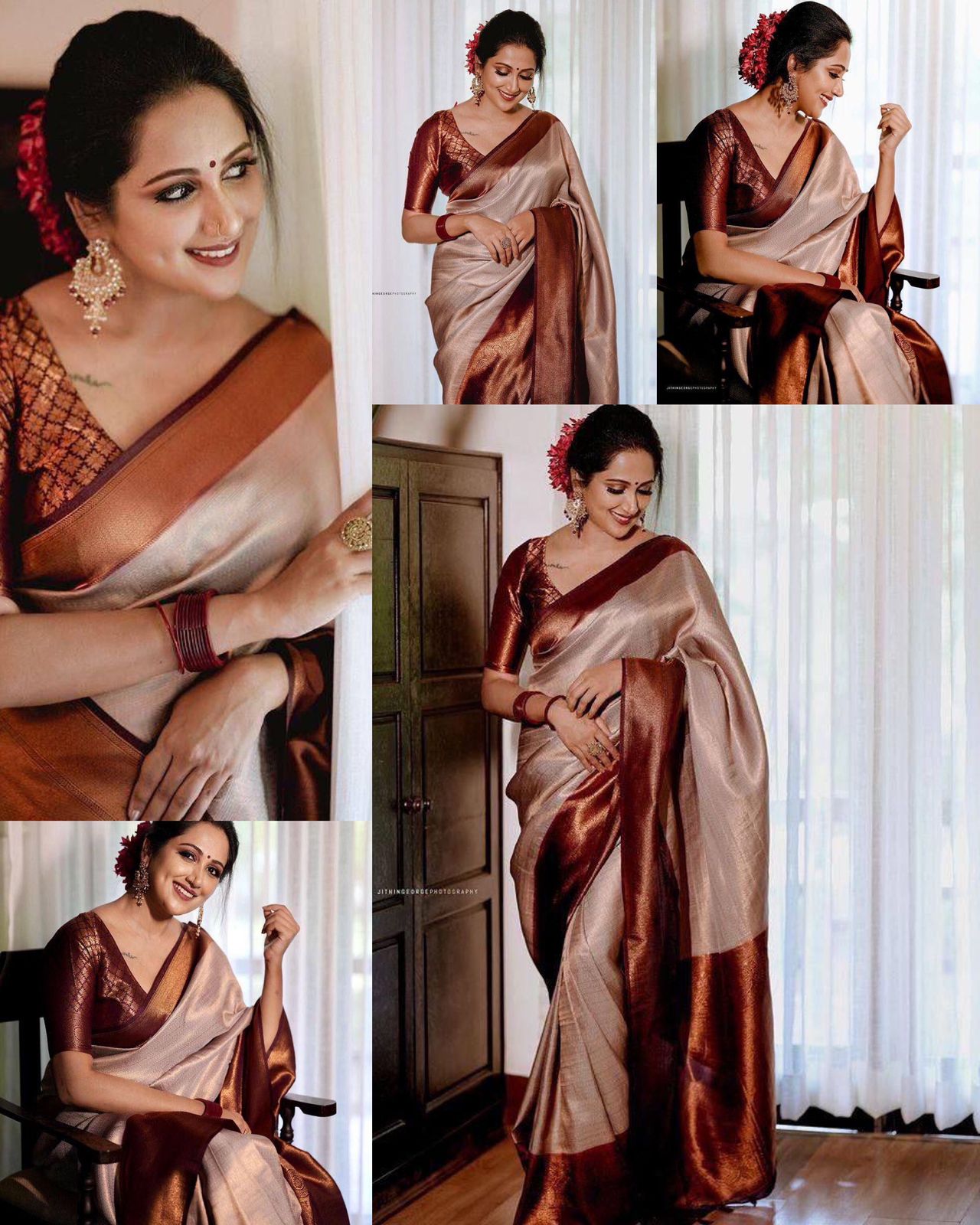


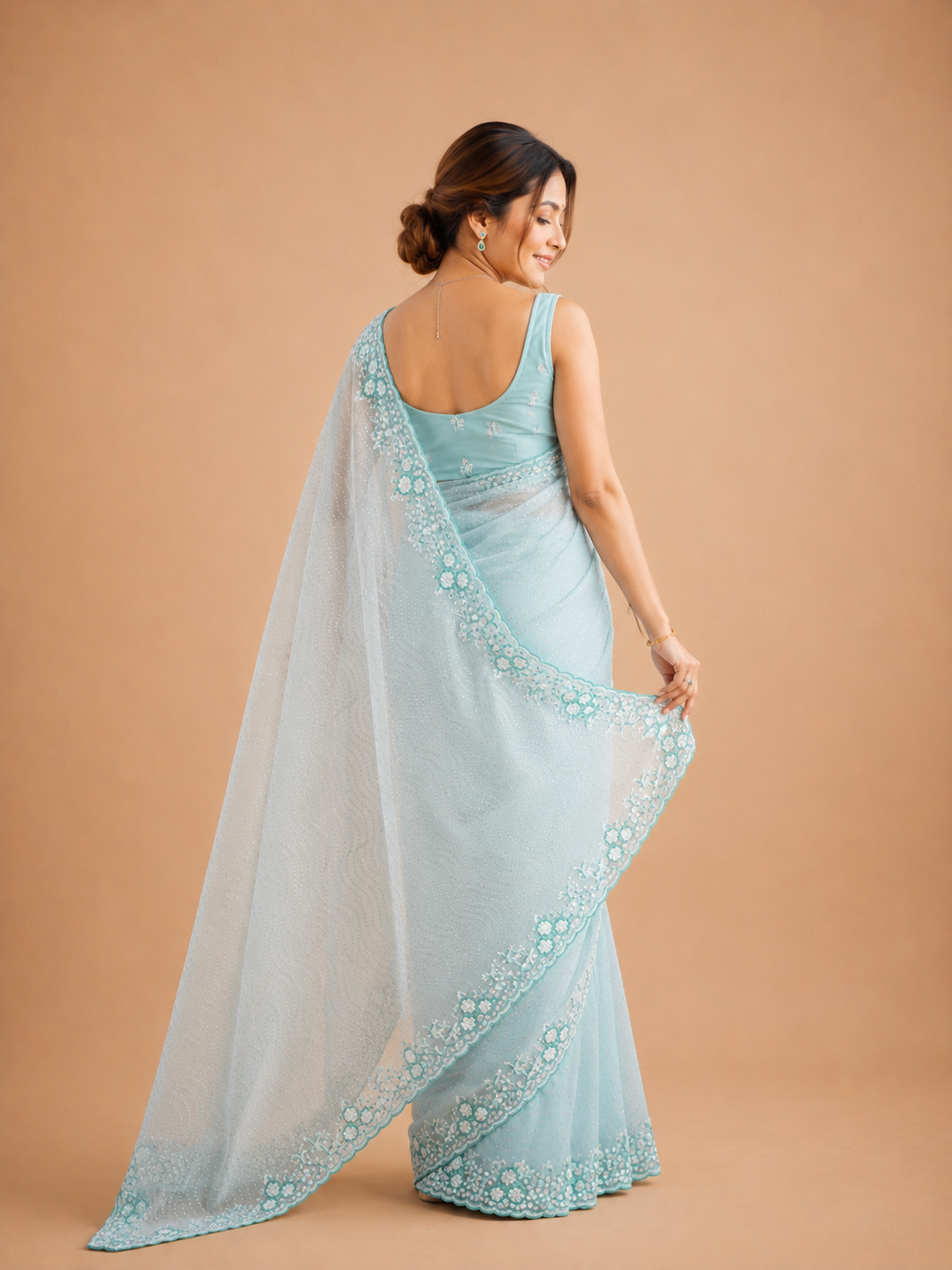

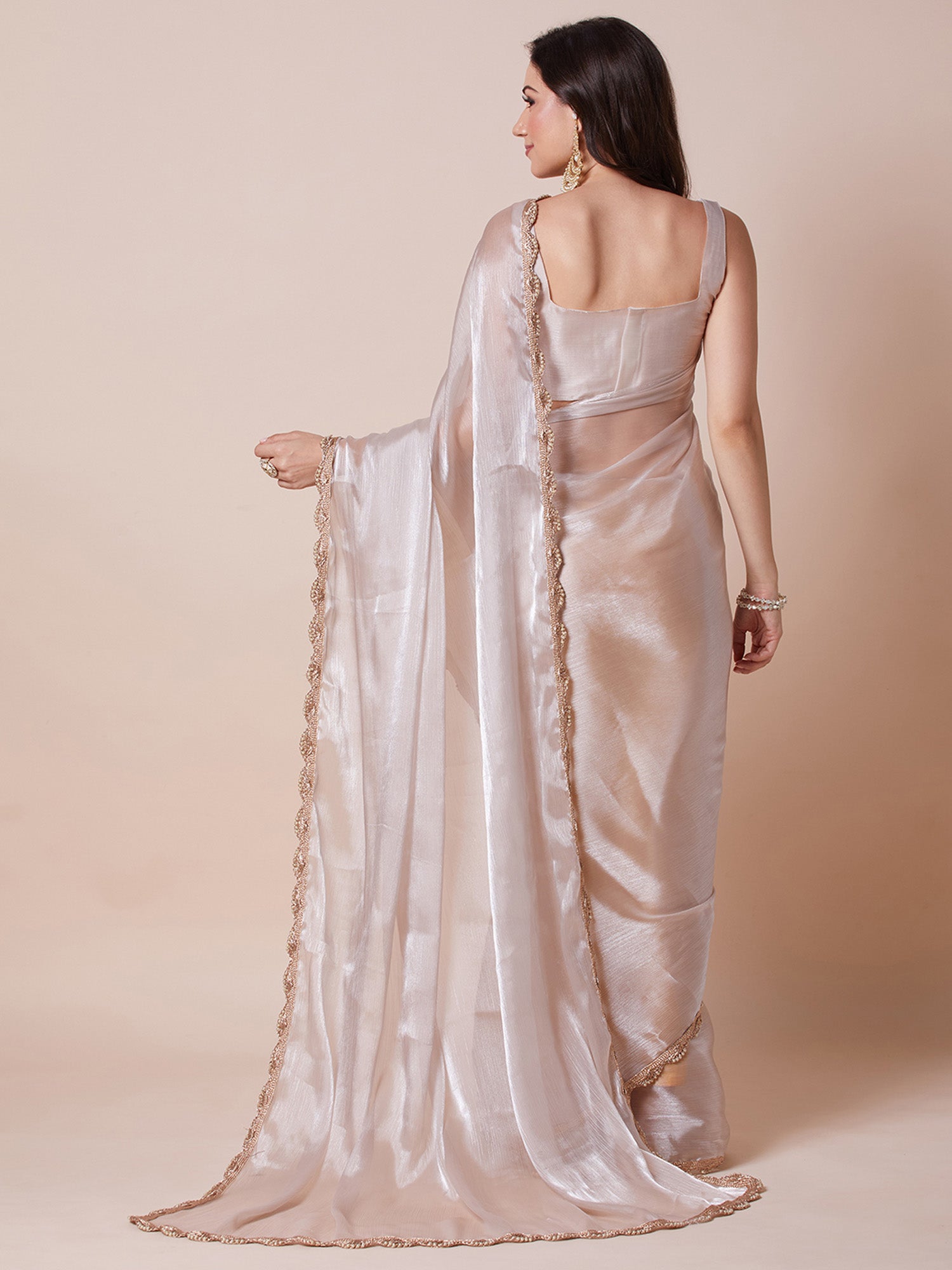

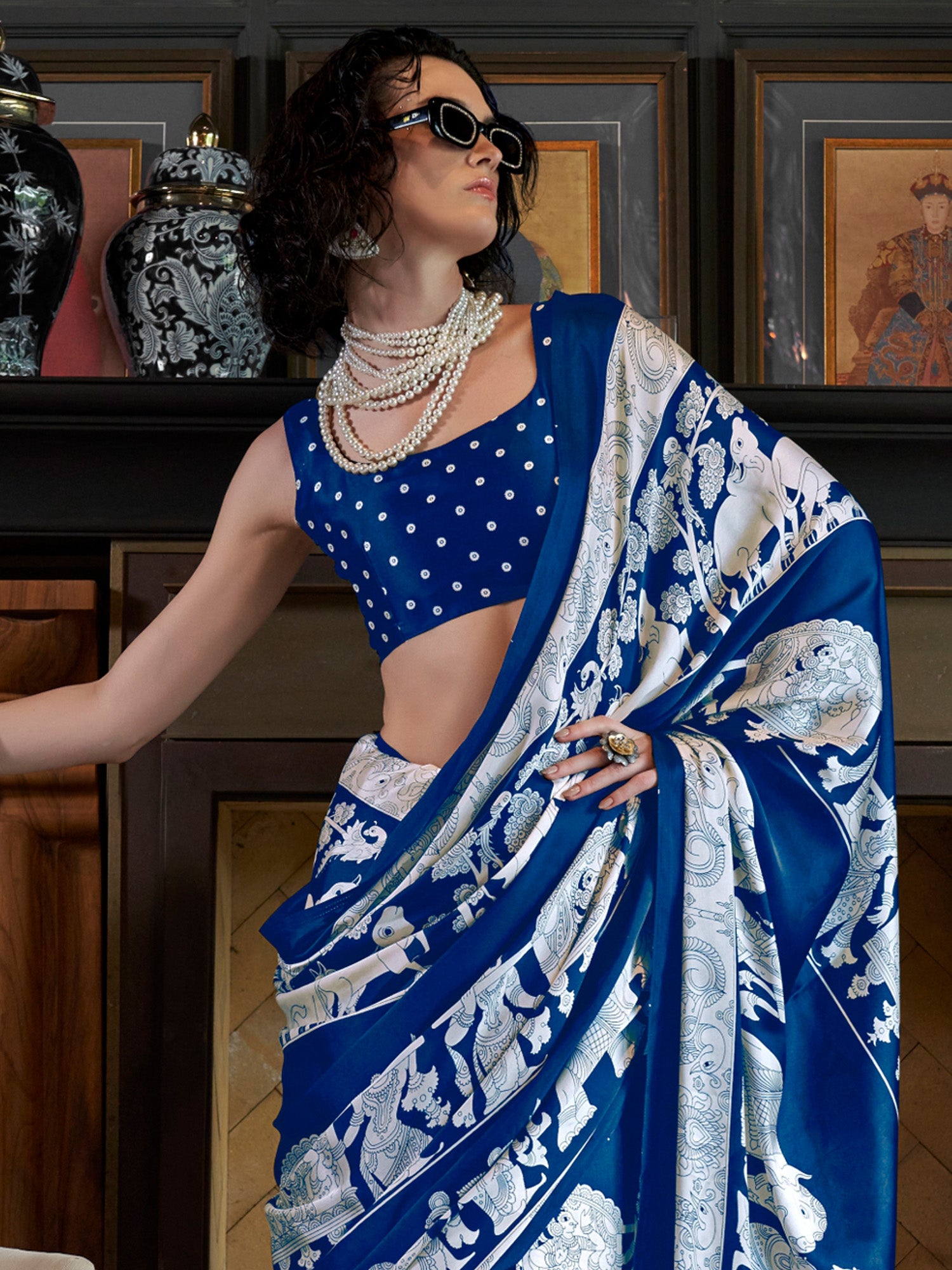

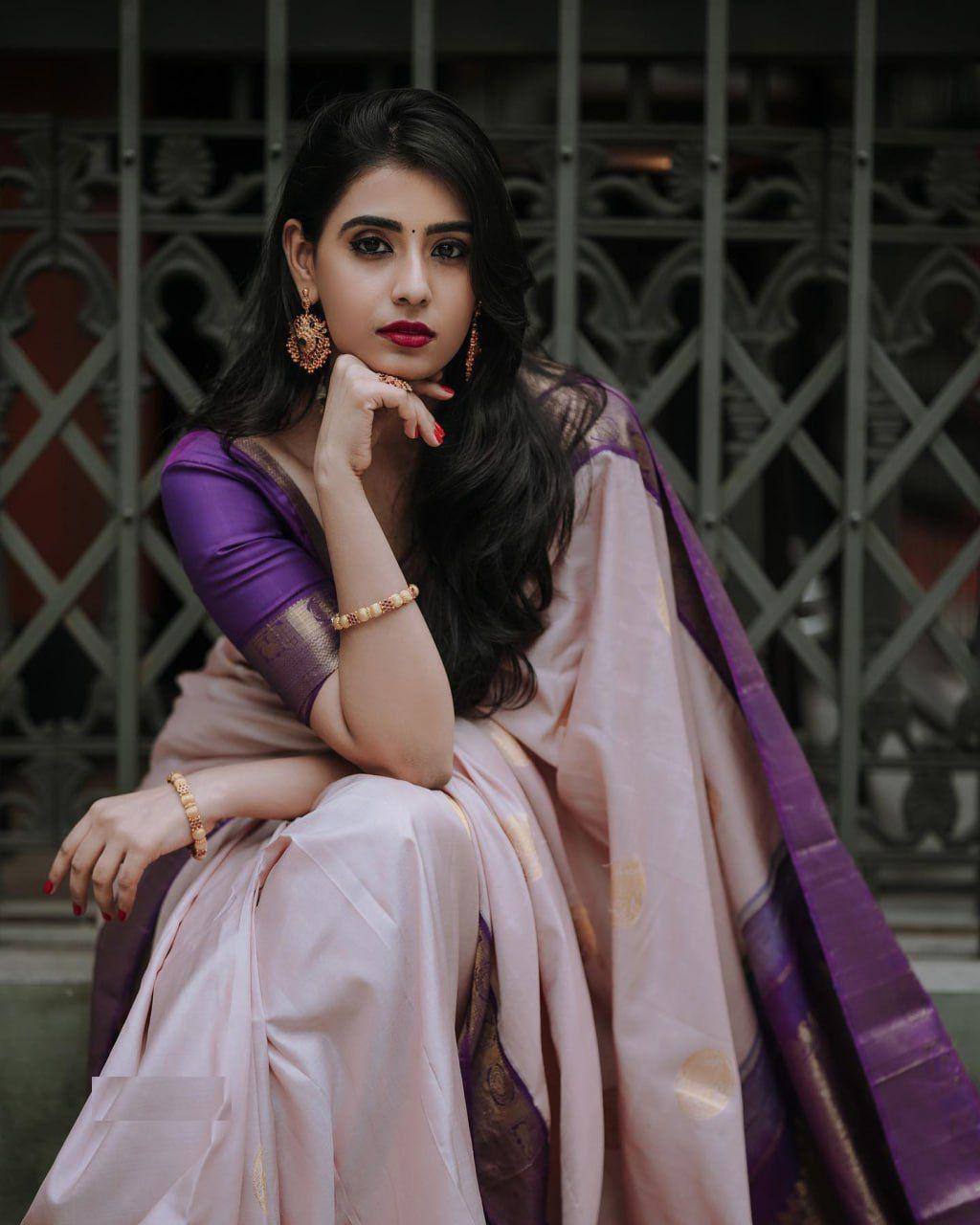

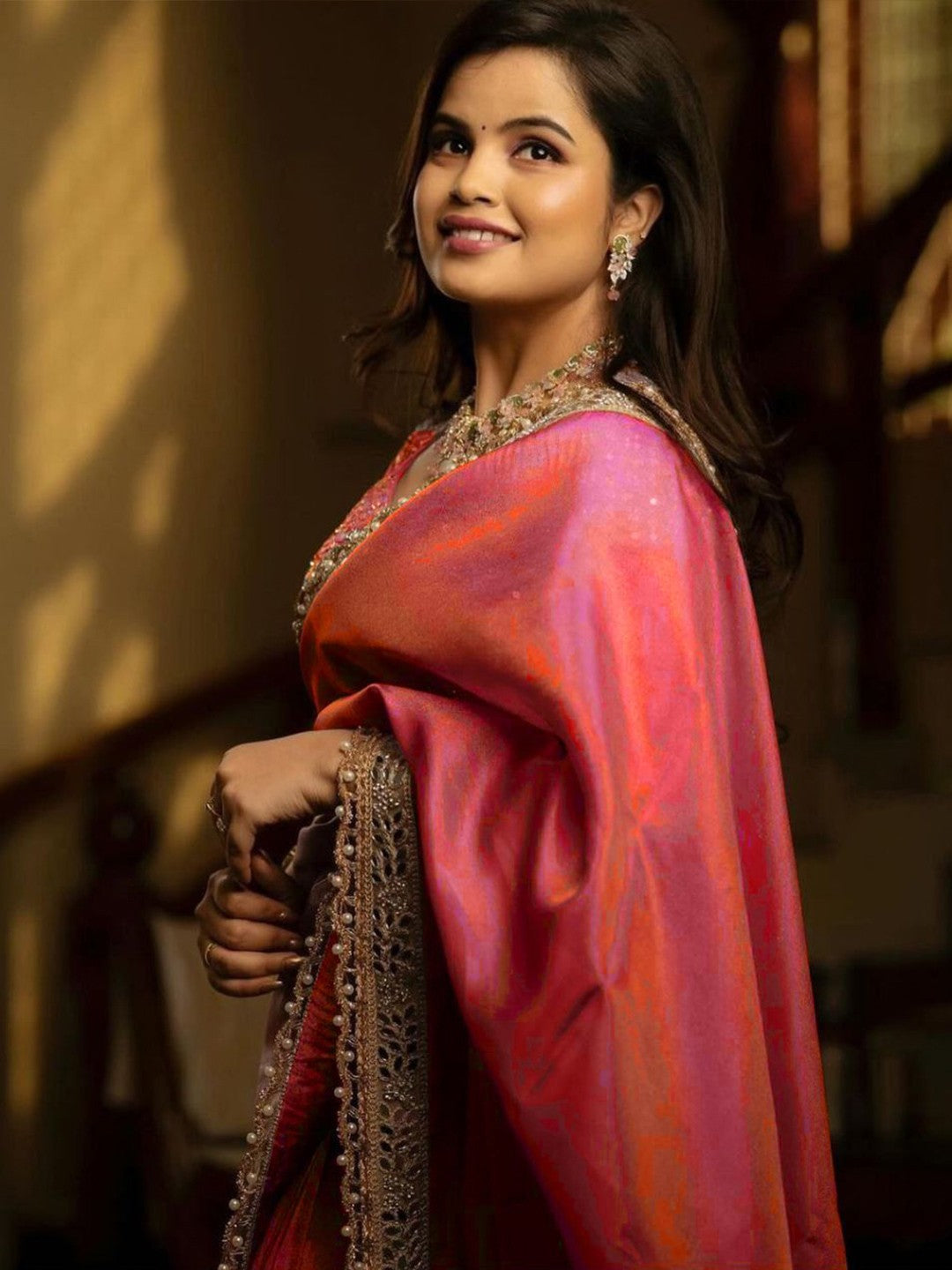

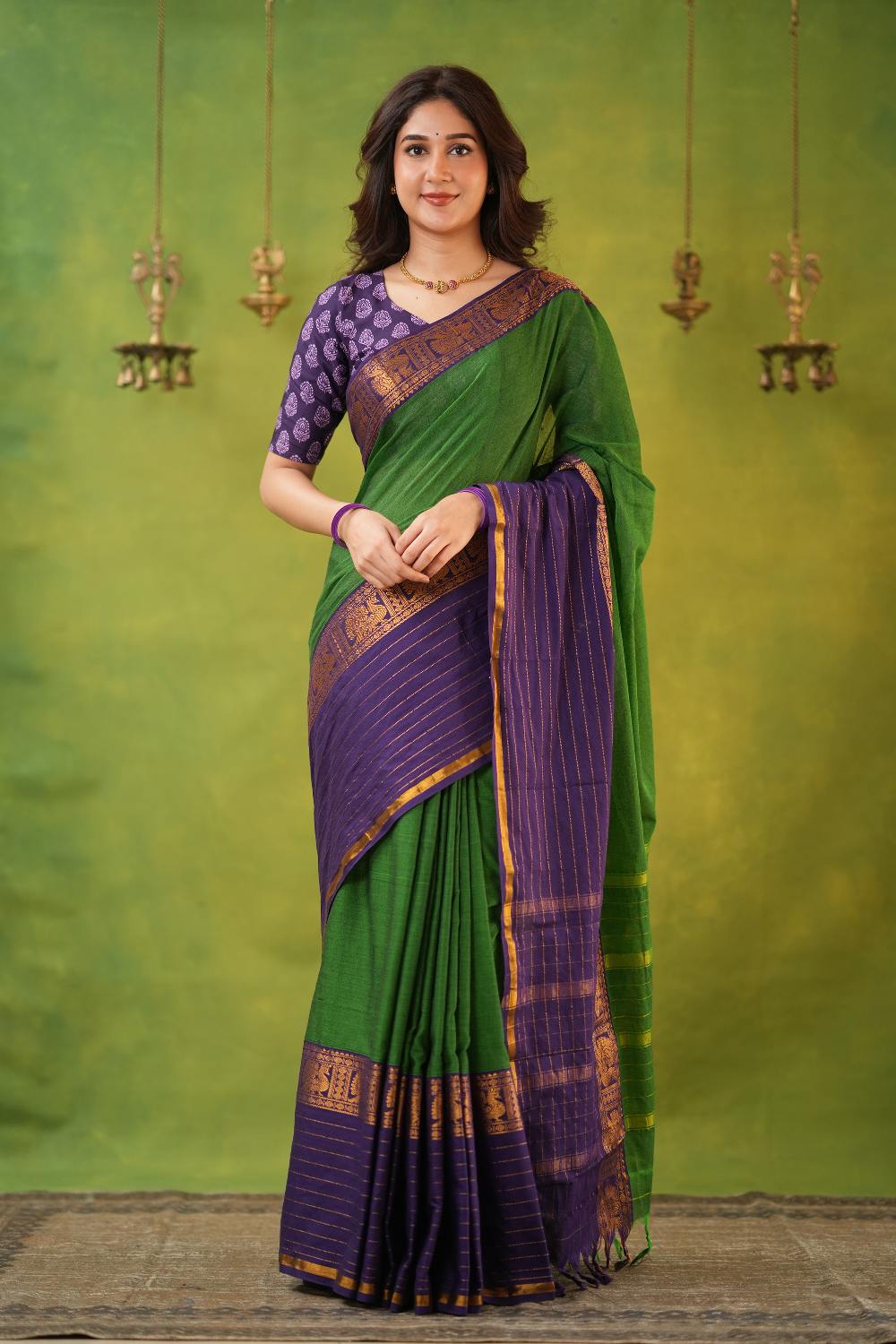

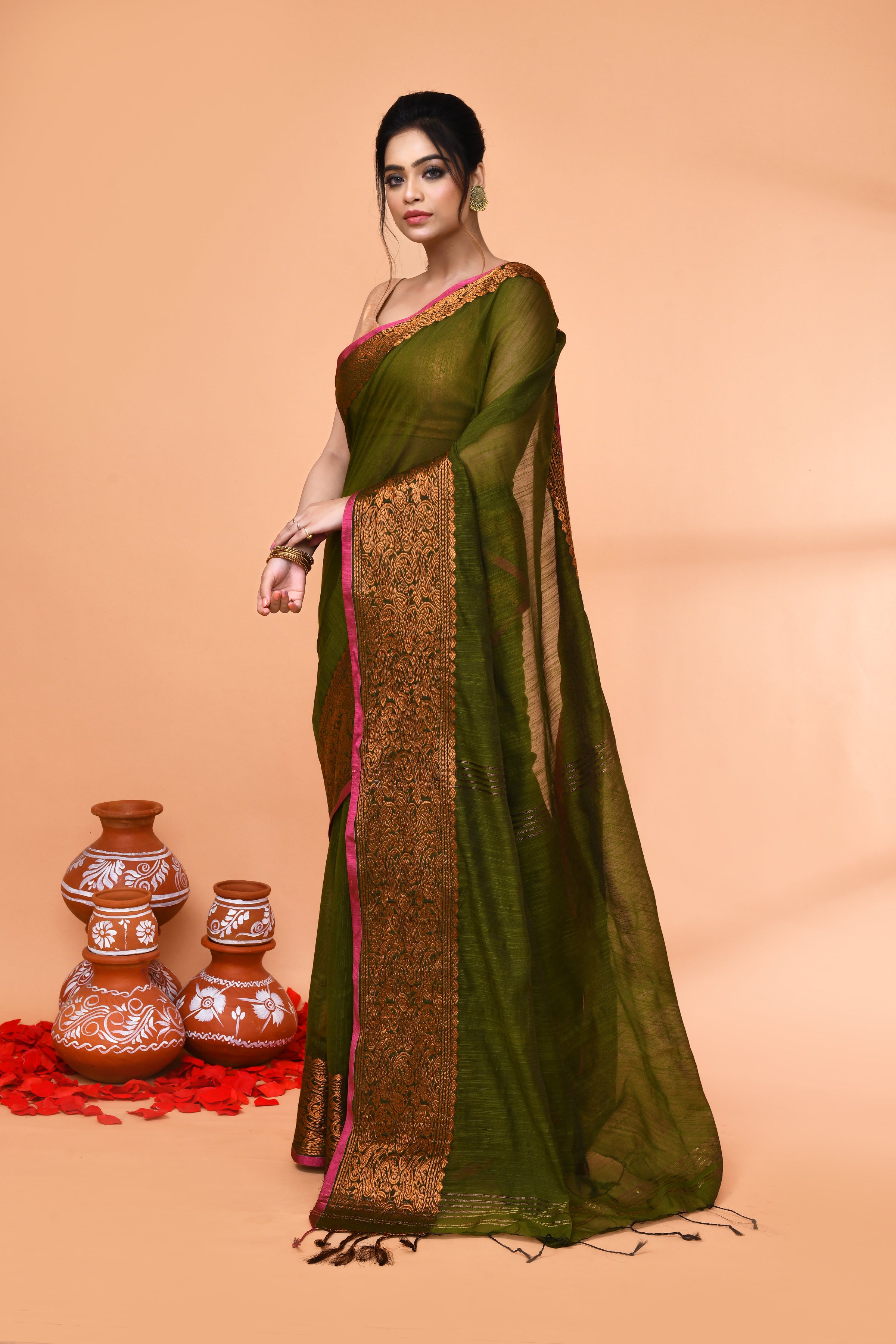

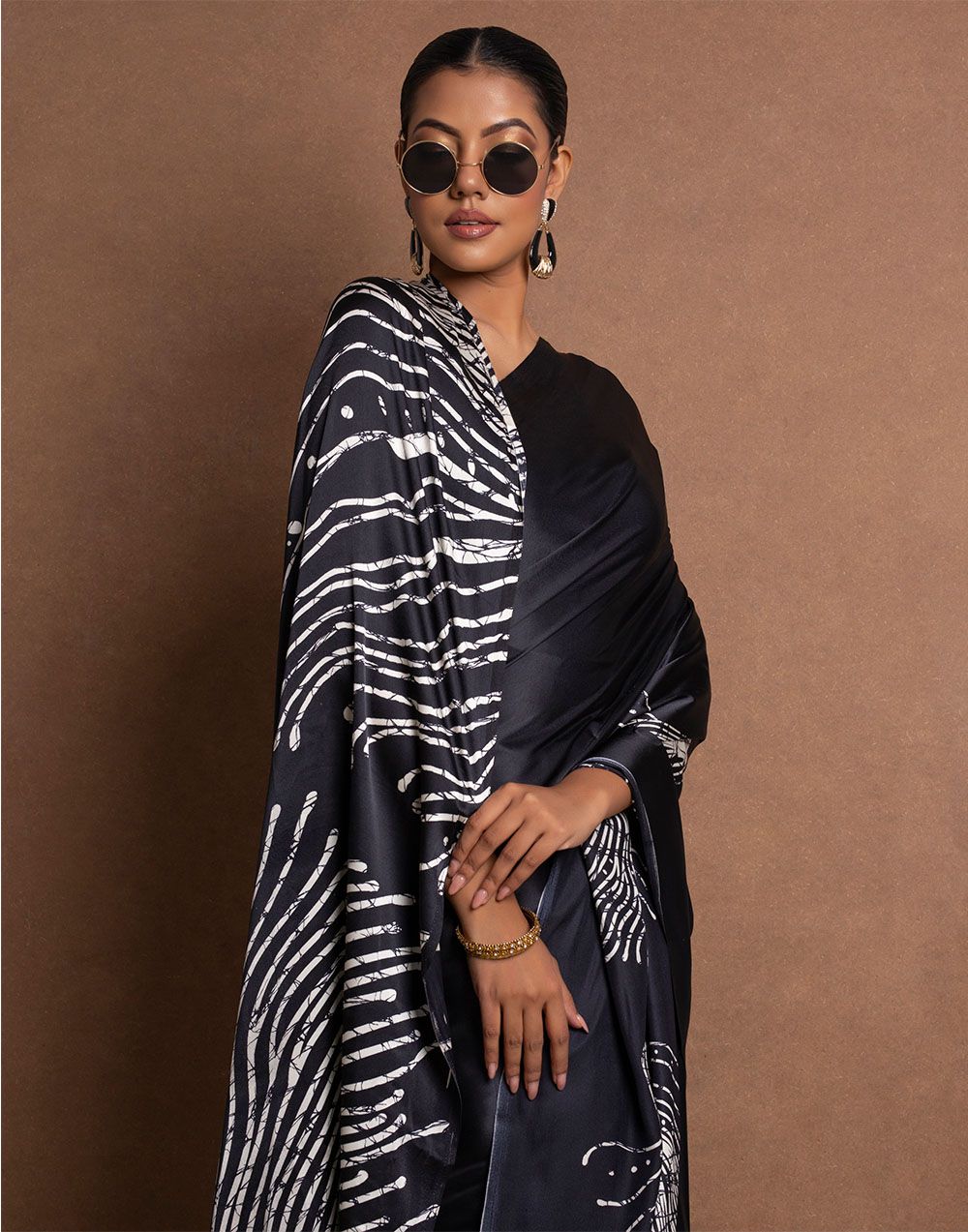

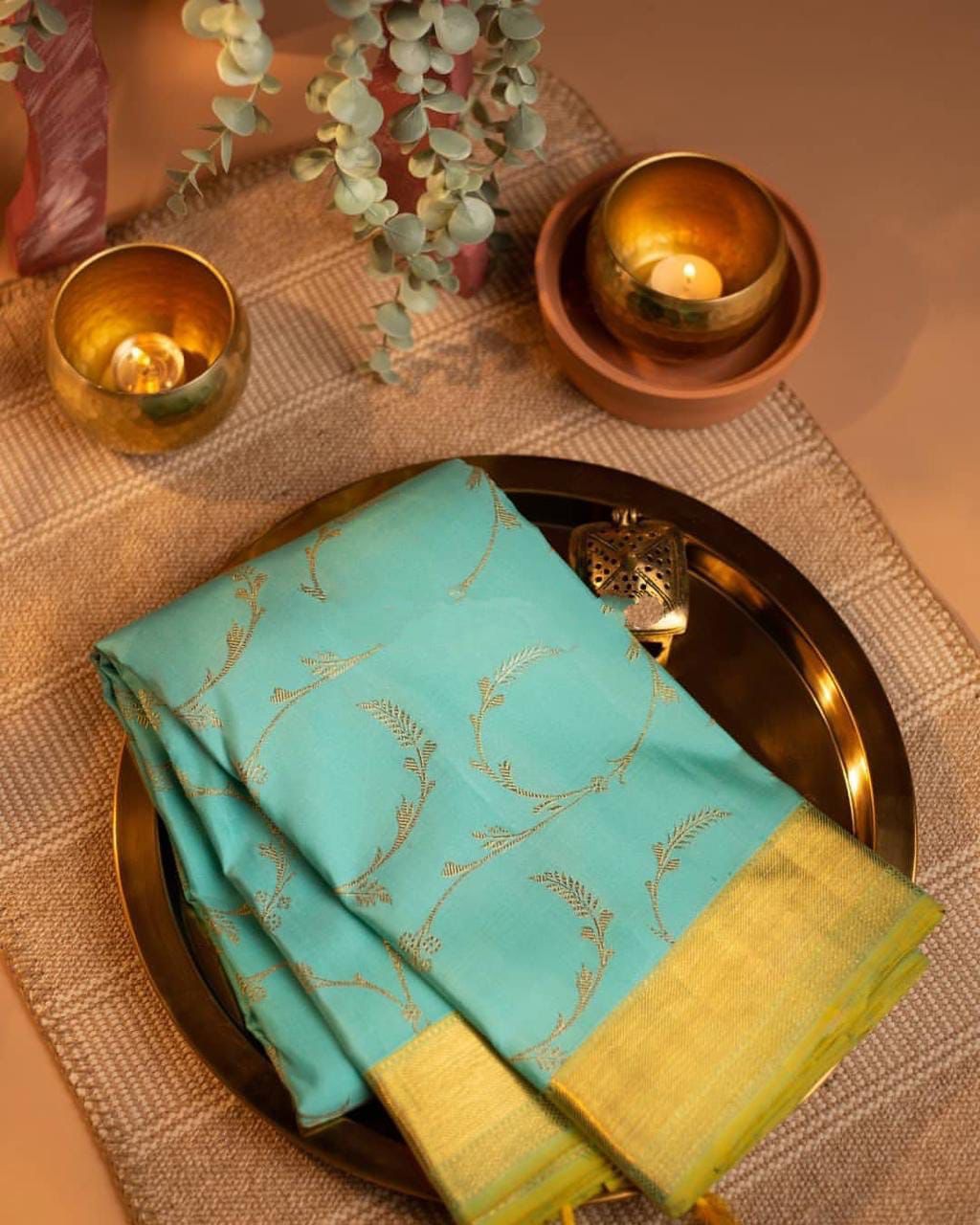


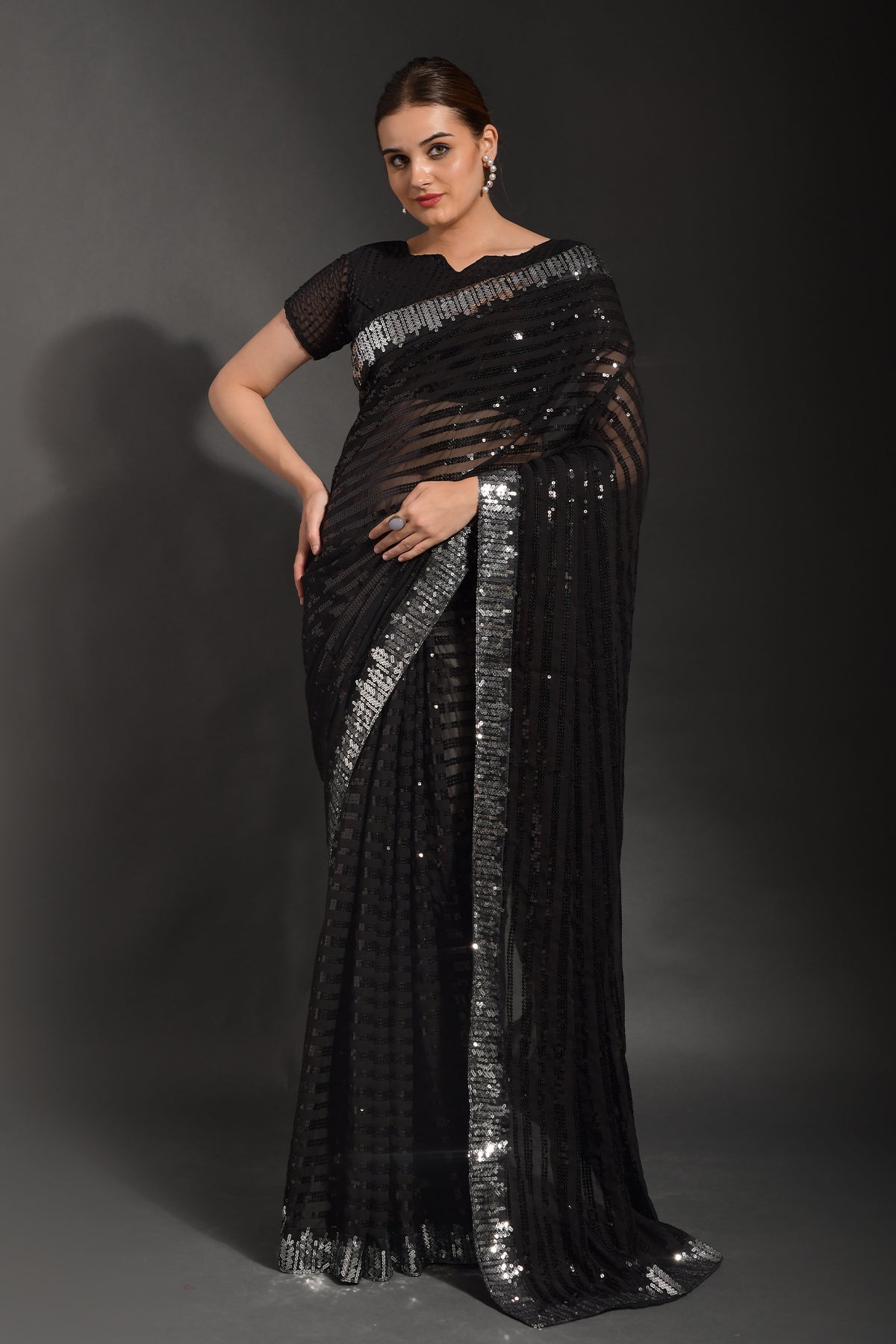

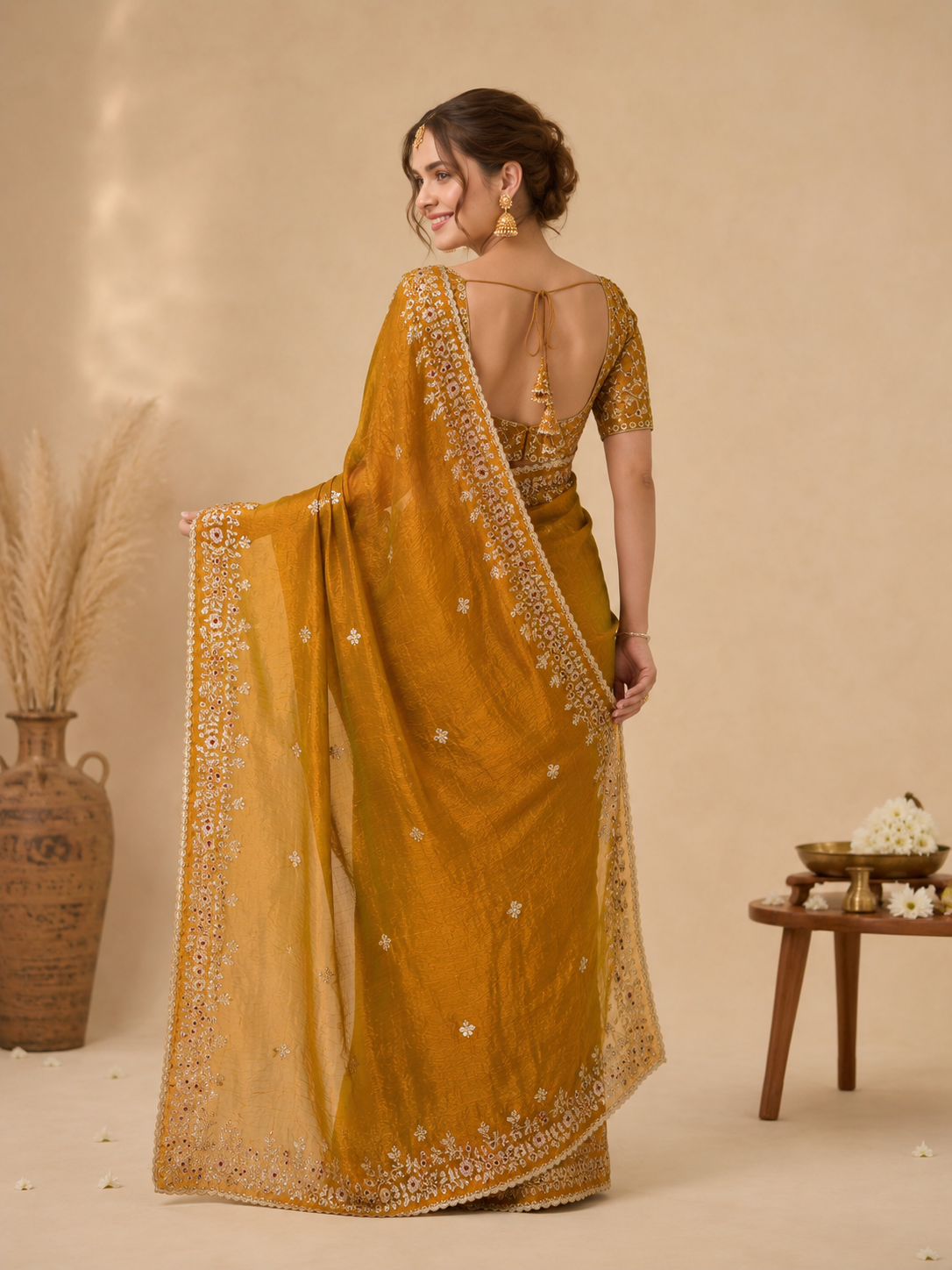

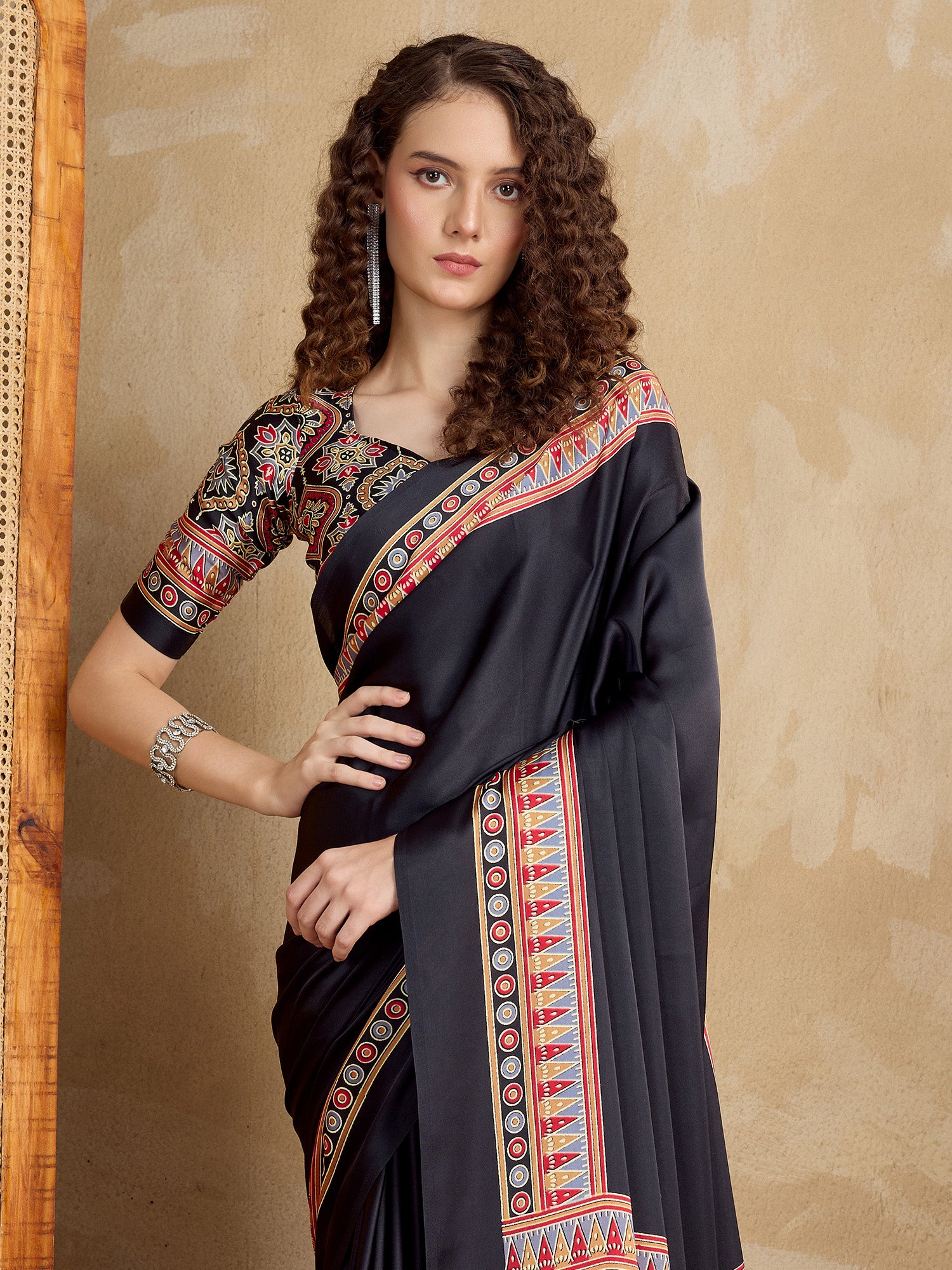


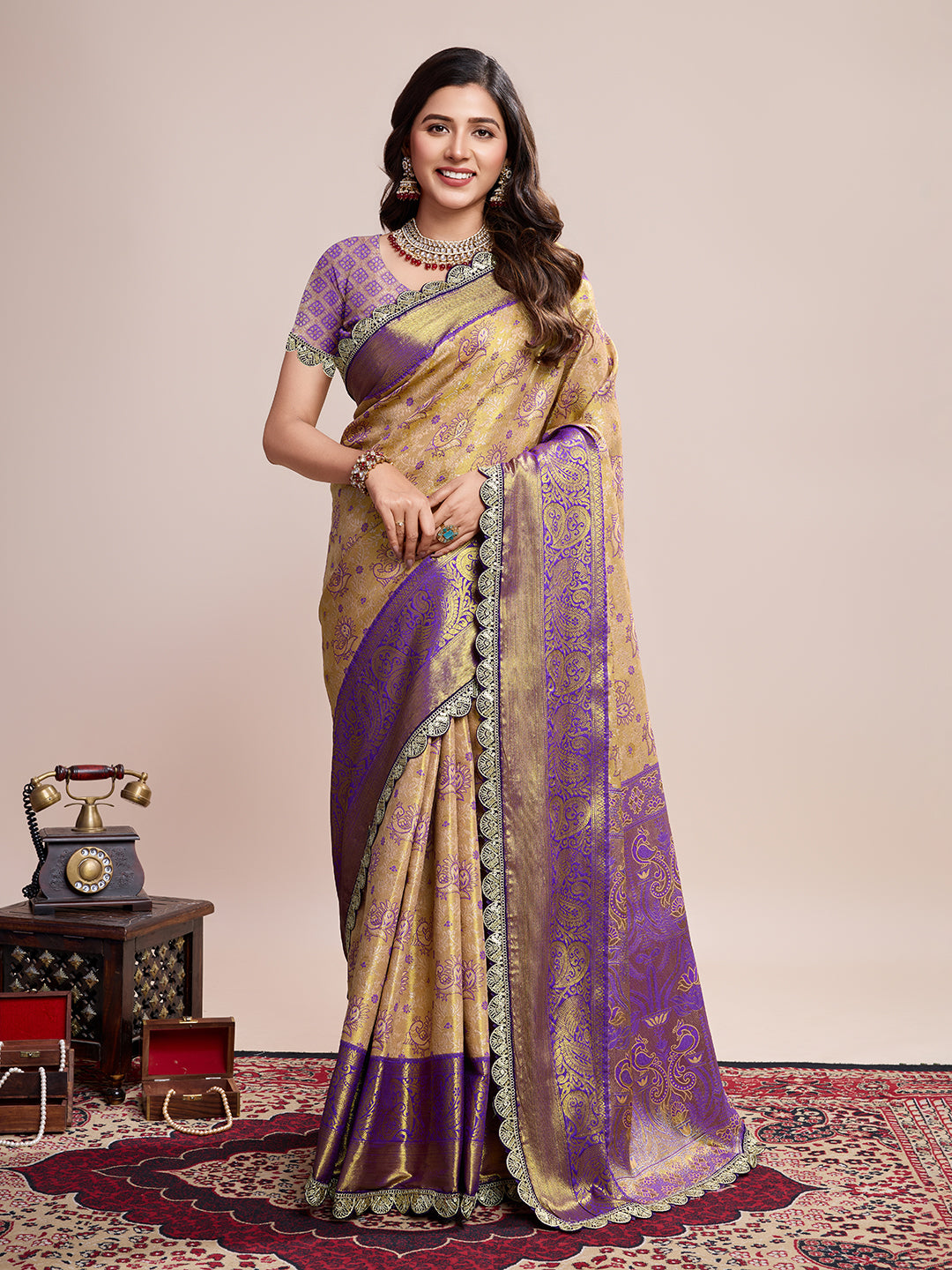


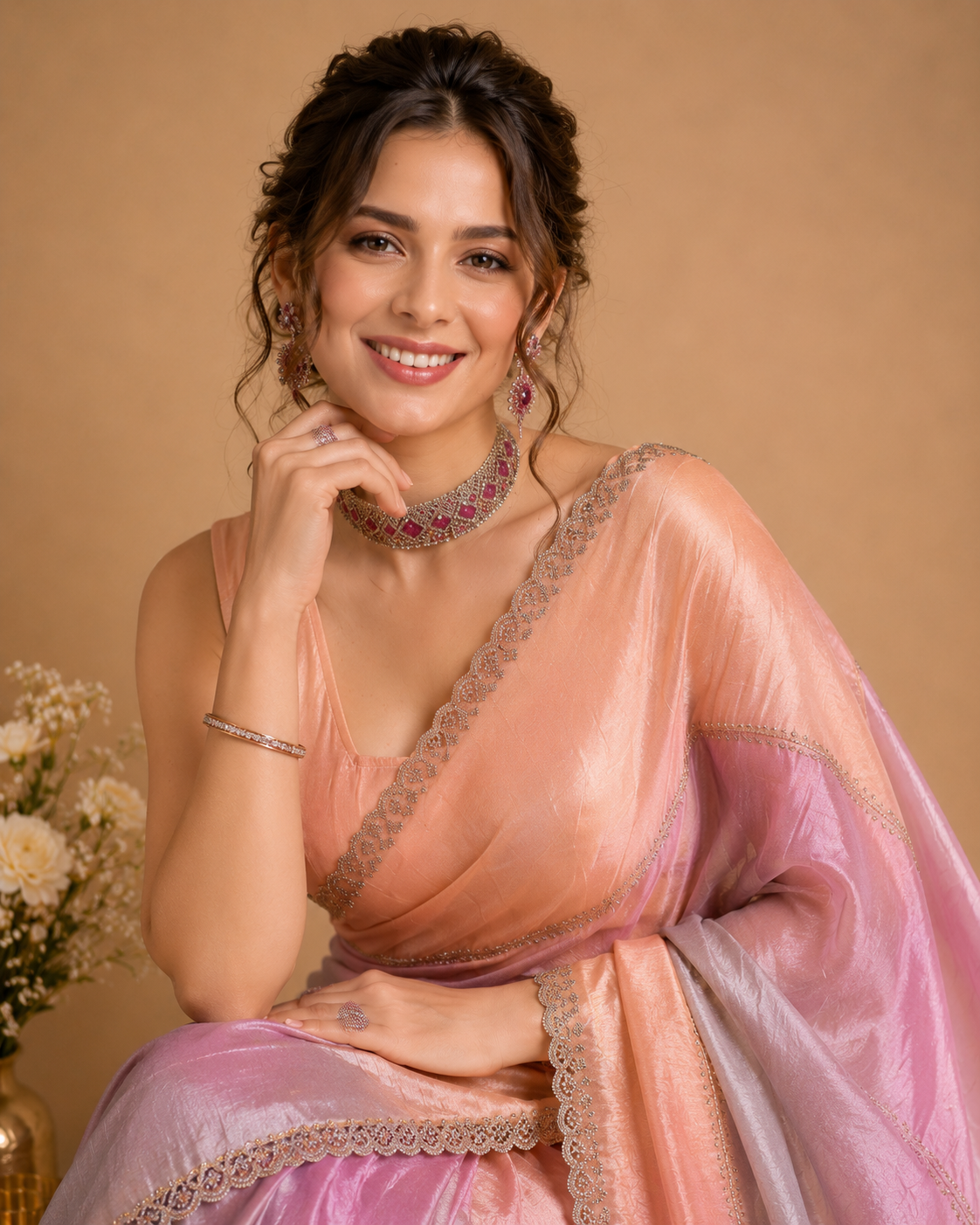
A saree is a single length of unstitched cloth, usually five and a half to six and a half metres, draped over a petticoat and worn with a blouse. It is the oldest continuously worn garment in India, and the only major category on this site that comes in one size - there is no sizing decision to make, only fabric, weave and how you intend to wear it.
Trendia stocks sarees from independent Indian labels and weaving houses across silk, cotton, linen, georgette, chiffon and organza, in traditional regional weaves and contemporary printed designs. Orders ship worldwide, with tariffs and duties covered on US deliveries.
What Comes With a Saree
This is the part that catches out first-time buyers, and it is worth understanding before ordering.
Most sarees include an unstitched blouse piece - a rectangle of matching fabric, usually around 0.8 metres, that a tailor makes up into a blouse. It is not wearable as supplied. Budget one to two weeks with a tailor, and longer during wedding season.
Ready-to-wear sarees skip both steps: the drape is pre-stitched and pleated, and the blouse is included stitched. These take under a minute to put on and are the practical choice if you do not drape regularly or the event is close. Browse ready-to-wear sarees for these.
A petticoat is almost never included and is required for a traditional drape - the pleats tuck into it. Match it to the saree base colour rather than the border. If you would rather buy the blouse separately than have one made, ready-made blouses can be matched to a plain saree, though matching a printed one is harder.
Regional Weaves
Traditional sarees are named for where and how they are woven rather than for the fabric alone. The distinction matters because a woven saree and a printed one that looks similar are very different purchases - woven work is part of the cloth and lasts as long as the cloth does, while printed and surface-embellished work sits on top and wears sooner.
|
Weave |
Origin |
What defines it |
|
Varanasi, UP |
Zari woven into the silk during weaving, not stitched on top |
|
|
Tamil Nadu |
Body and border woven separately, then interlocked; heavy silk |
|
|
Patan, Gujarat |
Double ikat - warp and weft both dyed before weaving |
|
|
Maharashtra |
Hand-woven peacock and floral motifs on the pallu |
|
|
Bengal |
Supplementary weft motifs that appear to float on the fabric |
|
|
Madhya Pradesh |
Sheer, light, with a subtle glossy finish |
|
|
Gujarat, Rajasthan |
Tie-dye dots made by knotting cloth before dyeing |
|
|
Rajasthan |
Diagonal wave stripes from rolled resist dyeing |
|
|
Telangana, Odisha |
Blurred pattern edges from pre-dyed yarn |
|
|
Andhra Pradesh |
Hand-painted or block-printed narrative motifs |
|
|
Lucknow |
White-on-white shadow embroidery, usually on light fabric |
|
|
Karnataka |
Plain crepe silk with a fine zari border, very light |
|
|
West Bengal |
Cotton tant and garad silk, red-and-white borders |
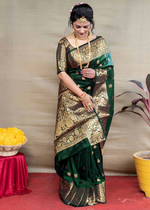
Two of these are commonly confused. Banarasi and Kanjeevaram are both heavy zari silks used for weddings, but a Banarasi is woven with the zari carried through the body of the fabric in Mughal-influenced floral and jaal patterns, while a Kanjeevaram has the body and border woven as separate pieces and joined, which is why the border often contrasts sharply with the body. Kanjeevaram silk is typically the heavier of the two. Handloom sarees across all these traditions carry small irregularities in the weave, which indicate hand production rather than a fault.
Shop by Fabric
If you are choosing by feel and occasion rather than by tradition, fabric is the more useful starting point.
|
Fabric |
Character |
Best for |
|
Cotton and cotton slub |
Breathable, holds pleats, creases |
Daily wear, office, summer |
|
Linen |
Crisp, cool, softens with wear |
Warm weather, daytime |
|
Silk and art silk |
Structured with sheen, holds shape |
Weddings, formal occasions |
|
Georgette |
Fluid, light, easy to drape |
First-time wearers, long events |
|
Chiffon |
Lightest and most slippery |
Evening, needs more pinning |
|
Crepe and satin |
Smooth with weight, drapes close |
Party and cocktail wear |
|
Organza and tissue |
Sheer with structure, holds volume |
Festive daytime, photographs |
|
Chinon |
Soft with slight texture |
Printed and mirror-work pieces |
Cotton sarees and linen sarees are the practical choices for heat and for daily or office wear. Linen comes in three common constructions worth distinguishing: linen woven with silk has a slight sheen, linen with linen has a matte lustre, and linen with cotton has a coarser texture. Silk sarees hold structure and are traditional for weddings, while georgette and chiffon are lighter and easier to manage across a long event. Organza holds its own shape, which photographs well but resists close draping.
Draping
The standard Nivi drape - pleats at the front tucked into the petticoat, pallu over the left shoulder - is what most sarees are designed and photographed for, and it works with almost any fabric. It takes practice, but the sequence is short: tuck, pleat the skirt, tuck the pleats, then pleat and pin the pallu.
Fabric changes the difficulty more than the drape does. Cotton and linen hold pleats and stay where you put them, which makes them the easiest to learn on. Georgette drapes softly and forgives uneven pleating. Chiffon and satin slip and need more pins. Heavy Kanjeevaram and Banarasi silks hold a strong pleat but are weighty enough that the drape needs to be secured properly at the waist.
Six to eight safety pins is normal, not a sign of doing it wrong - one at the shoulder, one or two through the pleats at the waist, and one securing the pallu. A saree that needs constant adjustment through an event is usually under-pinned rather than badly draped.
The Blouse
The blouse changes the register of a saree more than anything else. A high neck with three-quarter sleeves reads traditional and formal; a boat neck or sweetheart neckline reads contemporary; sleeveless and halter cuts read modern and are common with georgette and chiffon. Our guide to silk saree blouse designs covers necklines and sleeve options in more detail.
If you are having a blouse made from the included piece, take a well-fitting blouse you already own to the tailor as a reference - it is far more reliable than measurements alone, since blouse fit depends on darts and back closure as much as on bust size. Ask the tailor to leave seam allowance so it can be let out later.
Shop by Occasion
Weddings
Wedding sarees are usually heavy silk with substantial zari - Kanjeevaram, Banarasi and Patola are the traditional choices for the main ceremonies. As a guest, avoid red with heavy gold at North Indian weddings, where that combination is traditionally bridal. Our guide to what to wear to an Indian wedding sets out expectations function by function.
Festive
Festive sarees sit lighter than wedding pieces - chanderi, tissue, organza and lighter silks that stay comfortable through long family gatherings. Diwali outfit ideas covers the wider season.
Party and Evening
Party wear sarees lean towards georgette, chiffon, satin and chinon with sequin, mirror or embroidery work. These drape close to the body and photograph well under artificial light.
Daily and Office
Casual sarees in cotton, linen and cotton-silk blends are the workwear end of the range. Plain sarees are the most versatile buy here, since a single plain saree takes several different blouses and reads differently each time.
Designer and Contemporary
Designer sarees and embroidered sarees apply contemporary construction and unconventional blouse pairings to the traditional form. Printed sarees cover digital and screen-printed designs at the more affordable end.
Care and Storage
Cotton and linen sarees can be hand washed cold for the first few washes and machine washed gently thereafter, though the first wash of a cotton saree should be separate since dye bleeds. Silk, georgette, chiffon, organza and anything with zari or embroidery should be dry cleaned. For Banarasi, Kanjeevaram and other zari-heavy pieces, use a cleaner experienced with zari rather than a general service.
Storage matters more for sarees than for stitched garments because of the length. Refold along different lines every few months - a saree stored folded the same way for years develops permanent creases and eventually splits along the fold, which is the most common way a good silk saree is ruined. Wrap zari pieces in muslin rather than plastic, since trapped moisture tarnishes metallic thread. Keep silk away from direct light, which fades colour unevenly along the exposed fold.
Styling
Match jewellery to the weight of the saree rather than to the occasion. A heavy zari silk carries the visual weight already, so jhumkas and bangles are usually enough. A plain or lightly printed saree takes a fuller jewellery set comfortably. Temple jewellery is the traditional pairing with Kanjeevaram; oxidised silver suits cotton, linen and handloom better than gold does.
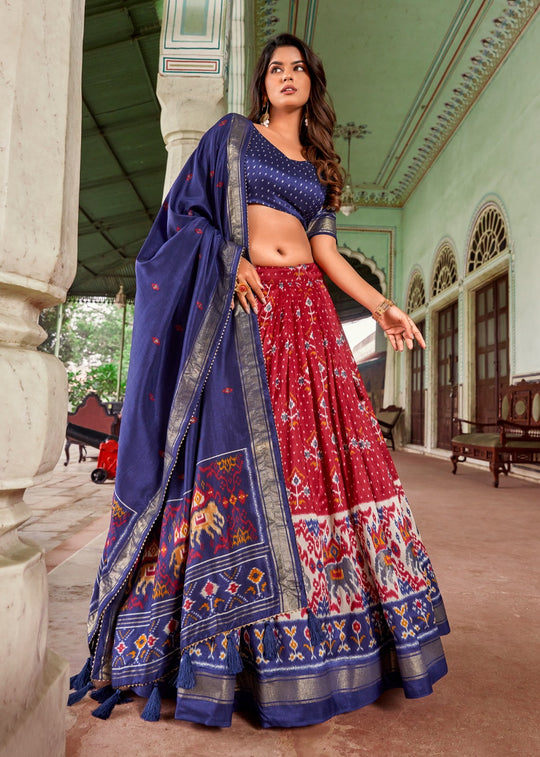
A potli or clutch works better than a shoulder bag, which drags on the pallu. Heel height should be decided before the petticoat is hemmed, since the drape length is set against it - the same point applies to a saree as to a lehenga.
FAQs: Sarees
What size saree should I order?
Sarees are one size. The drape is a single length of cloth, typically five and a half to six and a half metres, and adjusts to the wearer. Only the blouse and petticoat need to fit, and both can be made or bought to size.
Does a saree come with a blouse?
Most include an unstitched blouse piece that needs a tailor, which typically adds one to two weeks. Ready-to-wear sarees include a stitched blouse and a pre-pleated drape, so they can be worn immediately. Petticoats are almost never included and need to be bought separately.
What is the difference between Banarasi and Kanjeevaram?
Both are heavy zari silks used for weddings. A Banarasi is woven in Varanasi with zari carried through the body in Mughal-influenced floral and jaal patterns. A Kanjeevaram is woven in Tamil Nadu with the body and border made separately and interlocked, which produces the characteristic contrasting border. Kanjeevaram is typically heavier.
Which saree is easiest for a beginner to drape?
Cotton and linen, because they hold pleats and stay in place. Georgette is the next easiest and forgives uneven pleating. Chiffon and satin slip and need more pins. If draping is the barrier rather than the fabric, a ready-to-wear saree removes it entirely.
How many pins does a saree need?
Six to eight is normal - one at the shoulder, one or two through the waist pleats, and one securing the pallu. A drape that needs constant adjustment is usually under-pinned rather than badly done.
Which saree is best for hot weather?
Cotton, linen, mulmul and chanderi. All breathe well and are light enough for long daytime wear. Avoid heavy silk, velvet and anything fully lined in heat, and note that organza holds structure but does not breathe particularly well.
How do I wash a saree?
Cotton and linen can be hand washed cold, with the first wash done separately since dye bleeds. Silk, georgette, chiffon, organza and anything with zari or embroidery should be dry cleaned, ideally by a cleaner experienced with zari work.
How should I store a silk saree?
Folded, wrapped in muslin rather than plastic, away from direct light. Refold along different lines every few months - sarees left folded identically for years crease permanently and eventually split along the fold.
Can I get a saree or blouse stitched through Trendia?
Stitching and saree customisation options are listed on the site. Check the individual product page for what is offered on a given piece, since availability varies by item.
Do you ship sarees to the USA?
Yes, with tariffs and duties covered so nothing further is payable on delivery. Items in the express range dispatch fastest. Timelines and costs are set out on the shipping policy page, and exchanges on the returns policy page.