
Pooja Mandir for Home | Wooden Temples for USA - Trendia

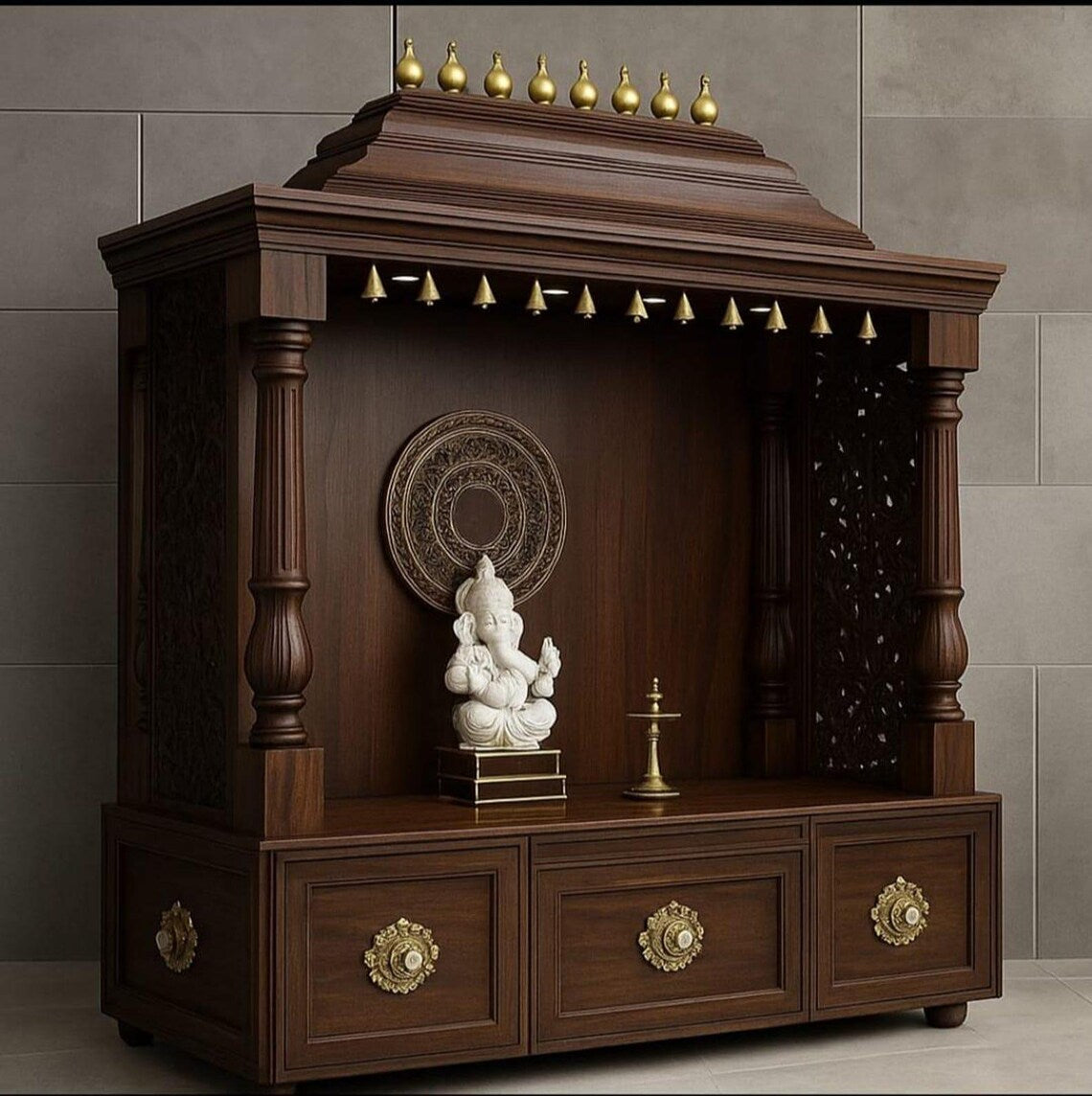


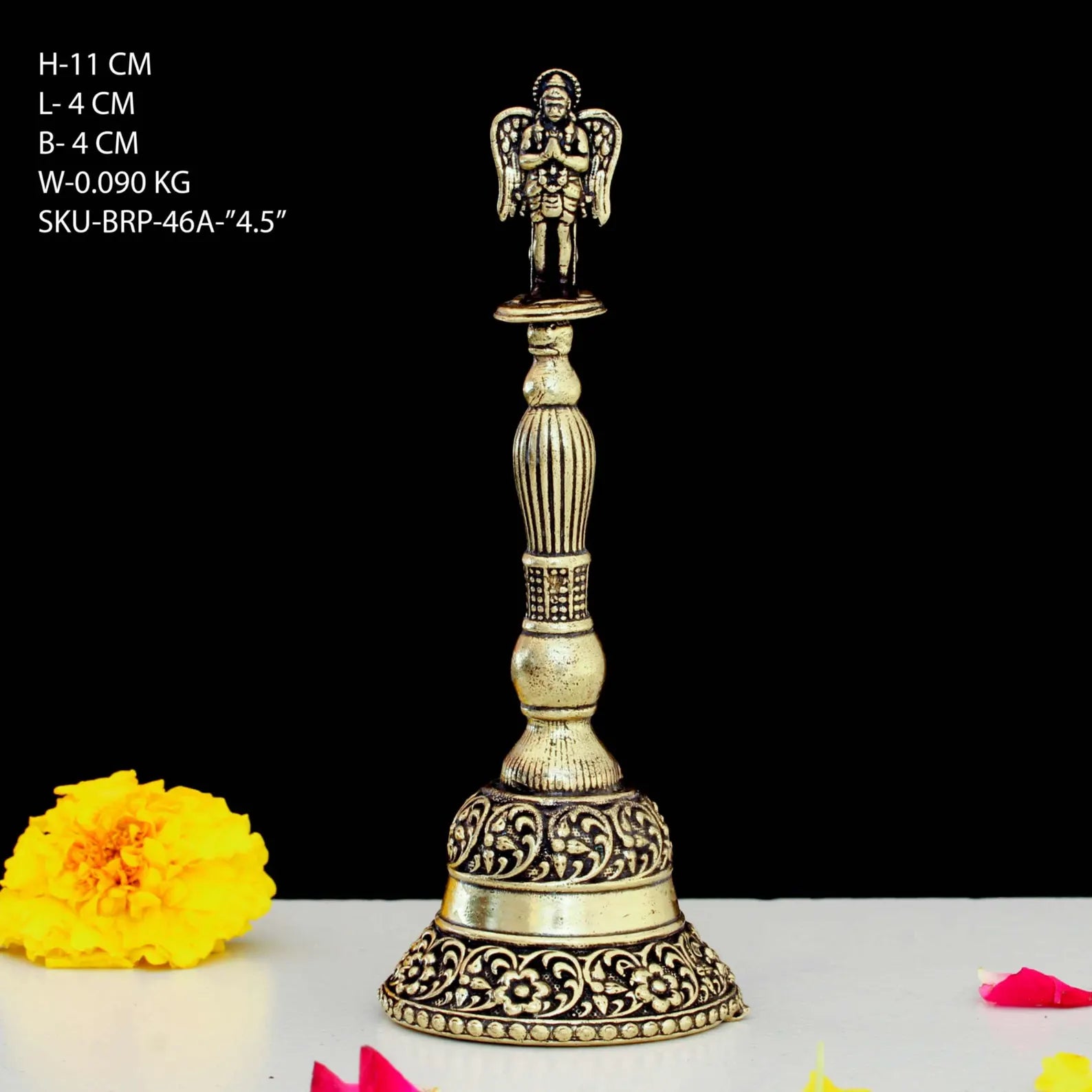


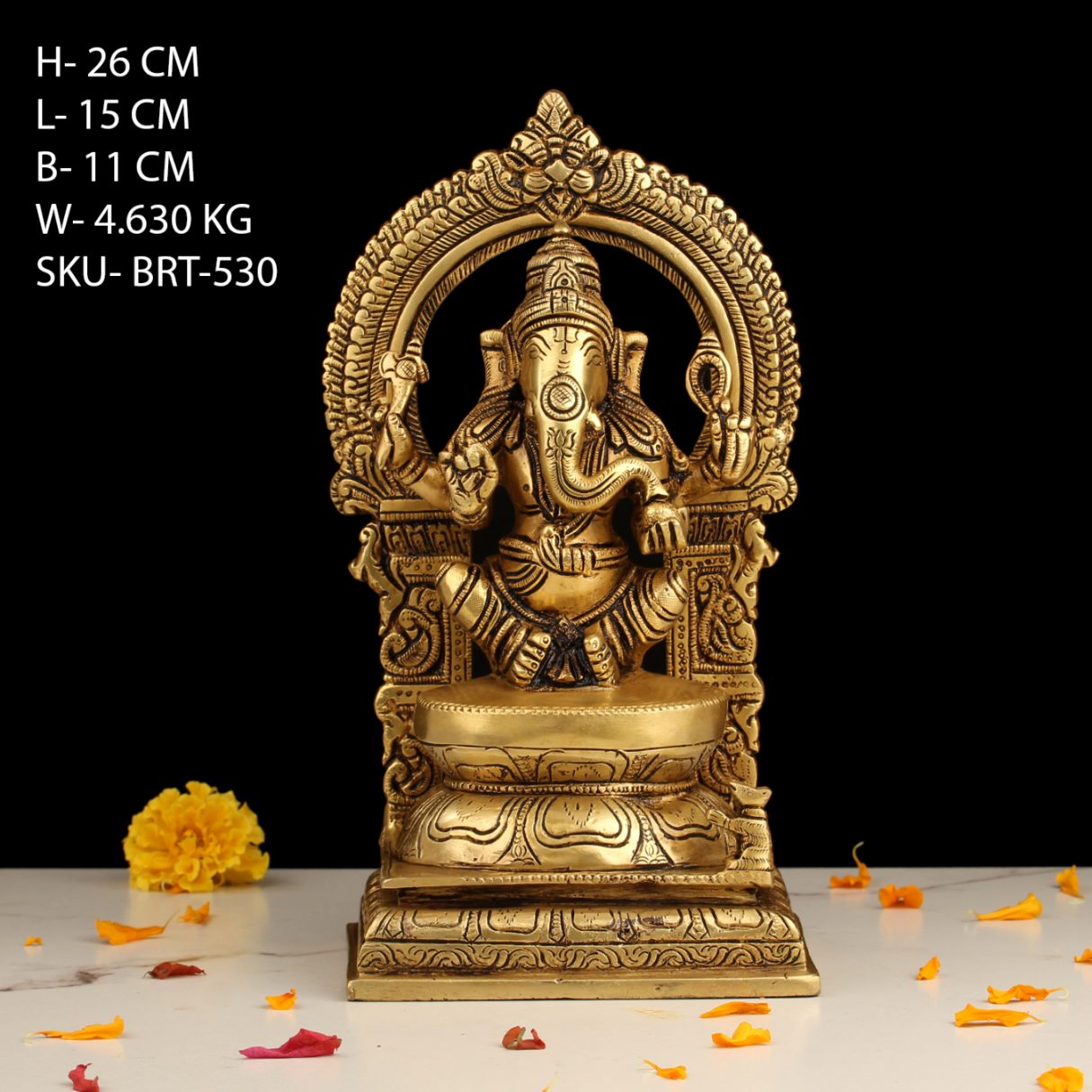

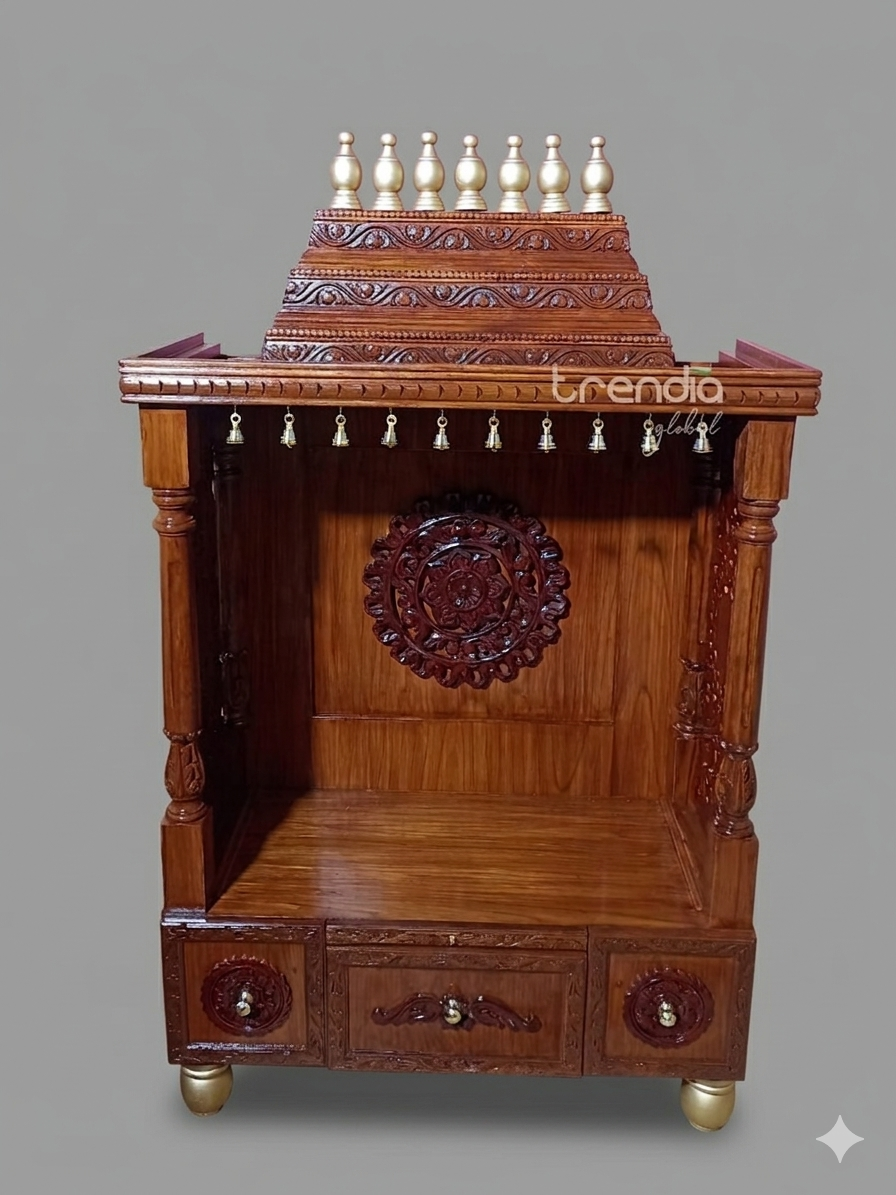

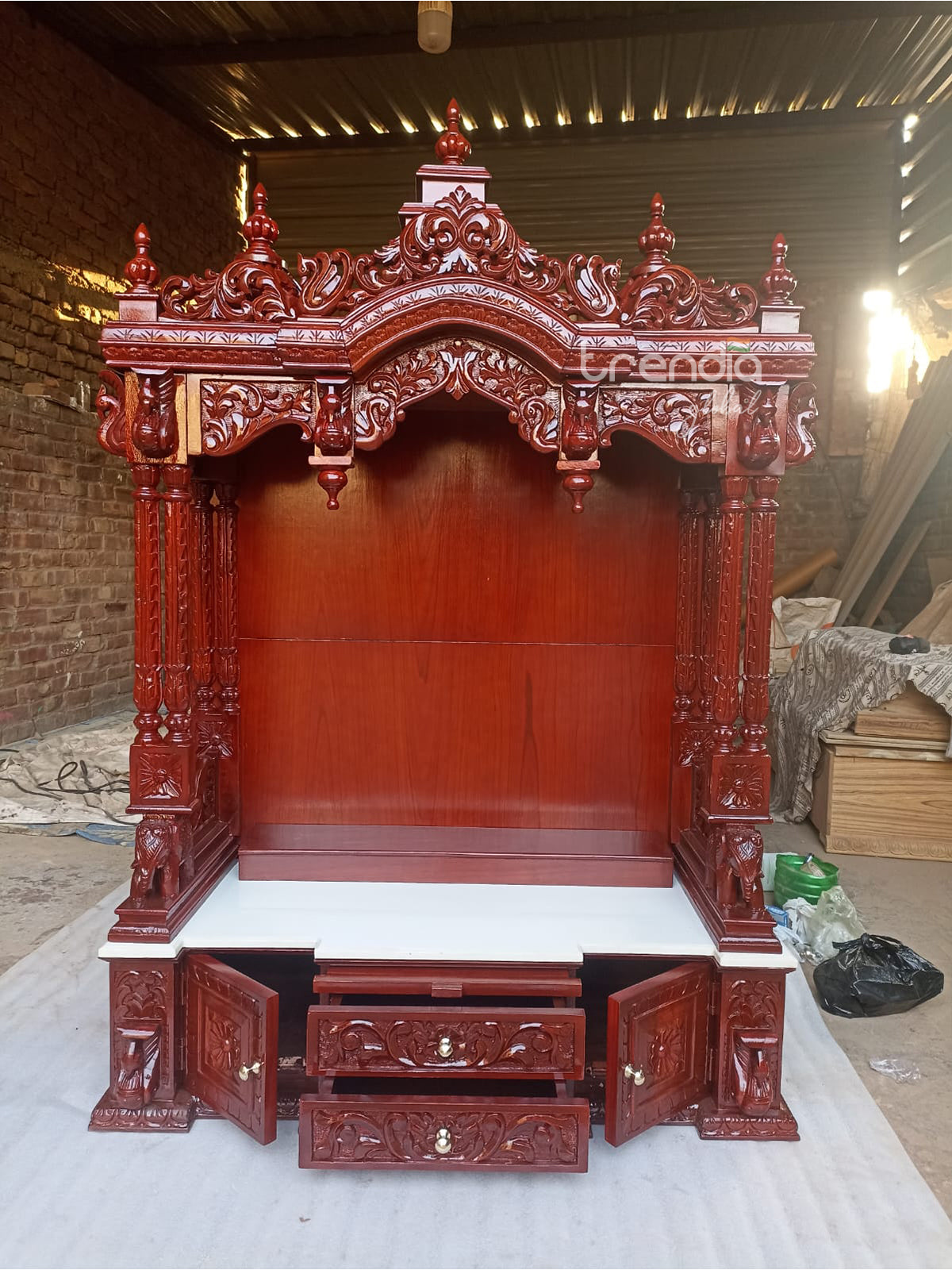

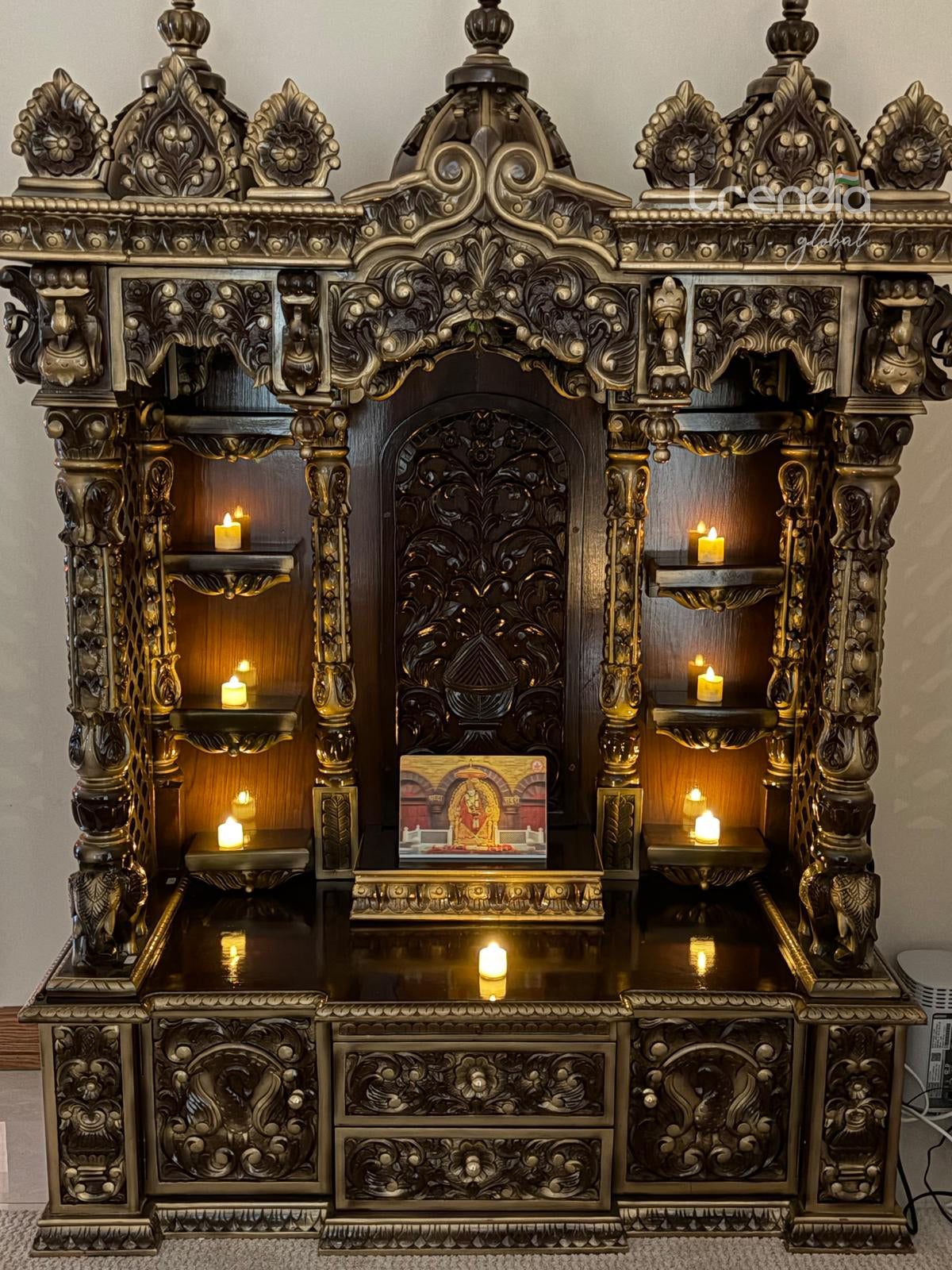

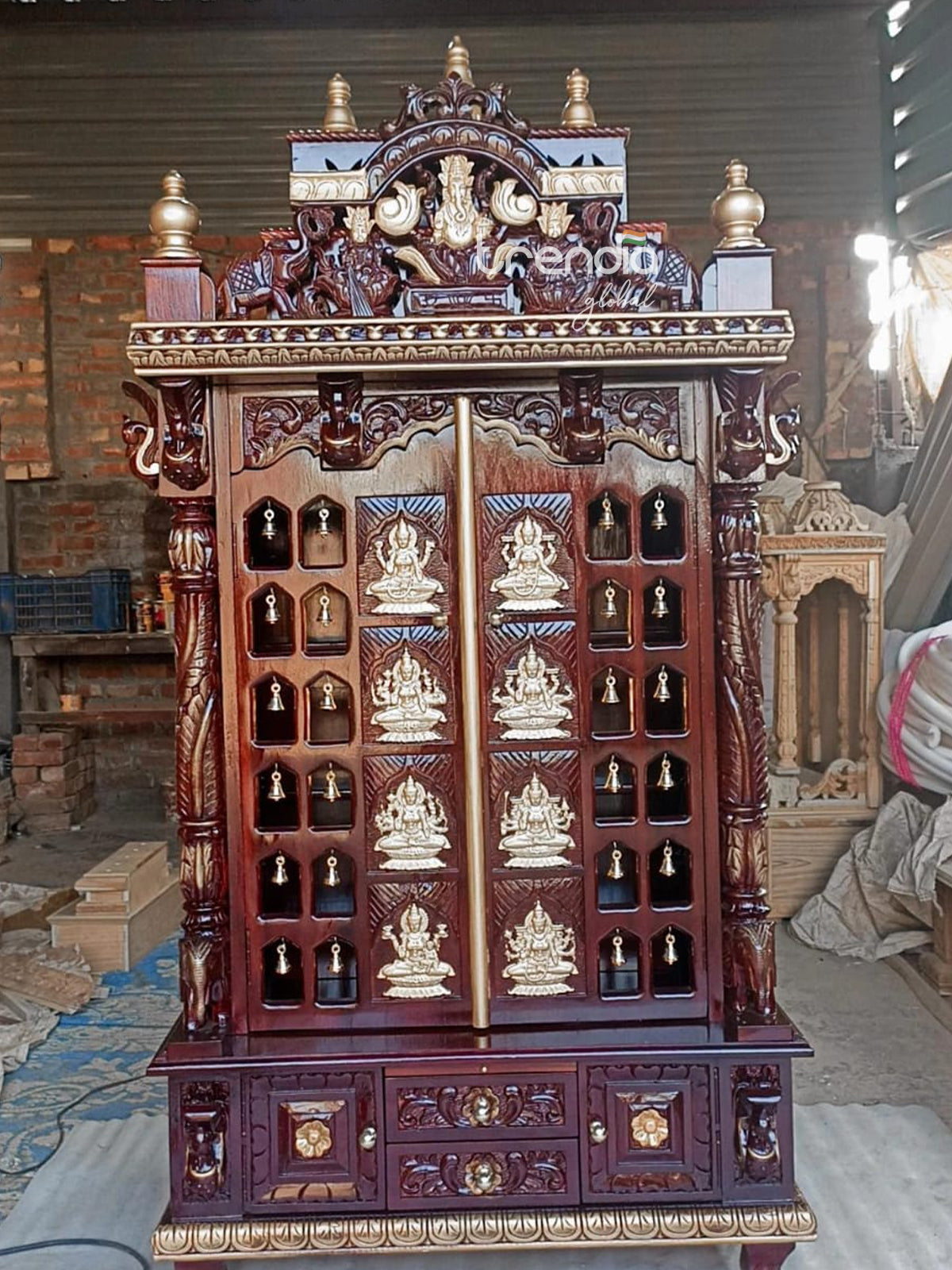

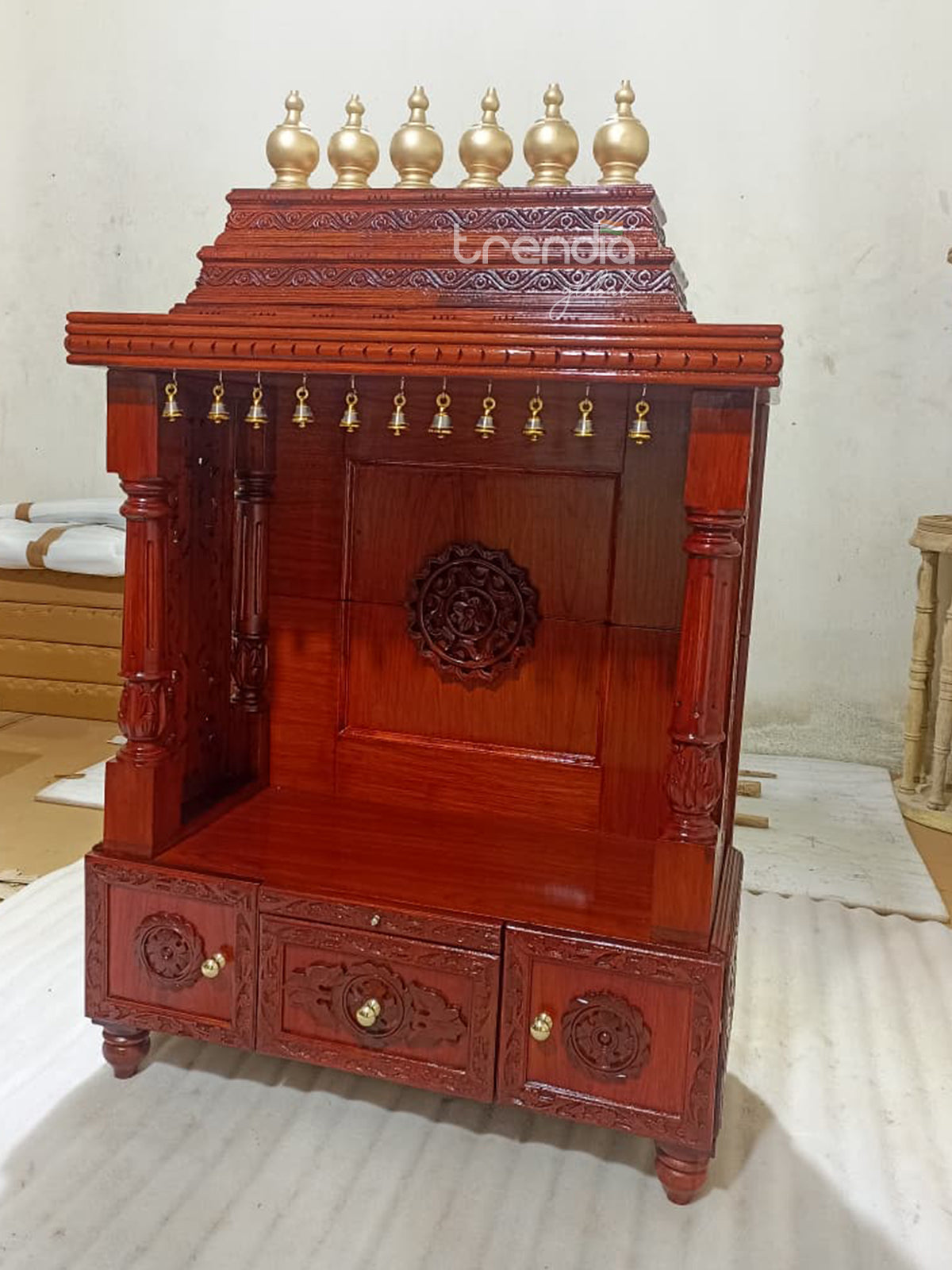

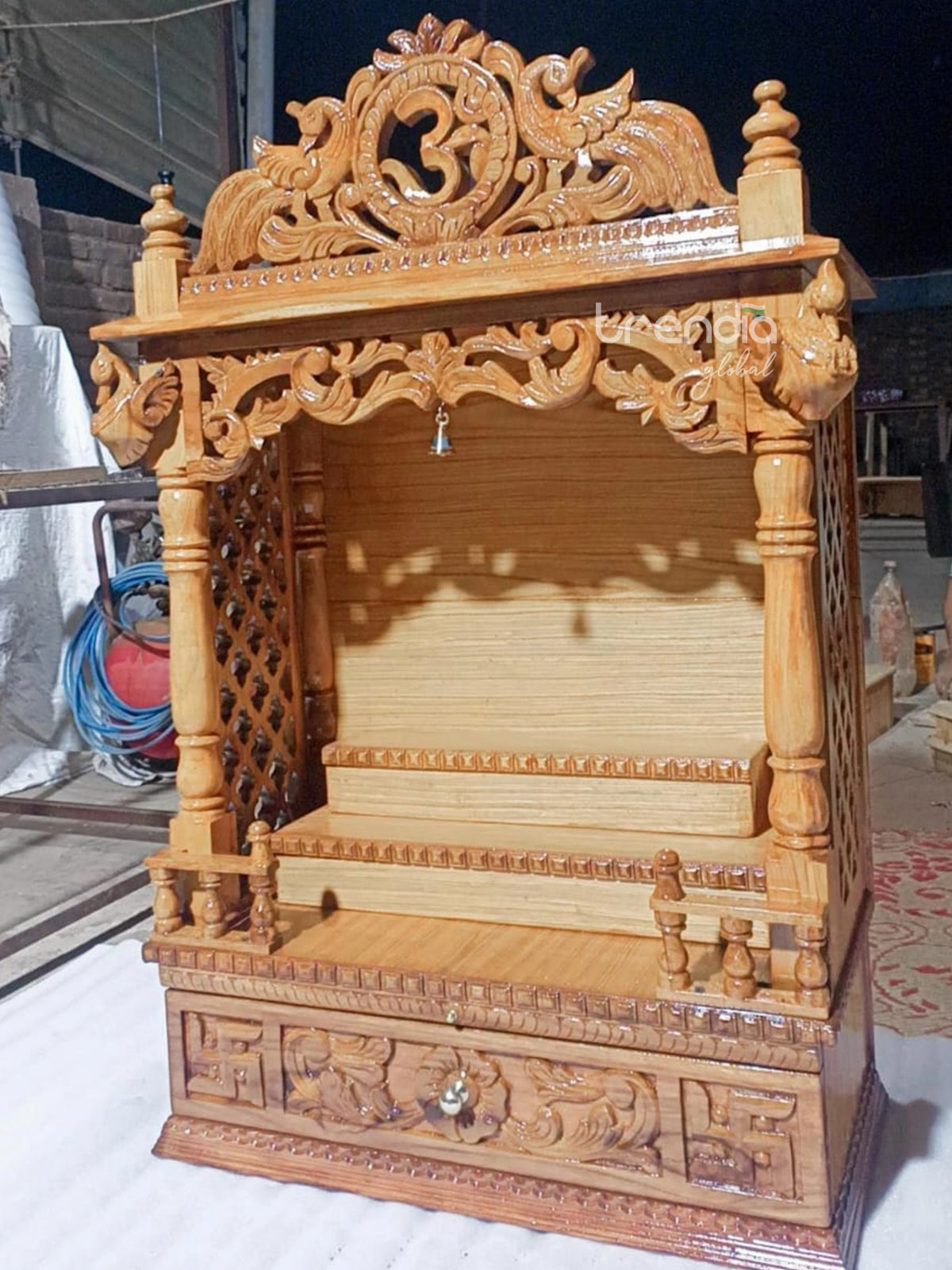

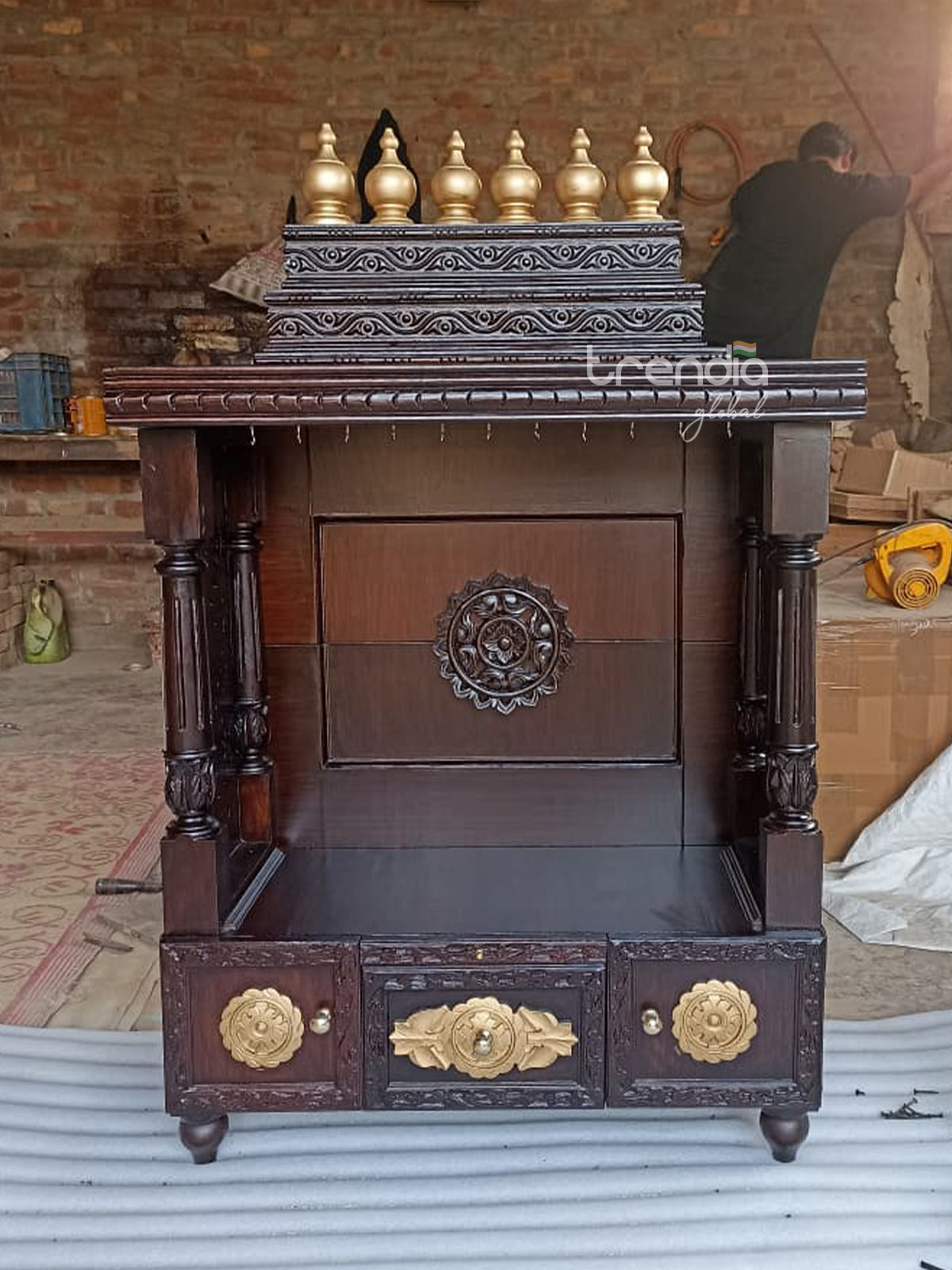

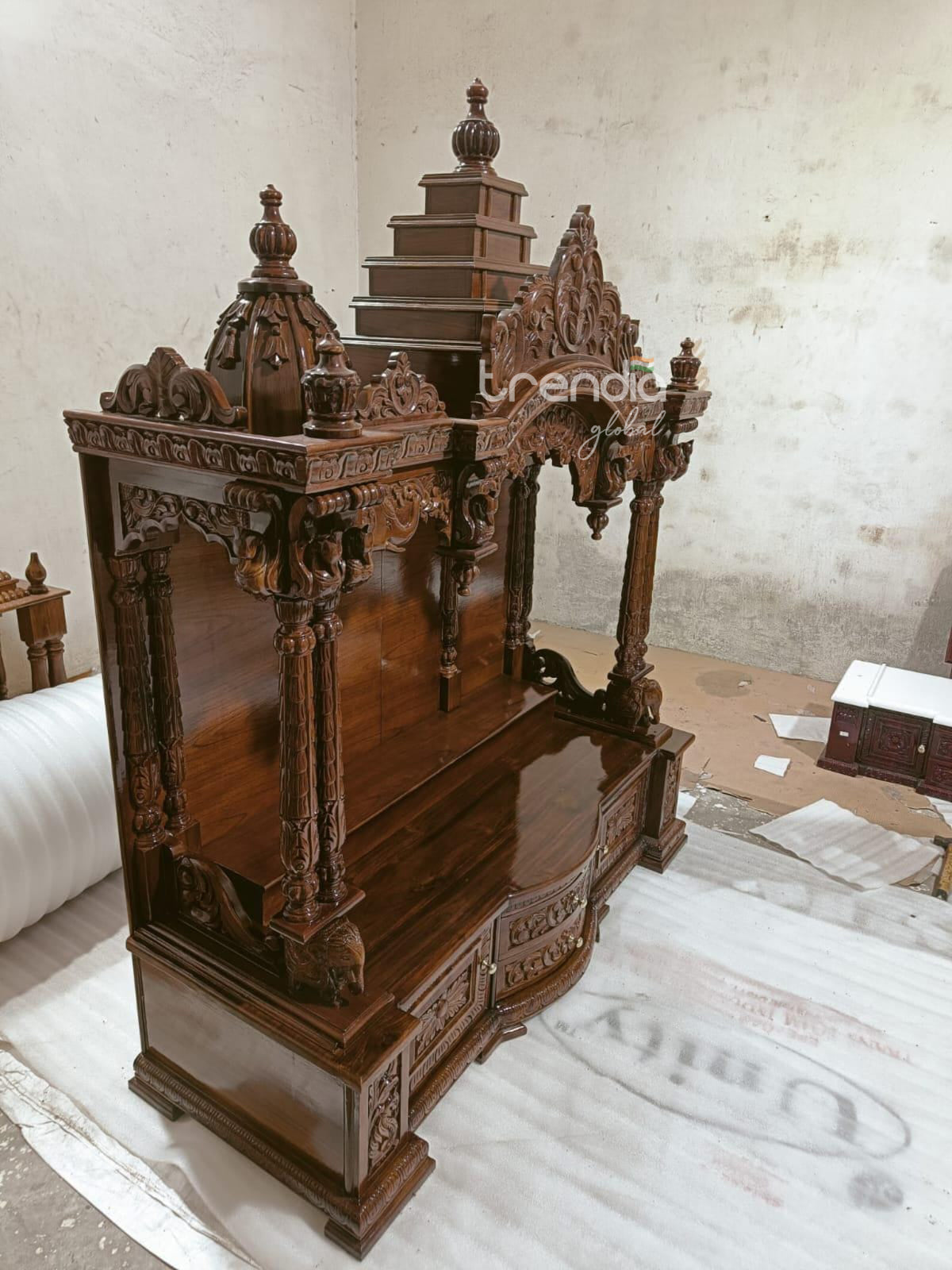

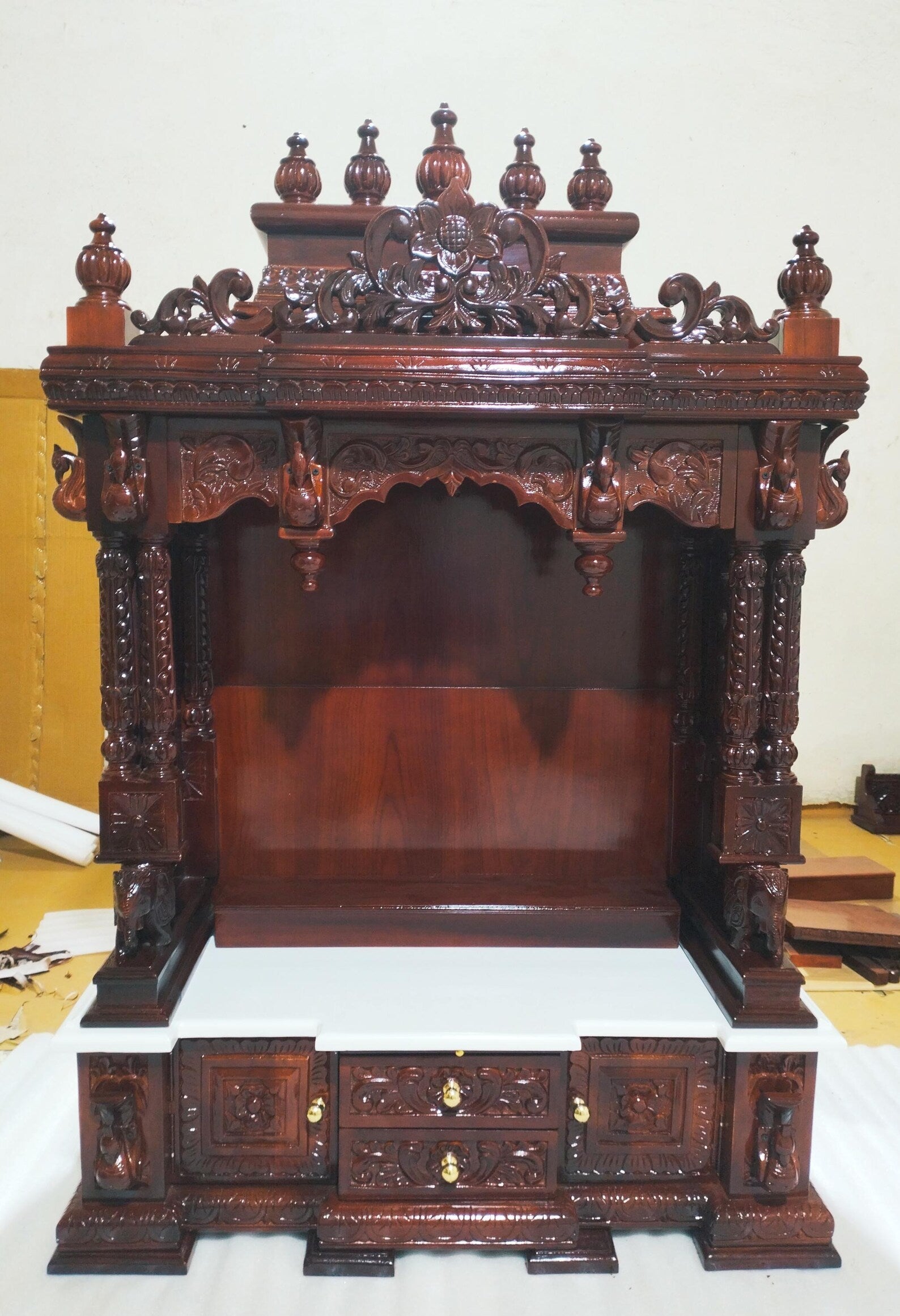

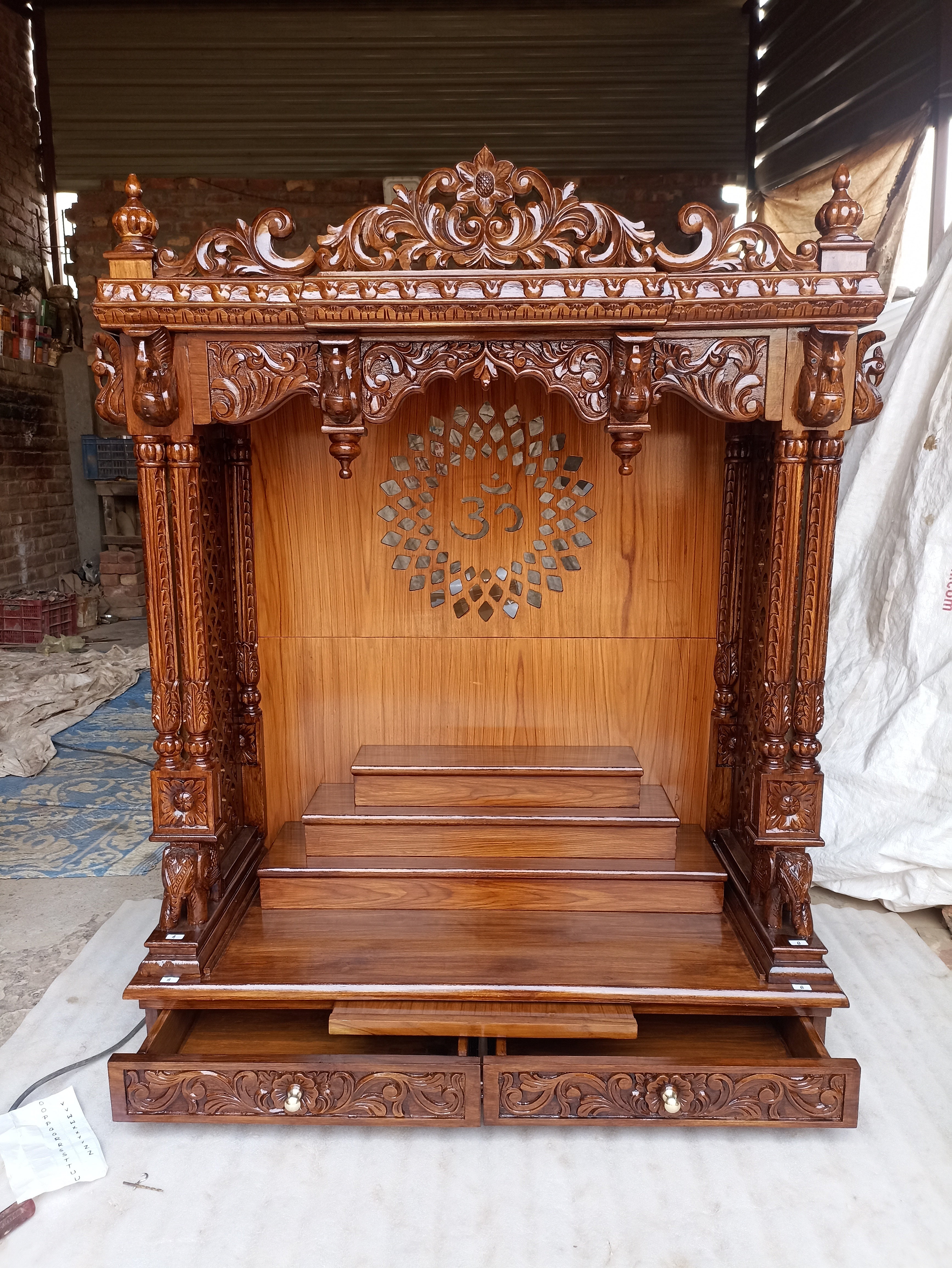

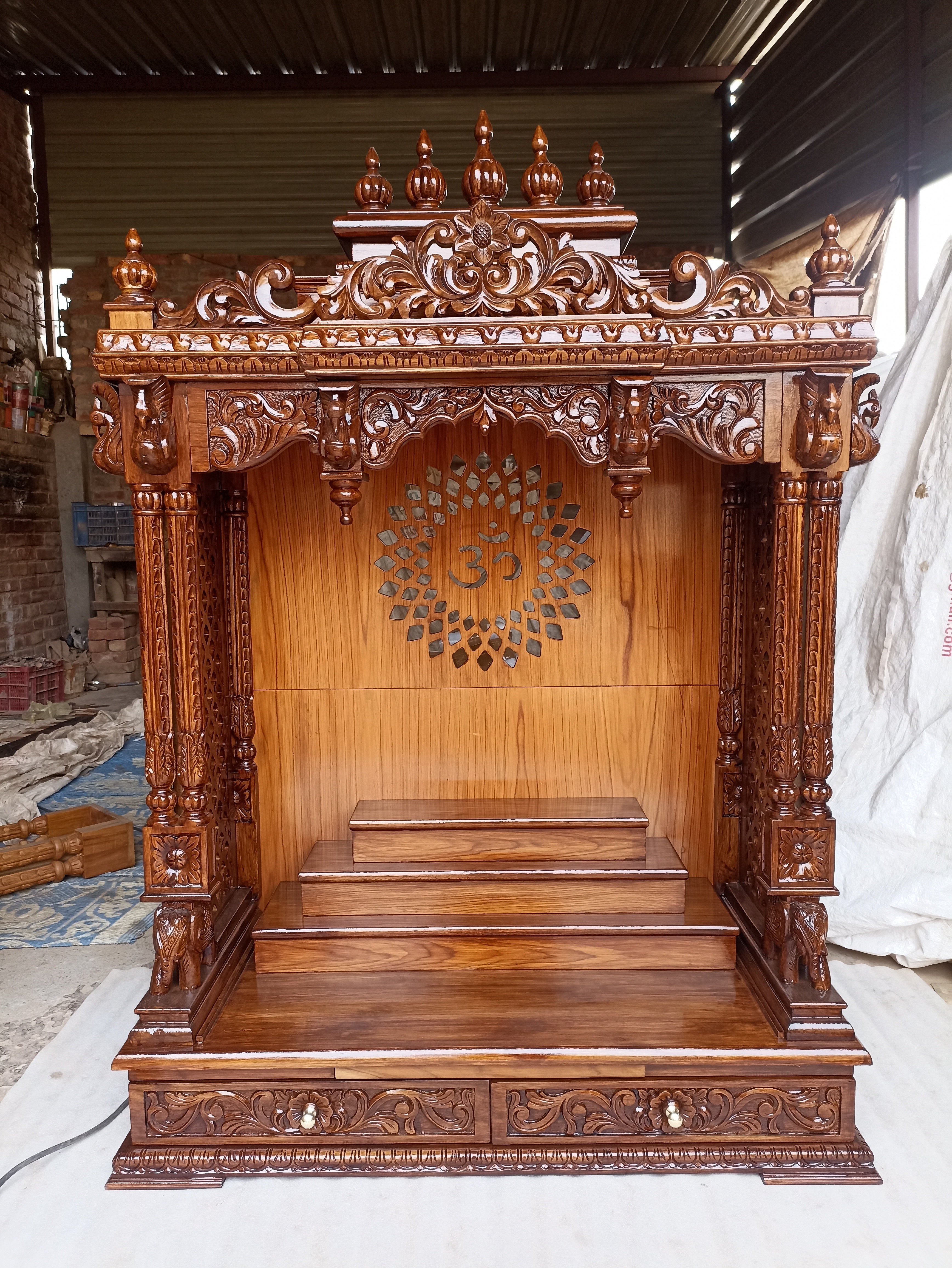

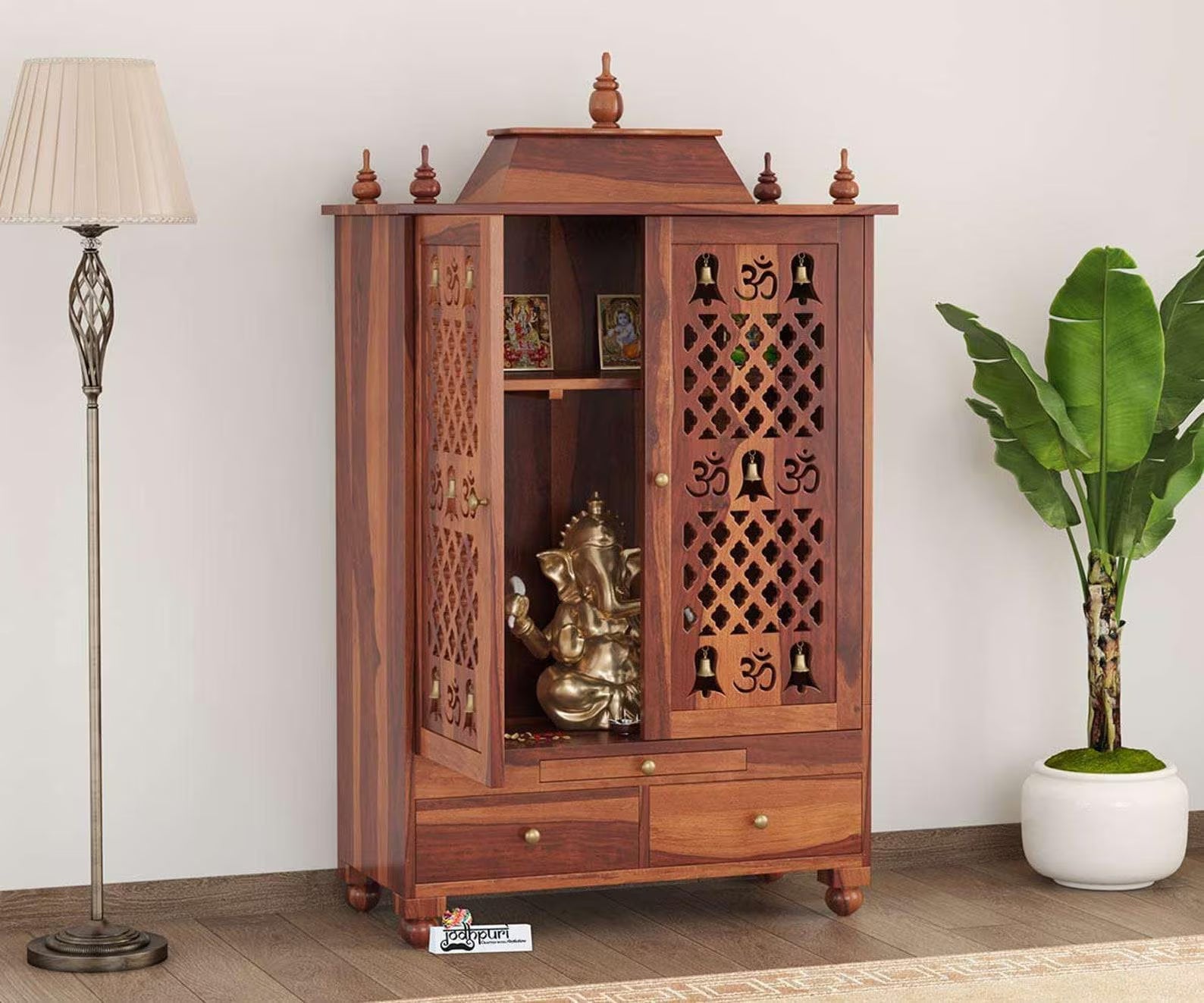

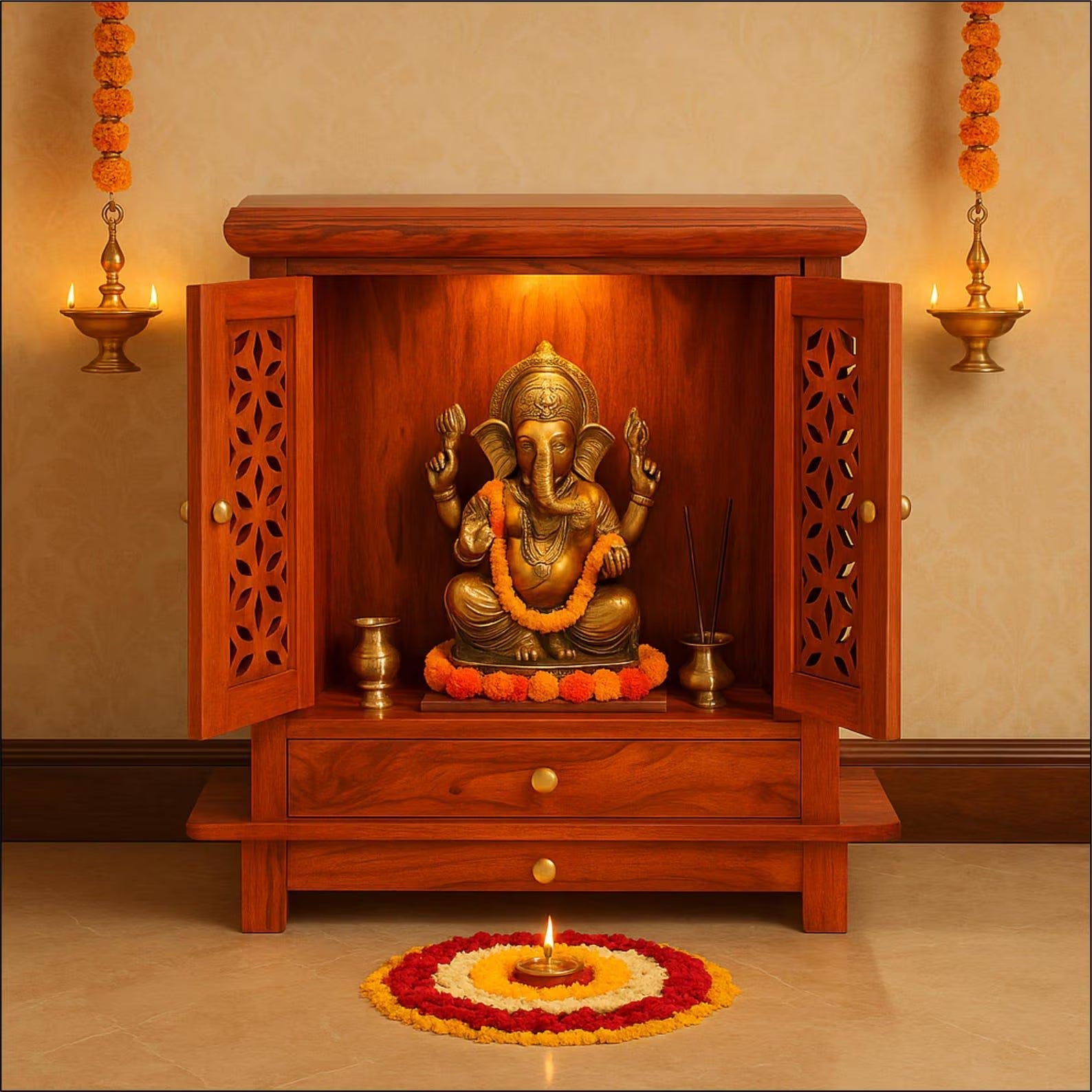

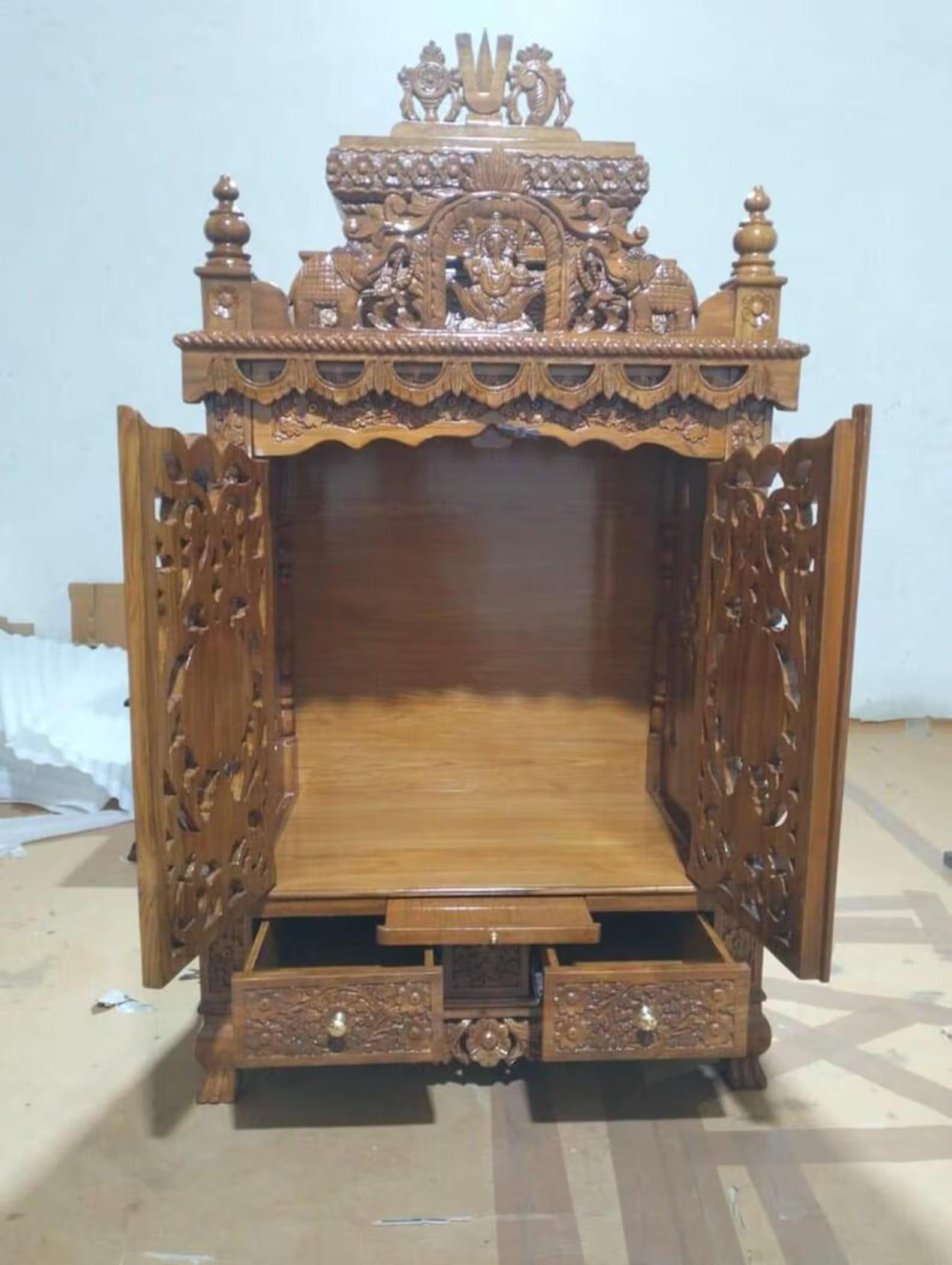

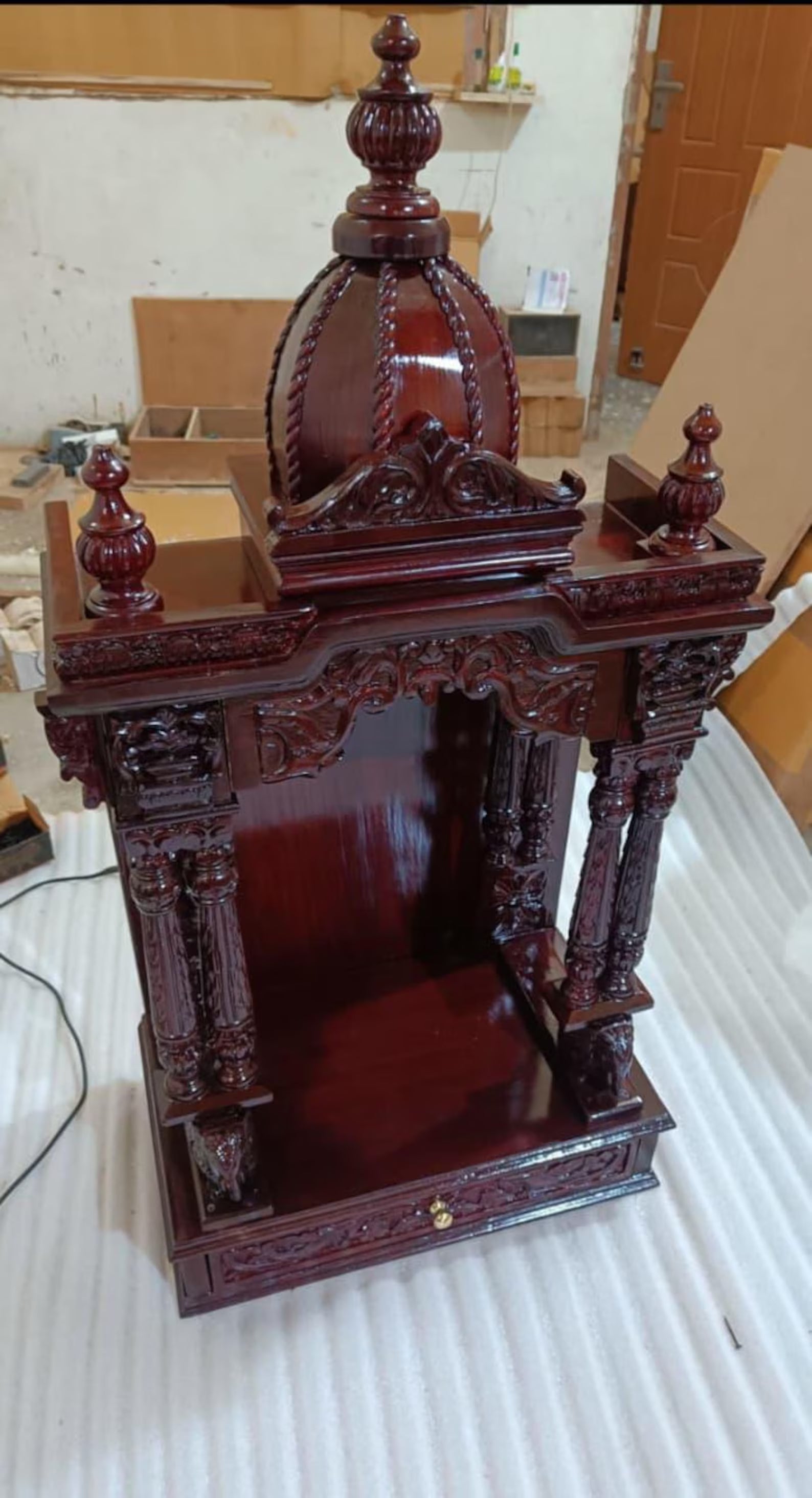

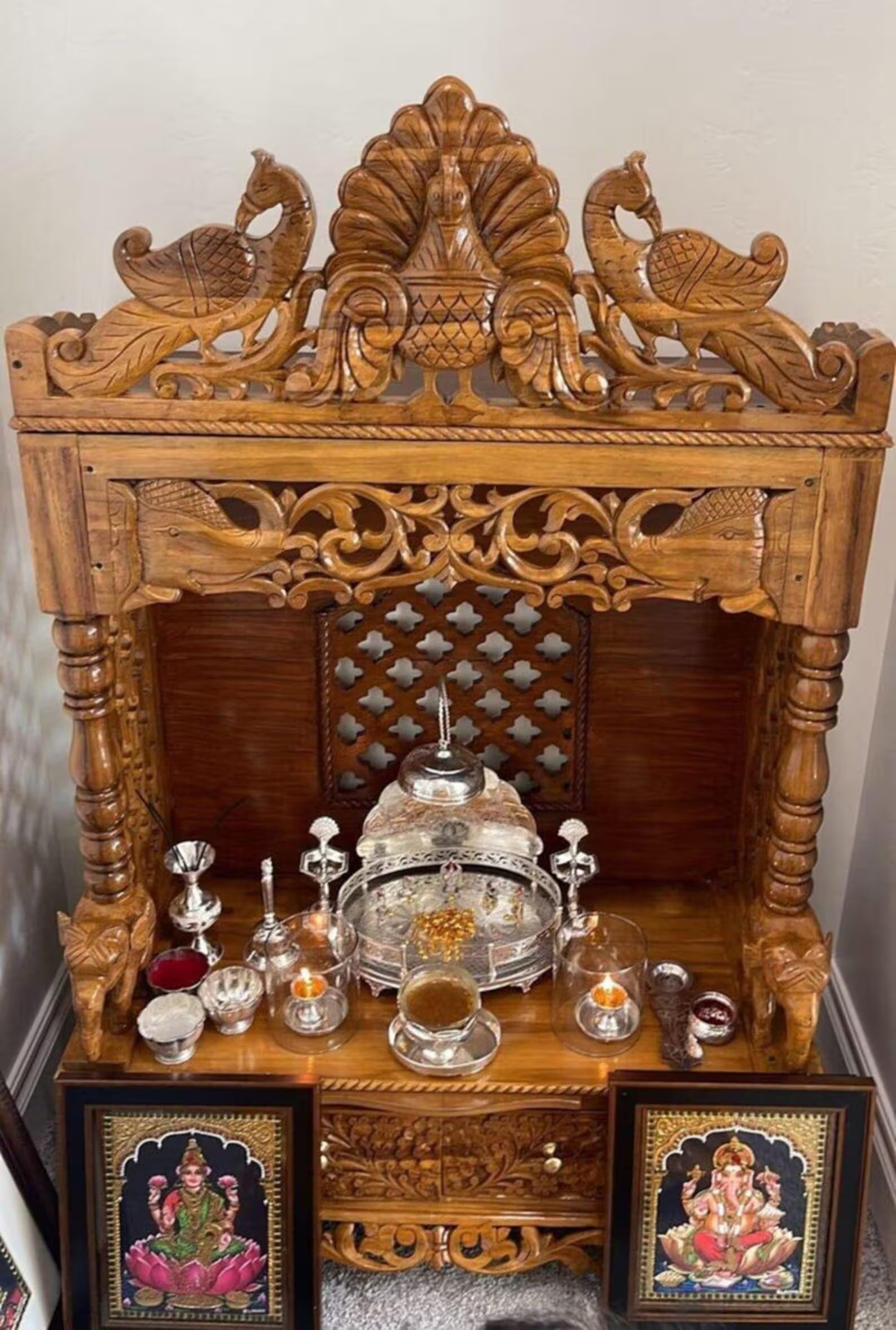

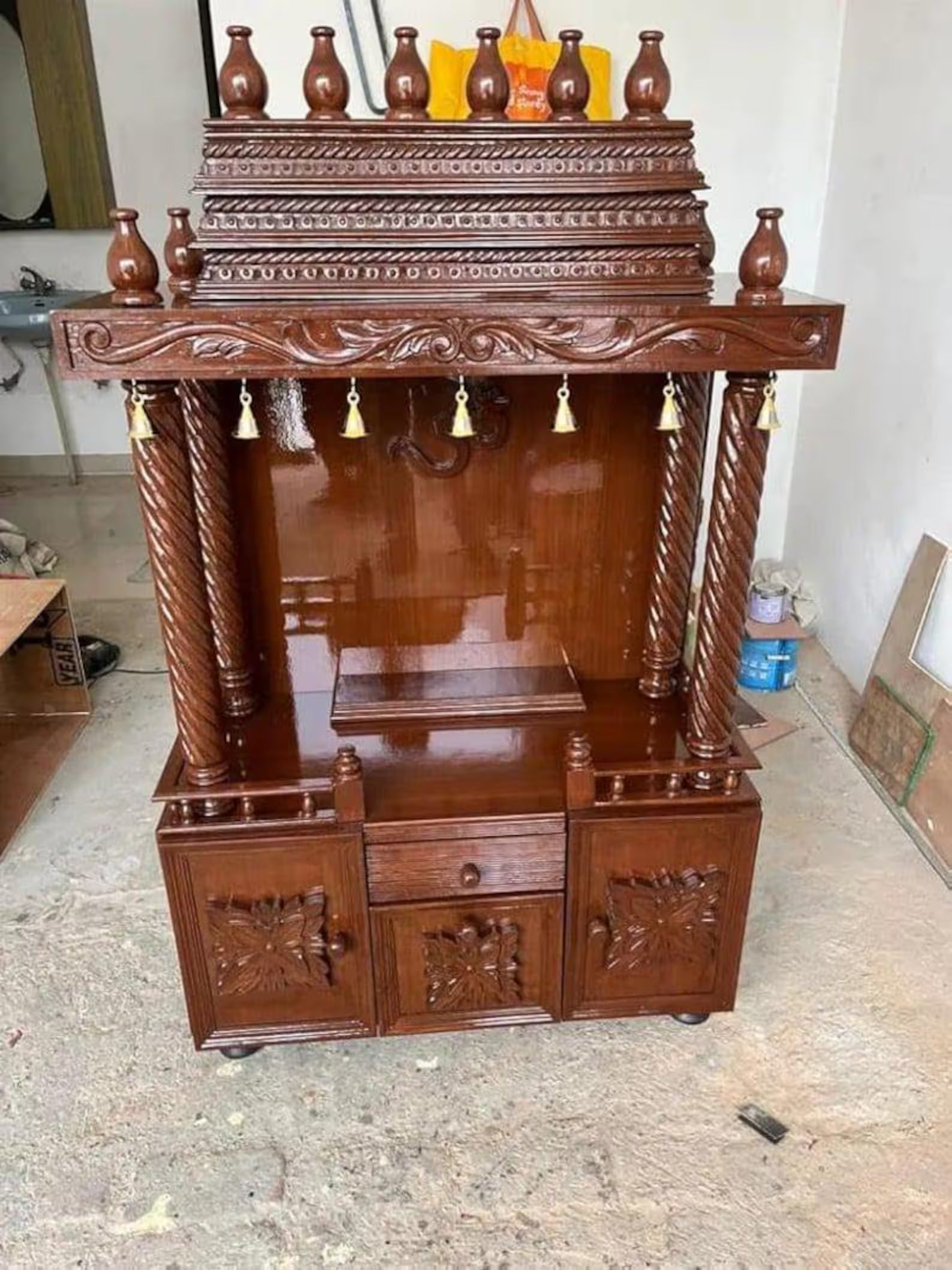

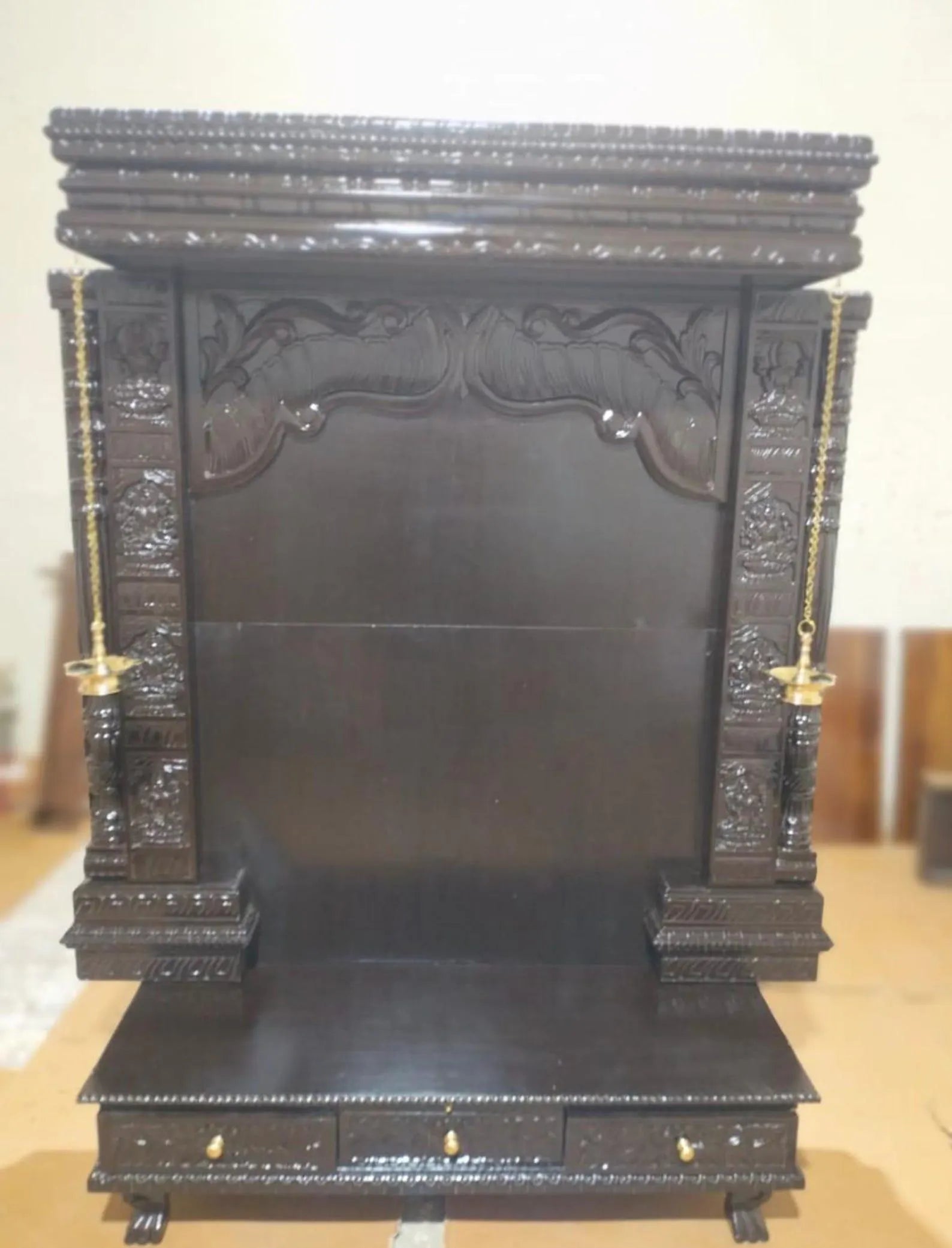

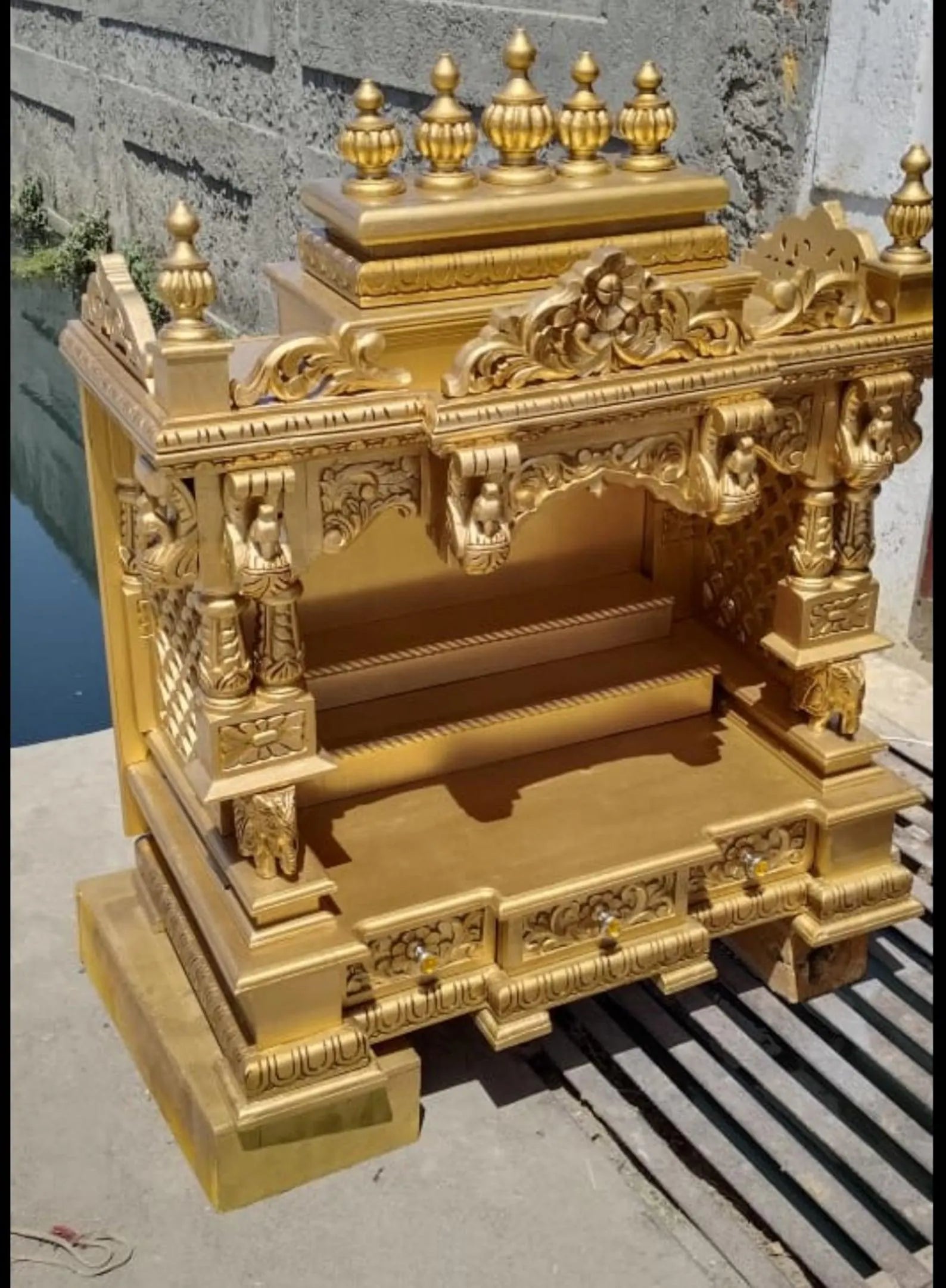

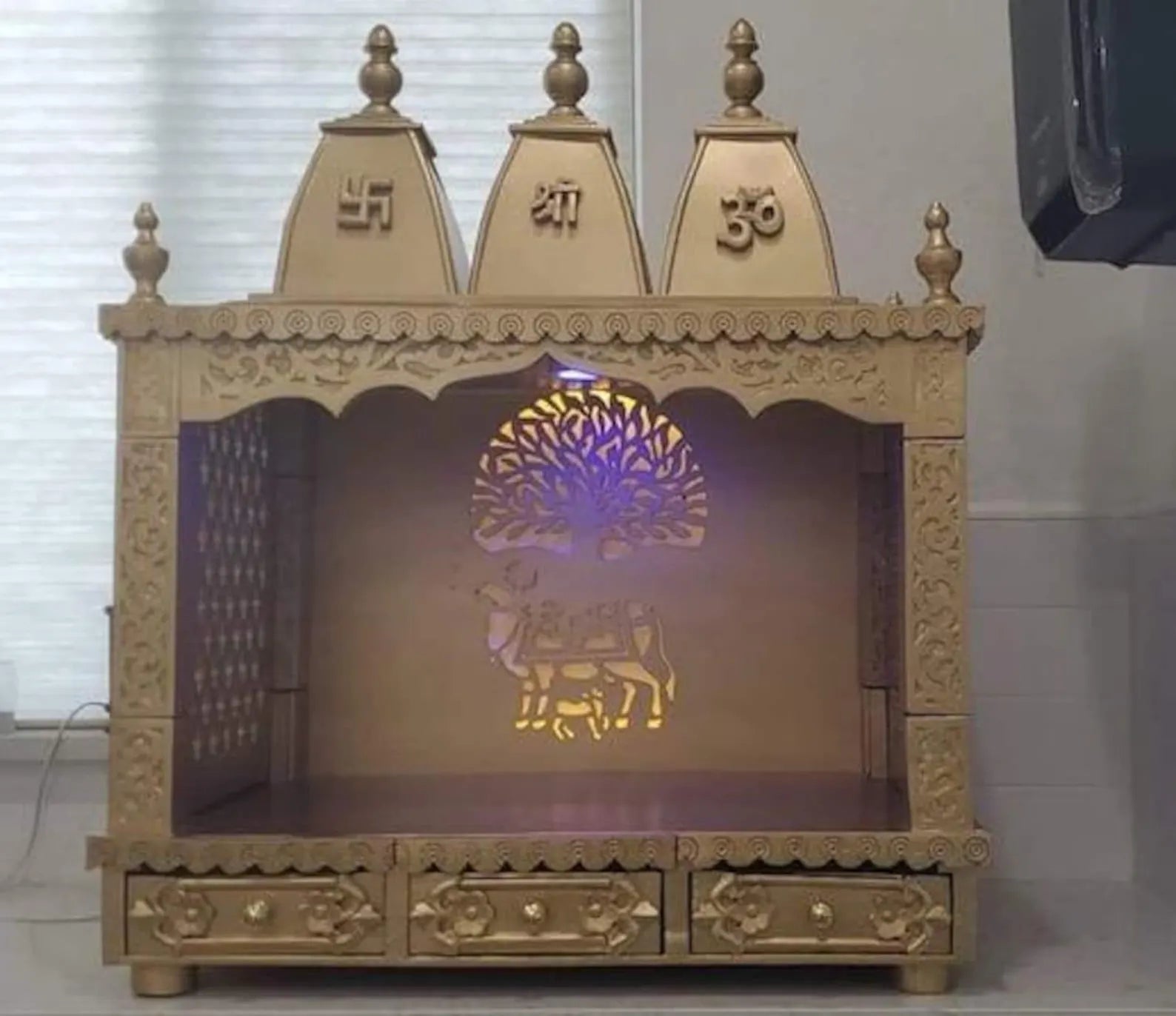


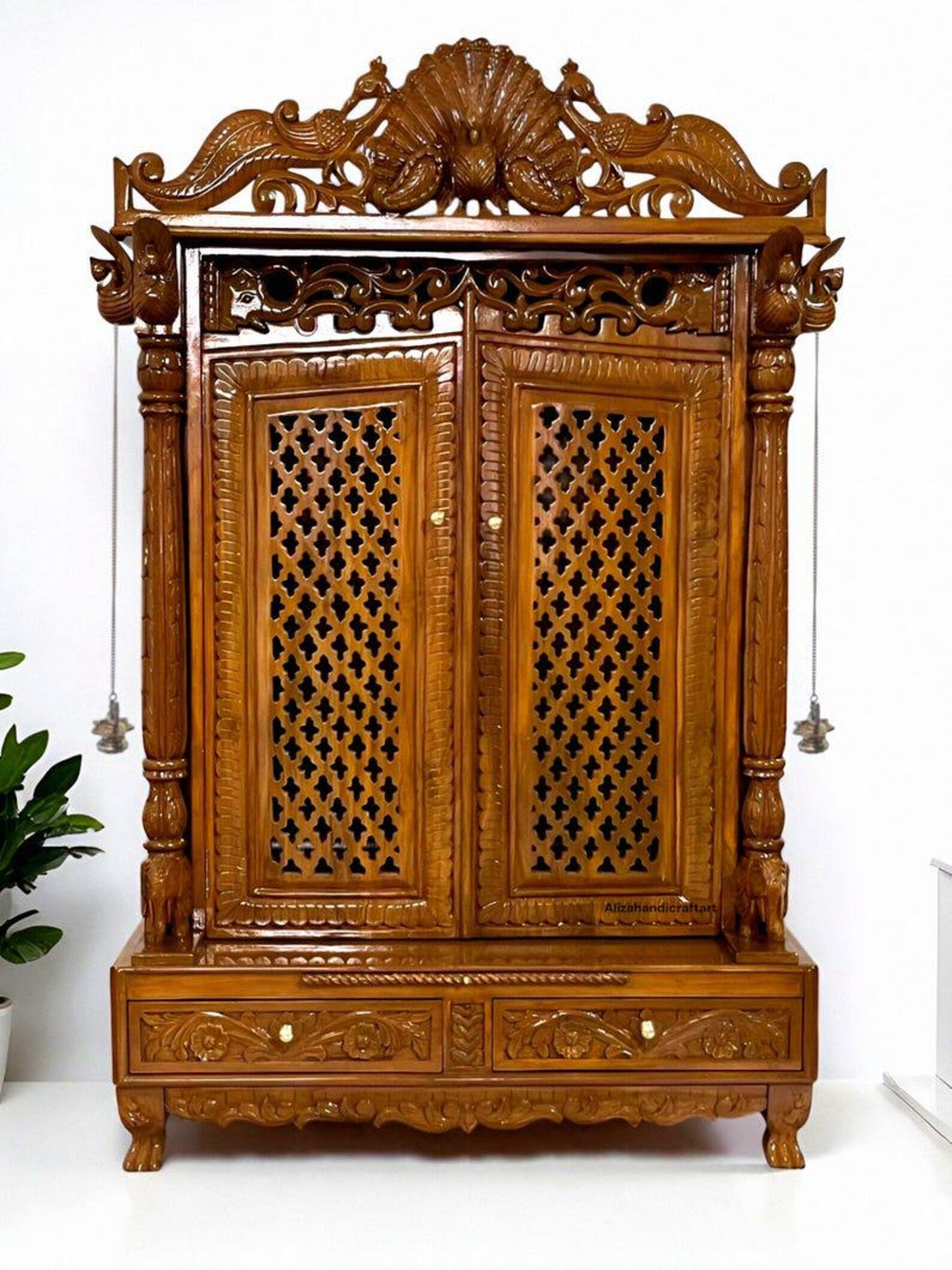

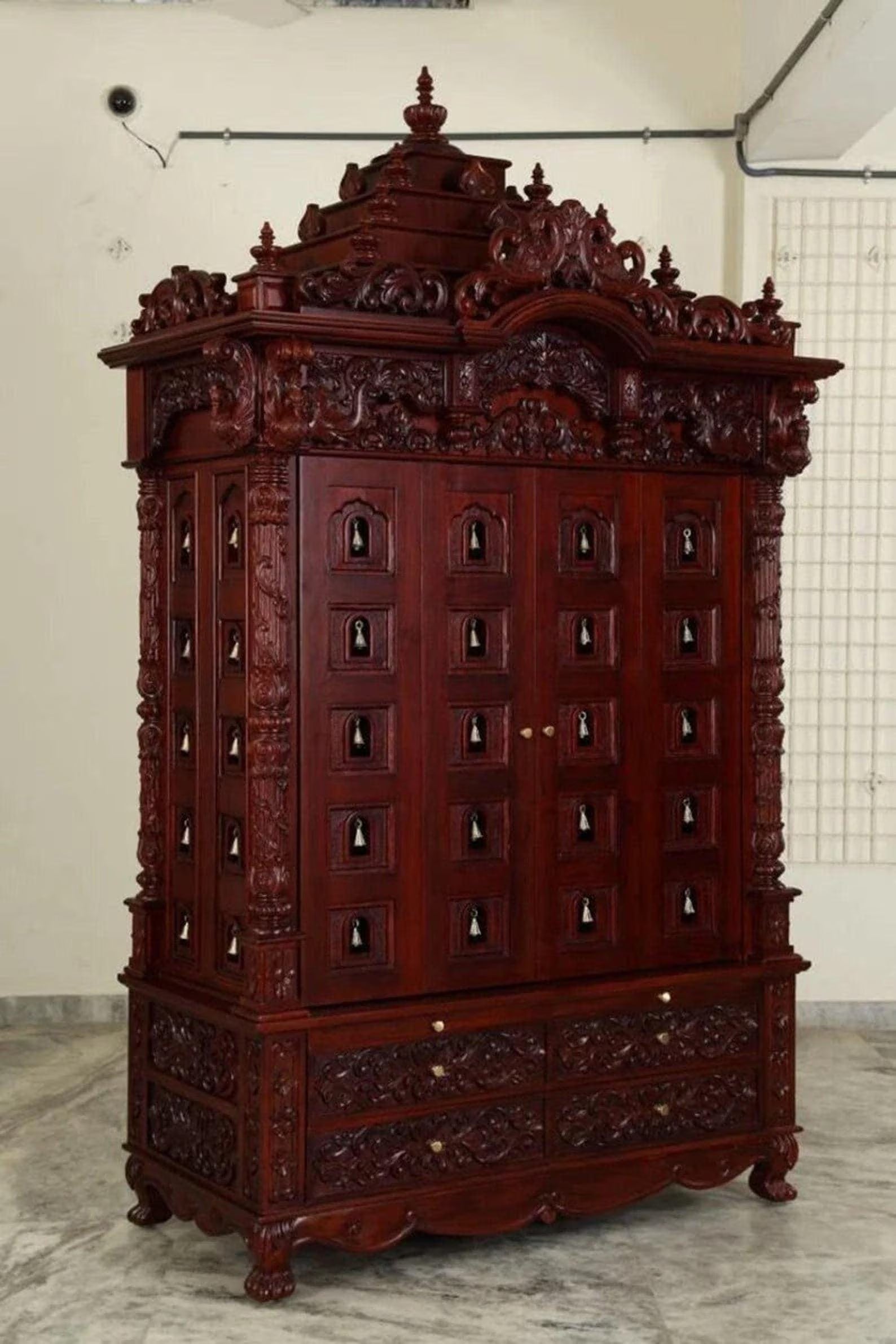

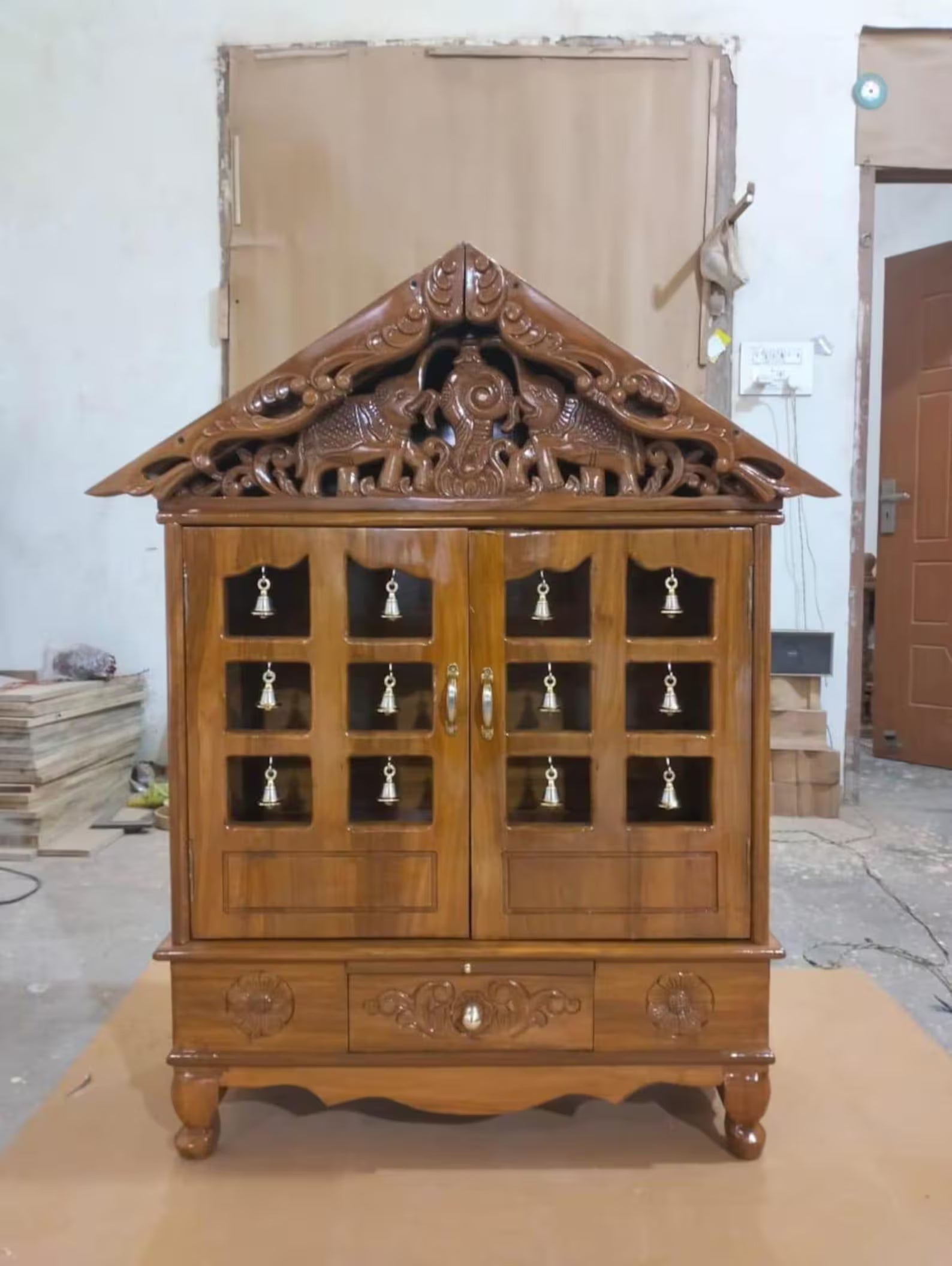

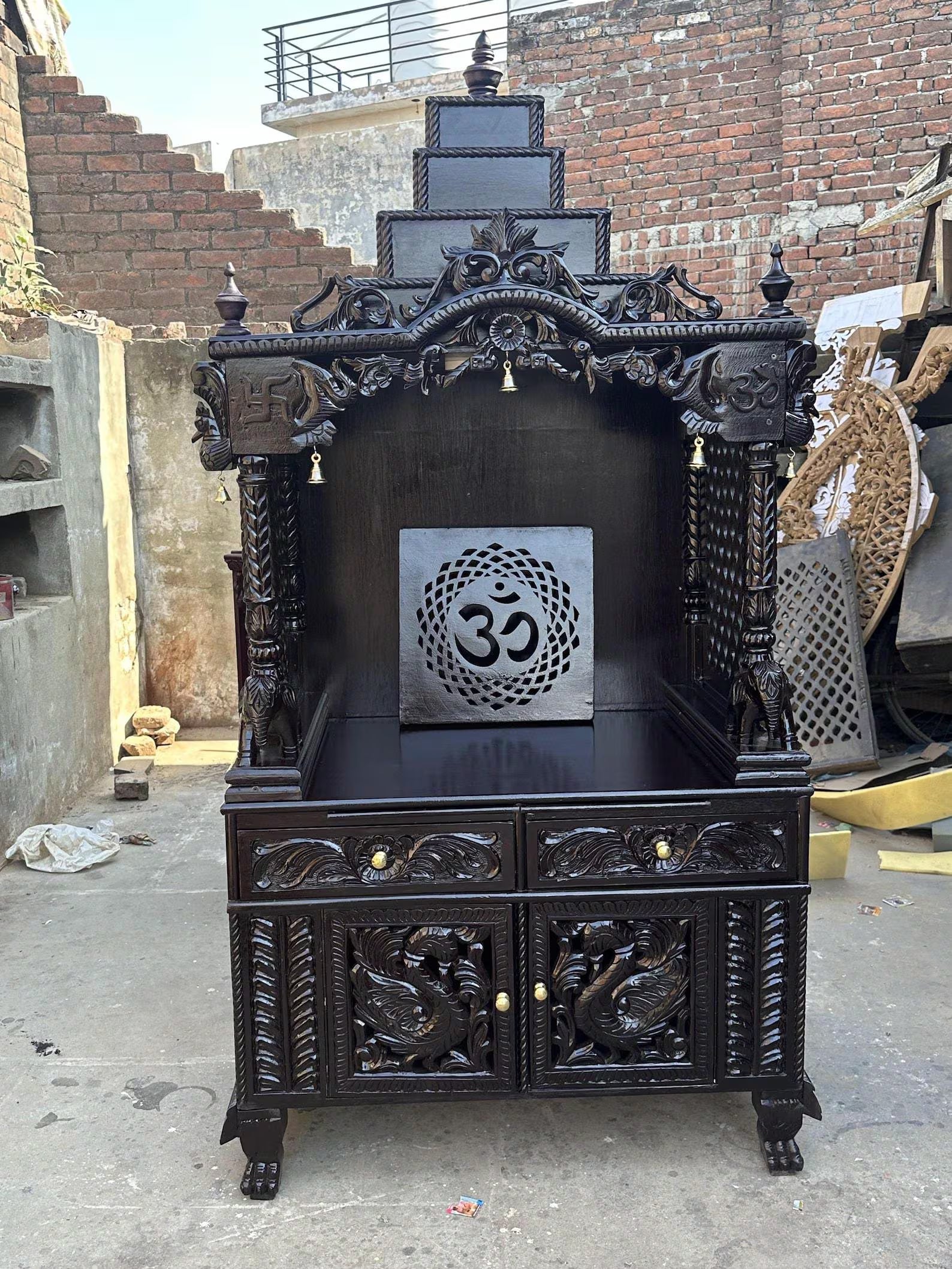

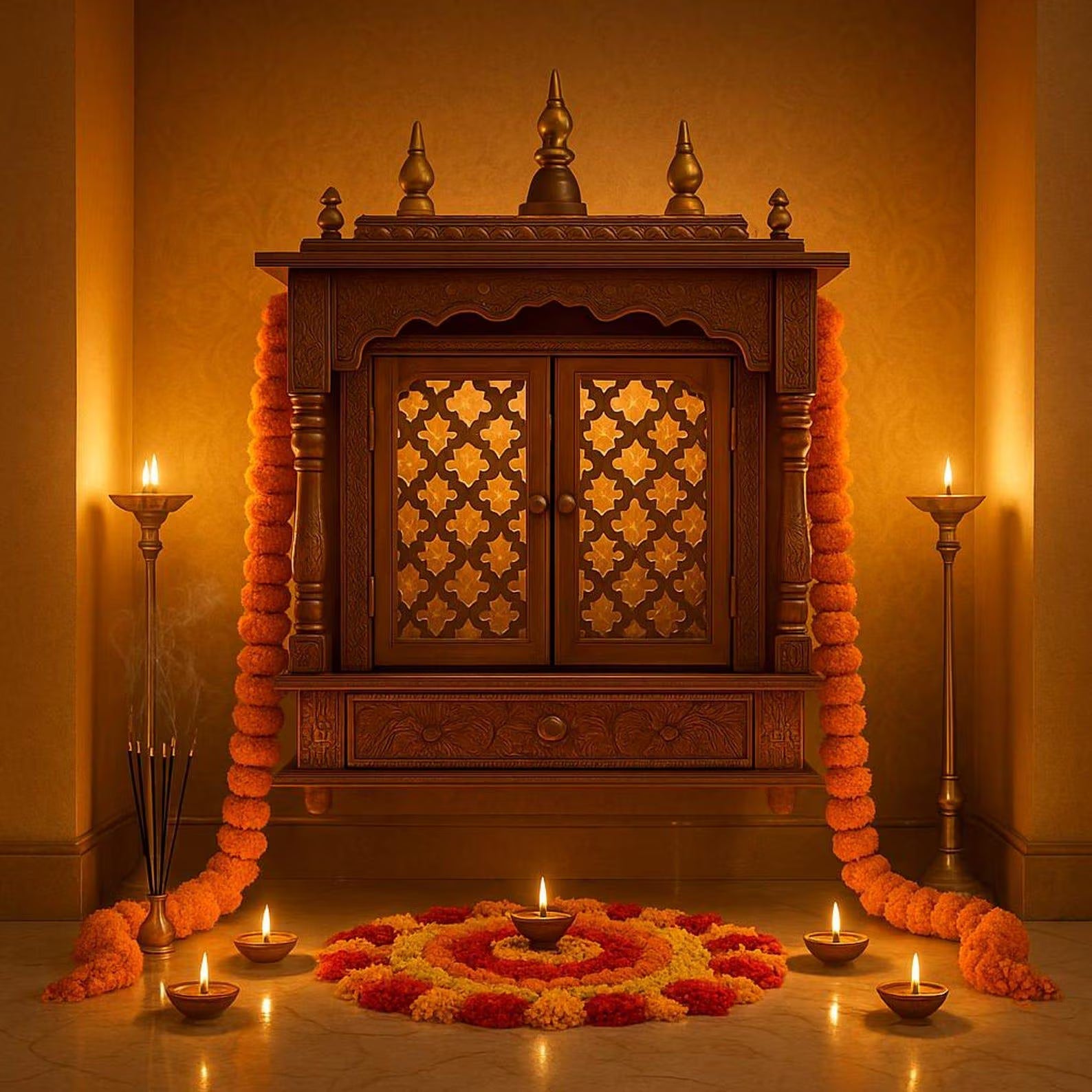

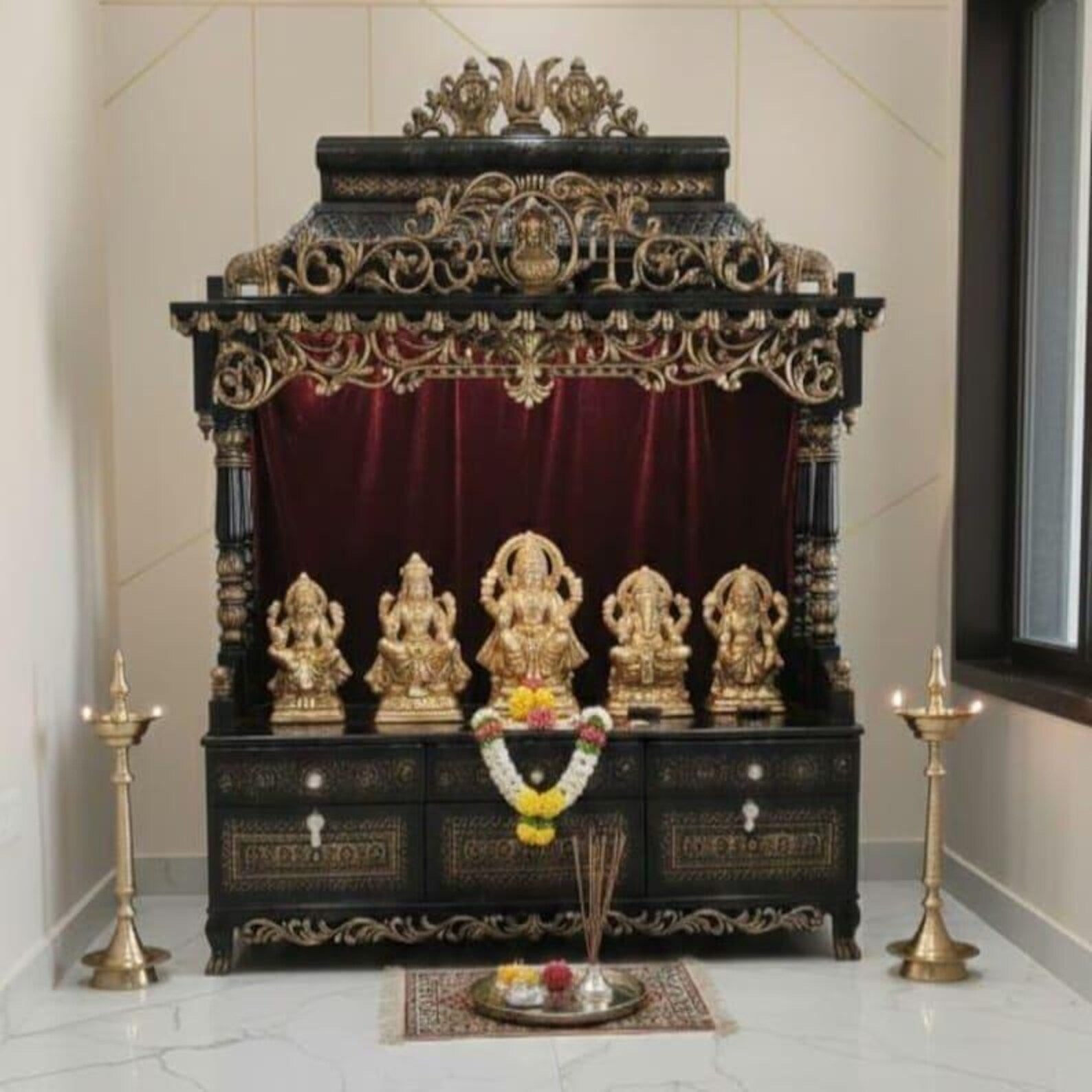

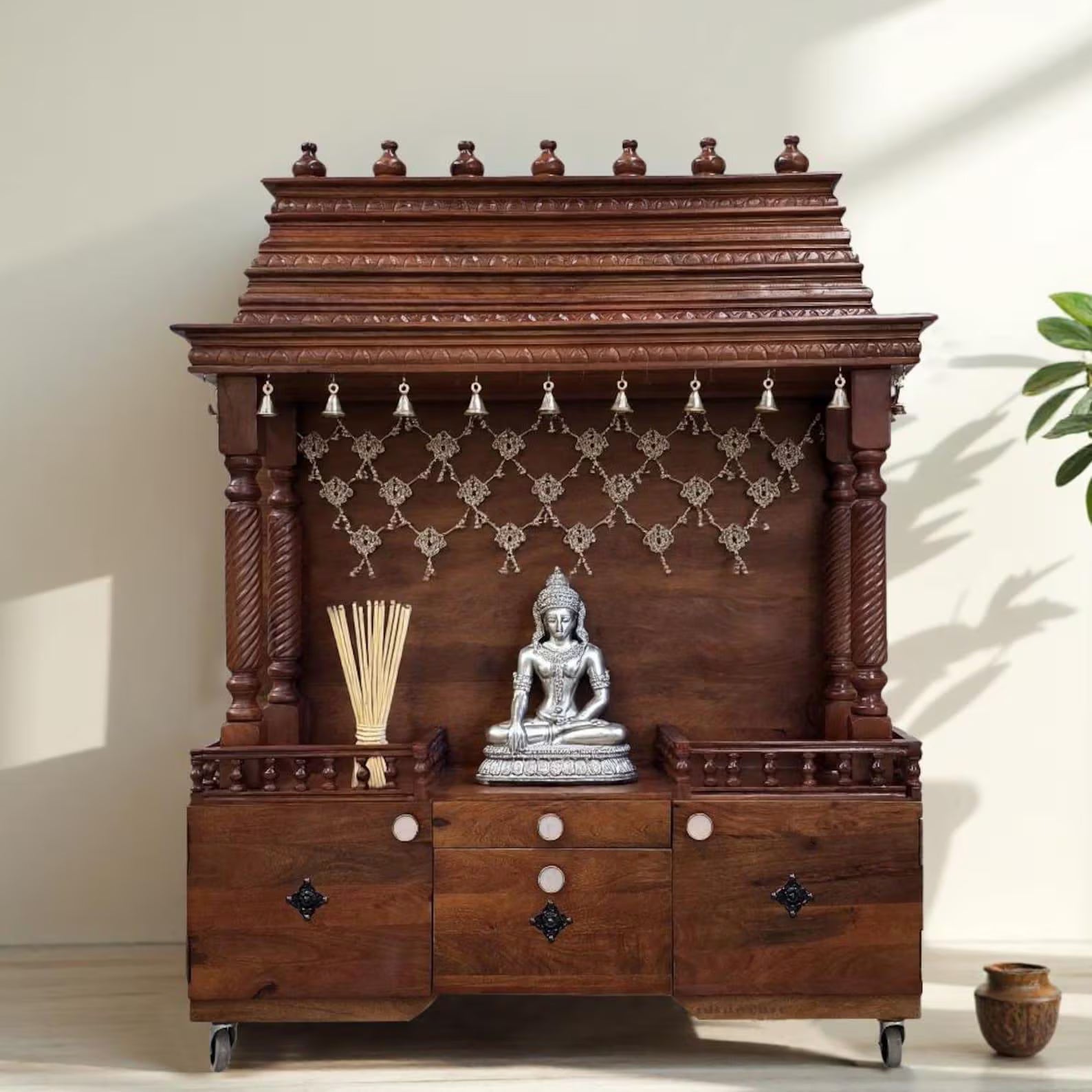

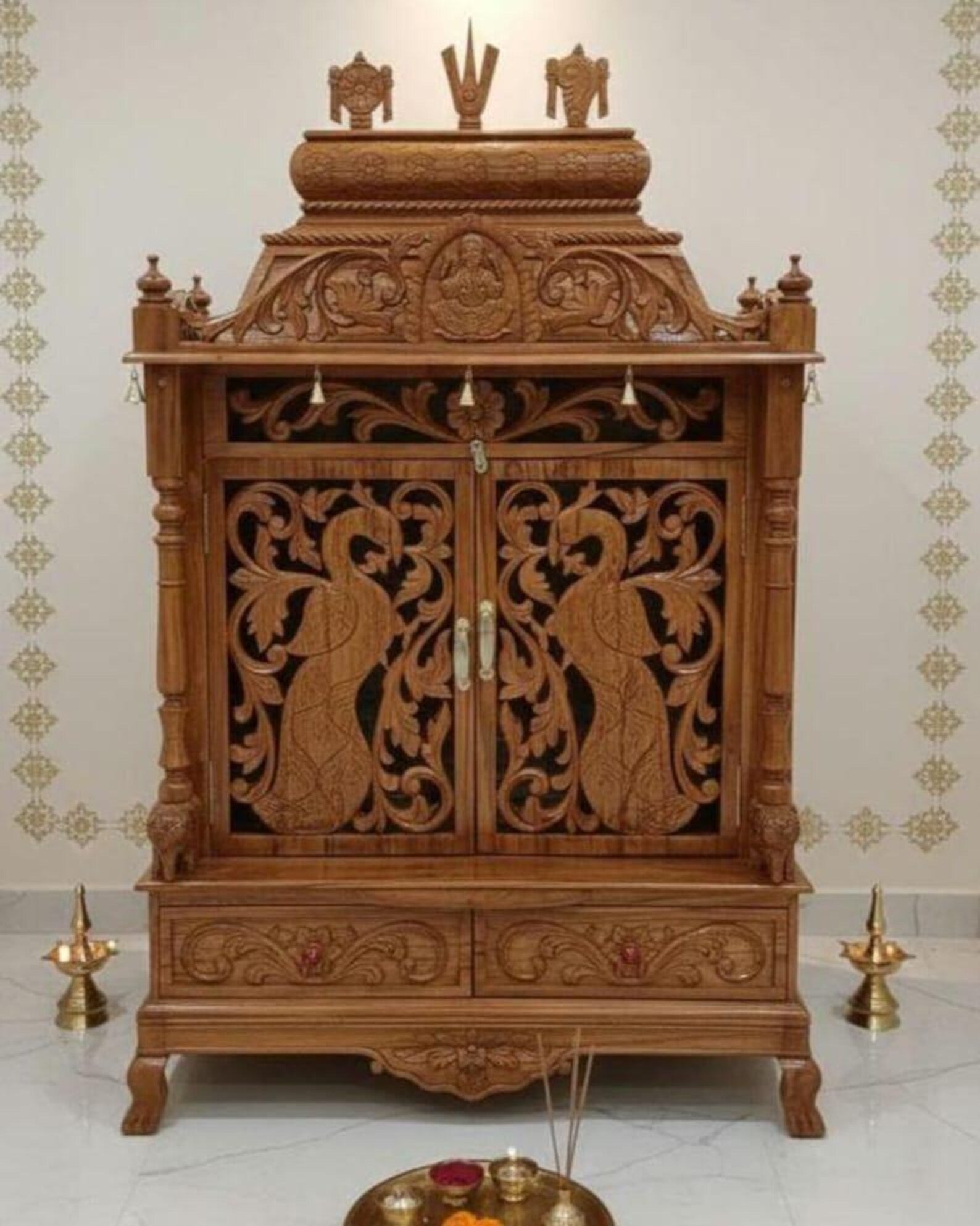

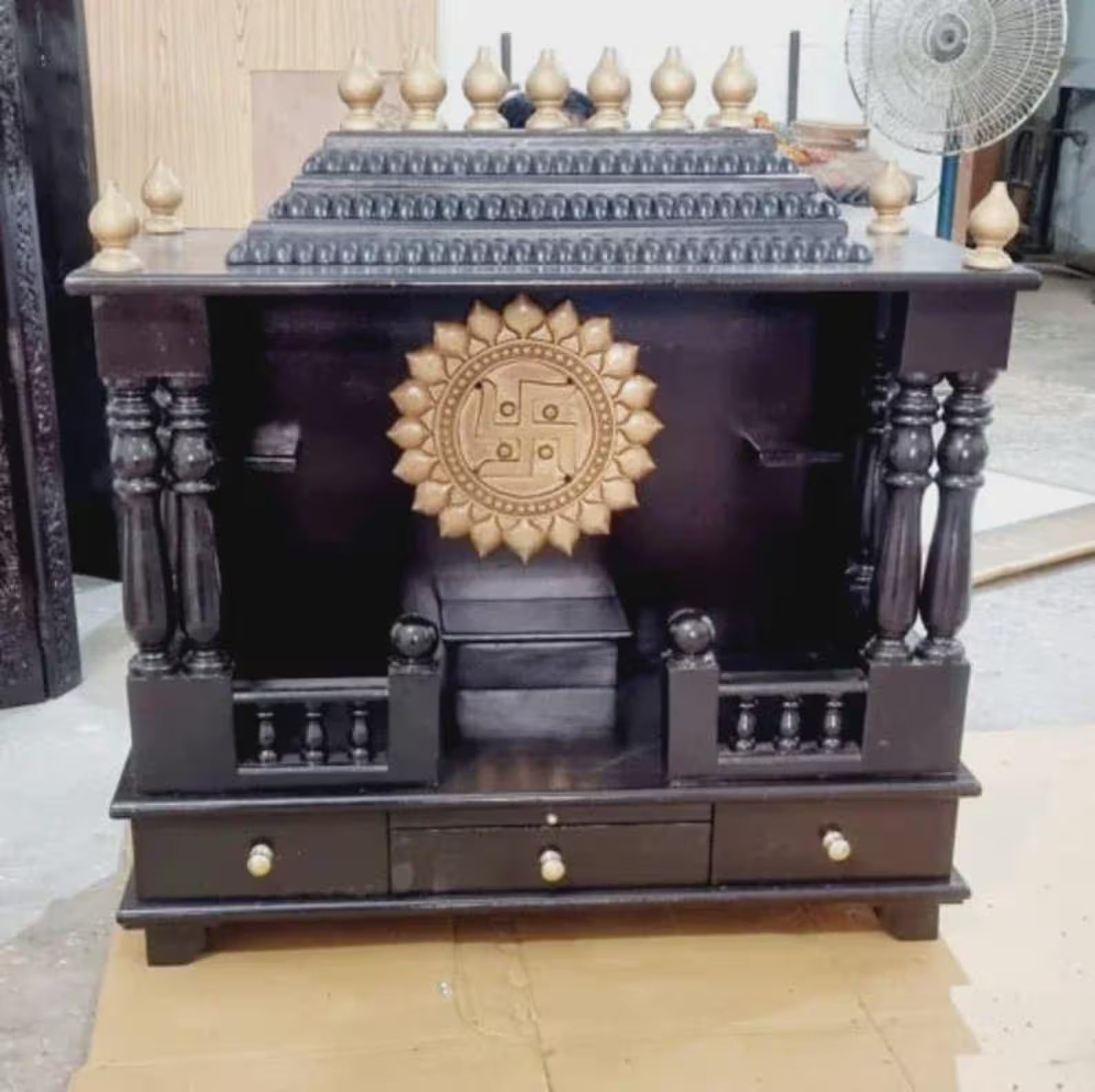

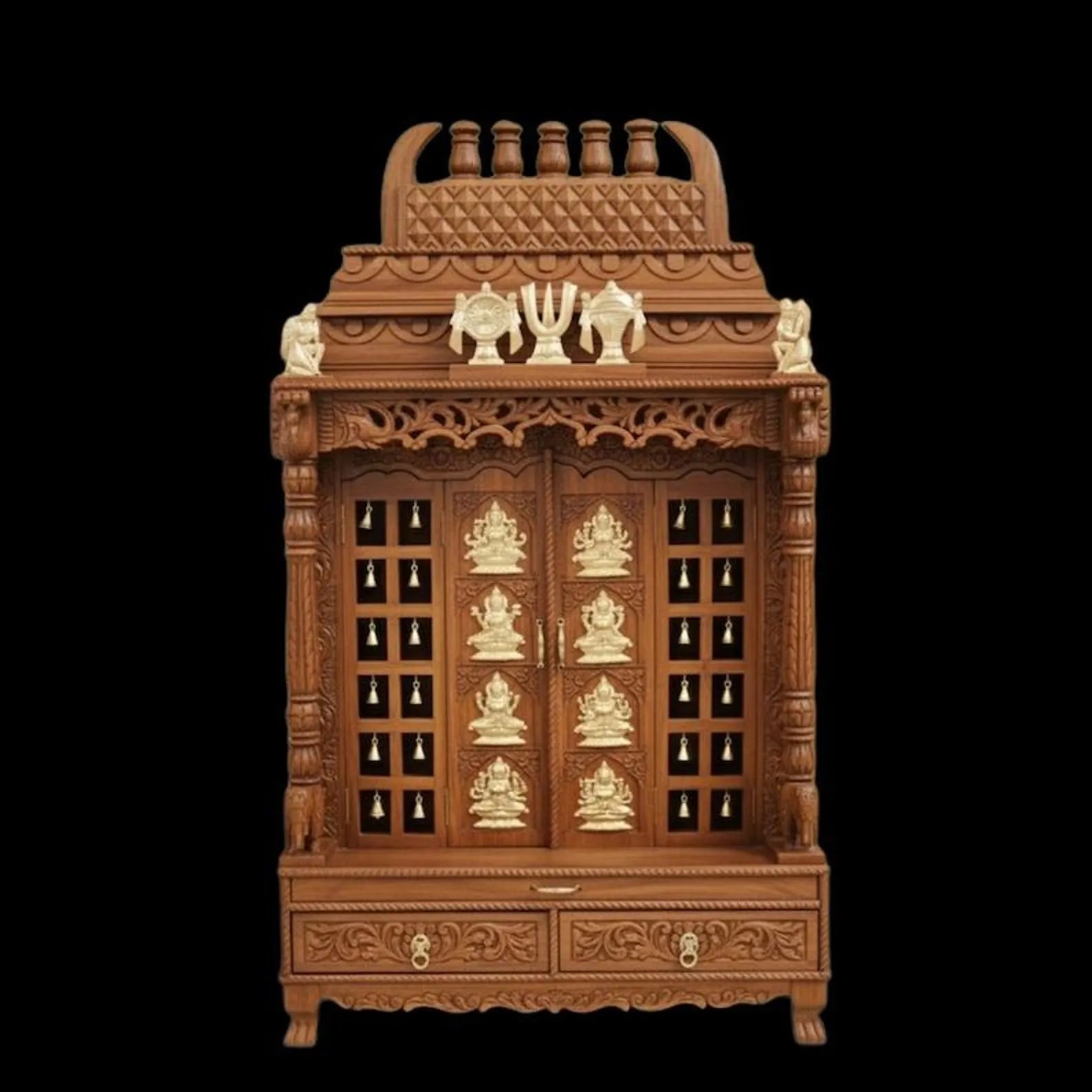

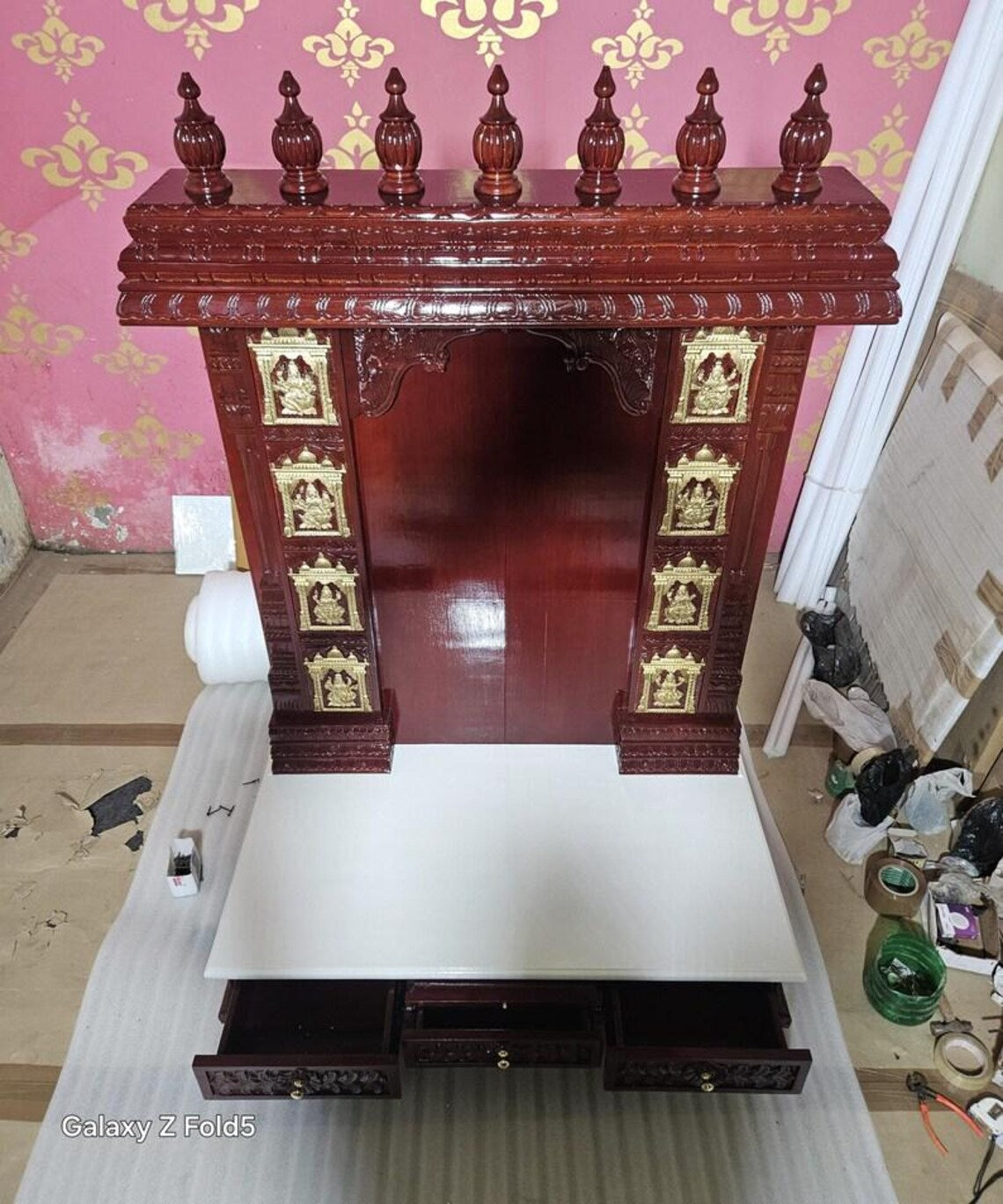

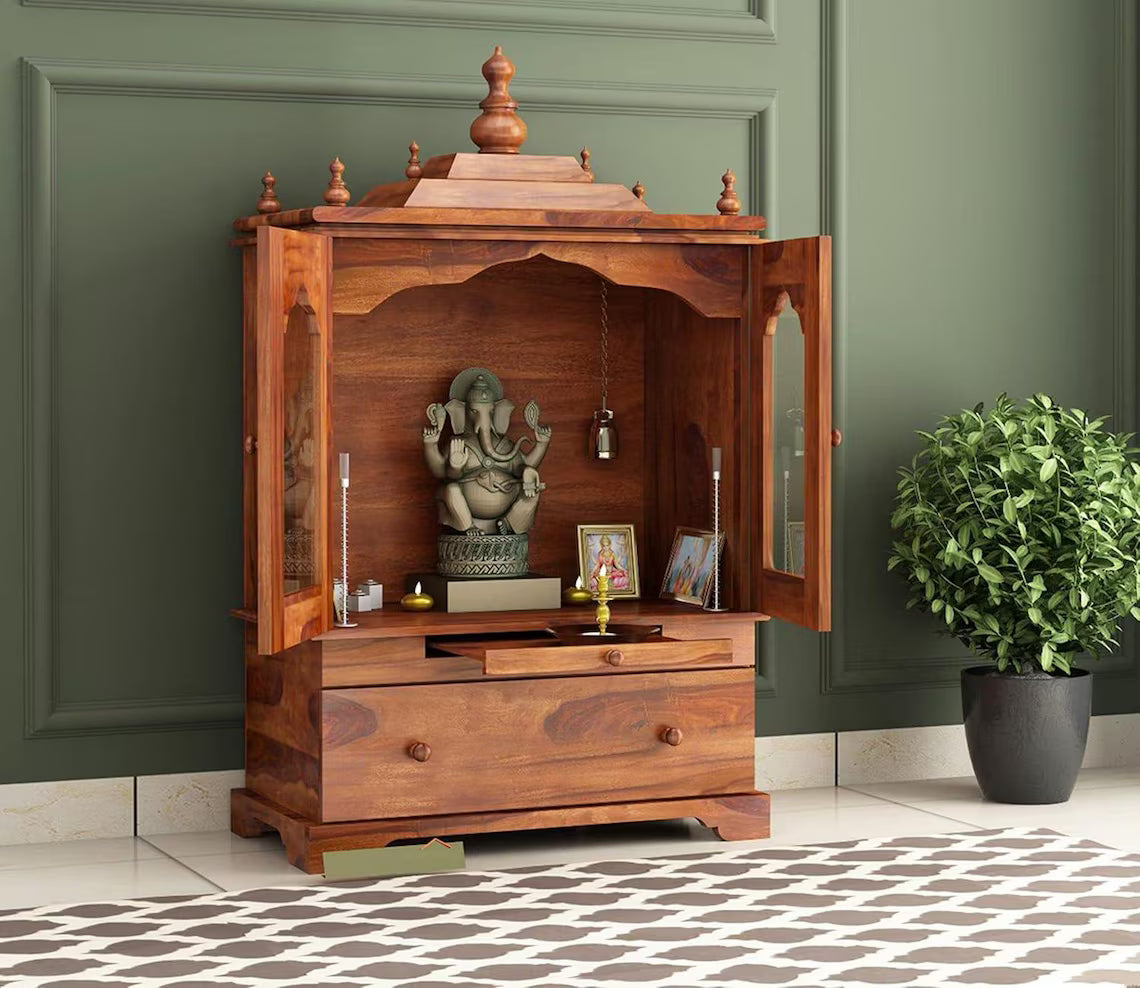

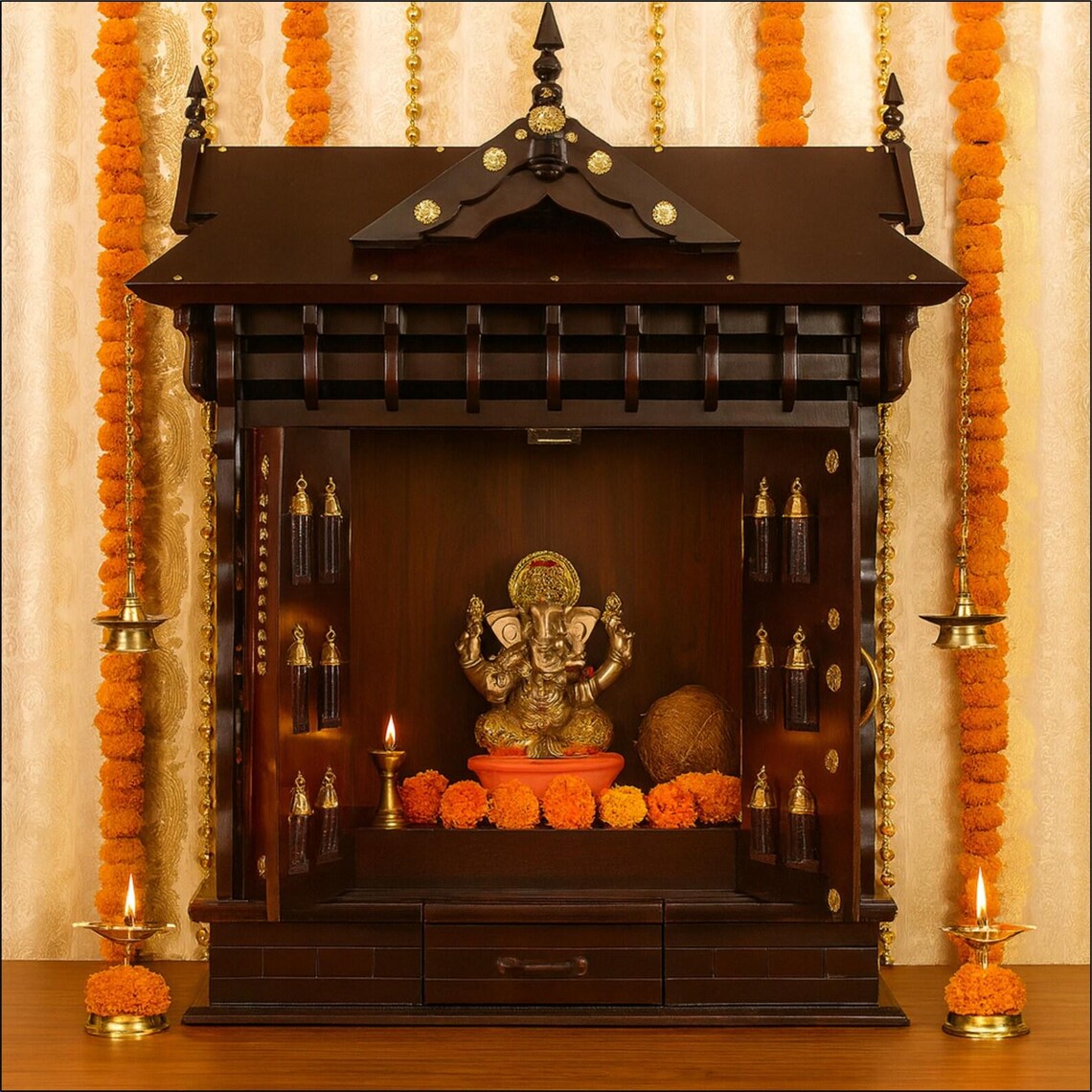

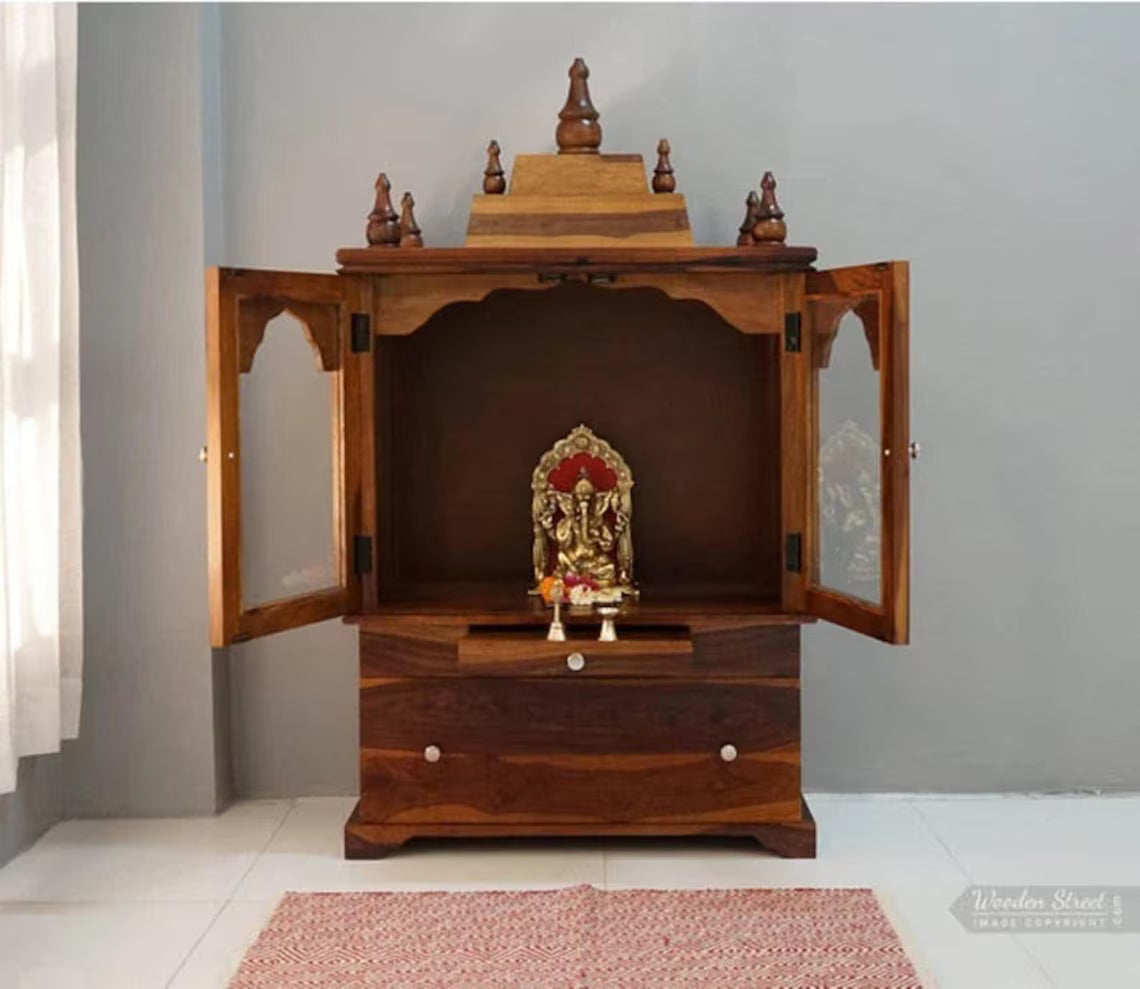

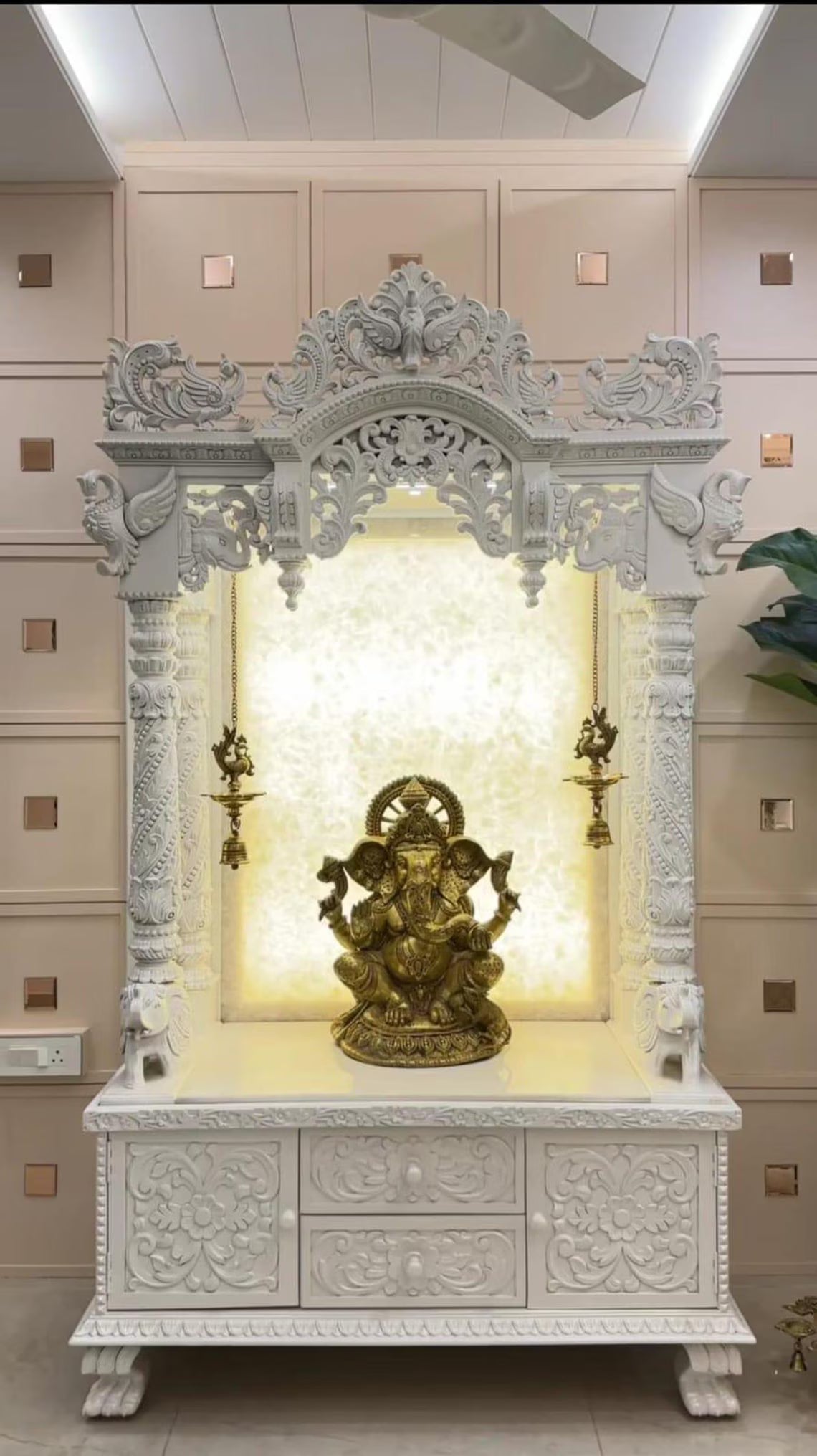

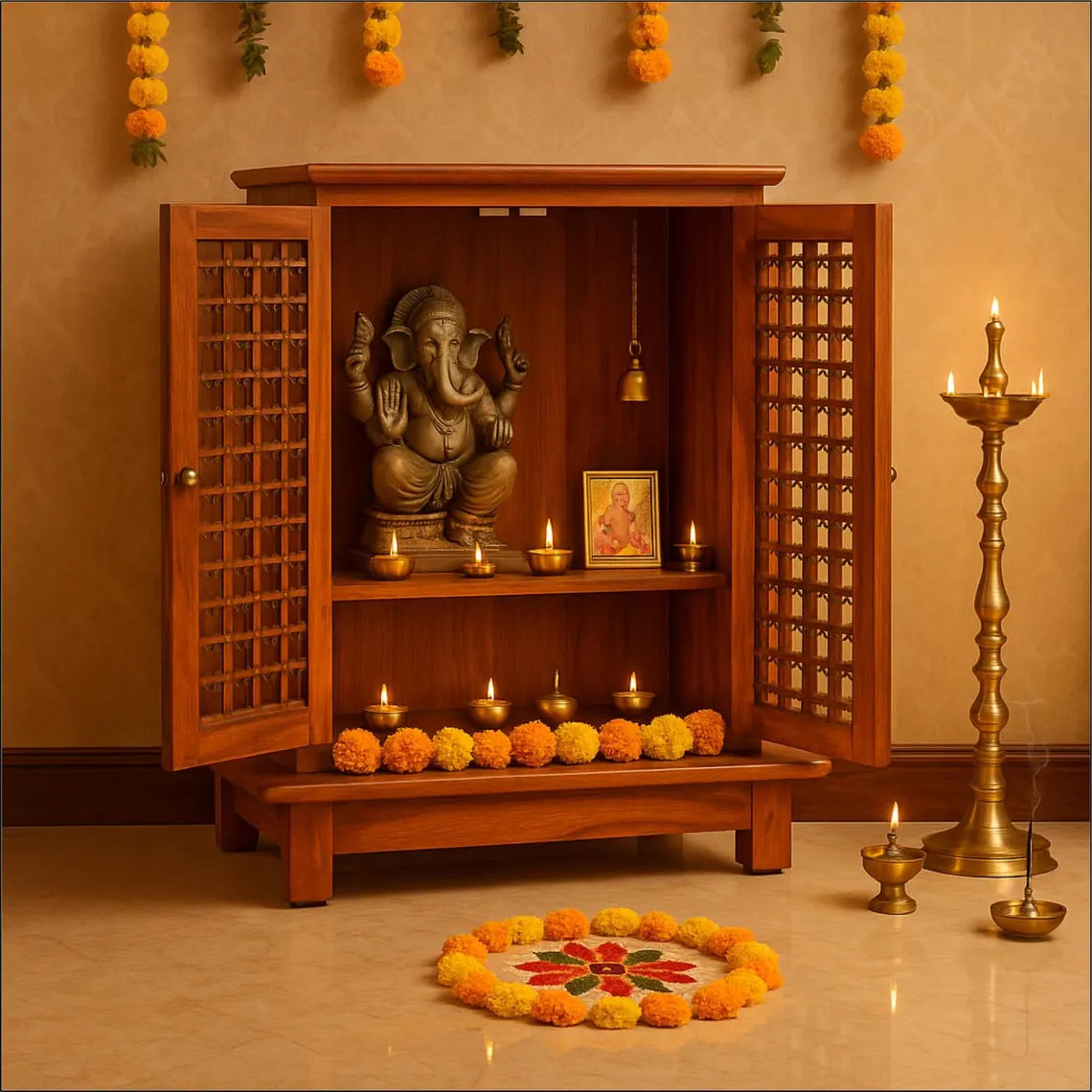

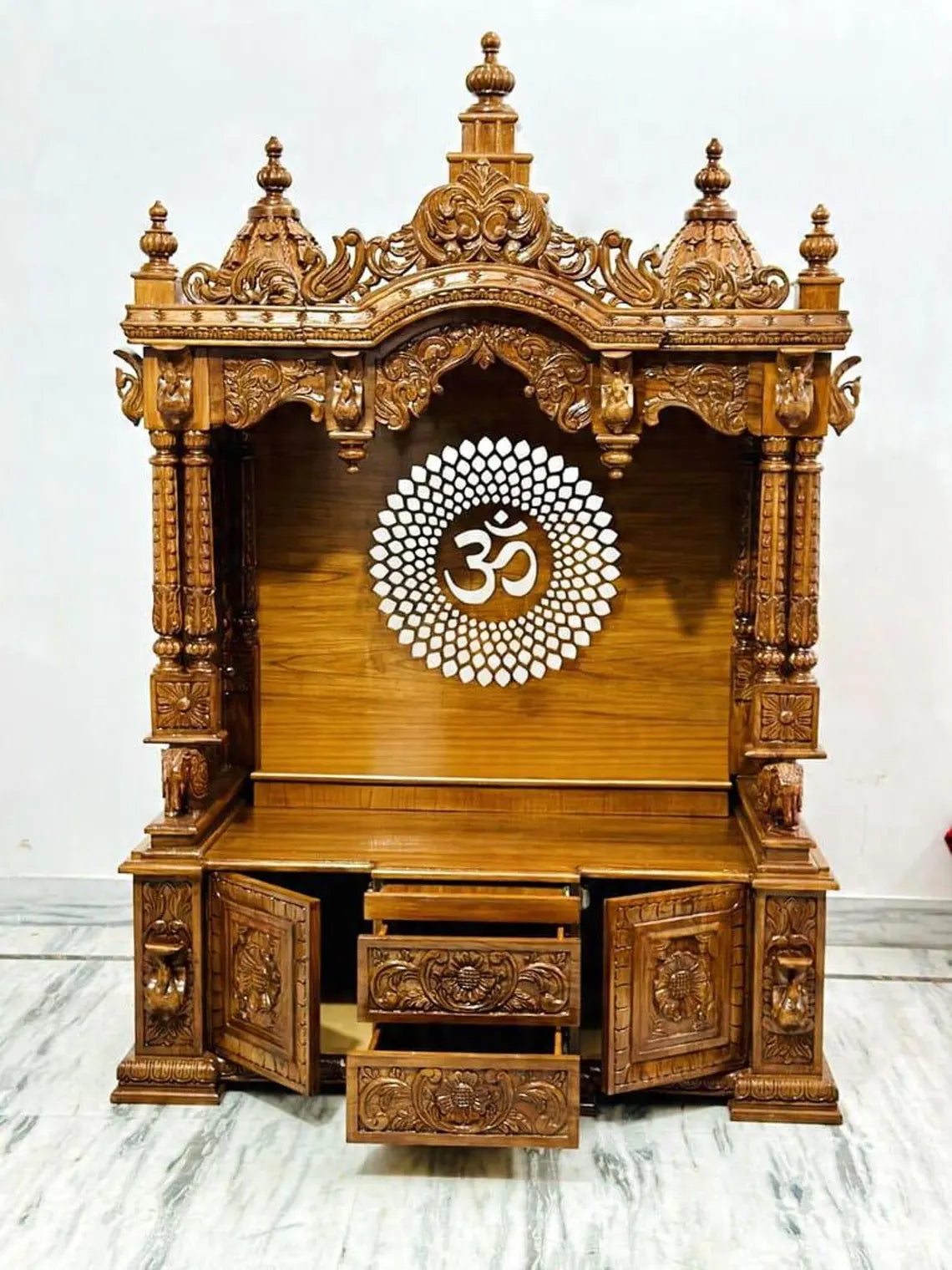

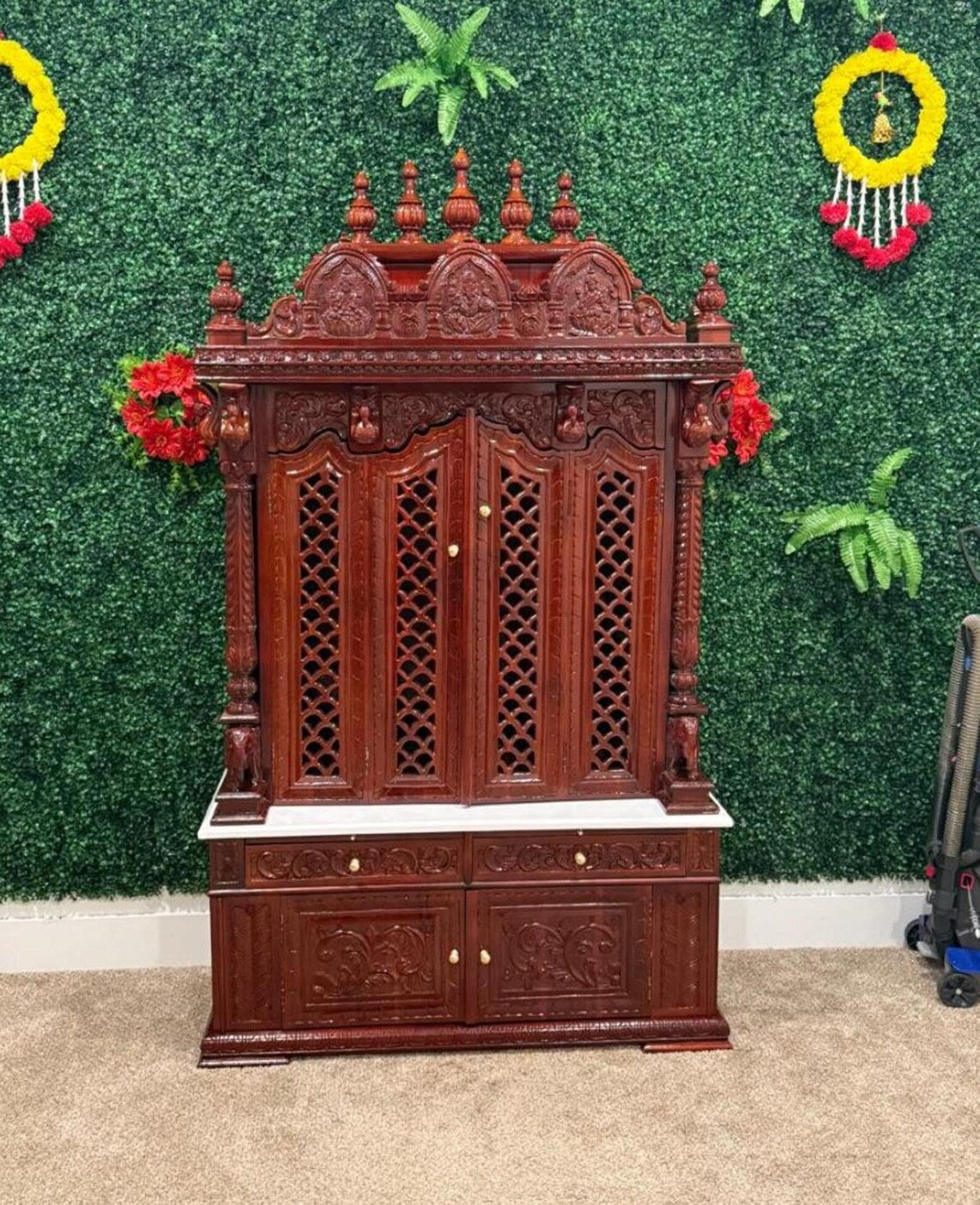

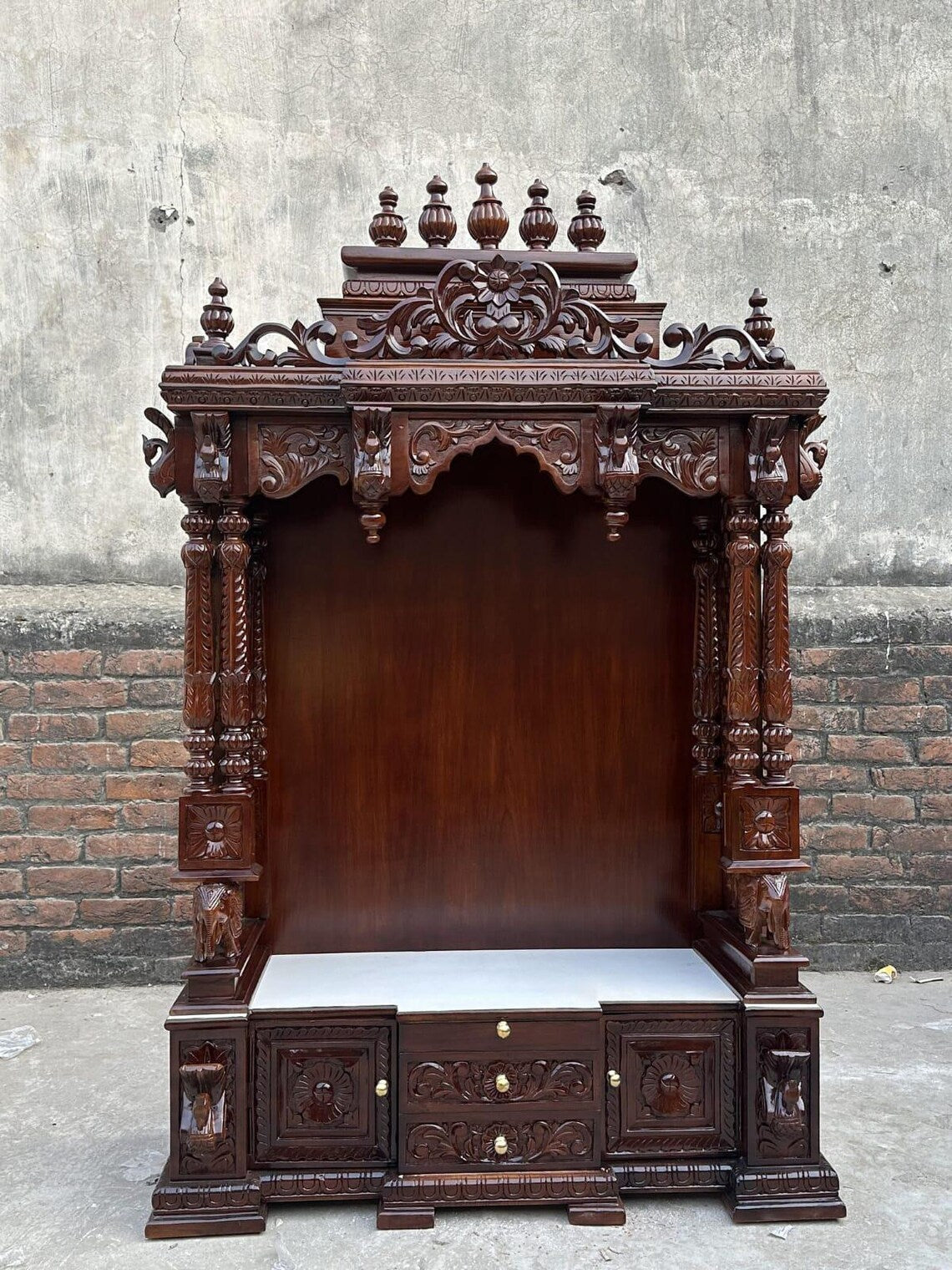

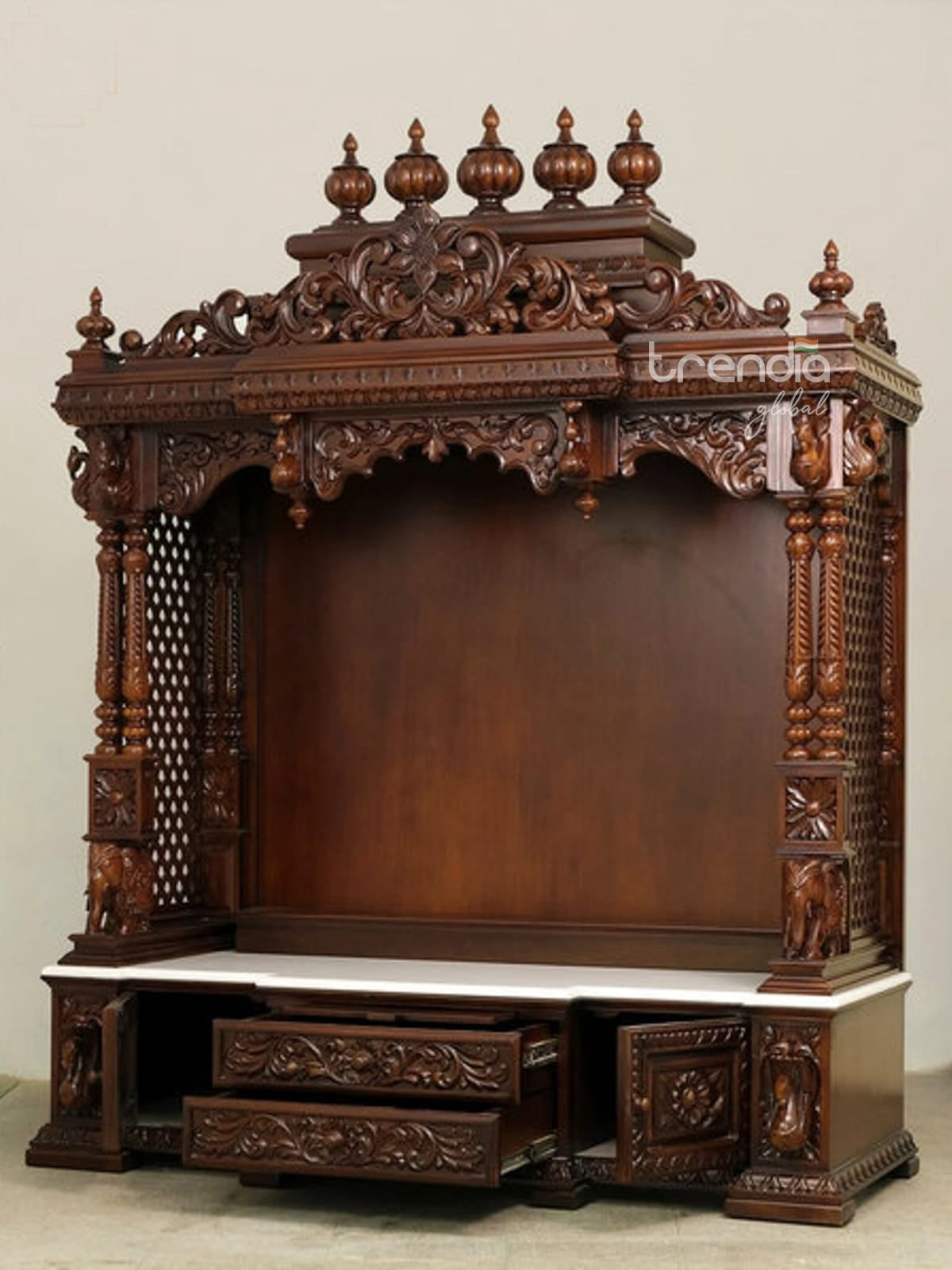


A pooja mandir is a dedicated shrine for daily worship at home - a wooden or metal structure that holds idols, a diya, incense and the small items used in puja. Trendia stocks mandirs handcrafted by Indian artisans and ships them across the USA.
The main decision is format rather than style: wall-mounted units suit apartments with no spare floor space, while floor-standing designs suit homes with a dedicated prayer corner. Everything else - wood, finish, carving detail - follows from that choice.
Which Type Fits Your Home
|
Type |
Best for |
Space needed |
|
Wall-mounted |
Studios, one-bedroom apartments, rentals |
Wall clearance only, no floor space |
|
Tabletop / small |
Shelves, countertops, shared rooms |
A clear flat surface |
|
Floor-standing |
Living rooms, dedicated prayer corners |
Floor footprint plus door clearance |
|
Cabinet with doors |
Bedrooms, kitchens, dusty areas |
Floor or wall, plus swing room |
|
Pocket / travel |
Dorms, offices, travel |
Minimal - fits in a drawer |
Types of Pooja Mandirs
Wooden Pooja Mandirs
The traditional choice, and the most durable if you intend to use the shrine daily for years. Teak and sheesham are the hardest-wearing and hold carved detail well; mango wood is lighter and more affordable; engineered wood is the cheapest but does not handle humidity as well over time. Carved jaali panels and domed tops are the most common decorative treatments.
Wall-Mounted Pooja Mandirs
Designed for homes where floor space is the constraint - studios, one-bedroom apartments, and rentals where large furniture is impractical. These need a wall that can take the weight of the unit plus idols, so anchor into a stud rather than drywall alone. Most hold two to three idols and a diya comfortably.
Floor-Standing Pooja Mandirs
Full-height units for living rooms and dedicated prayer rooms. These hold multiple idols with room for diyas, an incense stand and storage drawers for puja items. Measure both the footprint and the door clearance if the design has opening panels, since the swing needs space too.
Pocket and Travel Temples
Pocket temples are compact folding shrines for dorm rooms, offices and travel. They hold a single small idol and pack flat, which makes them a practical secondary option alongside a main mandir at home.
Choosing the Right Size
Work backwards from the space rather than from the design. Measure the available width, height and depth first, then check the dimensions listed on each product page. Two measurements are easy to overlook: vertical clearance above the mandir, since diya and incense smoke needs somewhere to go, and door swing on units with opening panels.
For apartments and studios, wall-mounted or tabletop units are usually the practical answer. For living rooms, a medium floor-standing unit sits comfortably in a corner without dominating the room. Large units make sense only where there is a dedicated prayer room, since they need a wall to themselves.
Where to Place a Pooja Mandir
Vastu Shastra offers specific guidance on placement, which many families follow closely and others treat as a preference. The core recommendations are set out below. Our guide to pooja room vastu for apartments abroad covers how to apply these principles when the layout of a home does not allow the ideal arrangement.
|
Vastu guidance |
Reasoning given in tradition |
|
Northeast corner (Ishanya) |
Considered the most auspicious zone of a home |
|
Idols face west or south |
So the person praying faces east or north |
|
Raised off the floor |
The mandir should sit on a platform, shelf or base |
|
Ground floor preferred |
Traditionally favoured over upper floors |
|
Avoid bedrooms and bathroom walls |
Both are considered unsuitable adjacencies |
|
Avoid under a staircase or beam |
Overhead weight is considered inauspicious |
In practice, apartments rarely offer a clean northeast corner. The usual compromises are the northeast corner of the living room, a north or east wall in a hallway, or a cabinet-style mandir with doors that can be closed when the room is in other use. A mandir with doors is also the standard solution for bedrooms and kitchens, where an open shrine would traditionally be avoided.
One practical point that sits outside tradition: keep an open flame away from wood and fabric. Diyas and incense are the most common cause of scorch marks on carved wooden mandirs, so a metal or stone tray under the flame is worth adding regardless of the design.
What to Keep Inside Your Mandir
The centrepiece is the idol or idols. Ganesh statues are the most common starting point, since Ganesha is traditionally invoked first in any ritual. Lakshmi idols are usual for households observing Diwali and prosperity rituals, and Krishna, Shiva, Hanuman and Sai Baba statues are all widely kept depending on family tradition. The full Hindu god statues and idols range covers others including Balaji and Buddha.
Beyond the idols, a working shrine needs a diya or lamp, an incense holder, a bell, and small containers for kumkum, rice and flowers. Pooja instruments covers bells, thalis, kalash and aarti stands, while diyas and decor has oil lamps and tealight holders. Brass items are the traditional choice for anything that holds flame or water, since brass handles heat and does not degrade the way resin does.
Idol size matters more than people expect. A tall idol in a shallow mandir leaves no room for a lamp in front of it, so check idol height against the internal shelf height before buying both. Smaller framed images are a practical alternative where depth is tight - see wall frames.
Materials and Care
Wooden mandirs need a dry soft cloth for regular dusting, and nothing more. Water and household cleaners both damage polished wood finishes, and carved jaali work traps moisture in the cuts. A wood polish once or twice a year is enough to keep the finish sealed.
Brass tarnishes naturally and can be cleaned with lemon and salt or a dedicated brass cleaner. Resin and marble-finish pieces need only a dry wipe. In humid climates, keep any wooden mandir off an exterior wall, since condensation on the wall face will eventually reach the wood.
Why Buy From Trendia
Trendia sources directly from Indian artisans and independent craft studios, which means the carving and finishing work is done by hand rather than machine-pressed. Pieces ship from India to addresses across the USA, and the express shipping collection covers items held for faster dispatch.
The wider home decor range carries complementary pieces - table decor, wall pieces and brass items - for households furnishing a prayer corner rather than buying a single mandir.
FAQs: Pooja Mandir for Home
Which direction should a pooja mandir face?
The northeast corner of the home is considered the most auspicious placement in Vastu Shastra. The idols themselves should face west or south, so that the person praying faces east or north. Where the layout does not allow this, a north or east wall is the usual second choice.
Can I keep a pooja mandir in the bedroom?
Traditionally bedrooms are avoided. Where no other space exists, the common compromise is a cabinet-style mandir with doors that stay closed except during prayer, placed on the north or east wall and not directly facing the foot of the bed.
What items do I need inside a pooja mandir?
At minimum: one idol or framed image, a diya or oil lamp, an incense holder, and a bell. Most households add a small thali, a kalash, and separate containers for kumkum, rice and flowers. A brass or stone tray under the lamp protects the wood.
Which wood is best for a pooja mandir?
Teak and sheesham are the most durable and hold carved detail best, but cost the most. Mango wood is lighter and mid-priced. Engineered wood and MDF are cheapest and fine in dry indoor conditions, but they swell and delaminate in humidity, so they suit drier climates better.
What size mandir works in an apartment?
A wall-mounted or tabletop unit in most cases. Measure the available wall or surface first, allow vertical clearance above for lamp smoke, and check door swing if the unit has opening panels. Floor-standing units generally need a corner of their own.
How do I clean a wooden pooja mandir?
Dust with a dry soft cloth. Avoid water, sprays and household cleaners, all of which mark polished wood. Carved sections can be dusted with a soft brush. A wood polish once or twice a year keeps the finish sealed.
Should a pooja mandir be placed directly on the floor?
Tradition holds that it should be raised - on a platform, shelf, table or the unit’s own base. This is one reason floor-standing designs are built with a plinth rather than sitting flush with the ground.
Do you ship pooja mandirs to the USA?
Yes. Mandirs ship from India to addresses across the USA, packed for transit. Items in the express shipping range dispatch fastest; delivery windows for other pieces are shown on the product page.