

Men's Clothing | Indian Ethnic & Formal Wear - Trendia

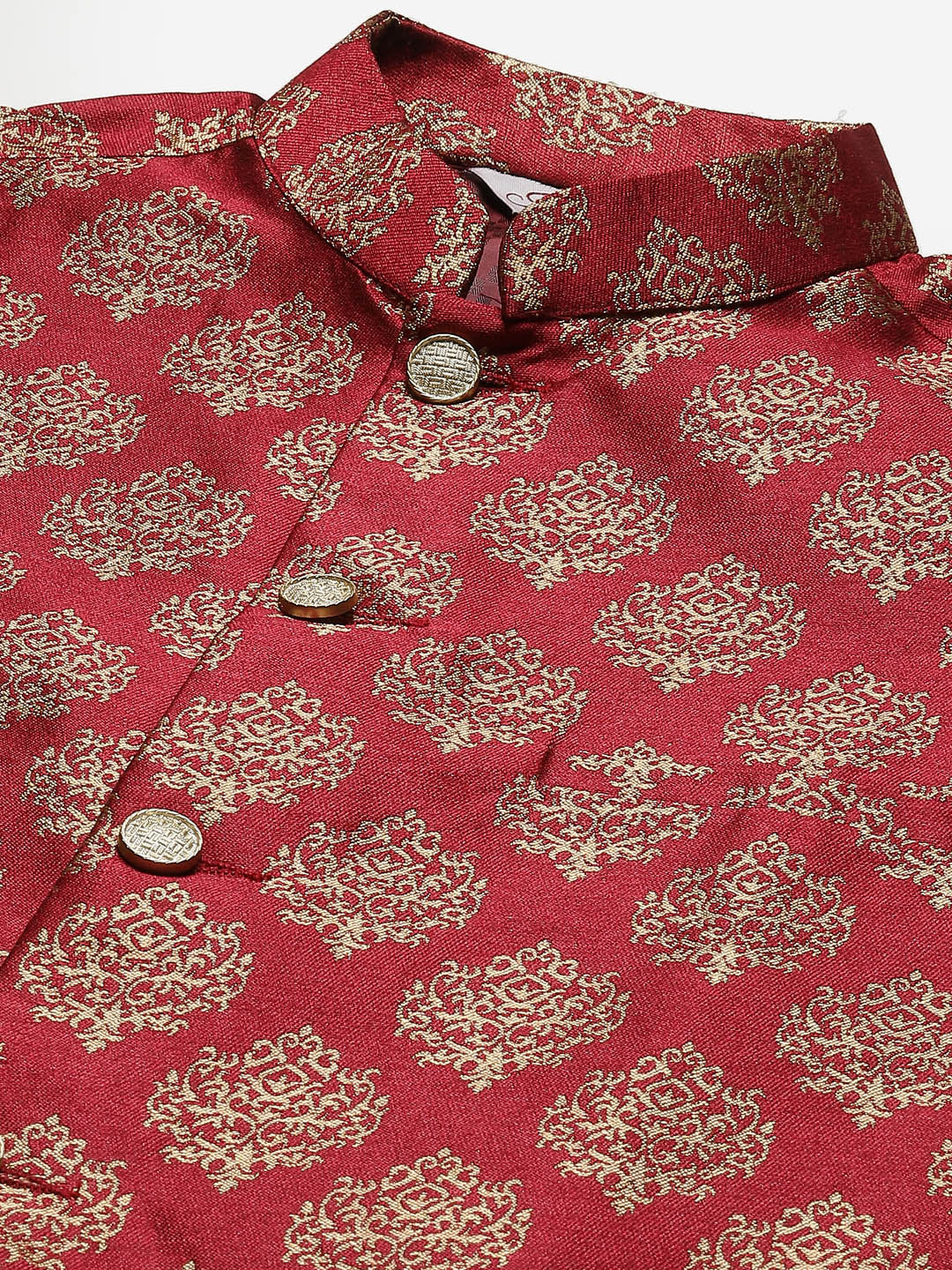

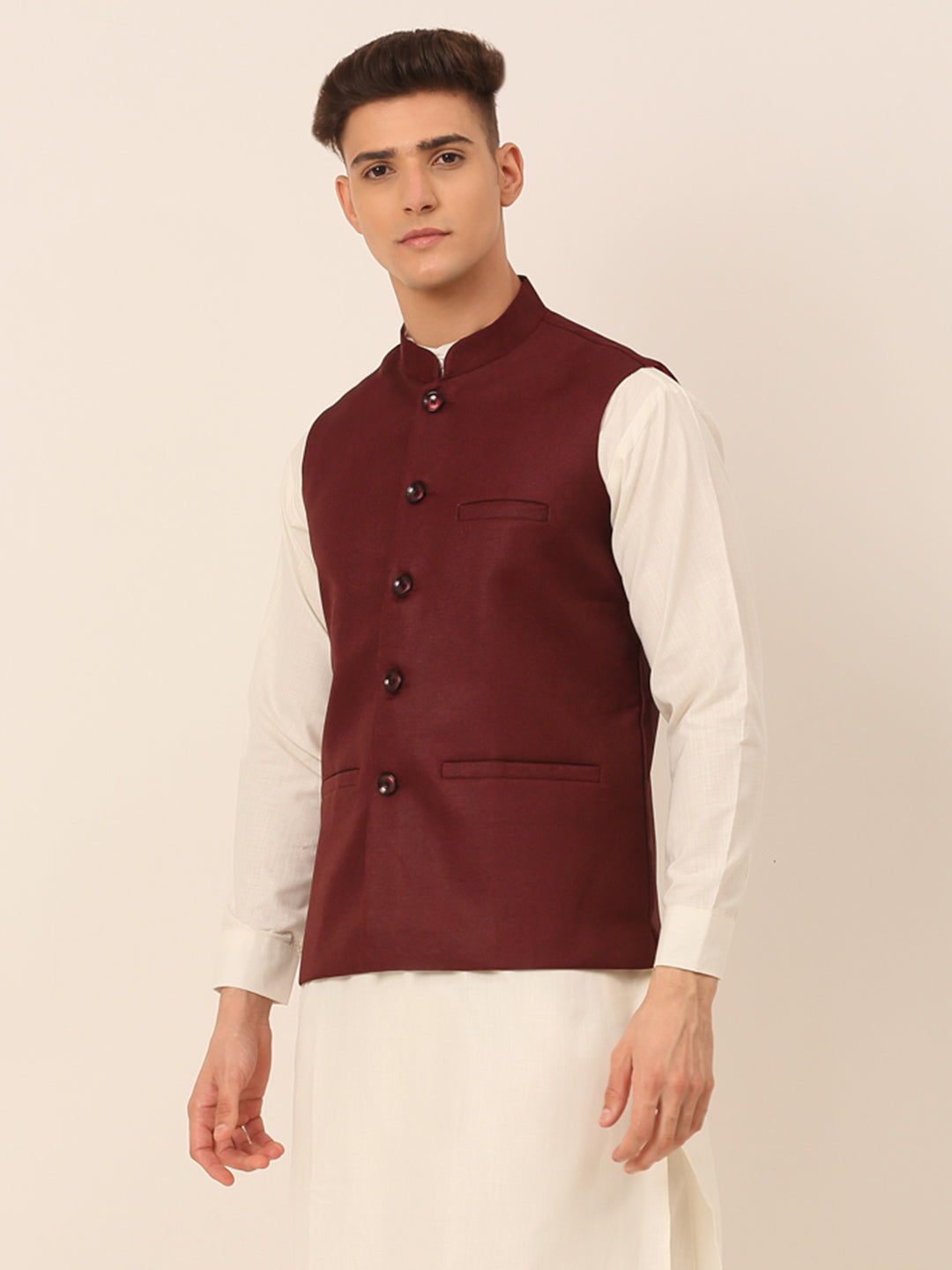

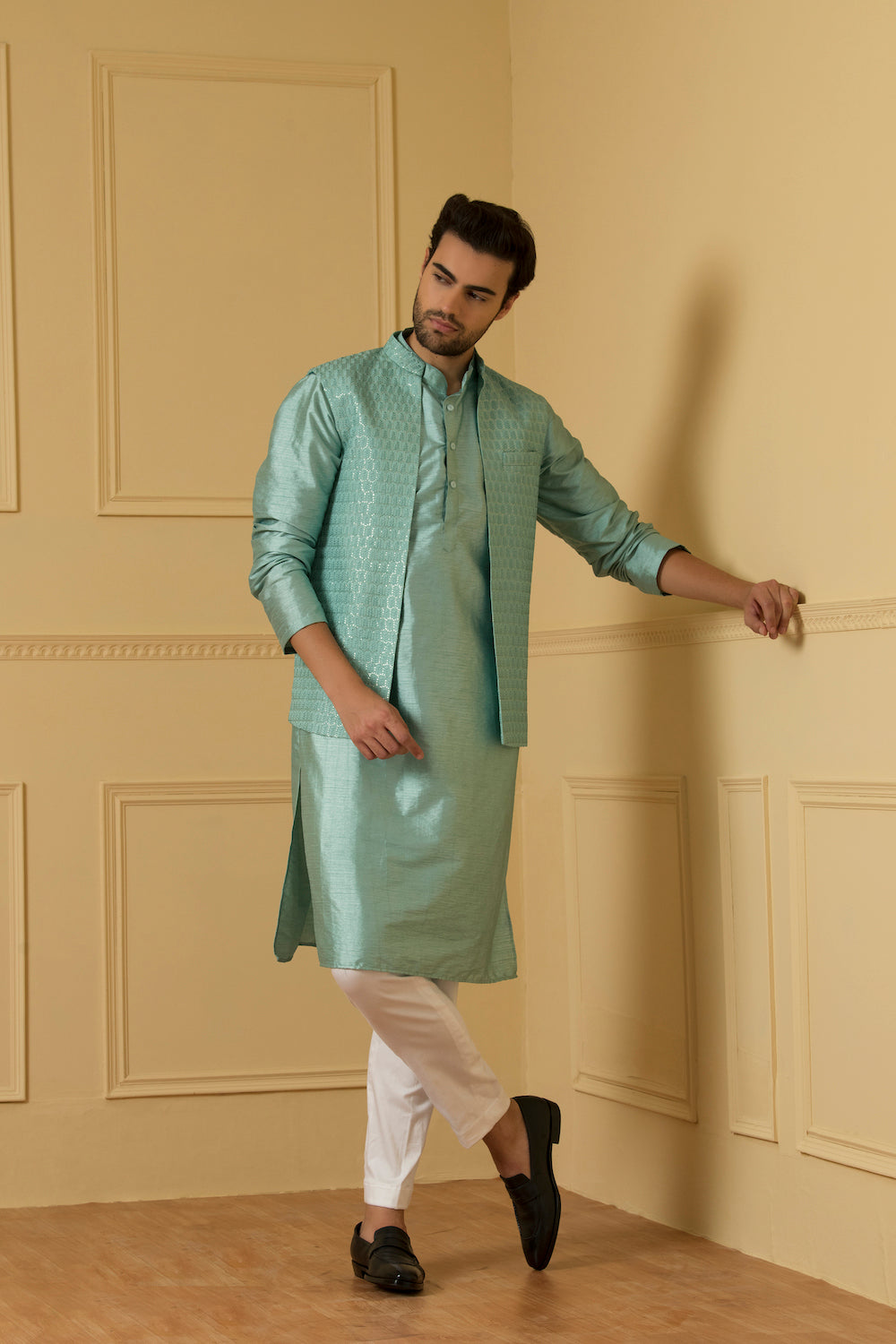


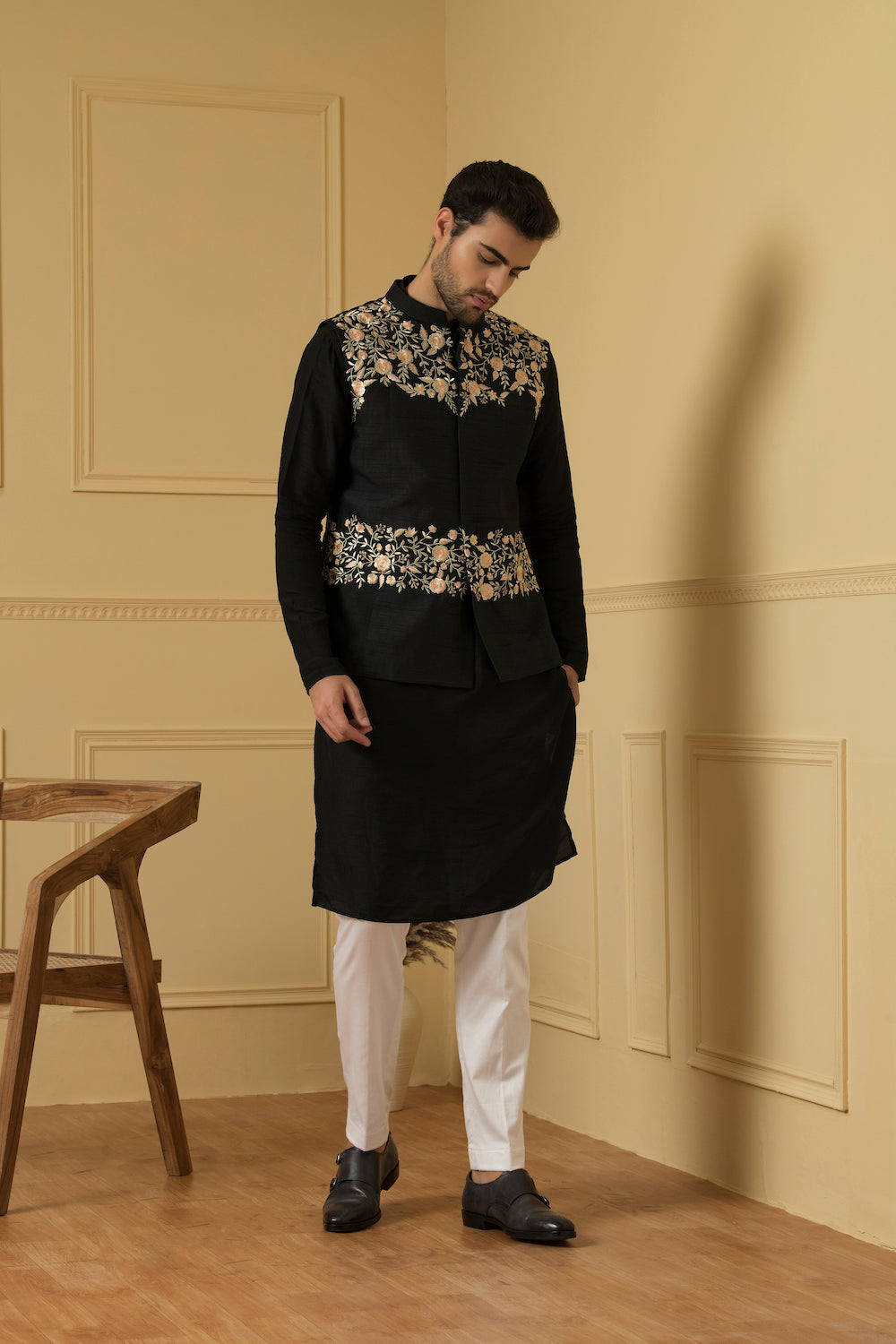





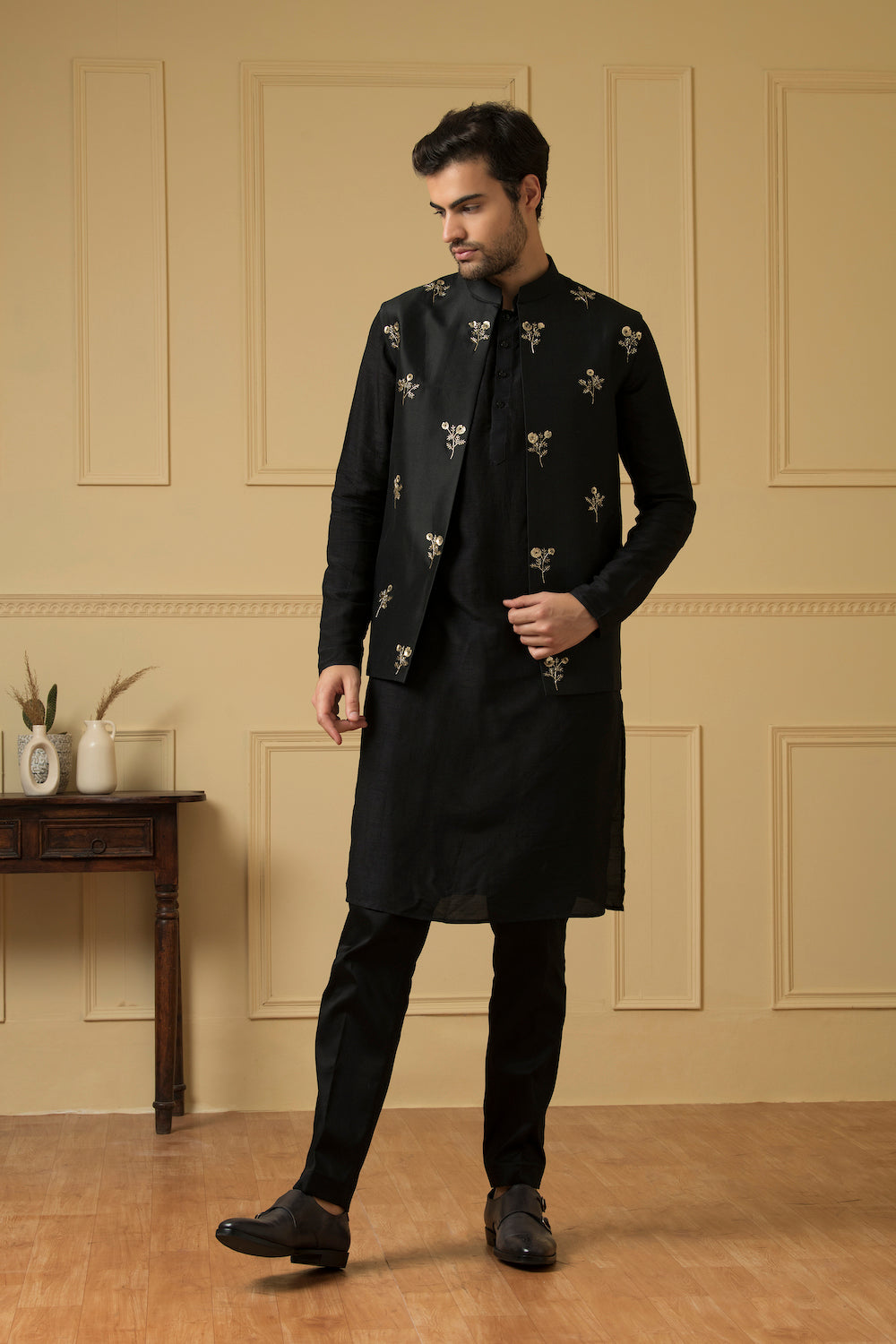

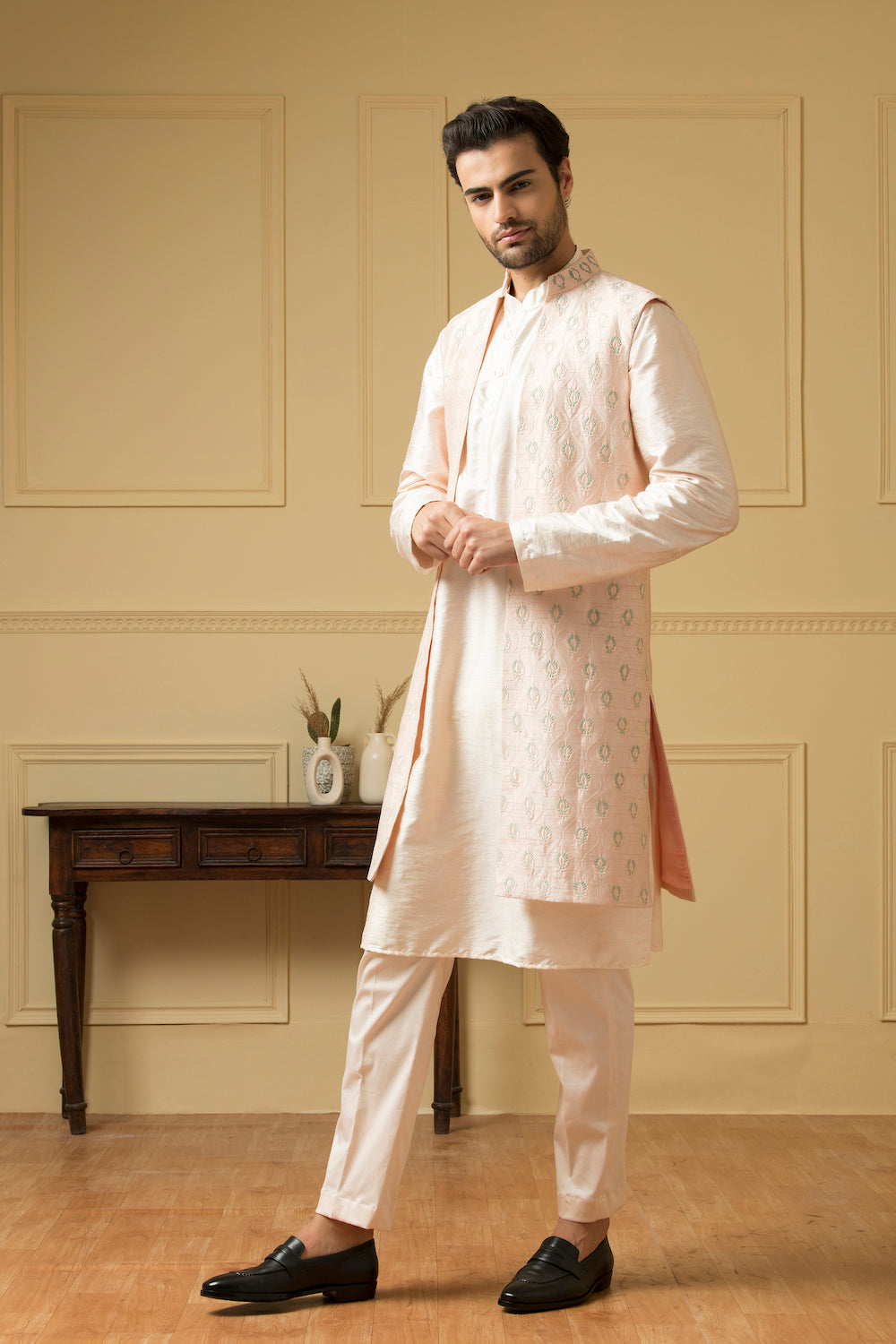


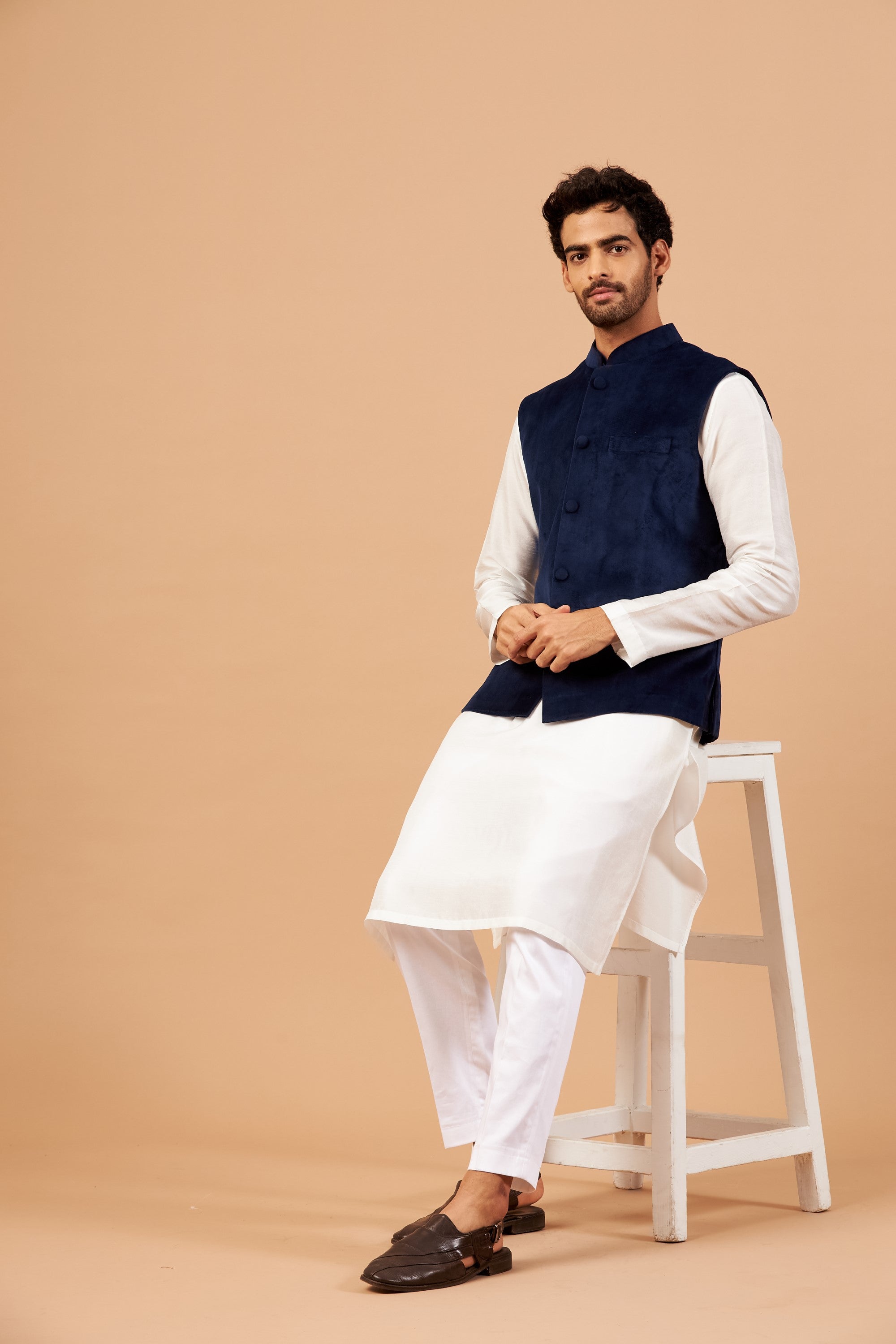

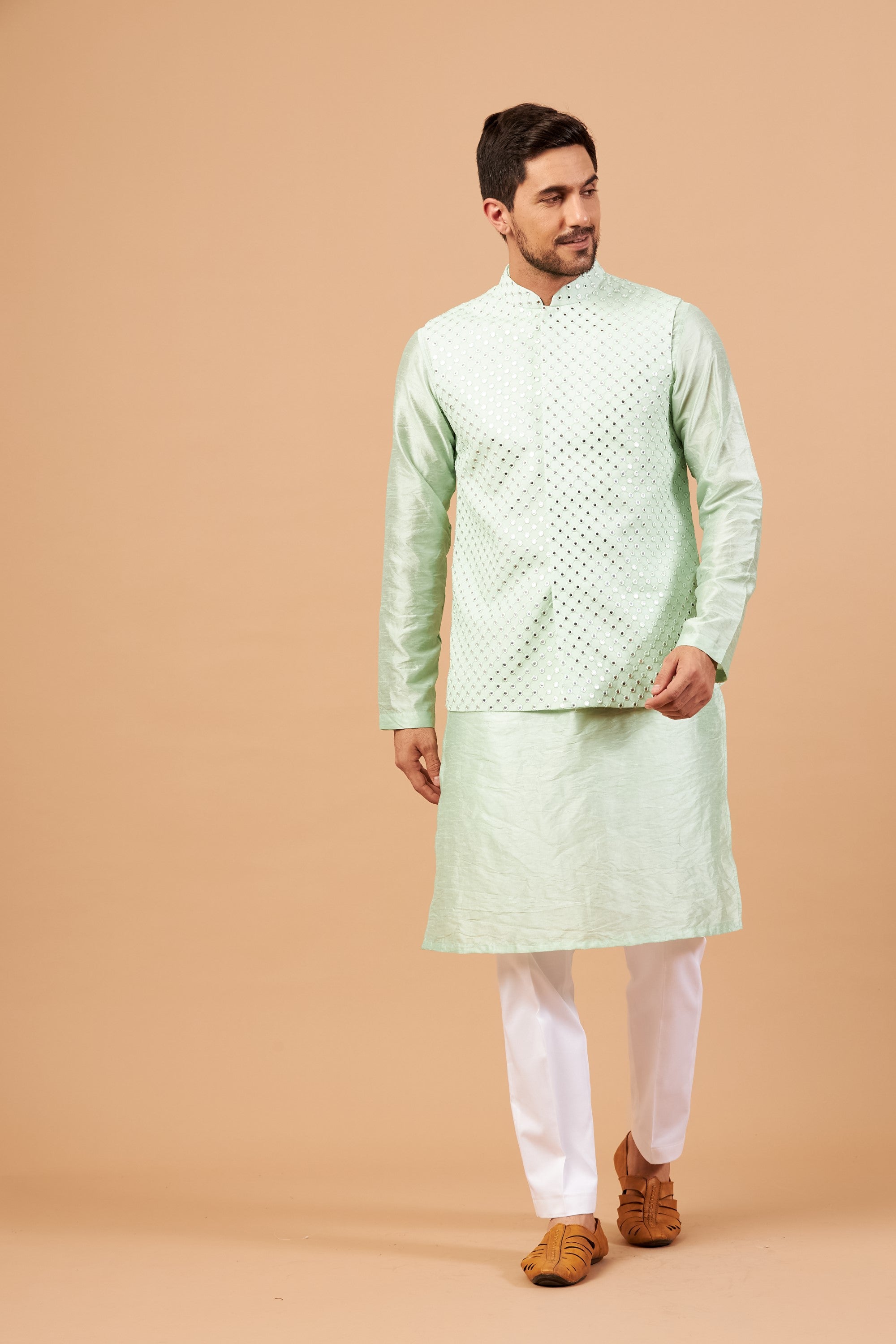

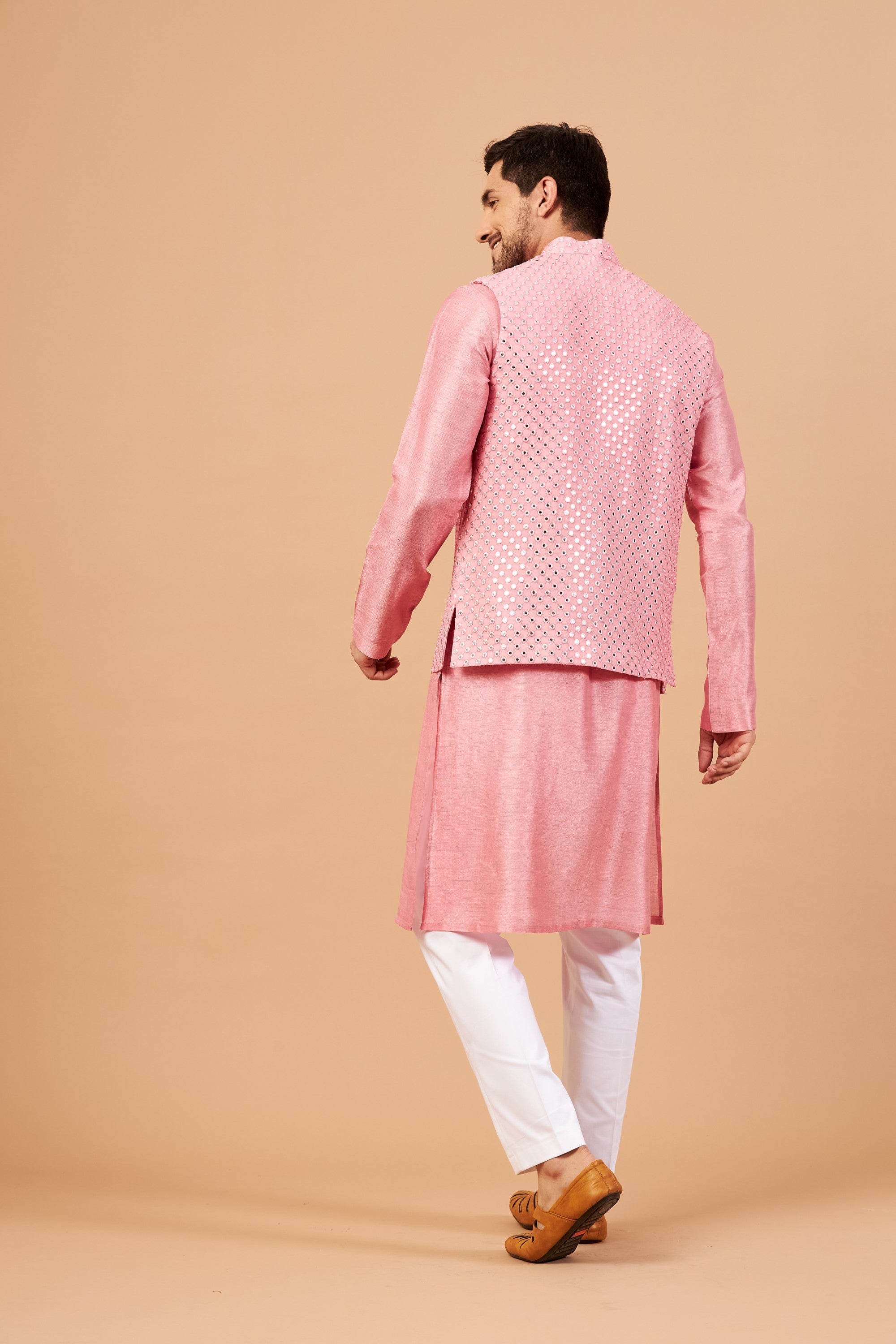

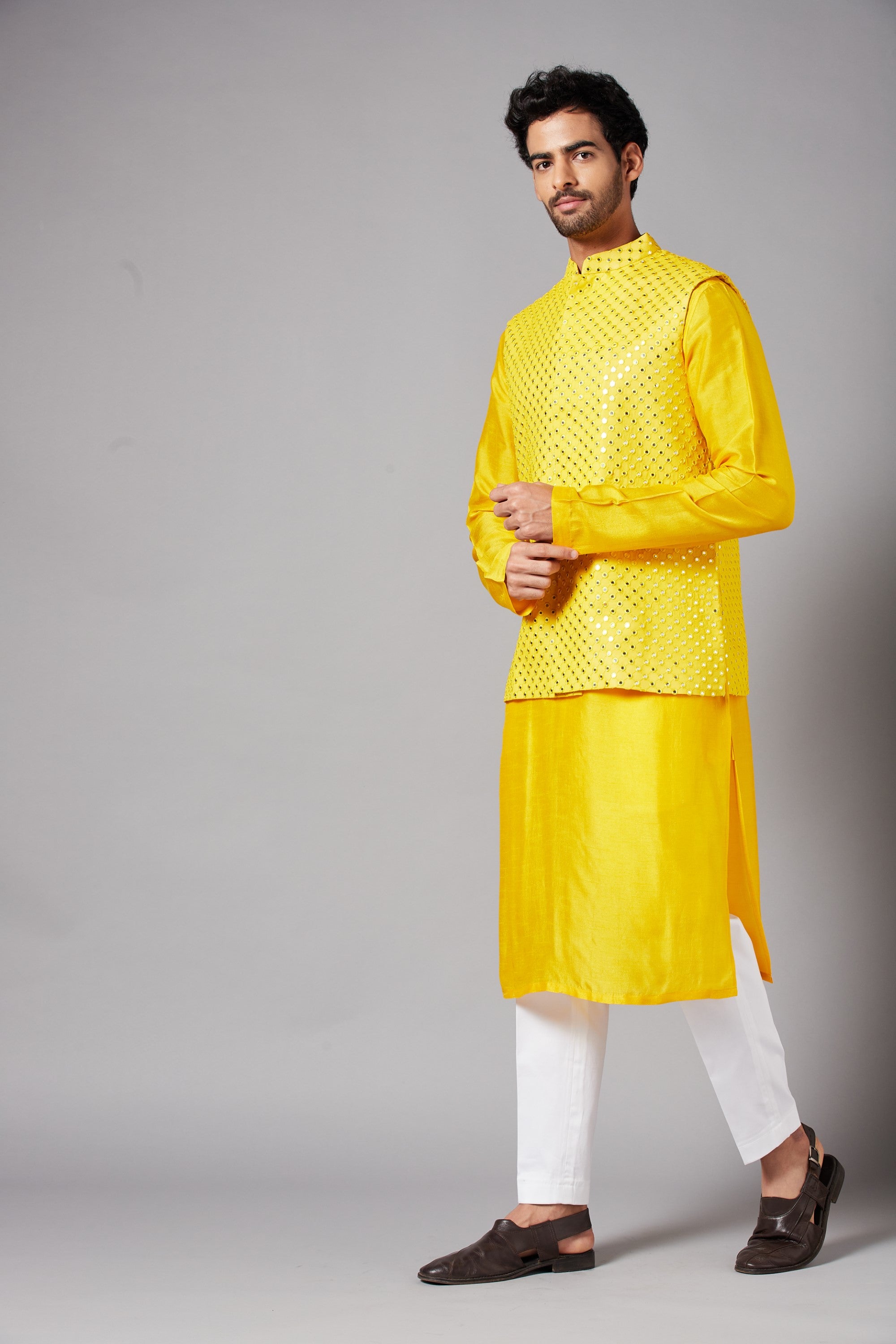

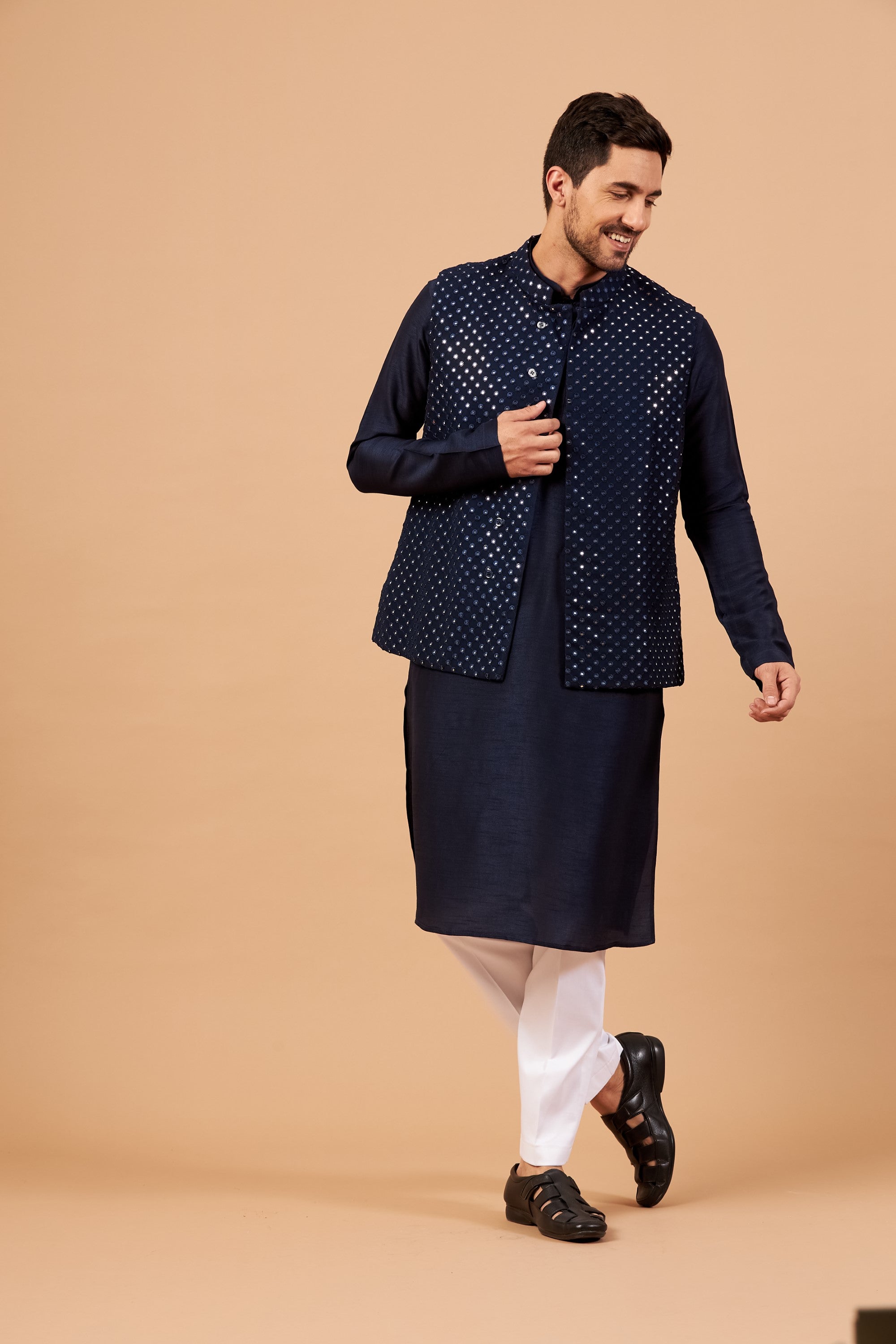

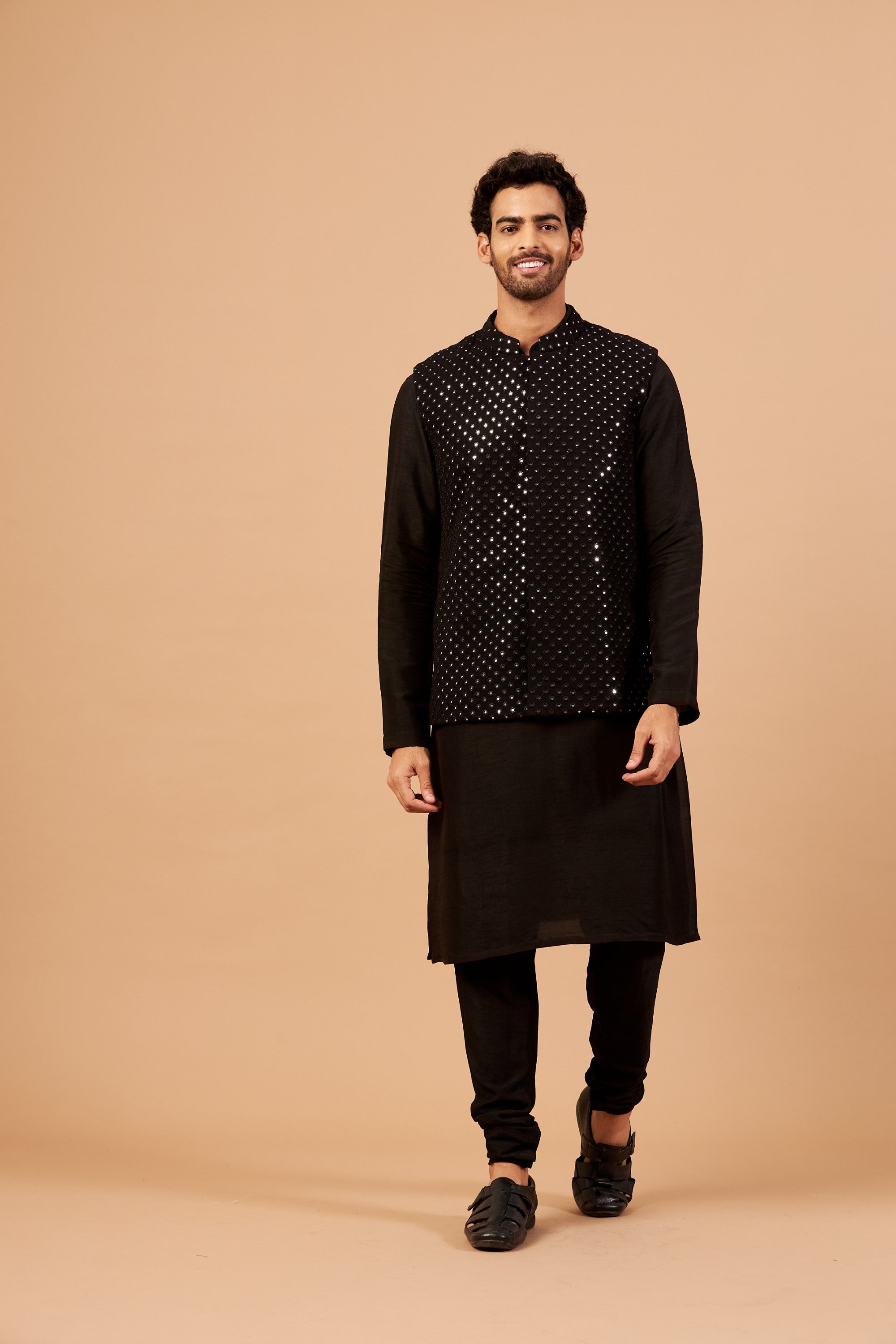

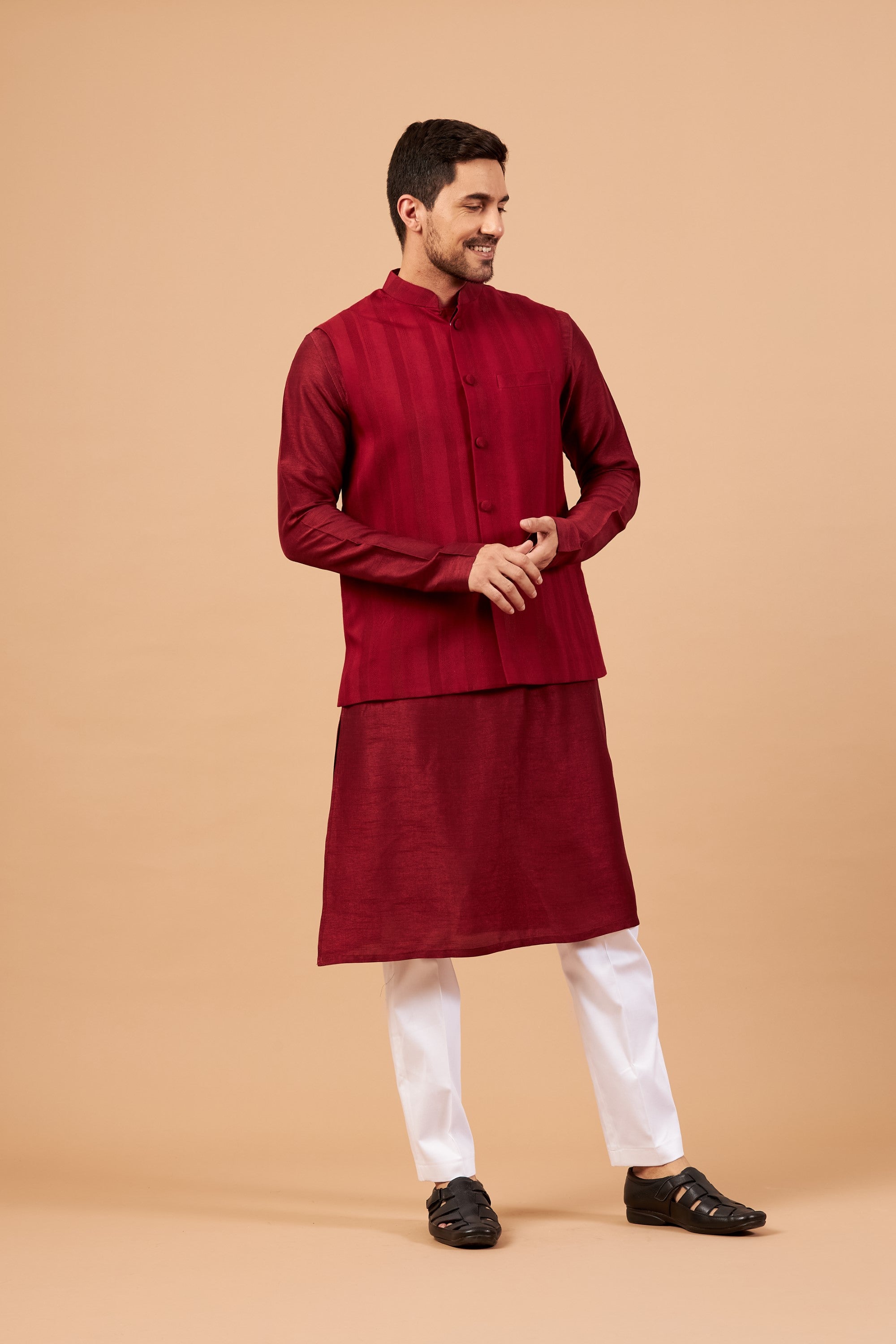

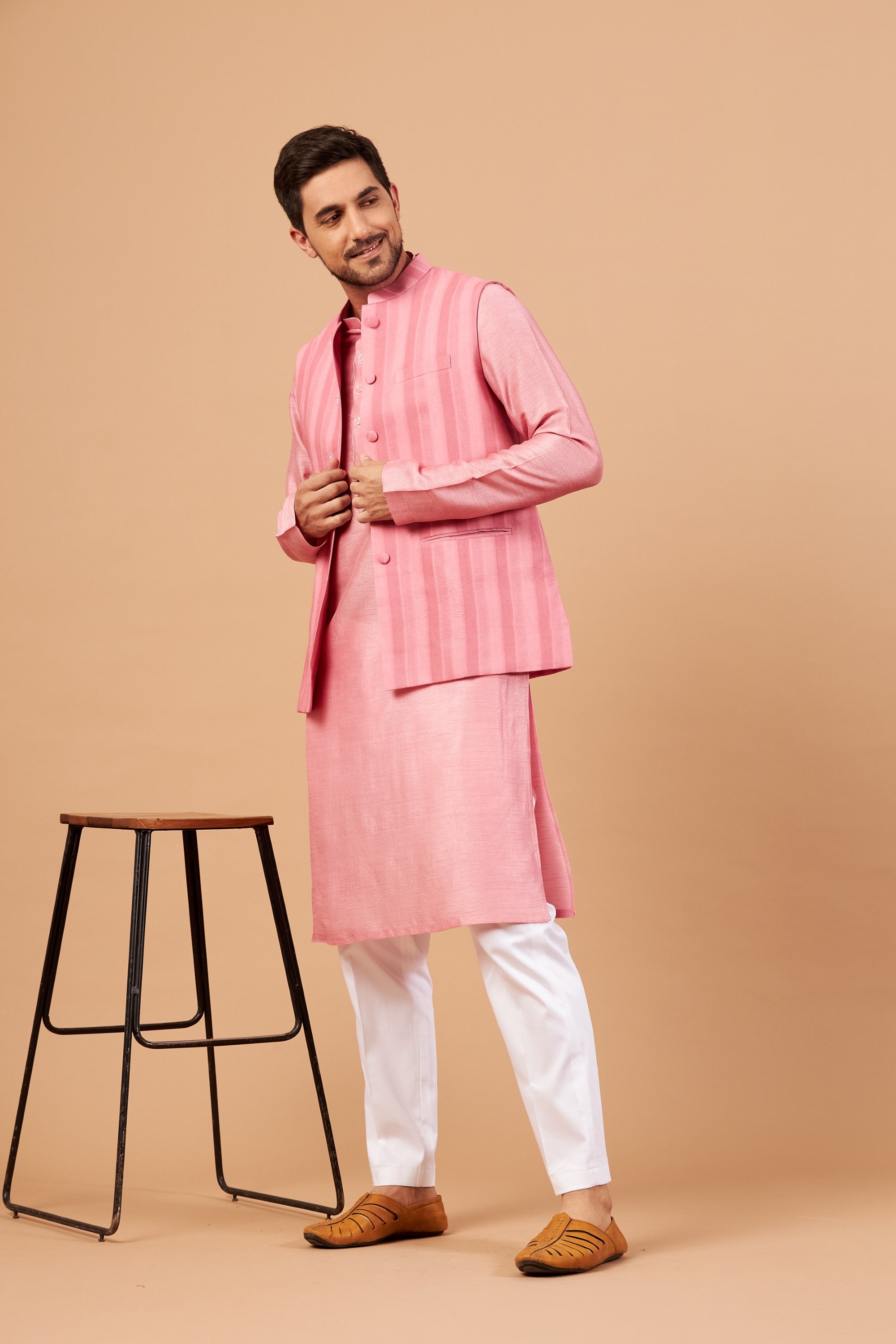


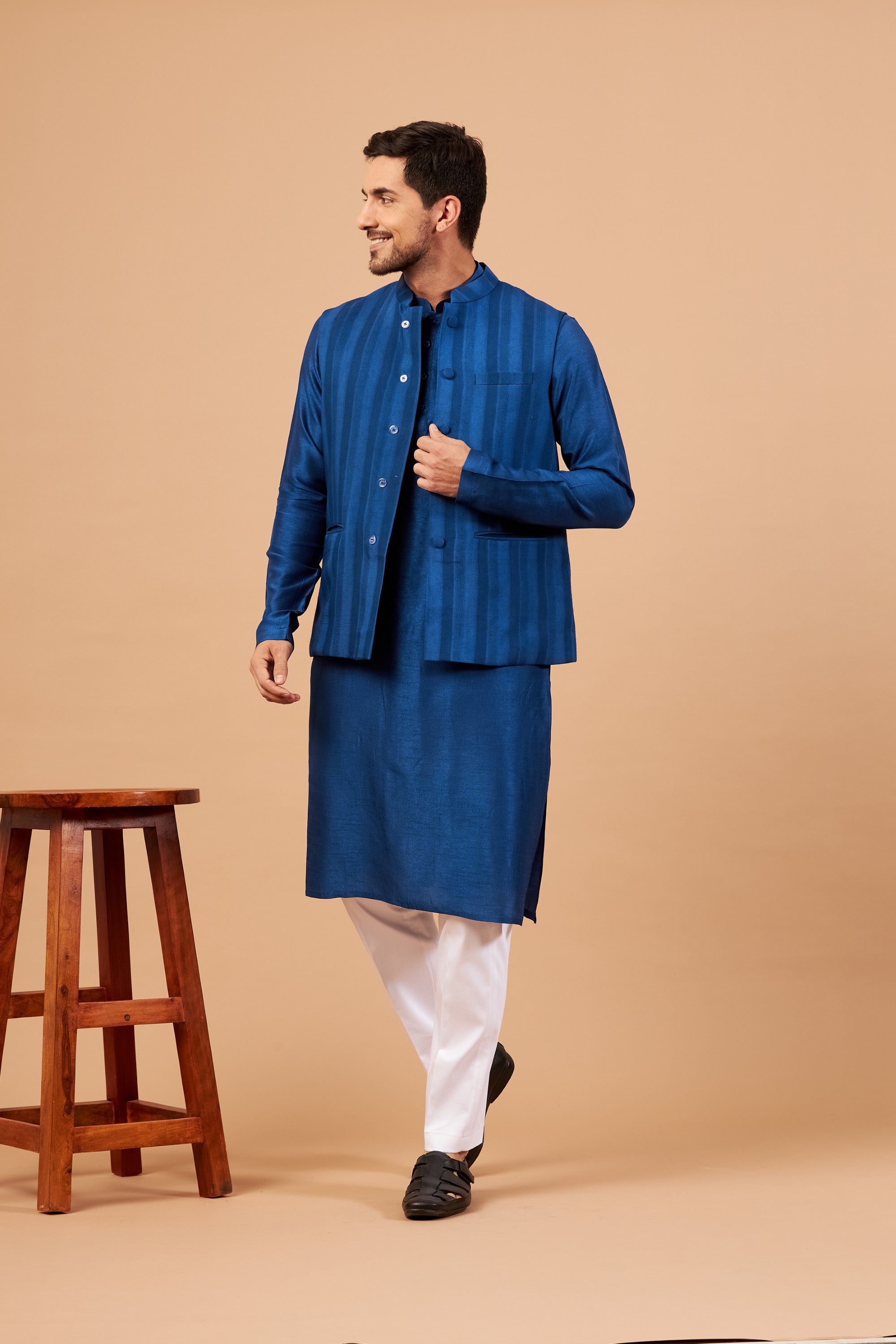


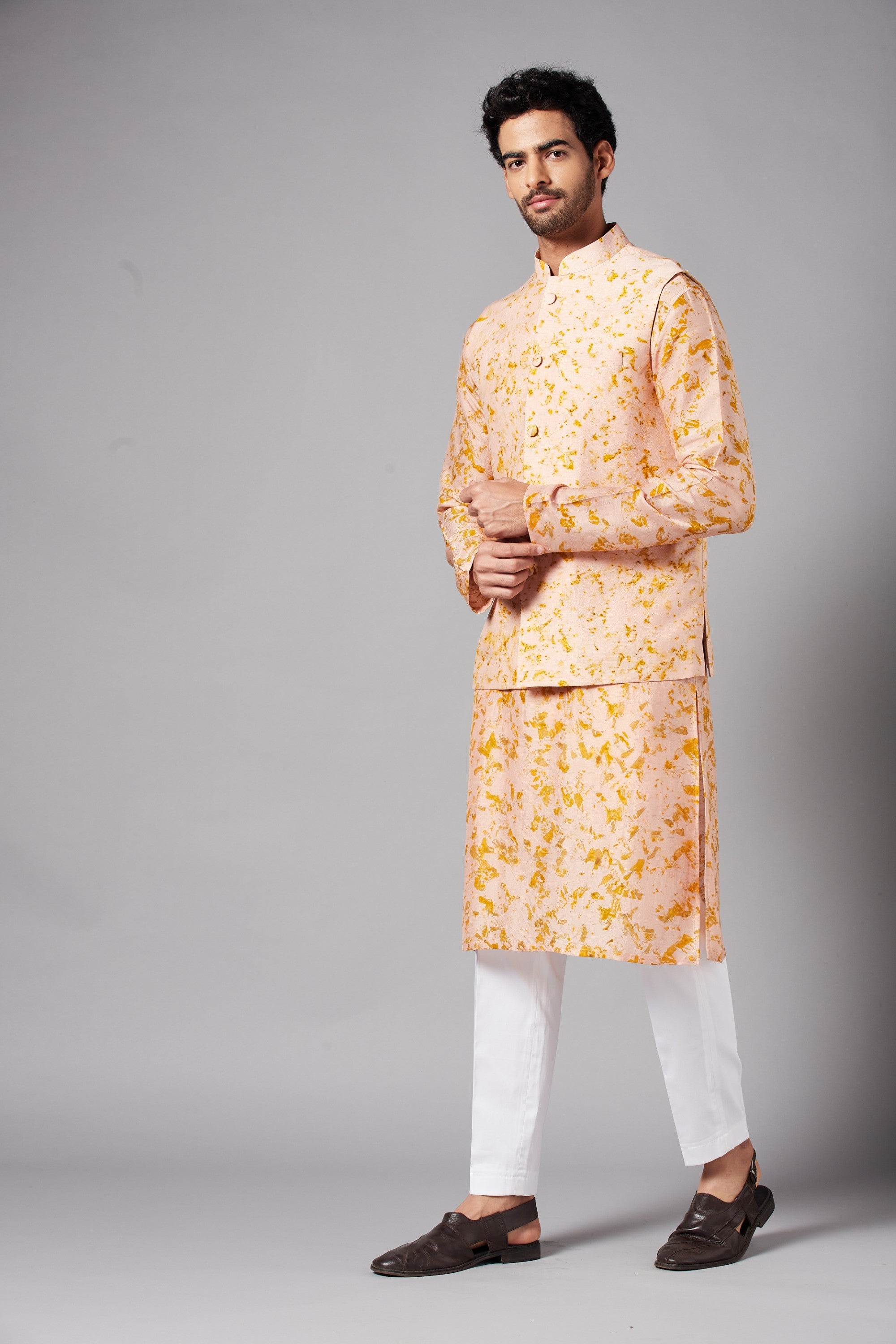

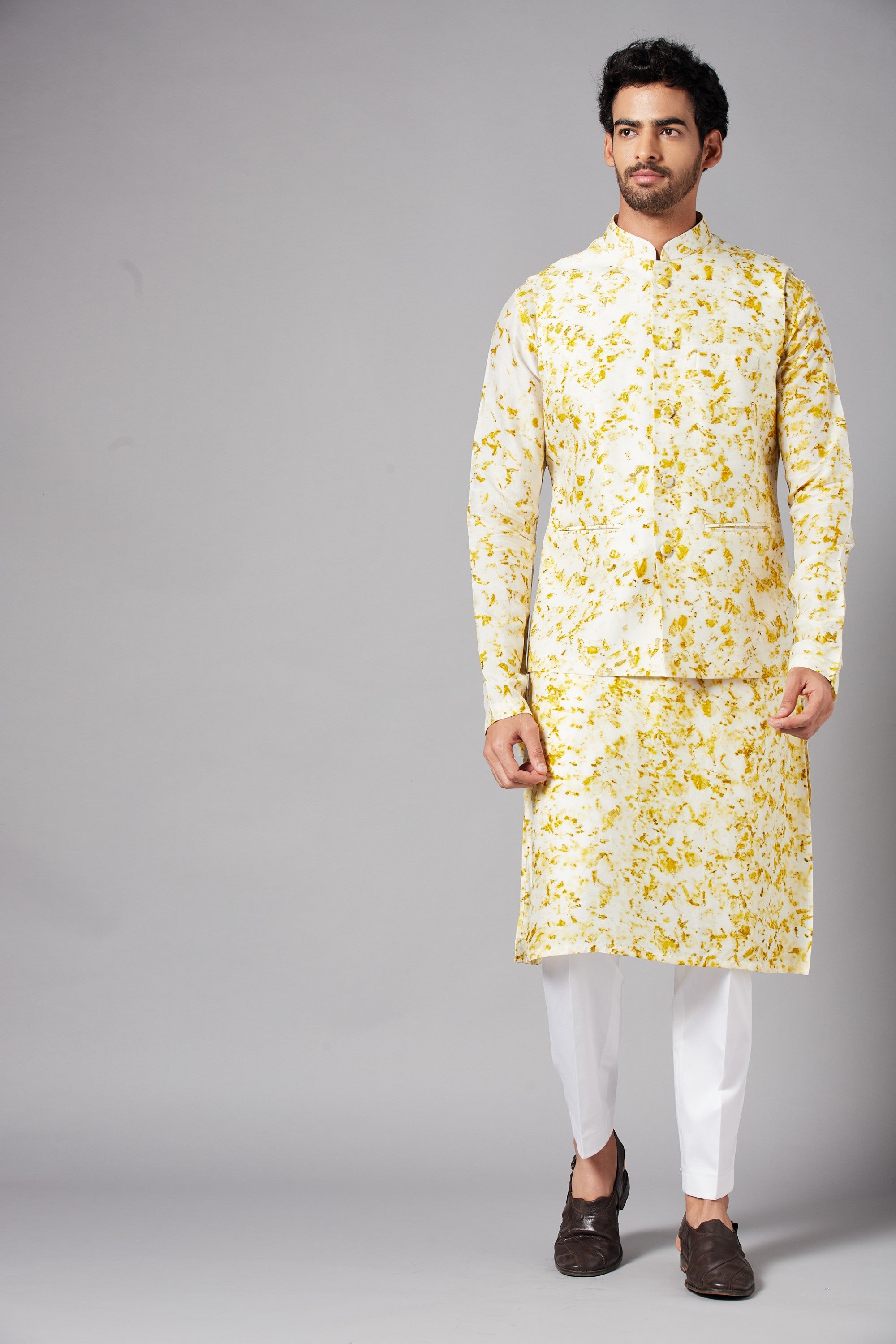


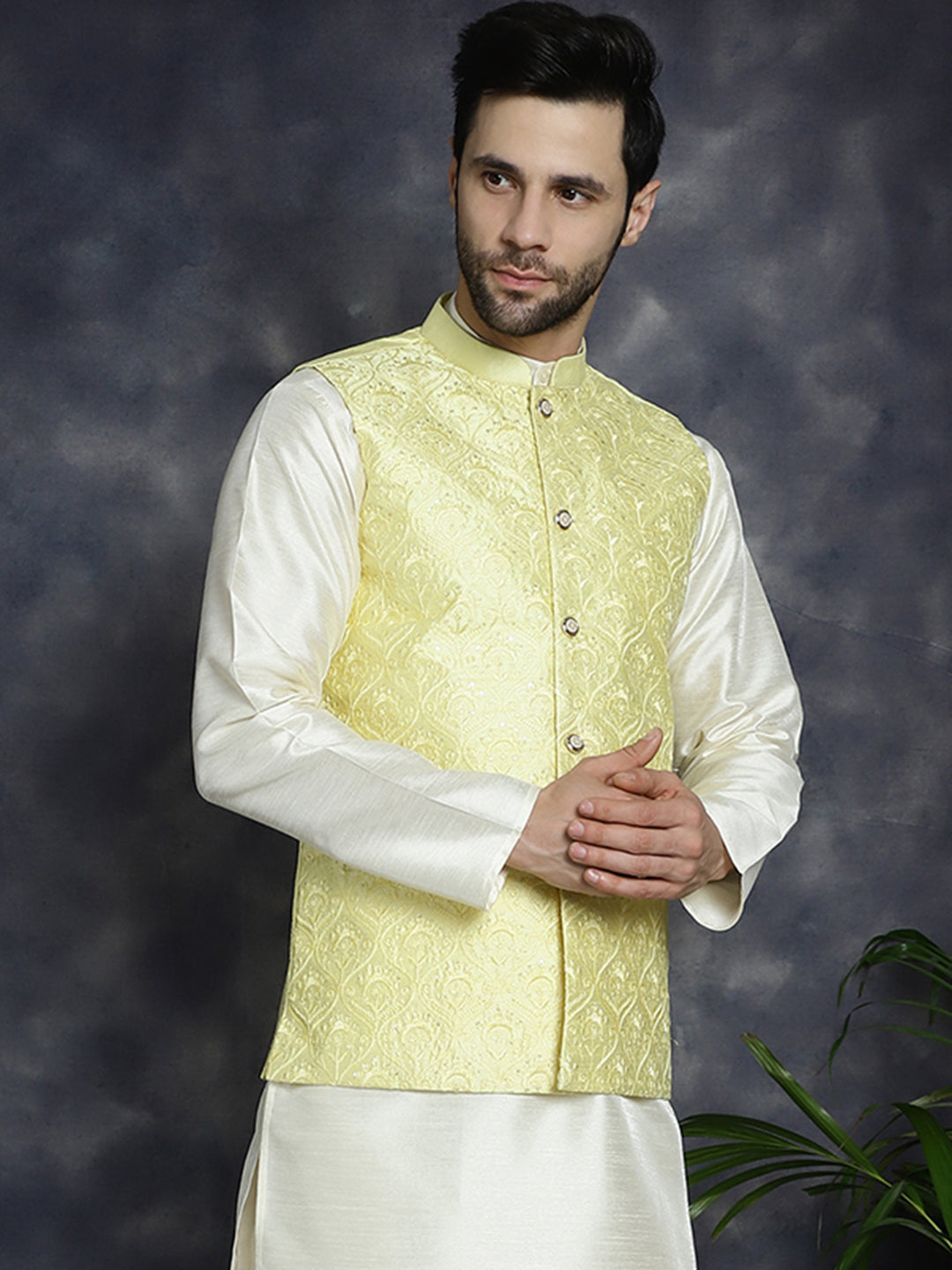

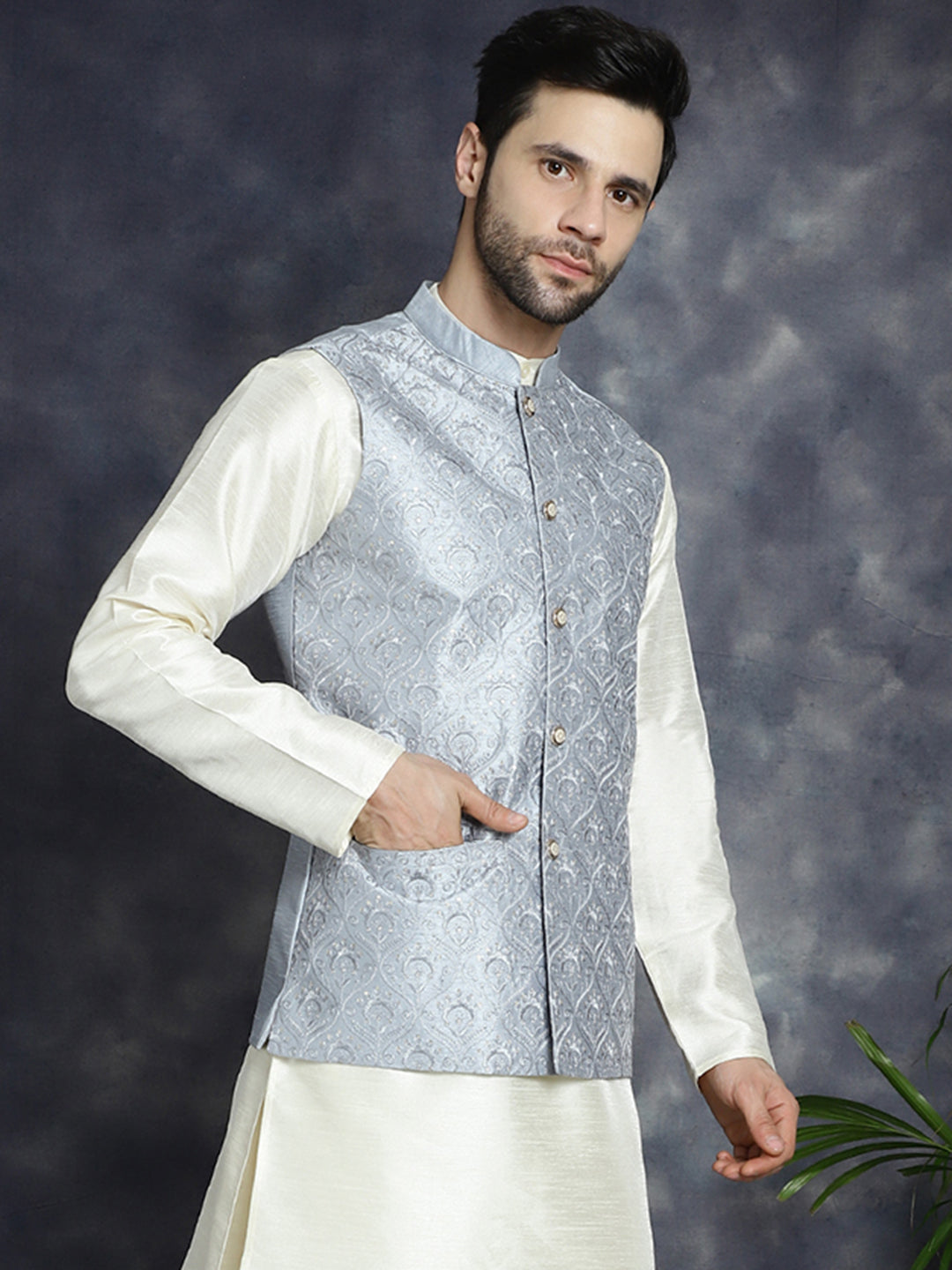

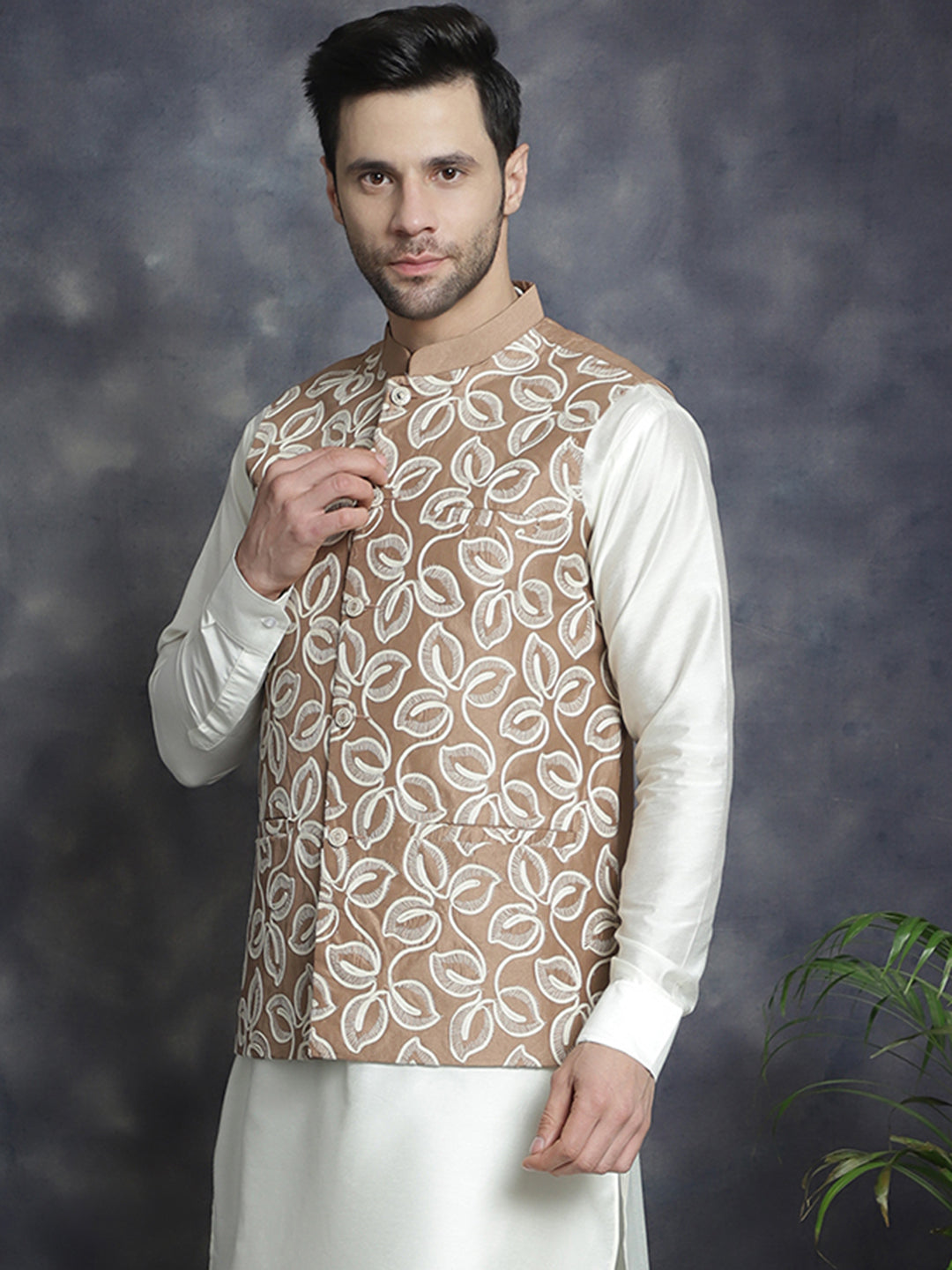

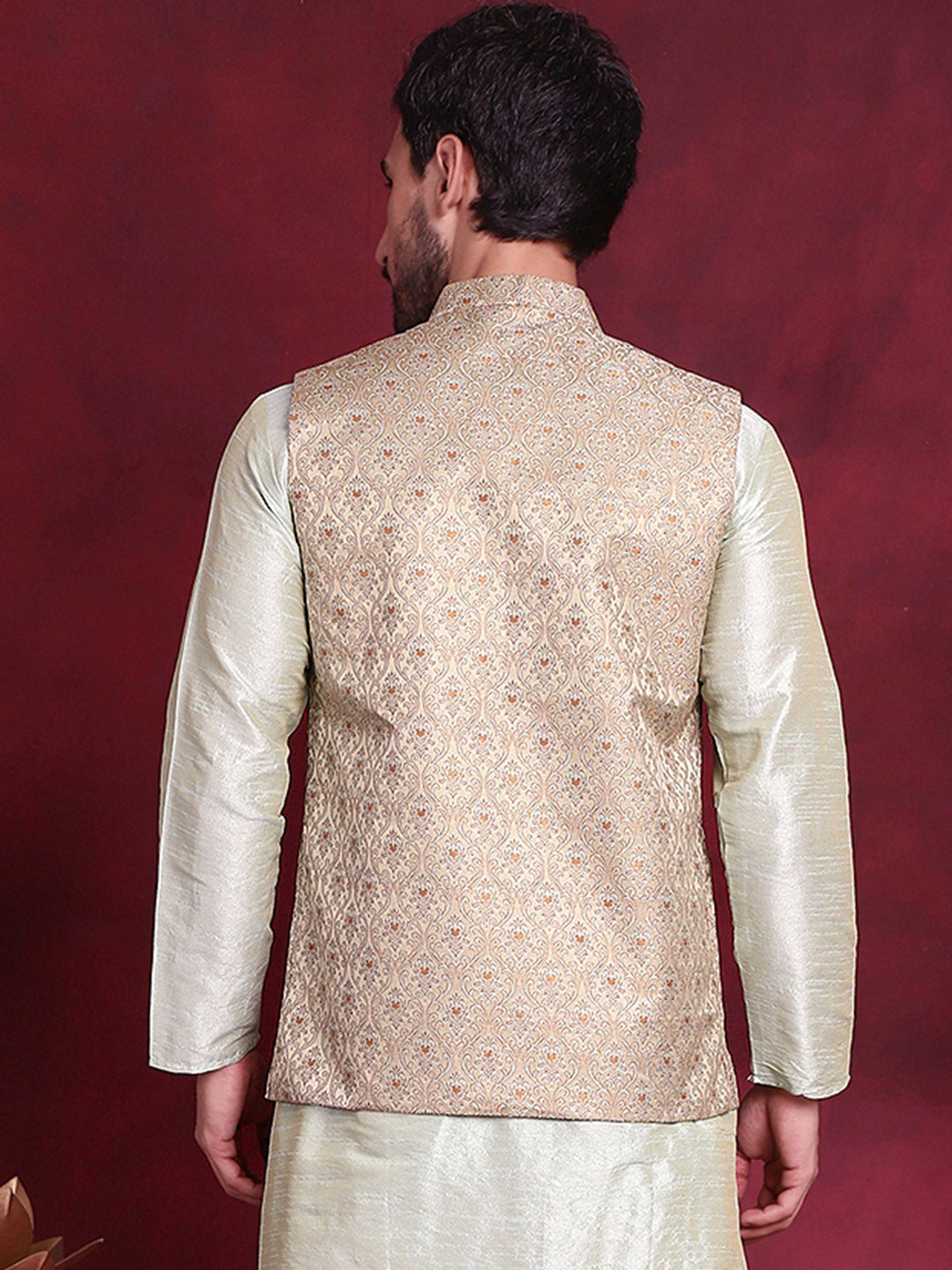

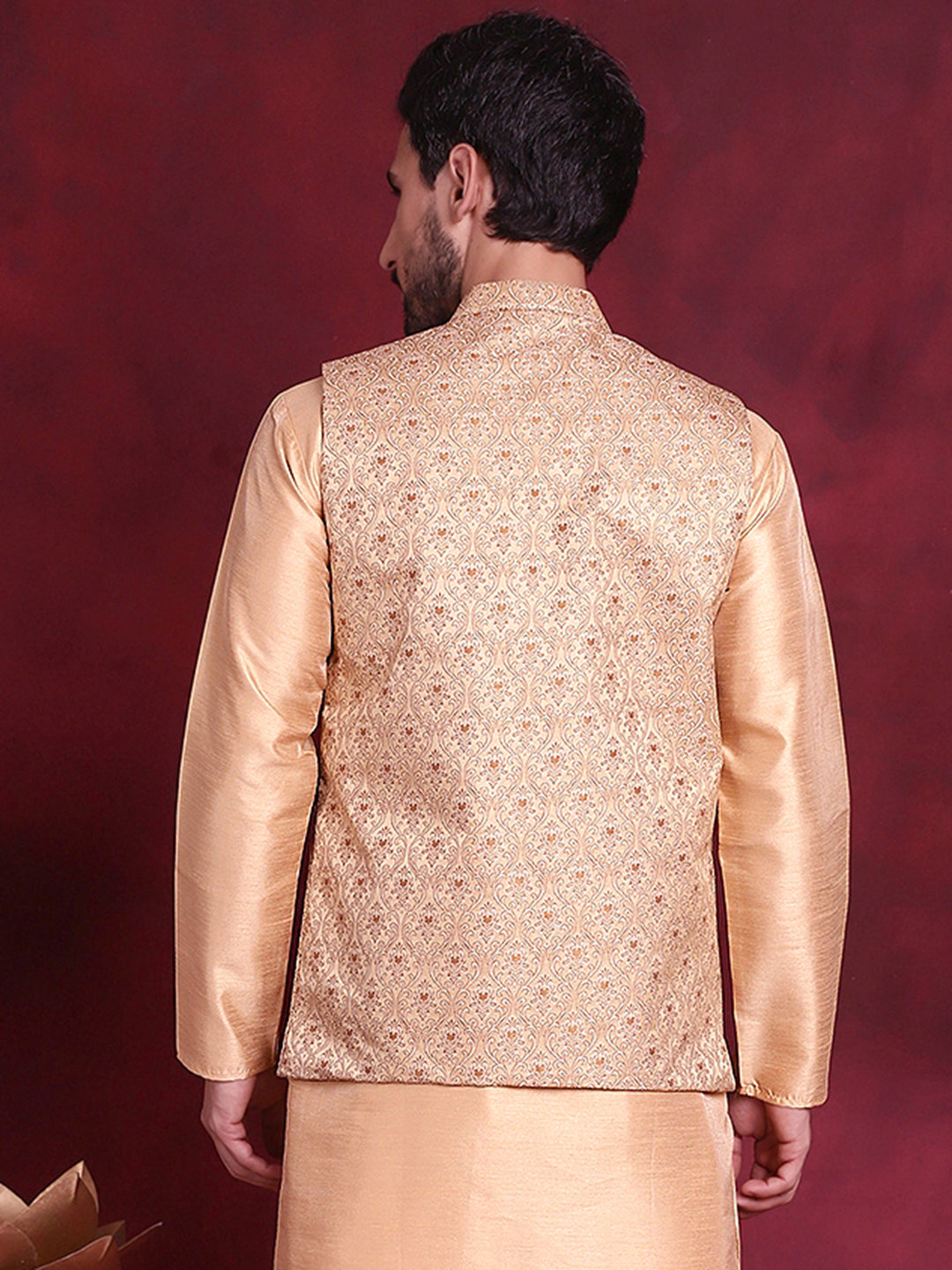


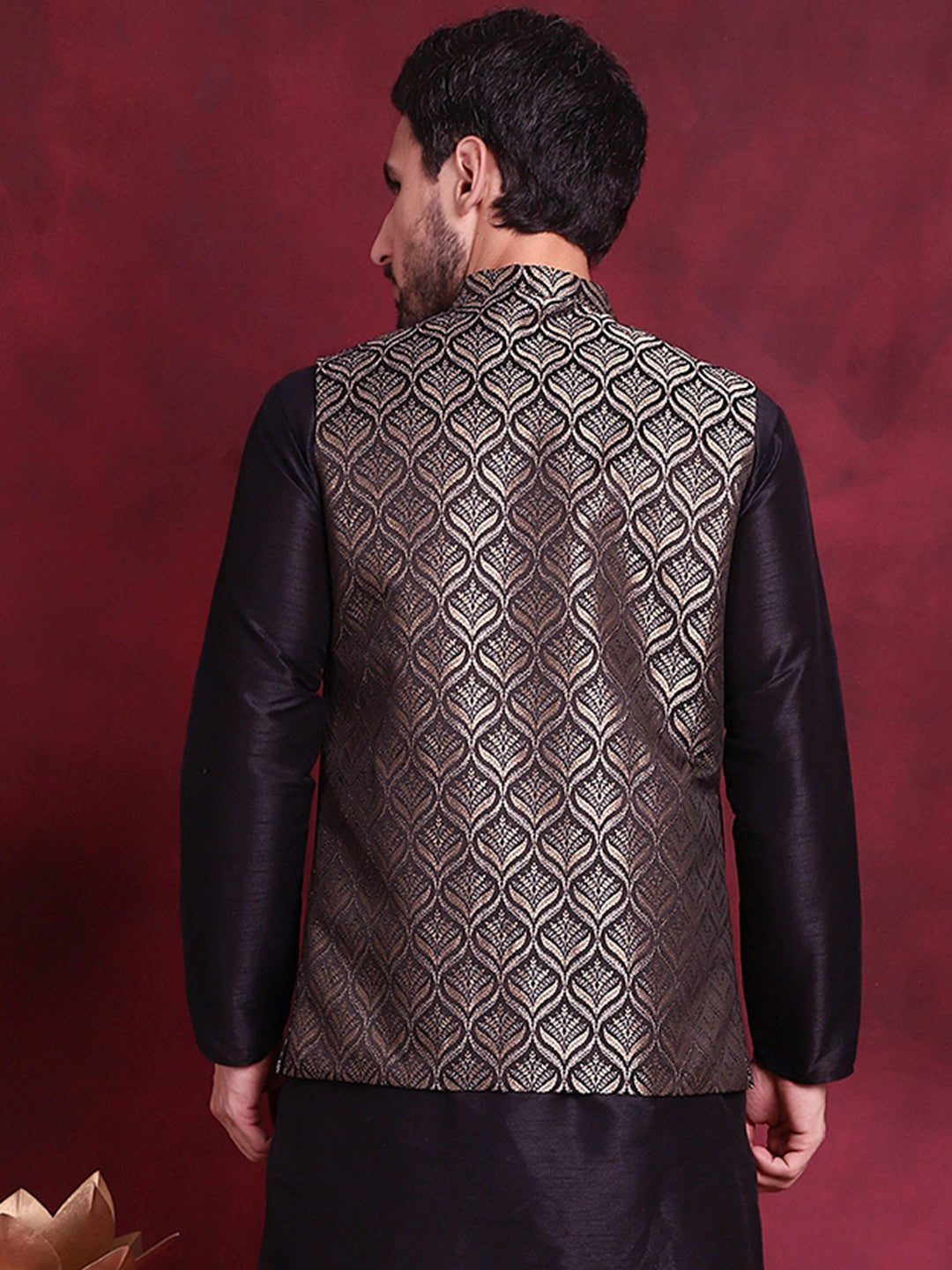


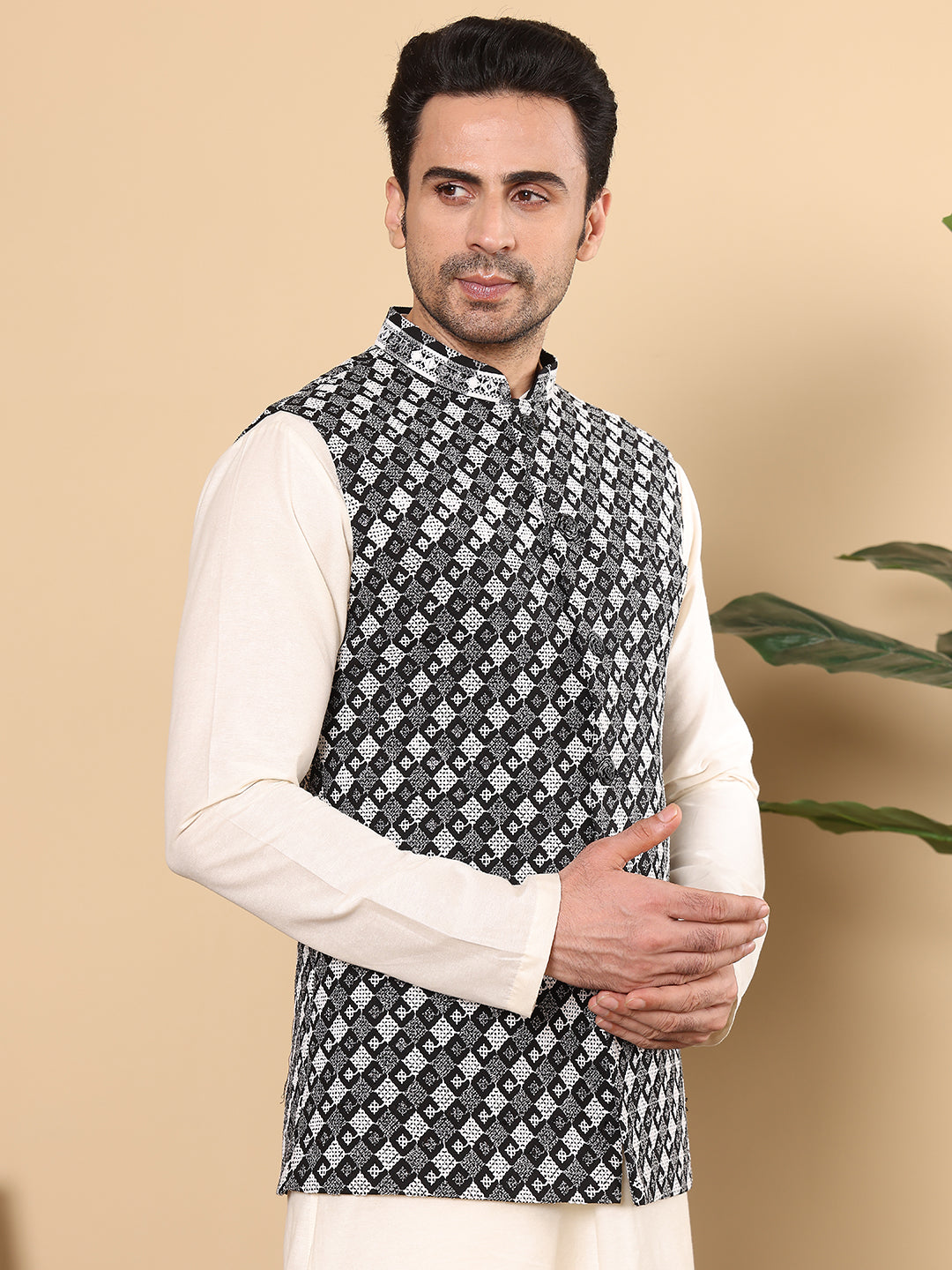

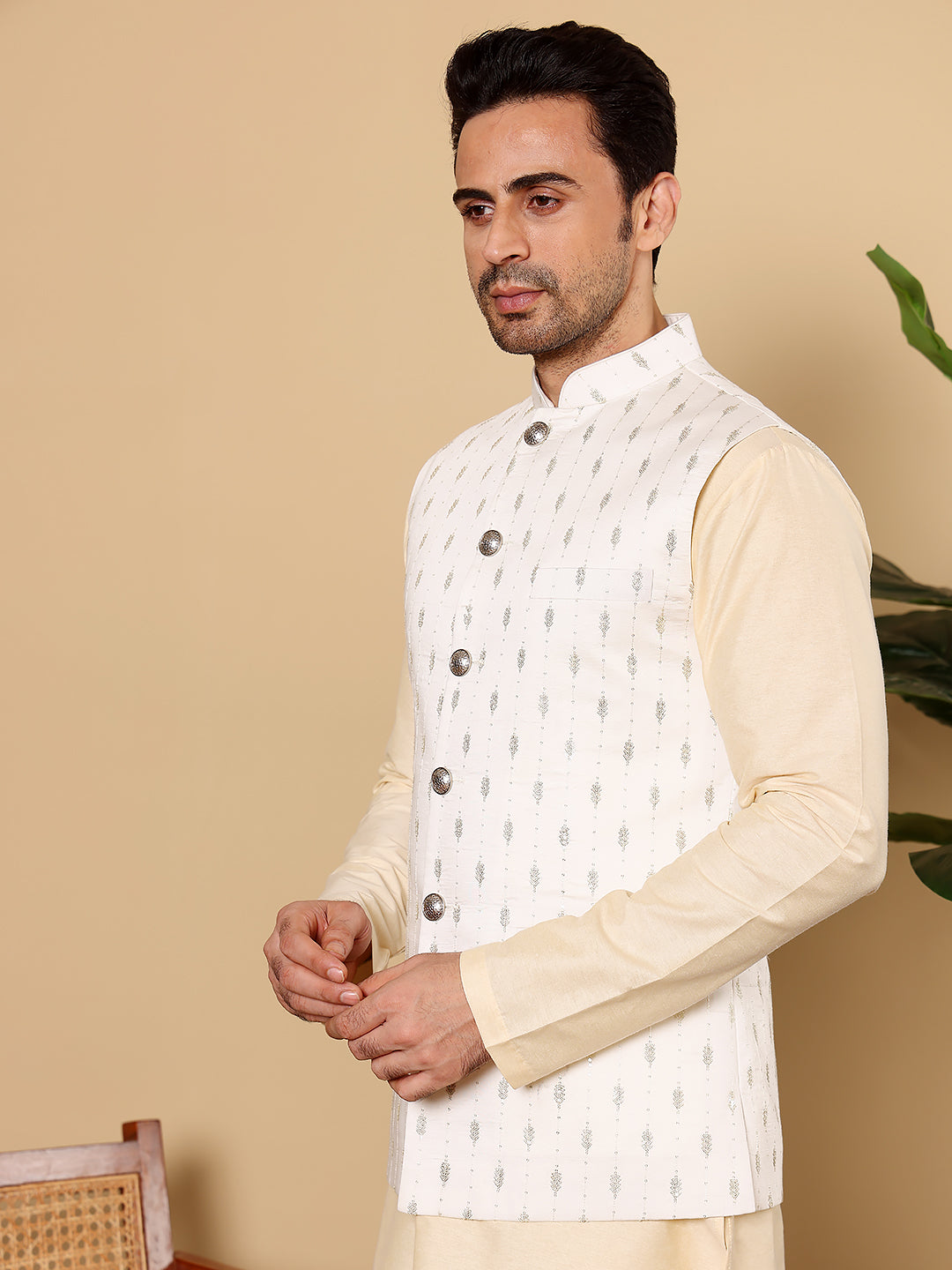

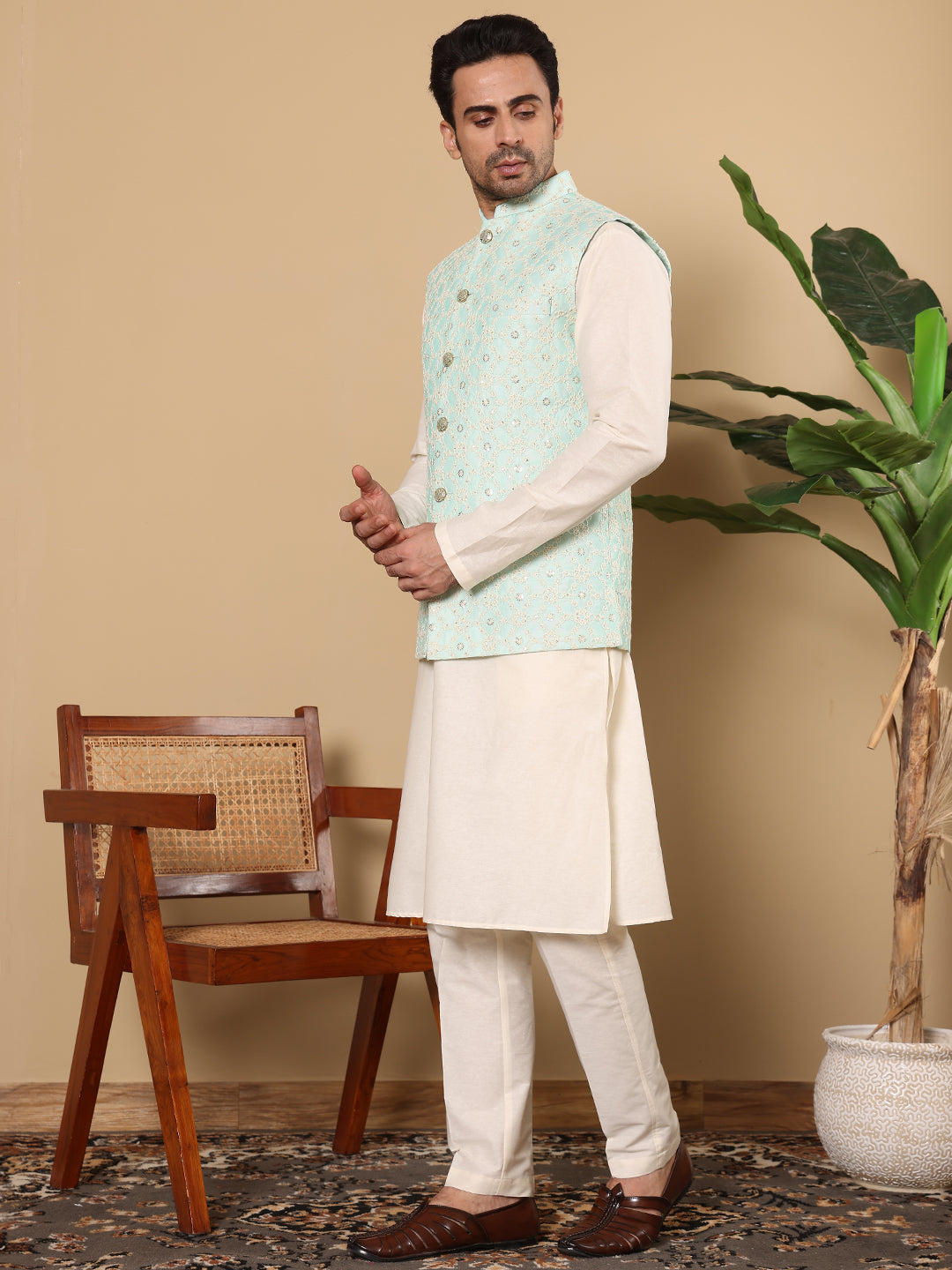

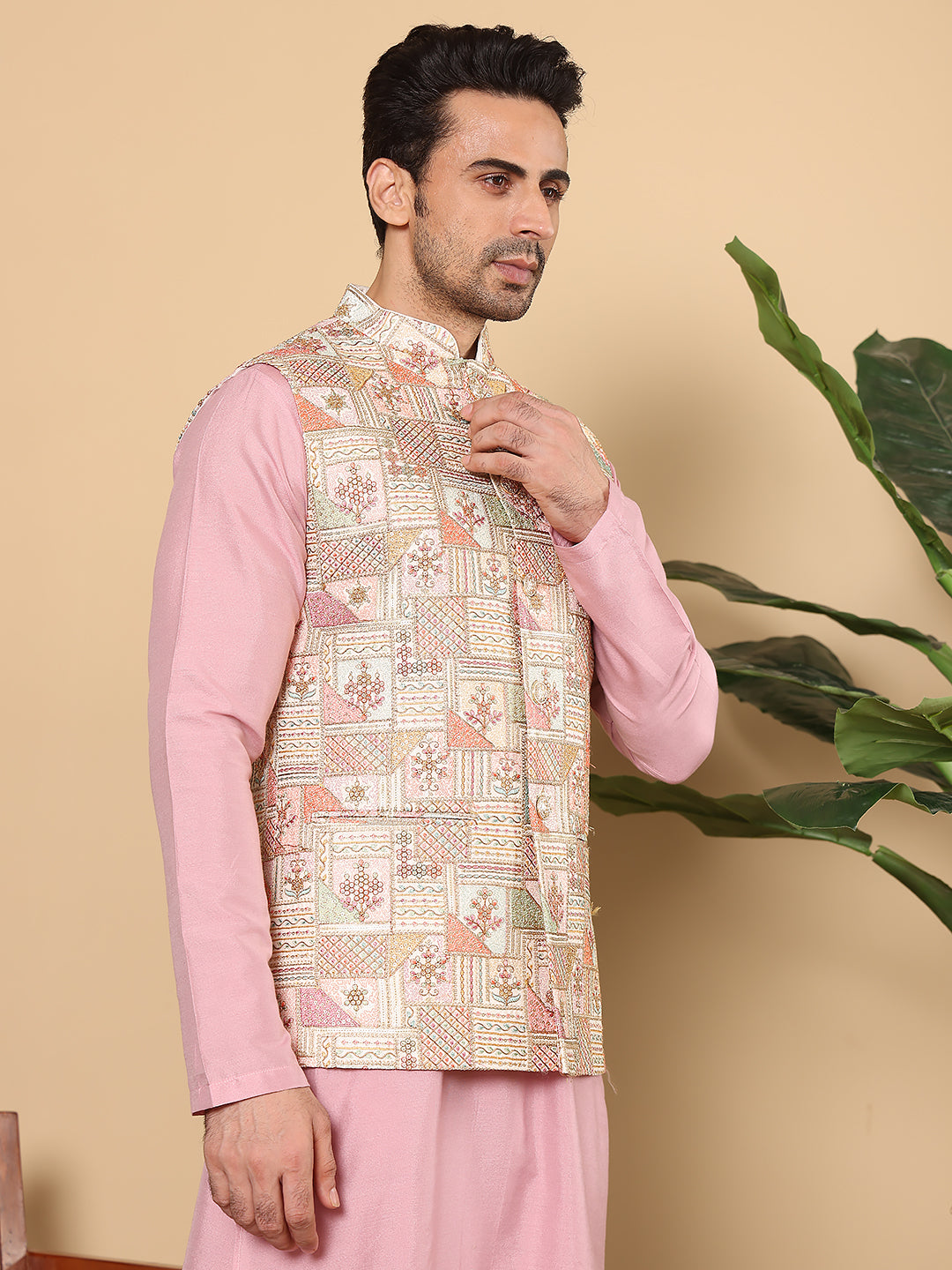

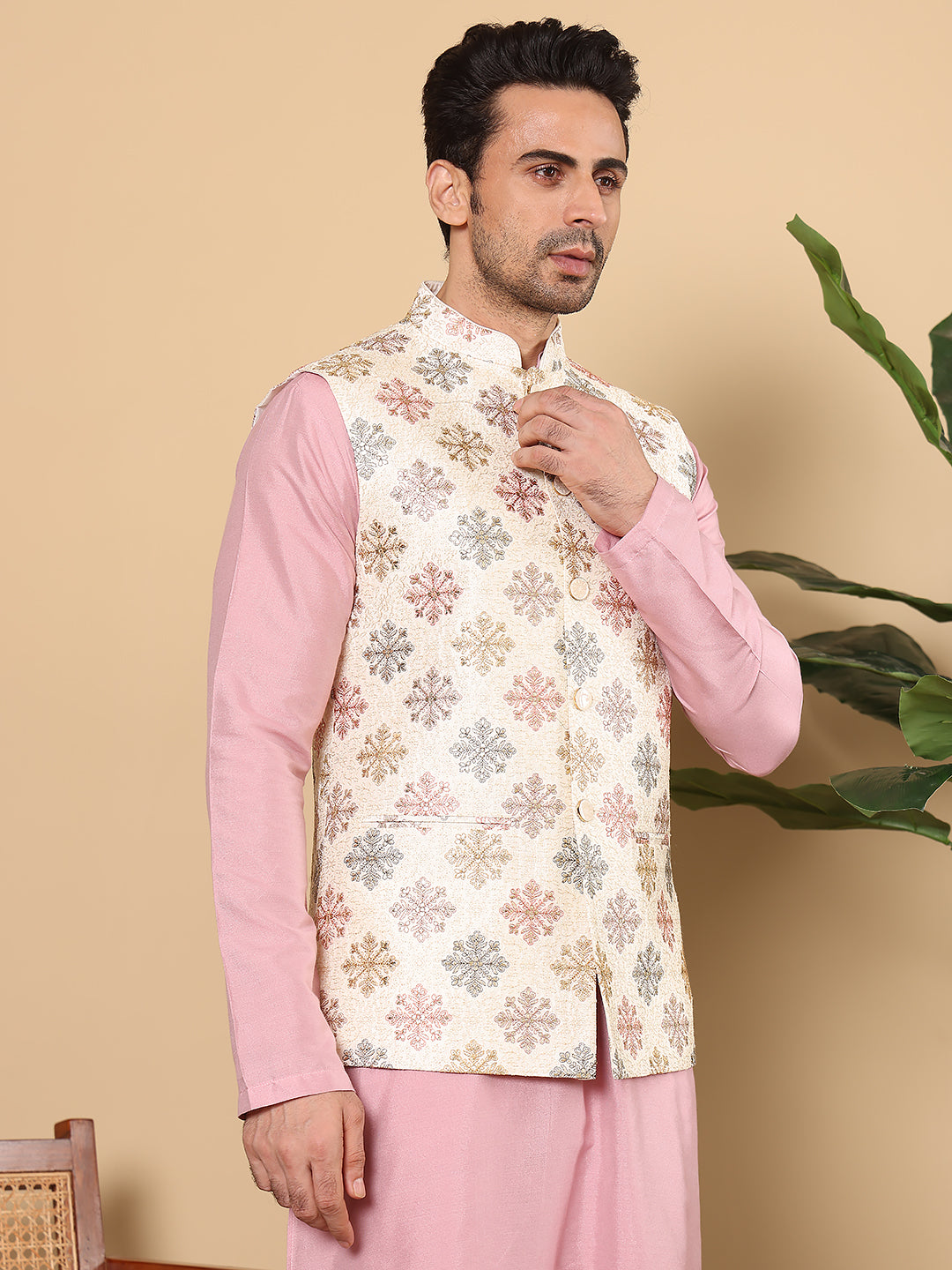

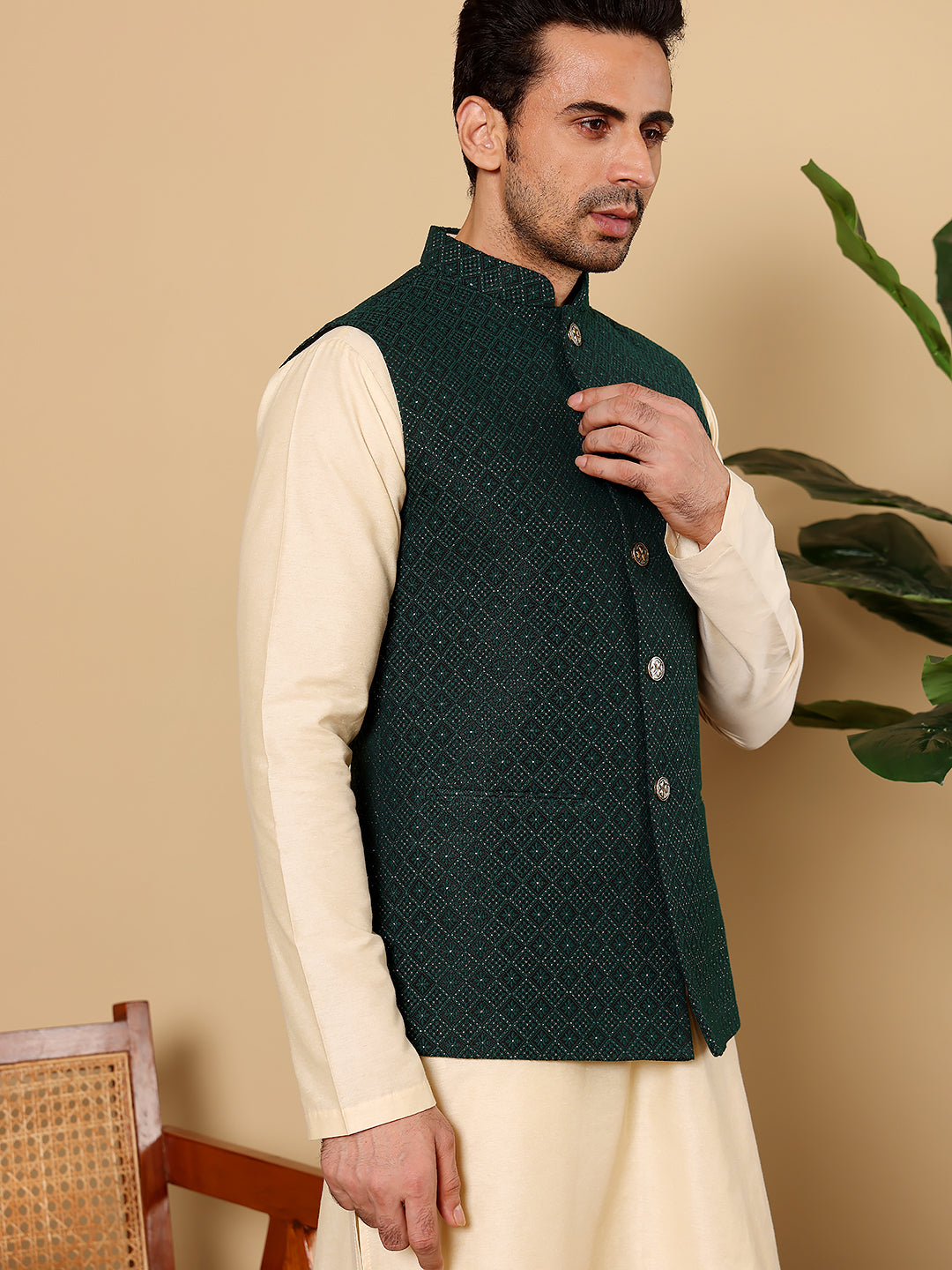


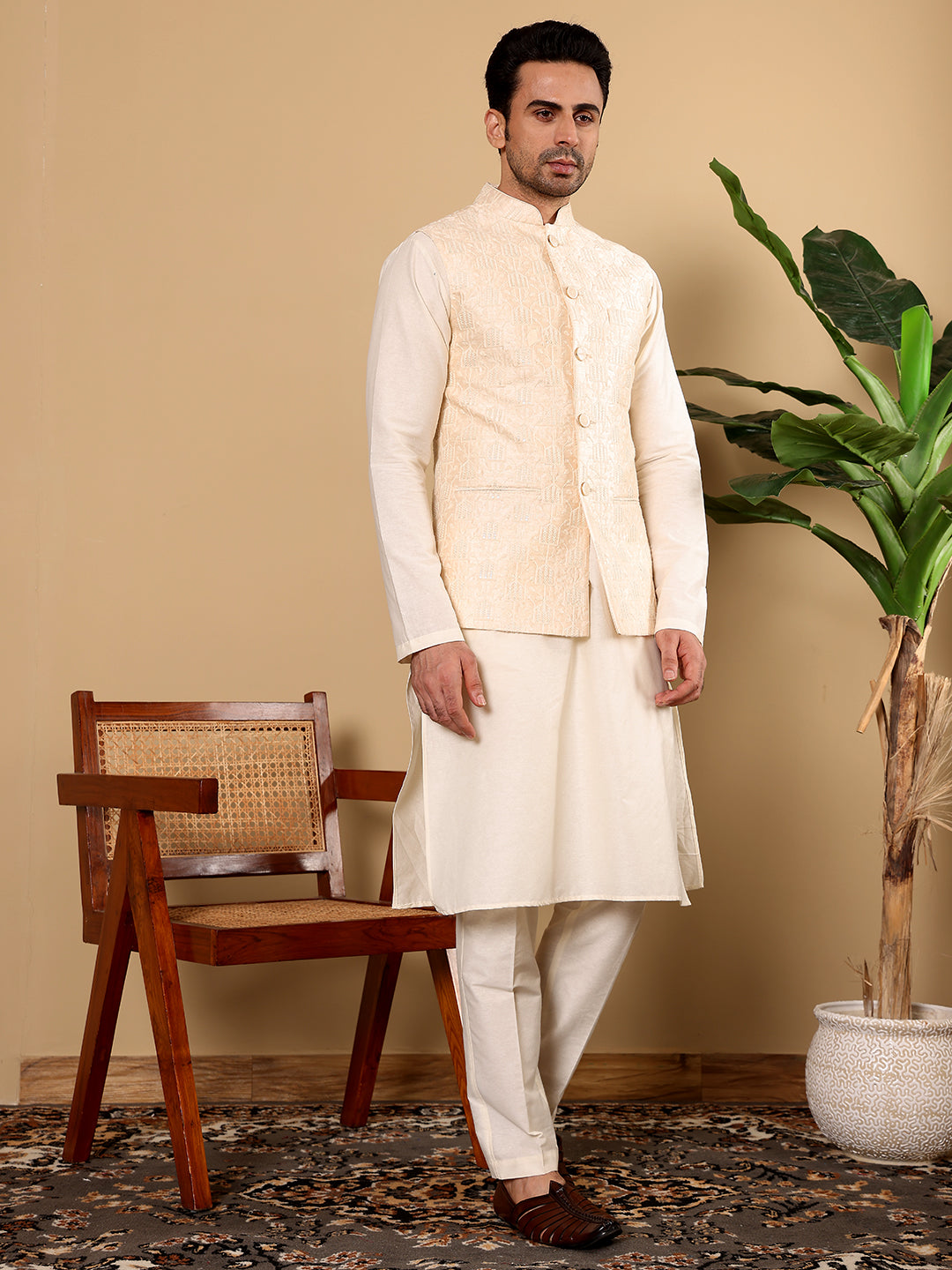

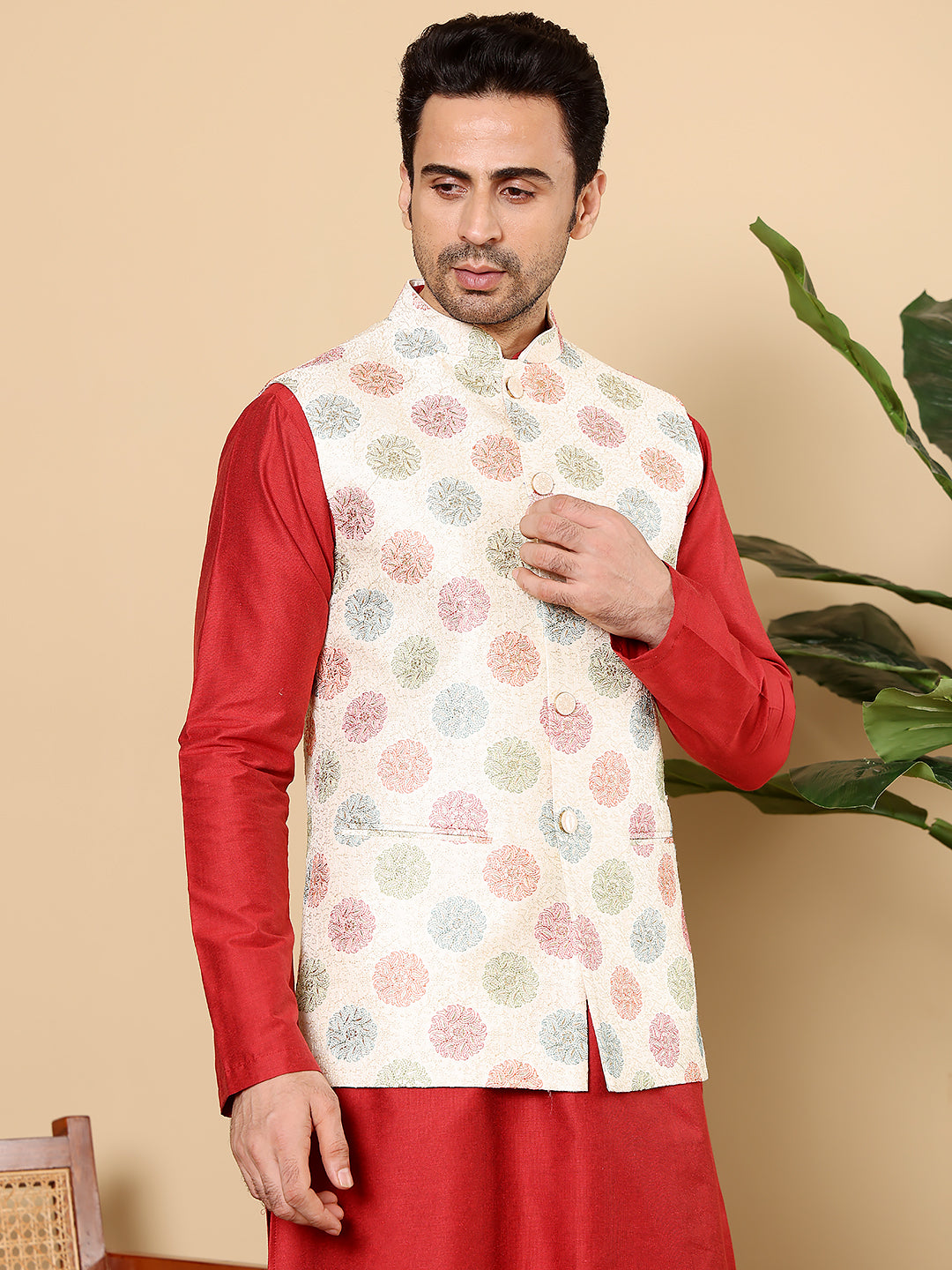

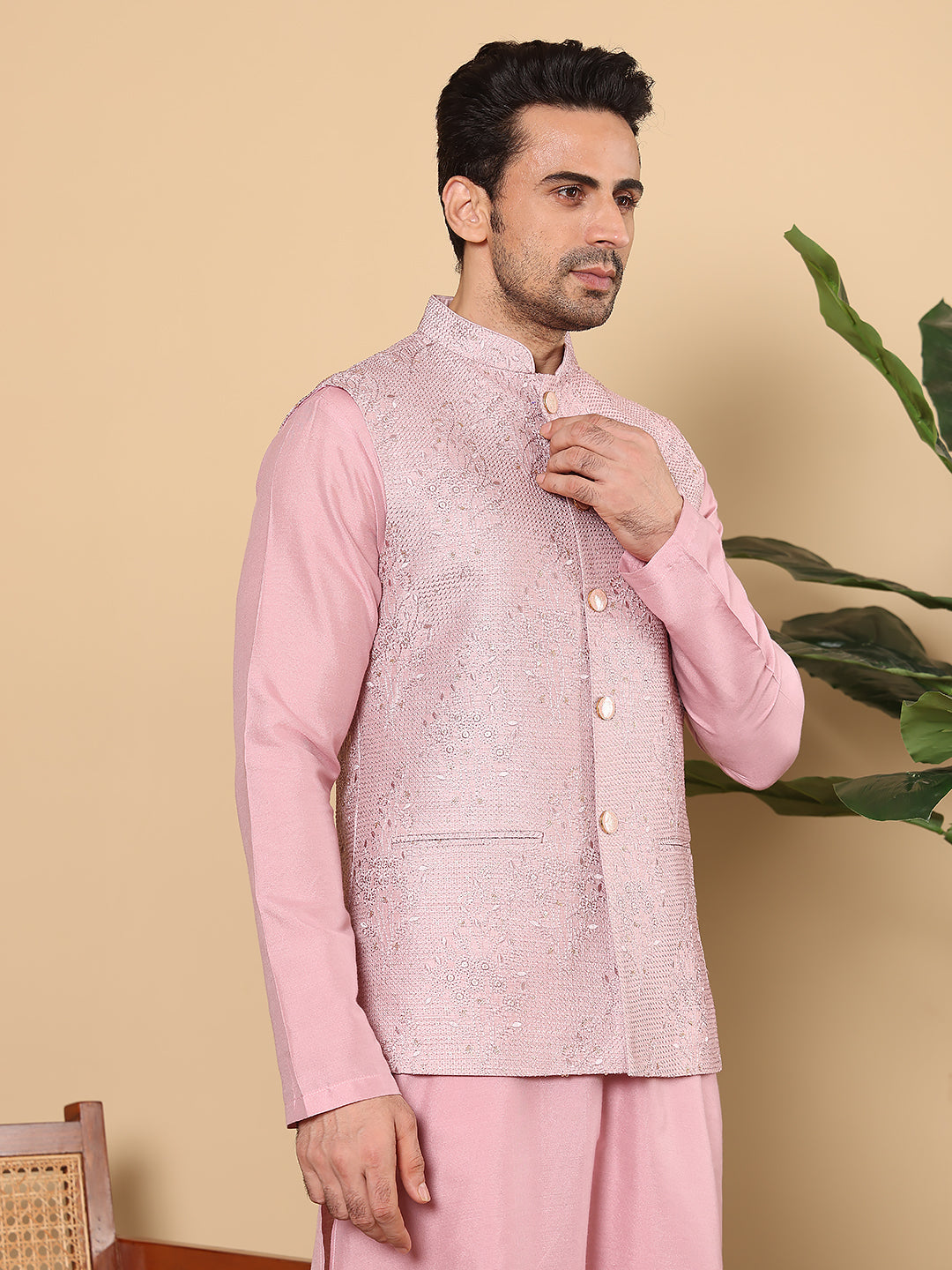

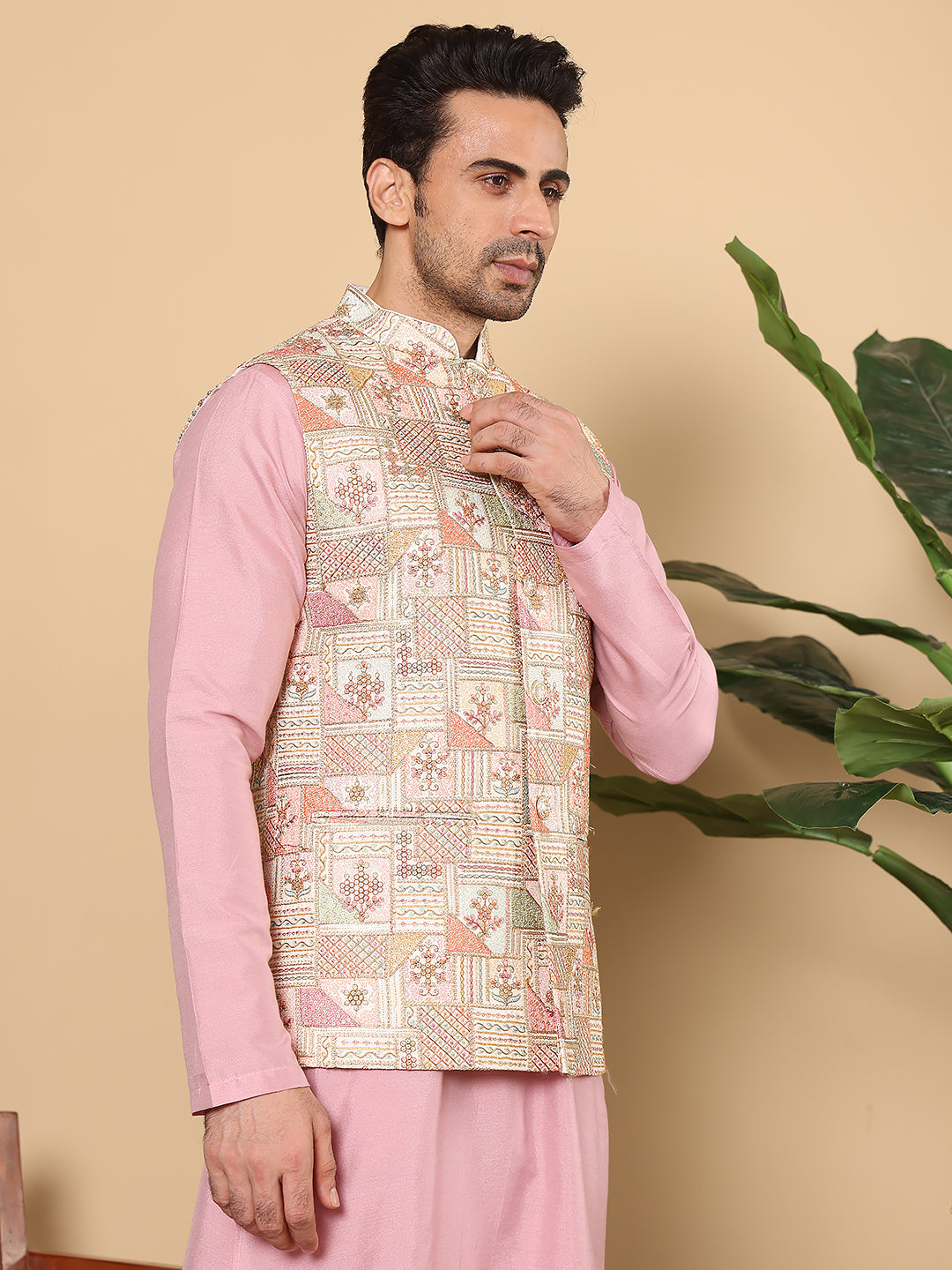
Indian menswear covers a wider formality range than most Western wardrobes do - the same kurta shape works in cotton for a weekday and in silk for a wedding. This collection spans that whole range: kurtas, kurta sets, sherwanis, nehru jackets, dhotis, formal shirts and trousers from independent Indian labels.
Sizing here works differently from Western menswear, and the terminology for ethnic garments trips up most first-time buyers. Both are covered below, along with what to wear at a wedding depending on your role in it.
Browse by Category
|
Category |
Best for |
|
Daily wear through to weddings, depending on fabric |
|
|
Festive and wedding wear, bottom included |
|
|
Grooms and the most formal ceremonies |
|
|
Layering over a kurta or shirt |
|
|
Traditional and religious occasions |
|
|
Office and business settings |
|
|
Weekends and smart casual |
|
|
Receptions and semi-formal events |
|
|
Bottoms for both Western and ethnic wear |
|
|
Juttis, mojaris and formal shoes |
Indian Ethnic Wear Explained
The names get used loosely and the garments are genuinely different. This is the distinction that matters most when buying for an event.
|
Garment |
What it is |
When to wear it |
|
Kurta |
Loose straight tunic with side slits |
Anything from daily wear to weddings |
|
Kurta set |
Kurta with a matching bottom |
Festive occasions and wedding guest wear |
|
Pathani suit |
Straight long kurta with matching salwar |
Casual and semi-formal ethnic wear |
|
Sherwani |
Long structured coat over kurta and churidar |
Grooms, main wedding ceremonies |
|
Jodhpuri / bandhgala |
Closed-neck jacket with trousers, hip length |
Receptions, formal events, sangeet |
|
Nehru jacket |
Sleeveless mandarin-collar jacket |
Layered over a kurta or shirt |
|
Dhoti set |
Draped or pre-stitched dhoti with kurta |
Pujas and traditional ceremonies |
Kurtas and Kurta Sets
A kurta is the top garment only. Some listings include a bottom and some do not, so check before ordering - kurta sets supply the pairing together. Knee length is the standard and carries from a family dinner to a wedding depending on fabric, while short kurtas sit closer to a casual shirt and are the only length that works properly with jeans.
Sherwani, Jodhpuri and Bandhgala
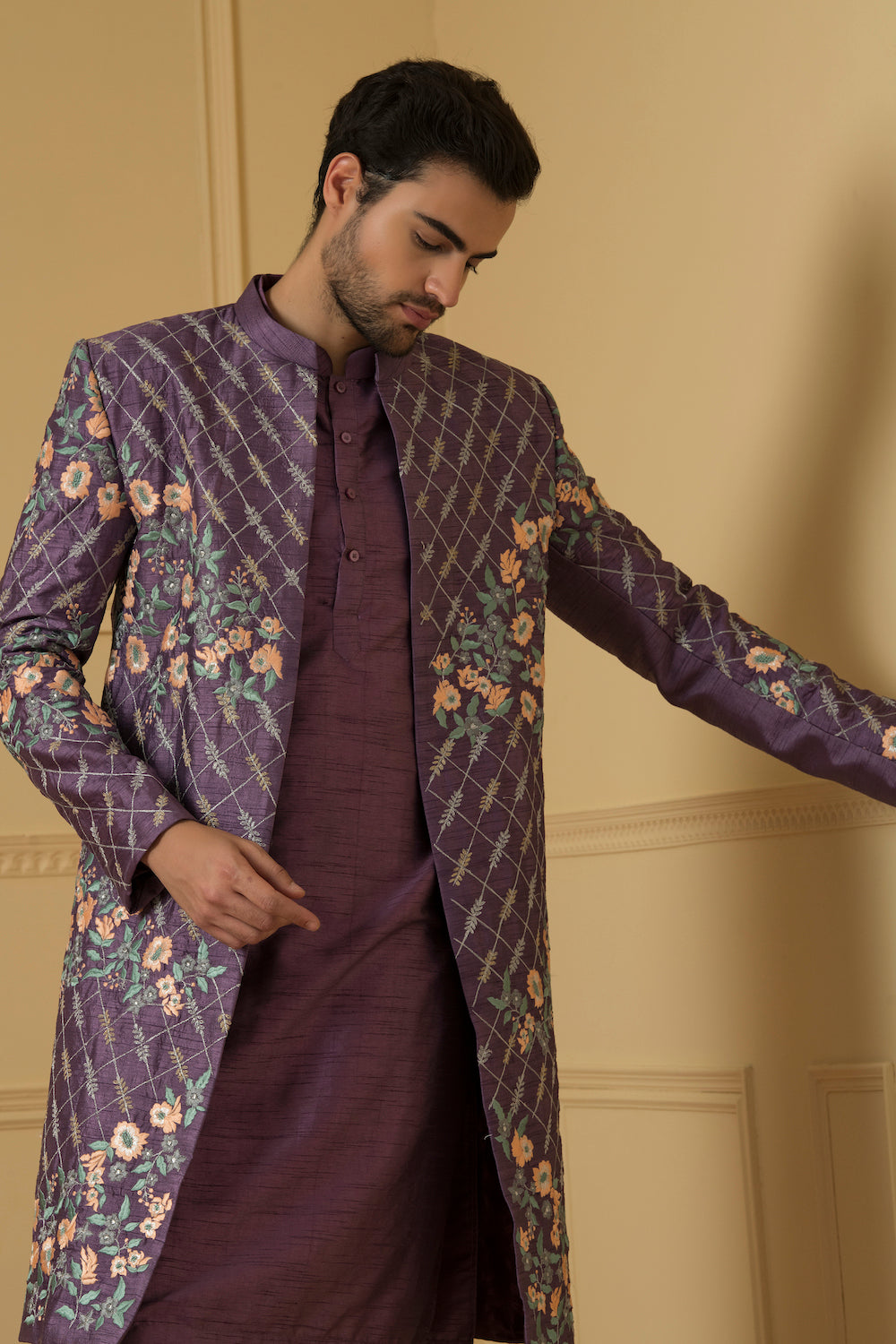
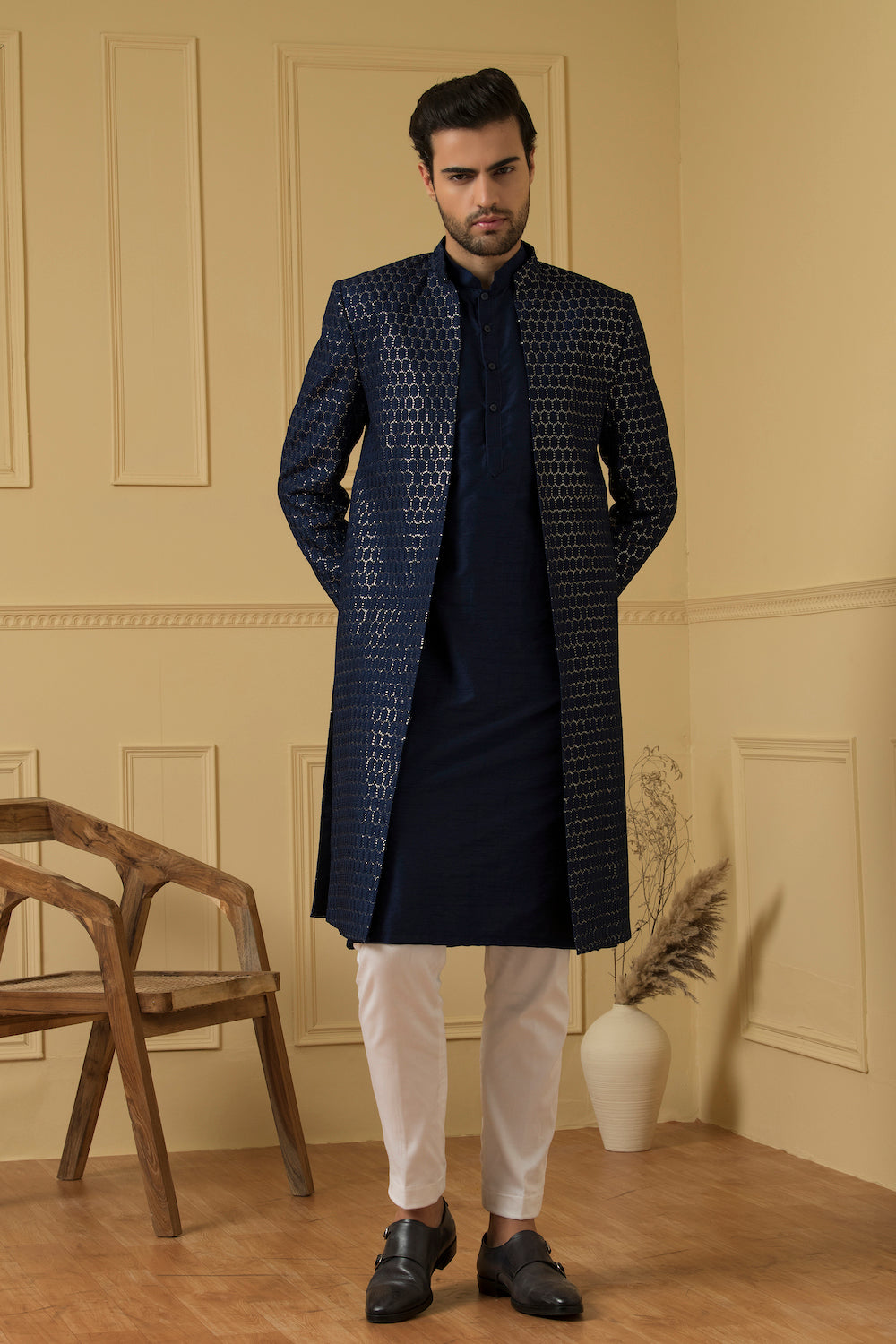
These three are frequently confused. A sherwani is a long structured coat, usually knee length or below, worn over a kurta and churidar. It is the most formal Indian menswear garment and is traditionally the groom’s.
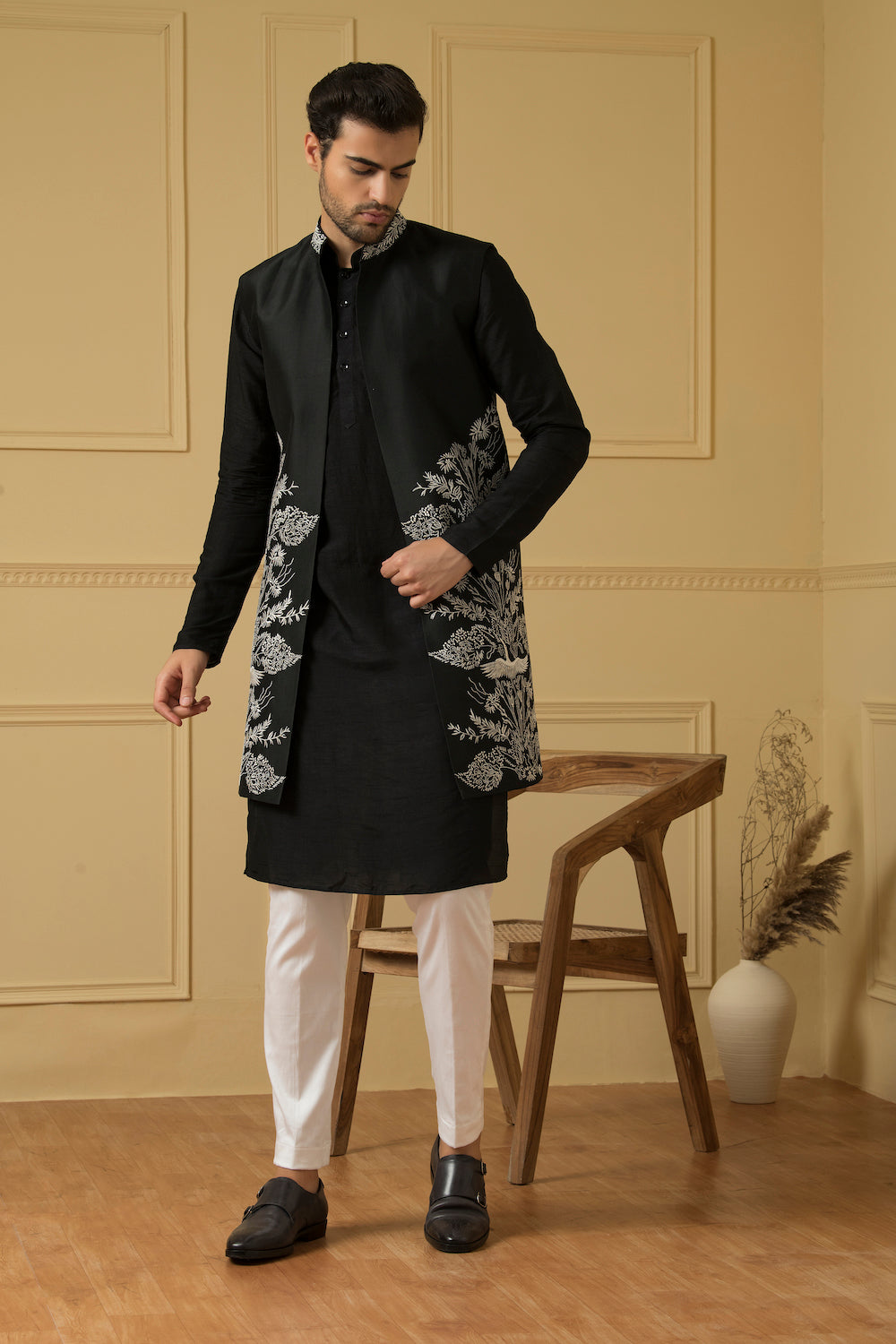
A jodhpuri, also called a bandhgala, is a suit rather than a coat: a closed-neck jacket cut to the hip, worn with trousers. Bandhgala literally describes the closed collar. It is tailored closer to Western lines than a sherwani, which makes it the more practical choice for receptions, sangeet and formal events where a sherwani would be too much. It also works outside an Indian context in a way a sherwani does not.
A pathani suit is a straight long kurta with matching salwar, plainer in construction and without heavy surface work. It reads casual to semi-formal and is a common choice for Eid and everyday ethnic wear.
Nehru Jackets
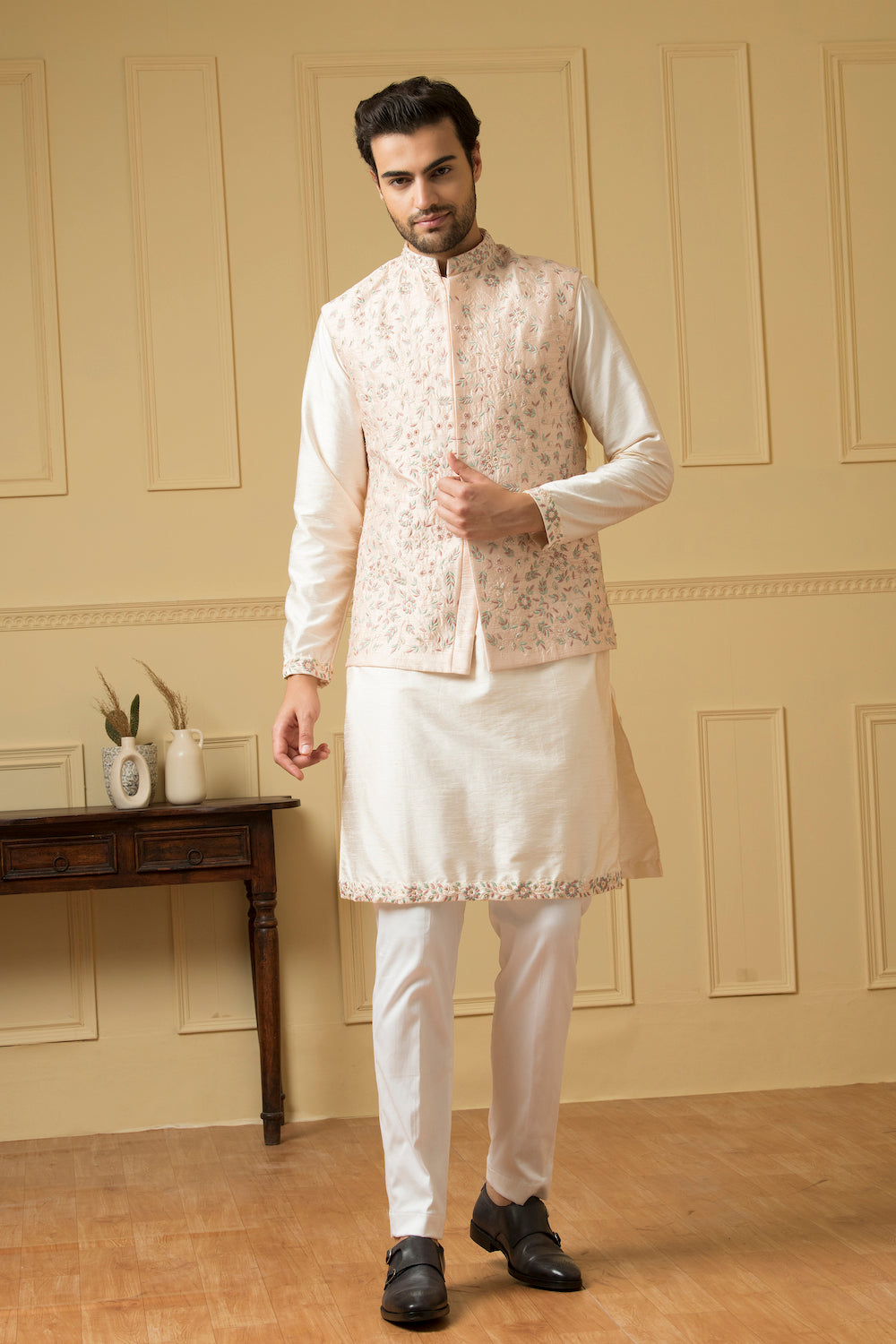
A nehru jacket is a sleeveless button-front jacket with a mandarin collar, worn over a kurta or shirt. It is the single most efficient way to move an outfit from festive to formal without buying a full sherwani. Size it one up from your kurta size, since it goes over the top - a jacket bought at kurta size pulls at the buttons.
Dhotis
Dhotis are draped rather than stitched, though pre-stitched versions that pull on are widely available and are the practical choice if you do not drape regularly. Dhoti sets pair one with a matching kurta, and belong at pujas, religious ceremonies and South Indian functions.
Shirts, Trousers and Western Wear
Formal shirts in cotton and cotton blends cover office and business settings. Casual shirts run to prints and lighter fabrics for weekends. Blazers work over both a shirt and a kurta, which makes them more versatile in an Indian wardrobe than they are in a Western one.
For bottoms, trousers pair with short and knee-length kurtas as well as shirts, pyjamas are the default under any kurta, and jeans work with short kurtas only - a knee-length kurta over jeans reads unbalanced because the hem covers most of the leg.
Sizing
Indian menswear is usually sized by chest measurement in inches - 38, 40, 42, 44 - rather than by S, M and L, and the two do not map onto each other reliably. Measure around the fullest part of your chest with the tape relaxed and check that number against the chart on the individual product page. Because Trendia lists several independent labels, sizing is not standardised between them.
Two further measurements matter for ethnic wear. Shoulder width is taken across the back from one shoulder point to the other, and the garment’s shoulder seam should sit on that point - a seam dropping onto the upper arm makes the whole piece look oversized regardless of chest fit. Length is taken from the shoulder seam down and should be checked against your height rather than assumed from the size.
If you fall between sizes, size up. Kurtas and sherwanis are meant to hang rather than fit close, and taking in a side seam is a simple alteration while letting one out is limited by the seam allowance. Nehru jackets and blazers should be sized one above your kurta or shirt size, since they are worn over the top. Shirts and trousers follow conventional collar and waist sizing.
Fabrics
Cotton is the practical default for daily wear and heat, though it creases visibly through a workday. Linen breathes best and creases most - worth accepting rather than fighting, and our linen and cotton comparison covers the trade-off. Silk holds structure and is traditional for weddings and evening ceremonies.
Rayon and viscose hold printed colour sharply and crease far less than cotton, which makes them the better choice for travel and long days. Cotton silk sits between cotton and pure silk and is the most versatile single fabric here - comfortable enough for daytime, polished enough for a family function.
Dressing for an Indian Wedding
What is appropriate depends less on the event than on your role in it. Our guide to what to wear to an Indian wedding covers the ceremonies in detail; the short version for men is below.
If you are the groom
A sherwani with churidar for the main ceremony, typically in ivory, gold, pastel or deep jewel tones with the heaviest surface work of anyone present. A safa or turban usually completes it. For the reception, many grooms switch to a jodhpuri or an indo-western set, which photographs well and is considerably easier to move in.
If you are family or a groomsman
Coordinate with the groom without matching him. A heavier kurta set with a nehru jacket, or a jodhpuri, sits at the right level. Stay a step below the groom on both work and colour - the point is to look part of the party rather than part of the ceremony.
If you are a guest
A silk or cotton-silk kurta set with a nehru jacket covers the main ceremony comfortably. Lighter cotton or rayon kurtas suit mehendi and daytime functions. The things to avoid are full sherwani looks, ivory-and-gold combinations and heavy gold work, all of which are normally the groom’s territory.
Haldi and mehendi
Wear something you would not mind ruining. Haldi means turmeric, and turmeric stains permanently - cotton kurtas in yellow or white are the convention precisely because they are expected to be sacrificed. Save anything silk, embroidered or expensive for the ceremonies where it will survive.
Layering and Accessories
A nehru jacket over a kurta is the standard move. Neutral jackets work over strong kurta colours and vice versa; matching both to the same tone reads flat. Blazers work over kurtas as well as shirts for semi-formal settings. Men’s jewellery covers brooches, chains and kalgi for weddings.
Footwear should follow the occasion: juttis or mojaris for weddings and festivals, loafers for office and smart casual, and sandals only for genuinely casual daytime wear. Formal Western shoes look wrong with a dhoti and only borderline with a kurta.
Care
Cotton, linen and rayon can be machine washed cold, inside out, on a gentle cycle. Skip the dryer - heat shrinks rayon and viscose noticeably and fades printed colour faster than washing does. Linen will crease regardless of how it is washed, and pressing it while slightly damp is the only reliable way to get it flat.
Silk, jacquard, brocade and anything embroidered or zari-worked should be dry cleaned. Sherwanis and structured jackets should be stored on a broad hanger rather than folded, since the shoulder structure distorts under a fold. White and cream kurtas should be washed separately and dried in shade - direct sun yellows cotton over time rather than keeping it bright.
FAQs: Men's Clothing
What is the difference between a sherwani and a jodhpuri?
A sherwani is a long structured coat, knee length or below, worn over a kurta and churidar - the most formal option and traditionally the groom’s. A jodhpuri, or bandhgala, is a closed-neck jacket cut to the hip and worn with trousers, tailored closer to Western lines. Jodhpuris suit receptions and formal events where a sherwani would be too much.
Does a kurta come with a bottom?
It depends on the listing. Some are sold as a top only, others include a matching pyjama or churidar. Check the product page, or browse kurta sets where the pairing is supplied together.
How do I choose a size?
Measure your chest at the fullest point and match it to the chart on the product page - Indian menswear is typically sized by chest in inches rather than S, M and L. Also check shoulder width: the shoulder seam should sit on your shoulder point, not the upper arm. If between sizes, size up.
What size nehru jacket do I need over a kurta?
One size up from your kurta size. The jacket is worn over the kurta, so a jacket bought at the same size will pull across the chest and at the buttons. The same applies to blazers worn over a kurta.
What should I wear to a wedding as a guest?
A silk or cotton-silk kurta set with a nehru jacket for the main ceremony, and a lighter cotton or rayon kurta for mehendi and daytime functions. Avoid full sherwani looks, ivory-and-gold combinations and heavy gold work, which are normally the groom’s.
What should I wear to a haldi ceremony?
Something inexpensive that you do not mind staining. Turmeric marks fabric permanently, which is why plain cotton kurtas in yellow or white are the convention. Keep silk and embroidered pieces for ceremonies where they will survive.
Which fabric is best for warm weather?
Cotton and linen. Linen breathes better but creases more; cotton is the more practical daily choice. Rayon feels cooler than it looks and creases far less, which makes it the better option for long days out. Avoid silk, jacquard and polyester blends in heat.
Can I wear a kurta with jeans?
With a short kurta, yes. A knee-length or longer kurta over jeans looks unbalanced because the hem covers most of the leg. Cotton and linen short kurtas in solid colours or simple prints work best for that pairing.
How do I wash a kurta?
Cotton, linen and rayon can be machine washed cold and inside out, but should not go in the dryer, since heat shrinks rayon and fades print. Silk, jacquard and embroidered kurtas should be dry cleaned. Dry white and cream pieces in shade rather than direct sun.
Where can I find new arrivals and best sellers?
New arrivals updates as each label delivers, and best sellers shows what is moving fastest. Pieces in the express range dispatch within 48 hours for US orders, with tariffs and duties covered.