


Lehengas for Women | Bridal & Party Lehenga - Trendia

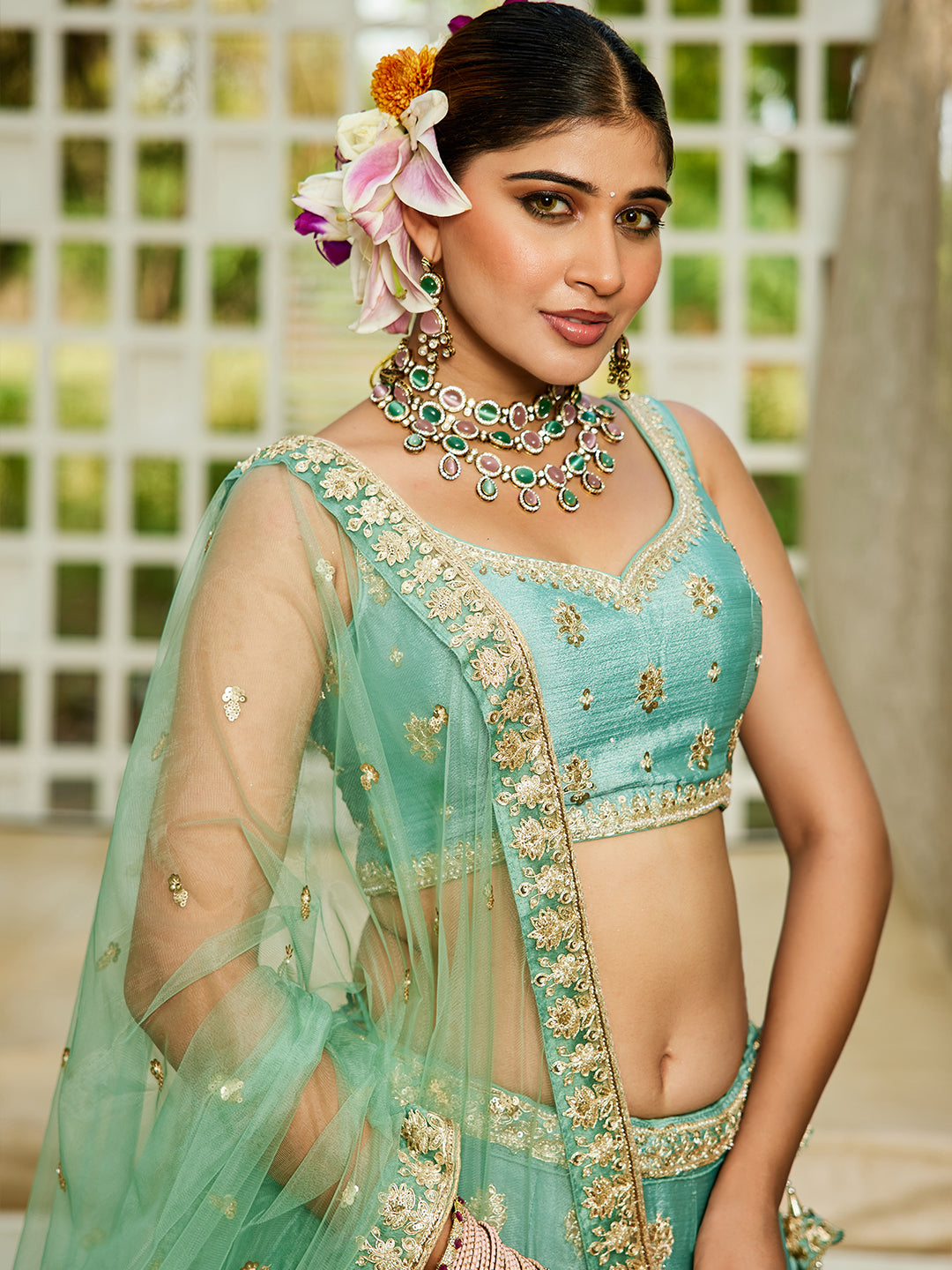

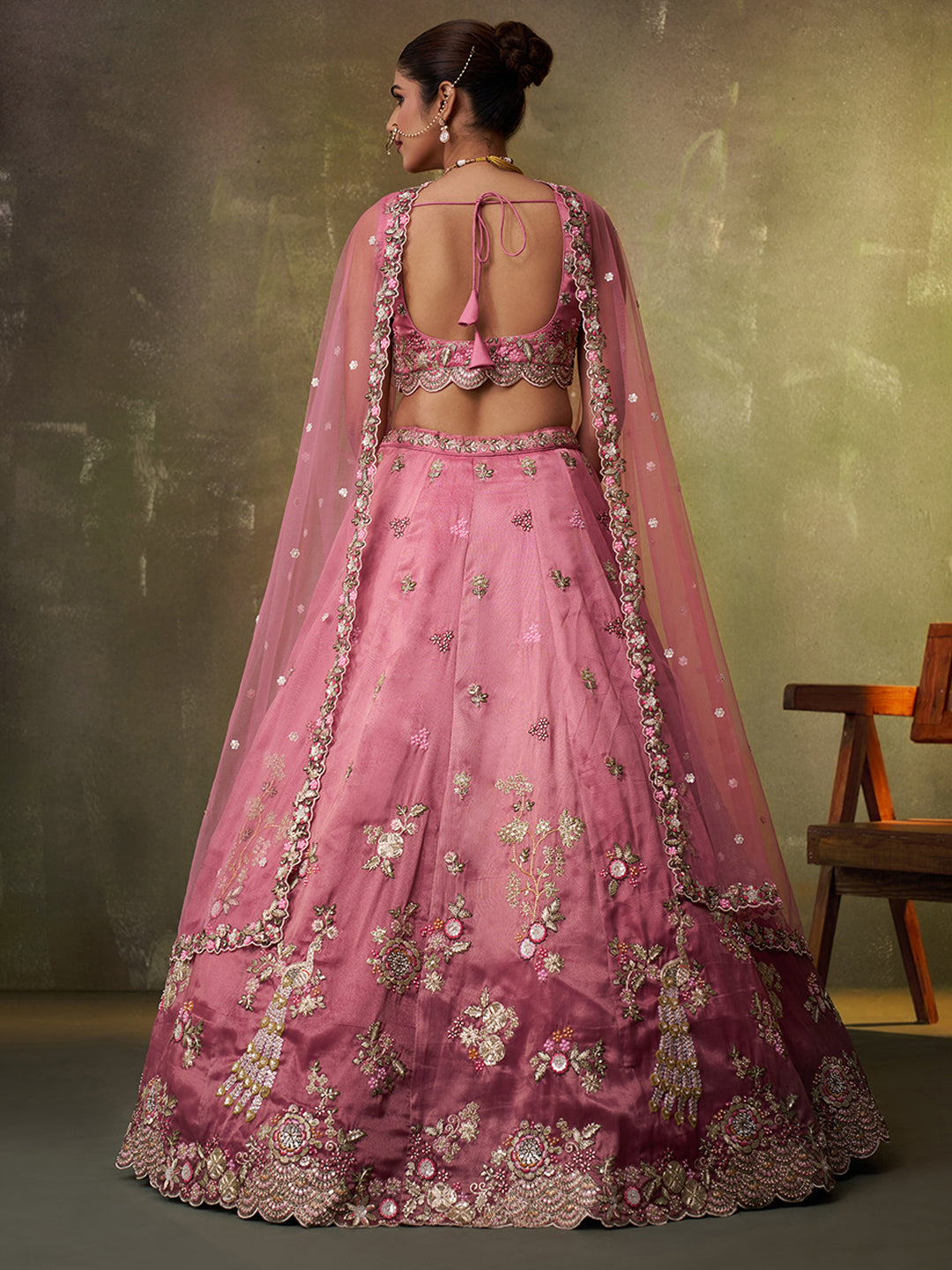


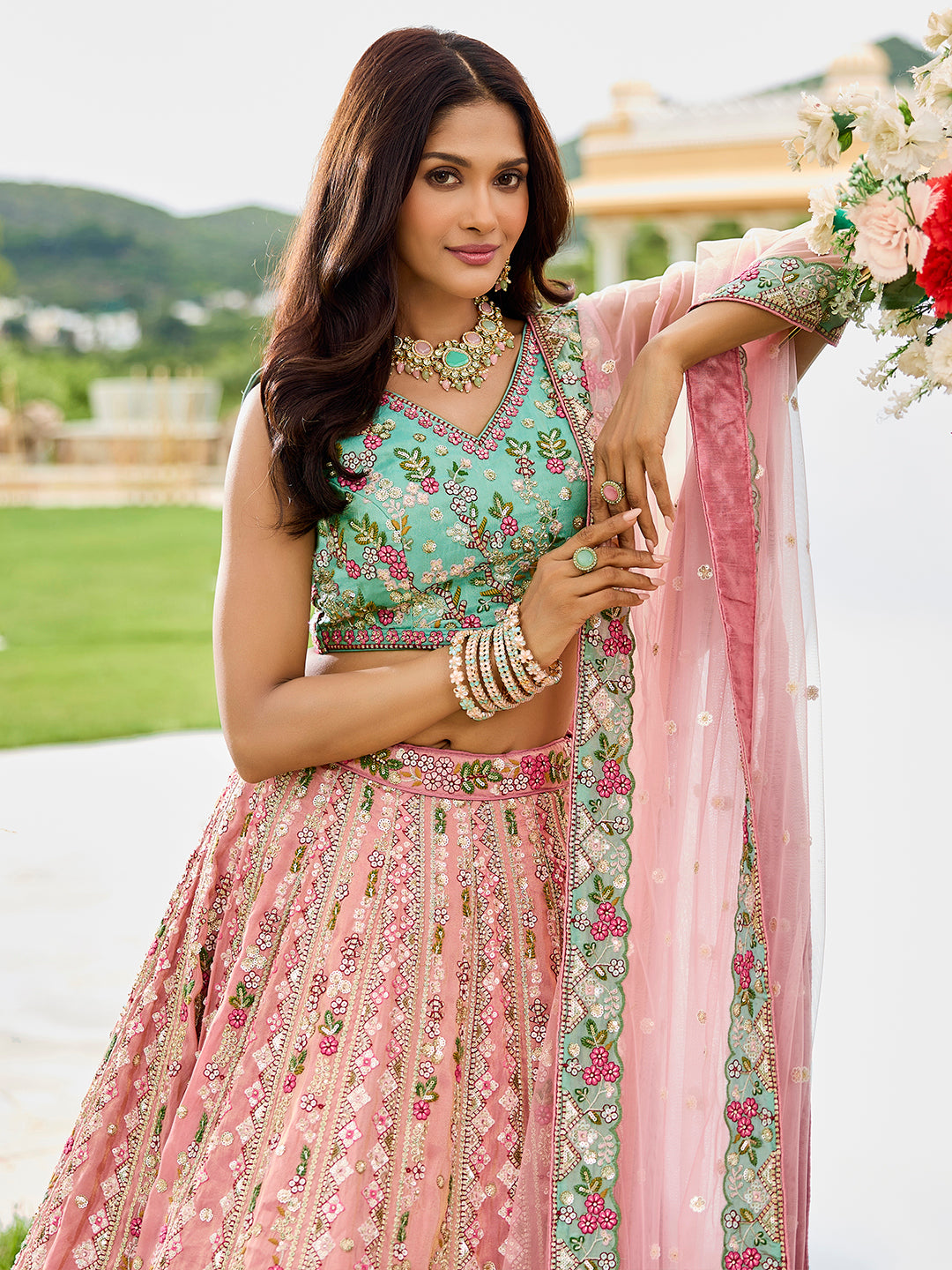

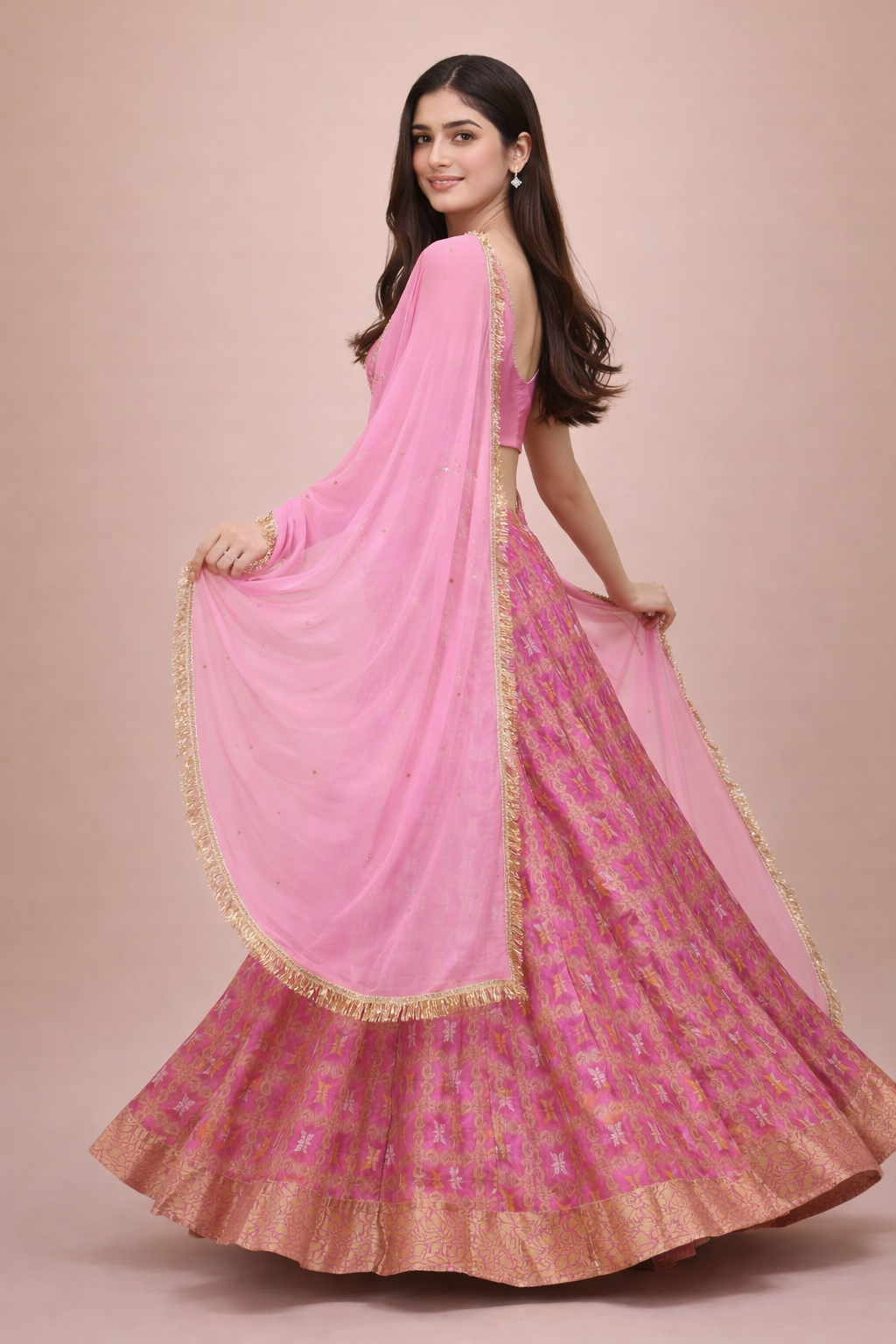


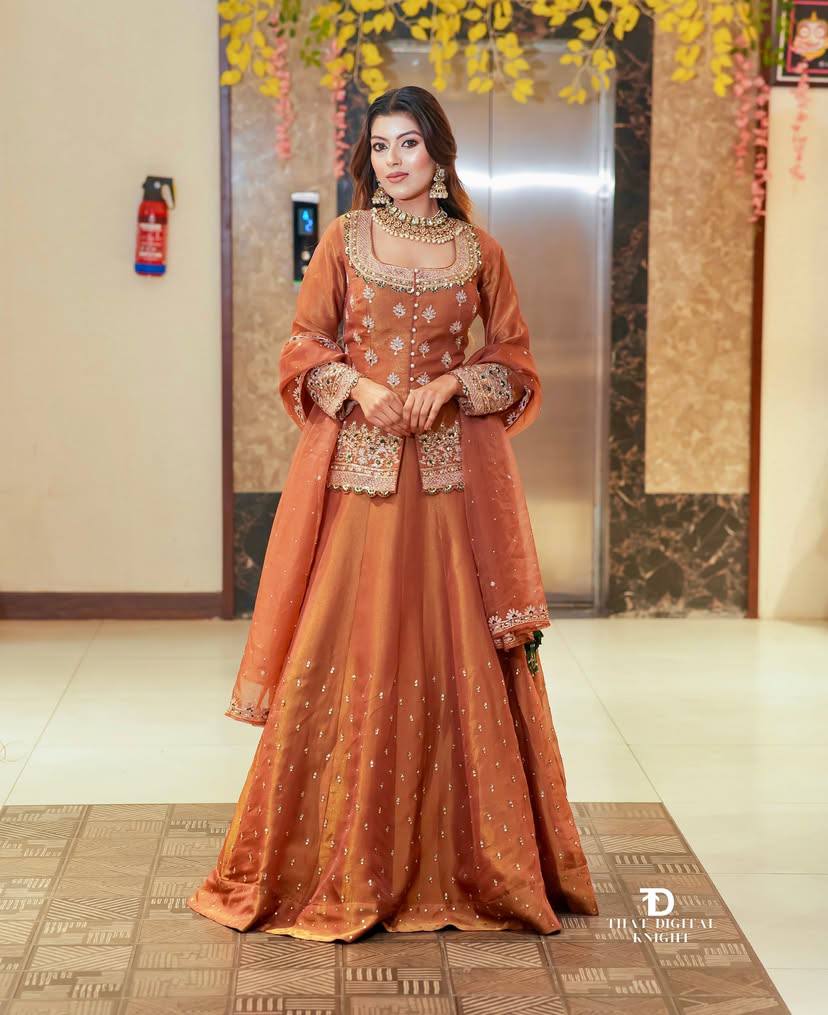

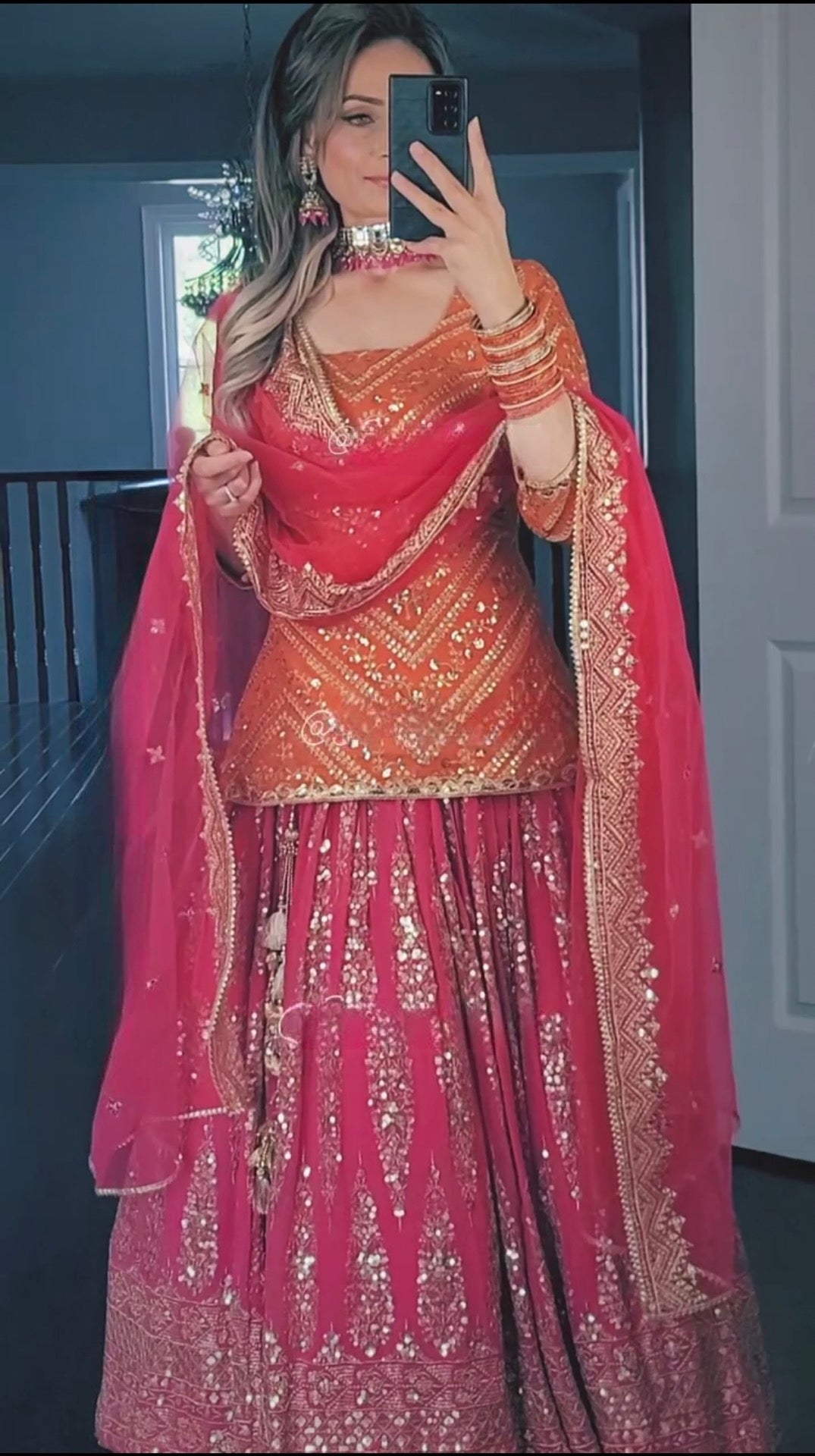


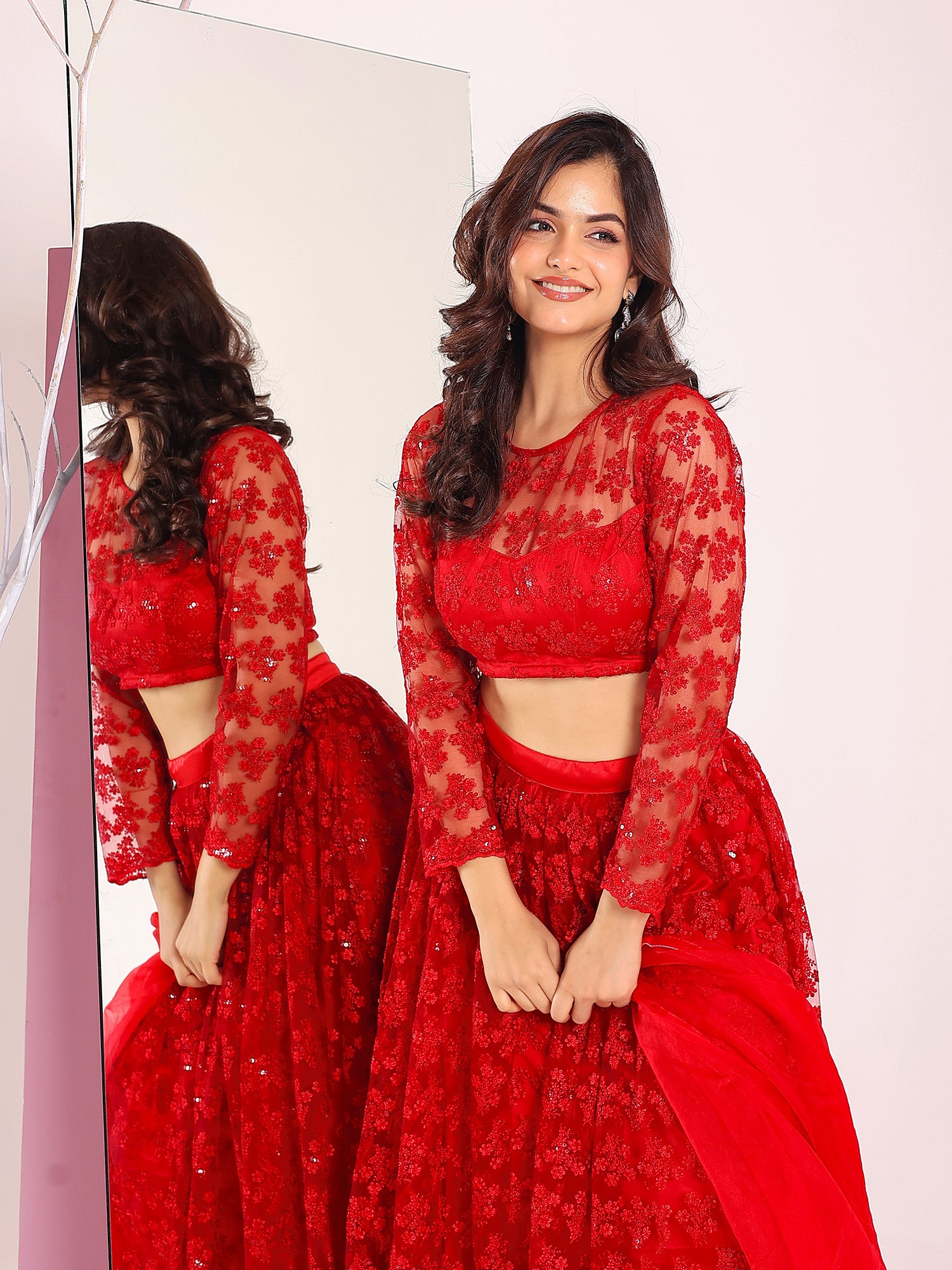

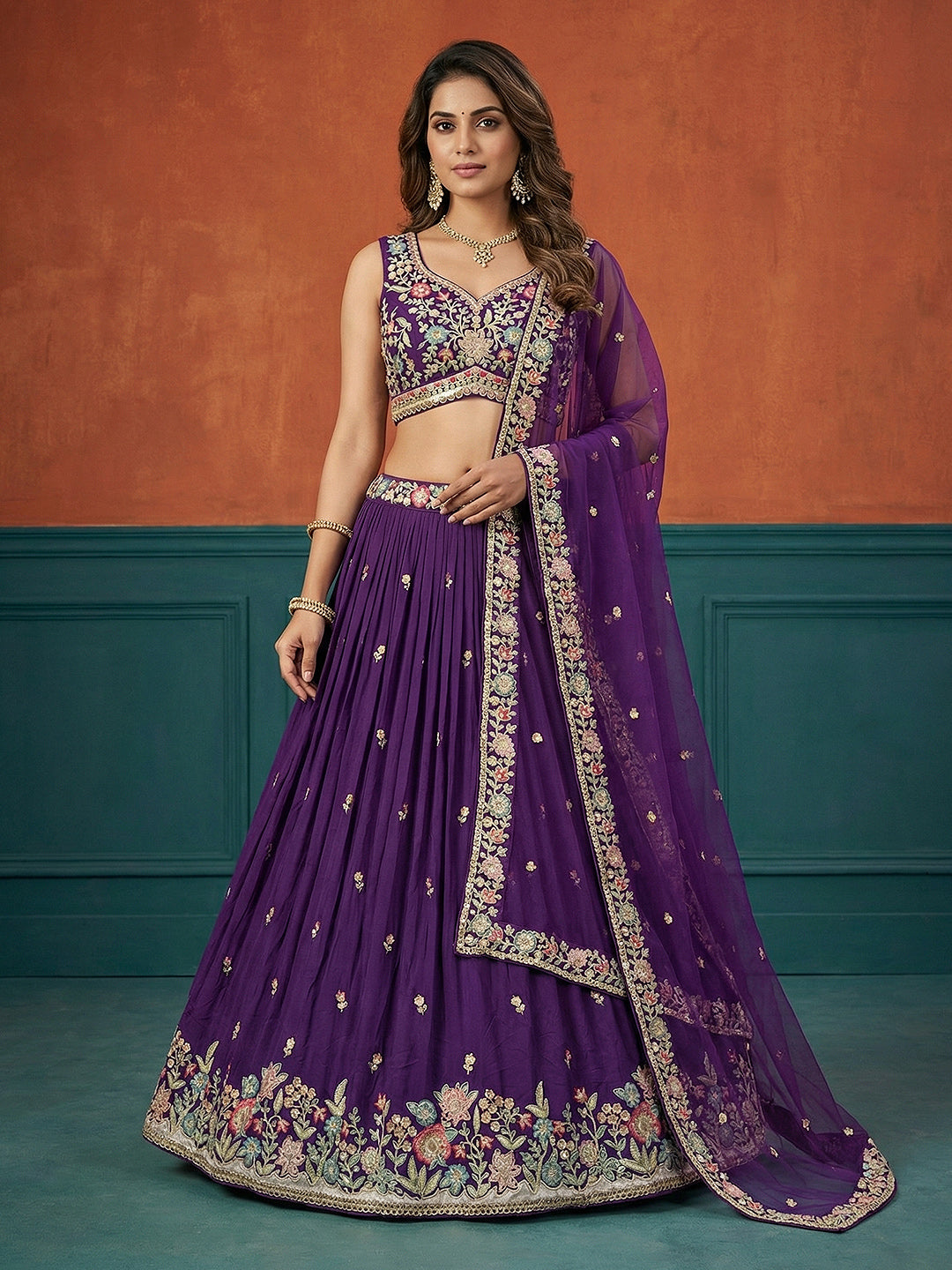


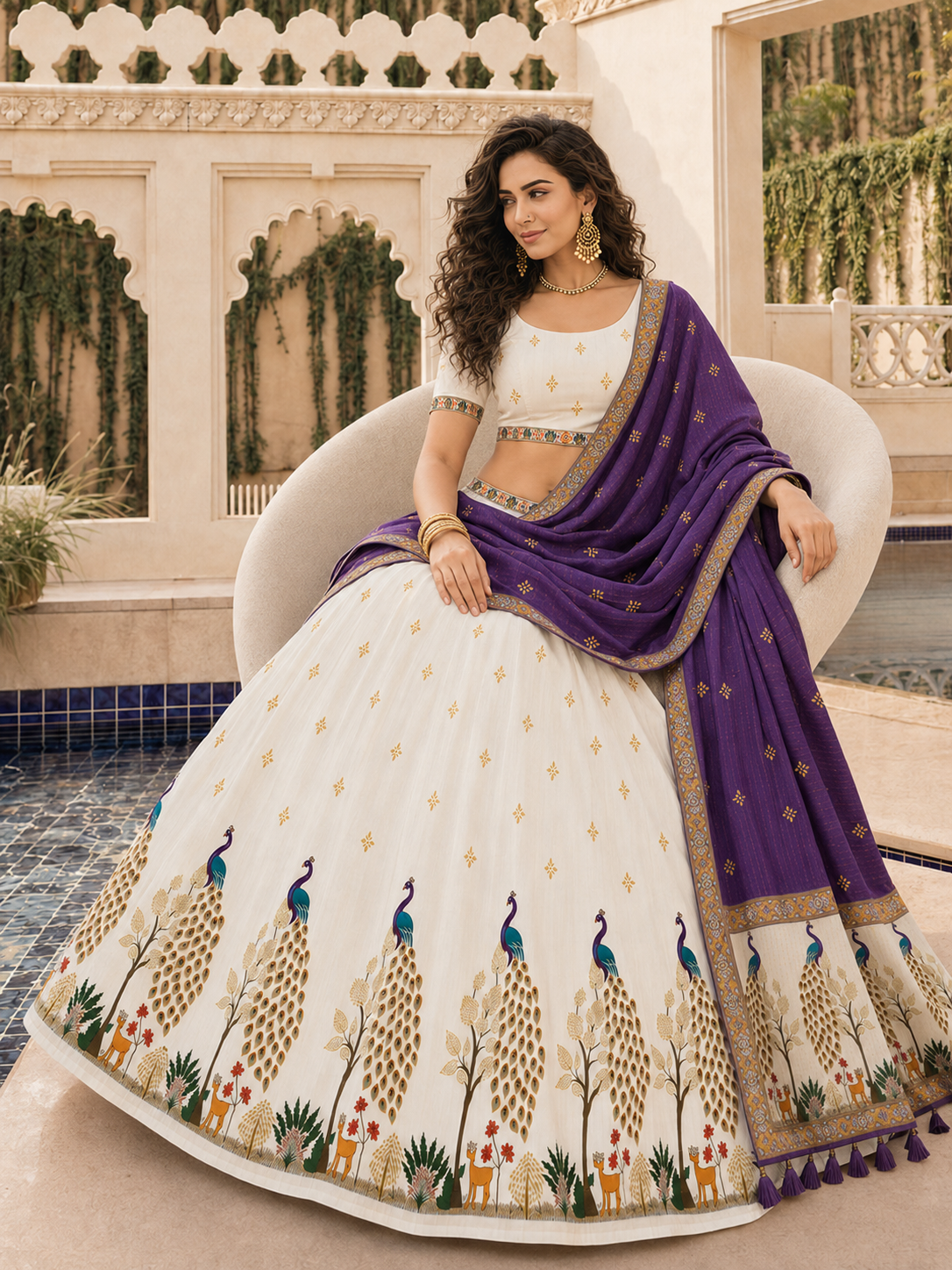

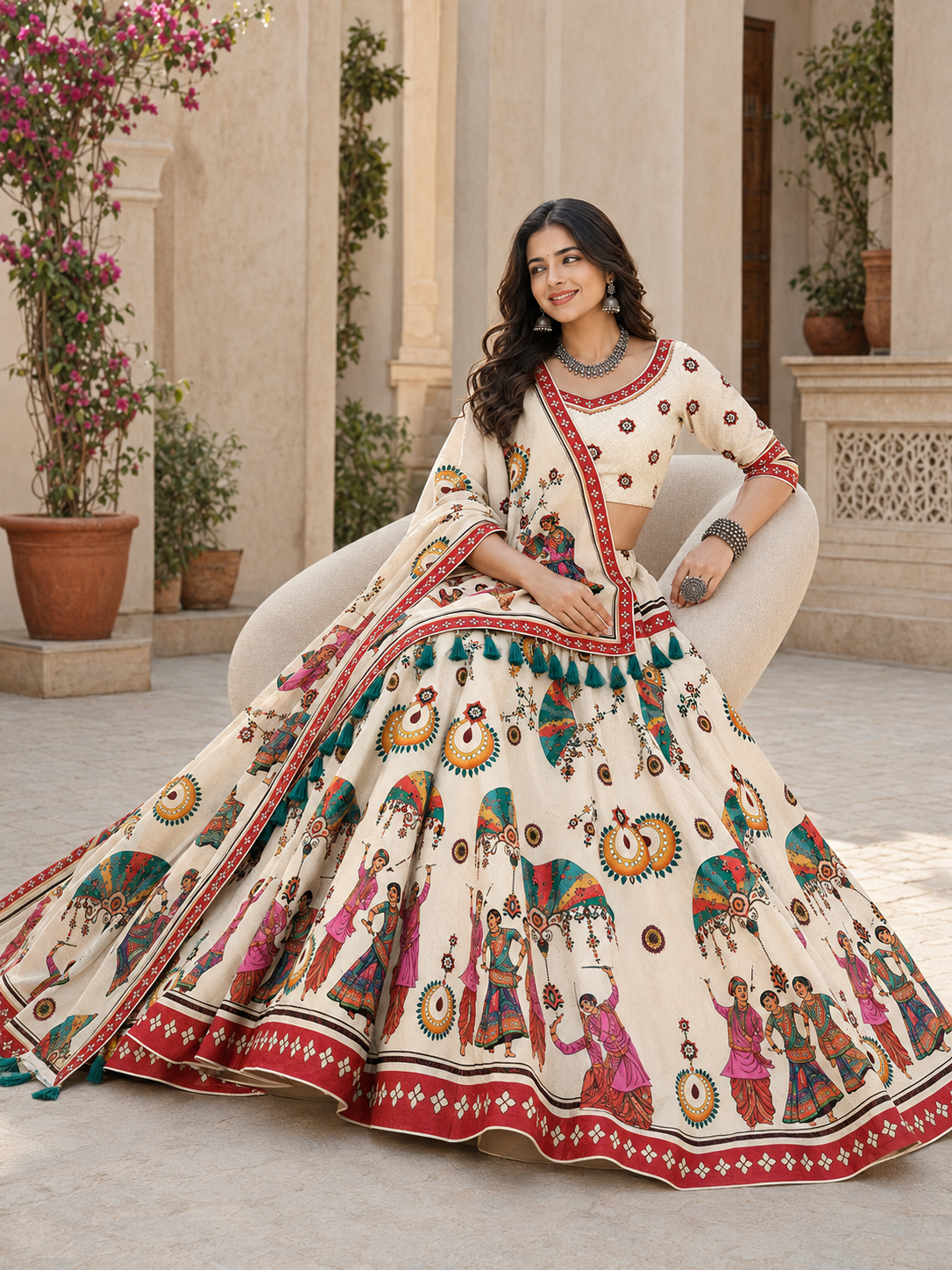

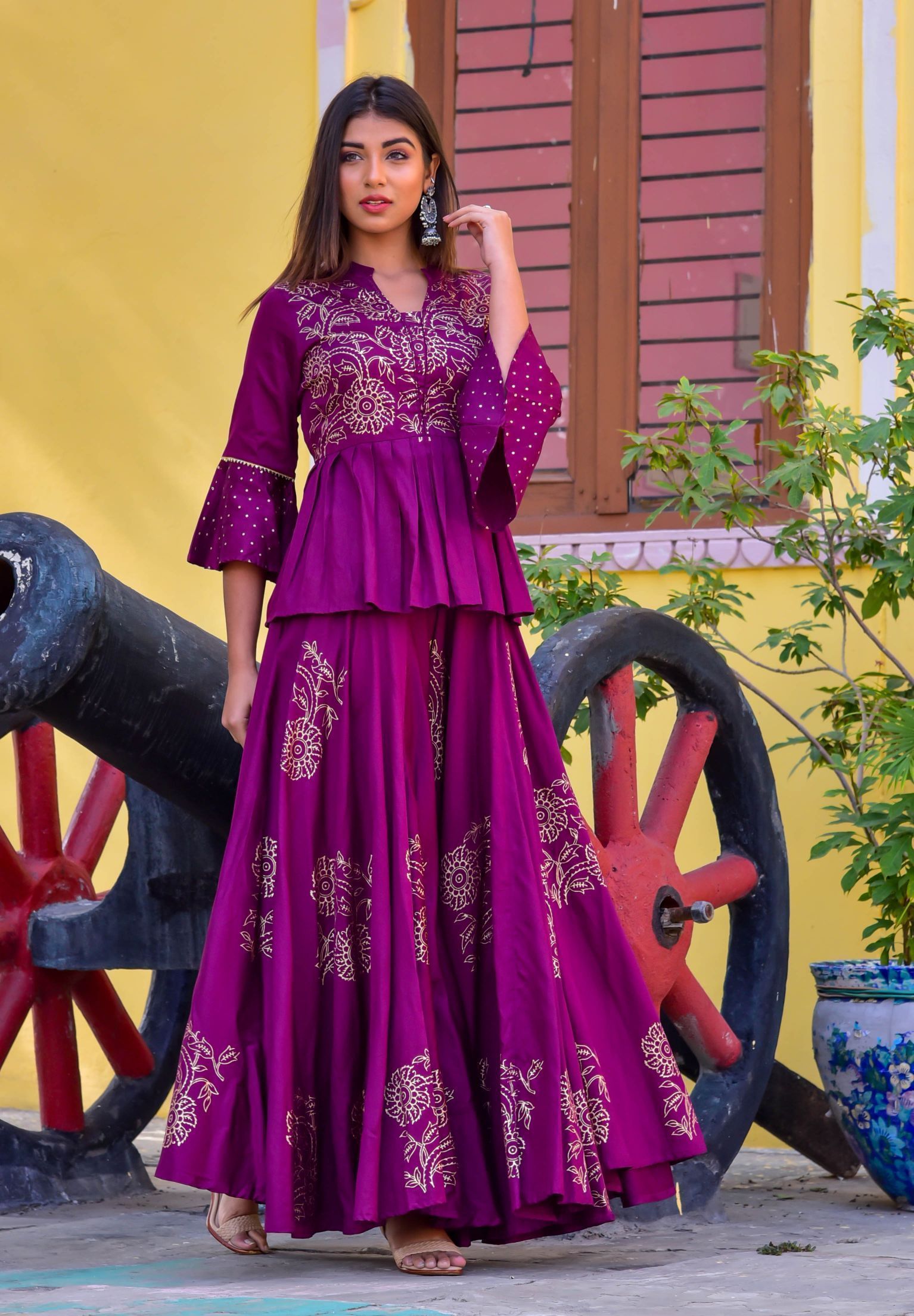


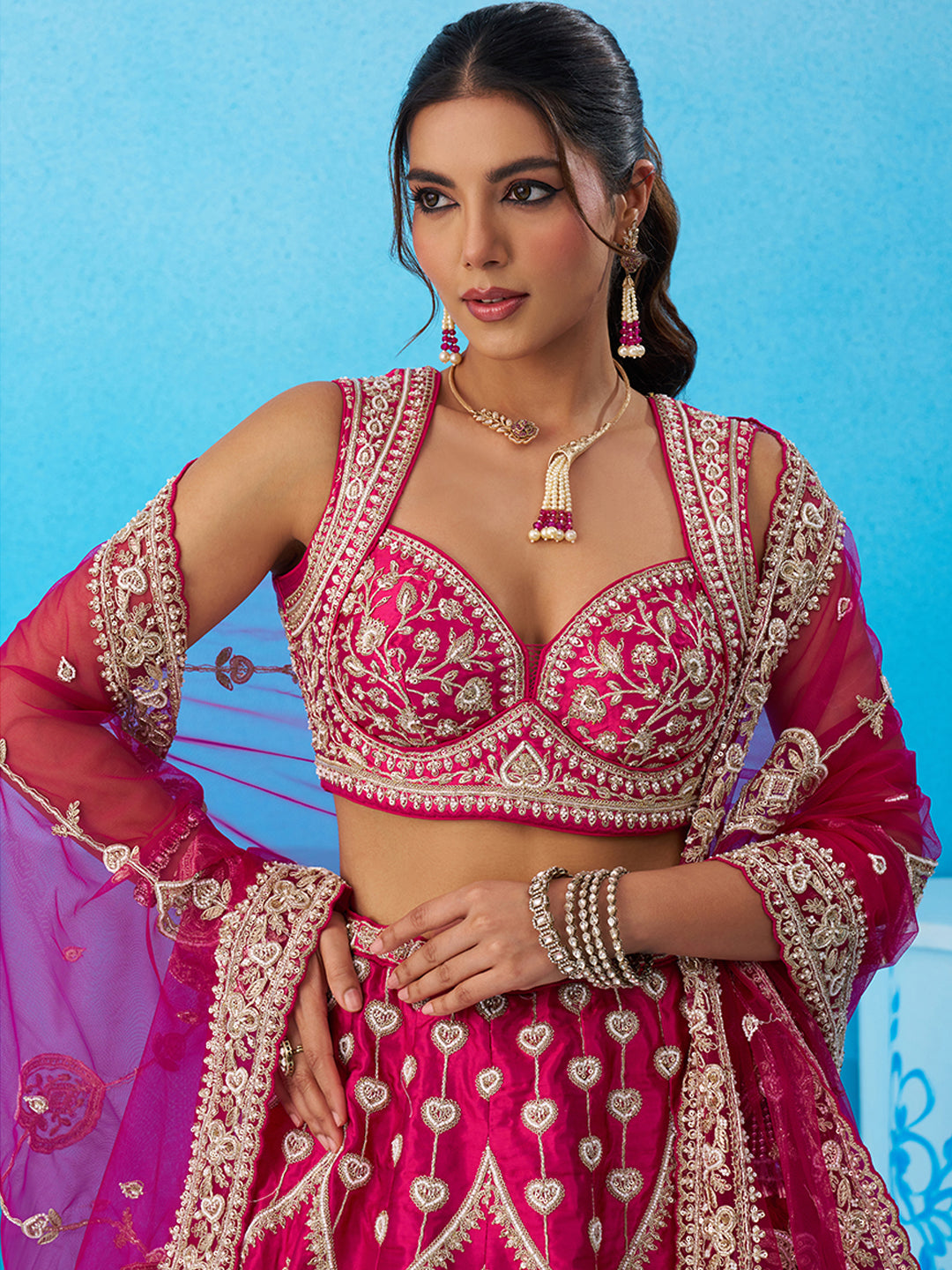

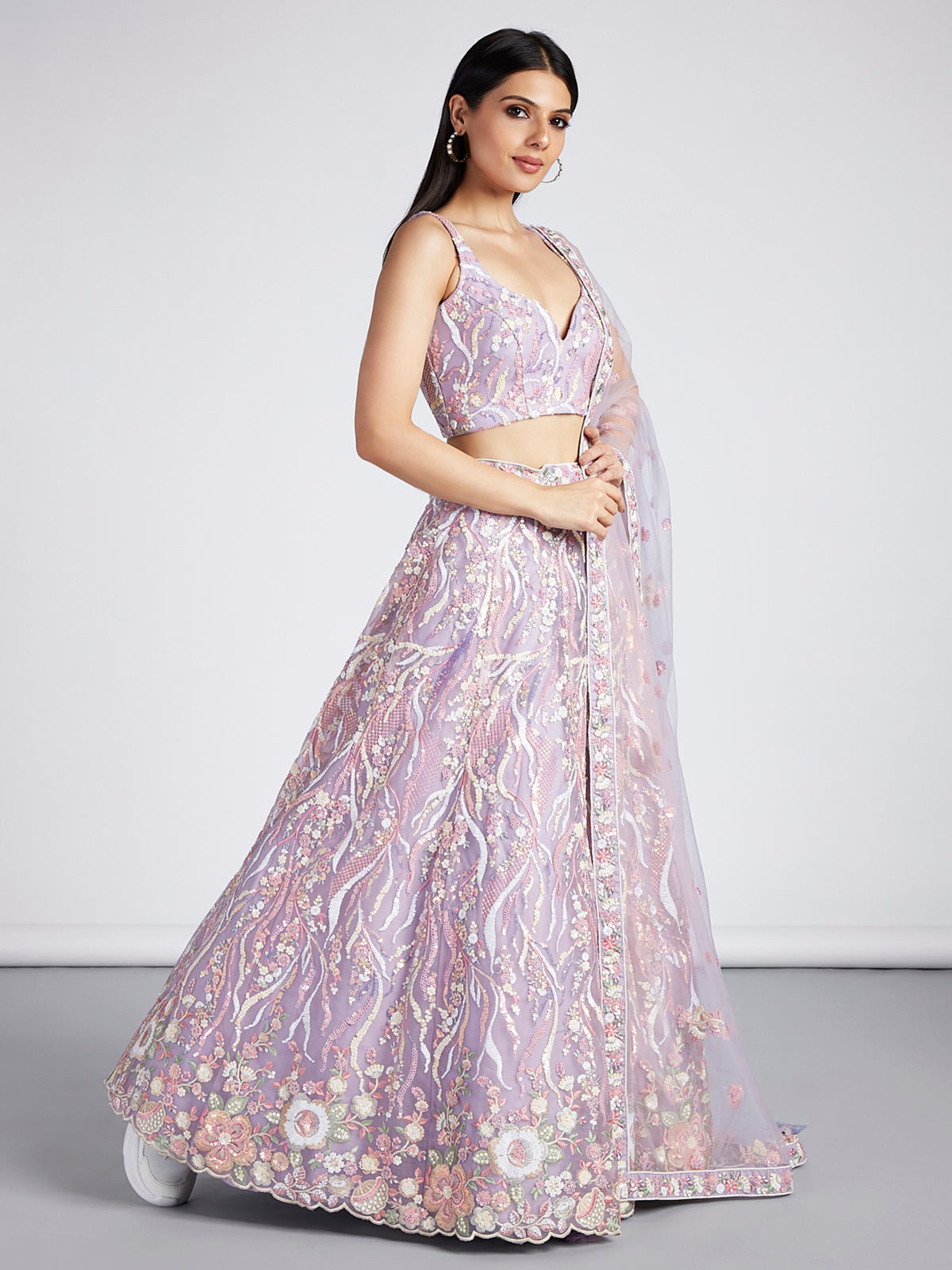

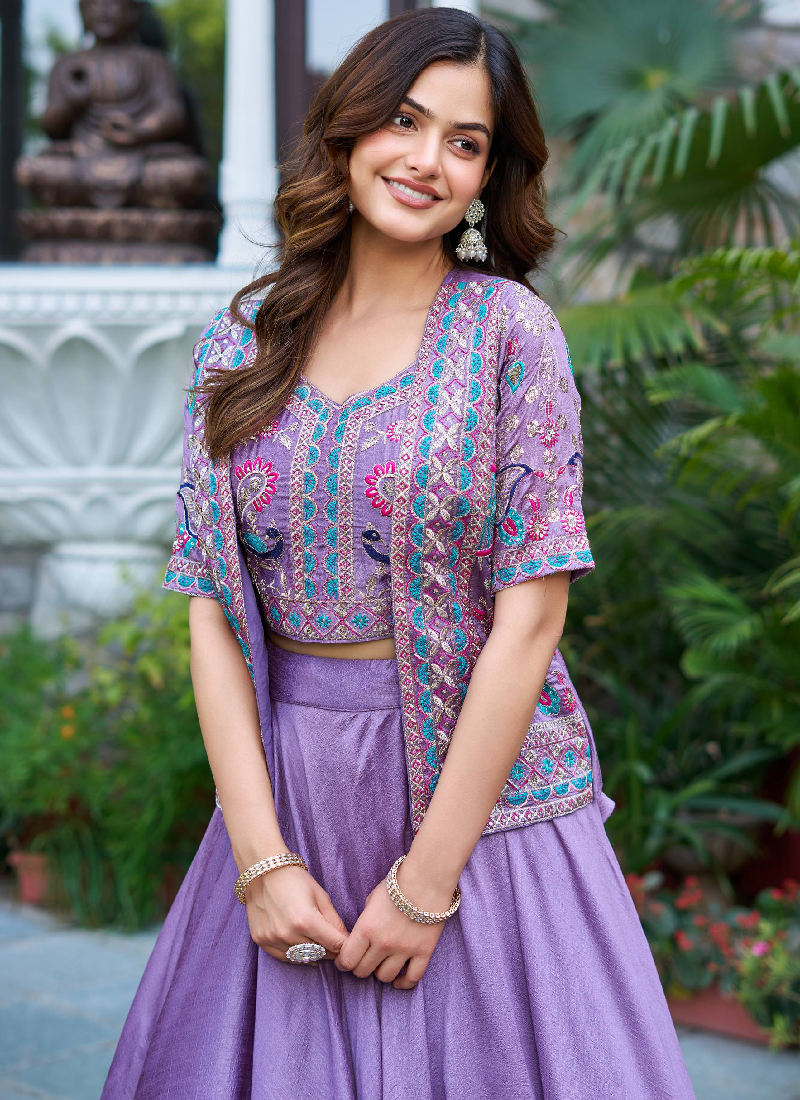


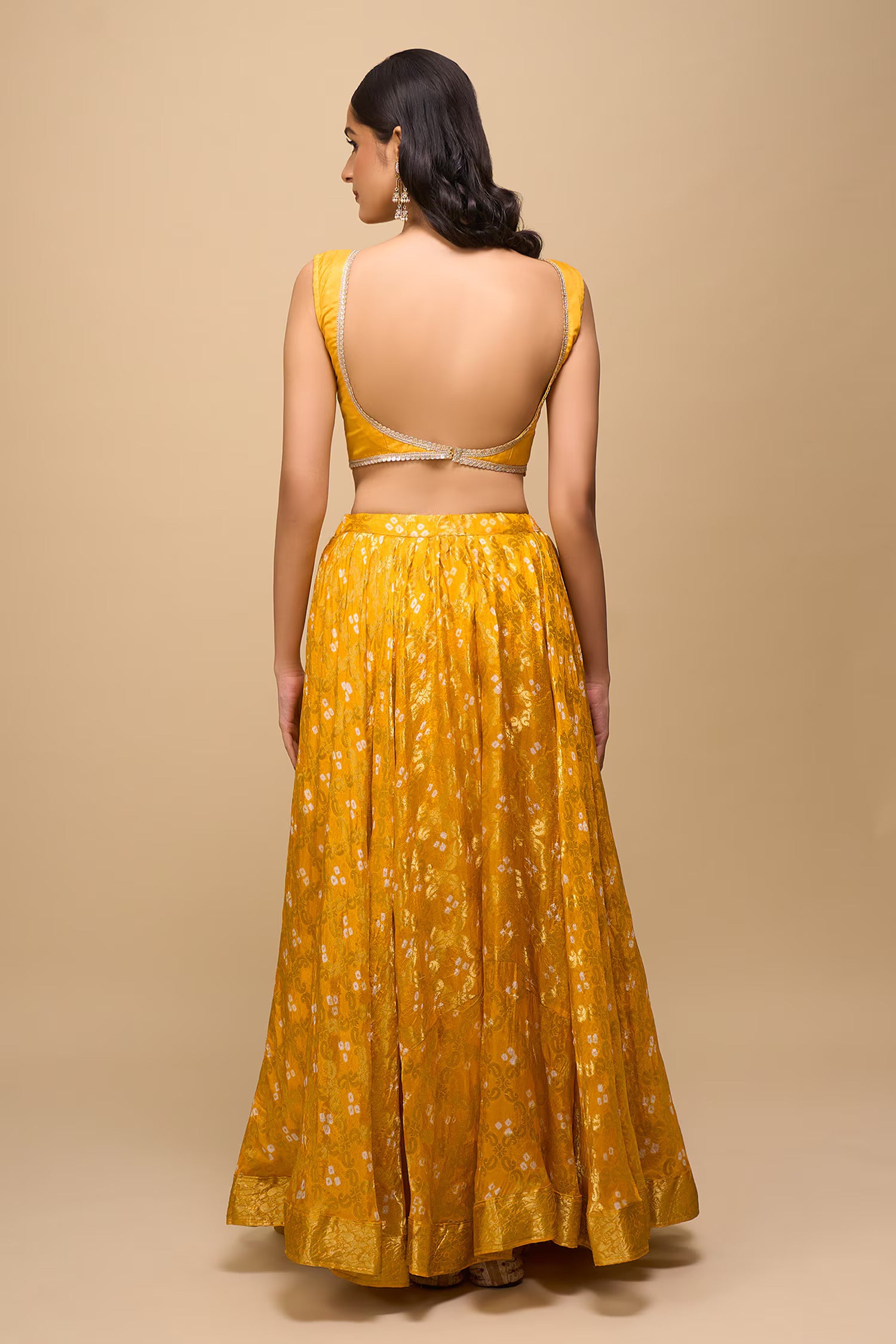


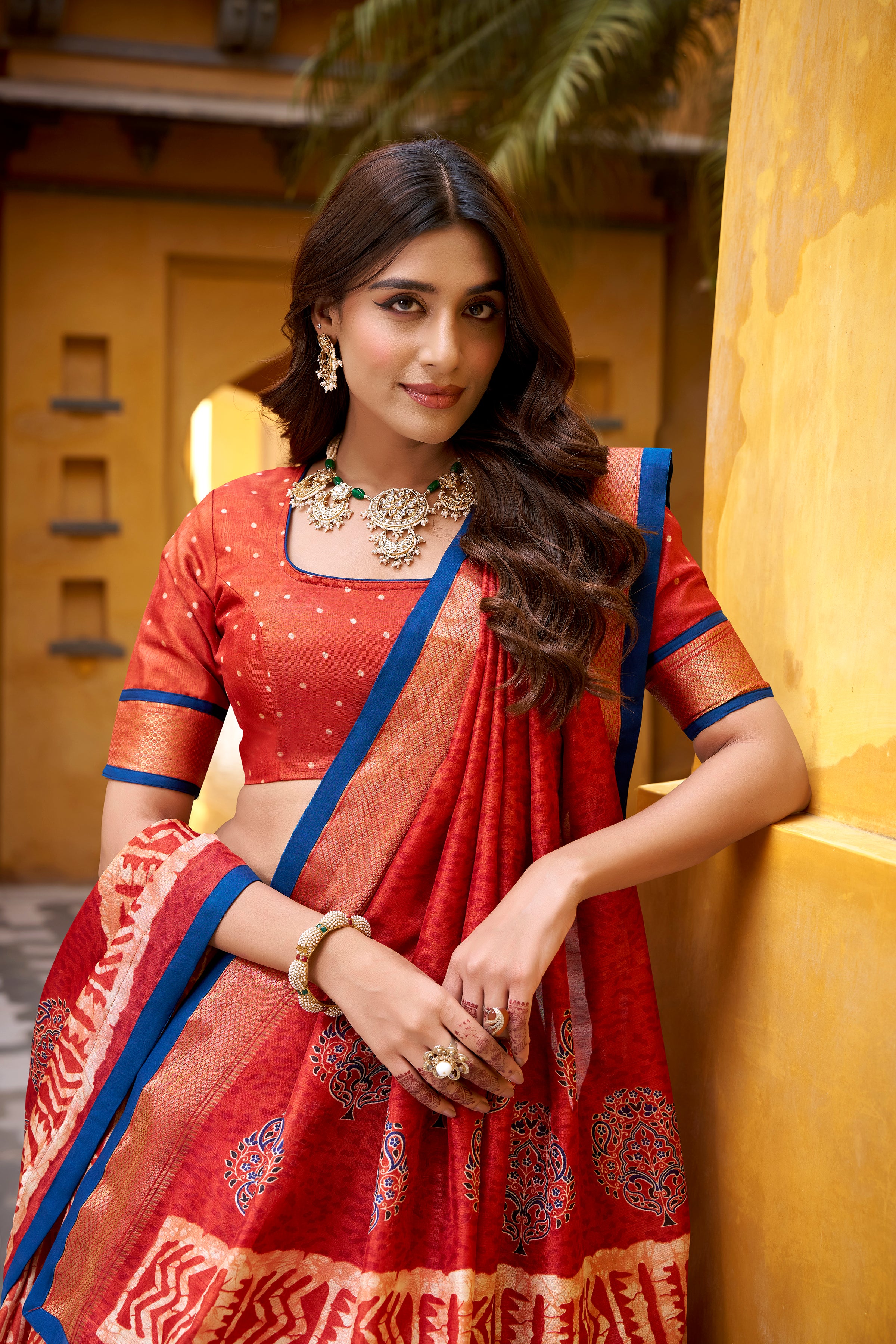


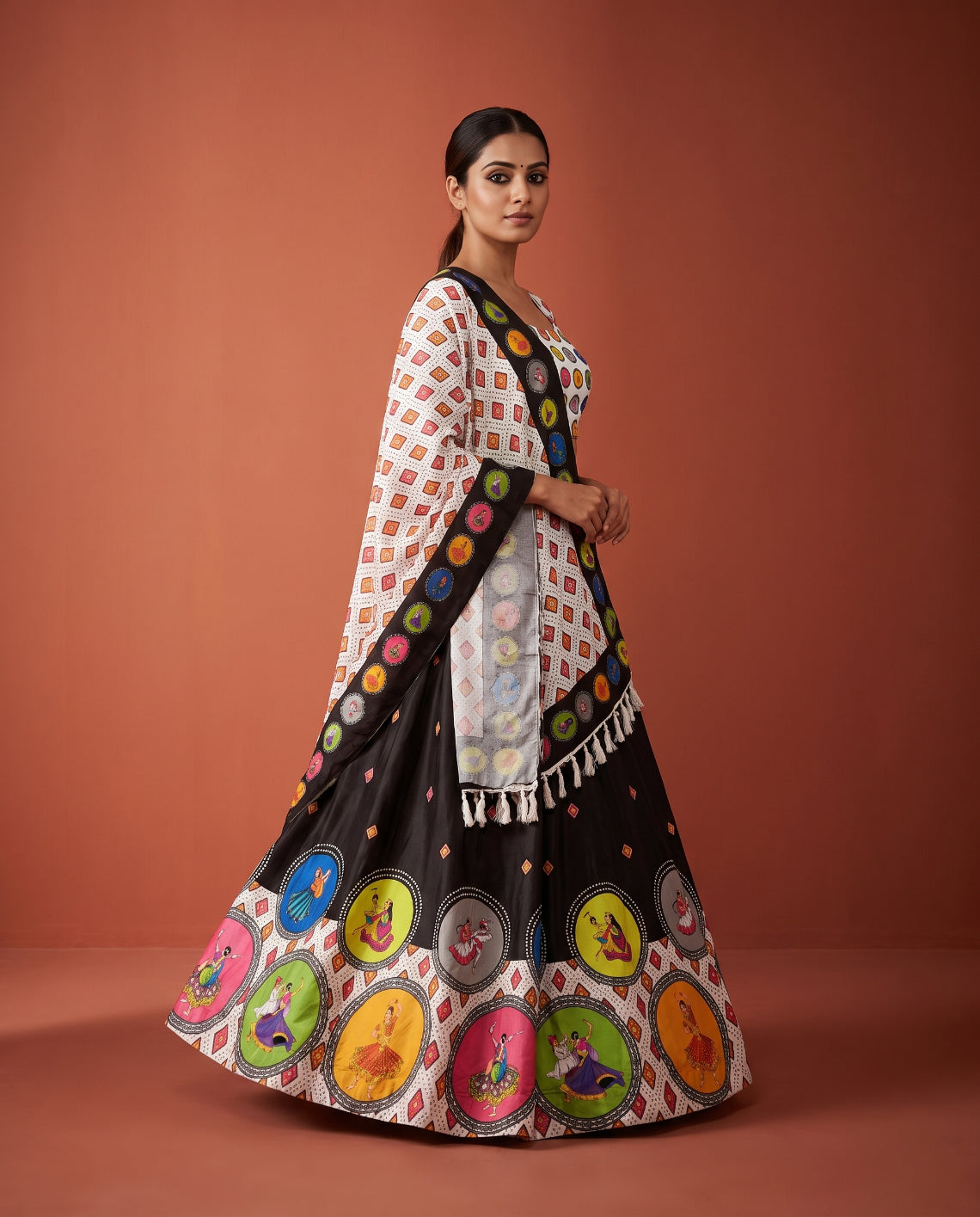


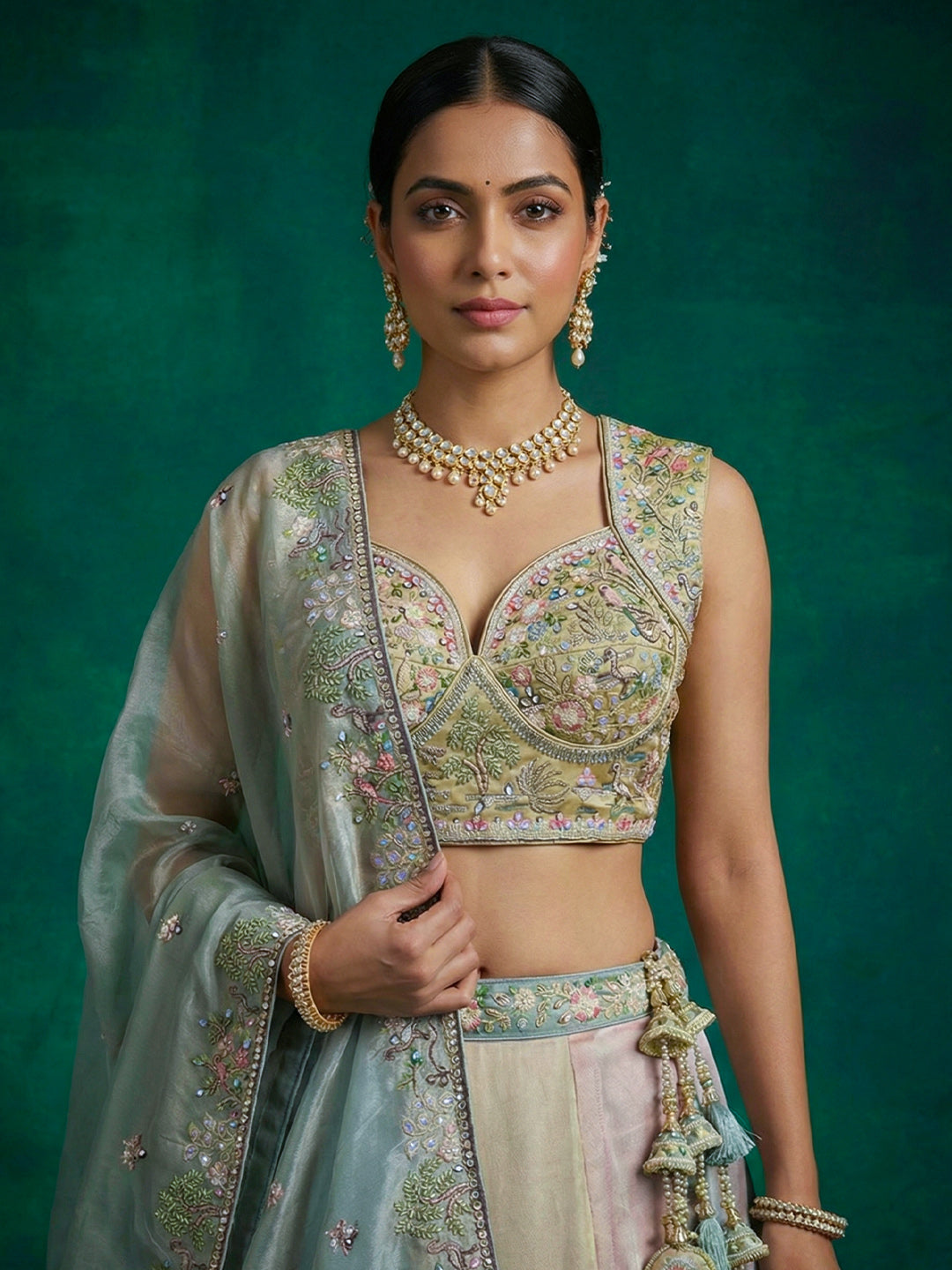

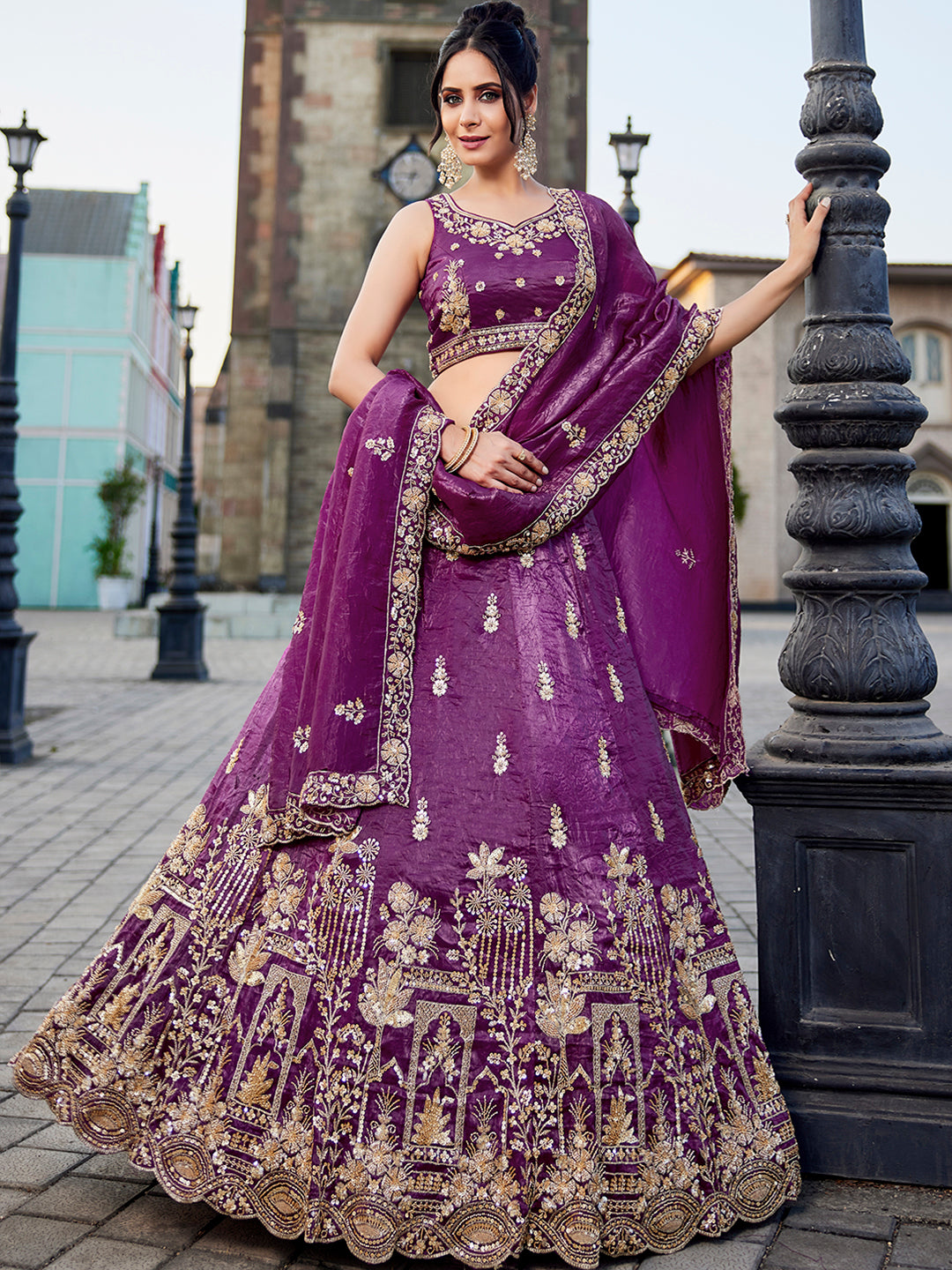


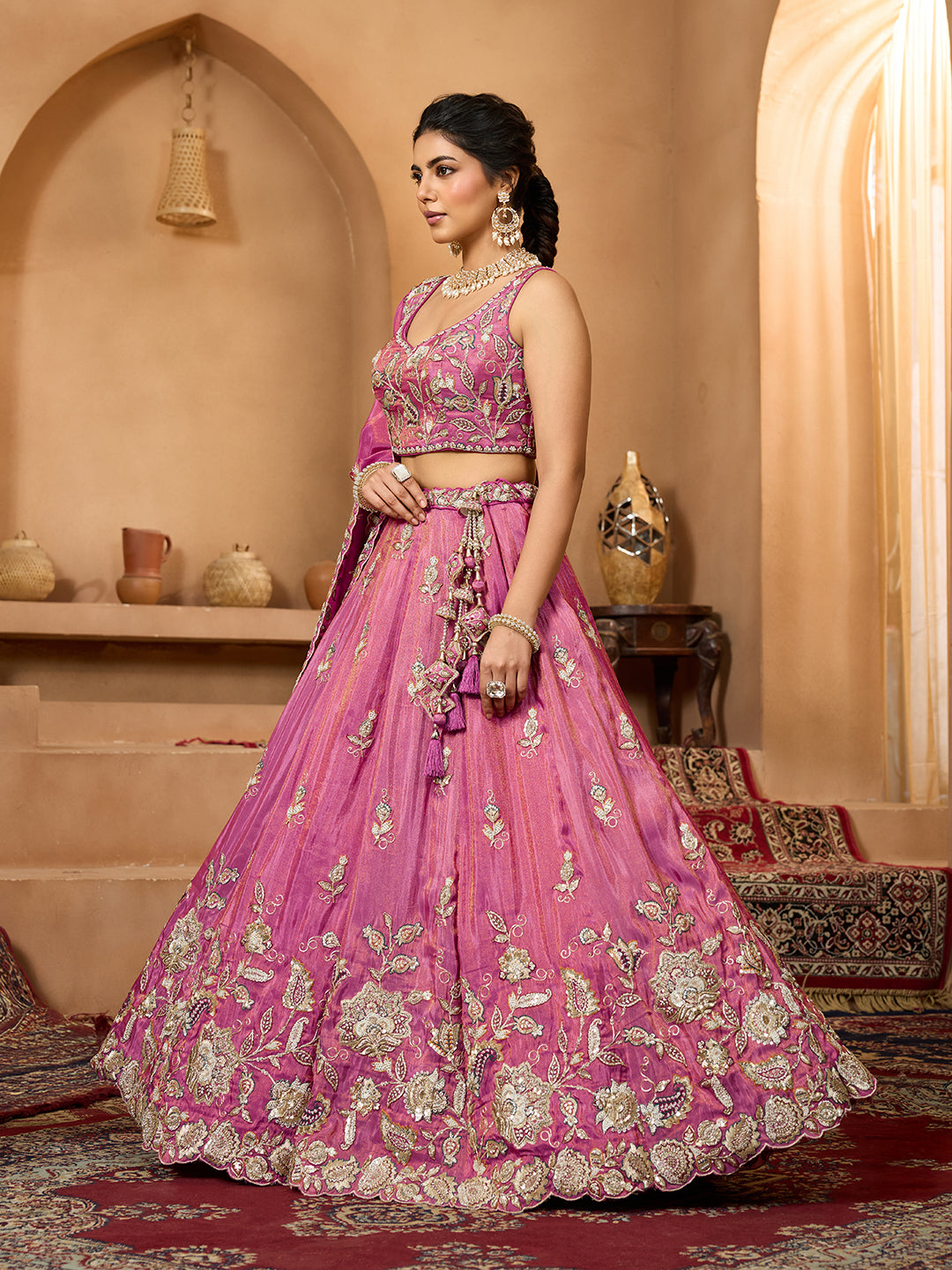


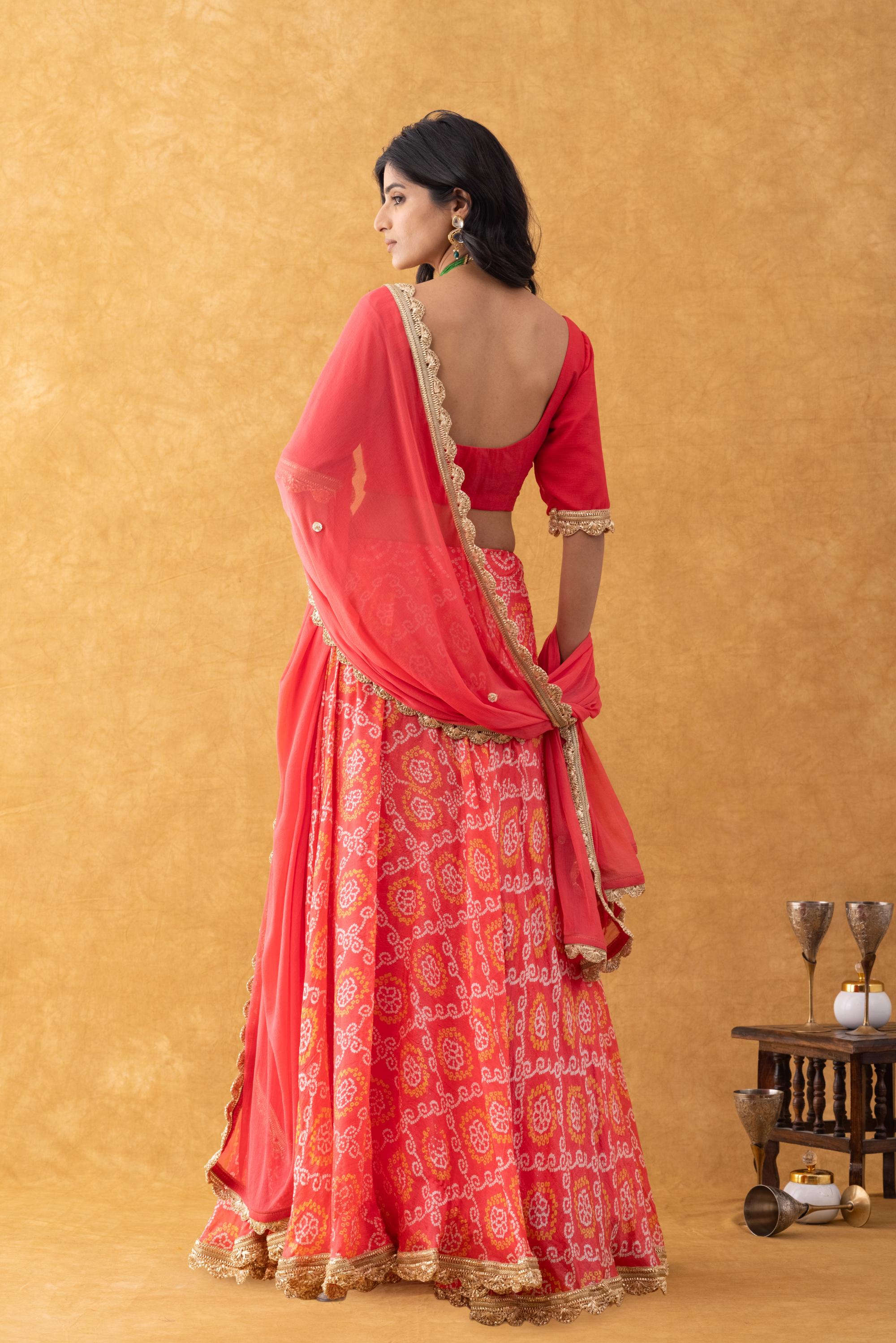

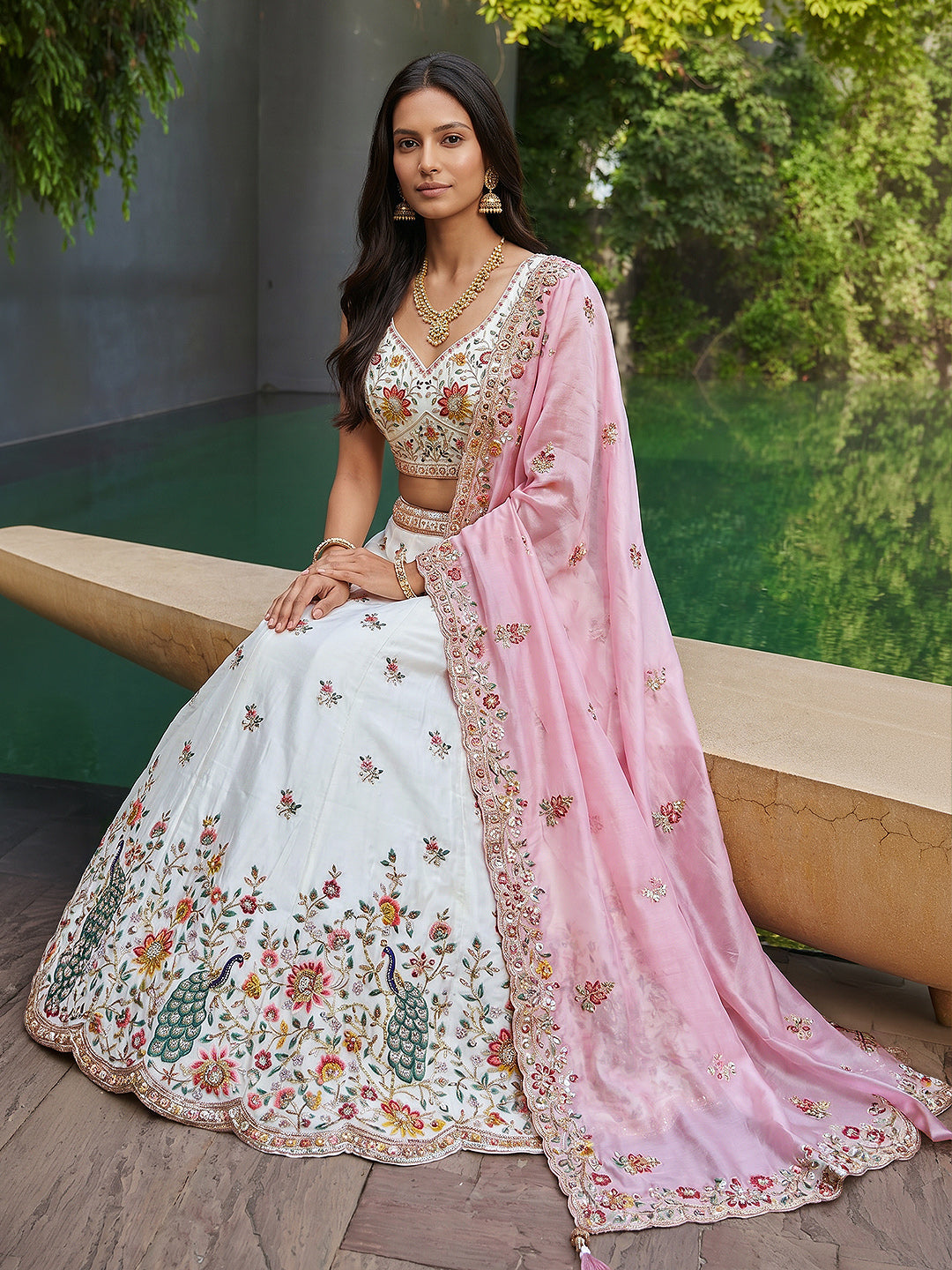

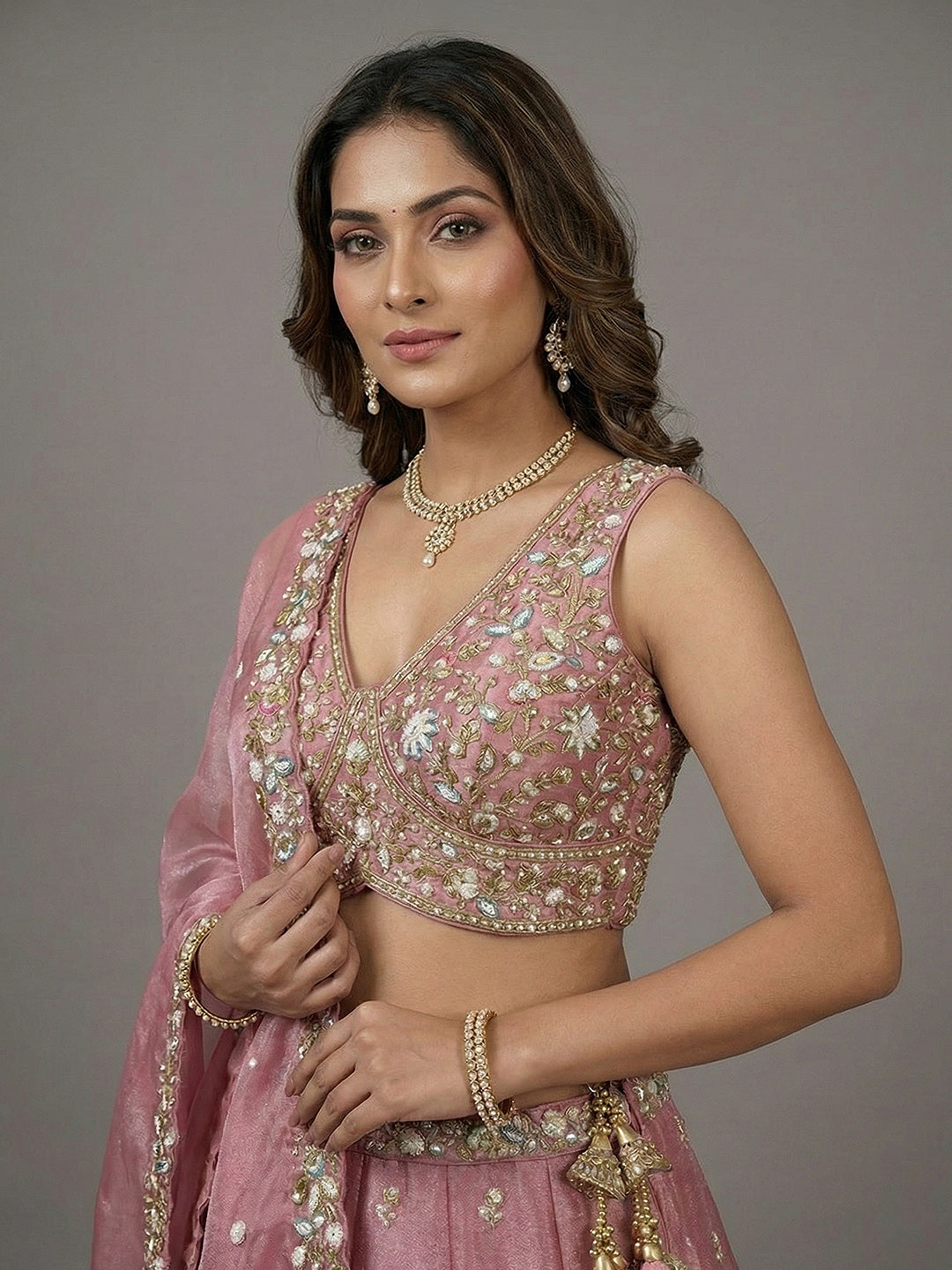

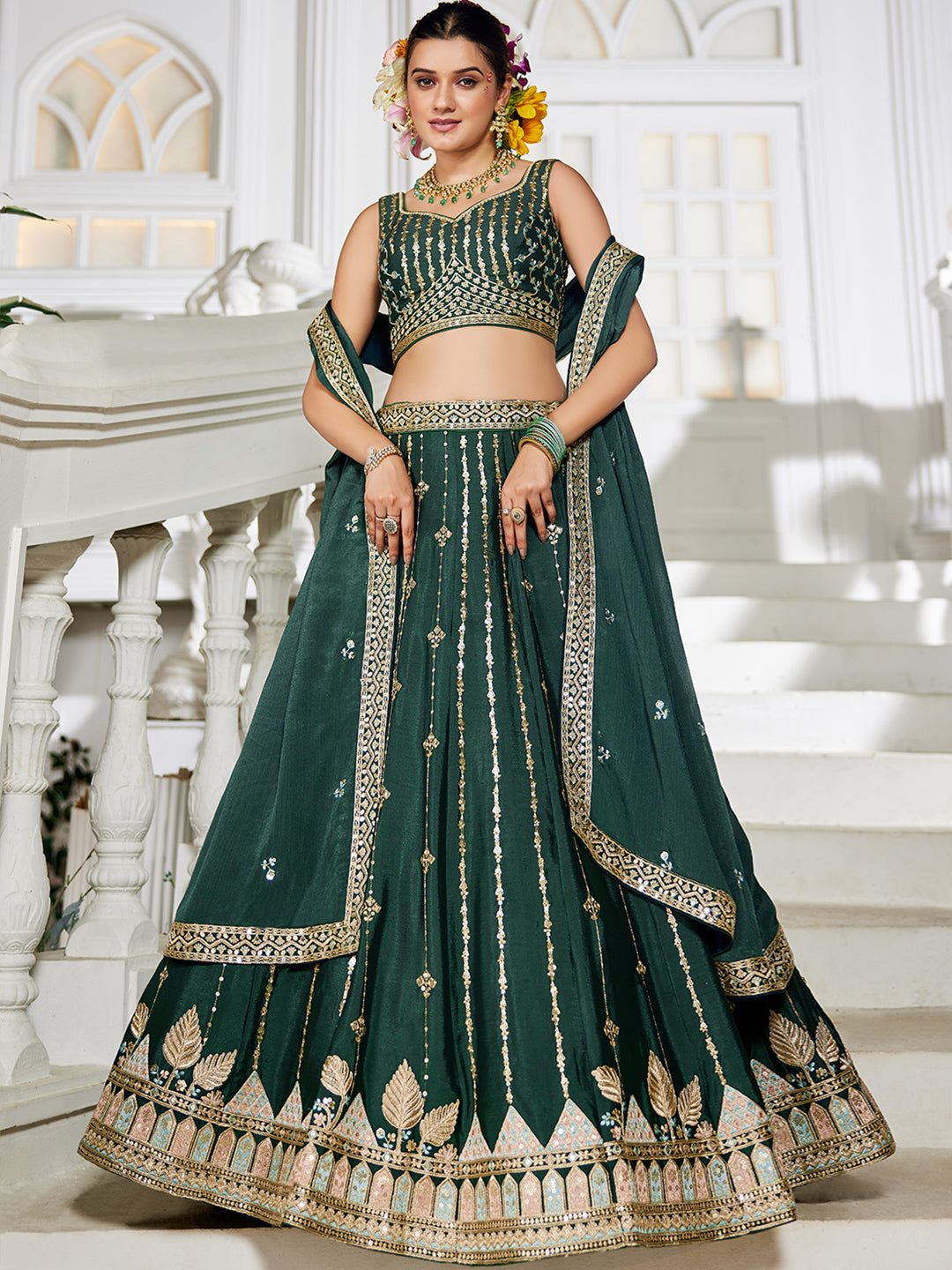

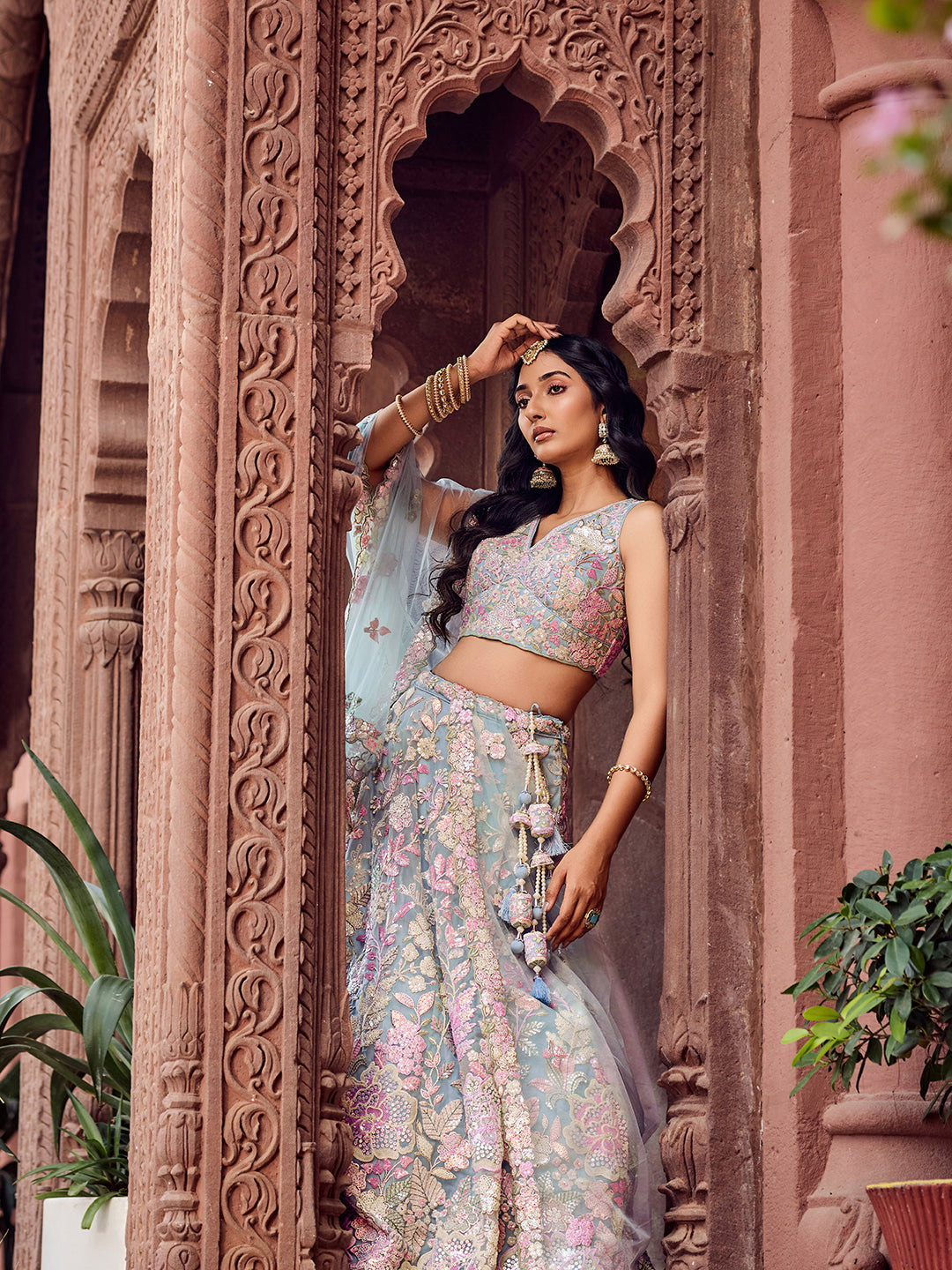

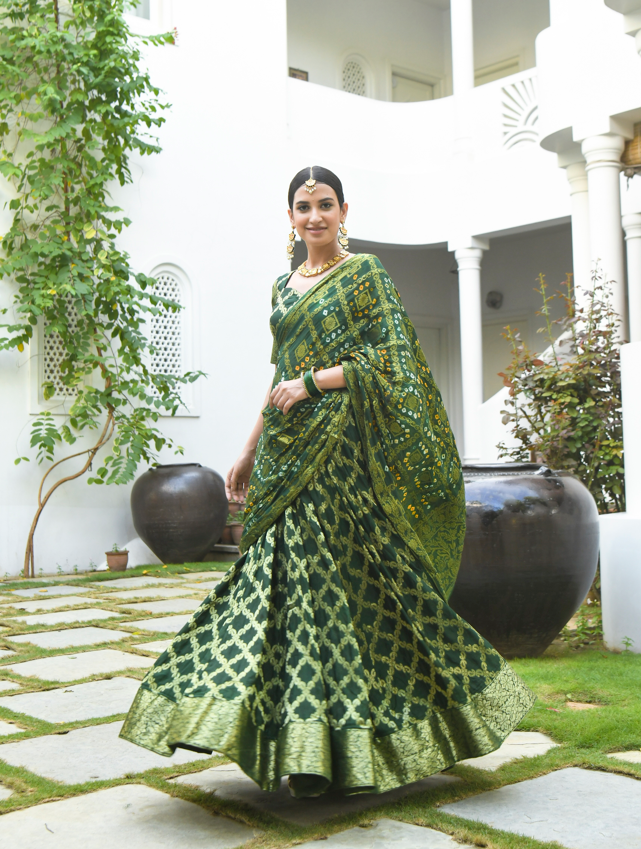


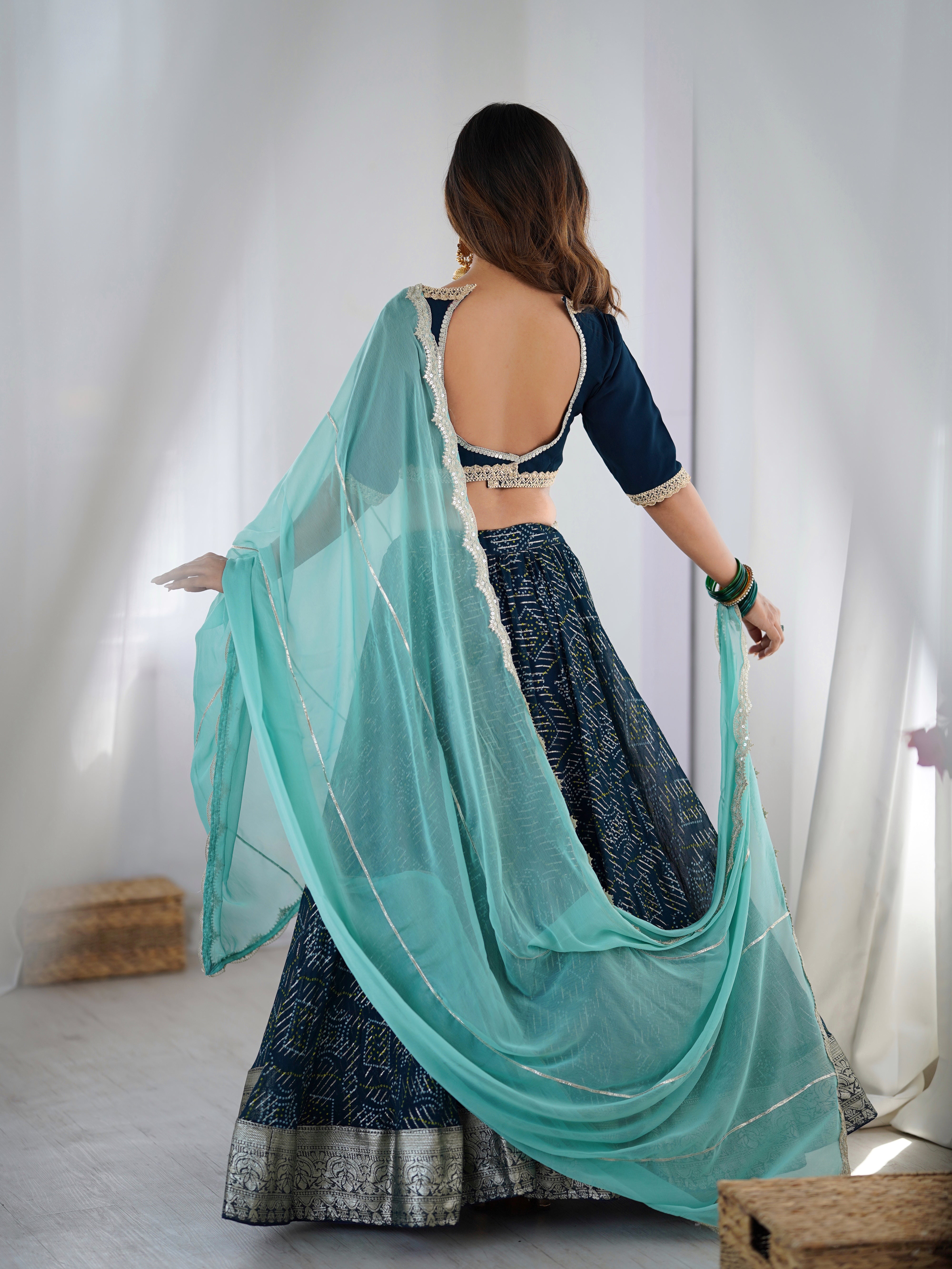

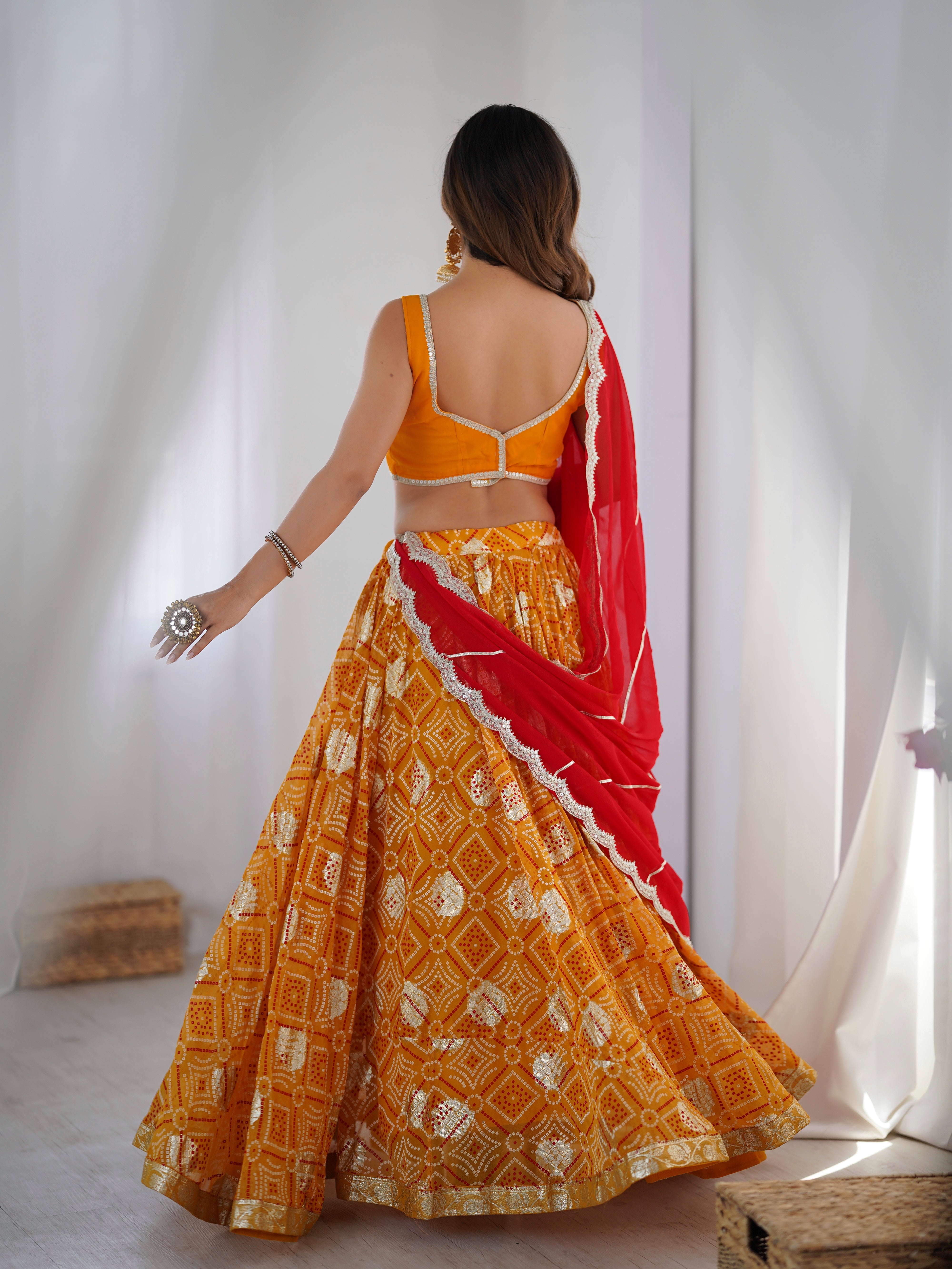

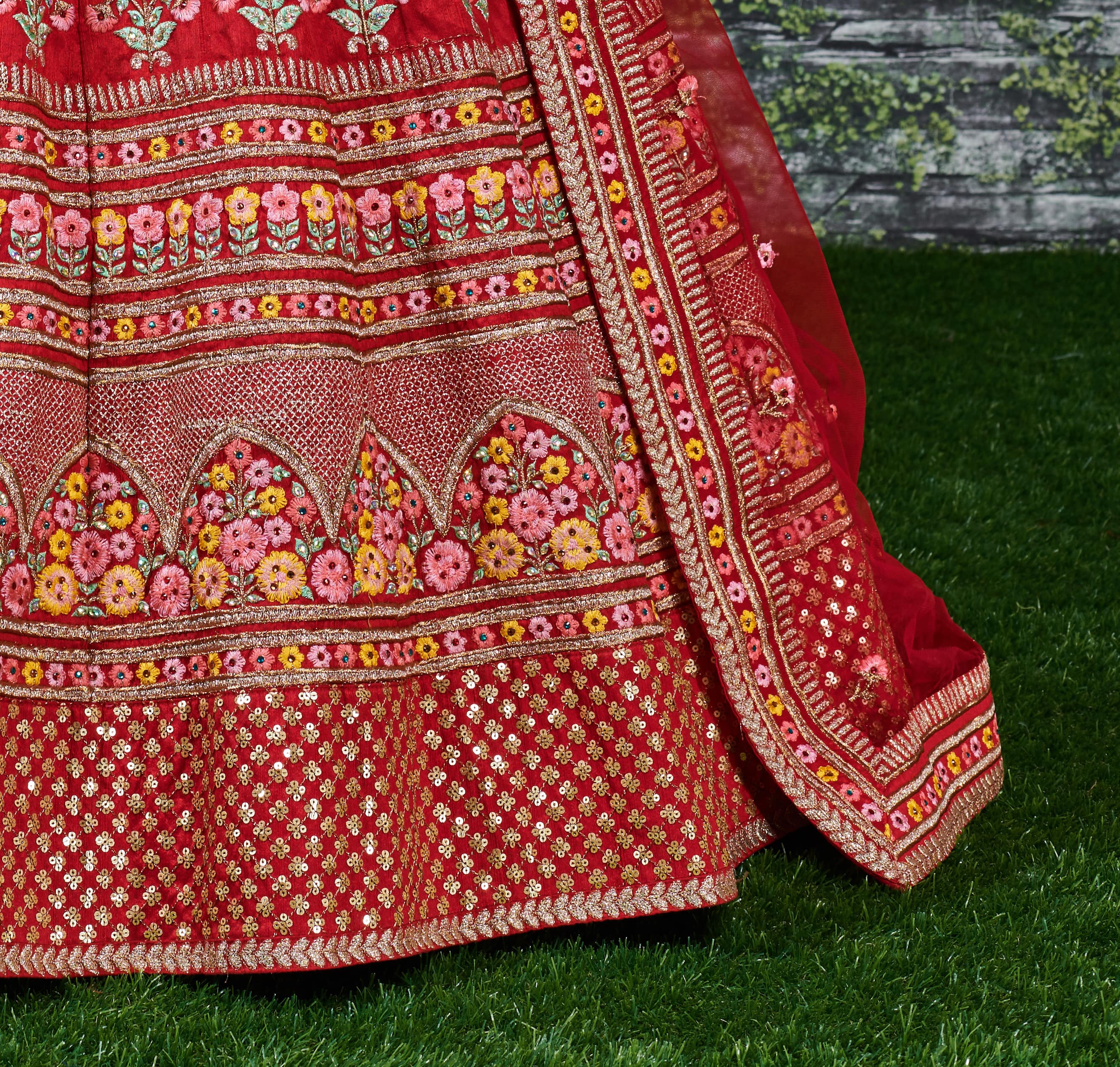


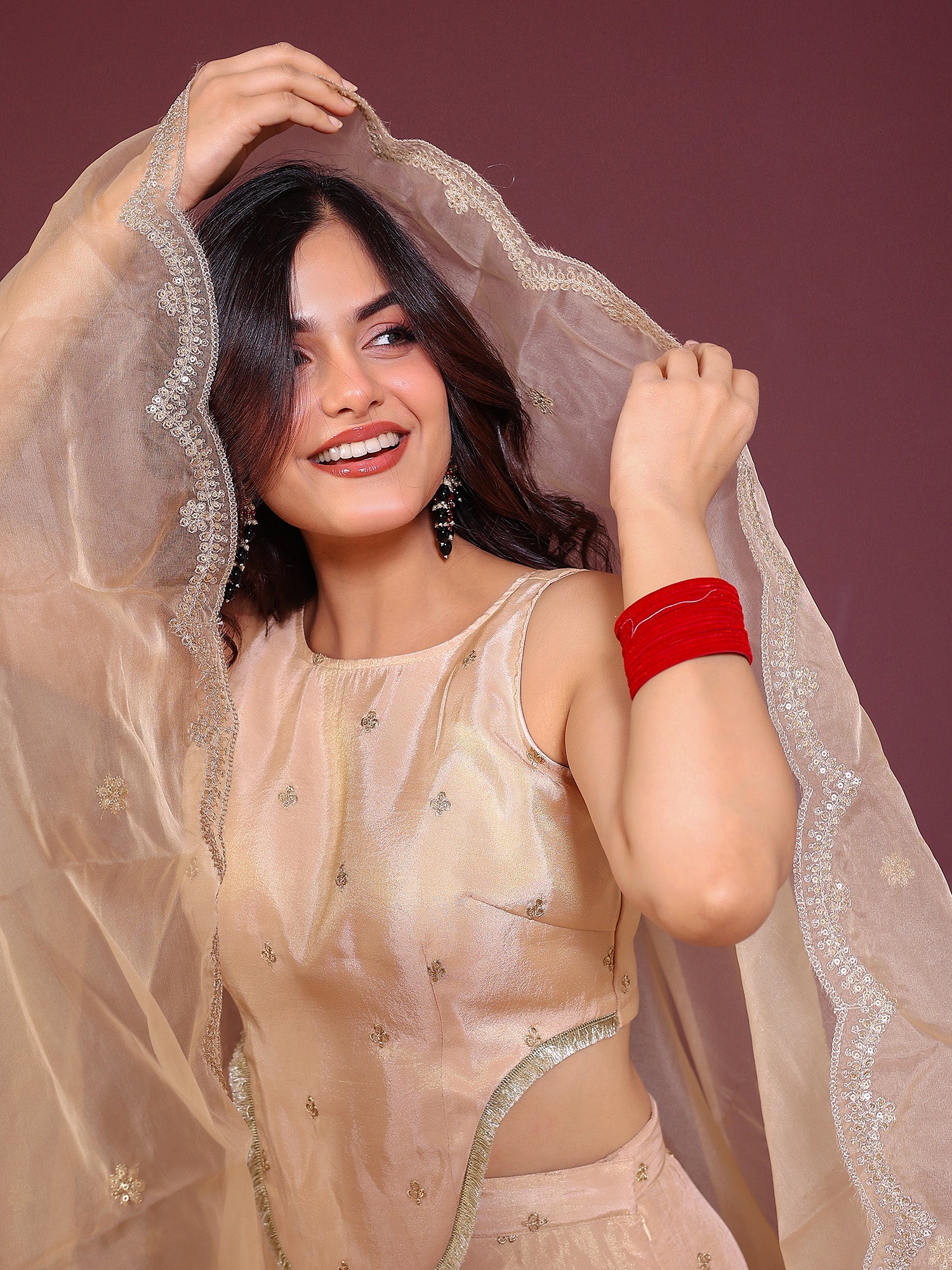

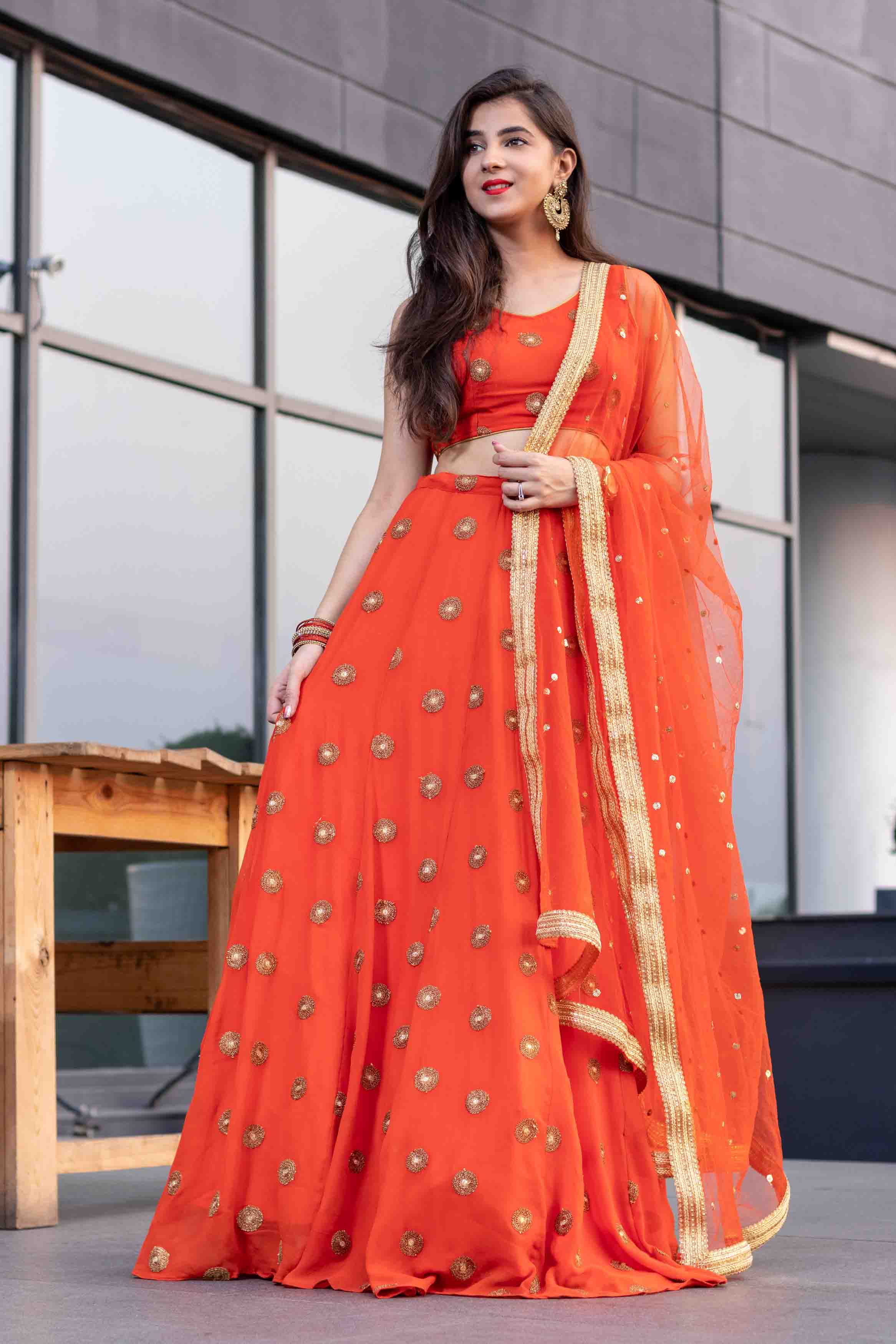

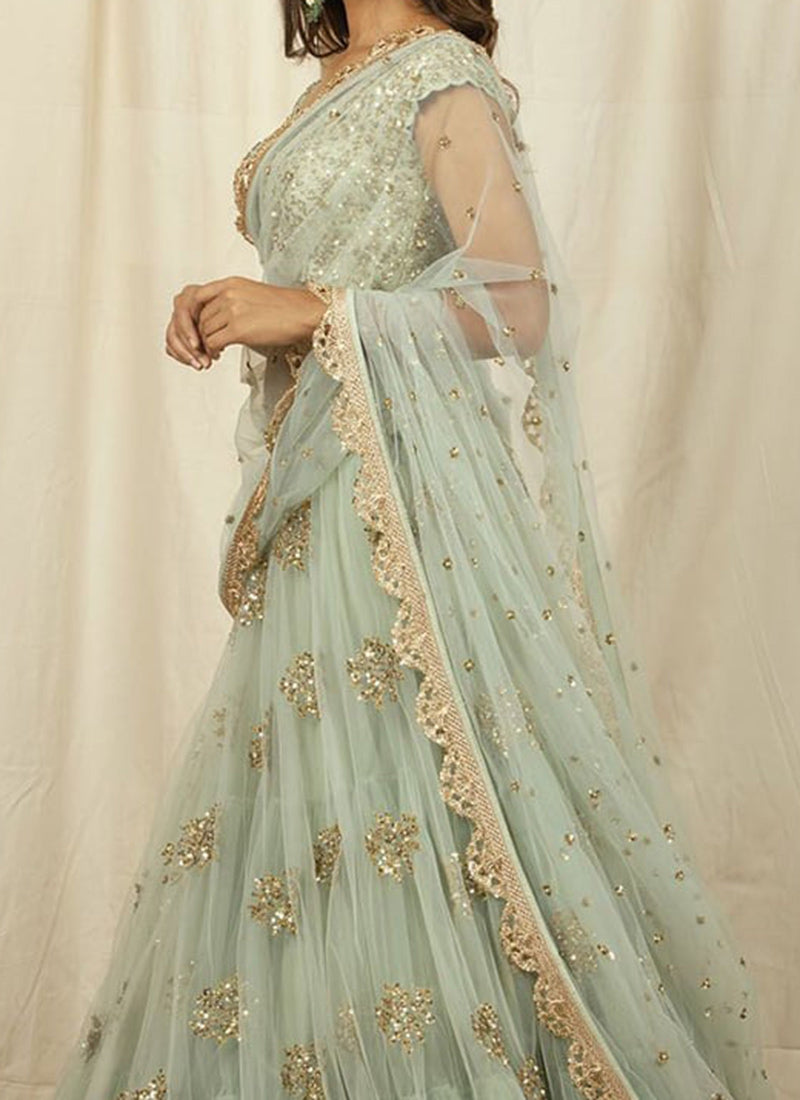
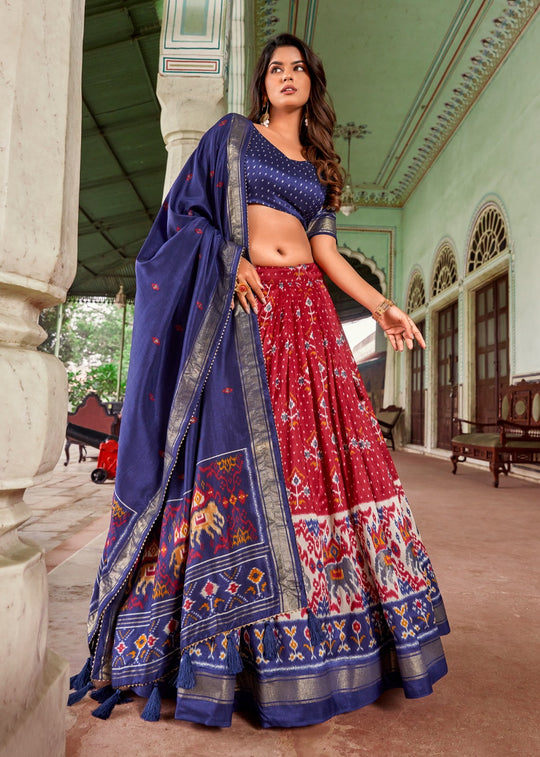
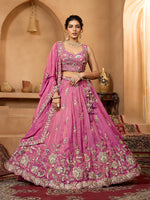
A lehenga is a three-piece outfit: a flared skirt, a fitted blouse (choli) and a dupatta. It is the standard choice for Indian weddings, receptions and major festivals, and unlike a saree it needs no draping to wear.
Trendia stocks lehengas from independent Indian labels in silk, georgette, velvet, net and chanderi, across bridal, guest and party weight. Both ready-to-wear and semi-stitched pieces are available, and orders ship across the USA with duties covered.
Ready-to-Wear or Semi-Stitched: Decide This First
This is the decision that determines everything else, including how long you need before the event. It catches out more first-time buyers than any other aspect of buying a lehenga.
|
|
Ready-to-wear |
Semi-stitched |
|
Skirt |
Stitched to a set waist size |
Fabric with an unstitched waist |
|
Blouse |
Stitched, some seam margin |
Unstitched blouse piece |
|
Time before wearing |
None beyond delivery |
Add one to two weeks for a tailor |
|
Fit |
Standard sizing |
Adjusted to your measurements |
|
Best when |
The event is close |
You have time and want precision |
Semi-stitched pieces give a considerably better fit because the waist and blouse are cut to your measurements, but they are not wearable out of the box. Budget one to two weeks for a tailor, and longer in wedding season when tailors are busy. Browse semi-stitched lehengas if you have the time, or the express range if the event is close.
Shop by Silhouette
Silhouette determines how much you can move, which matters more than it sounds across a six-hour function.
|
Silhouette |
How it moves |
Worth knowing |
|
A-line |
Widens gradually from the waist |
Easiest to sit and walk in |
|
Flared / circular |
Full skirt, wide sweep when spinning |
Needs an underskirt for volume |
|
Mermaid / fishtail |
Narrow to the knee, then flares |
Restricts stride; not for dancing |
|
Straight cut |
Falls close to the body |
Lightest and least bulky |
|
Panelled |
Vertical panels create shape |
Holds structure without weight |
|
Crop top / sharara |
Two-piece with wide-leg bottoms |
Most movement, reads modern |
A-line is the most practical all-round choice: enough flare to read formal, enough room to sit through a dinner. Flared and circular skirts photograph best and are the usual pick for sangeet, but the volume comes from a stiffened can-can underskirt that adds warmth and bulk. Mermaid cuts restrict stride to roughly a half step, so they suit receptions where you are mostly standing rather than events involving dancing or stairs. Crop top lehenga sets and sharara-style pairings sit at the most mobile end.
Shop by Fabric
|
Fabric |
Character |
Best for |
|
Silk and art silk |
Structured with sheen, holds shape |
Weddings, main ceremonies |
|
Banarasi and brocade |
Woven zari, heavy and formal |
Traditional ceremonies |
|
Velvet |
Deep texture, warm, heaviest option |
Winter weddings, evening |
|
Georgette |
Fluid, light, moves well |
Sangeet, dancing, long events |
|
Chiffon |
Lightest, sheer, needs lining |
Daytime and warm weather |
|
Net |
Sheer with volume, carries sequins |
Party and reception wear |
|
Chanderi |
Light with a subtle sheen |
Daytime functions, mehendi |
Silk lehengas hold structure and are the traditional choice for main ceremonies. Georgette is the practical pick for anything involving dancing, since it moves without weight. Net carries sequin and embroidery work well but is always lined, so check what the lining is made of. Velvet is the warmest and the heaviest - an advantage at a winter wedding and a liability at an outdoor summer one. Banarasi pieces use woven zari rather than surface embroidery, which is why they hold value and weight differently from embellished fabrics.
Shop by Occasion
Bridal
Heavier construction, dense hand embroidery and layered skirts in velvet, banarasi or silk. The bridal lehenga range covers these, and the designer edit carries the most worked pieces. The practical consideration people underestimate is weight: a fully worked bridal lehenga can be genuinely heavy, and you will be in it for many hours. If you can, try a comparable weight before committing.
Wedding Guest
Lighter work in georgette, chanderi or net. As a guest the aim is to look considered without approaching bridal territory - at North Indian weddings that means avoiding deep red with heavy gold, which is traditionally bridal. Our guide to what to wear to an Indian wedding sets out what each function expects, and anarkali sets or a saree are often the easier choice for the smaller functions.
Party and Reception
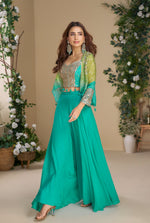
Party wear lehengas lean towards net and georgette with sequin work, cut lighter than bridal pieces so they hold up through an evening. Crop-top and cape-blouse pairings read more contemporary than a traditional choli.
Festive
Festive lehengas are cut for long days rather than single events - lighter fabrics, less surface work, easier to sit and eat in. Our Diwali outfit ideas guide covers the wider festive season.
What to Check Before You Buy
Weight
The most common regret with a heavily worked lehenga is weight rather than fit or colour. Embroidery, zari and layered underskirts add up. If the event runs long or involves a lot of standing, a lighter piece you can move in will serve better than a heavier one you stop enjoying after two hours.
Length and Heel Height
Lehenga length is fixed against a specific heel height. If you buy at a length that works with four-inch heels and then switch to flats on the day, the hem drags and catches. Decide the footwear before the alteration, and take the shoes to the tailor.
The Can-Can Underskirt
The volume in a flared lehenga comes from a stiffened underskirt, sometimes included and sometimes bought separately. A heavier can-can gives a fuller sweep but traps heat and makes sitting harder. Check whether one is included before assuming the skirt will look as it does in the photograph.
Blouse Margin
Ready-to-wear cholis usually include extra seam allowance so a tailor can let them out. This is the piece most likely to need adjustment, since bust and shoulder fit vary far more between people than waist measurements do.
Dupatta Count
Some sets include two dupattas - a lighter one to drape over the shoulder and a heavier one for the head. Check the listing, since styling guides often assume two. Additional dupattas can be bought separately if a set includes only one.
Sizing and Alterations
Trendia lists many independent labels and sizing is not standardised between them, so measure bust, waist and hips and check the chart on the individual product page. Extended sizing is grouped in plus size lehengas and the wider plus size collection.
For ready-to-wear pieces, size to the larger of your bust and waist measurements and have the other taken in - letting a seam out is limited by the allowance the maker left, while taking one in is always possible. Skirt waistbands with drawstrings or hooks give more adjustment range than a fixed zip.
What Changes With Price
Construction is broadly similar across the range. What rises with price is fabric quality, the density and technique of the surface work, and consequently the weight.
|
Tier |
What changes as price rises |
|
Entry |
Rayon, viscose or printed georgette; light sequin or print work; lightest to wear |
|
Mid |
Chinon, net or art silk; thread embroidery and sequin work; moderate weight |
|
Premium |
Banglori silk, tussar, heavier net; dense embroidery, foil and zari work |
|
Bridal |
Velvet, banarasi and layered construction; hand embroidery; heaviest by a wide margin |
Styling
Jewellery
Match jewellery weight to the lehenga rather than to the occasion. A heavily embroidered piece is already carrying the visual weight, so a single strong element works better than a full set - jhumkas with a covered neckline, or a necklace with a plain choli. A maang tikka and bangles complete a bridal look without adding to the neckline.
Blouse Choices
The choli changes the register of the outfit more than the skirt does. Full sleeves and a high neck read traditional; cape, off-shoulder and sweetheart necklines read contemporary. A structured blouse balances a panelled or heavily worked skirt; a simpler one suits a busy print. Our guide to blouse designs covers necklines and sleeves in detail, and separate blouses can be bought to re-style an existing lehenga.
Dupatta Draping
A single-shoulder drape is the easiest to manage and the best choice if you will be moving. A front cross-drape covers more and stays put but restricts arm movement. Pinning at the shoulder is worth doing regardless - an unpinned dupatta needs constant adjustment, which is the main reason people stop wearing it halfway through an event.
Footwear and Bags
Block heels are more stable than stilettos on grass and marble, both common at Indian wedding venues. Whatever you choose, wear the same height to the alteration. A clutch or potli is the practical option, since a shoulder bag competes with the dupatta.
Care and Storage
Lehengas are almost always dry clean only, and heavily embroidered pieces should go to a cleaner familiar with zari work rather than a general service. Spot-clean marks by blotting rather than rubbing, since rubbing pulls embroidery threads and flattens sequins.
Store folded with tissue between the worked layers rather than on a hanger. A heavy skirt hung for months distorts at the waistband under its own weight. Turn the choli inside out so mirror and sequin work does not catch on other garments, and keep the set out of plastic, which traps moisture against zari and accelerates tarnishing.
FAQs: Lehengas for Women
What is the difference between ready-to-wear and semi-stitched?
A ready-to-wear lehenga arrives stitched to a standard size and can be worn immediately. A semi-stitched lehenga arrives with an unstitched waist and blouse piece so a tailor can fit it to your measurements. Semi-stitched gives a better fit but needs one to two weeks with a tailor, longer during wedding season.
What should I wear to a wedding as a guest?
A lighter lehenga in georgette, chanderi or net with moderate embroidery. Avoid deep red with heavy gold work at North Indian weddings, where that combination is traditionally bridal. Save the heaviest pieces for the main ceremony and wear lighter options to mehendi and daytime functions.
What is the difference between a saree and a lehenga?
A saree is a single length of unstitched fabric draped over a petticoat and blouse. A lehenga is three separate pieces - a stitched skirt, a blouse and a dupatta. A lehenga needs no draping, which makes it considerably easier to wear if you are not practised with a saree.
How heavy is a bridal lehenga?
Heavily worked bridal pieces in velvet or banarasi with dense embroidery are substantially heavier than party or festive lehengas, largely because of the surface work and the layered underskirt. Weight is worth factoring in if you will be wearing it for a full day.
Are lehengas suitable for older women?
Yes. Straight-cut and A-line silhouettes in silk or chanderi with restrained embroidery, paired with a full-sleeve or high-neck choli, are common choices and read appropriately formal at any age. Lighter fabrics are also easier across a long function.
Can I wear a lehenga to a non-Indian formal event?
A crop-top or straight-cut lehenga in a solid colour with light work reads close to a formal two-piece and works at receptions and black-tie-adjacent events. Heavily embroidered and flared pieces read distinctly bridal and sit less comfortably outside an Indian context. Indo western options and gowns are the more natural fit there.
How do I clean a lehenga?
Dry clean only in almost all cases, and use a cleaner experienced with zari and embroidery for worked pieces. Blot spills rather than rubbing. Store folded with tissue between layers rather than hanging, and avoid plastic covers.
Do you have matching lehengas for children?
Yes. Girls lehenga sets cover the same range for children. Coordinating within a colour family works better than trying to match exact shades, since dye lots differ between labels.