

Indian Jewellery for Women | Buy Online USA - Trendia

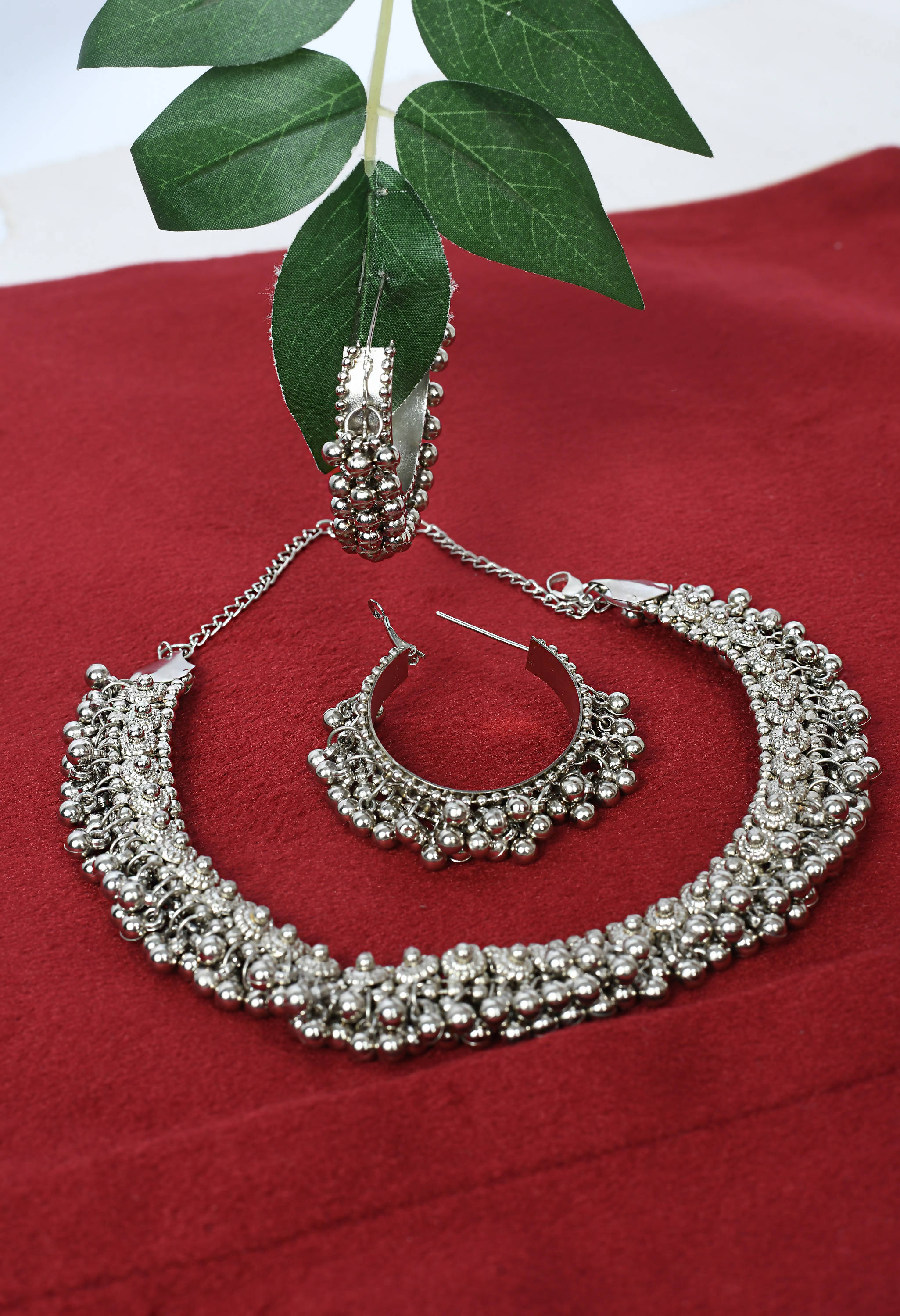


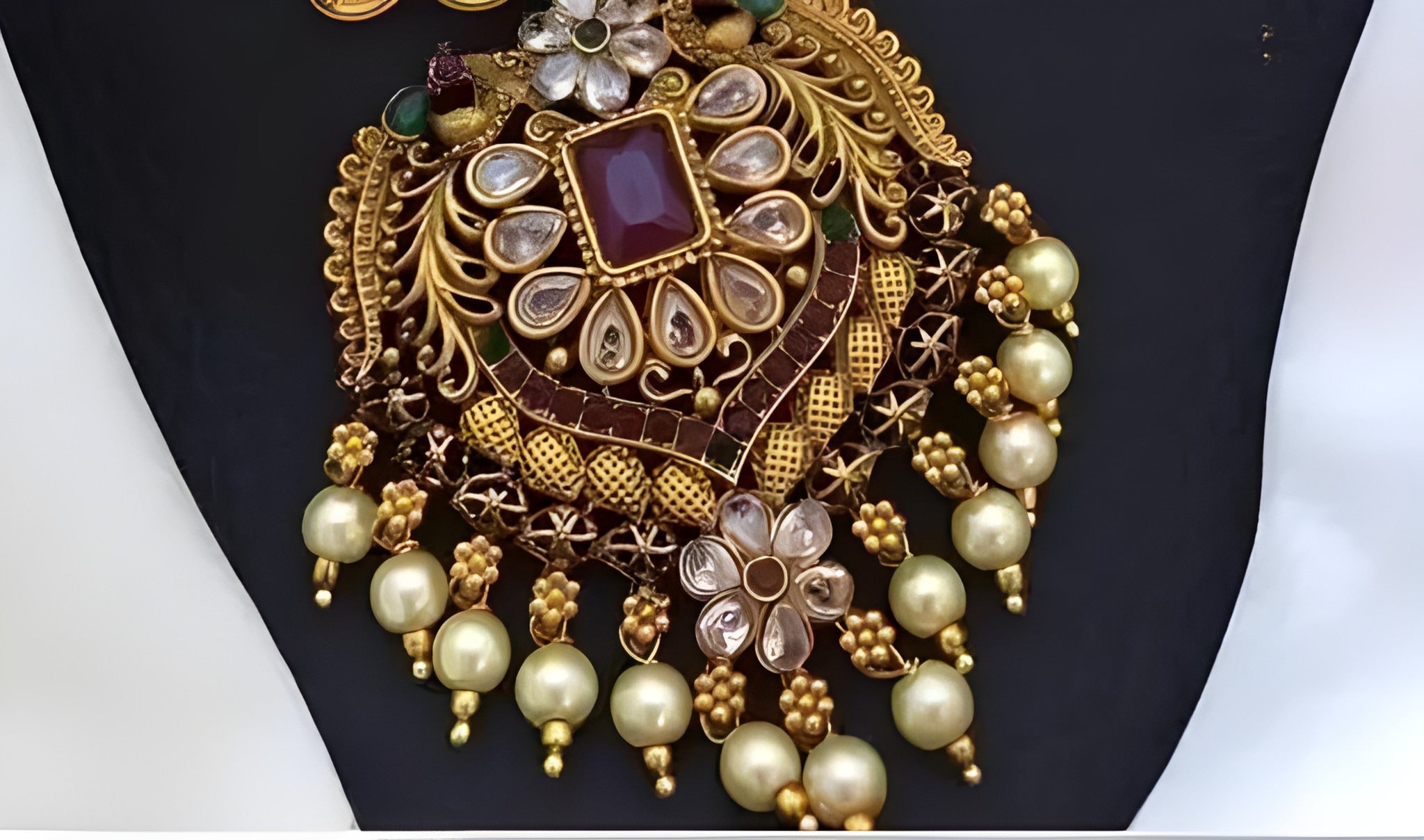

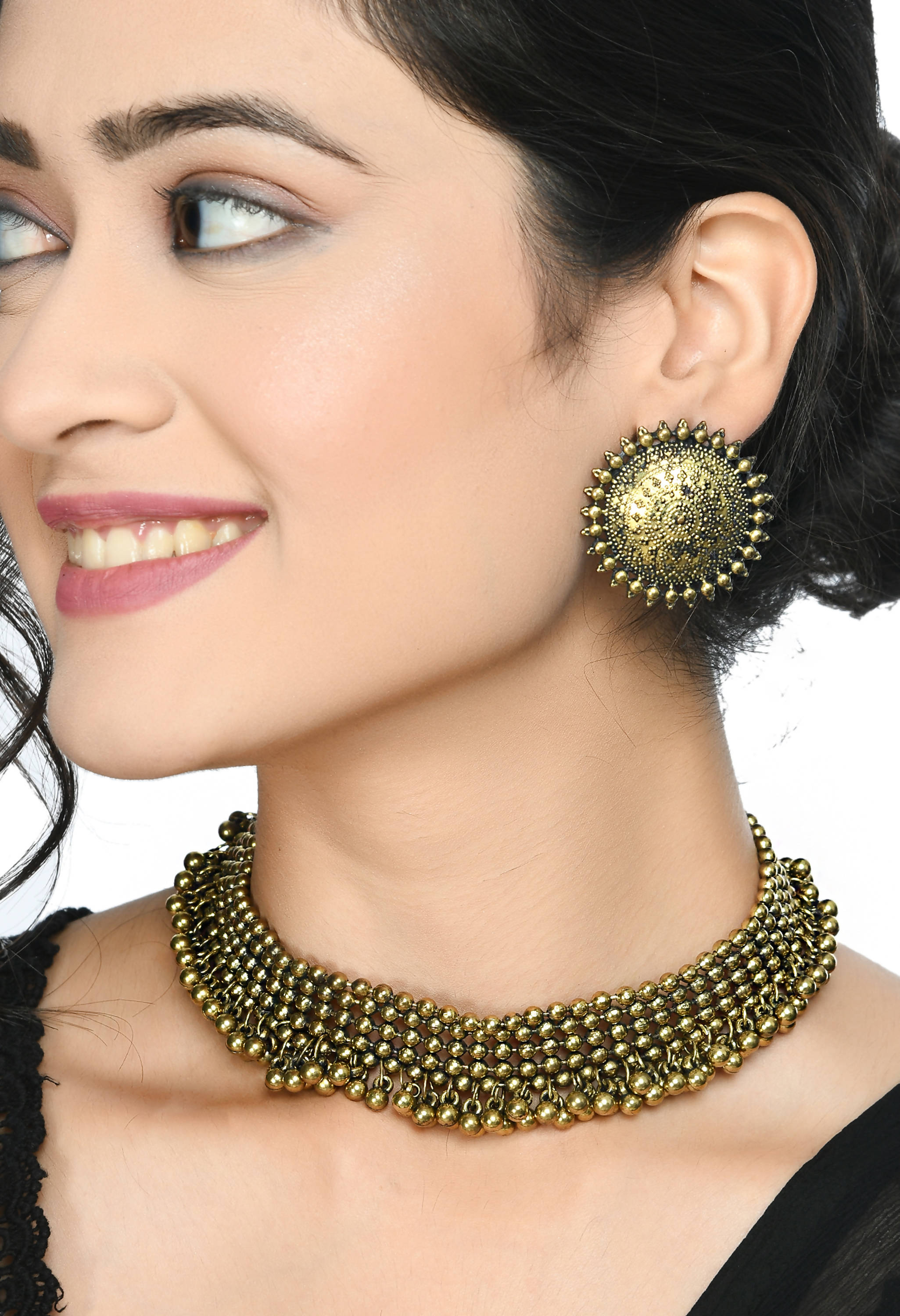

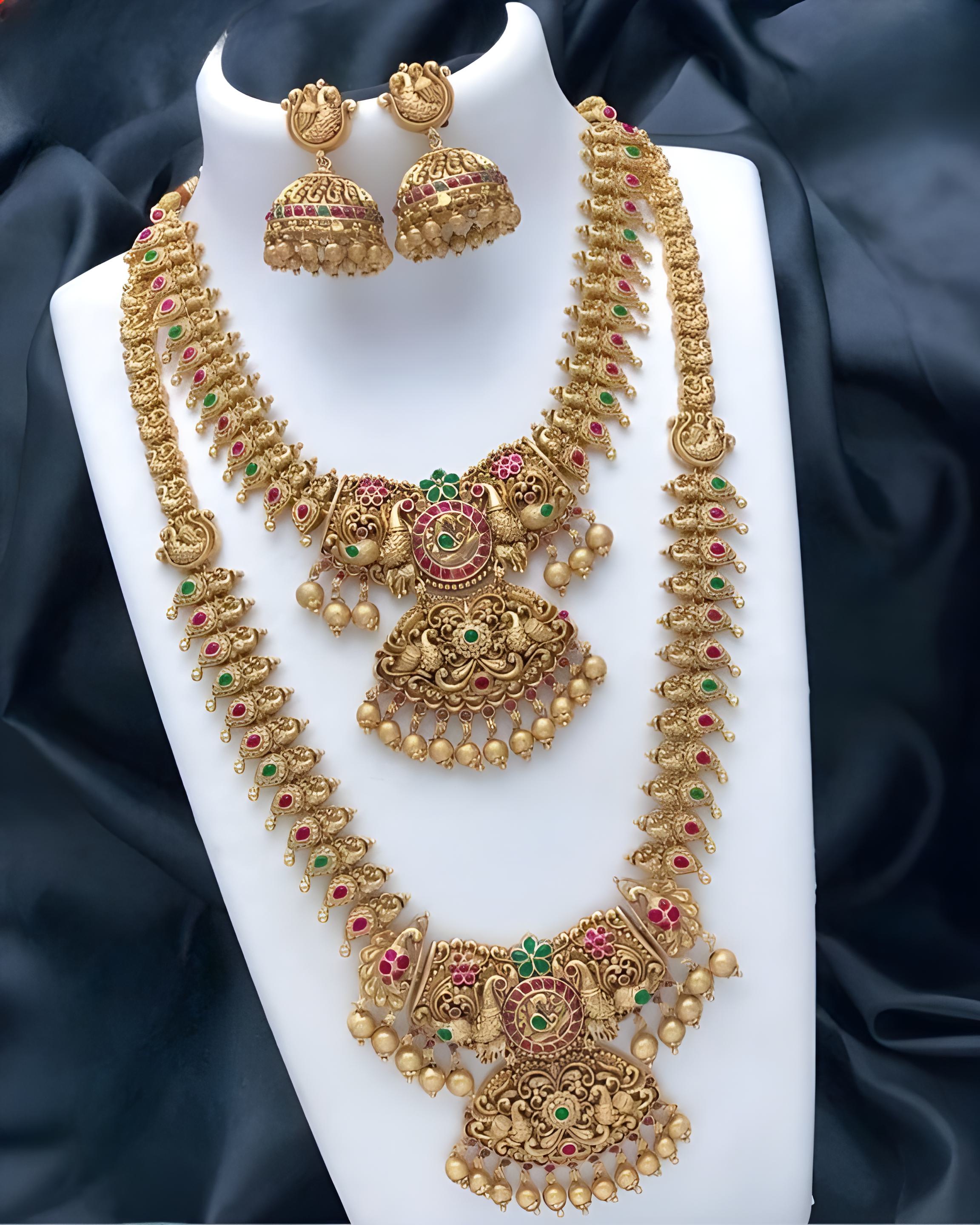


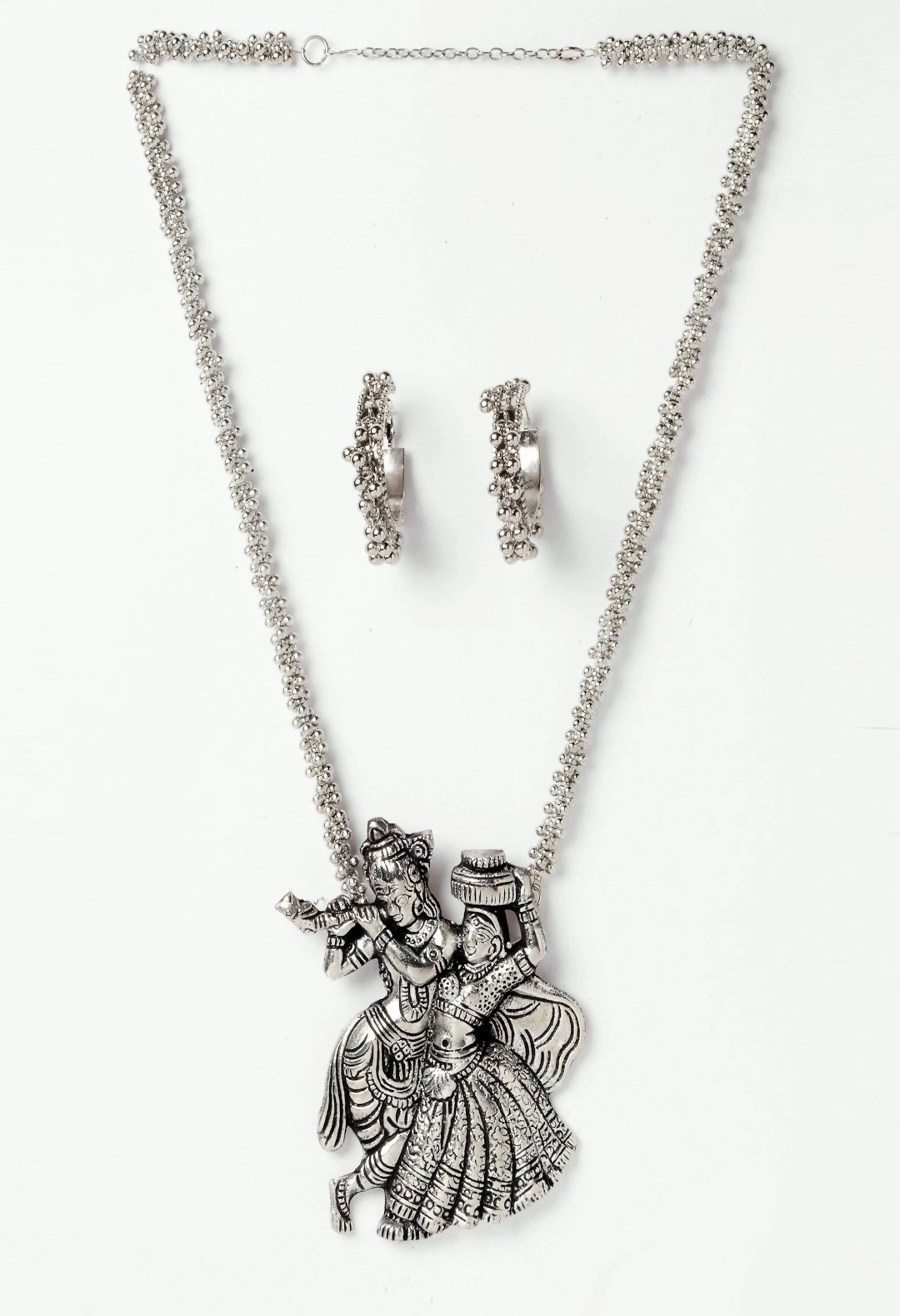


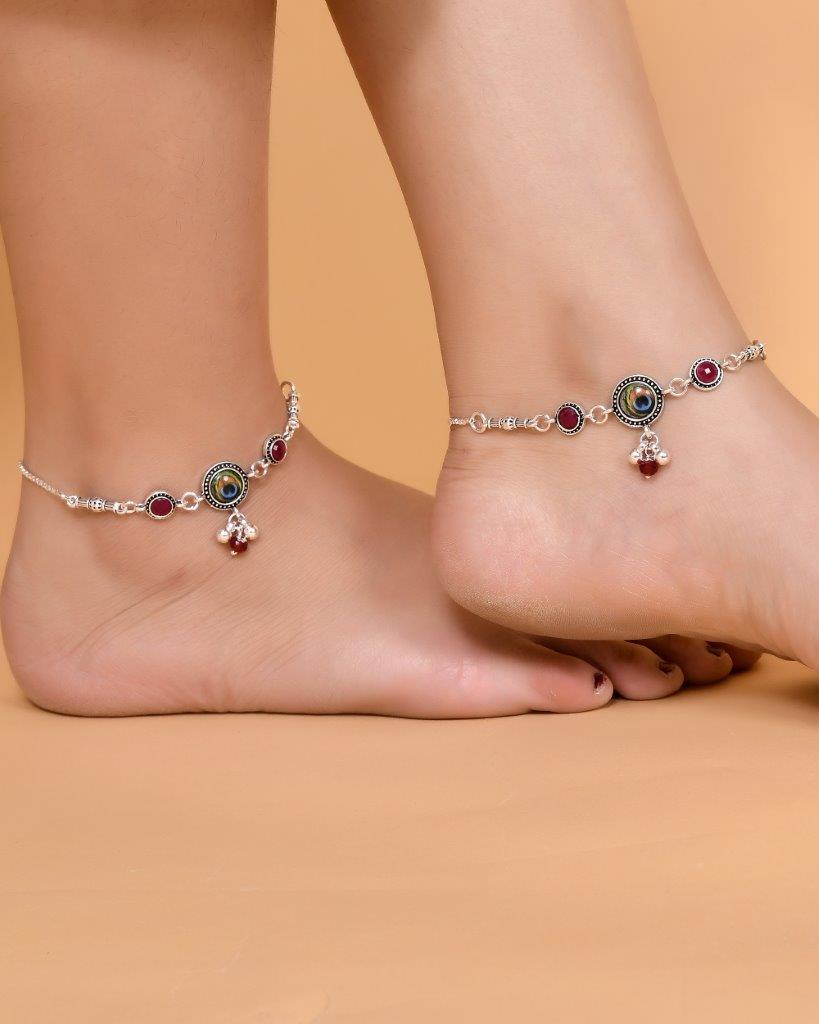

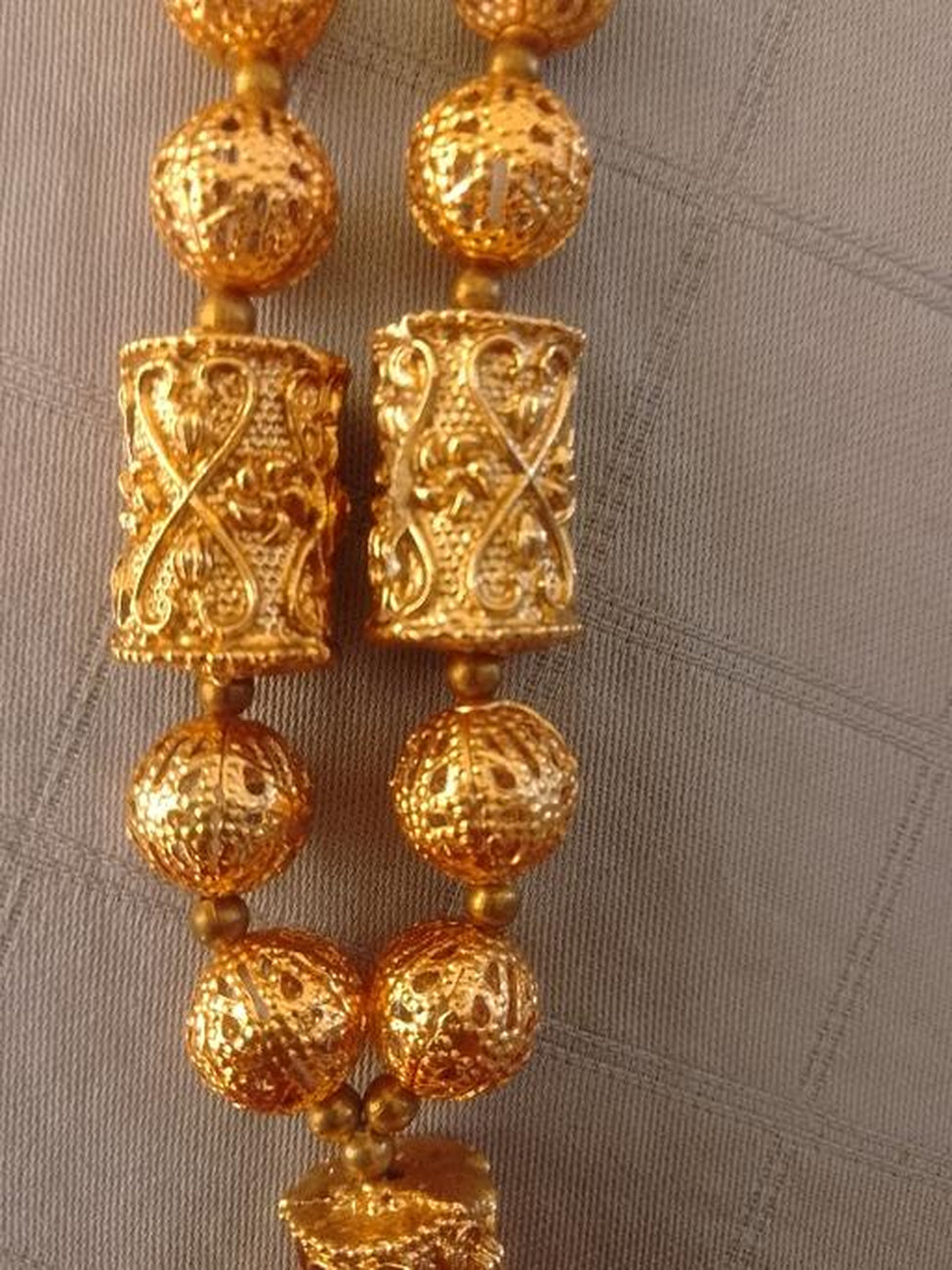


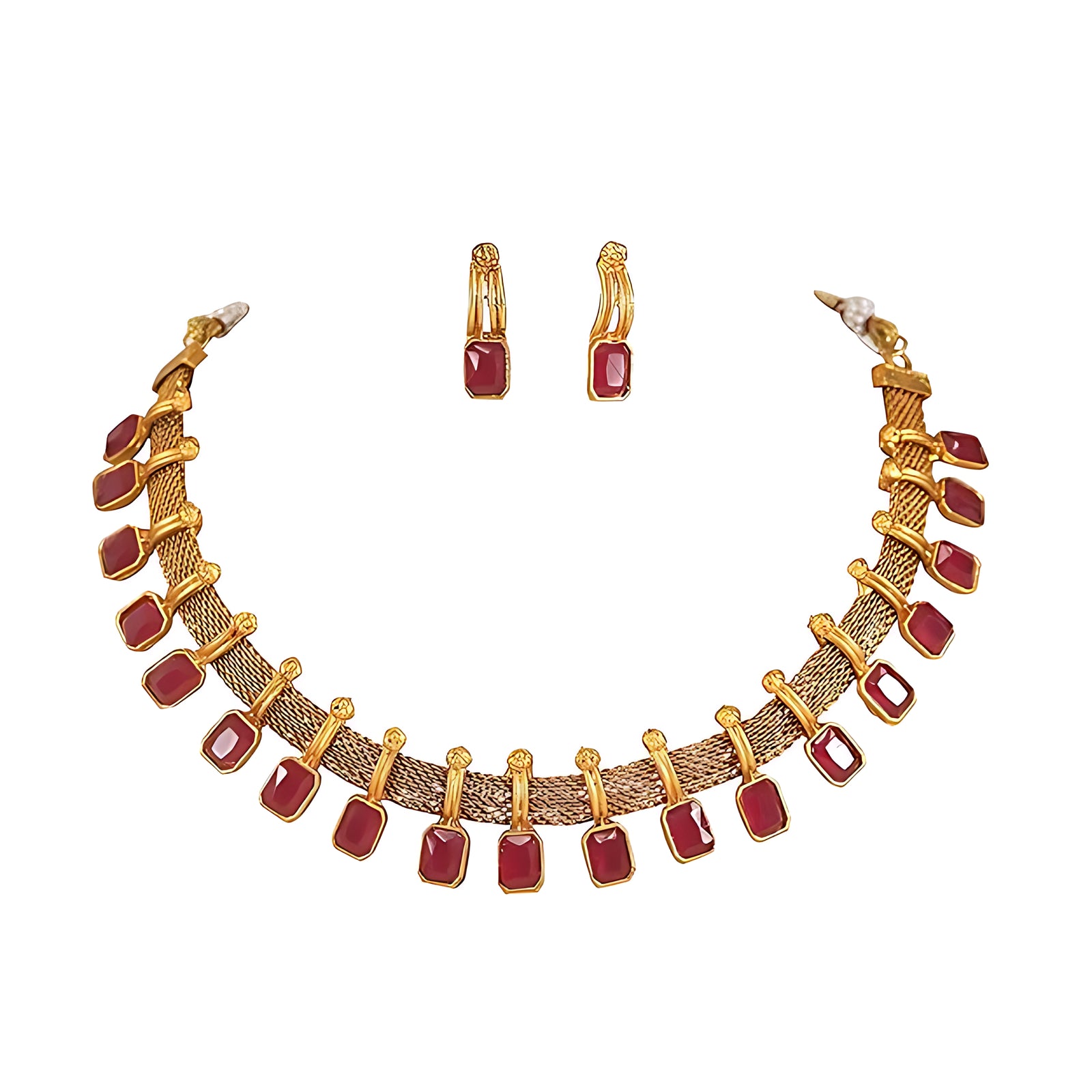

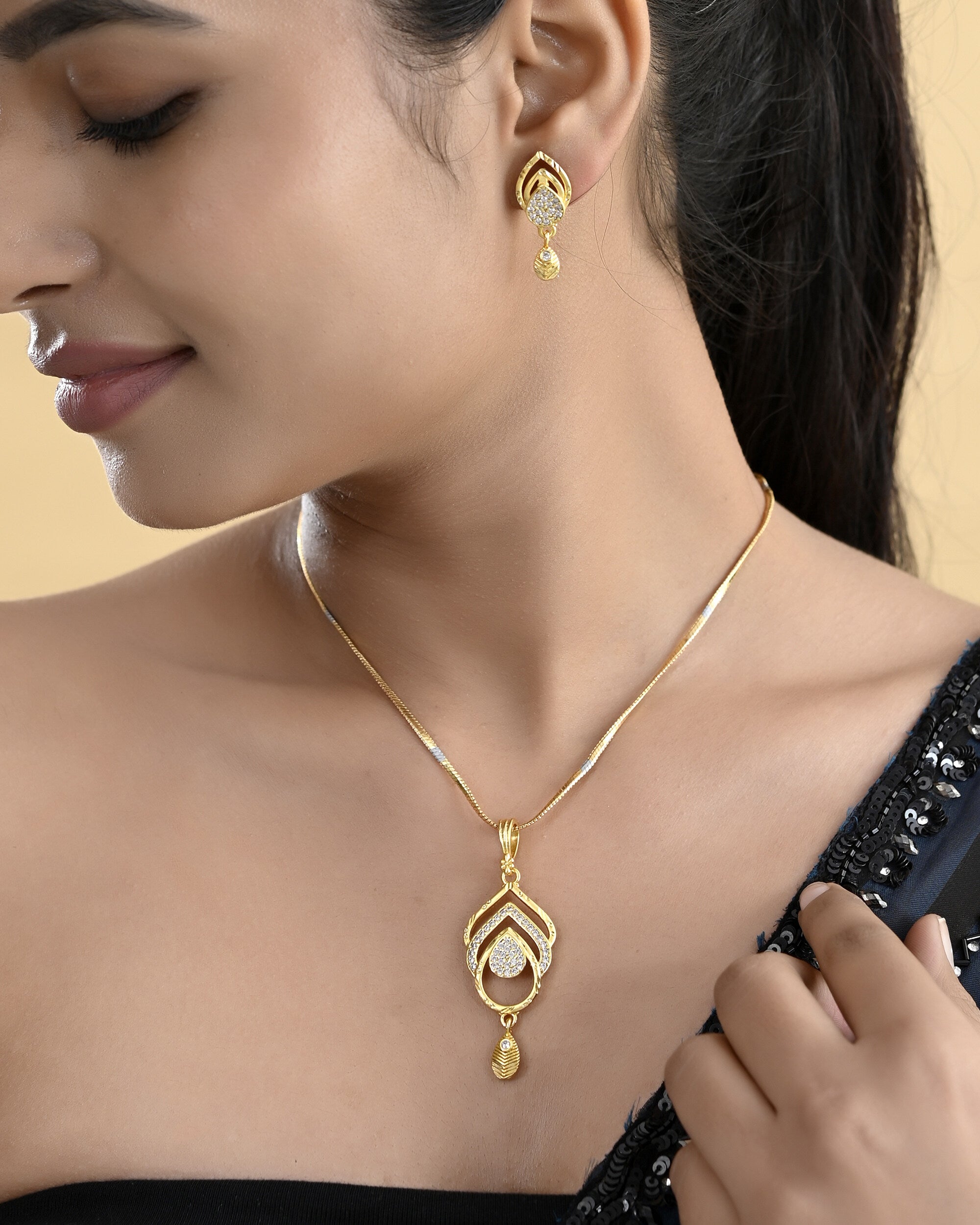


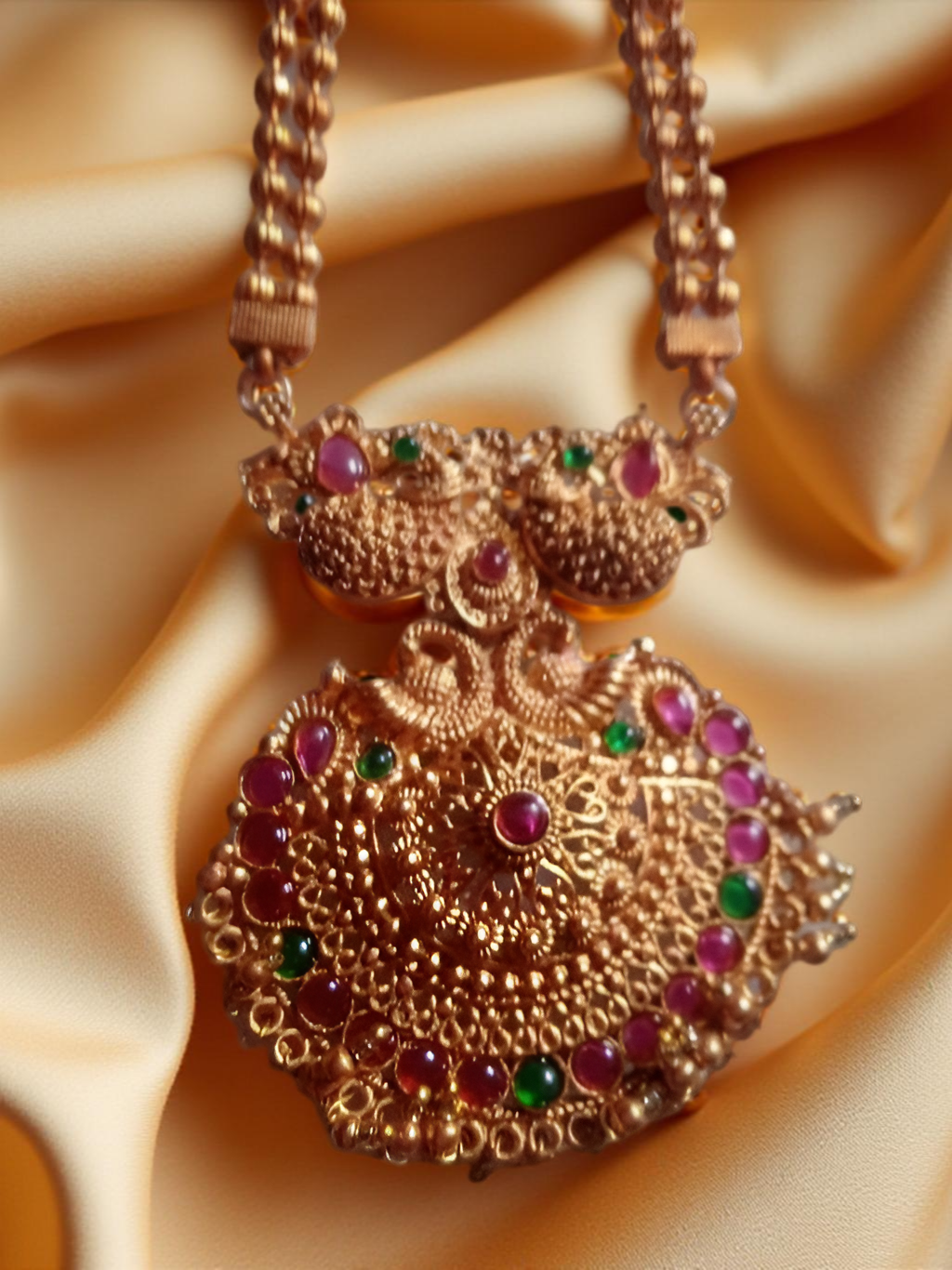


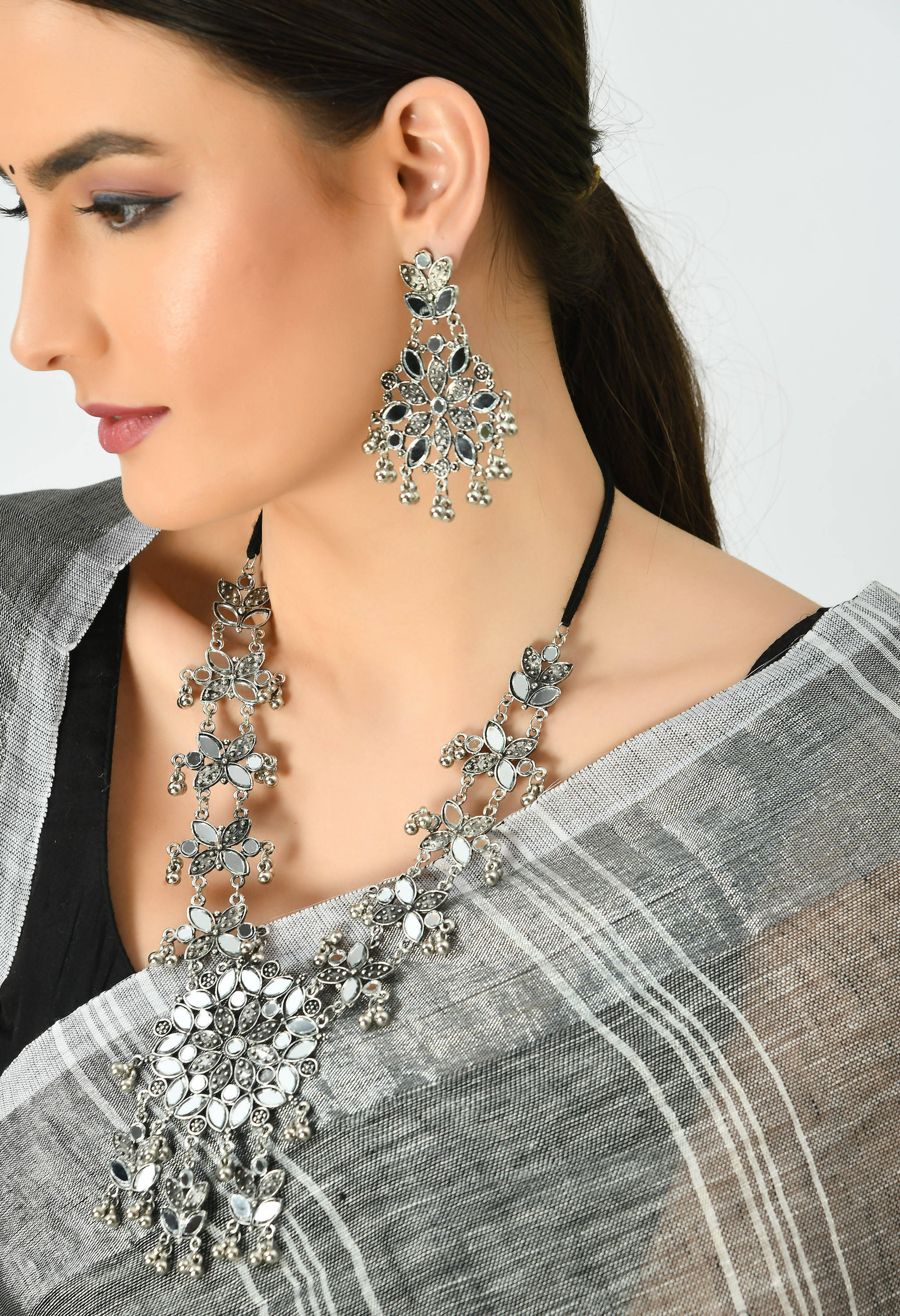

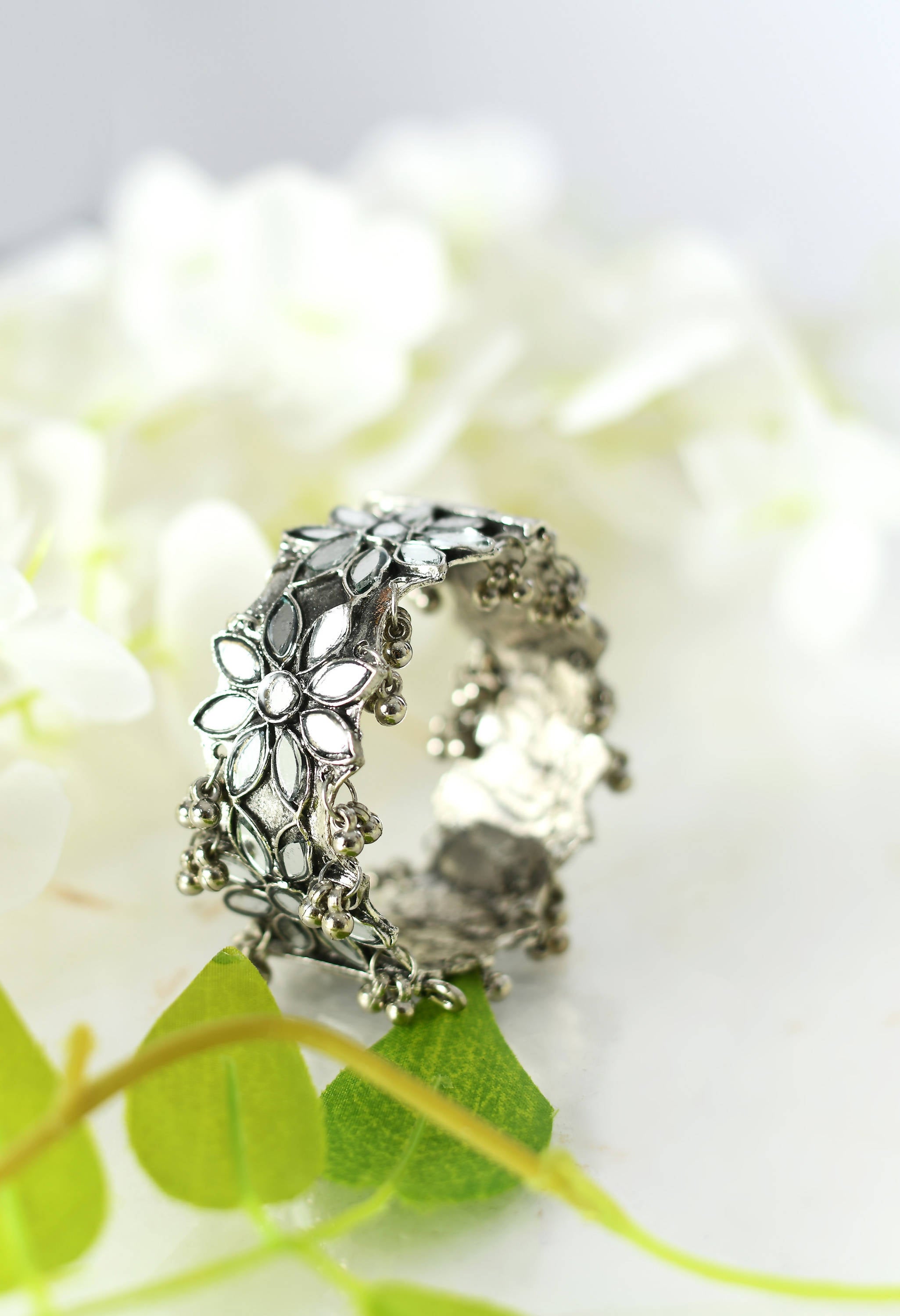






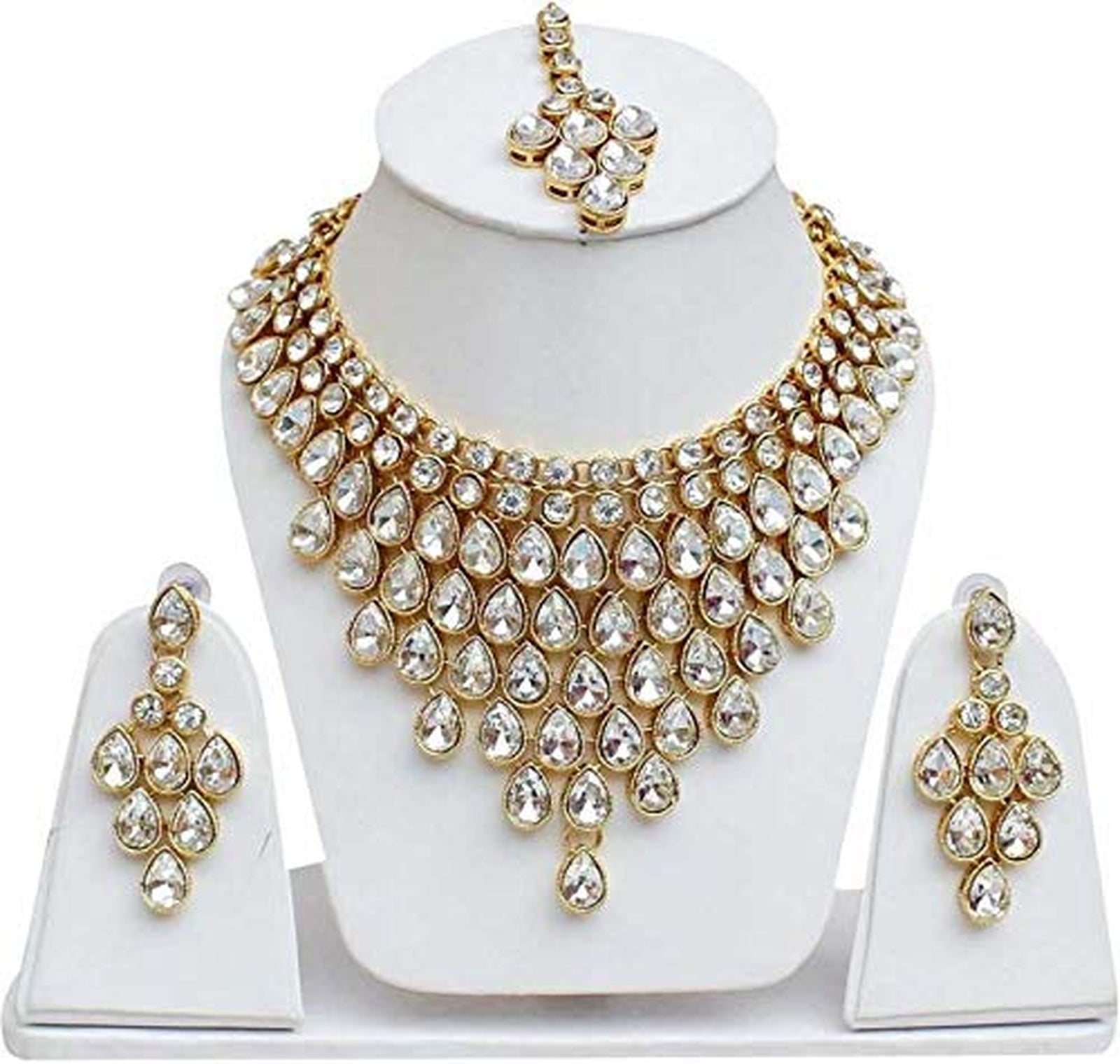

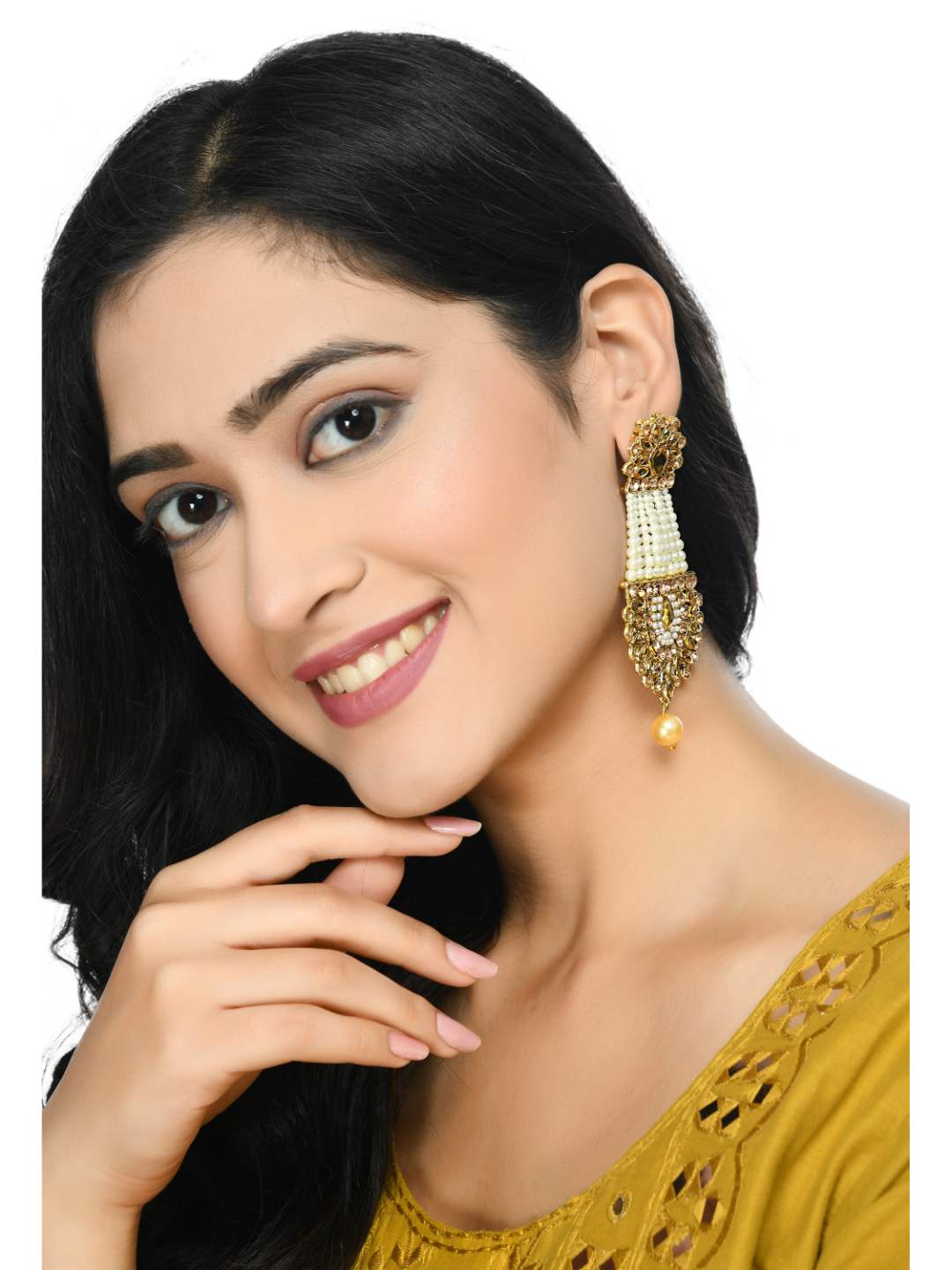

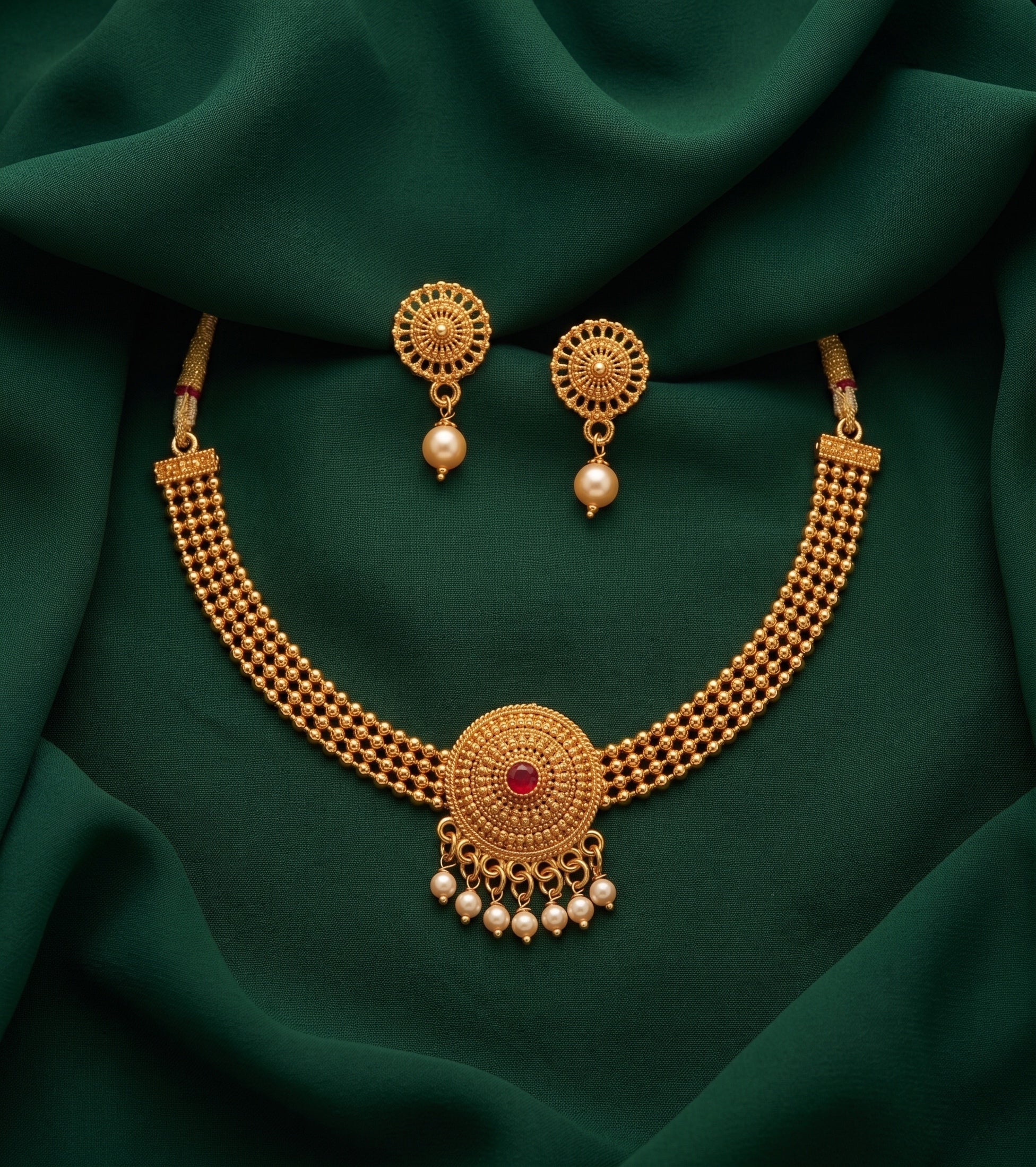

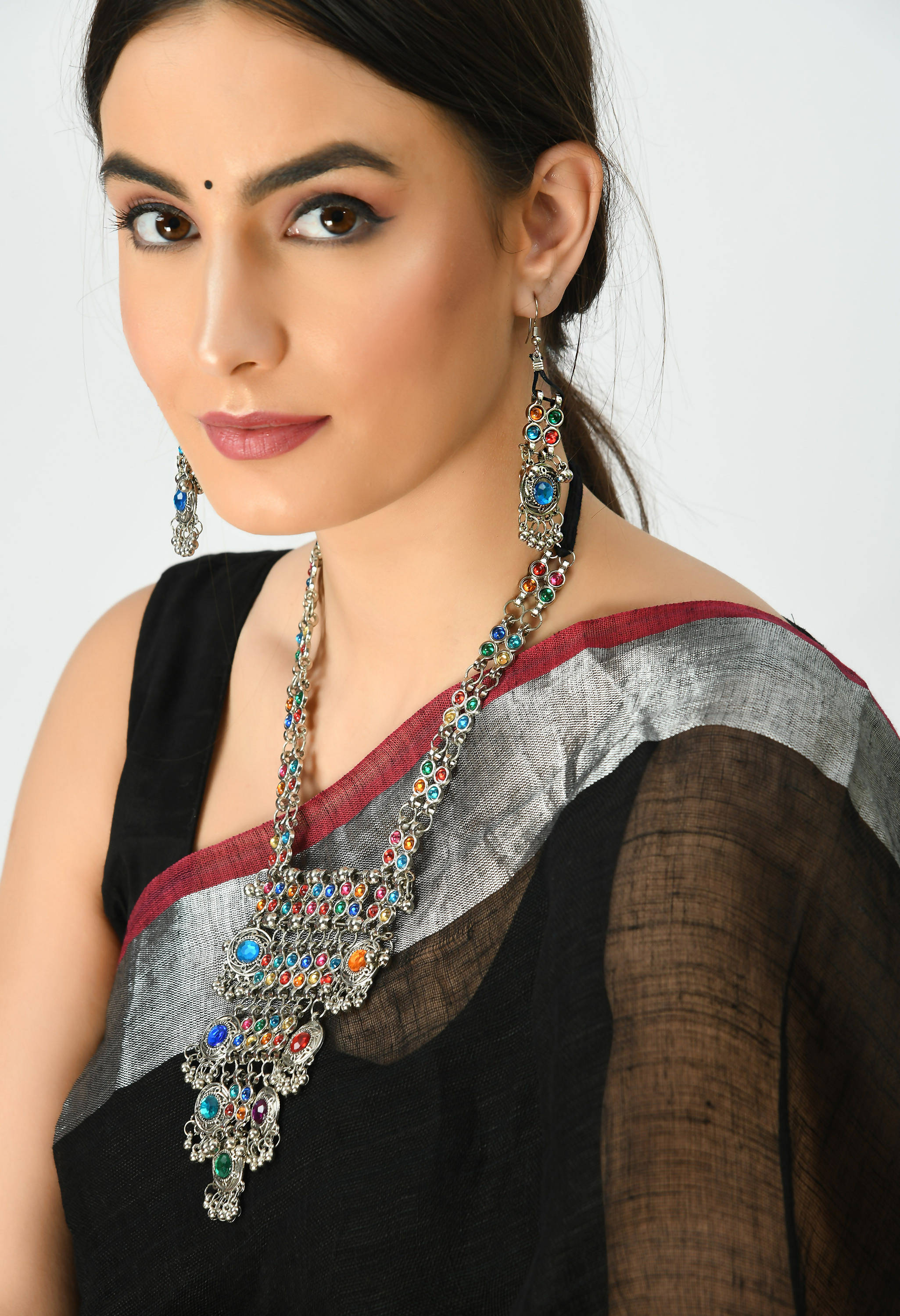

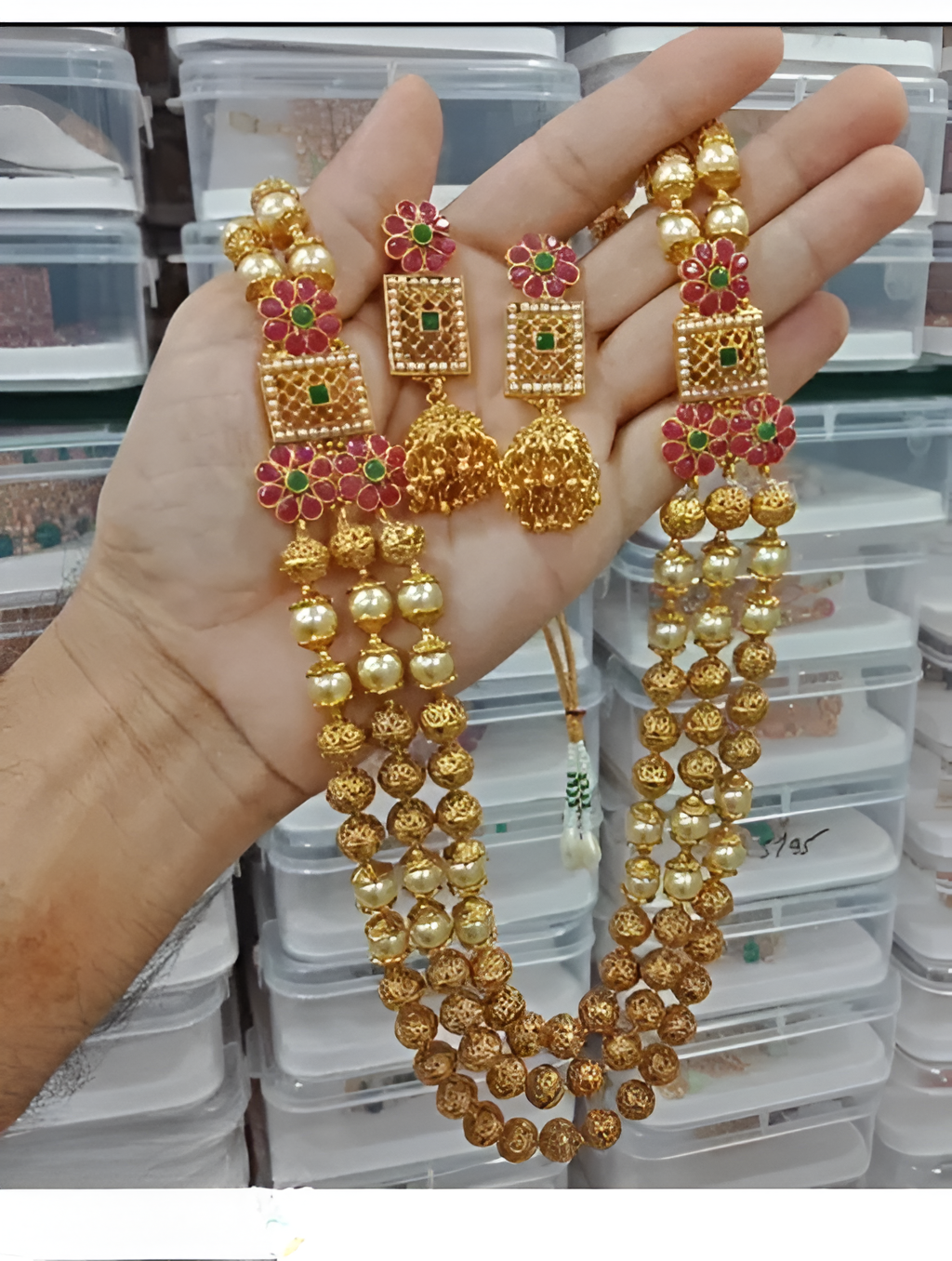

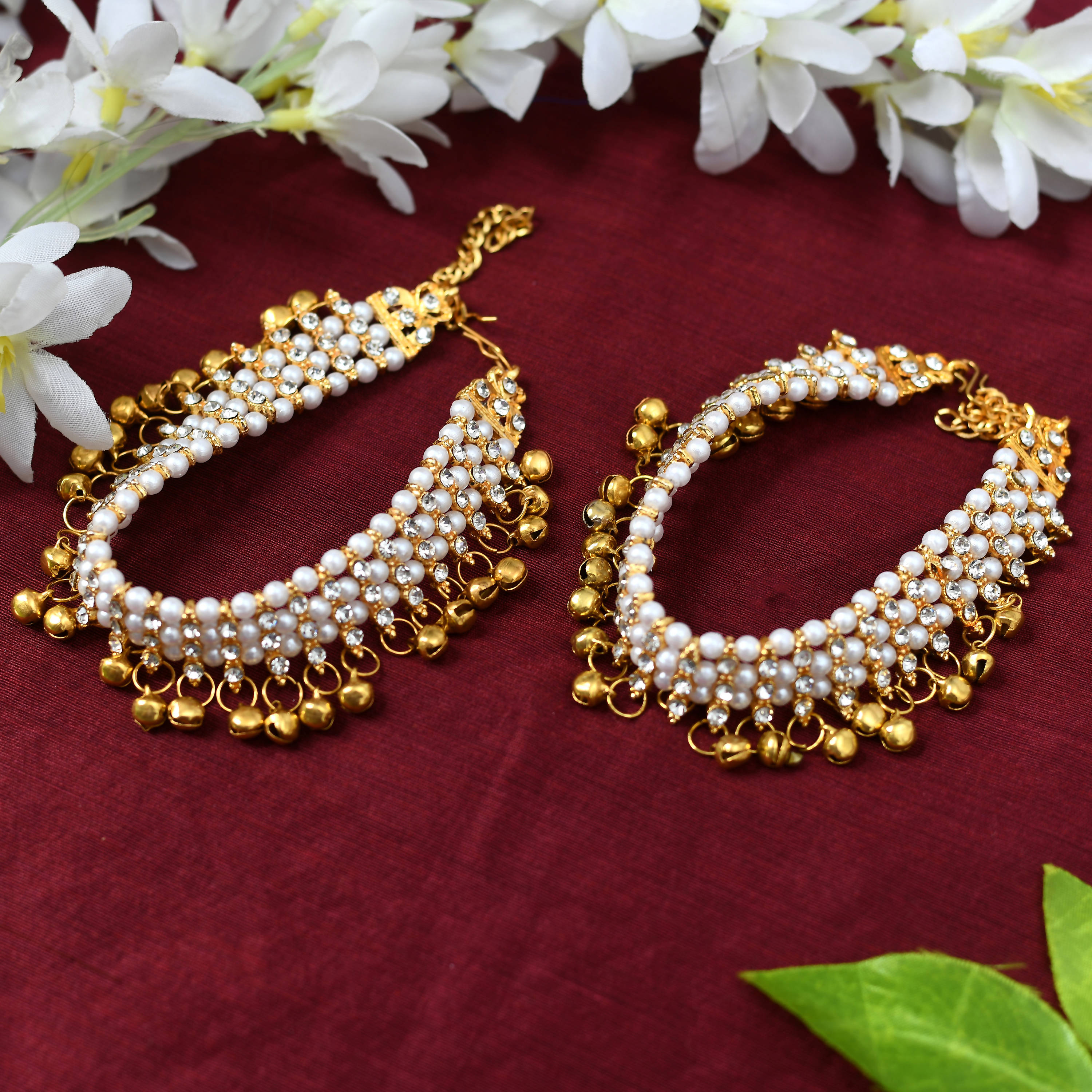

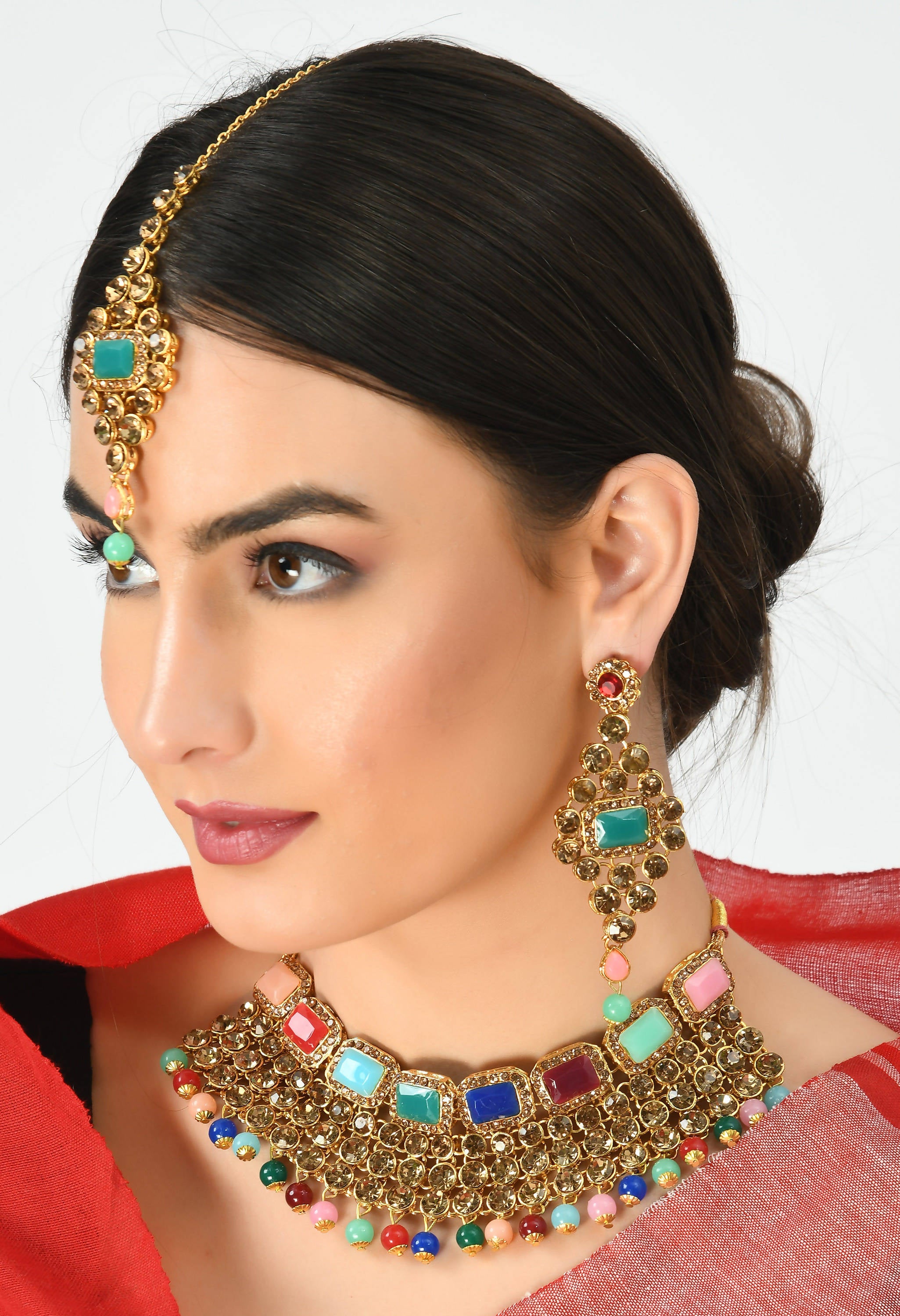

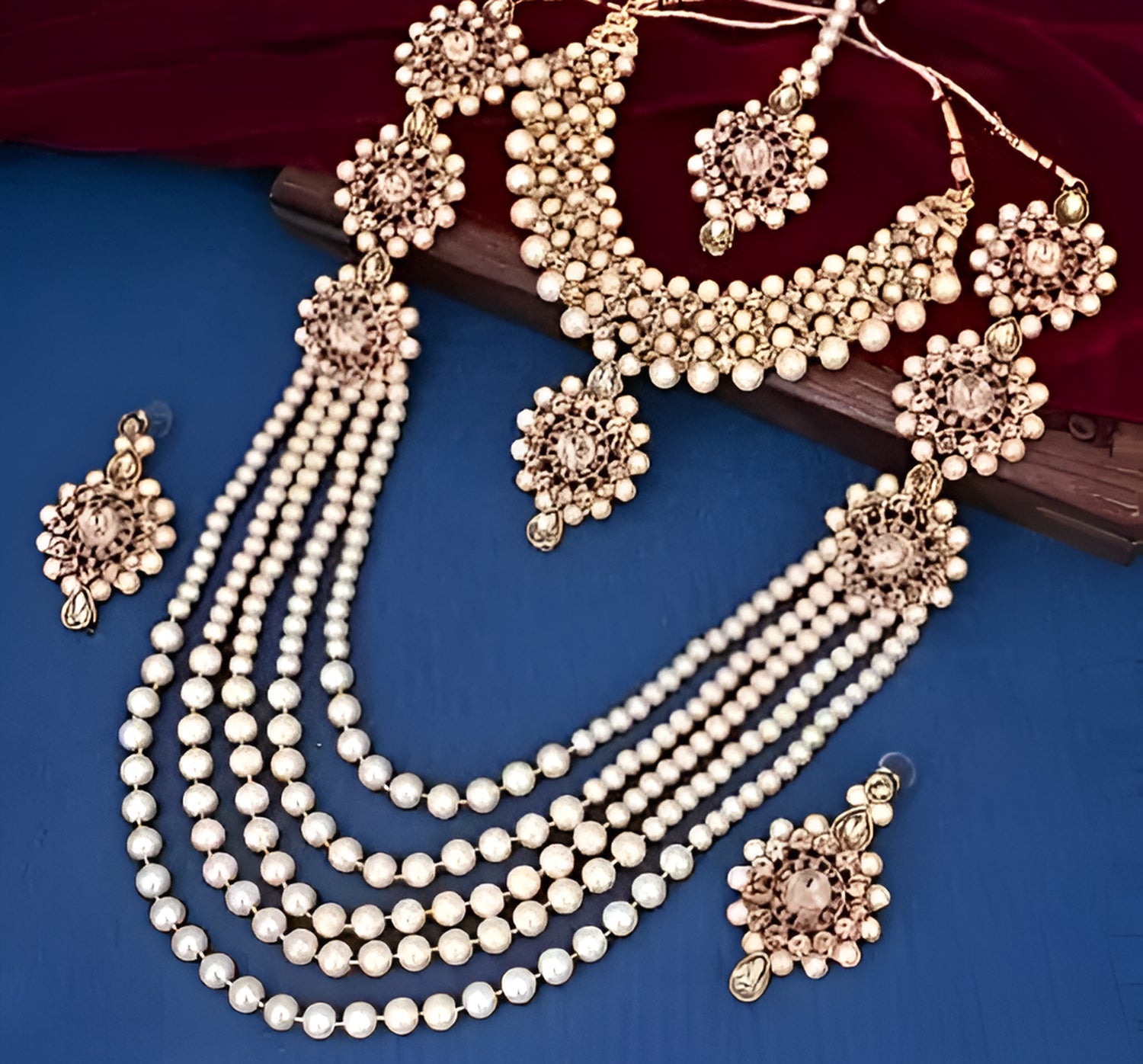

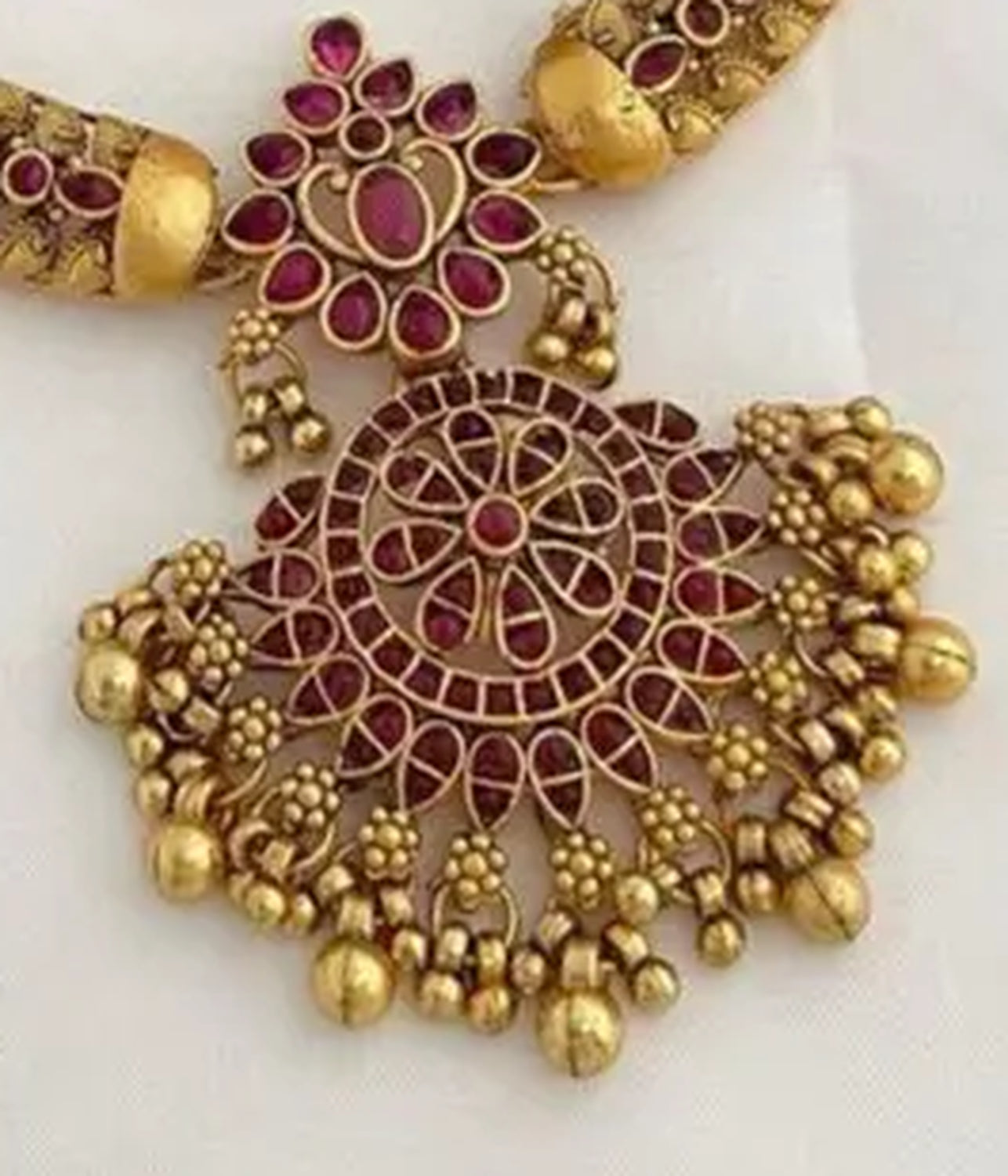

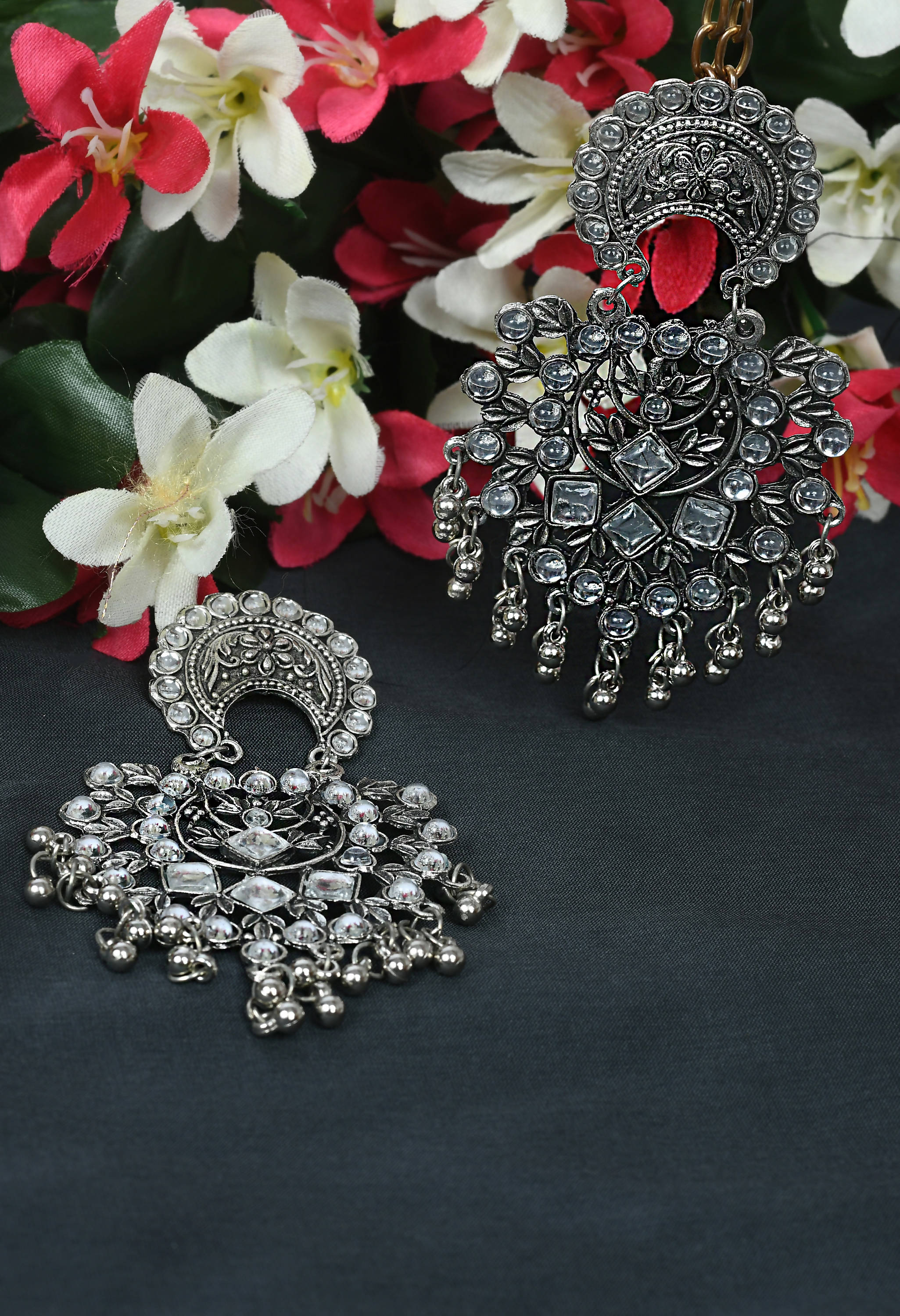

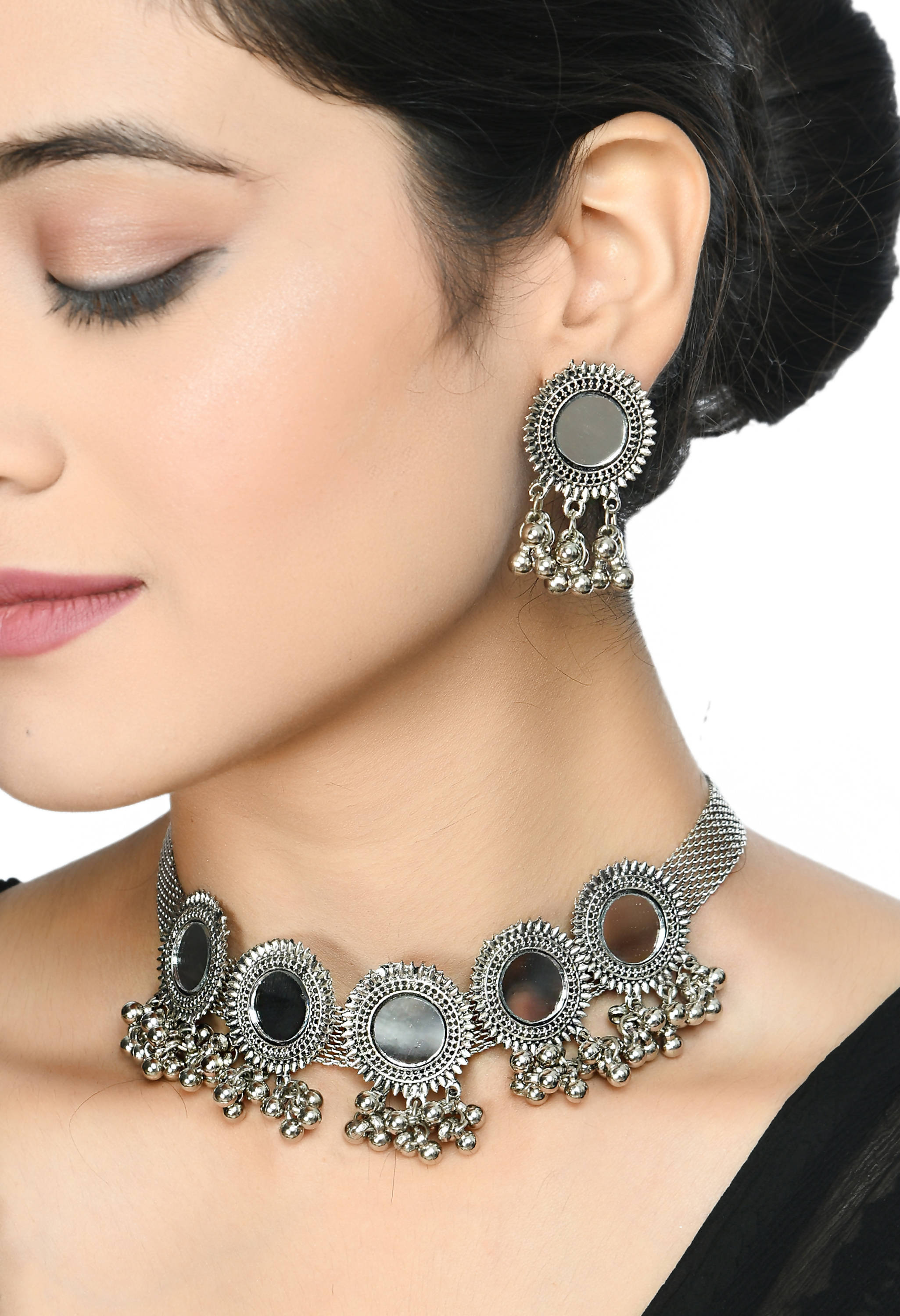

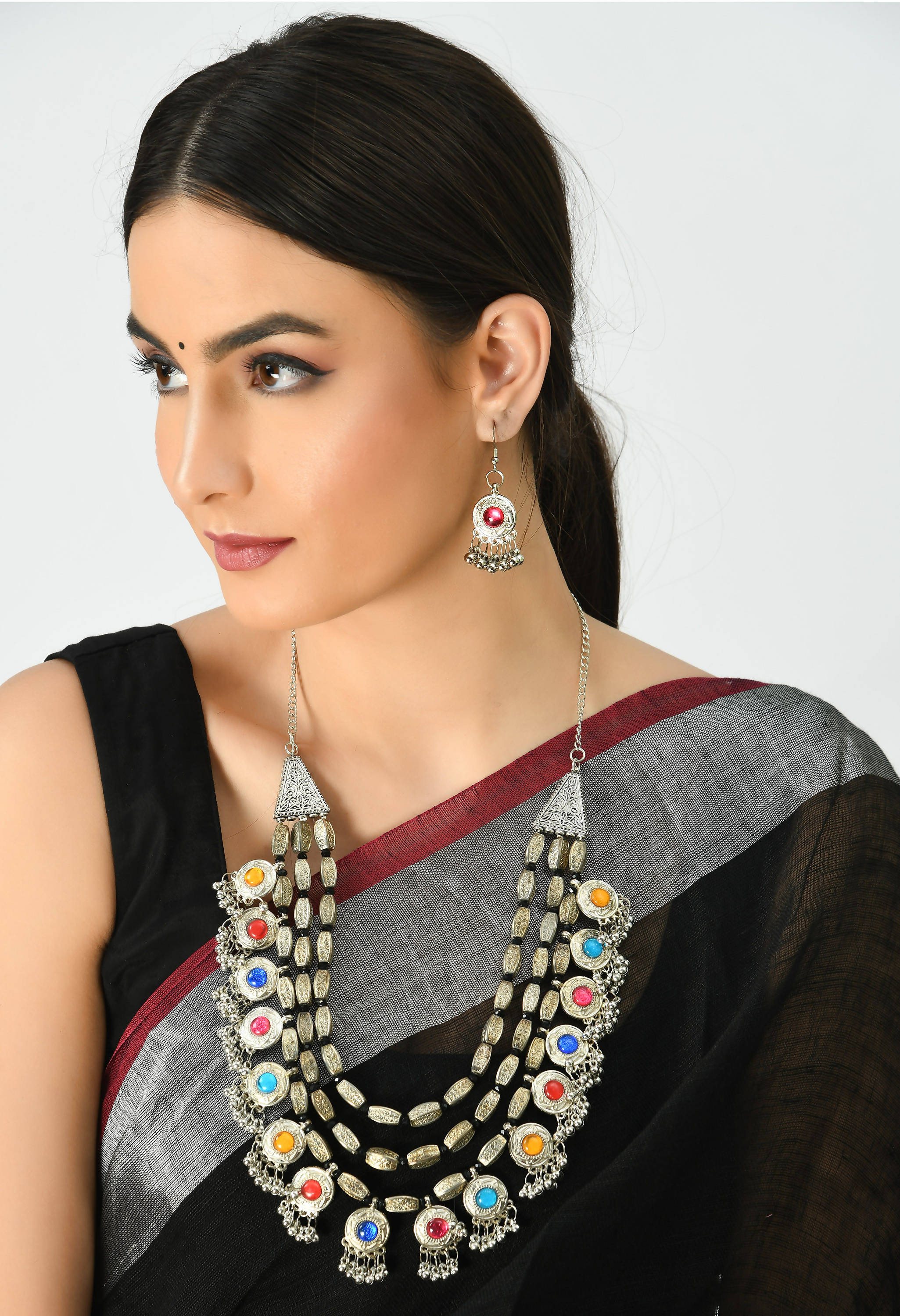


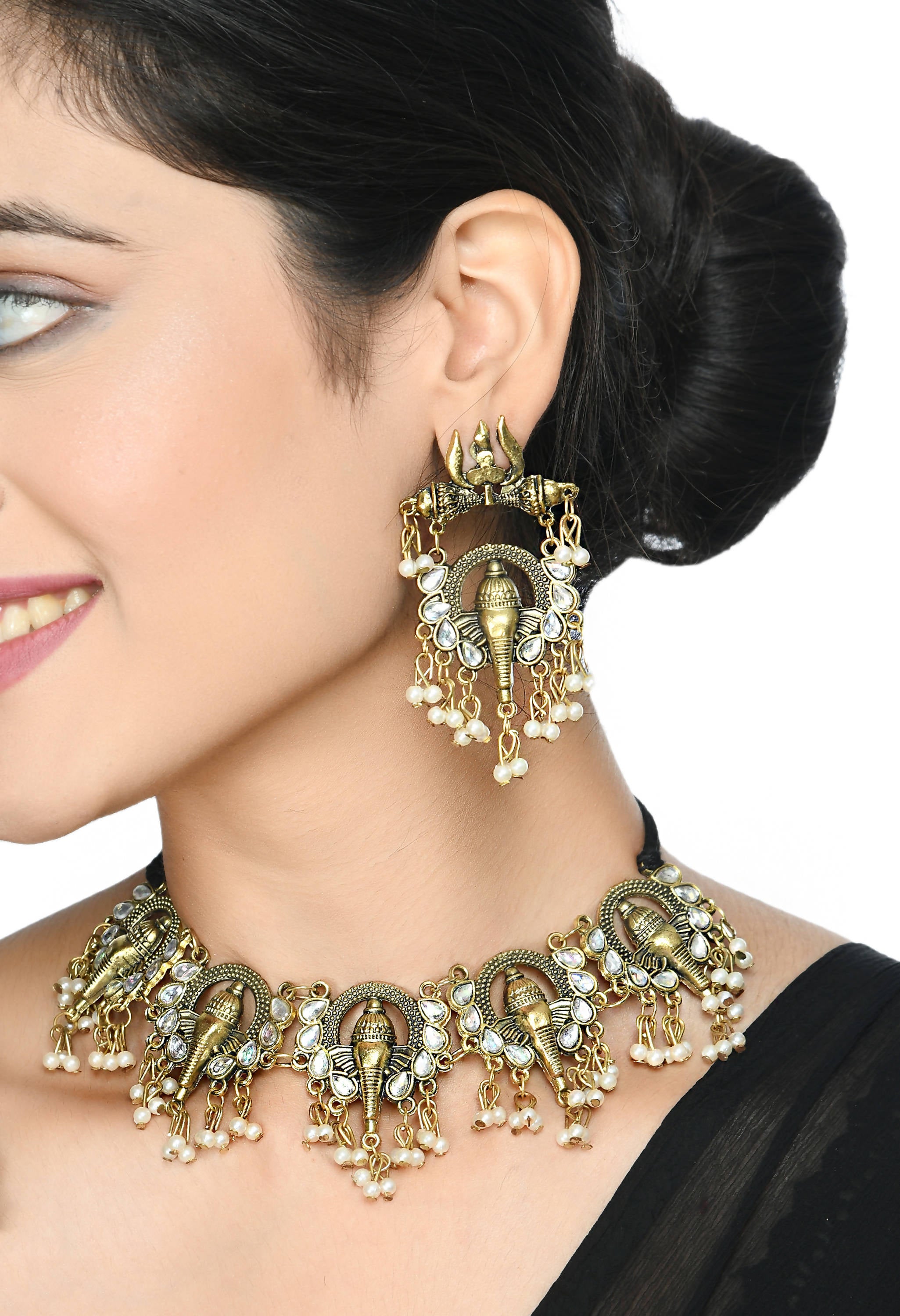

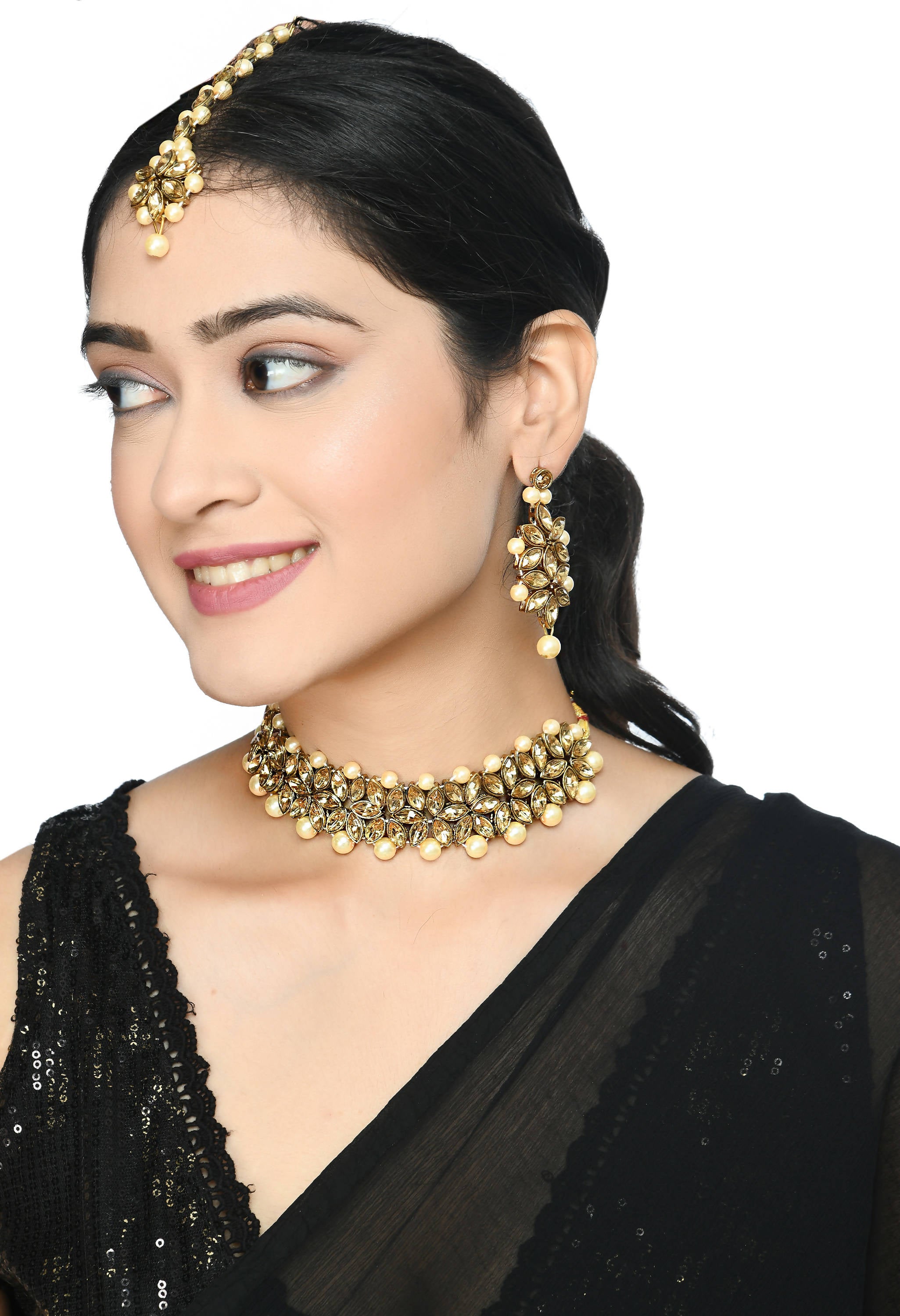

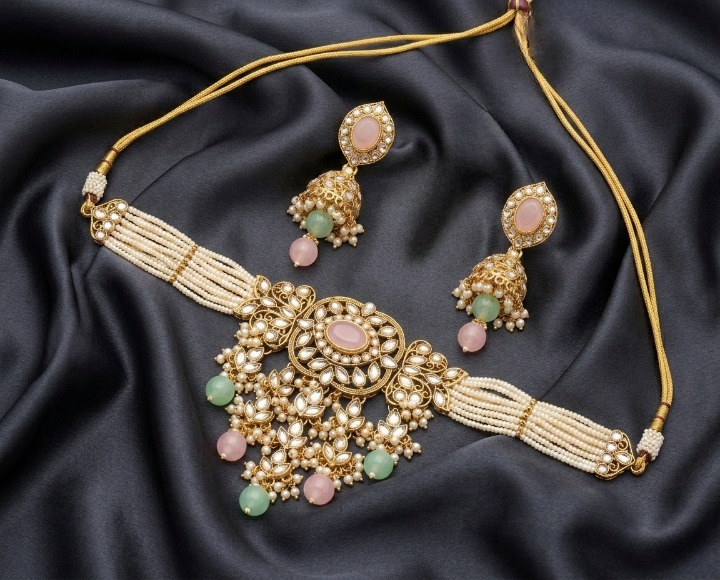

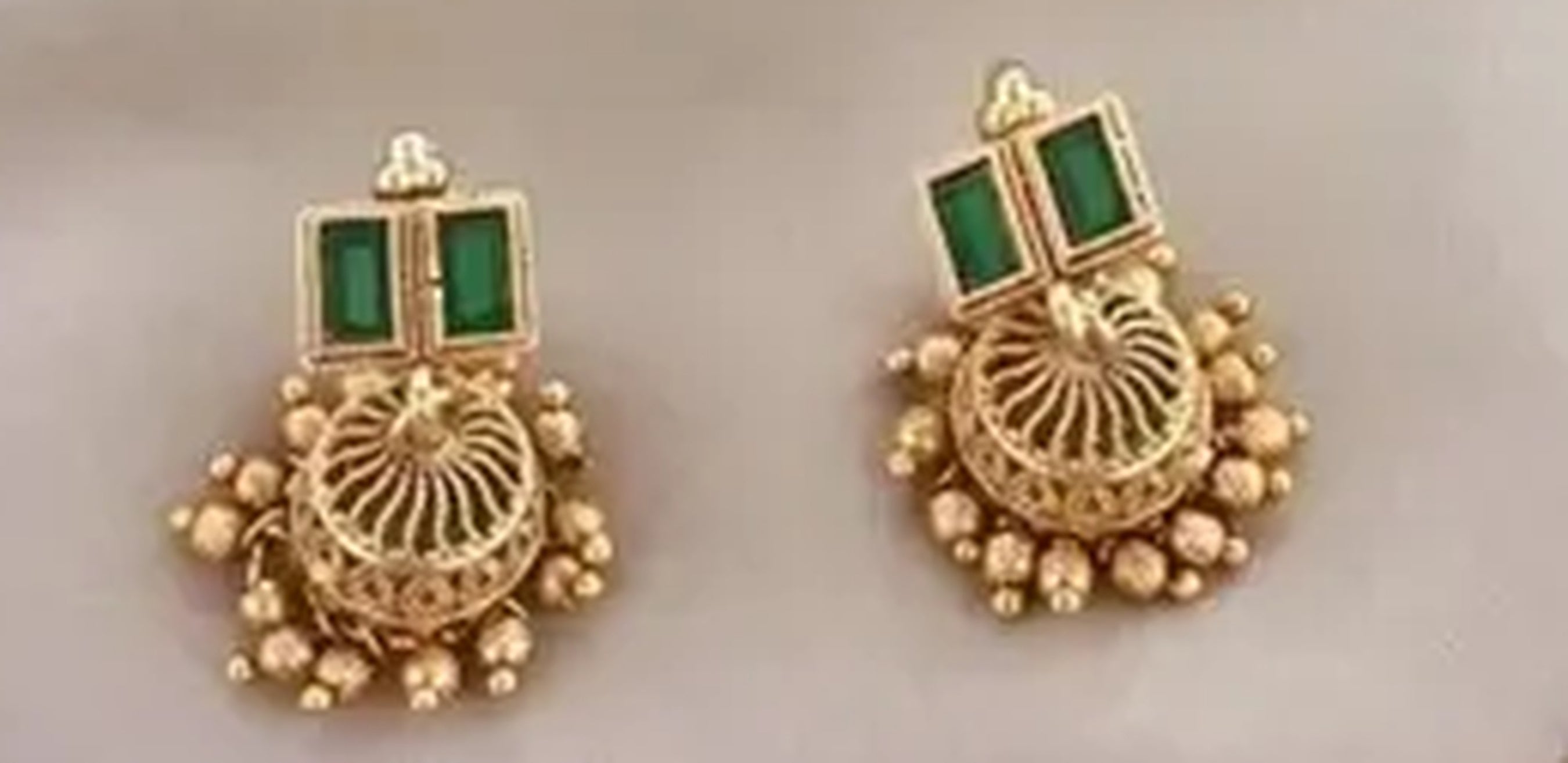

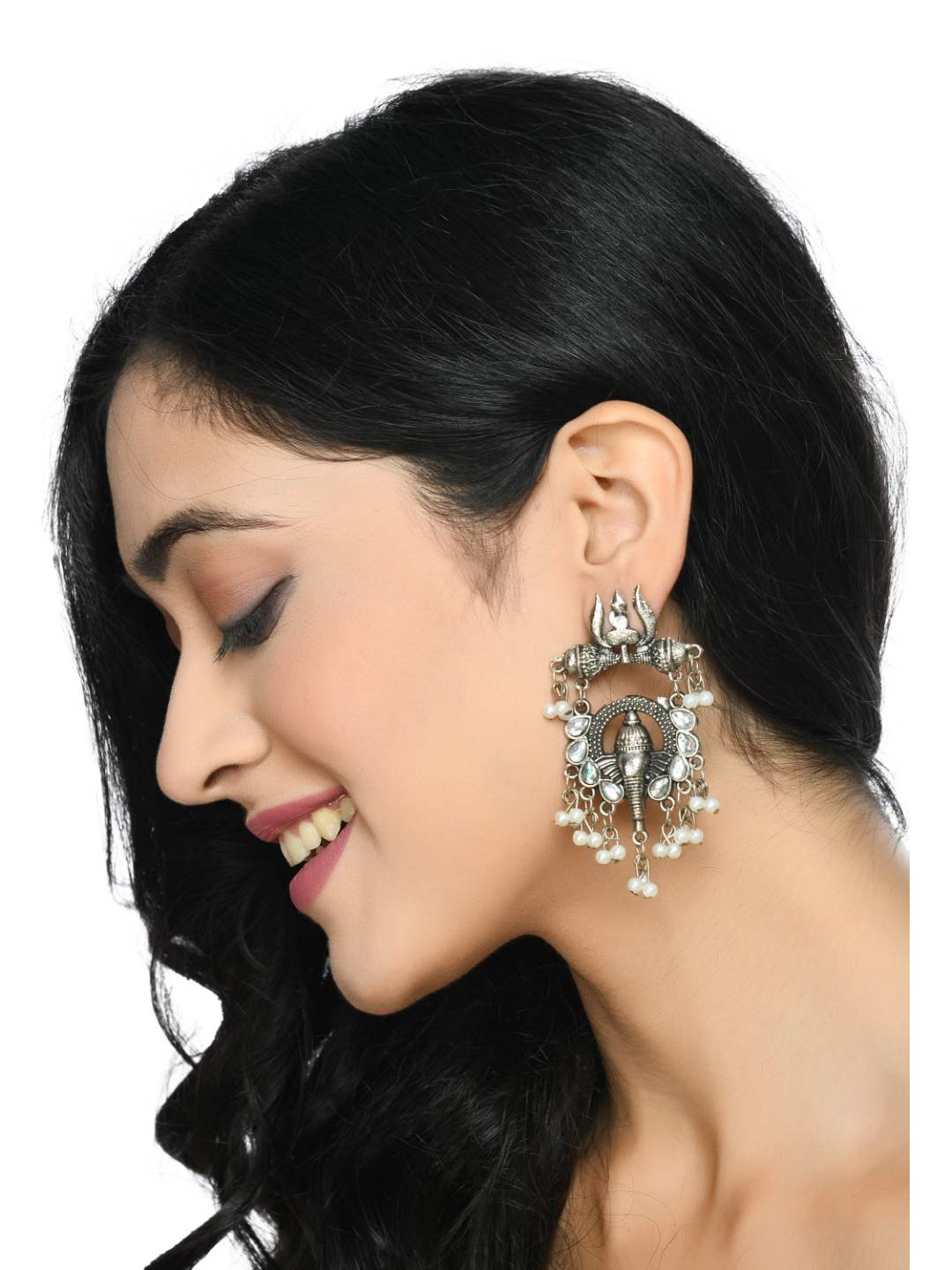

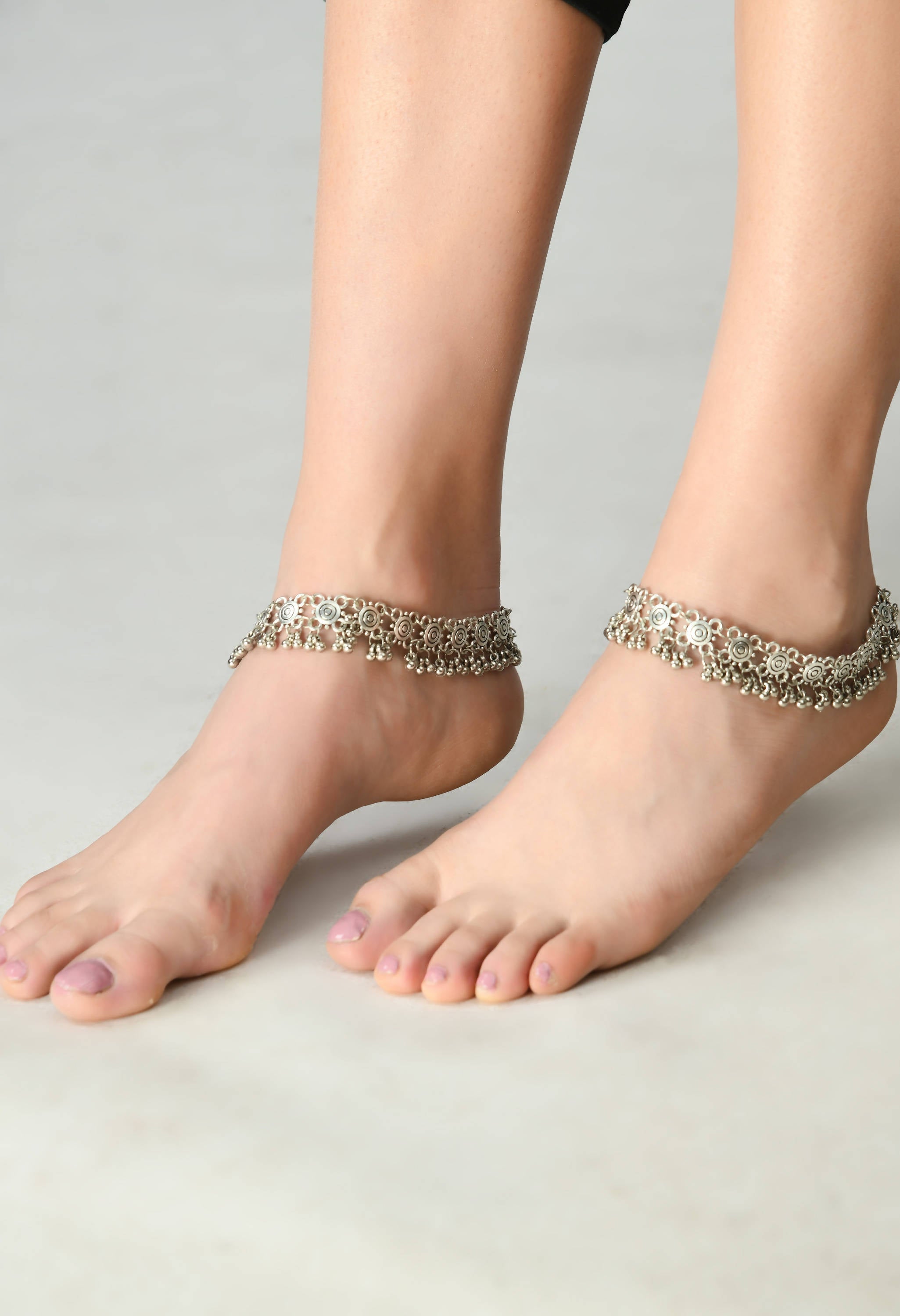

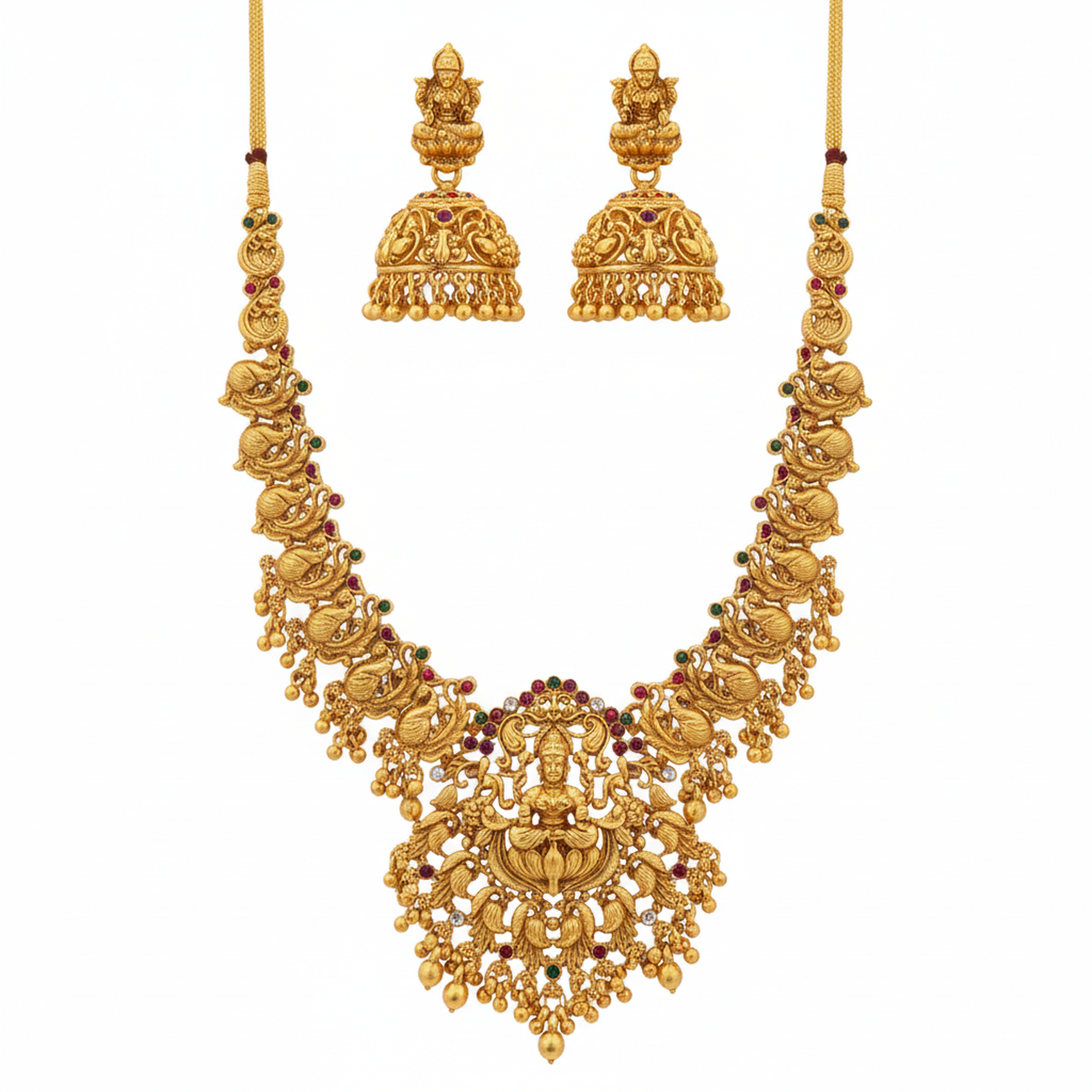

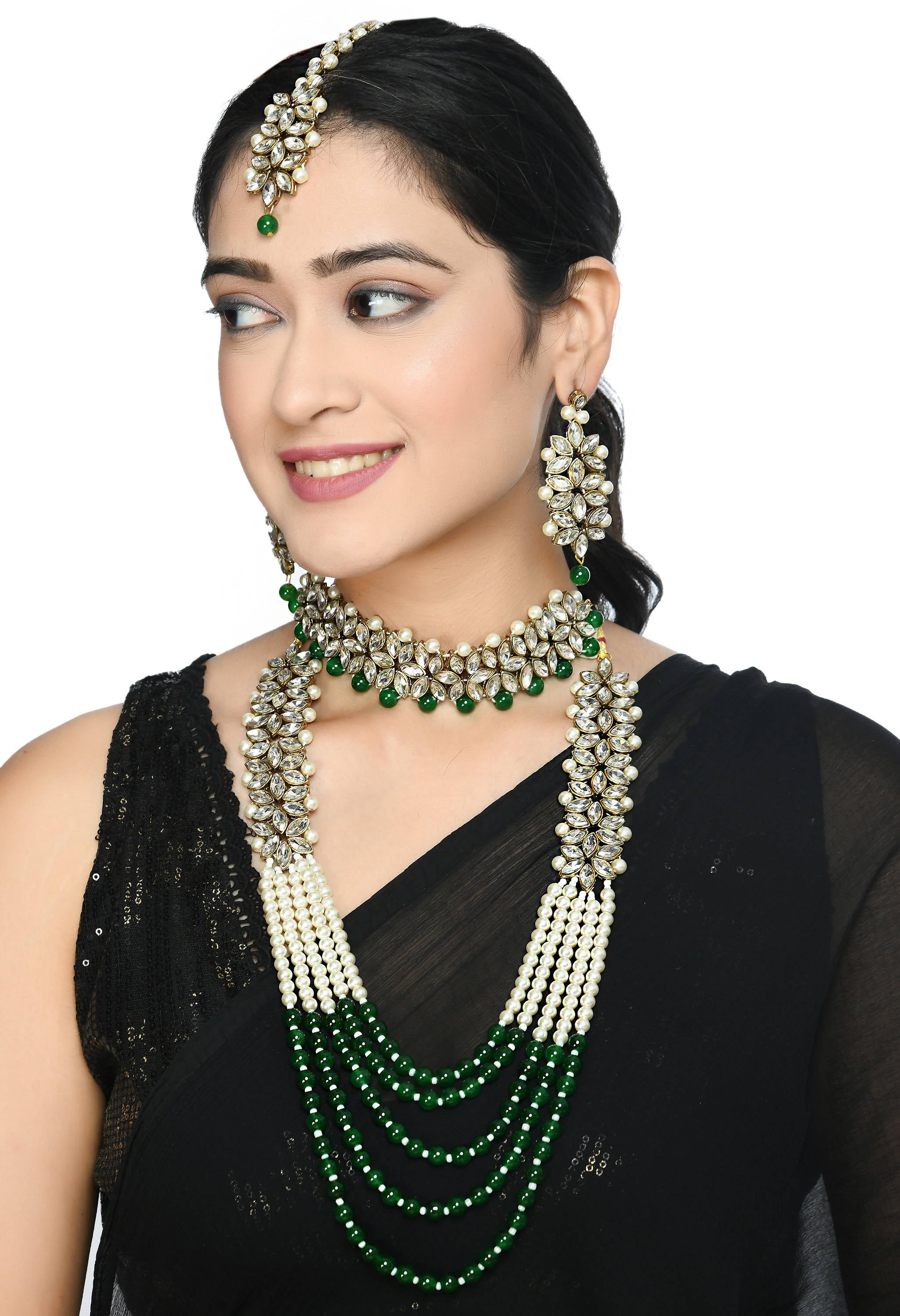

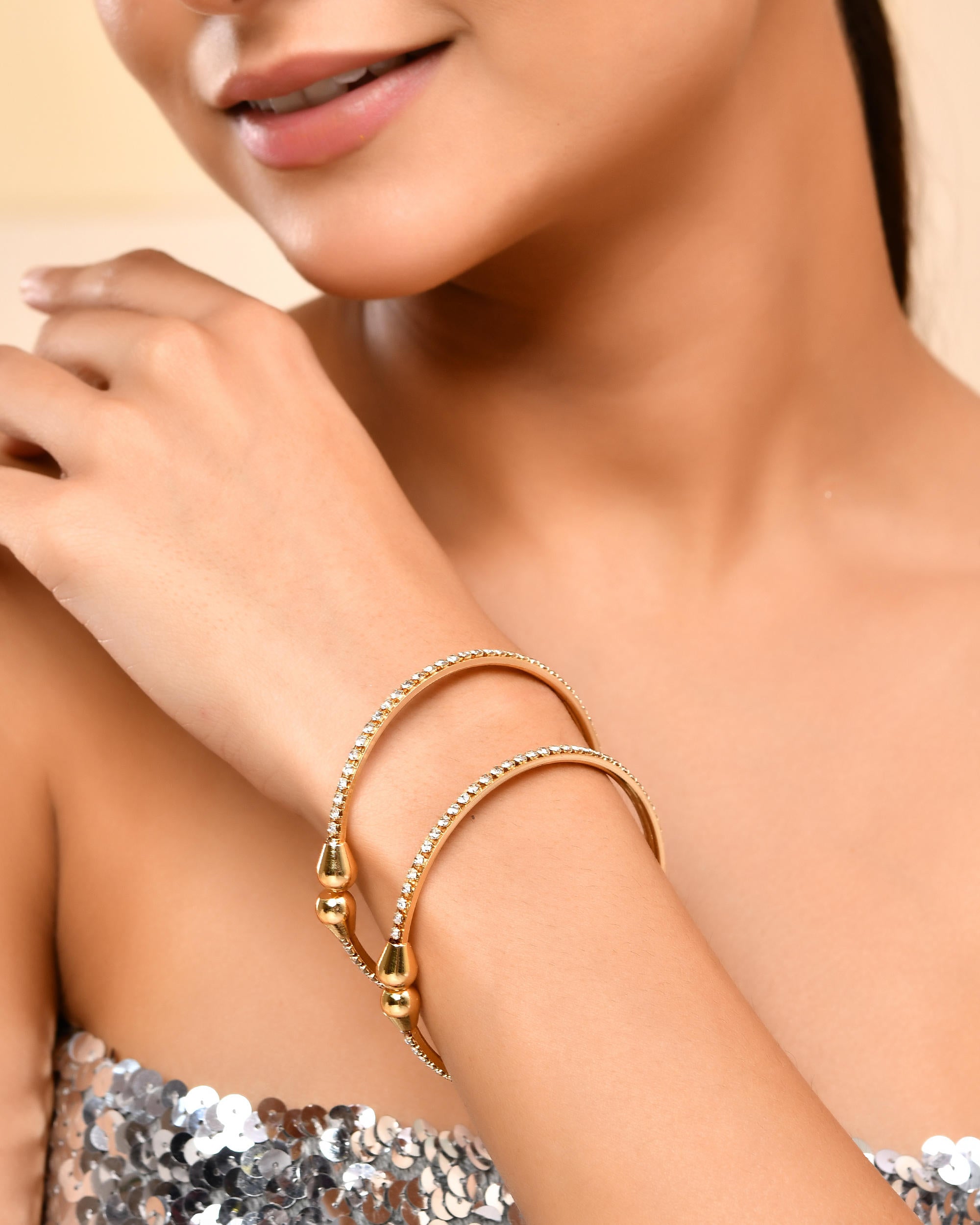
Indian jewellery has a piece for almost every part of the body, and each has its own name, occasion and set of conventions. This collection covers all of them - necklaces, earrings, bangles, mangalsutras, maang tikkas, nose rings, anklets and more - in kundan, pearl, oxidised and gold-plated finishes from independent Indian labels.
Almost everything here is one size, so there is no fit decision to make. Bangles are the exception and are covered below. Orders ship worldwide, with tariffs and duties covered on US deliveries.
Browse by Piece
|
Piece |
Worn on |
What it is |
|
Neck |
From short chokers to floor-length rani haar |
|
|
Ears |
Studs, drops, jhumkas, chandbalis, ear cuffs |
|
|
Hair parting |
Pendant on a chain, sits at the centre of the forehead |
|
|
Neck |
Black-beaded chain worn by married women |
|
|
Nose |
Nath, hoop or stud, sometimes chained to the ear |
|
|
Wrists |
Rigid circles worn in multiples; sized in inches |
|
|
Fingers |
Single stones through to full cocktail designs |
|
|
Ankles |
Payal, often with ghungru bells; sold in pairs |
|
|
Waist |
Waist belt worn over a saree or lehenga |
|
|
Hand |
Links a ring to a bracelet across the back of the hand |
The range of pieces comes from solah shringar, the sixteen traditional adornments of a bride. The exact list varies by region, but it is why Indian jewellery covers the hair parting, nose, waist and feet as well as the more familiar neck, ears and hands.
The Pieces Explained
Necklaces
Length does most of the work. A choker sits at the base of the throat and suits high or covered necklines where a longer chain would disappear. A standard necklace falls at the collarbone. A rani haar is long - often to the waist - and is traditionally layered over a shorter piece for bridal and heavy festive looks. Necklaces covers all three.
Mangalsutra
A mangalsutra is worn by married women in many Hindu communities, traditionally tied by the groom during the wedding ceremony. The defining feature is black beads on the chain, usually with a gold or gold-toned pendant. Contemporary designs run much shorter and lighter than traditional ones, which makes them practical for daily wear, and bracelet versions are also available.
Maang Tikka
A pendant on a chain that runs back along the hair parting and hooks into the hair, with the pendant sitting at the centre of the forehead. A maang tikka is the piece that most clearly signals a formal or bridal look, and it works particularly well with covered necklines, where it adds detail without crowding the neck. A mathapatti is the wider version that extends across the forehead.
Nose Rings
Nose rings come as studs, small hoops and the larger bridal nath, which is often chained to the ear or hair to carry its weight. Clip-on and press-fit designs are available for anyone without a piercing, and these are the practical choice if you want the look for a single occasion.
Bangles and Bracelets
Bangles are rigid and slipped over the hand, traditionally worn in multiples rather than singly - the sound of several together is part of the point. Bracelets open and fasten, which makes them easier to wear and easier to size. Kadas are the heavier, broader version worn one per wrist.
Anklets, Kamarbandh and Hathphool
Anklets, or payal, are sold in pairs and often carry ghungru bells. A kamarbandh is a waist belt worn over a saree or lehenga, which also has the practical effect of holding the drape in place. A hathphool links a ring to a bracelet with chains across the back of the hand, and is worn mainly at weddings and mehendi functions.
Stones and Techniques
Indian jewellery terminology describes technique as much as material, and the terms are frequently confused when shopping.
|
Term |
What it means |
|
Kundan |
Glass or stone set into refined gold foil, giving a raised bright rim |
|
Polki |
Uncut natural diamond, set the same way; far more expensive than kundan |
|
American diamond (AD) |
Cubic zirconia - the standard affordable substitute for diamond |
|
Kemp stones |
Deep red and green stones characteristic of South Indian temple jewellery |
|
Meenakari |
Coloured enamel filled into recessed metal, often on the reverse of kundan |
|
Ghungru |
Small bells, used on anklets and as fringing on necklaces |
|
Pearl and moti |
Usually faux in fashion jewellery; the standard pairing with kundan |
The distinction worth knowing is kundan against polki. Both use the same setting method - a stone bedded into refined gold foil - but kundan uses glass or a coloured stone while polki uses uncut natural diamond. They look similar in photographs and differ enormously in price, which is why fashion jewellery almost always uses kundan or faux kundan. American diamond, sometimes listed as AD stone, is cubic zirconia and is the standard substitute for diamond across this range. Stone jewellery and pearl pieces group these by material.
Meenakari is worth looking for specifically. Because the enamel work is often applied to the reverse of a kundan piece, some necklaces and earrings are reversible - one side kundan, the other coloured enamel. That effectively gives two looks from one purchase.
Metals and Finishes
Most fashion jewellery is plated base metal rather than solid precious metal, which is what keeps it accessible. Gold plating is a thin surface layer and wears at contact points over time. Silver jewellery tarnishes but polishes back. Brass develops a patina, and alloy pieces are the lightest option, which matters for heavy designs.
German silver is a term that causes confusion: it contains no silver at all. It is a copper, nickel and zinc alloy, valued for taking an oxidised finish well. Because it is nickel-bearing, it is worth avoiding if you react to costume jewellery - reactions typically show as itching or redness where the metal sits against skin.
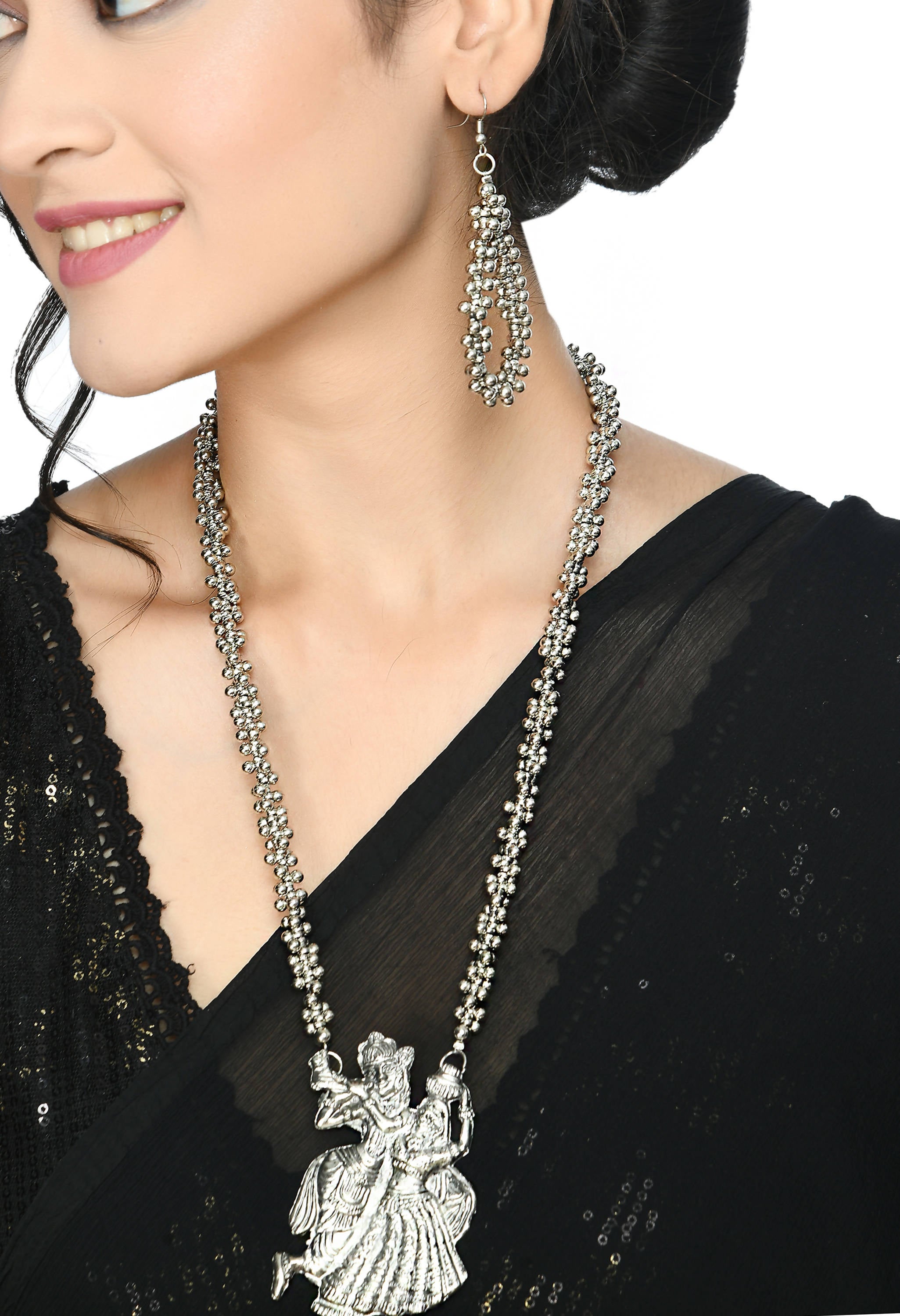
Oxidised finishes are deliberately darkened rather than tarnished, and should never be polished with a silver cloth, which strips the effect. Oxidised silver pairs particularly well with cotton, handloom sarees and block-printed fabric, where gold tends to look mismatched against matte natural cloth.
Sets or Separates
A large part of this collection is sold as jewellery sets - usually a necklace with matching earrings, and sometimes a maang tikka as well. Sets guarantee that the pieces work together and are better value than buying separately, which makes them the sensible choice for weddings and for anyone building a first collection.
Separates give more range. One pair of jhumkas works across many outfits, while a matched set tends to be worn as a unit. For everyday wear, buying earrings and a simple chain separately usually produces more outfits than a set does. Fuller bridal jewellery and premium designs are grouped separately.
Bangle Sizing
Bangles are the only piece here that needs a size, and Indian bangle sizing is given in inches of internal diameter - 2.4, 2.6, 2.8 and so on. Listings sometimes write these as 2*4 or 2x4, which means 2.4 rather than a measurement in two parts.
To find your size, bring your thumb toward your little finger as if slipping a bangle on, and measure around the widest part of your hand in that position. Divide that circumference by 3.14 to get the diameter in inches, then round up to the nearest available size. Most adult women fall between 2.4 and 2.8.
Two practical notes. Rigid bangles have to clear the knuckles, so if you are between sizes, go up - a bangle that will not pass the hand is unusable, while a slightly loose one simply sits lower on the wrist. If sizing is uncertain, openable kadas and bracelets avoid the problem entirely.
Matching Jewellery to an Outfit
Neckline decides more than the outfit does. A covered or high neckline leaves no room at the throat, so earrings and a maang tikka carry the look. An open neckline has space for a necklace, in which case earrings should stay smaller. Wearing heavy pieces at both the neck and ears is the most common styling mistake with ethnic wear, and our guide to what to wear to an Indian wedding covers how much is appropriate at each function.
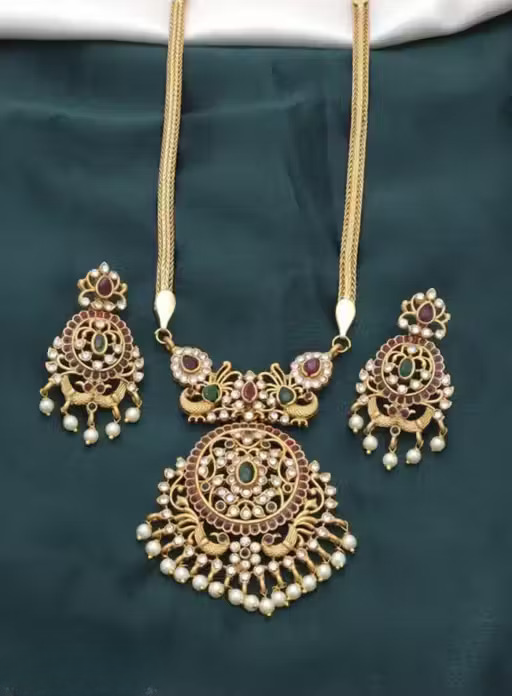
Match jewellery weight to the outfit. Heavy lehengas and embroidered anarkali sets already carry visual weight, so restrained jewellery works better. Plain kurta sets, solid sarees and co-ords can take a full set comfortably. Temple jewellery is the traditional pairing with Kanjeevaram and heavy silk; oxidised suits cotton and handloom.
One accessory worth knowing about: a saree brooch or pin holds the pallu in place at the shoulder, which removes the constant readjustment that otherwise takes up an evening. It is a small piece that makes a saree considerably easier to wear.
Care and Storage
Plating wears from contact and chemicals rather than age. Put jewellery on last, after perfume, hairspray and moisturiser have dried, and take it off first. Alcohol and oils are what strip plating fastest, and this single habit extends the life of a plated piece more than anything else.
Wipe pieces with a dry soft cloth after wearing to remove skin oils and perspiration. Store each piece separately in airtight bags or a lined box rather than loose together, since plated surfaces scratch against one another and air accelerates tarnishing on silver and brass.
Never use water, jewellery dip or ultrasonic cleaners on plated pieces or kundan settings - kundan is held with foil and adhesive that water lifts. Do not polish oxidised finishes with a silver cloth. Pearls, including faux, should be kept away from perfume and stored soft, since the coating scratches easily.
FAQs: Indian Jewellery
What is the difference between kundan and polki?
Both use the same setting technique - a stone bedded into refined gold foil. Kundan uses glass or a coloured stone; polki uses uncut natural diamond. They look similar but differ enormously in price, which is why fashion jewellery almost always uses kundan or faux kundan.
What is American diamond?
Cubic zirconia, often listed as AD stone. It is the standard affordable substitute for diamond in Indian fashion jewellery, giving comparable brilliance at a fraction of the cost.
Is German silver actually silver?
No. German silver is a copper, nickel and zinc alloy containing no silver. It takes an oxidised finish well, which is why it is common in traditional-style pieces. Because it contains nickel, it is worth avoiding if you react to costume jewellery.
What size bangle should I order?
Bangle sizes are given in inches of internal diameter - 2.4, 2.6, 2.8. Bring your thumb toward your little finger, measure around the widest part of your hand, and divide by 3.14 to get the diameter. Most adult women fall between 2.4 and 2.8. If between sizes, go up, since a bangle that will not clear the knuckles is unusable.
What is a maang tikka and how is it worn?
A pendant on a chain that runs back along the hair parting and hooks into the hair, so the pendant rests at the centre of the forehead. It is worn mainly for weddings and formal occasions, and works well with covered necklines where there is no room for a necklace.
Can I wear a mangalsutra every day?
Yes, and contemporary designs are made for exactly that - shorter, lighter and less ornate than traditional pieces, with bracelet versions also available. The defining element is the black beading rather than the length or weight.
Which jewellery goes with a cotton or handloom saree?
Oxidised silver, brass or terracotta-style pieces. Gold looks mismatched against matte natural fabric, whereas oxidised finishes share the same understated quality. Keep gold and temple jewellery for silk.
Should I buy a set or separate pieces?
Sets are better value and guarantee the pieces match, which suits weddings and first purchases. Separates give more range across everyday outfits, since one pair of earrings works with many things while a matched set tends to be worn as a unit.
Does gold plating wear off?
Yes. Plating is a thin surface layer over base metal and wears at contact points. How long it lasts depends mostly on handling - applying perfume before putting jewellery on, and storing pieces loose together, are the two things that shorten it most.
How do I clean Indian fashion jewellery?
Wipe with a dry soft cloth after each wear. Avoid water, jewellery dips and ultrasonic cleaners entirely, since these strip plating and lift kundan settings. Do not polish oxidised pieces with a silver cloth, as the darkened finish is intentional.
Where can I find new jewellery?
Jewellery new arrivals updates as labels deliver, best sellers shows what is moving fastest, and jewellery under $20 covers the accessible end. Pieces in the express range dispatch within 48 hours for US orders.