



Saree Blouses Online | Ready-Made Blouse Designs - Trendia


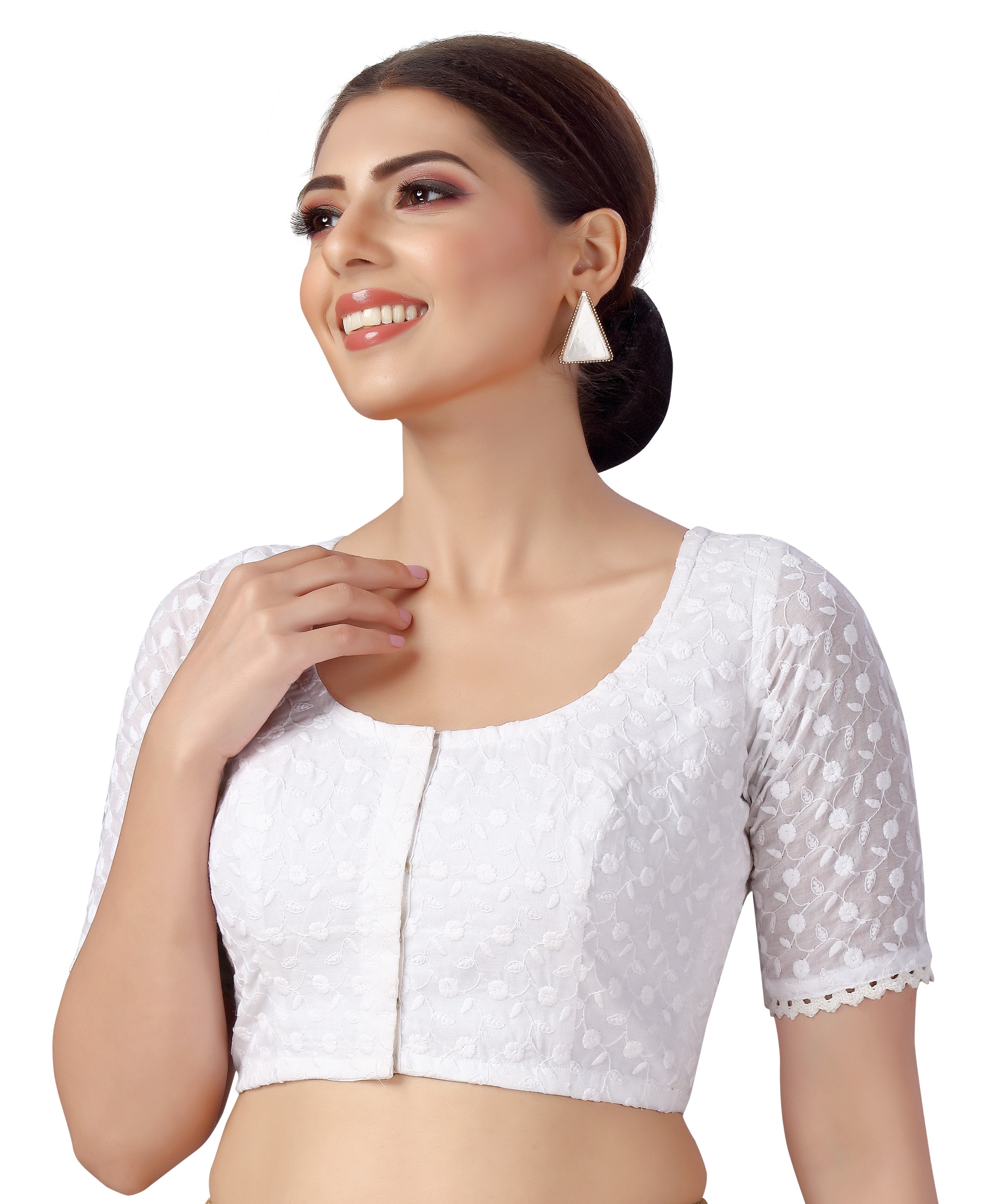


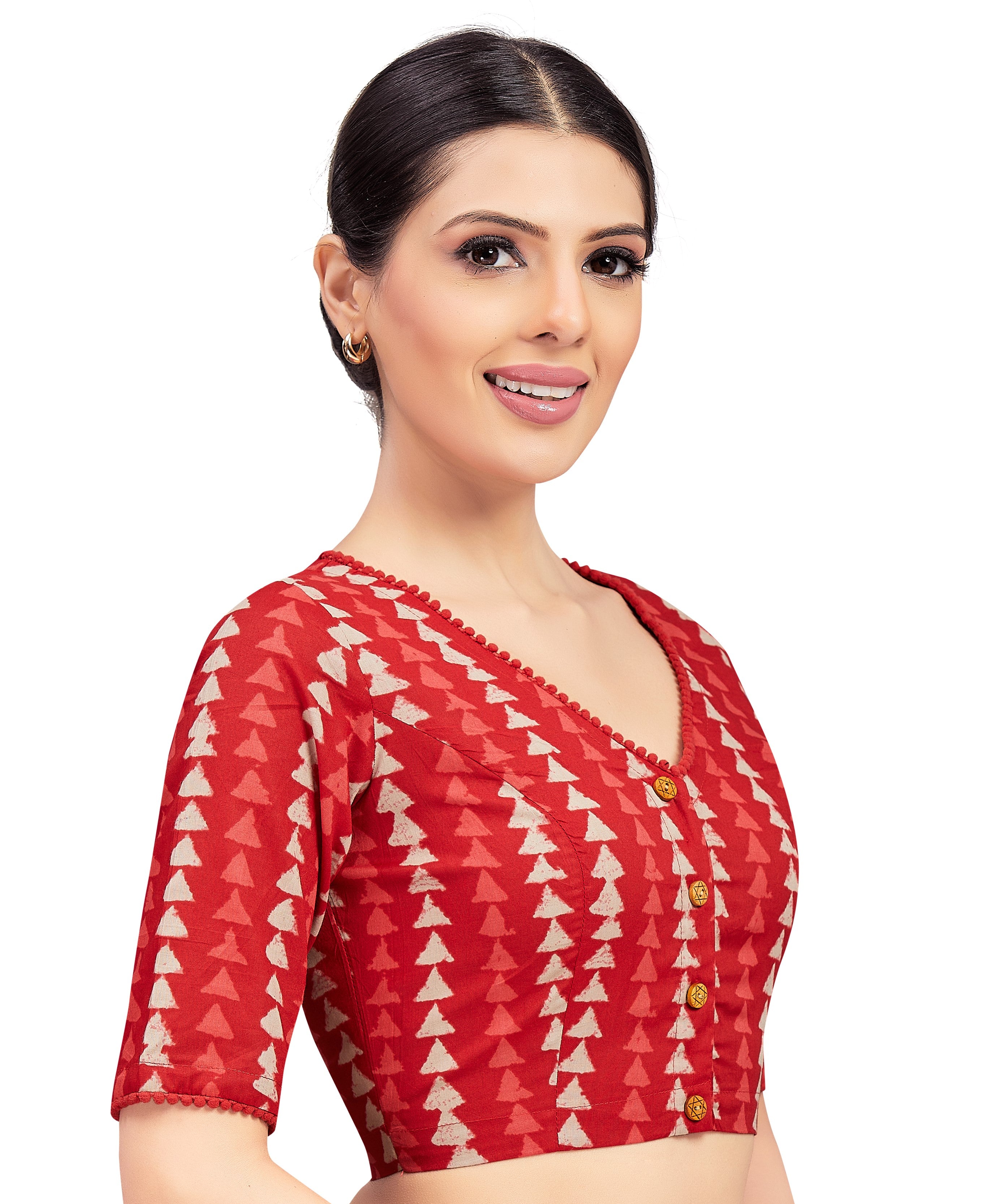

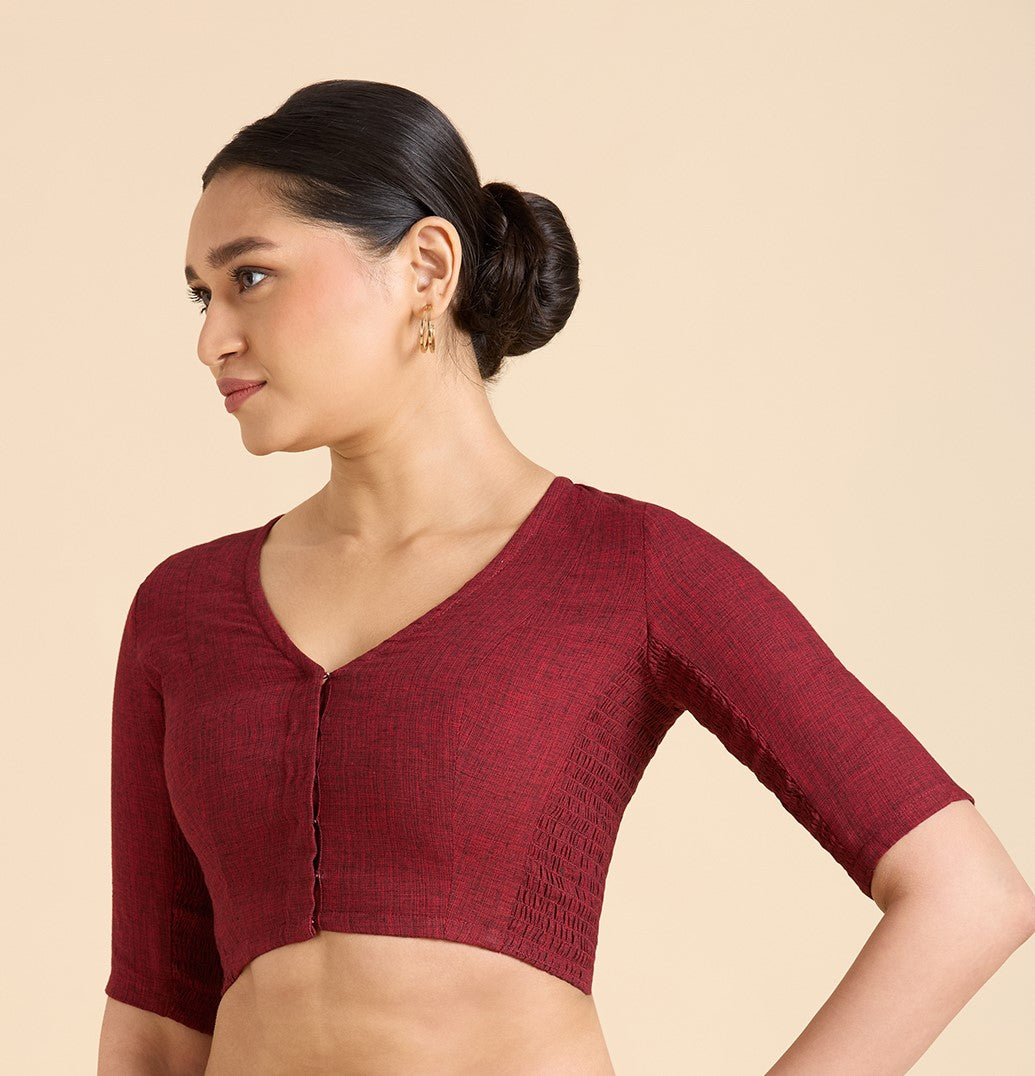

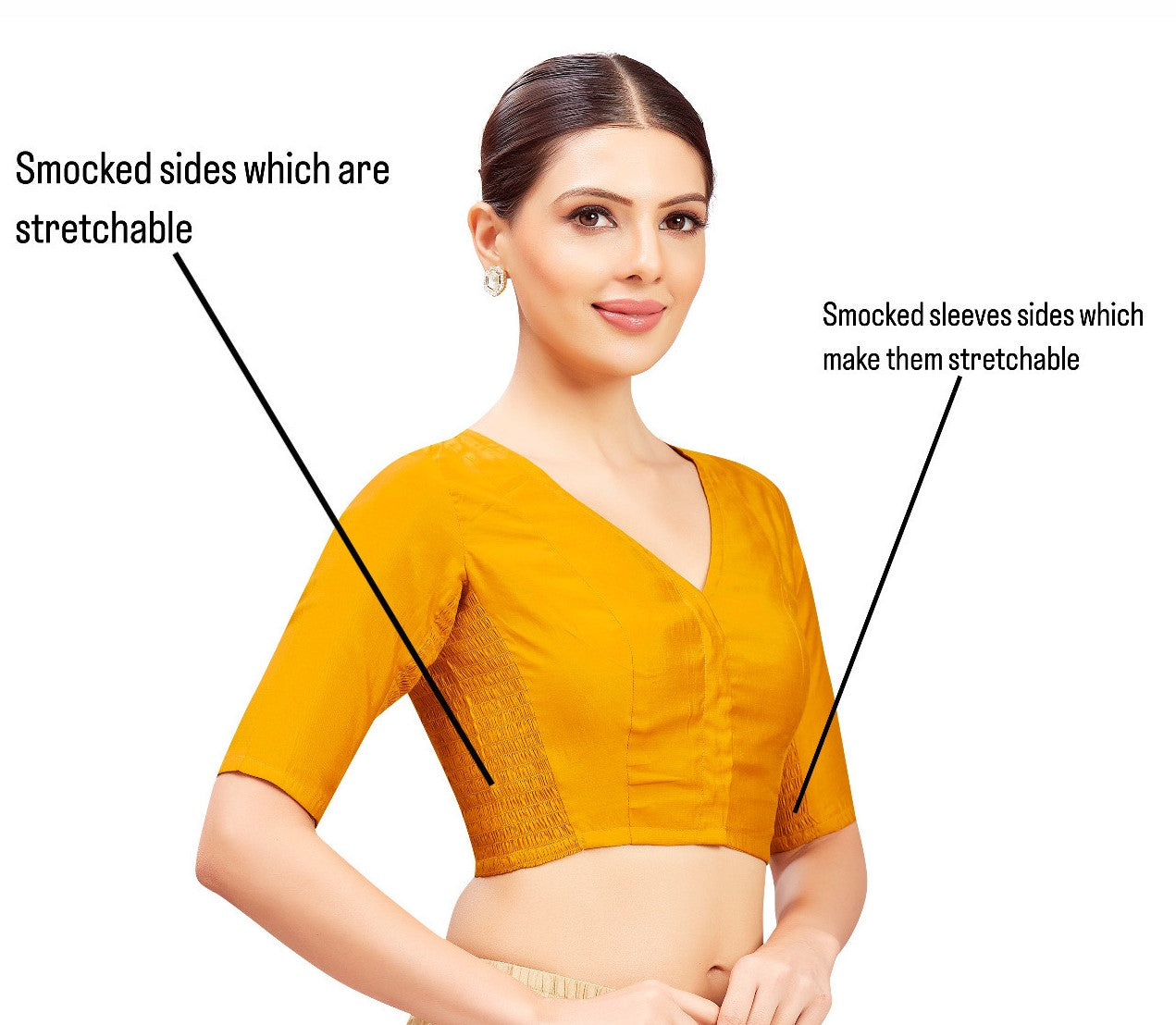

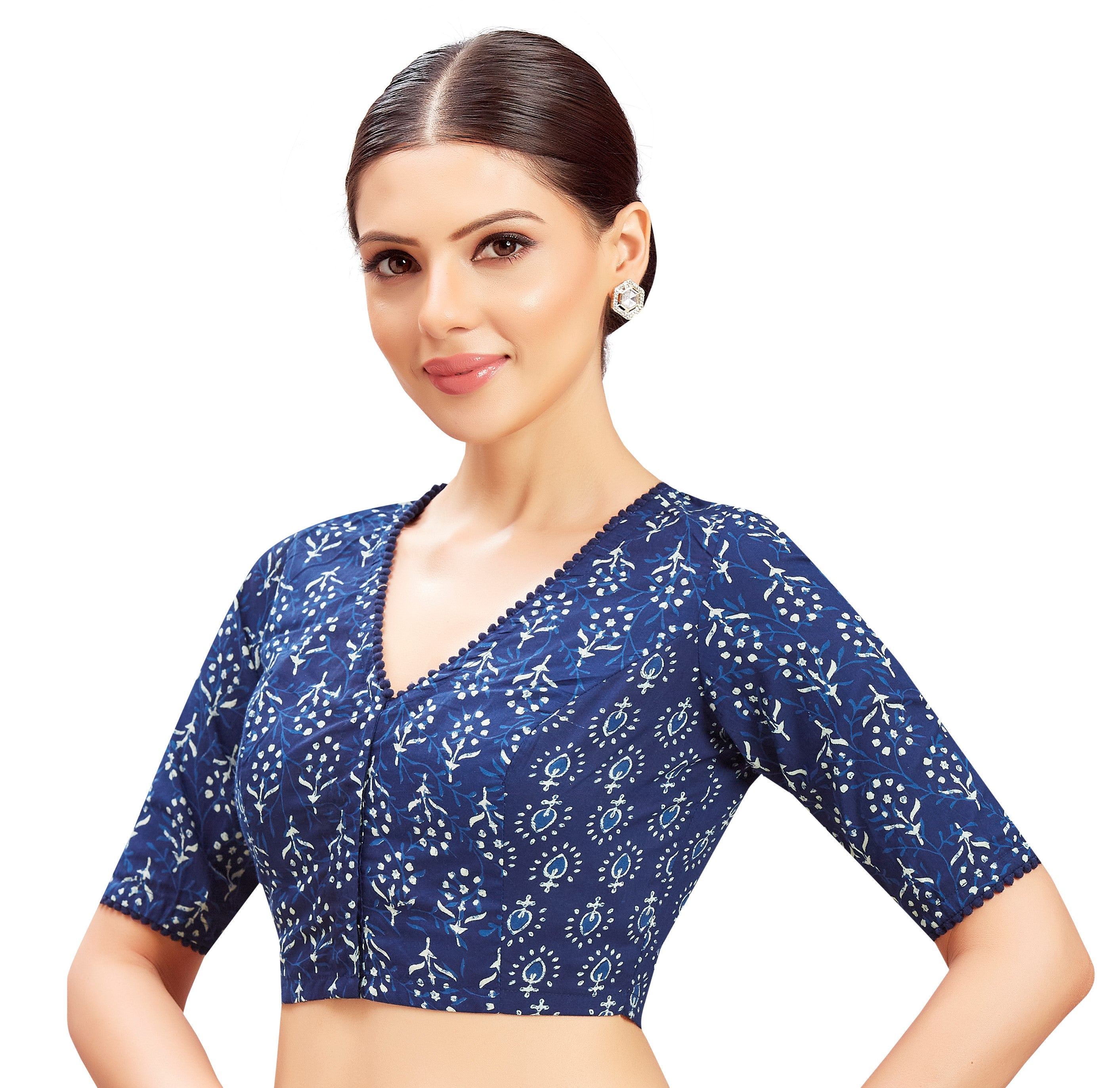

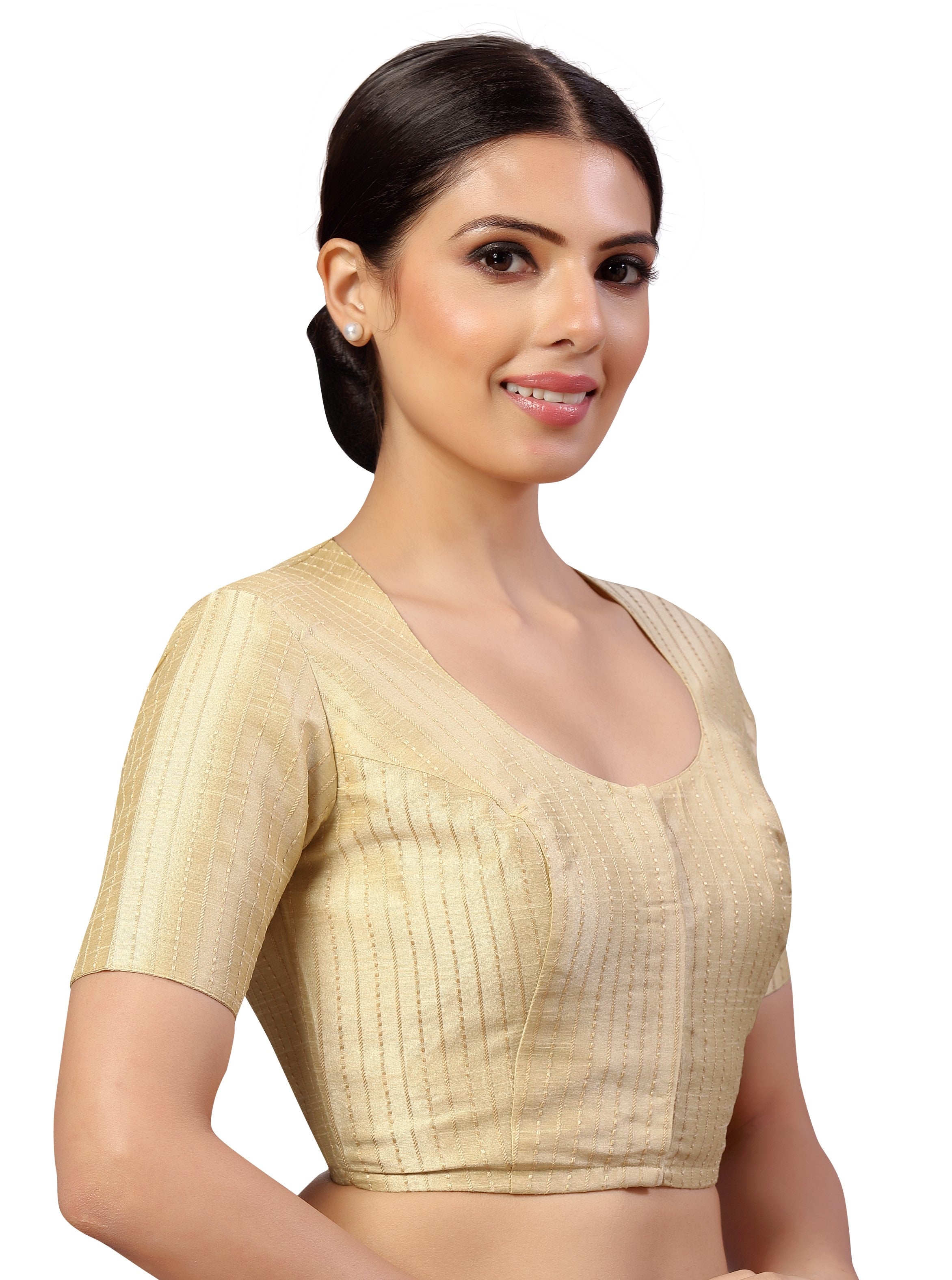


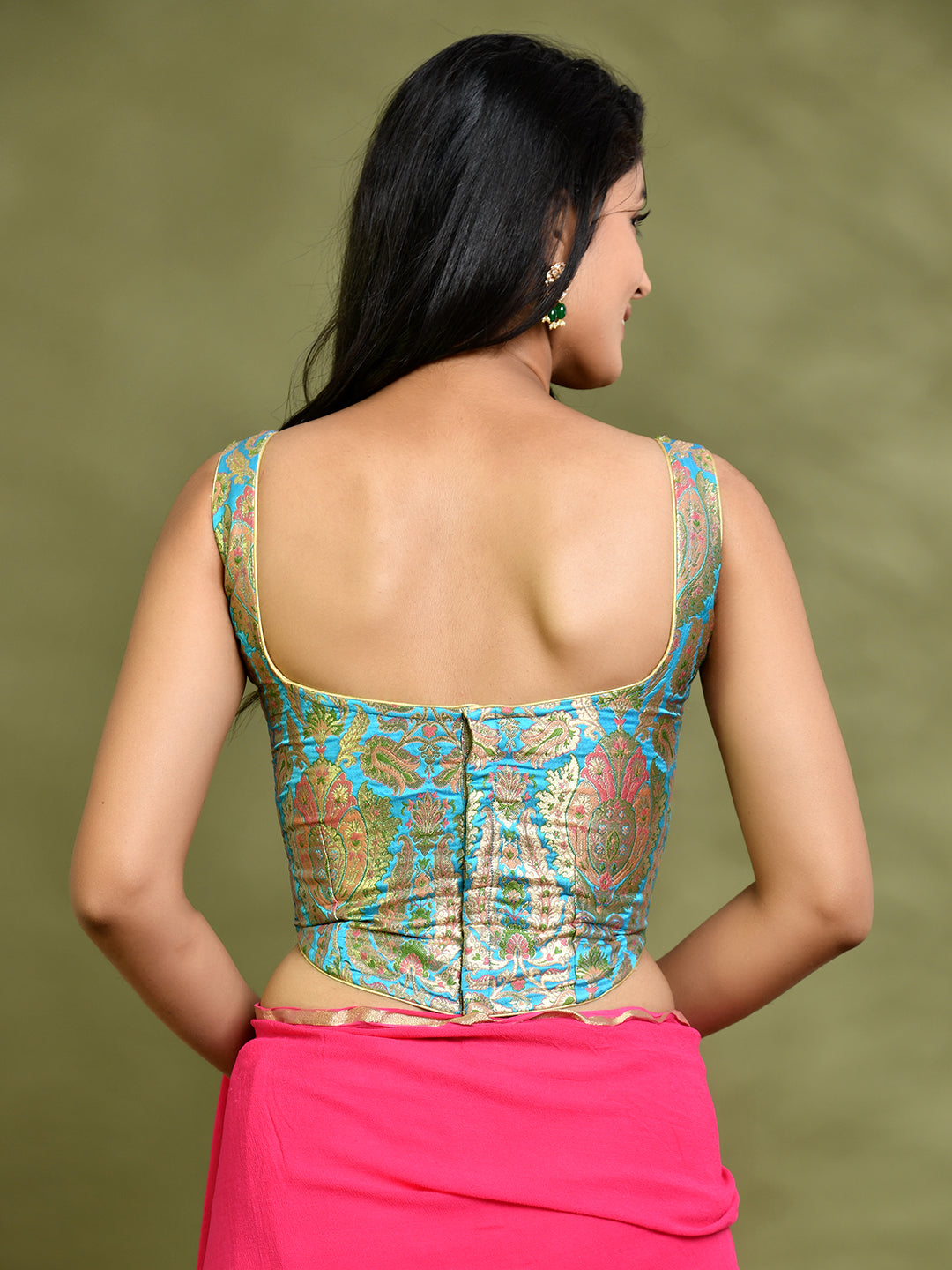

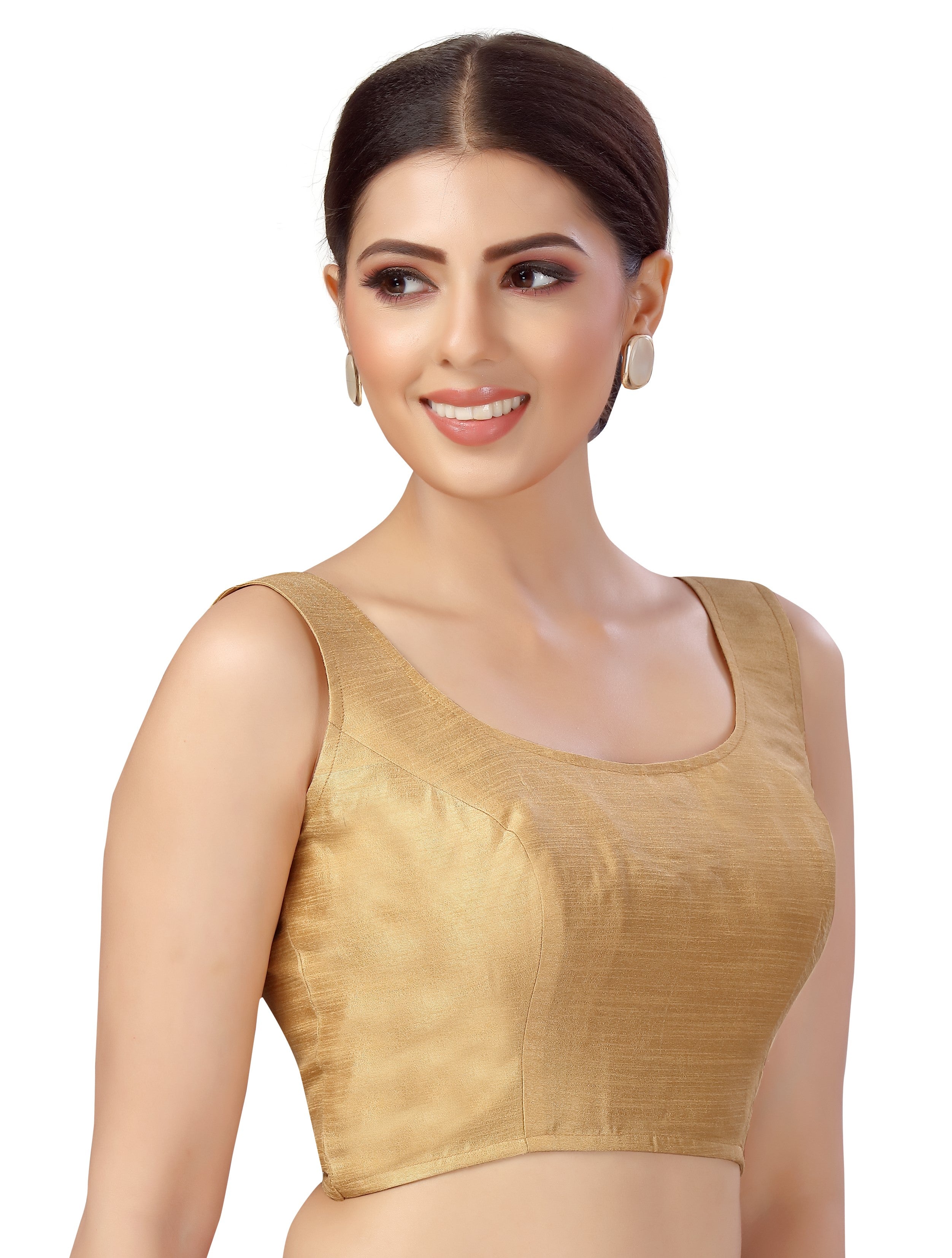

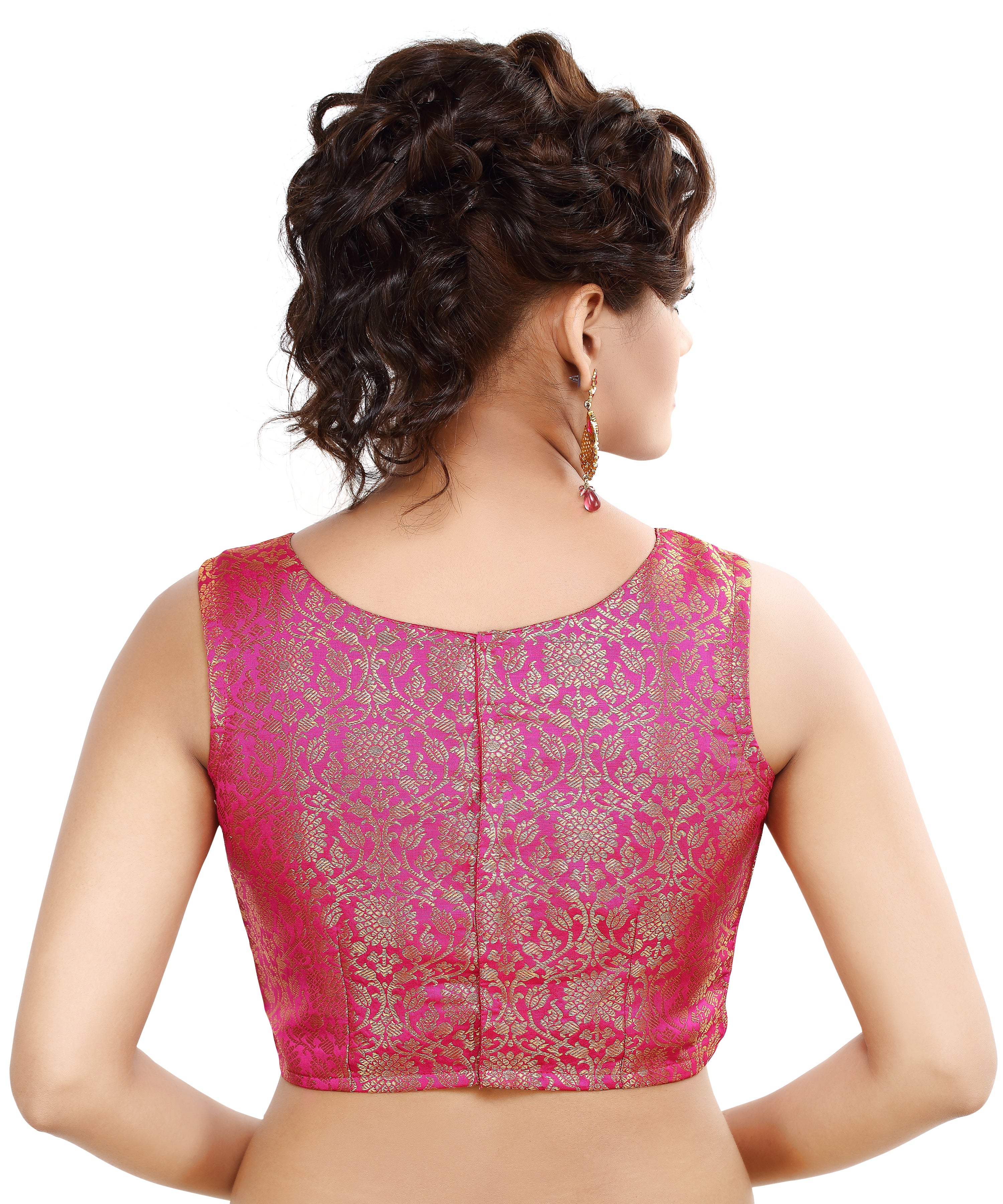

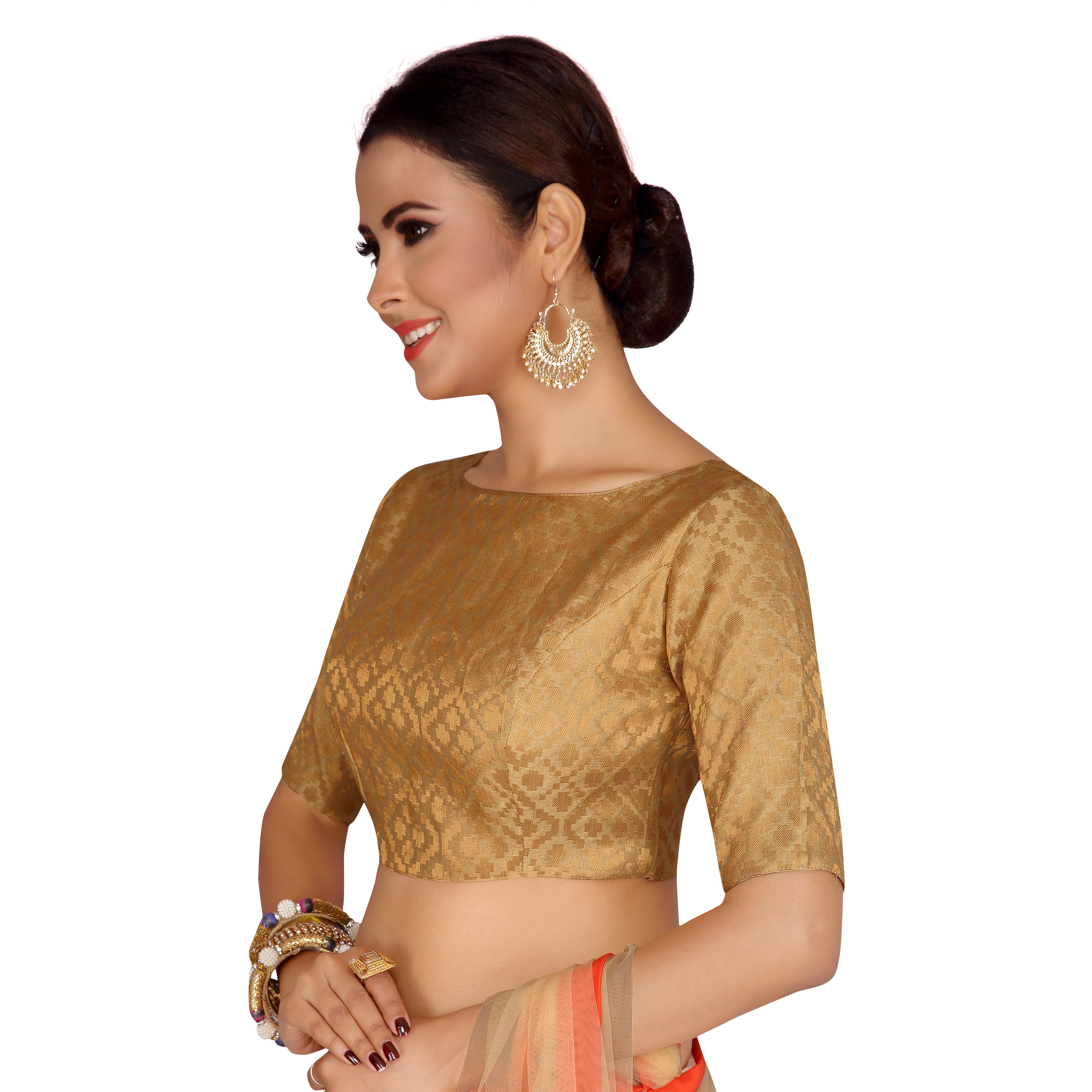


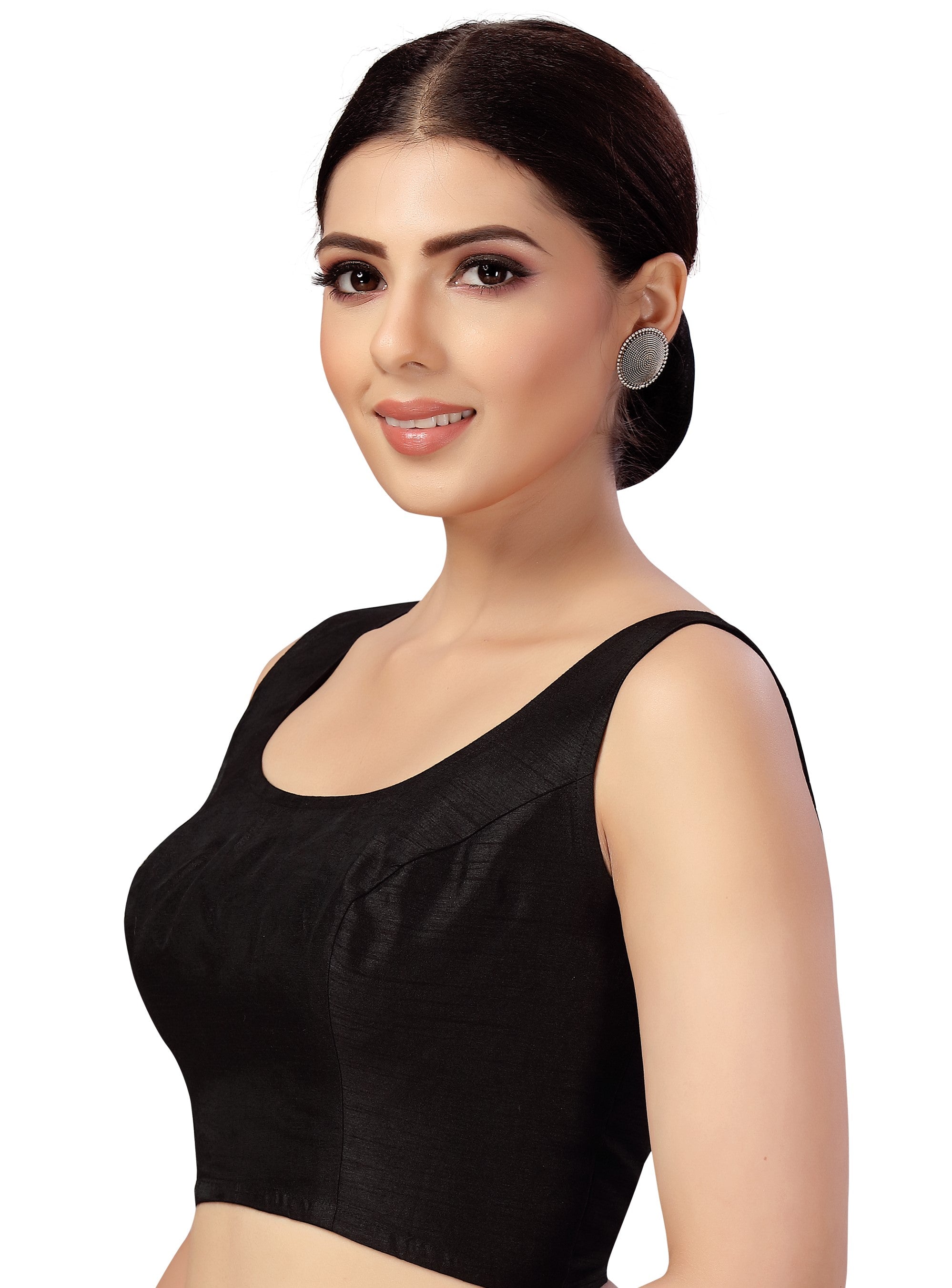

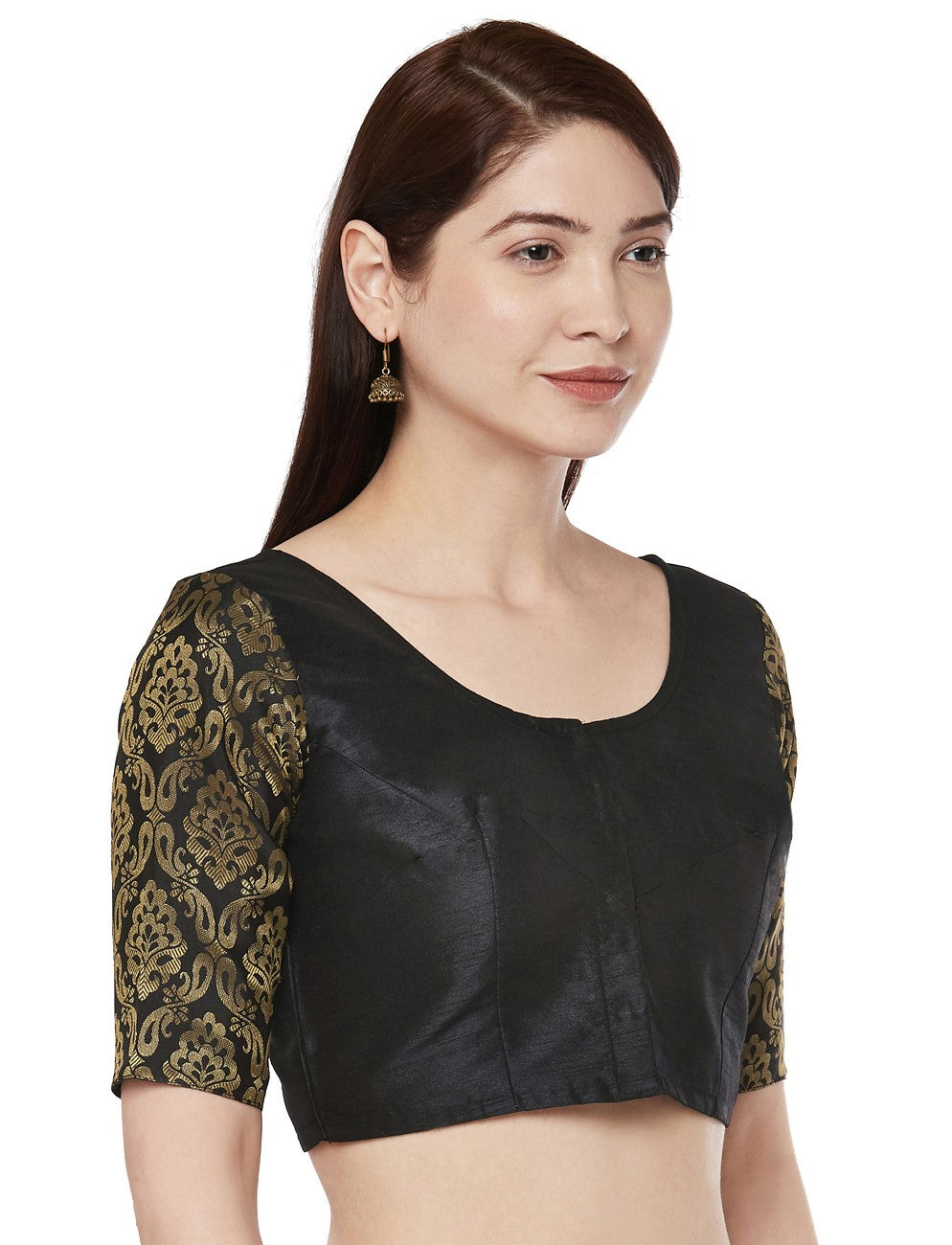

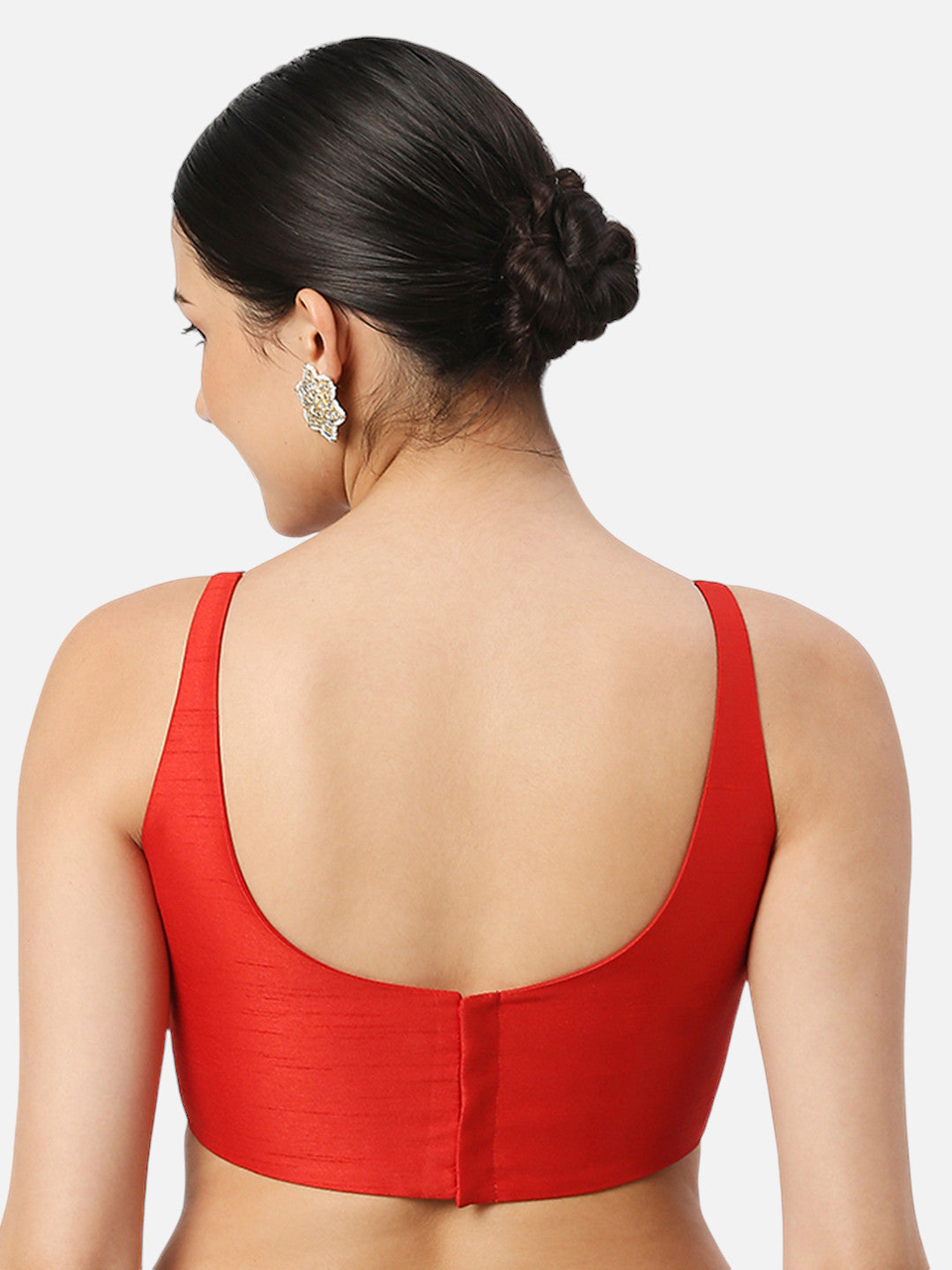


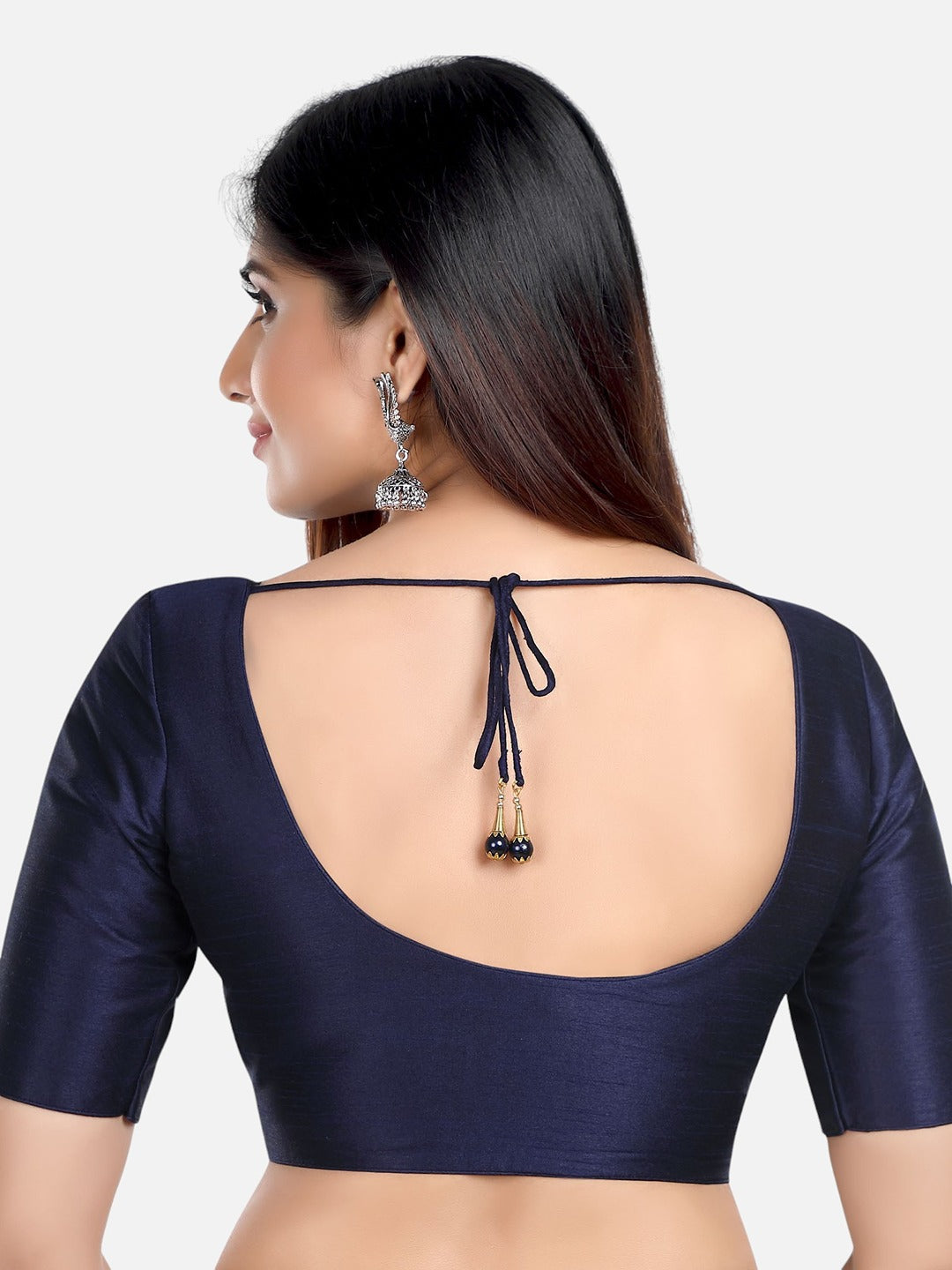


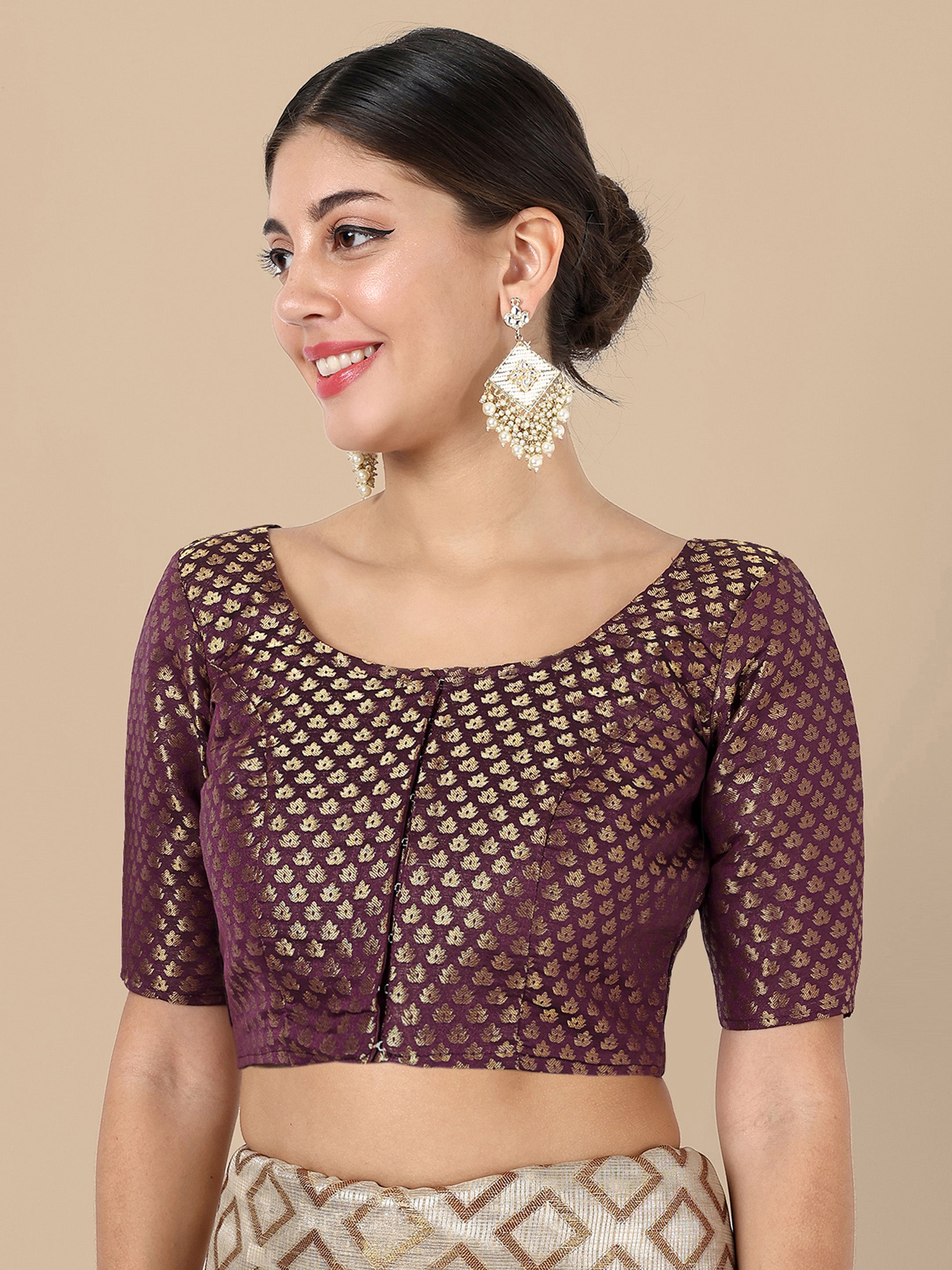


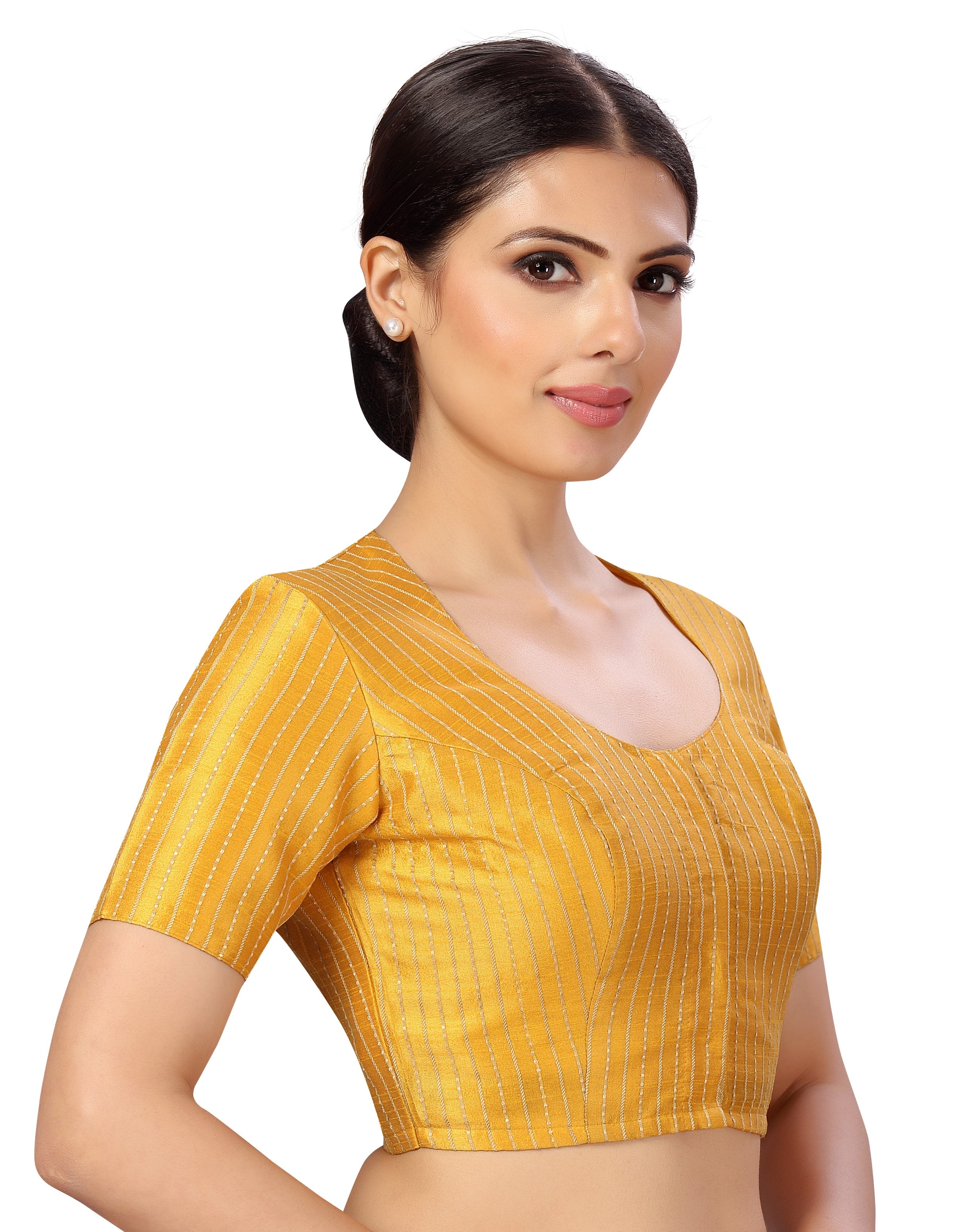

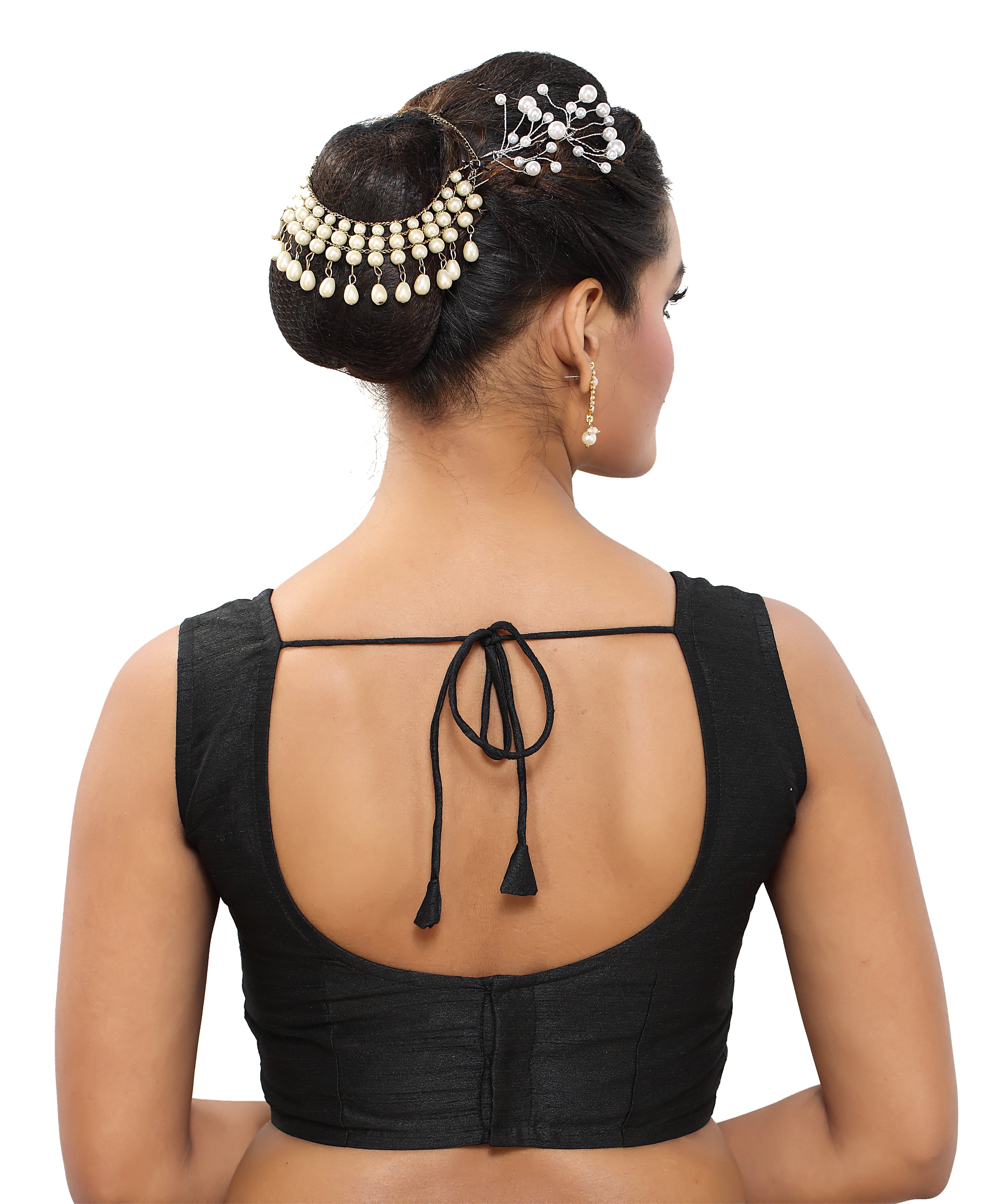

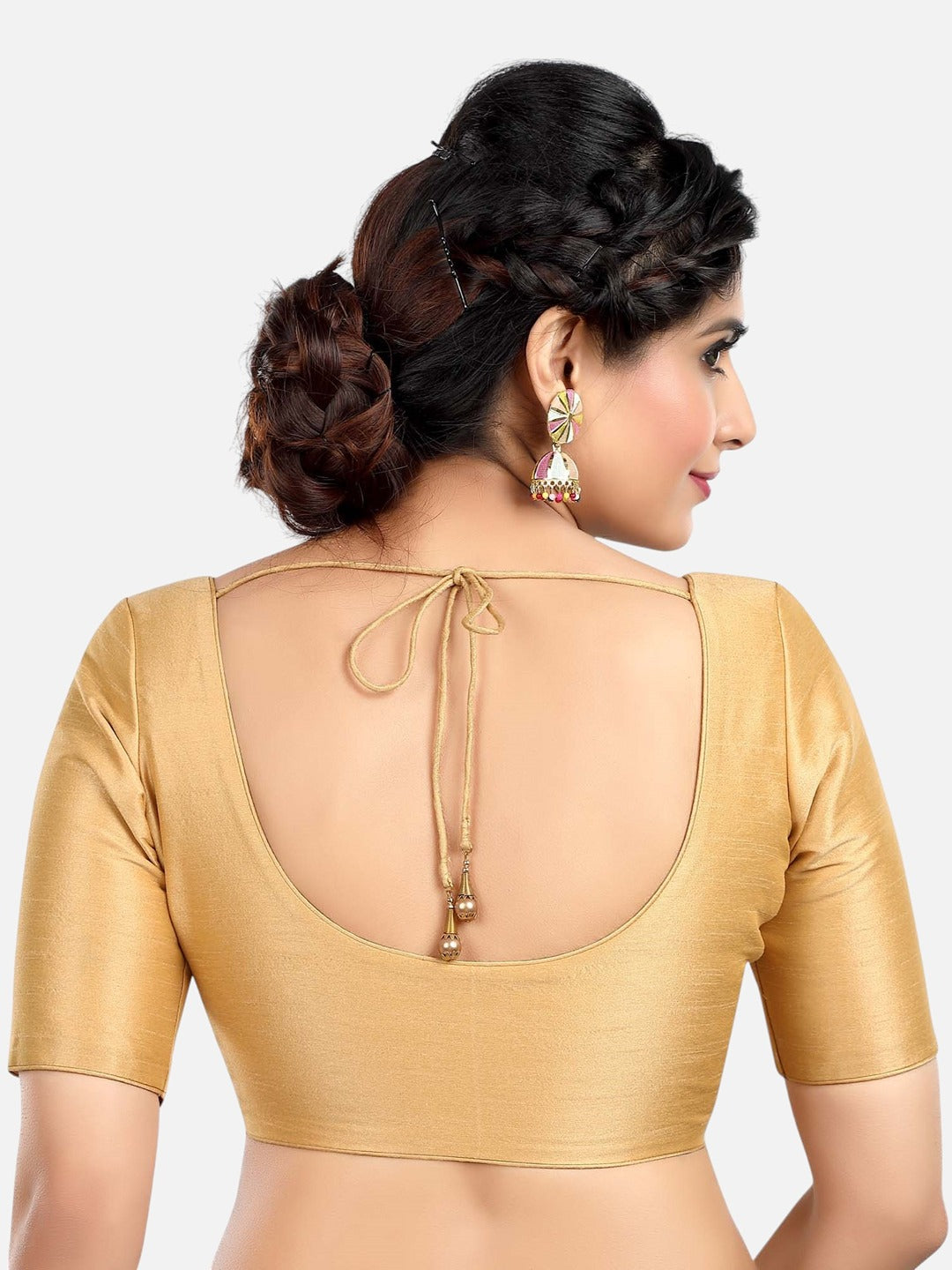


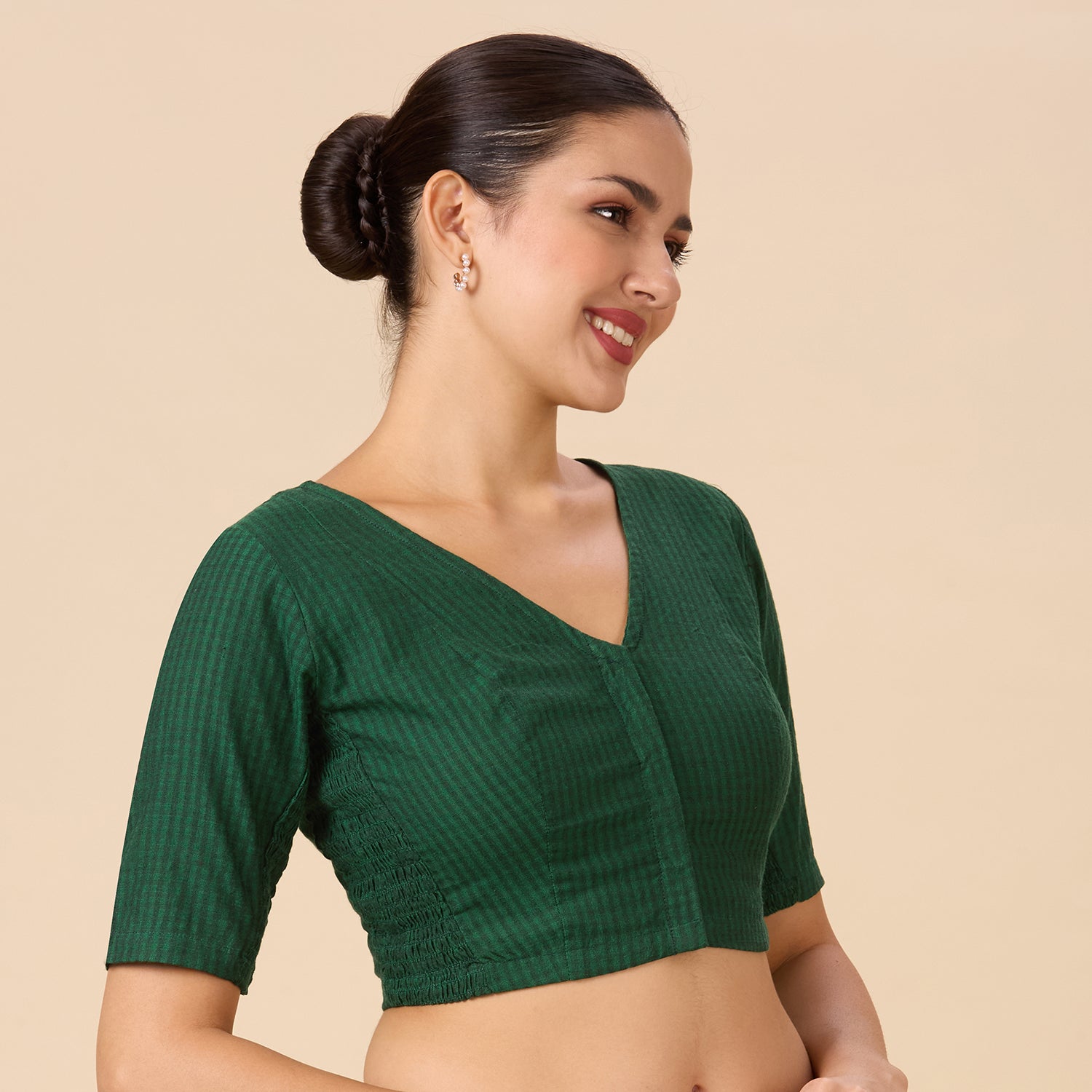

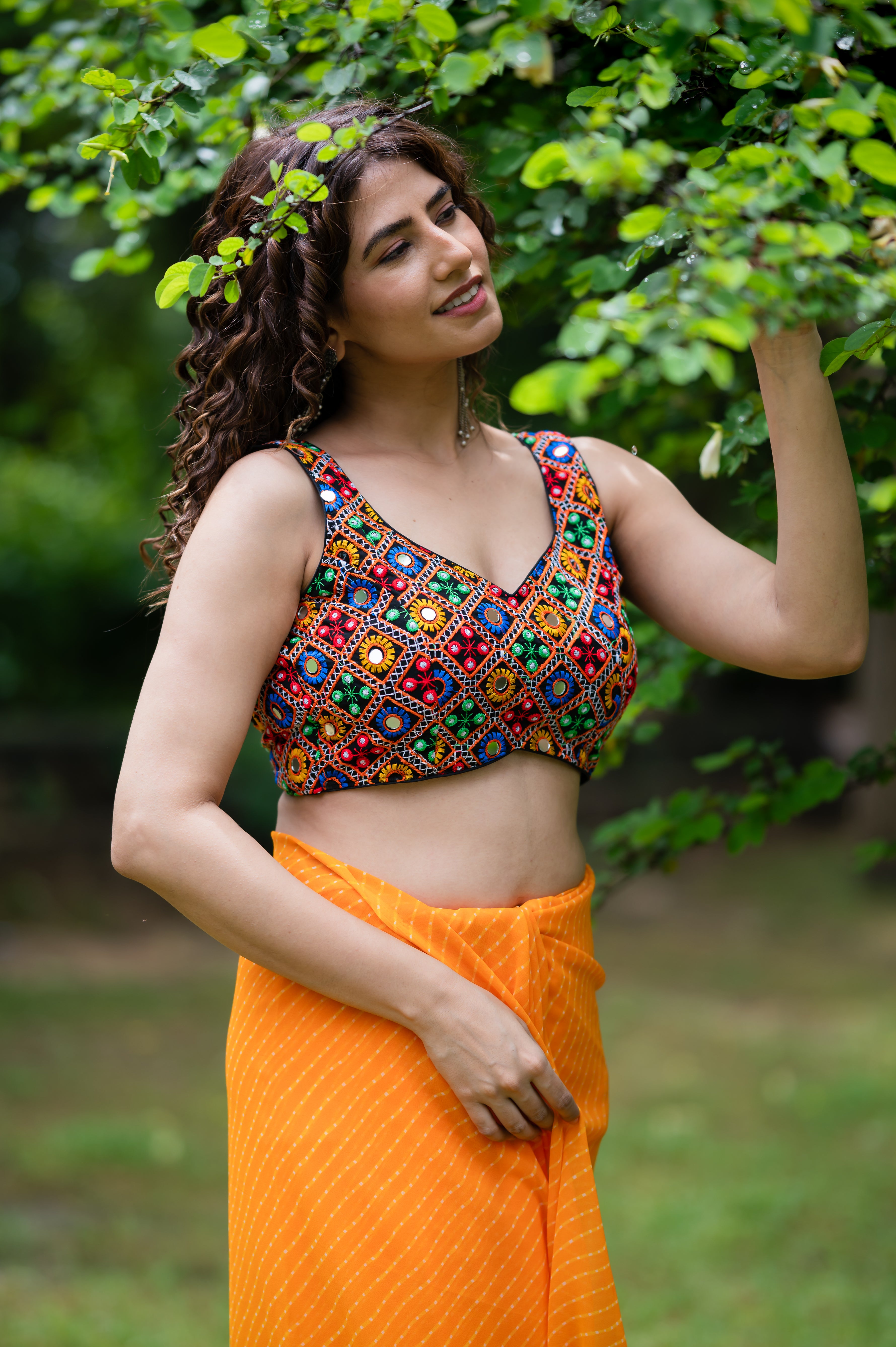

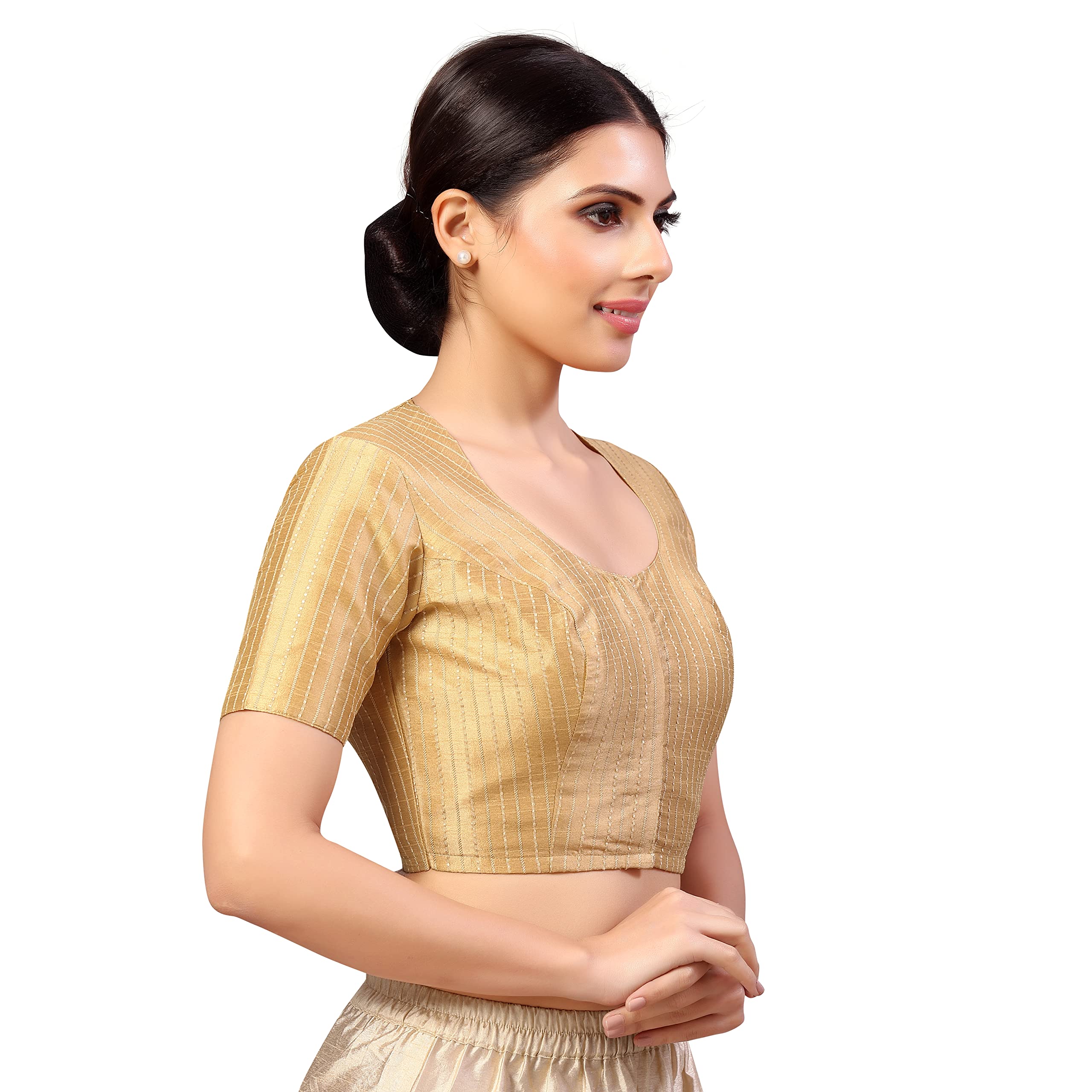

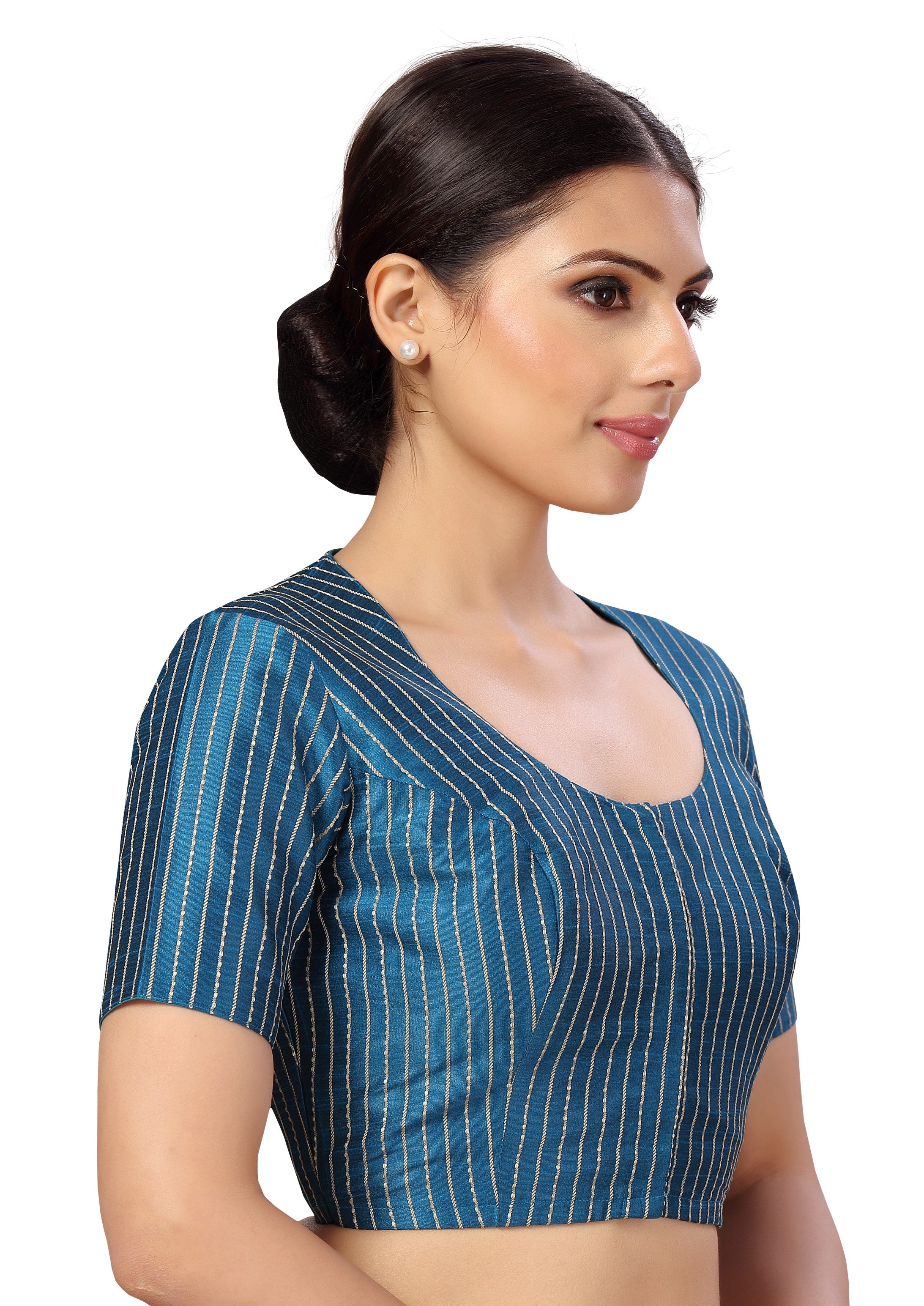


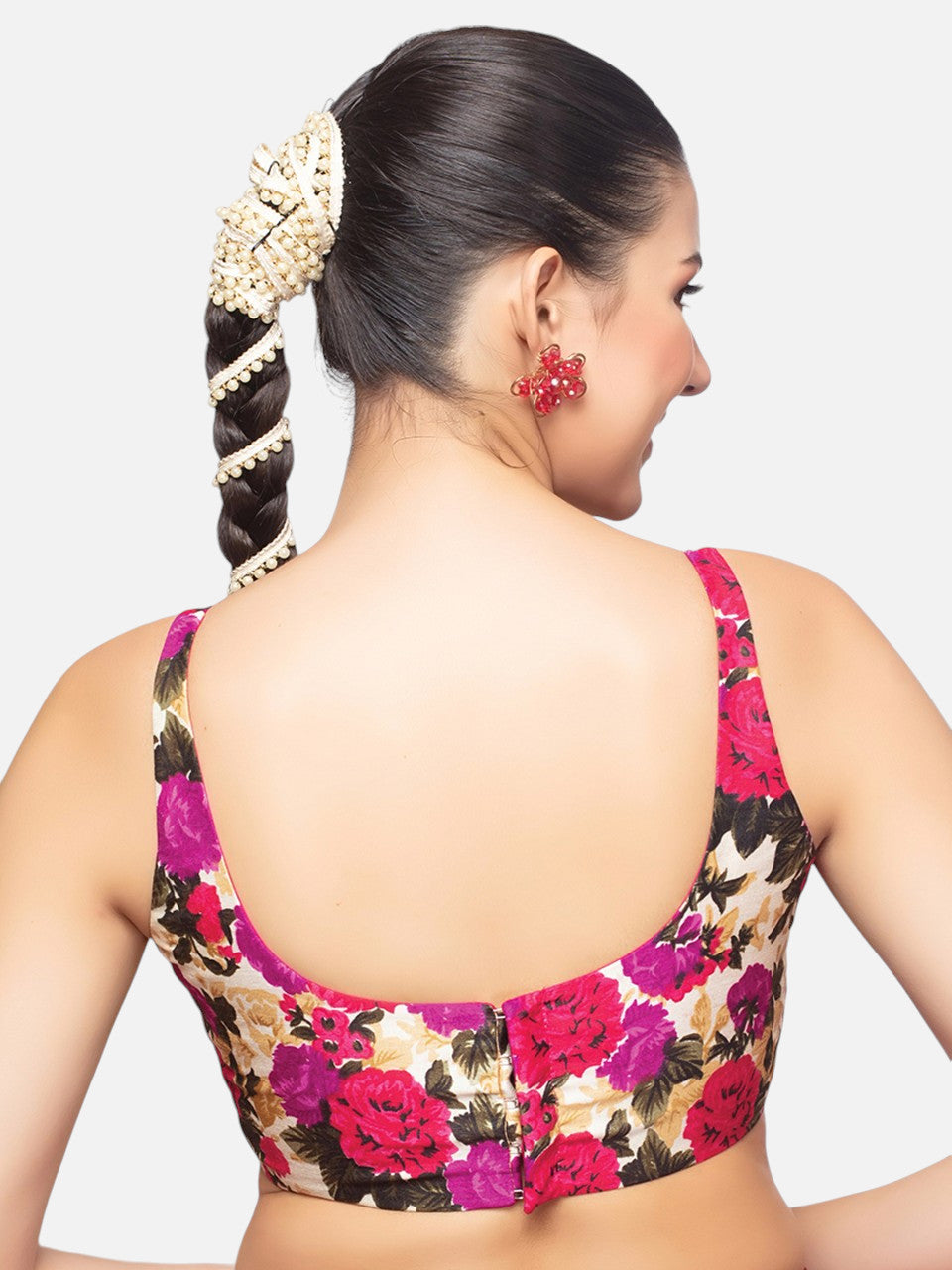

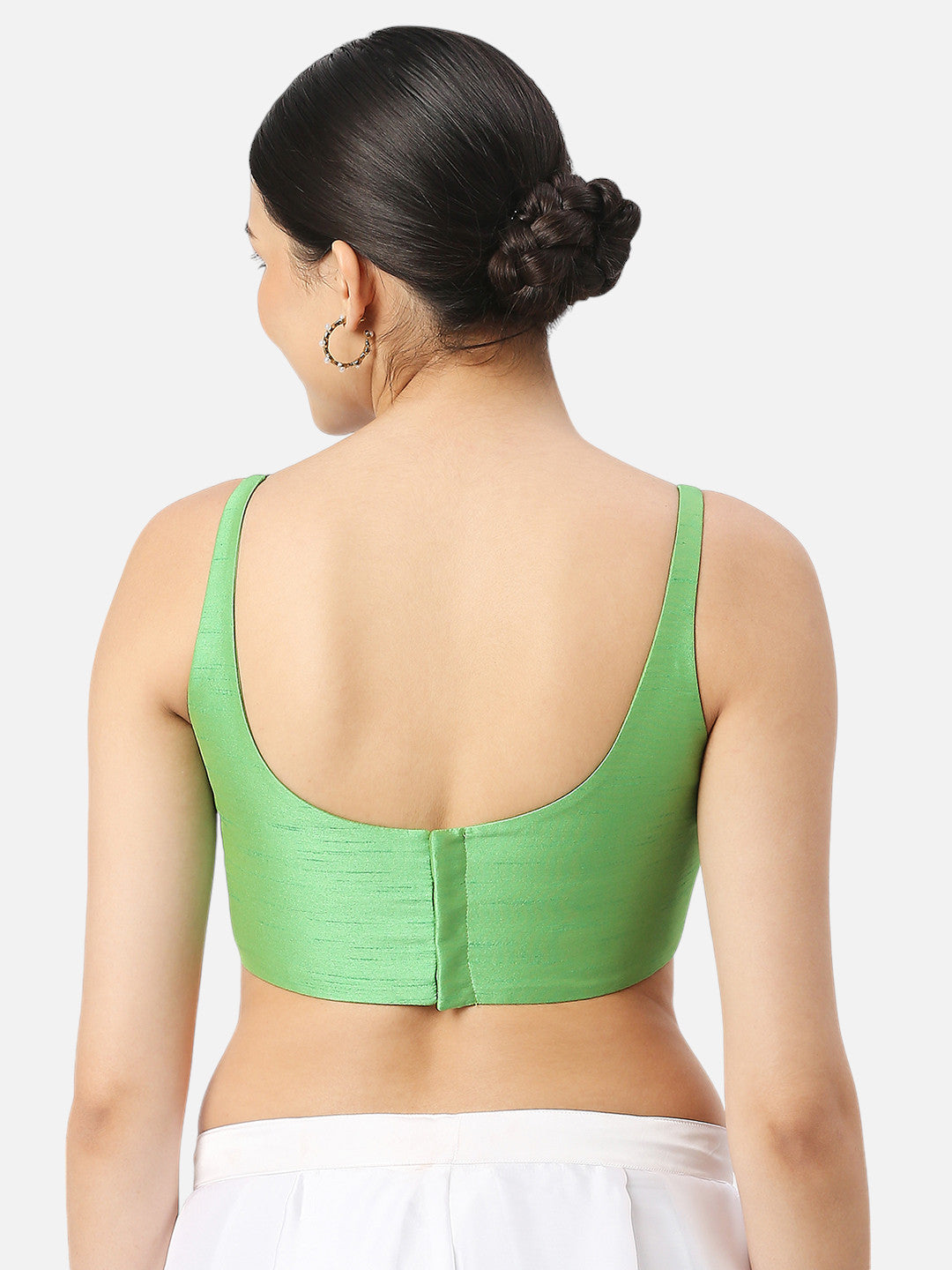

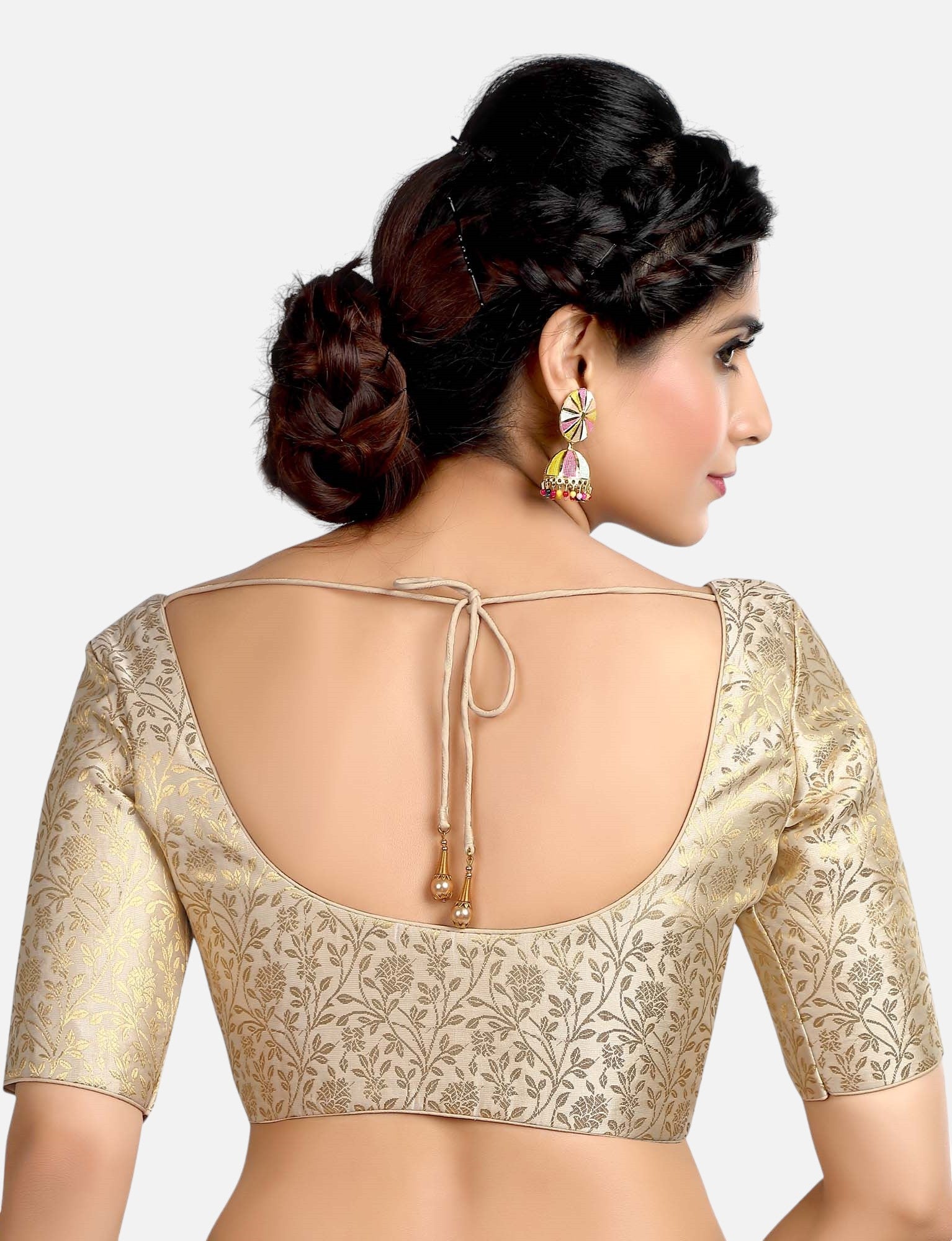

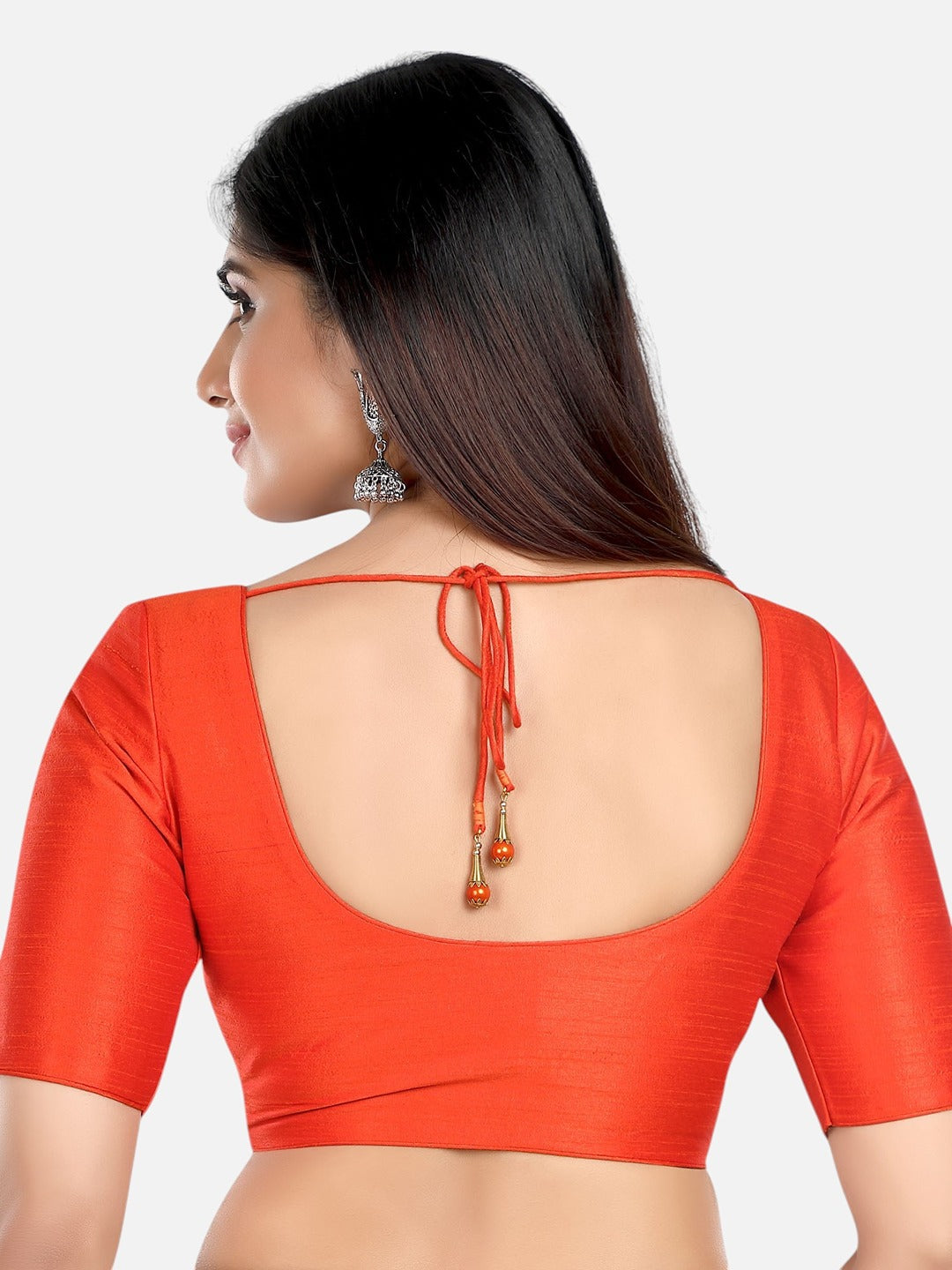

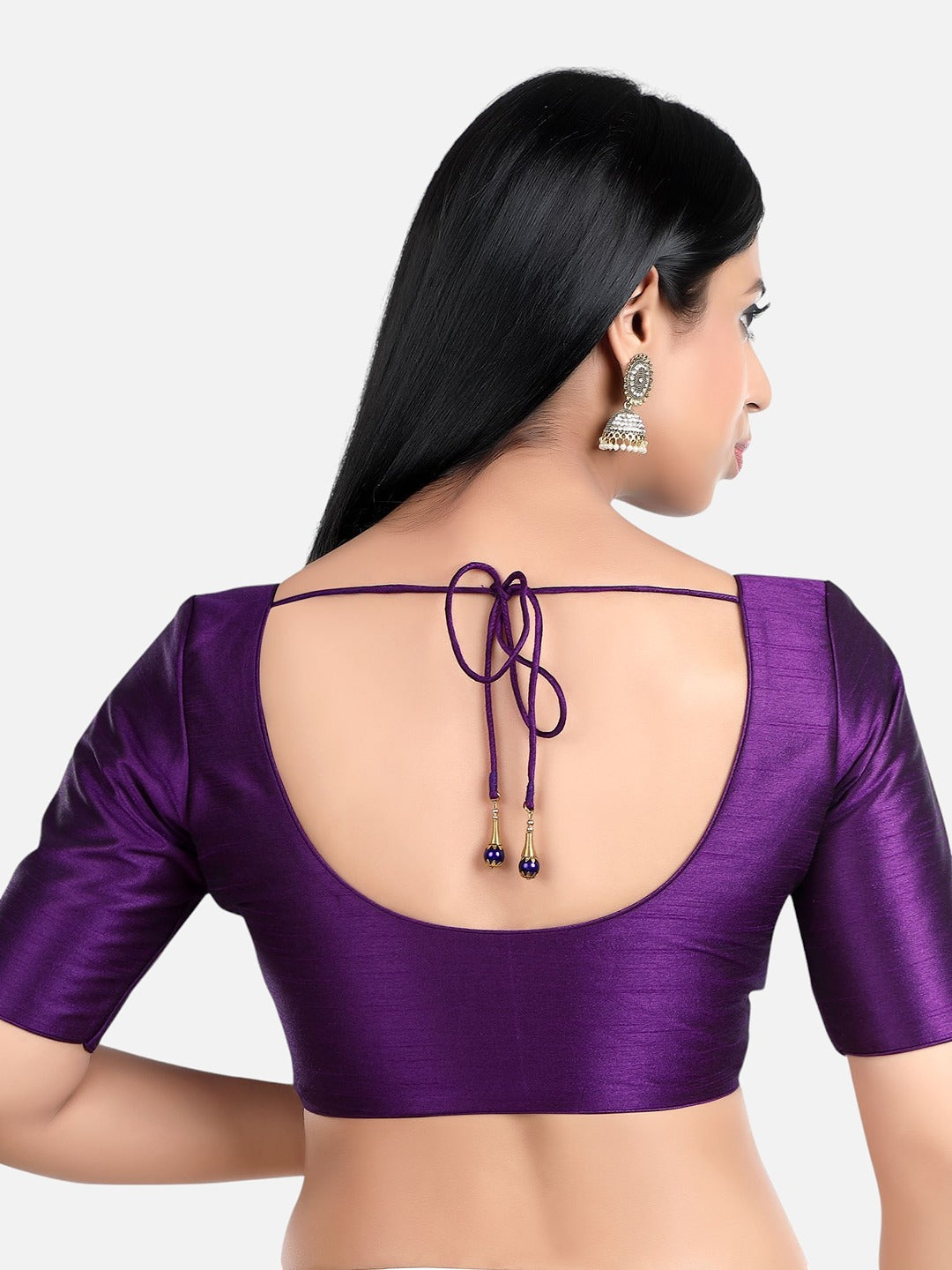

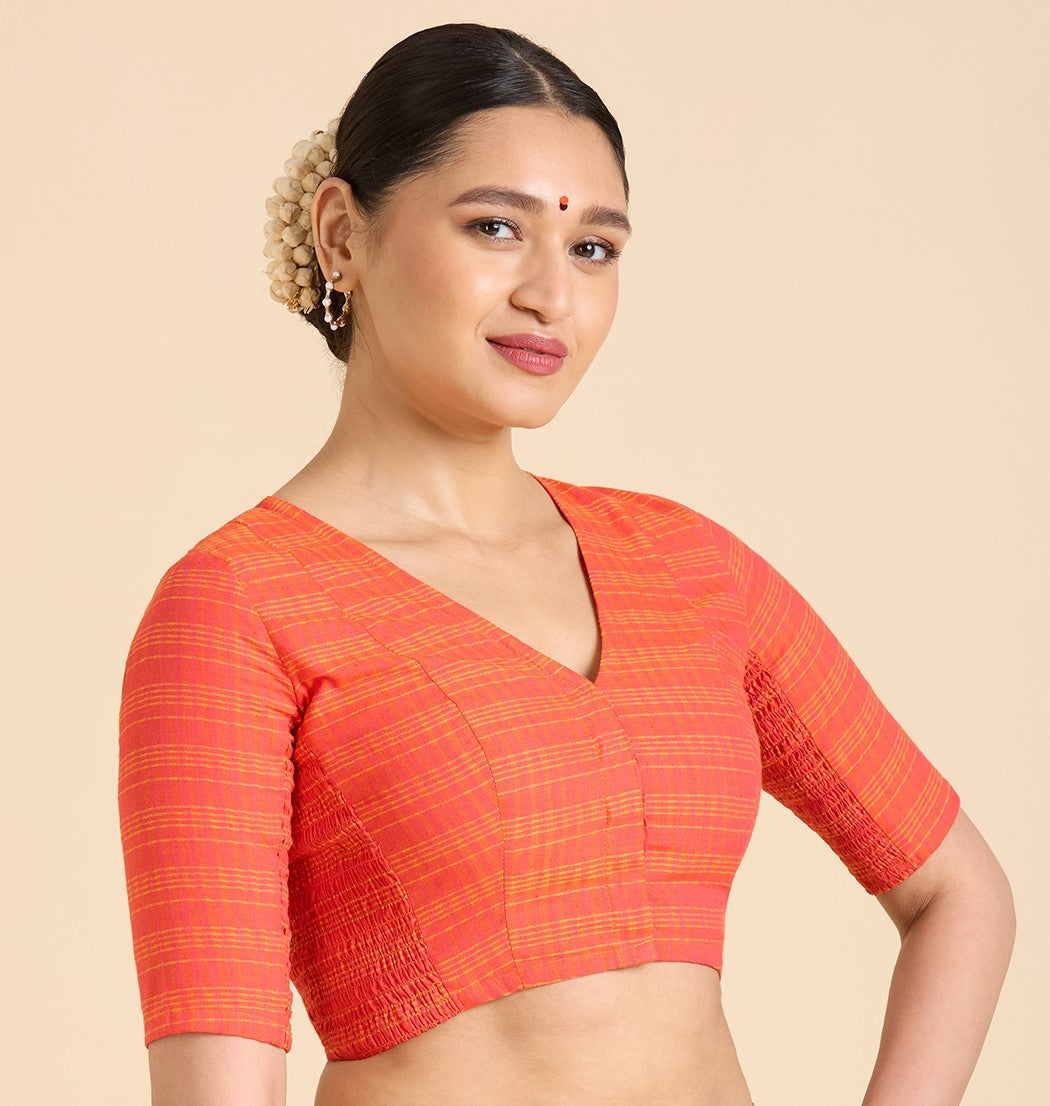

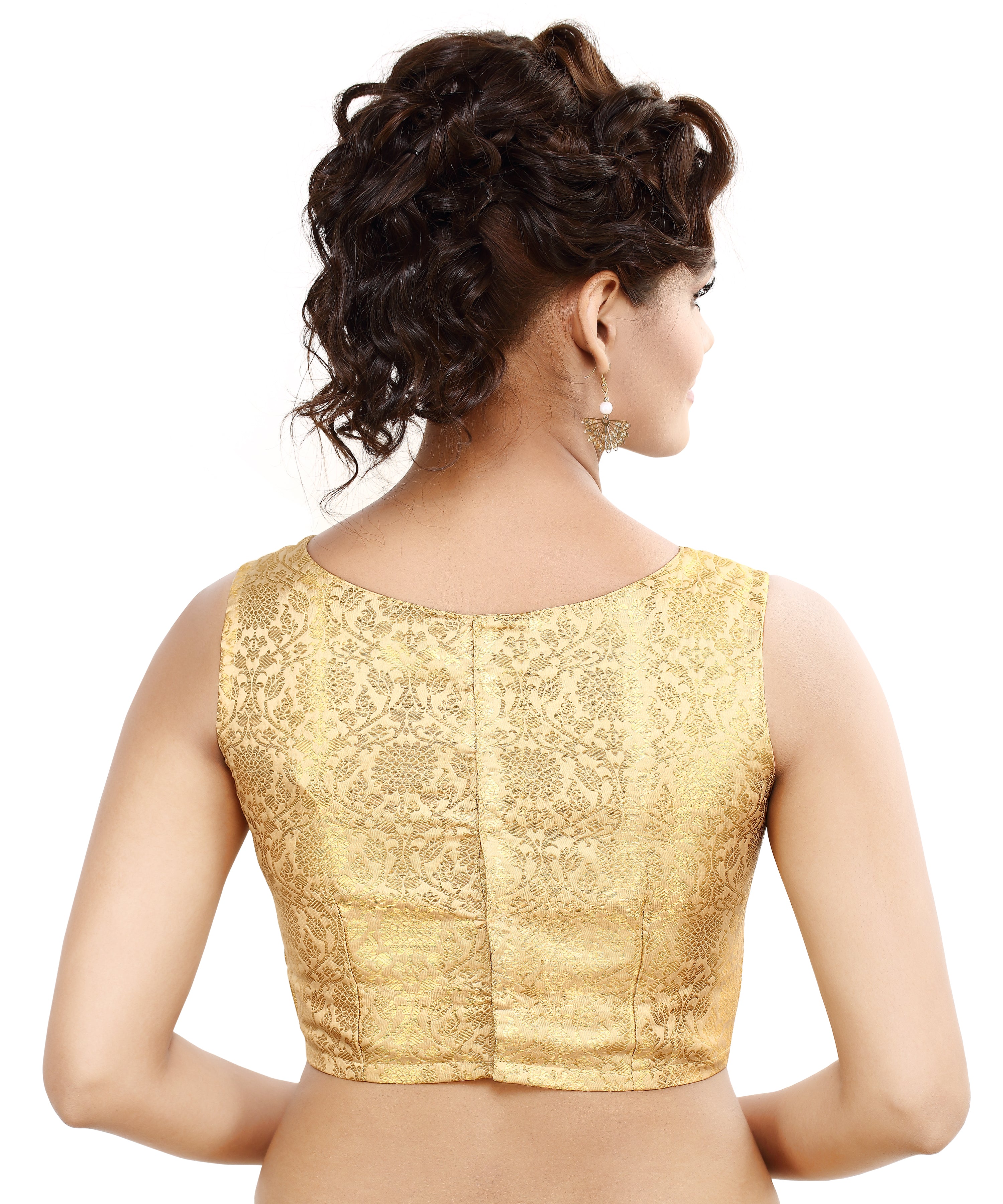


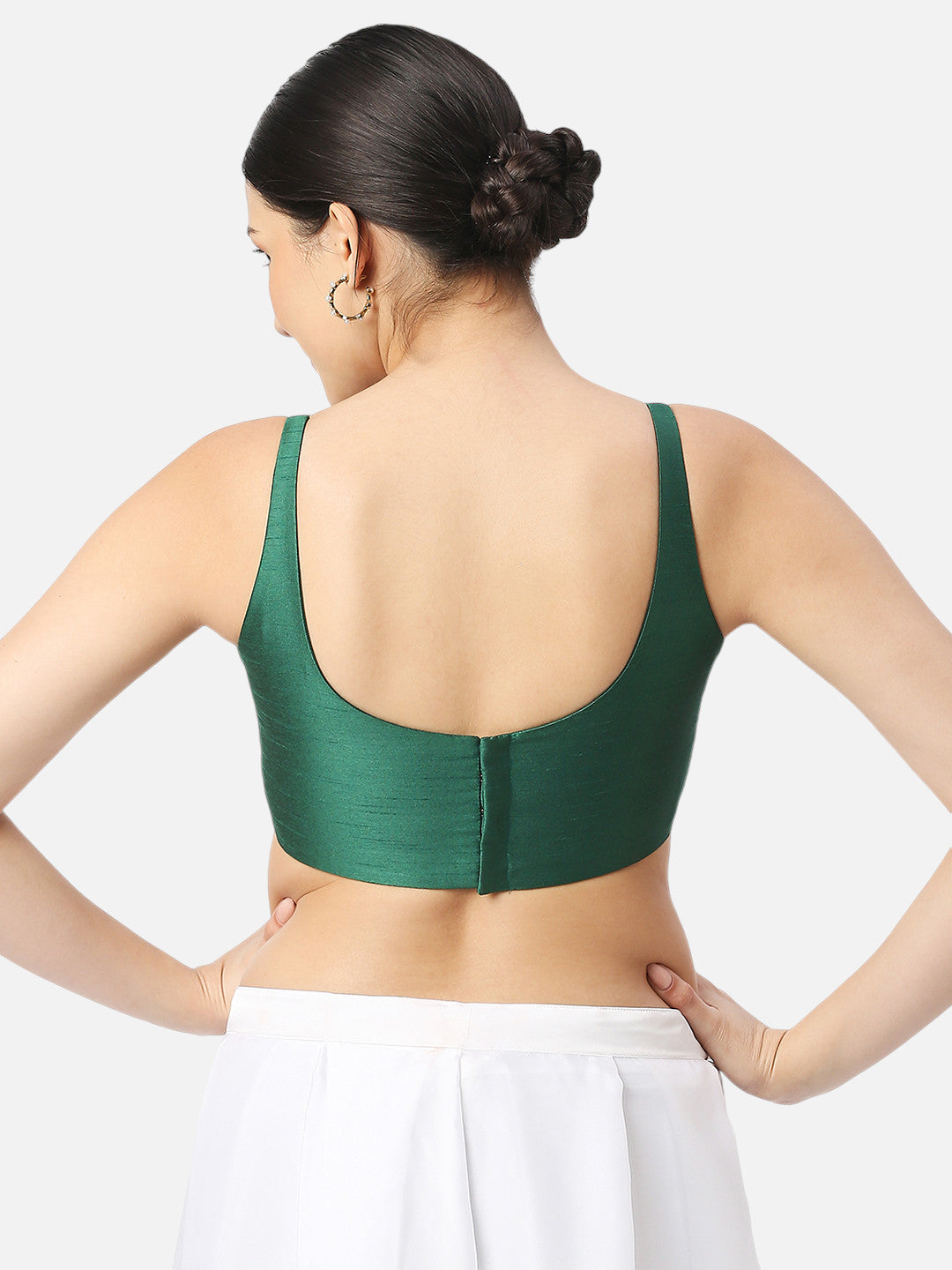


Most sarees arrive with an unstitched blouse piece - a rectangle of matching fabric that has to go to a tailor before the saree can be worn. That step takes one to two weeks, and considerably longer during wedding season. A ready-made blouse skips it entirely.
That is what this collection is for. Buy a stitched blouse in your size and a saree becomes wearable the day it arrives. It also lets you restyle sarees you already own, since a single saree with two different blouses reads as two different outfits.
Ready-Made or Tailored?
Both have a place, and the right choice depends on time and fit.
A tailored blouse made from the piece included with your saree will always match exactly, and it is cut to your measurements. That matters most for heavily worked silk sarees where the blouse piece carries the same zari or border as the drape.
A ready-made blouse wins on time, and on everything you already own. It is the practical answer when an event is close, when you have a saree sitting unworn because the blouse piece never made it to a tailor, or when you want a contrast blouse rather than a matching one.
Matching a Blouse to a Saree
This is the part that takes judgement, and it is where most people get stuck.
Exact colour matching from a screen is unreliable. Monitor calibration, lighting and fabric sheen all shift how a colour reads, and a blouse that looks identical online frequently arrives half a shade off - which is more noticeable than a deliberate contrast. Unless you can compare in person, matching exactly is the harder path.
Contrast is easier and is now standard practice rather than a compromise. Pull a secondary colour from the saree - one of the border colours, or a shade from the print - rather than trying to match the base. A gold or antique-gold blouse works with a very wide range of silk sarees. Black, cream and deep maroon are similarly forgiving. Plain sarees are the easiest of all to pair, since there is only one colour to work against.
Fabric weight should broadly match too. A heavy banarasi or silk saree wants a blouse with some structure; a light georgette or chiffon saree looks unbalanced with a stiff brocade blouse. Cotton and handloom sarees pair best with cotton or khadi blouses rather than anything shiny.
Colour-specific collections make this easier to shop: black, red, gold, green, blue, pink and yellow.
Necklines
The neckline decides how formal the blouse reads and what jewellery works with it.
|
Neckline |
How it sits |
Pairs with |
|
Round |
Close to the base of the neck |
Statement necklaces, everyday wear |
|
V-neck |
Open at the front to a point |
Pendants and shorter chains |
|
Scoop |
Wide and shallow curve |
Layered or choker-style necklaces |
|
Boat |
Wide across, high at the front |
Statement earrings, no necklace |
|
Sweetheart |
Curved dip at the bust line |
Contemporary and party sarees |
|
High neck |
Collared or closed to the throat |
Earrings only |
|
Deep back |
Low cut at the rear |
Worn where the pallu is pinned back |
The practical rule is that neckline and necklace compete. A high or boat neck leaves no room at the throat, so jhumkas carry the look instead. A round or V-neck leaves space for a necklace, which is why those are the versatile options if you want to wear a set. Our guide to silk saree blouse designs works through necklines in more detail.
Deep-back and cut-out designs are worn where the pallu is pinned back rather than draped loose over the shoulder, since a loose pallu covers the back entirely. If you drape traditionally, the back design will not be visible, which is worth knowing before paying for it.
Sleeves
Sleeveless and cap sleeves read contemporary and work with georgette and chiffon drapes. Short and elbow-length sleeves are the most common and the most versatile. Three-quarter and full sleeves read traditional and formal, and are the usual choice with heavy silk sarees, brocade blouses and winter events.
Sleeve length also has a practical side. Longer sleeves stay put through a long function, while sleeveless and cap sleeves need the armhole to fit precisely or they ride and gape. If you cannot try the blouse on, a short sleeve is the safer buy.
Closures and Construction
|
Closure |
How it works |
Worth knowing |
|
Hook and eye |
Rows of metal hooks at the back |
The standard; easy for a tailor to move |
|
Zip |
Concealed zip at the back or side |
Neatest finish, least adjustable |
|
Tie back or dori |
Fabric ties knotted at the back |
Most forgiving across size changes |
|
Front open |
Hooks or buttons at the front |
Easiest to put on without help |
|
Potli buttons |
Knotted fabric buttons |
Decorative, usually on the back |
Two construction details worth checking on any listing. First, whether the blouse is padded - padded blouses have cups built in and are worn without a separate bra, which changes how you size them. Non-padded blouses are worn over your own, so the fit allows for it.
Second, whether sheer fabrics are lined. Net, organza and lightweight georgette blouses need a lining, and listings that do not mention one may not include it. An unlined net blouse is not wearable as supplied without something underneath.
Most ready-made blouses include seam allowance inside - usually an inch or two of extra fabric at the side seams so a tailor can let the blouse out. This is why sizing up is safer than sizing down: a blouse that is slightly large can be taken in easily, while one that is too small is limited by whatever margin the maker left.
Sizing
Blouse sizing is often given by bust measurement in inches - 32, 34, 36, 38 and up - rather than by S, M and L, and the two do not map onto each other reliably. Measure your bust at the fullest point with the tape level and not pulled tight, then check that number against the chart on the individual product page. Because Trendia lists several independent labels, sizing is not standardised between them.
Bust is the binding measurement, but shoulder width and armhole matter almost as much for whether a blouse actually sits well. A blouse that fits at the bust but pulls across the shoulders will gape at the armhole and ride up when you raise your arms. Extended sizing is grouped in the plus size collection.
If you fall between sizes, size up. Taking a blouse in at the side seams and darts is straightforward for any tailor; letting one out is limited by the seam allowance. Tie-back and dori closures give the most tolerance of all and are worth choosing if your measurements sit awkwardly between two sizes.
Fabrics and Embellishment
Silk and art silk hold structure and suit heavy sarees. Cotton and khadi breathe and are the practical choice for daily wear and for pairing with cotton drapes. Lycra and stretch blends give the most forgiving fit, which makes them useful when buying without trying on. Velvet reads formal and warm, suiting winter functions. Net and organza are sheer and need lining.
On embellishment: zari and brocade blouses are woven, so the pattern is part of the fabric. Embroidery, sequin and bead work sits on the surface and is more vulnerable to snagging, particularly at the sleeve edge where it catches on a dupatta or pallu. For heavily worked wedding sarees, a plain blouse in a solid colour often looks better than a second worked piece competing with the drape.
Care
Blouses fail at the underarm before anywhere else. Perspiration and deodorant both degrade fabric and discolour it, and on silk the marks are permanent. Apply deodorant well before dressing and let it dry completely, and consider dress shields for long events - this single habit extends the life of a good blouse more than anything else.
Cotton and lycra blouses can be hand washed cold and dried in shade. Silk, velvet, net and anything embroidered, sequinned or zari-worked should be dry cleaned. Turn blouses inside out before storing so surface work does not catch on other garments, and store them flat or lightly folded rather than crushed under heavier pieces.
FAQs: Saree Blouses
Why buy a ready-made blouse instead of stitching the one that comes with the saree?
Time, mainly. The blouse piece included with a saree is unstitched and needs a tailor, which adds one to two weeks and longer in wedding season. A ready-made blouse is wearable immediately and also lets you restyle sarees you already own with a contrast blouse.
Should the blouse match the saree exactly?
Contrast is easier and is standard practice now. Exact matching from a screen is unreliable, since lighting and fabric sheen shift how colour reads, and half a shade off is more noticeable than a deliberate contrast. Pull a secondary colour from the saree border or print instead.
What size saree blouse should I order?
Measure your bust at the fullest point and check that against the product page chart - blouse sizing is often given in inches rather than S, M and L. Also consider shoulder width and armhole. If between sizes, size up: taking a blouse in is simple, letting it out is limited by the seam allowance.
Can I alter a ready-made blouse?
Yes, and most include an inch or two of seam allowance at the sides for exactly that. Taking in the side seams, adjusting darts and shortening sleeves are all routine. Letting a blouse out is possible but limited by how much fabric the maker left.
What is the difference between a padded and non-padded blouse?
A padded blouse has cups built in and is worn without a separate bra. A non-padded blouse is worn over your own, and the fit allows for it. Check the listing, since it affects which size to order.
Do net and sheer blouses come lined?
Not always. Net, organza and lightweight georgette blouses need a lining to be wearable, and some listings supply them unlined. Check before ordering, since adding a lining afterwards means another trip to a tailor.
Which neckline works with a heavy necklace?
Round and V-necks leave space at the throat for a necklace to sit. Boat, high and closed necklines fill that space, so they work better with statement earrings alone. Wearing a heavy necklace with a high neckline is the most common styling mismatch.
Which blouse fabric is best for summer?
Cotton and khadi breathe best and suit daily wear. Lycra blends are comfortable and forgiving in fit but less breathable. Avoid velvet, brocade and heavily embroidered blouses in heat, since none of them allow airflow and embroidery backing traps warmth.
How do I care for an embroidered blouse?
Dry clean only, and store away from direct sunlight, which fades thread and dulls sequins. The underarm is where blouses deteriorate first, so let deodorant dry fully before dressing and use dress shields at long events.
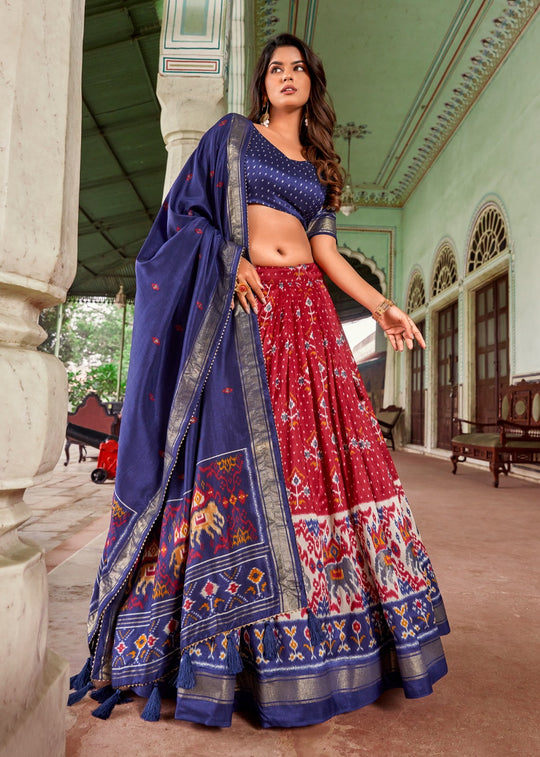
Can I wear these blouses with a lehenga?
Some styles work as a lehenga choli, particularly cropped and structured designs. The difference is length and fit: a saree blouse is cut to sit under a draped pallu, while a choli is usually shorter and more fitted. Check the measurements against your lehenga before assuming they pair.